The moiré effect is a fascinating optical phenomenon that often emerges in the realm of digital displays, particularly LED screens. While it can sometimes be an unintended visual artifact, understanding its origin, implications, and mitigation strategies is essential for professionals working with LED technology, from display manufacturers to content creators and end-users. This article delves into the moiré effect as it relates to LED displays, exploring its causes, real-world examples, and practical solutions to optimize viewing experiences.
What Is the Moiré Effect?
The moiré effect occurs when two repetitive patterns overlap, creating a new, often larger-scale pattern that can appear as waves, ripples, or interference fringes. This visual artifact is not limited to digital displays—it can be observed in textiles, printed materials, and even natural settings like water ripples. However, in the context of LED displays, it manifests as unwanted distortions or shimmering patterns that degrade image quality.
At its core, the moiré effect arises from the interaction between the pixel grid of the LED display and the spatial frequency of the image content or the camera sensor capturing the display. When these patterns interfere, they produce secondary patterns that the human eye perceives as moiré. This phenomenon is particularly noticeable when fine details or repetitive patterns are displayed or when a camera records the screen.
Why the Moiré Effect Matters in LED Displays
LED displays are widely used in advertising billboards, stadium screens, retail signage, and even consumer electronics. The clarity and sharpness of the displayed content are critical to effective communication and user experience. The moiré effect can distract viewers, reduce readability, and diminish the perceived quality of the display. For industries relying on LED technology, understanding and controlling moiré is essential to maintain brand integrity and ensure clear messaging.
Moreover, the implications of the moiré effect extend beyond aesthetics; they can significantly impact the functionality of various applications. For instance, in the realm of digital art and photography, artists and photographers must be acutely aware of how moiré can alter the intended visual message. Techniques such as anti-aliasing, image scaling, and careful selection of resolution can help mitigate these effects, allowing for a more accurate representation of the original work. Additionally, in the fashion industry, designers often face challenges with moiré when showcasing intricate patterns on fabric, necessitating innovative solutions to preserve the integrity of their designs during photoshoots or runway shows.
In technical fields, such as engineering and architecture, the moiré effect can also play a role in the interpretation of complex data visualizations. Engineers may use layered patterns to convey information, and the unintended creation of moiré patterns can lead to misinterpretations of critical data. As a result, professionals in these areas must employ strategies to ensure that their visual presentations remain clear and unambiguous, reinforcing the importance of understanding this phenomenon across various disciplines.
How the Moiré Effect Occurs in LED Displays
Pixel Structure and Spatial Frequency Interference
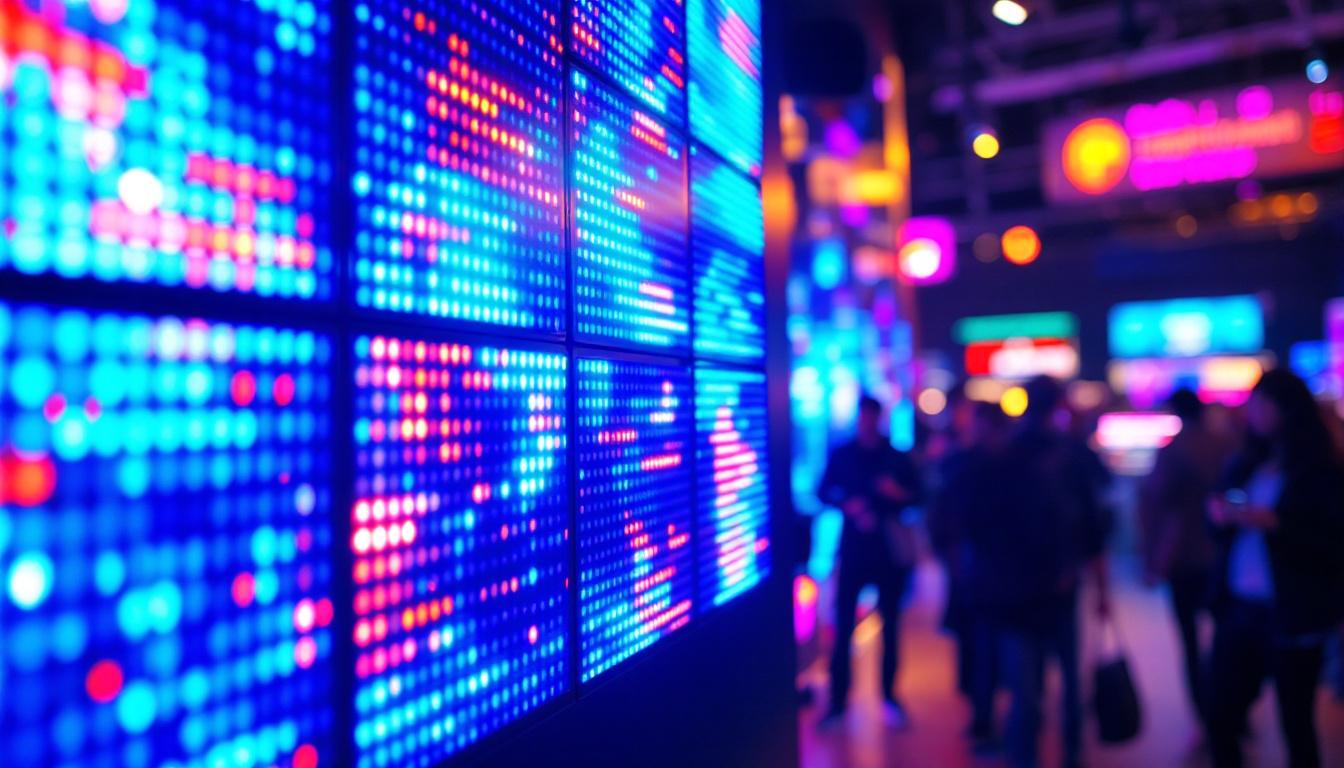
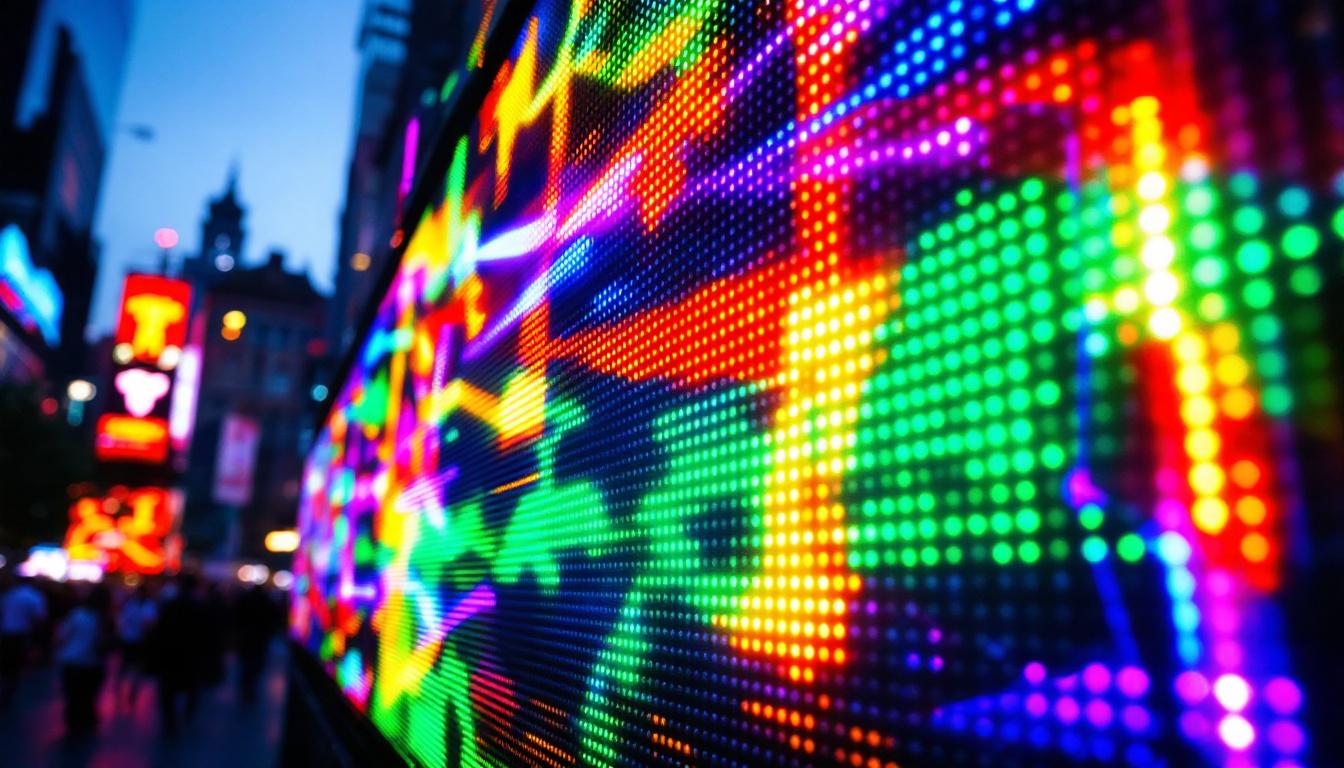
LED displays consist of an array of tiny light-emitting diodes arranged in a grid pattern. Each LED or group of LEDs represents a pixel or subpixel, responsible for rendering a specific color and brightness level. The pixel pitch—the distance between the centers of adjacent pixels—determines the resolution and sharpness of the display. A smaller pixel pitch typically results in a higher resolution, allowing for more detailed images and smoother gradients. This is particularly important in applications where visual fidelity is paramount, such as in digital signage, high-definition televisions, and gaming monitors.
When an image with its own repetitive patterns is displayed, the spatial frequency of that image can interact with the pixel grid’s frequency. If these frequencies are close but not identical, the interference creates moiré patterns. For example, displaying a finely striped shirt or a tightly woven fabric on an LED screen can result in visible moiré distortions. These patterns can be distracting and can detract from the overall viewing experience, especially in professional settings like fashion shows or product displays where accurate color representation and detail are crucial.
Camera Capture and Moiré Amplification
Another common scenario where moiré becomes apparent is during the filming or photographing of LED displays. Cameras have their own sensor grids, and when these sensor patterns interact with the LED pixel grid, moiré patterns can be amplified or introduced. This is why live broadcasts or recorded footage of LED screens sometimes exhibit shimmering or wavy artifacts that were not visible to the naked eye. The phenomenon is particularly pronounced when the camera is positioned at certain angles or when zooming in on the display, as the alignment of the sensor grid with the pixel structure can exacerbate the interference effects.
Professional videographers often use optical low-pass filters to reduce moiré, but this solution is not always feasible or desirable, especially in high-resolution or large-scale LED installations. Additionally, some modern cameras are designed with advanced algorithms that help mitigate moiré by analyzing the image data and smoothing out the patterns. However, these solutions can sometimes lead to a loss of fine detail, which is a trade-off that professionals must carefully consider. Understanding the nuances of moiré is essential not just for videographers but also for graphic designers and digital artists who aim to create visually stunning content that translates well across various media formats.
Real-World Examples and Impact
Outdoor Advertising and Stadium Screens
In large-scale LED installations such as stadium screens or outdoor billboards, the moiré effect can be particularly problematic. These displays often use a pixel pitch optimized for viewing distances of several meters or more. However, when viewers get closer or when cameras zoom in, moiré patterns can become visible, reducing the impact of the advertised content.
For instance, during major sporting events, broadcasters have occasionally encountered moiré artifacts when filming LED perimeter advertising boards. These artifacts can distract viewers and detract from the professionalism of the broadcast.
Consumer Electronics and Virtual Reality
In consumer devices like smartphones, tablets, and virtual reality (VR) headsets, the moiré effect can degrade user experience by causing eye strain or reducing image clarity. VR headsets, in particular, have extremely high pixel densities, but the close proximity of the display to the eyes makes even subtle moiré patterns noticeable.
Manufacturers invest heavily in display technology and software algorithms to minimize moiré, ensuring immersive and comfortable user experiences.
Techniques to Mitigate the Moiré Effect in LED Displays
Optimizing Pixel Pitch and Resolution
One of the most straightforward ways to reduce moiré is by selecting an appropriate pixel pitch that matches the expected viewing distance and content type. A finer pixel pitch increases resolution and reduces the likelihood of interference with image patterns.
For example, indoor LED displays often use pixel pitches as small as 1.2 mm to 2.5 mm, which helps minimize moiré when viewers are close to the screen. Outdoor displays, which are viewed from greater distances, typically have larger pixel pitches but may require additional measures to control moiré.
Using Anti-Aliasing and Image Processing Algorithms
Modern LED display systems incorporate sophisticated image processing techniques to reduce moiré. Anti-aliasing algorithms smooth out high-frequency details in the content, preventing the creation of patterns that interfere with the pixel grid.
Some systems dynamically adjust the displayed image based on ambient lighting and viewing conditions, further mitigating moiré visibility. These software-based solutions complement hardware improvements and are essential in complex or variable environments.
Employing Optical Filters and Diffusers
Physical solutions such as optical diffusers or filters can reduce moiré by softening the light emitted from the LED pixels. Diffusers scatter the light slightly, blurring the hard edges of the pixel grid and minimizing interference patterns.
While this can reduce the sharpness of the display, the trade-off is often worthwhile in environments where moiré artifacts would otherwise be highly distracting.
Careful Content Design and Testing
Content creators play a crucial role in minimizing moiré by designing visuals that avoid repetitive fine patterns or high-frequency textures prone to interference. Testing content on actual LED displays before deployment helps identify potential moiré issues early.
For example, advertisers might avoid using tightly spaced stripes or grids in their graphics, opting instead for gradients or larger shapes that are less likely to trigger moiré.
Future Trends and Innovations
Advancements in LED Technology
Emerging LED technologies, such as microLED and miniLED, promise higher pixel densities and improved color accuracy, which can inherently reduce moiré effects. These technologies enable displays with finer pixel pitches and better control over light emission, enhancing image quality.
Additionally, flexible and transparent LED displays are opening new possibilities for content presentation, though they also introduce new challenges in managing moiré due to their unique structural properties.
Artificial Intelligence and Machine Learning
AI-driven image processing is becoming increasingly sophisticated in detecting and correcting visual artifacts like moiré in real-time. Machine learning algorithms can analyze content and display characteristics to dynamically adjust rendering parameters, minimizing moiré without compromising image detail.
This approach is particularly promising for live broadcasting and interactive displays, where conditions change rapidly and manual adjustments are impractical.
Conclusion
The moiré effect in LED displays is a complex interplay of hardware design, content characteristics, and environmental factors. While it can detract from the visual experience, a combination of optimized pixel pitch, advanced image processing, optical solutions, and thoughtful content design can effectively mitigate its impact.
As LED technology continues to evolve, new innovations and AI-driven techniques will further reduce moiré artifacts, enabling clearer, more vibrant, and more engaging displays across a wide range of applications. Understanding the moiré effect and its implications is essential for anyone involved in the design, production, or use of LED displays, ensuring that the full potential of this dynamic technology is realized.
Discover LumenMatrix’s Advanced LED Display Solutions
Ready to experience the pinnacle of LED display technology without the distraction of the moiré effect? LumenMatrix is at the forefront of crafting immersive visual experiences with our comprehensive range of LED display solutions. From captivating Indoor and Outdoor LED Wall Displays to innovative LED Sports and Transparent Displays, we have the technology to bring your vision to life. Elevate your brand’s presence and engage your audience like never before. Check out LumenMatrix LED Display Solutions today and see the difference cutting-edge design can make.