3D Billboard: LED Display Explained
In recent years, the advertising landscape has undergone a remarkable transformation, driven by advancements in display technology. Among the most eye-catching innovations is the 3D billboard, a dynamic form of advertising that leverages LED displays to create immersive, attention-grabbing visuals. This technology has revolutionized how brands communicate with audiences in public spaces, offering an engaging alternative to traditional 2D billboards.
This article delves into the world of 3D billboards powered by LED displays, exploring how they work, their benefits, applications, and future potential. Whether you are a marketer, advertiser, or technology enthusiast, understanding this cutting-edge medium is essential to grasp the future of outdoor advertising.
Understanding 3D Billboards and LED Display Technology
What Is a 3D Billboard?
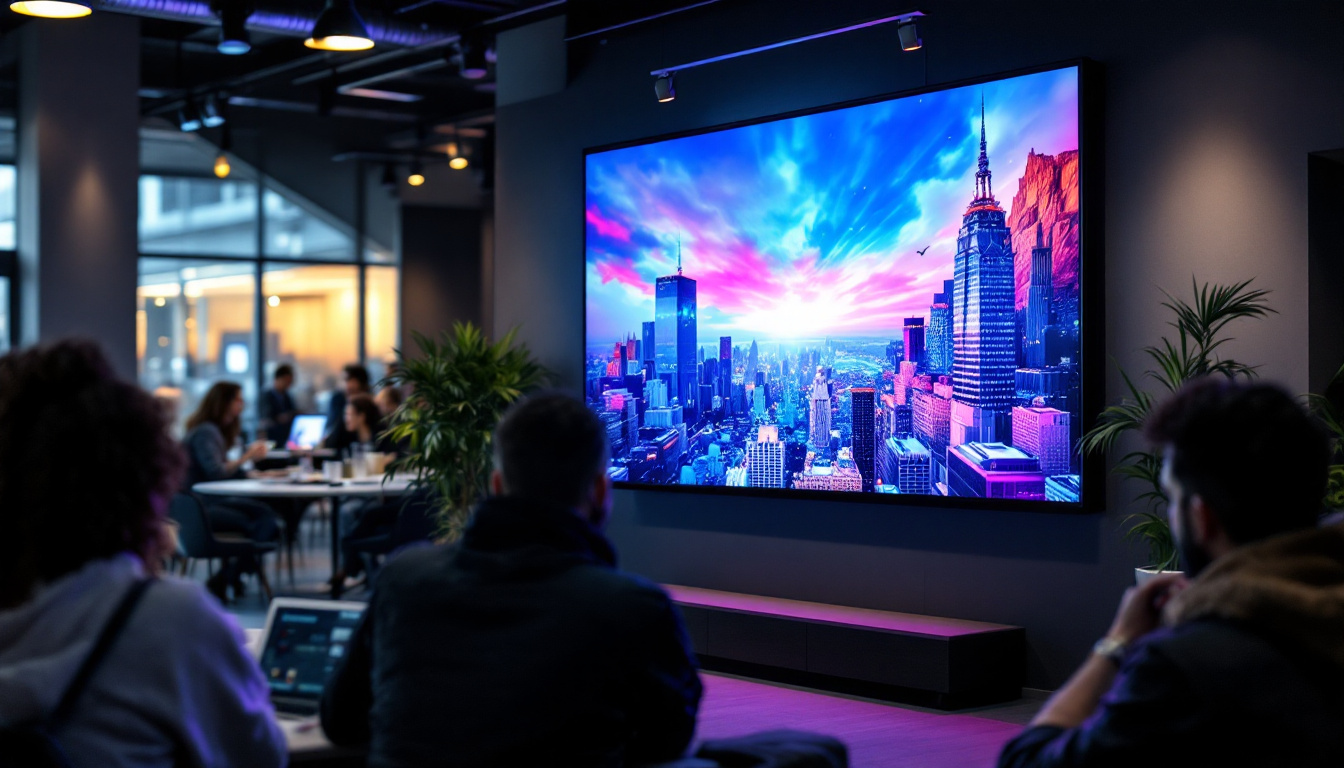
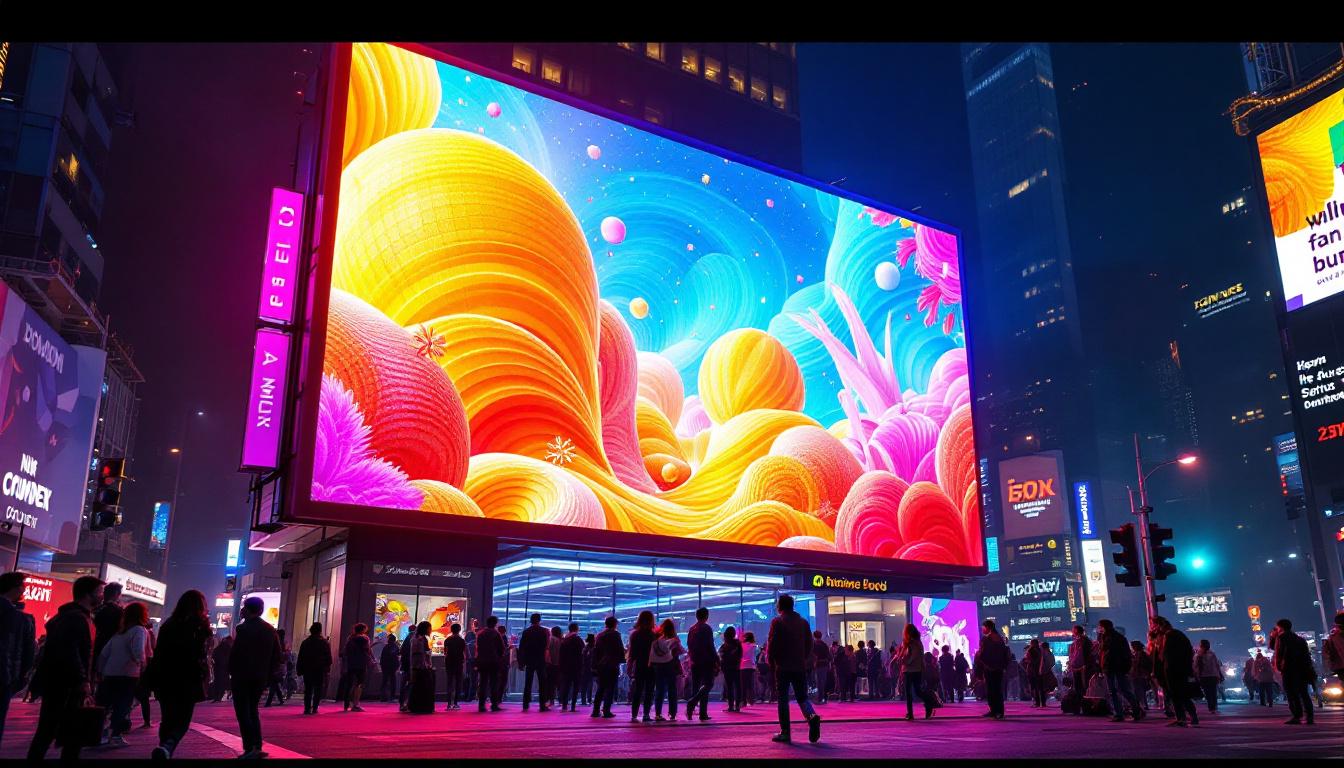
A 3D billboard is a large-format outdoor advertising display that creates the illusion of three-dimensional depth and movement without the need for special glasses or devices. Unlike conventional flat billboards, 3D billboards use advanced visual techniques to make images appear to pop out or extend beyond the physical frame, captivating viewers with lifelike effects.
The core of this technology lies in the use of high-resolution LED (Light Emitting Diode) panels arranged in specific configurations. These LED panels are capable of displaying vibrant colors and sharp images, which, when combined with clever content design and optical illusions, produce stunning 3D effects visible to the naked eye. The use of 3D billboards has revolutionized the advertising landscape, providing brands with a unique platform to engage consumers in a more dynamic and memorable way. As a result, advertisers are increasingly turning to these eye-catching displays to stand out in crowded urban environments.
How LED Displays Work
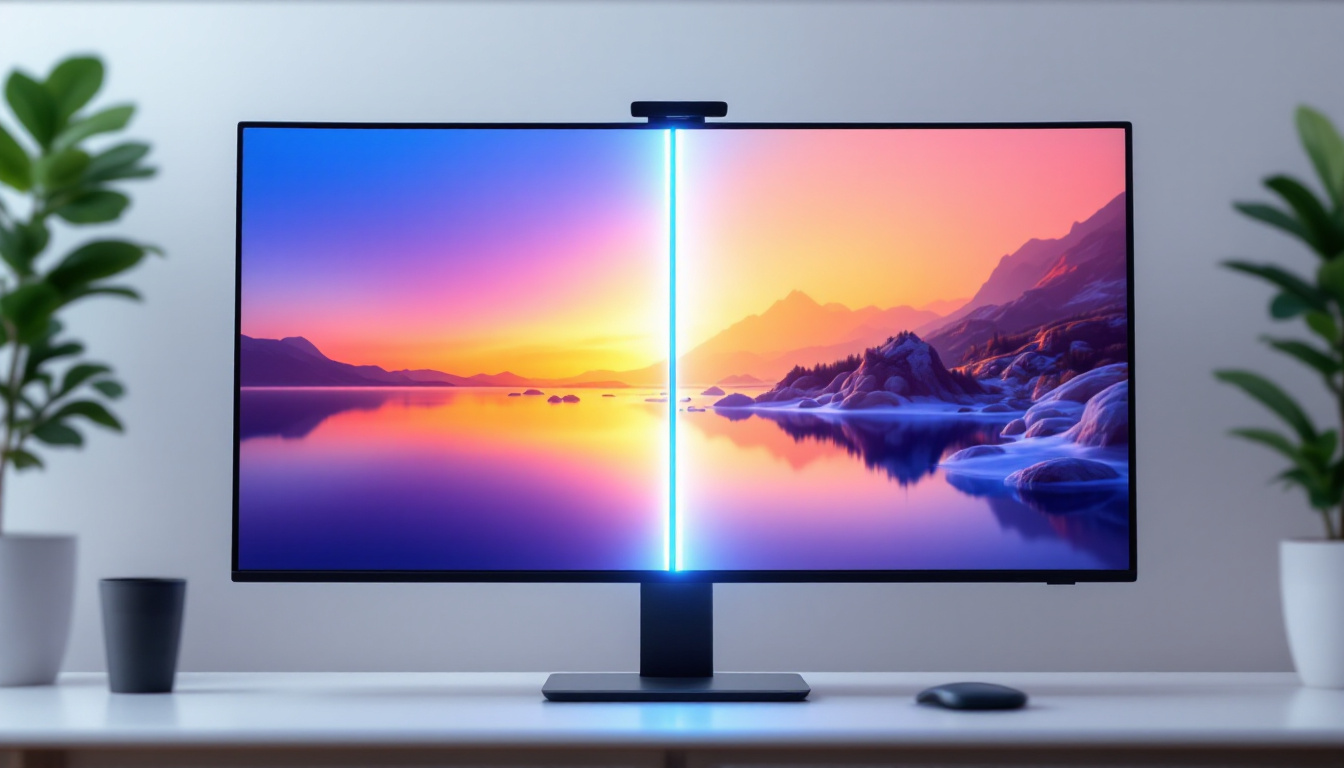
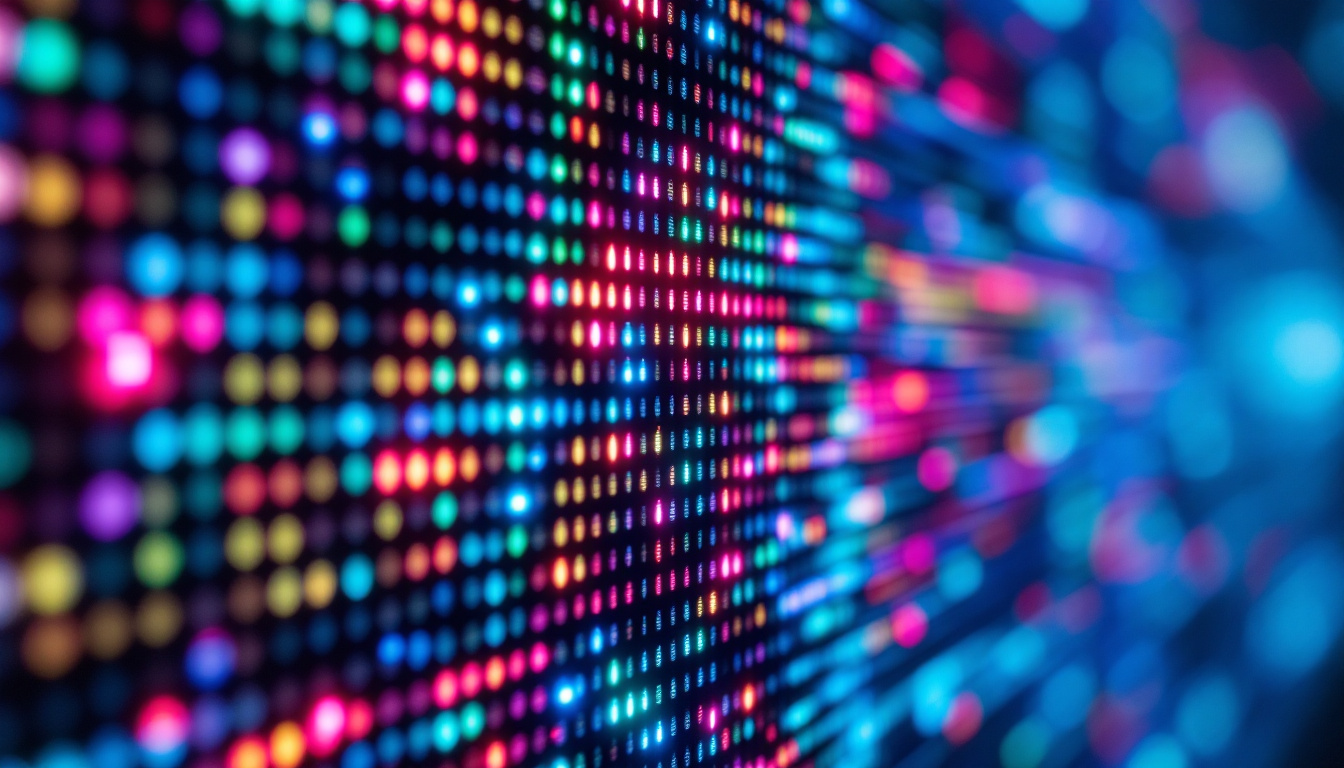
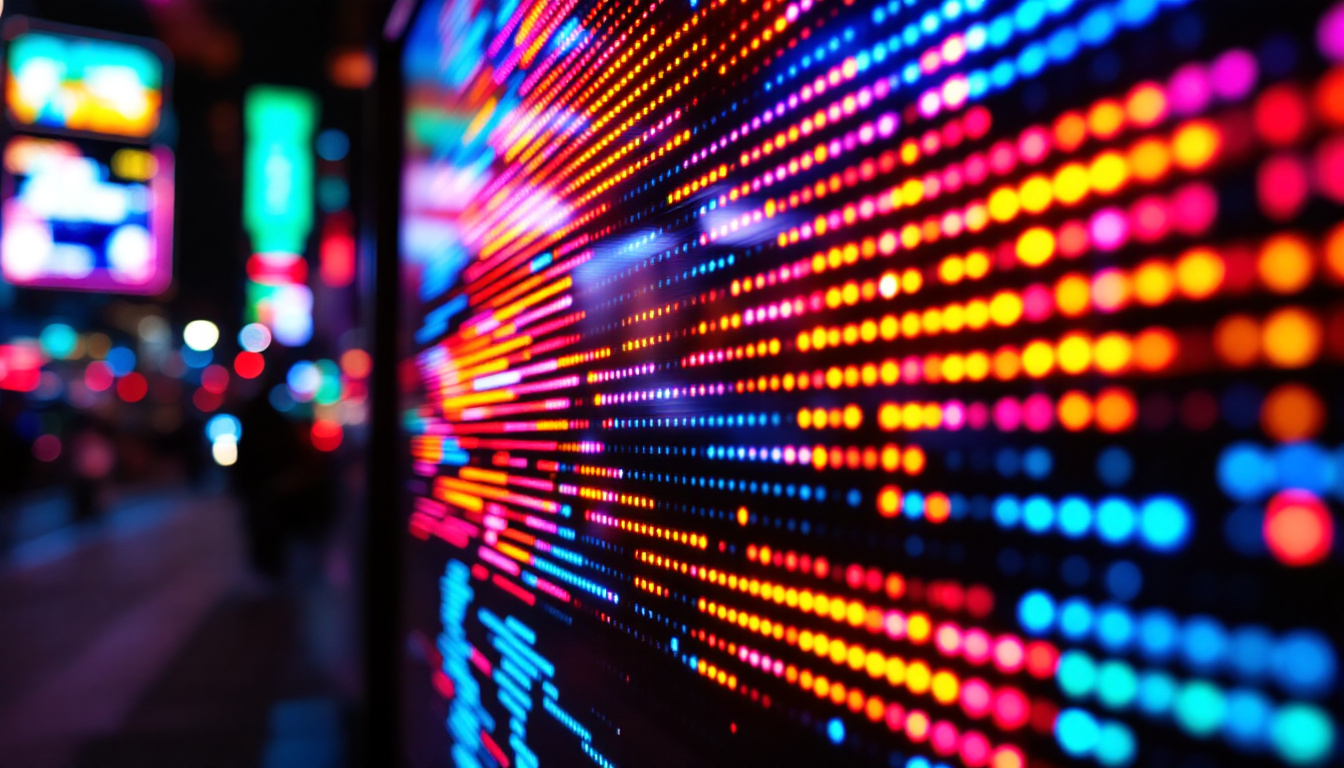
LED displays consist of numerous tiny light-emitting diodes arranged in a grid. Each diode acts as a pixel that can emit light in various colors and intensities. By controlling these pixels individually, the display can generate detailed images and videos.
Compared to older display technologies such as LCD or plasma, LEDs offer superior brightness, energy efficiency, and durability—qualities essential for outdoor advertising where visibility under direct sunlight and weather resistance are critical. Furthermore, the modular nature of LED displays allows for flexible configurations, making it possible to create billboards of various shapes and sizes tailored to specific advertising needs. This adaptability not only enhances the creative possibilities for advertisers but also ensures that the displays can be easily updated or repaired, minimizing downtime and maximizing impact.
Modern LED displays used in 3D billboards often feature:
- High pixel density: Ensures crisp and clear images even at close viewing distances.
- Wide color gamut: Produces vivid and lifelike colors.
- High refresh rates: Prevent flickering and enable smooth motion graphics.
Creating the 3D Effect
The 3D illusion on billboards is primarily achieved through a combination of content design and the physical structure of the display. There are two main approaches:
- Visual Content Techniques: Using perspective, shading, and animation tricks in the video content to simulate depth and movement. This method relies heavily on the viewer’s angle and the brain’s interpretation of visual cues.
- Physical 3D Structures: Incorporating three-dimensional elements that extend from the billboard surface, combined with LED lighting effects. This hybrid approach enhances the illusion by adding real depth.
Some 3D billboards also employ parallax effects, where different images are shown to each eye from slightly different angles, further enhancing the perception of depth without glasses. This technique not only captivates audiences but also encourages them to engage with the advertisement, often leading to increased brand recall and consumer interaction. Moreover, the strategic placement of these billboards in high-traffic areas ensures that they capture the attention of passersby, making them an effective tool for brands looking to make a lasting impression.
As technology continues to evolve, the possibilities for 3D billboards are expanding. Innovations such as augmented reality (AR) integrations and interactive elements are beginning to emerge, allowing viewers to engage with the content in real-time through their smartphones or other devices. This interactive dimension adds a layer of excitement and personalization to the advertising experience, transforming passive viewers into active participants. With the ongoing advancements in display technology and creative content strategies, the future of 3D billboards looks promising, paving the way for even more immersive and engaging advertising experiences.
Advantages of 3D LED Billboards Over Traditional Advertising
Unmatched Visual Impact
One of the most significant benefits of 3D LED billboards is their ability to capture attention. Studies show that consumers are more likely to notice and remember advertisements that stand out visually. According to a Nielsen report, digital out-of-home (DOOH) advertising, which includes LED billboards, can increase brand recall by up to 47% compared to static ads.
The dynamic and immersive nature of 3D content naturally draws the eye, making it ideal for high-traffic urban areas where competition for attention is fierce. This heightened engagement translates into better brand awareness and potentially higher conversion rates.
Flexibility and Real-Time Updates
Unlike traditional printed billboards that require physical replacement for content changes, LED displays allow advertisers to update messages instantly. This flexibility enables timely promotions, event announcements, or even interactive campaigns that respond to real-world conditions such as weather or time of day.
For example, a sports brand could display different content during a game, halftime, and post-game, tailoring the message to the audience’s mood and interests. This adaptability is invaluable in today’s fast-paced marketing environment.
Energy Efficiency and Longevity
Modern LED technology is highly energy-efficient compared to older lighting methods. LEDs consume less power, generate less heat, and have longer lifespans, reducing operational costs for advertisers and owners.
Additionally, LED billboards are designed to withstand harsh weather conditions, including rain, snow, and extreme temperatures, ensuring consistent performance year-round. This durability makes them a cost-effective investment for long-term advertising campaigns.
Applications and Use Cases of 3D LED Billboards
Urban Advertising and Brand Promotion
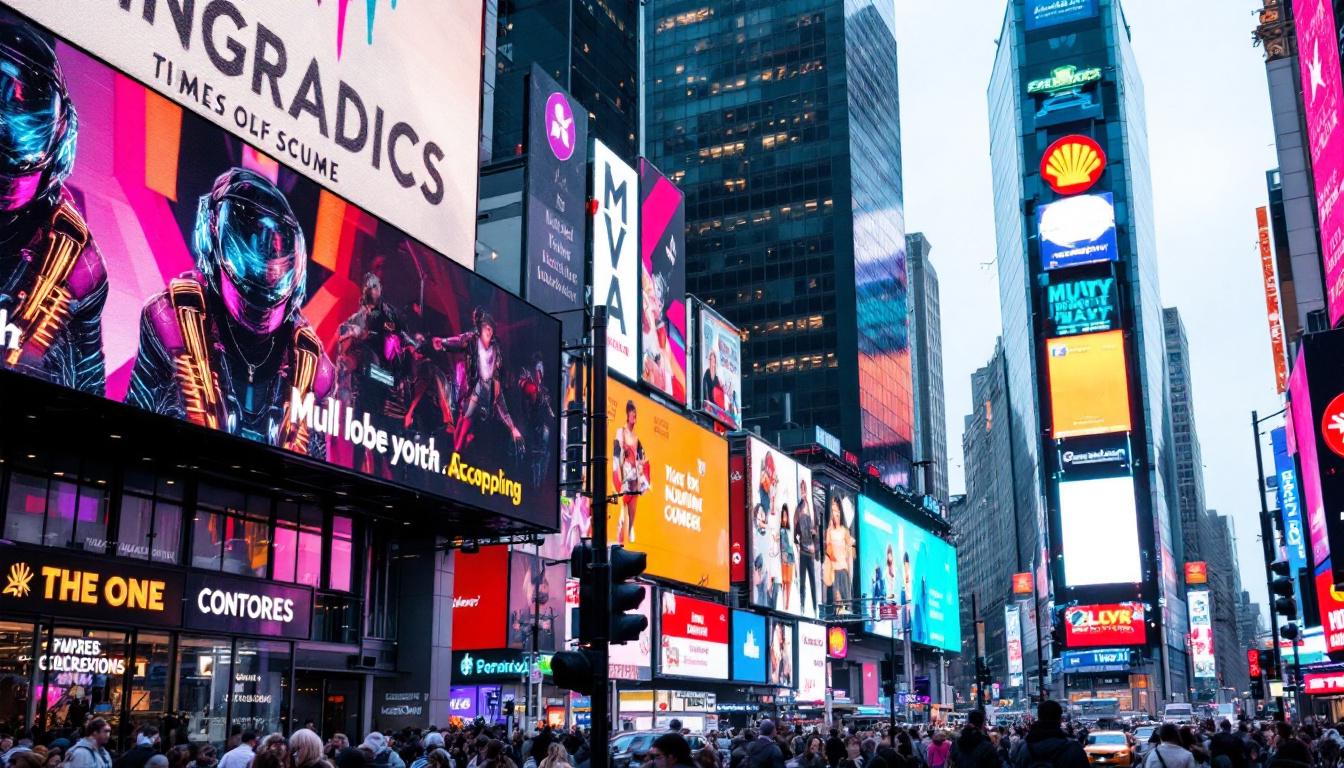
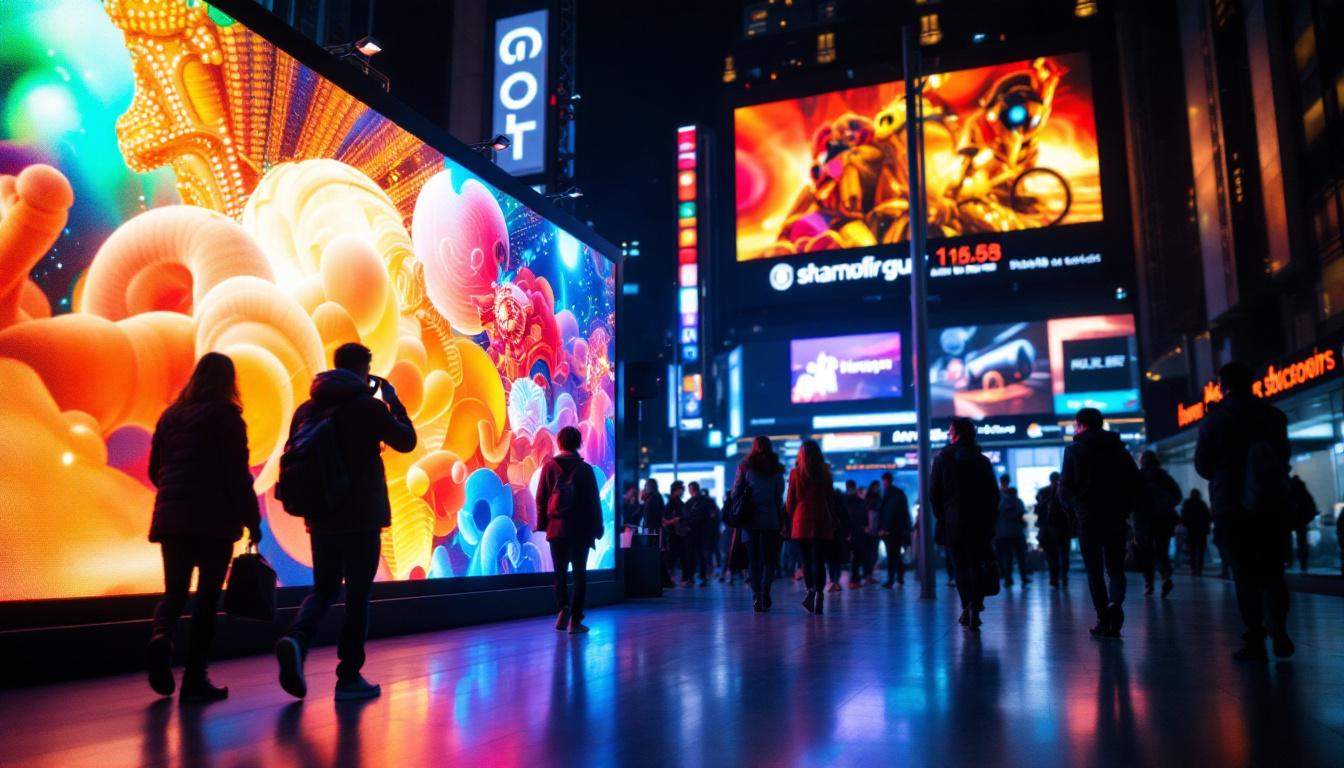
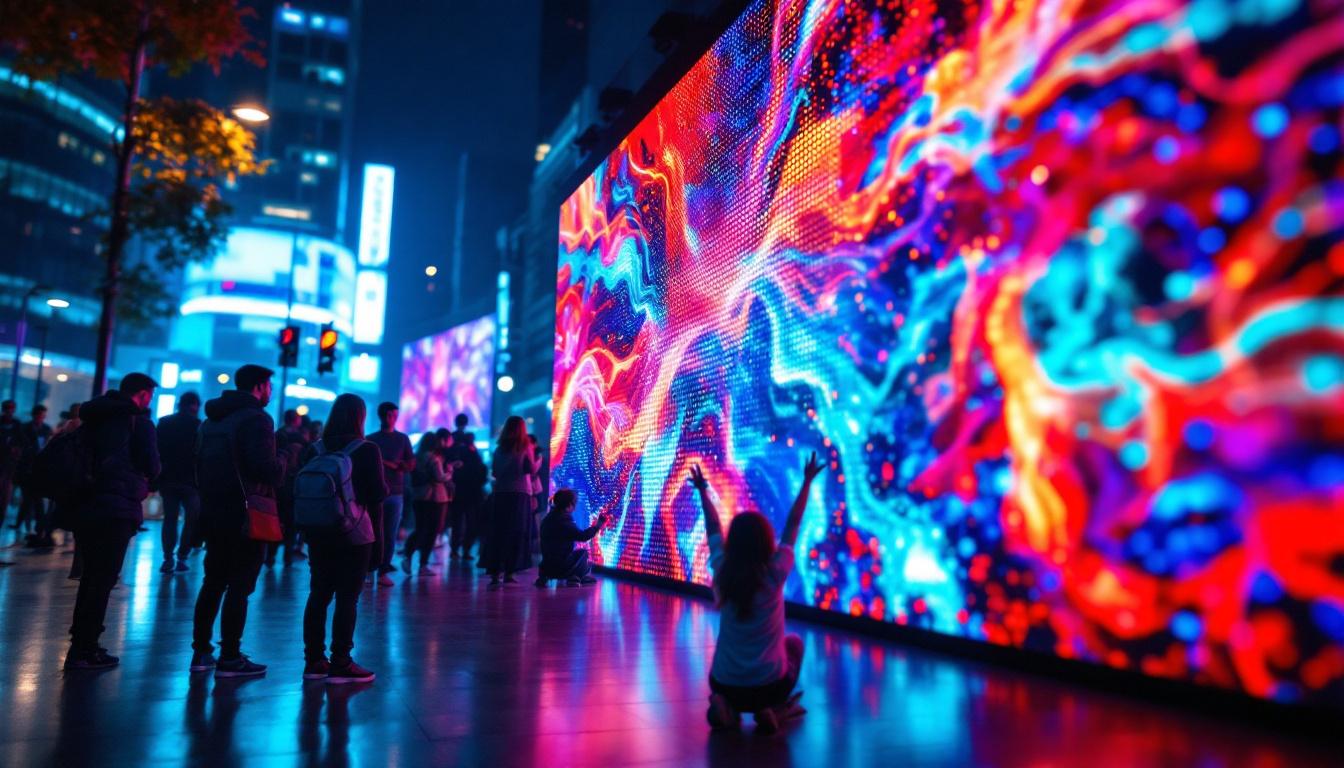
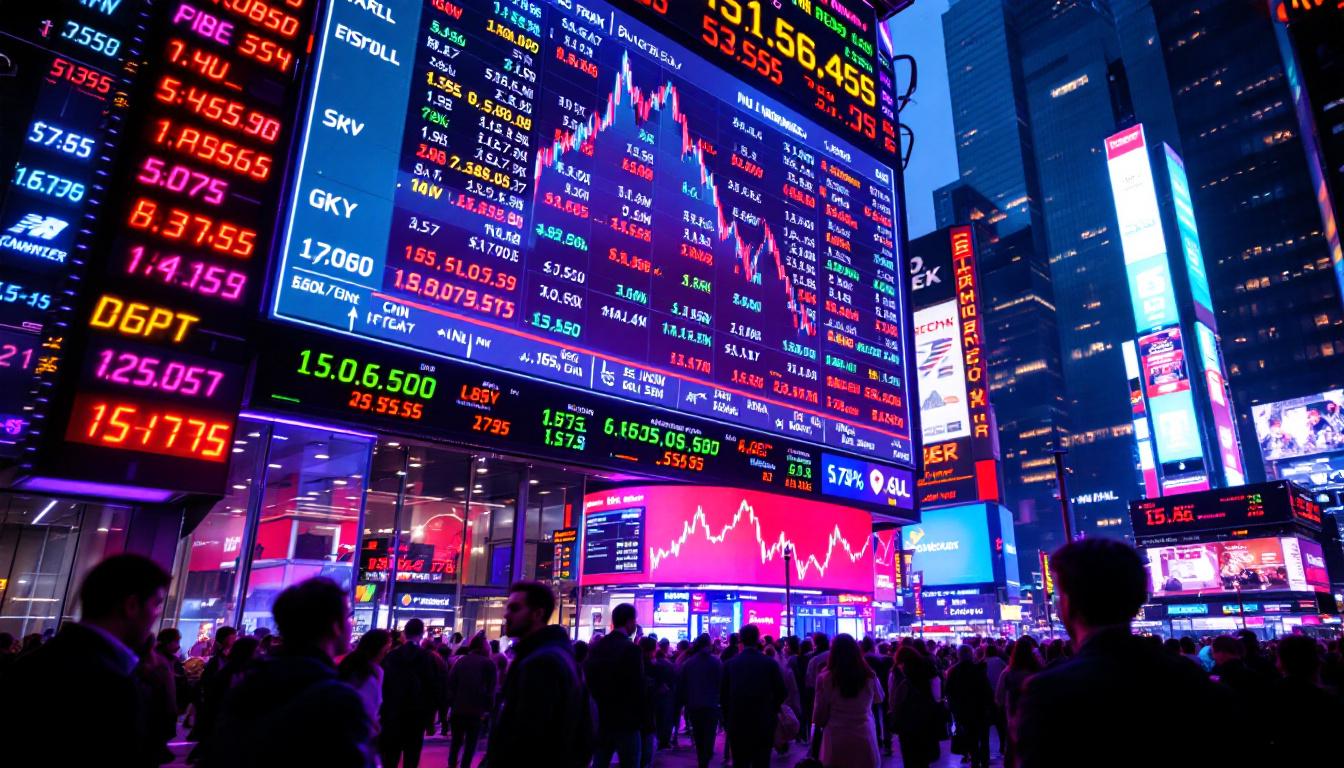
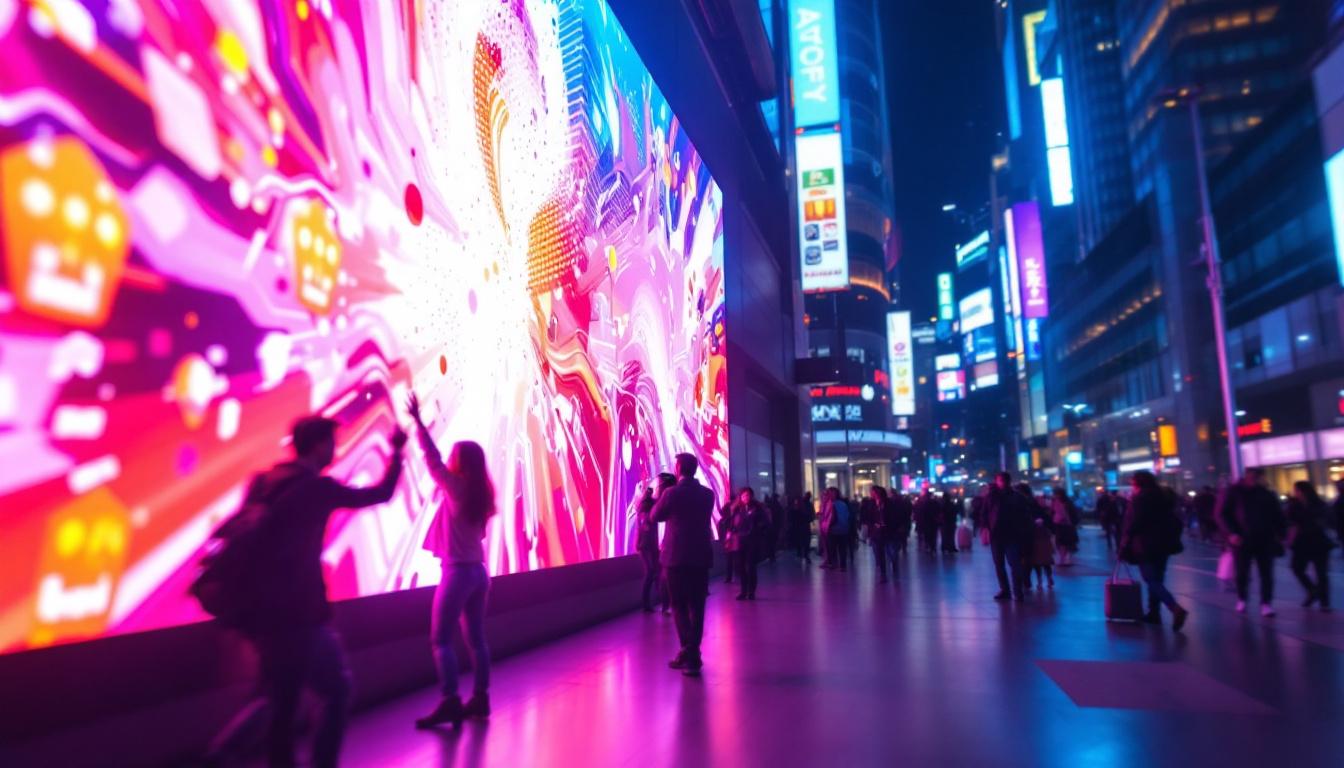
Major cities worldwide have embraced 3D LED billboards as a way to enliven public spaces and provide brands with a powerful platform. Locations such as Times Square in New York, Piccadilly Circus in London, and Shibuya Crossing in Tokyo are famous for their dazzling digital displays, many of which incorporate 3D effects.
Brands use these billboards to launch new products, create memorable campaigns, and engage diverse audiences. The ability to tell a visual story in a compelling, multi-dimensional way helps brands differentiate themselves in crowded markets.
Entertainment and Event Marketing
Concerts, sports events, and festivals often utilize 3D LED billboards to enhance the spectator experience. These displays can showcase live feeds, interactive content, or promotional material that immerses attendees in the event atmosphere.
For instance, during major sporting events, 3D billboards can simulate action scenes or highlight key moments, adding excitement and drawing fans closer to the experience.
Retail and Shopping Centers
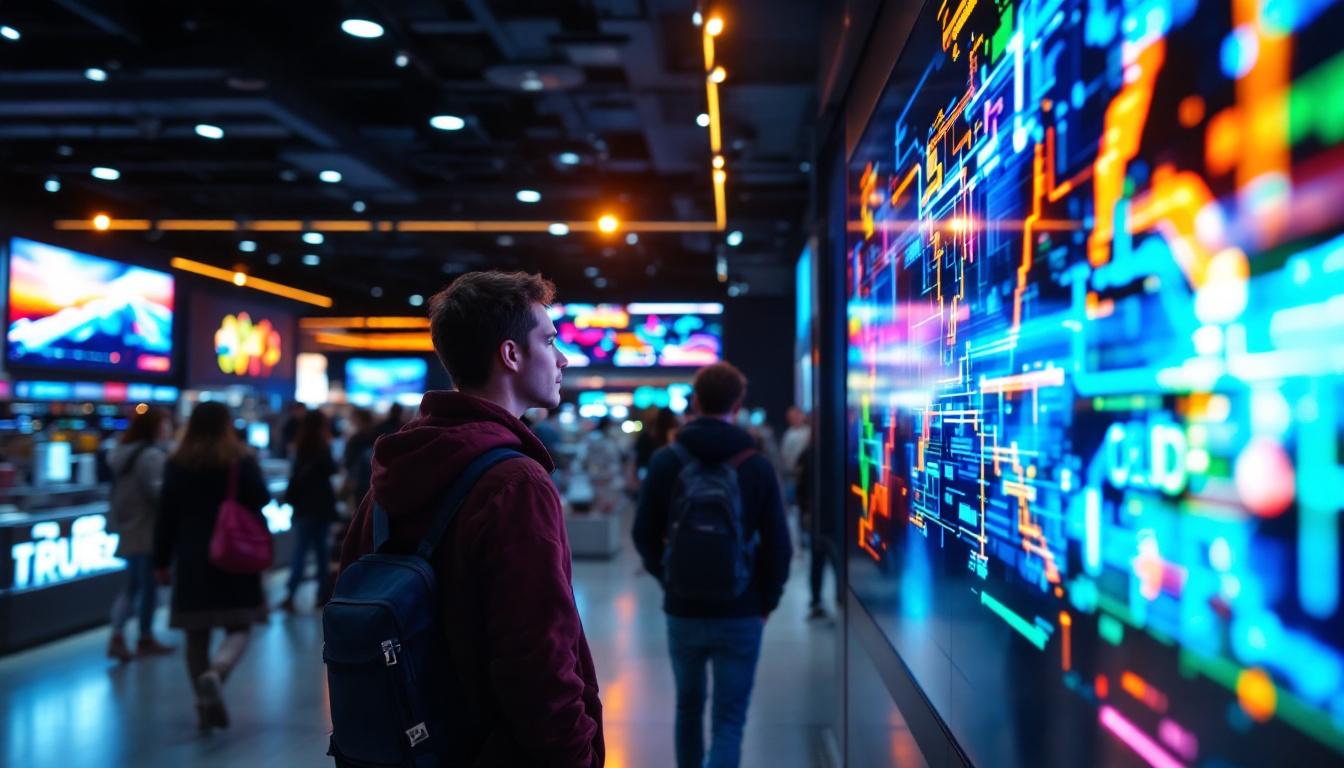
Shopping malls and retail districts increasingly incorporate 3D LED billboards to attract shoppers and promote sales. The ability to display dynamic, eye-catching content helps retailers stand out and drive foot traffic.
Moreover, some installations integrate interactive elements, such as motion sensors or QR codes, encouraging consumers to engage directly with the advertisement and enhancing the overall shopping experience.
Challenges and Considerations in Deploying 3D LED Billboards
High Initial Investment
While 3D LED billboards offer numerous advantages, the upfront cost can be substantial. High-resolution LED panels, custom content creation, and installation expenses add up quickly. For smaller businesses or campaigns with limited budgets, this may present a barrier to entry.
However, many companies offset these costs by leasing billboard space or partnering with advertising agencies that specialize in digital out-of-home media.
Content Creation Complexity
Producing effective 3D content requires specialized skills in animation, graphic design, and visual effects. The content must be carefully tailored to the display’s size, viewing angles, and lighting conditions to achieve the desired impact.
Brands often collaborate with creative agencies experienced in 3D visualization and LED display technology to ensure their campaigns are both visually stunning and technically optimized.
Viewer Angle and Environmental Factors
The 3D effect on billboards can be influenced by the viewer’s position relative to the display. Optimal viewing angles are essential to maintain the illusion, which may limit the effectiveness for audiences viewing from certain perspectives.
Additionally, environmental factors such as ambient lighting, weather, and physical obstructions can affect visibility and impact. Careful site selection and installation planning are critical to maximize the billboard’s effectiveness.
The Future of 3D LED Billboards
Integration with Augmented Reality and AI
As technology advances, 3D LED billboards are expected to integrate more closely with augmented reality (AR) and artificial intelligence (AI). AR can enable interactive experiences where passersby use their smartphones or AR glasses to unlock additional layers of content, creating a seamless blend of physical and digital advertising.
AI can optimize content delivery by analyzing real-time data such as audience demographics, weather, and traffic patterns, enabling hyper-targeted advertising that maximizes engagement and ROI.
Increased Interactivity and Personalization
Future 3D billboards may incorporate sensors and cameras to detect viewer behavior and preferences, allowing for personalized advertisements tailored to individual viewers or groups. This level of customization could transform outdoor advertising from a one-size-fits-all approach to a highly personalized communication channel.
Expansion into New Markets and Applications
Beyond traditional advertising, 3D LED billboards have potential applications in education, public safety, and urban art. For example, cities might use these displays to provide real-time information, emergency alerts, or interactive public art installations that enrich community spaces.
As costs decrease and technology becomes more accessible, the adoption of 3D LED billboards is likely to expand into smaller cities and emerging markets, broadening their impact worldwide.
Conclusion
3D LED billboards represent a groundbreaking evolution in outdoor advertising, combining cutting-edge display technology with creative content design to deliver immersive and memorable brand experiences. Their ability to capture attention, offer flexibility, and withstand environmental challenges makes them a powerful tool for marketers aiming to stand out in competitive urban landscapes.
While challenges such as high initial costs and content complexity exist, ongoing technological advancements promise to make 3D LED billboards more accessible and interactive in the near future. As augmented reality, AI, and personalization become integrated, these displays will continue to redefine how brands engage with audiences in public spaces.
For businesses and advertisers seeking to leverage the latest in digital out-of-home media, understanding the capabilities and potential of 3D LED billboards is essential. This technology not only enhances visual storytelling but also opens new avenues for creativity and audience connection in the evolving advertising ecosystem.
Discover LumenMatrix’s Innovative LED Solutions
Ready to elevate your advertising strategy with the immersive power of 3D LED billboards? LumenMatrix is at the forefront of LED display technology, offering a wide array of solutions that bring your brand to life. From vibrant outdoor displays to interactive floor modules, our products are designed to captivate and engage your audience. Experience the future of visual communication with LumenMatrix and transform the way you share your message. Check out LumenMatrix LED Display Solutions today and make a lasting impression in the competitive landscape of digital out-of-home media.