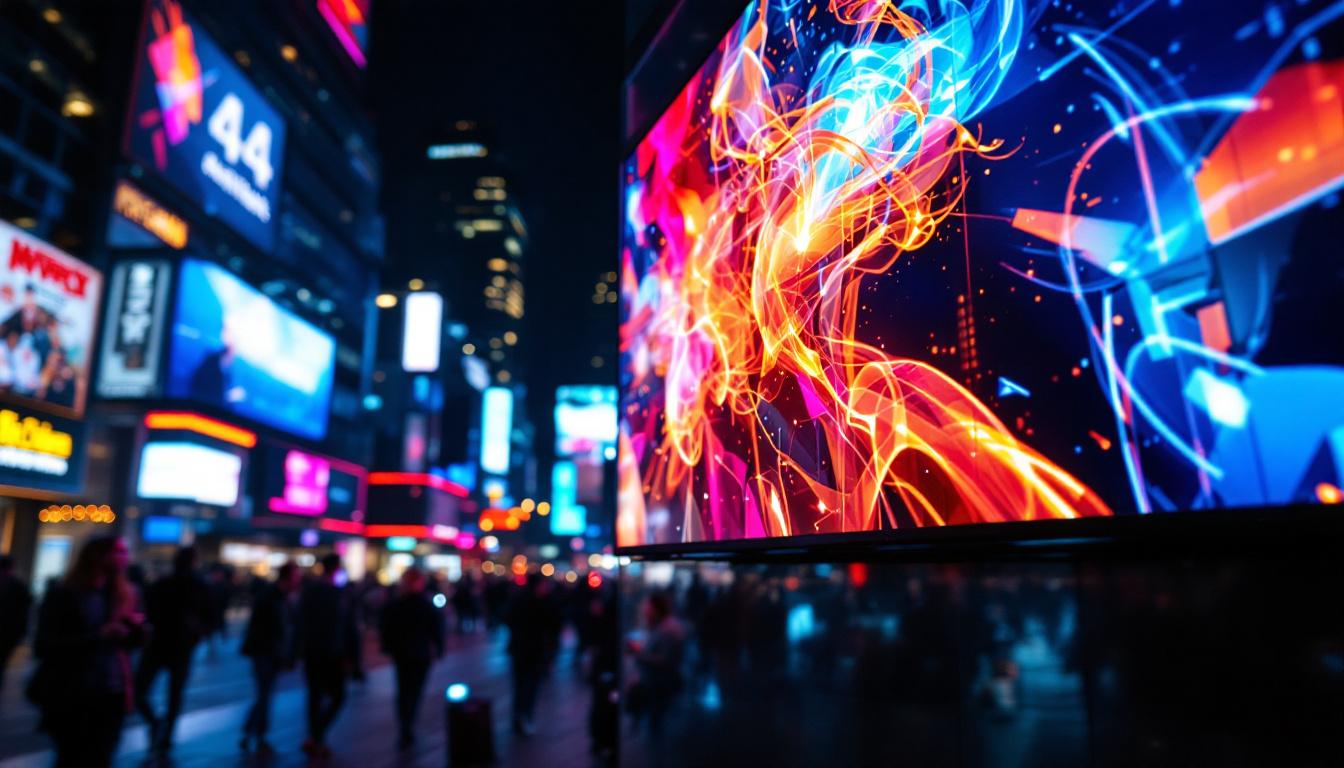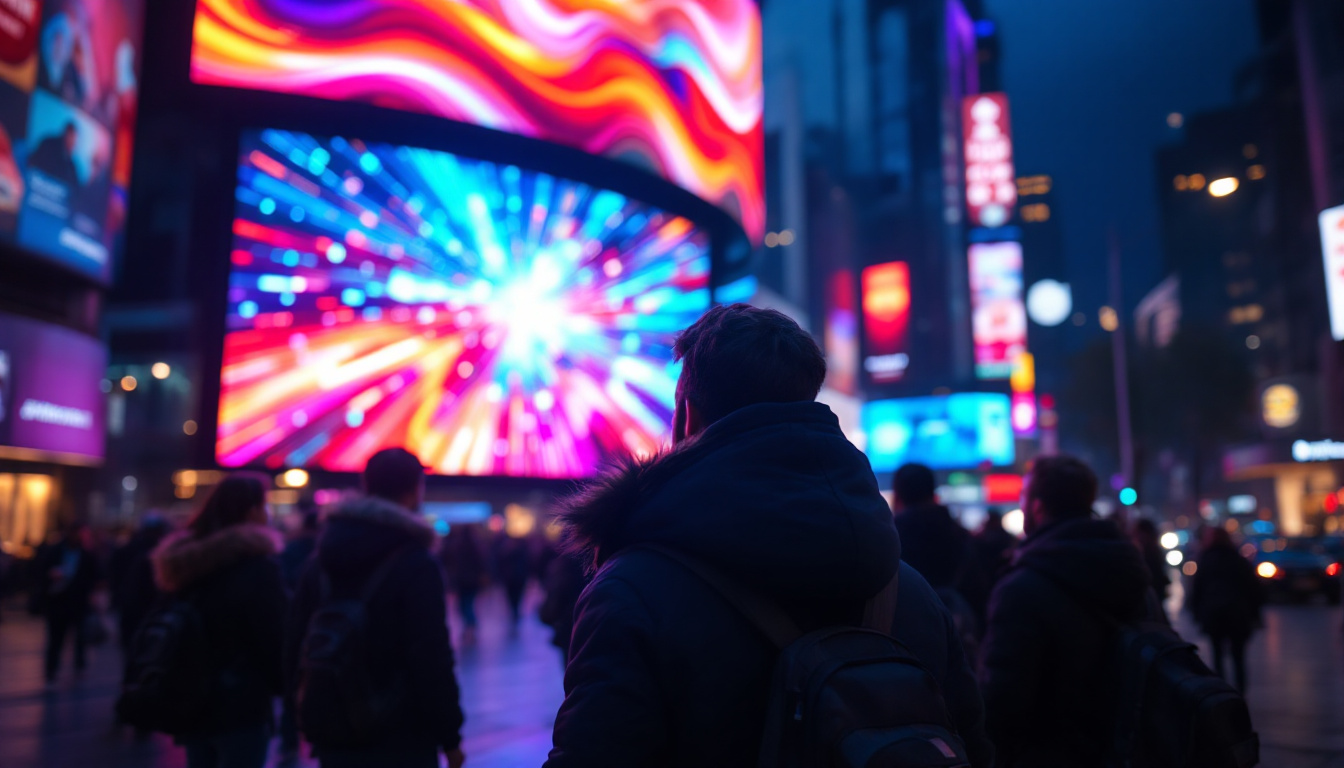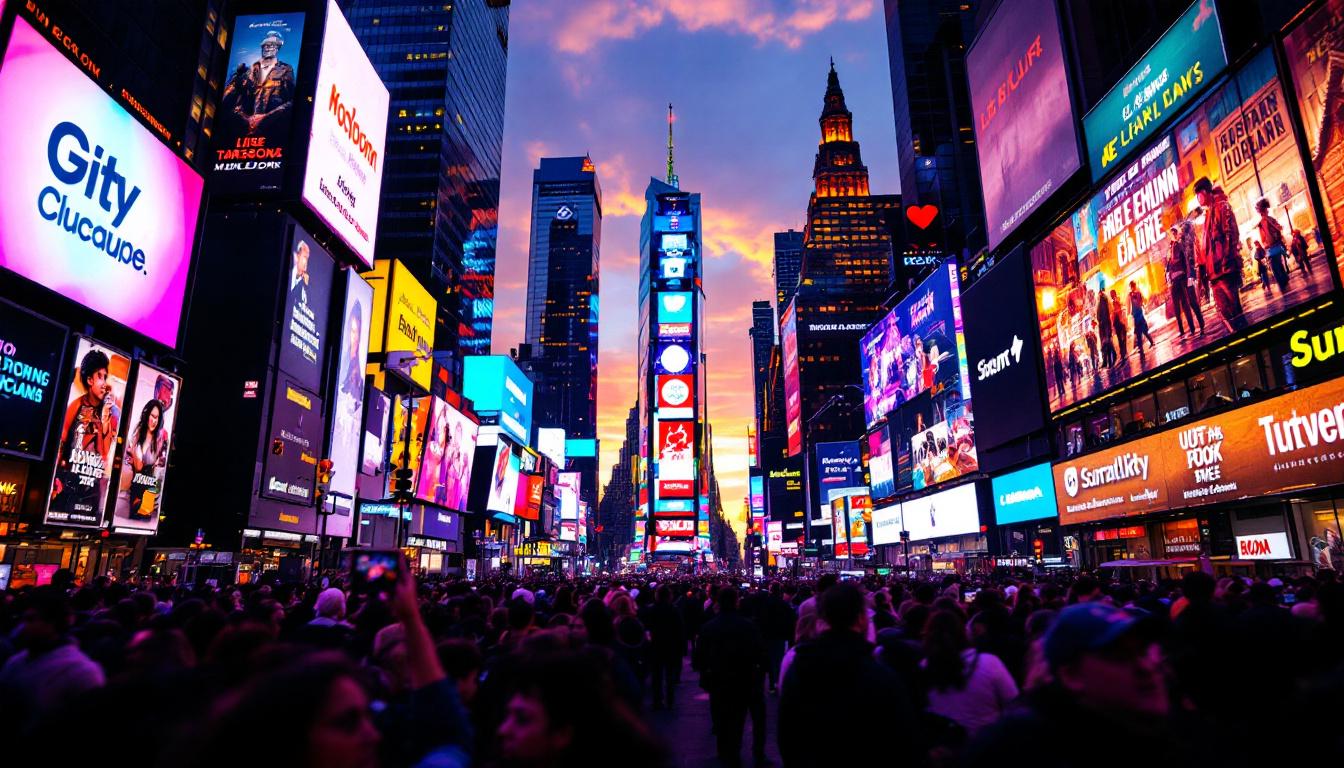
Times Square in New York City is synonymous with dazzling lights, vibrant colors, and some of the most iconic advertising in the world. Central to this visual spectacle are the massive LED displays that illuminate the area day and night. These displays are more than just bright screens; they are technological marvels that have transformed the way brands communicate with millions of people daily. This article delves into the technology behind Times Square’s LED advertisements, exploring how they work, their impact, and why they remain an essential medium for advertisers worldwide.
The Evolution of Times Square Advertising
Times Square has long been a hub for advertising, dating back to the early 20th century when electric signs first began to replace traditional painted billboards. The transition to LED technology marked a significant leap forward, enabling dynamic, colorful, and highly visible advertisements that could be easily changed and updated. This evolution not only transformed the way brands communicate with consumers but also redefined the very atmosphere of Times Square, turning it into a vibrant tapestry of light and color that draws millions of visitors each year.
In the 1990s, the introduction of LED displays revolutionized Times Square’s advertising landscape. Unlike neon signs or incandescent bulbs, LEDs offered greater brightness, energy efficiency, and longevity. Today, many of the iconic billboards in Times Square are massive LED video walls capable of displaying high-definition video content, animations, and interactive advertisements. These advancements have allowed brands to push creative boundaries, utilizing the latest technology to craft compelling narratives that resonate with diverse audiences, from tourists to locals.
From Static to Dynamic Displays
Before LED technology, most advertisements in Times Square were static or limited to simple light effects. The shift to LED allowed for dynamic content that could be updated in real-time, providing brands with unprecedented flexibility. This change also enabled advertisers to create immersive storytelling experiences that engage viewers on multiple sensory levels. For instance, brands can now incorporate sound, motion, and interactive elements that invite passersby to participate, fostering a deeper connection and enhancing brand recall.
Key Milestones in Times Square LED Advertising
One notable milestone was the unveiling of the Reuters Sign in 1997, one of the first large-scale LED video walls in Times Square. Since then, the technology has advanced rapidly, with displays now reaching resolutions and sizes that were unimaginable just two decades ago. The introduction of curved LED screens and 3D effects has further enhanced the visual impact of advertisements in this iconic location. Additionally, the integration of social media feeds and real-time data into these displays has allowed brands to create content that is not only visually stunning but also contextually relevant, tapping into current events and trends to capture audience attention.
As Times Square continues to evolve, the future of advertising in this bustling center of commerce and entertainment looks promising. With the rise of augmented reality (AR) and virtual reality (VR), advertisers are exploring innovative ways to engage consumers beyond traditional viewing experiences. Imagine walking through Times Square and interacting with a holographic advertisement that responds to your movements or preferences. Such advancements could redefine how brands connect with their audience, making advertising not just a passive experience but an interactive journey that captivates and inspires. As technology progresses, Times Square will undoubtedly remain at the forefront of advertising innovation, setting trends that ripple across the globe.
Understanding LED Display Technology
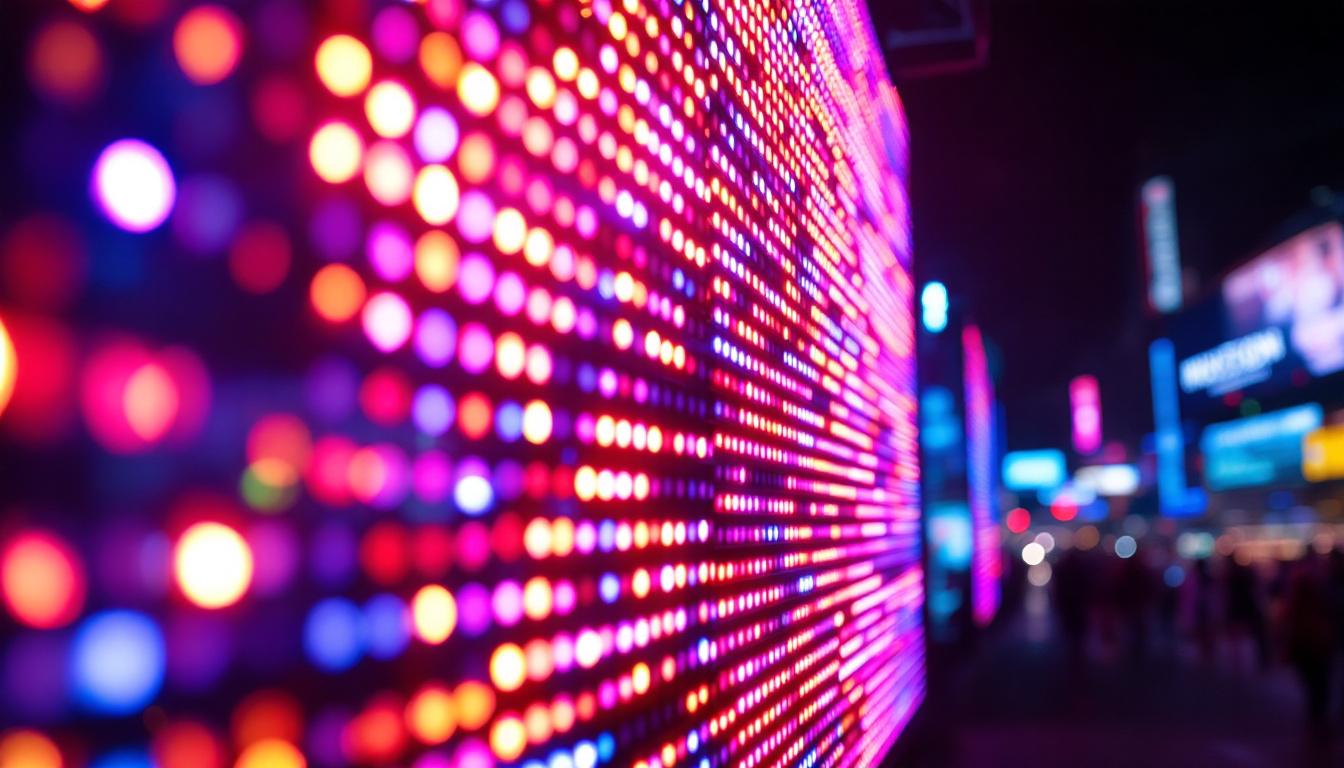
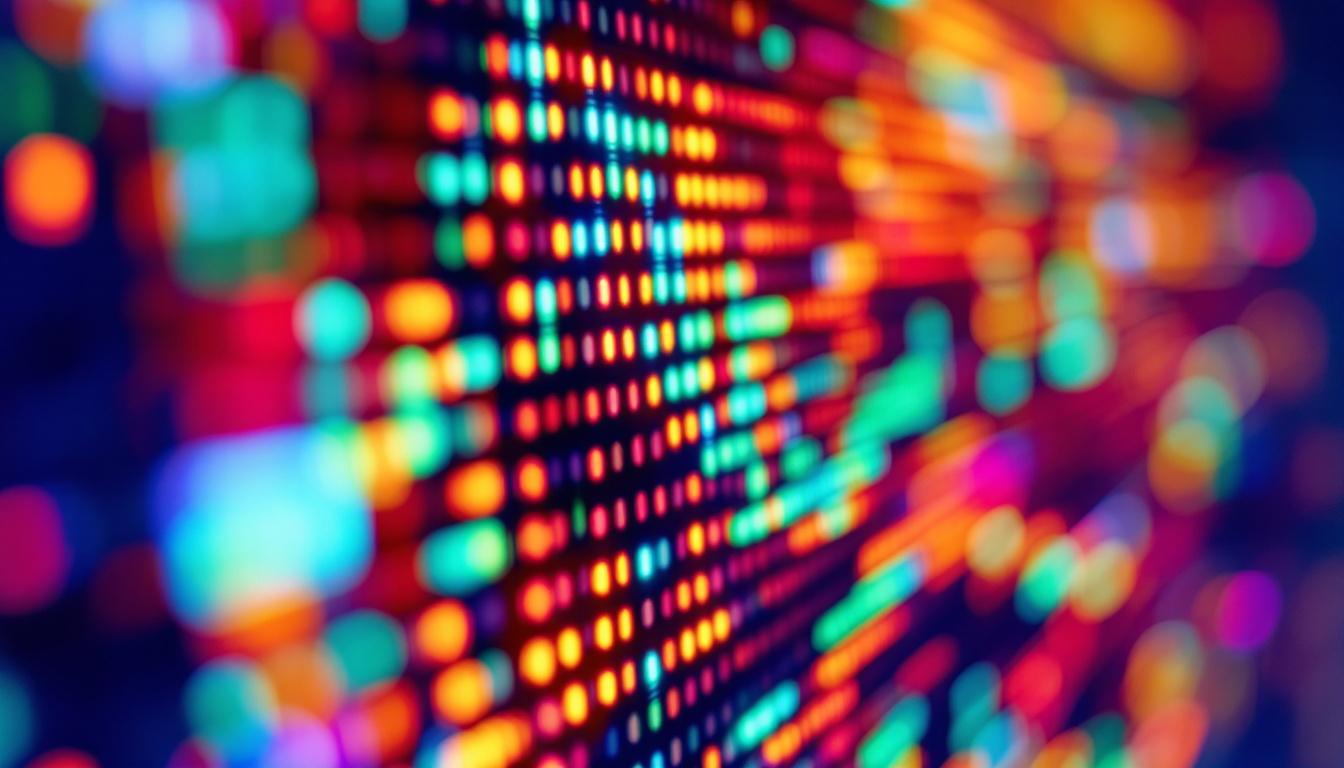
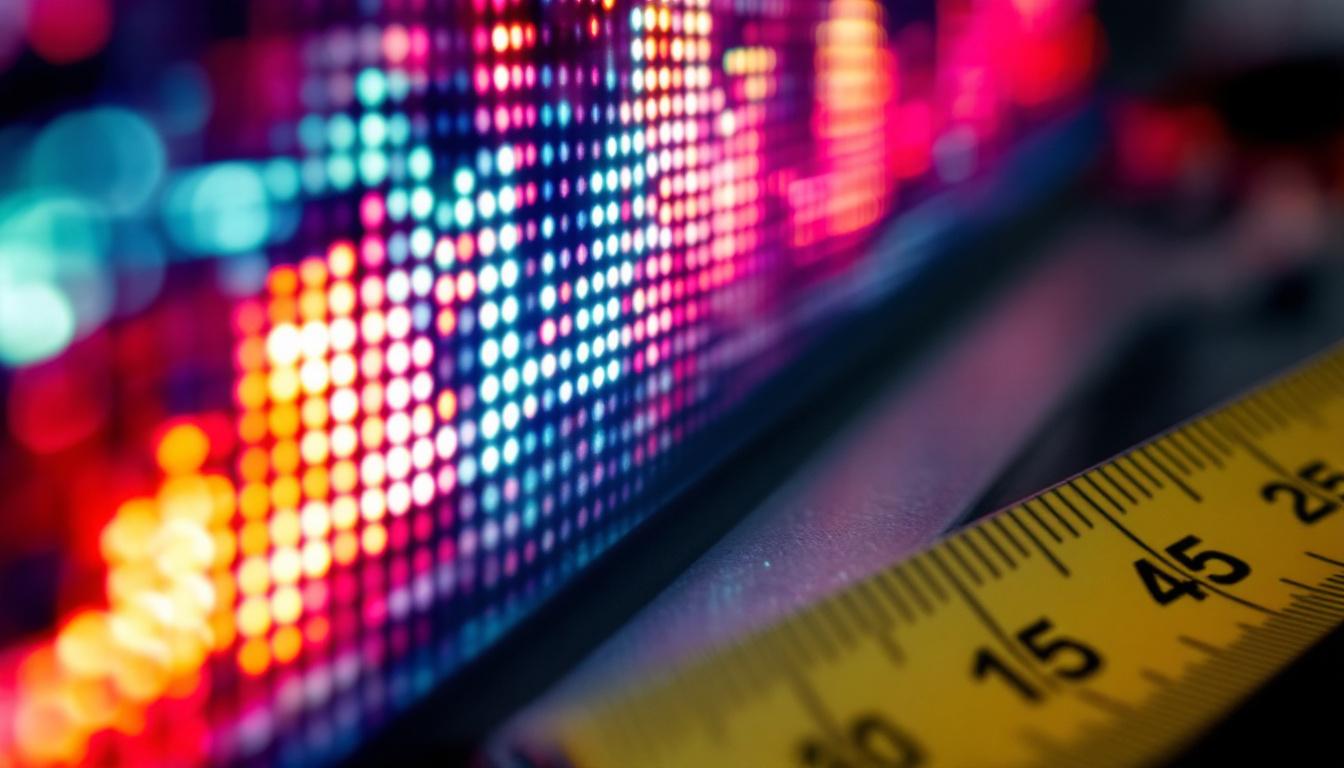
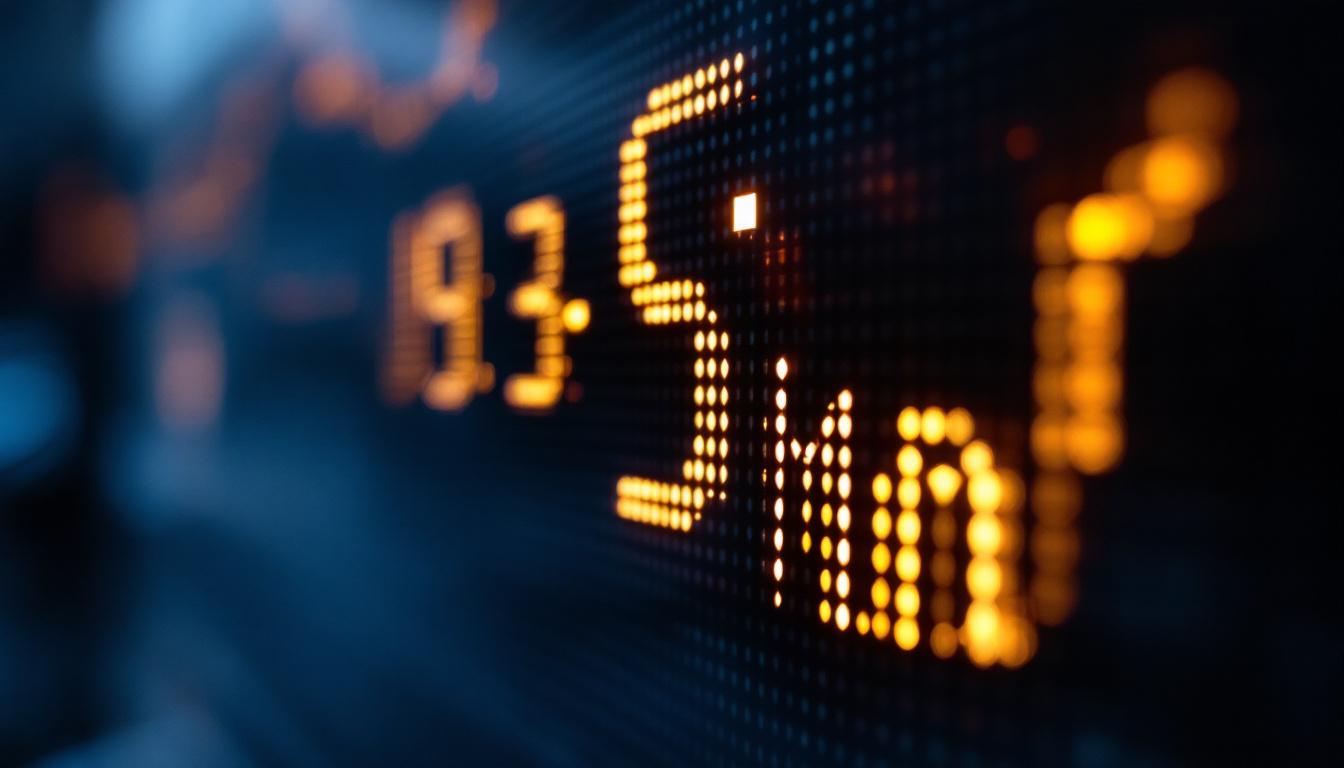
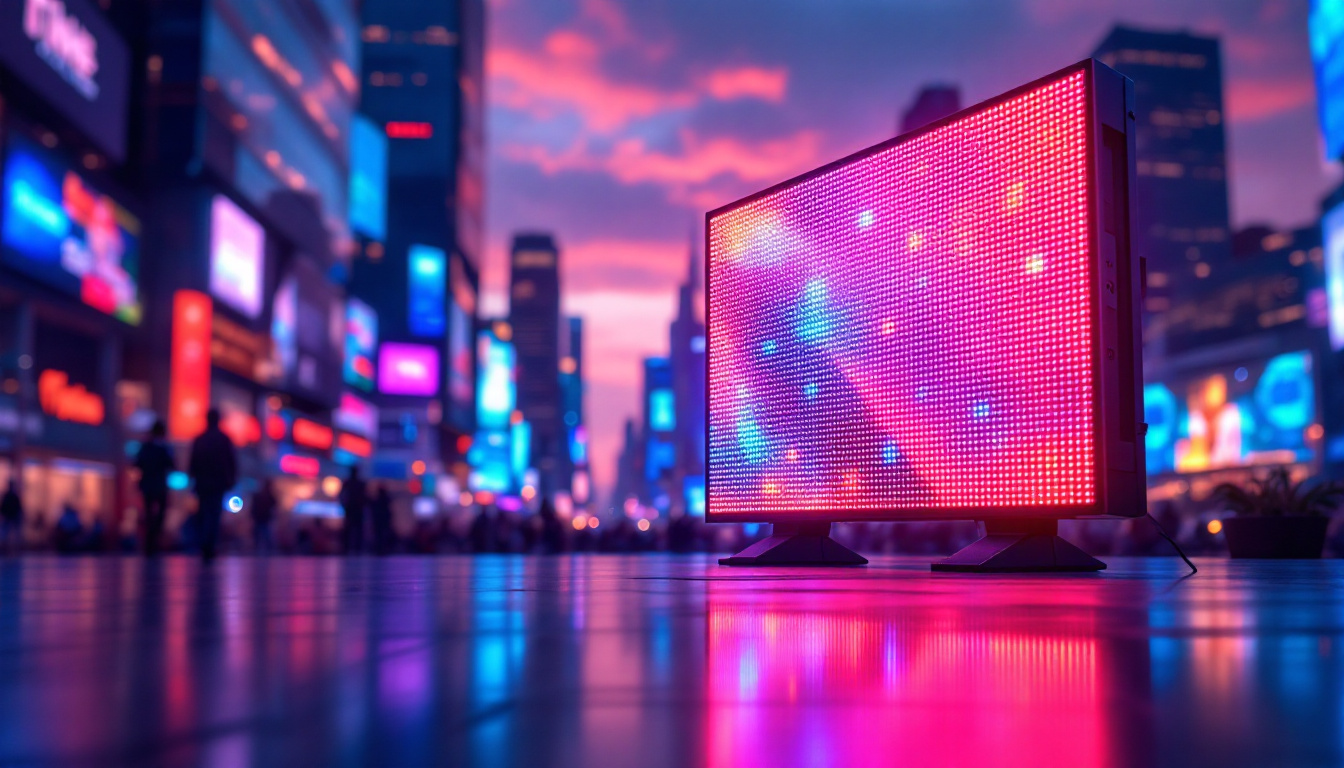
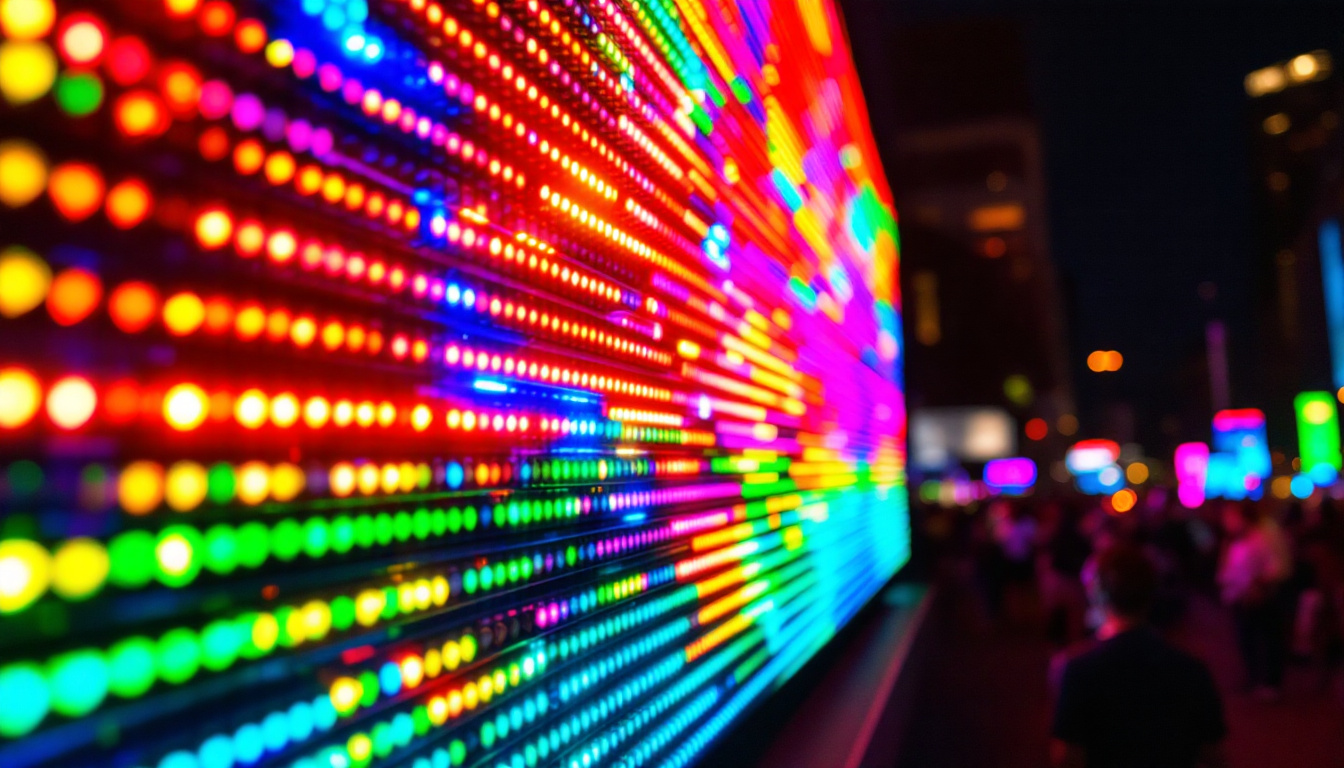
LED stands for Light Emitting Diode, a semiconductor device that emits light when an electric current passes through it. LED displays are composed of thousands to millions of these tiny diodes arranged in a grid to form pixels, which collectively create images and videos.
How LED Displays Work
Each pixel on an LED screen typically consists of three diodes: red, green, and blue (RGB). By varying the intensity of each diode, the display can produce a wide spectrum of colors. This RGB color model allows LED screens to render vivid and accurate colors that are visible even in direct sunlight, which is essential for outdoor advertising in Times Square.
The brightness of LED displays is measured in nits, with Times Square billboards often exceeding 5,000 nits to ensure visibility during the day. This high brightness level, combined with advanced sensors that adjust brightness based on ambient light, helps maintain optimal visibility without causing glare or discomfort. Additionally, LED displays are known for their energy efficiency compared to traditional lighting technologies, which not only reduces operational costs but also minimizes their environmental impact. The longevity of LED technology, often exceeding 100,000 hours, means that these displays can operate for years without significant maintenance, making them a cost-effective solution for advertisers.
Types of LED Displays Used in Times Square
Several types of LED display technologies are employed in Times Square, each suited to different advertising needs:
- Surface-Mounted Device (SMD) LEDs: These are the most common and versatile LEDs used in video walls, offering high resolution and excellent color accuracy.
- Chip-on-Board (COB) LEDs: COB technology allows for higher pixel density and better heat dissipation, resulting in brighter and more durable displays.
- Flexible LED Screens: Used for curved or irregular surfaces, these displays enable creative billboard shapes and designs.
In addition to these types, there are also transparent LED displays that allow for visibility through the screen, making them ideal for storefronts and window displays. These innovative screens maintain the aesthetic of the environment while still delivering dynamic content. Furthermore, advancements in pixel pitch technology have led to ultra-fine pitch displays, which provide exceptional detail and clarity, even at close viewing distances. As a result, advertisers can engage audiences with stunning visuals that capture attention and enhance brand messaging.
The Impact of LED Advertisements in Times Square
LED advertisements have transformed Times Square into a global symbol of modern urban advertising. The impact extends beyond aesthetics, influencing marketing strategies, urban culture, and even tourism.
Marketing and Brand Engagement
For brands, Times Square offers unparalleled exposure. With an estimated 330,000 pedestrians passing through daily, LED billboards provide a captive audience for advertisers. The ability to display dynamic, eye-catching content helps brands stand out in a crowded marketplace and fosters deeper engagement with consumers.
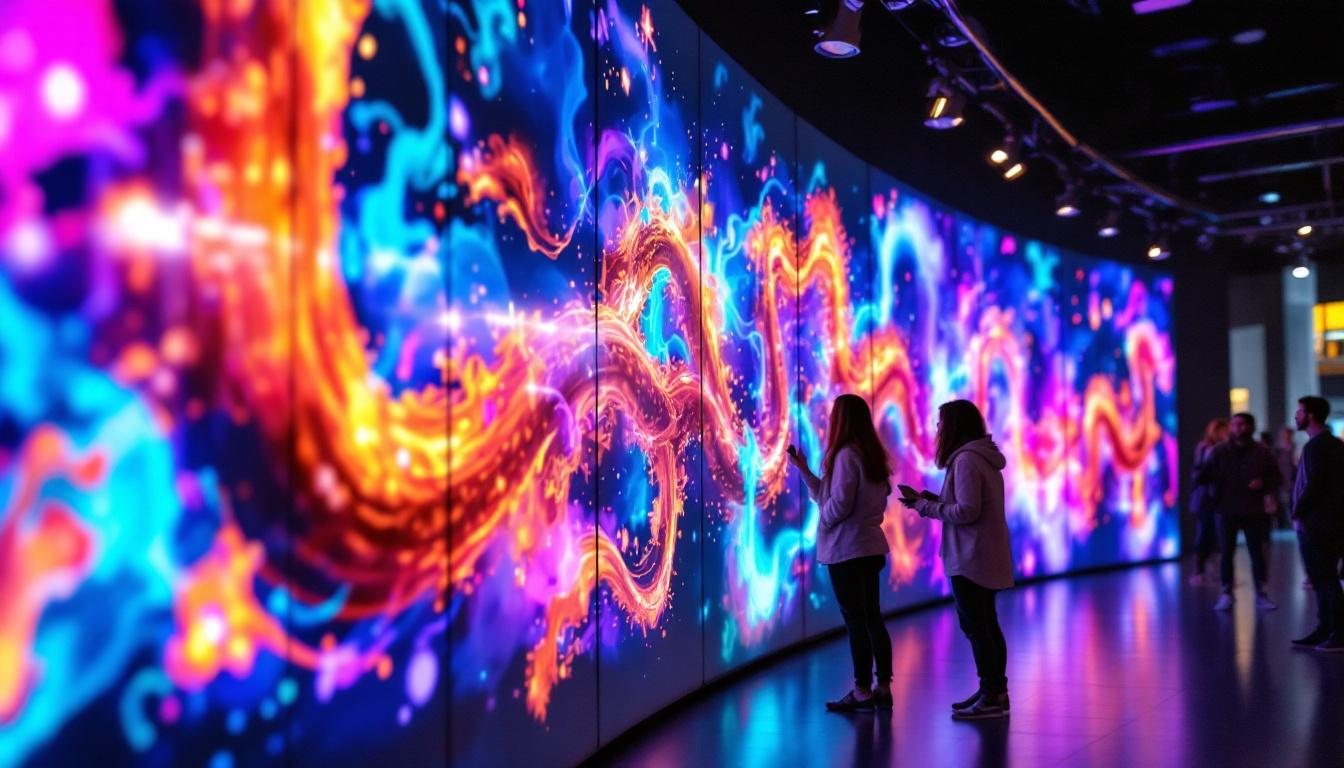
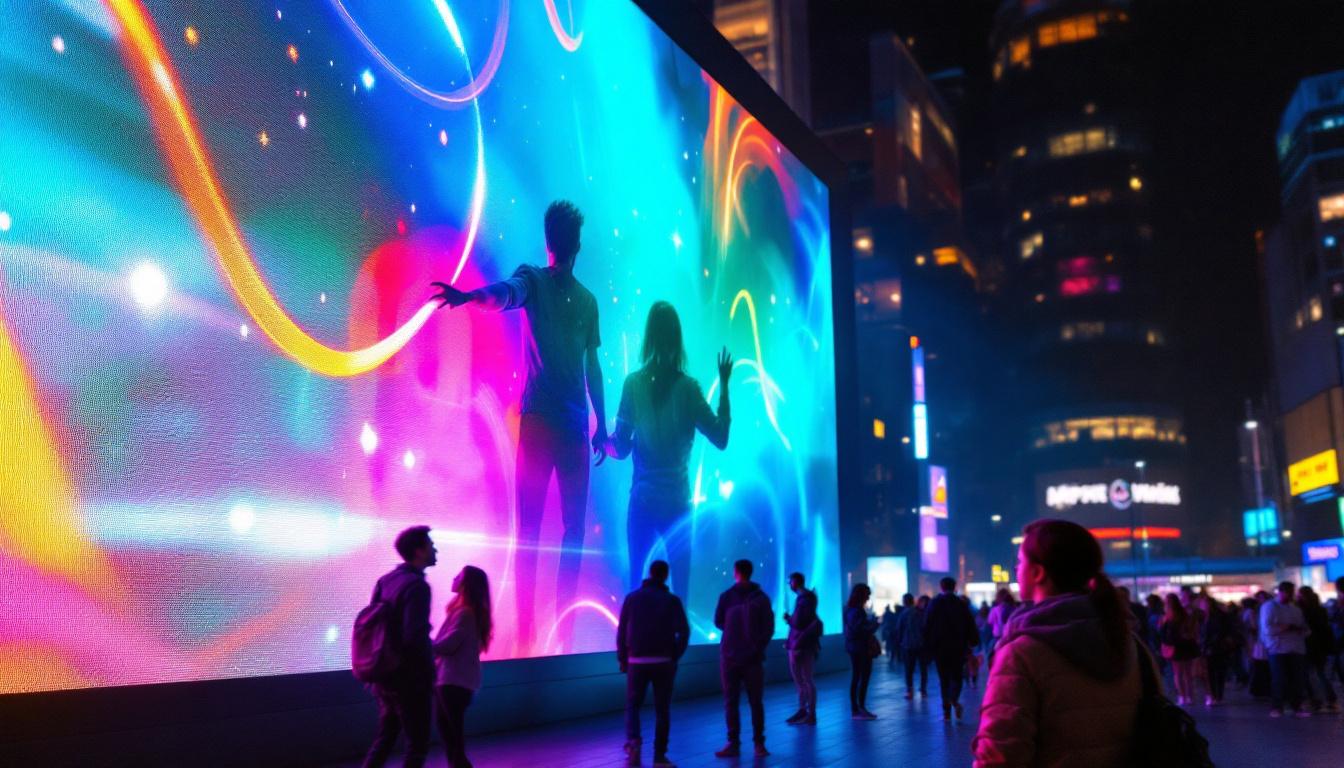
Interactive LED displays have also become popular, allowing passersby to engage with advertisements via touchscreens, motion sensors, or mobile integration. This interactivity drives higher engagement rates and creates memorable brand experiences.
Cultural Significance and Tourism
Times Square’s LED displays have become cultural icons in their own right, often featured in movies, television shows, and social media. They contribute to the area’s reputation as “The Crossroads of the World,” attracting tourists eager to experience the vibrant atmosphere. The visual spectacle created by these LED screens is a key reason why Times Square remains one of the most visited tourist destinations globally, with over 50 million visitors annually.
Economic Contributions
The advertising revenue generated by Times Square’s LED displays is substantial. According to recent industry reports, prime billboard space in Times Square can command rates exceeding $1 million per month. This revenue supports not only the media companies that operate the displays but also contributes significantly to the local economy through jobs and related services.
Challenges and Innovations in Times Square LED Advertising
Despite their success, LED advertisements in Times Square face several challenges, from technical limitations to regulatory concerns. However, ongoing innovations continue to address these issues, ensuring the medium remains effective and sustainable.
Technical and Environmental Challenges
One of the main challenges is managing the enormous power consumption of large LED displays. While LEDs are more energy-efficient than traditional lighting, the sheer scale of Times Square’s billboards results in significant electricity use. To mitigate this, many operators are investing in energy-efficient components and renewable energy sources.
Another technical challenge is maintenance. LED screens exposed to weather, pollution, and constant use require regular upkeep to maintain image quality and prevent failures. Advances in modular design and remote diagnostics have improved maintenance efficiency, reducing downtime and costs.
Regulatory and Community Considerations
Times Square’s LED advertisements must comply with strict city regulations regarding brightness, content, and safety. The New York City Department of Transportation and other agencies oversee these aspects to ensure that the displays do not cause distractions or hazards for pedestrians and drivers.
Community concerns about light pollution and visual clutter have also prompted discussions about balancing commercial interests with urban livability. Some recent initiatives focus on integrating LED displays with public art and community messaging to create a more harmonious urban environment.
Innovations Shaping the Future
Emerging technologies promise to further enhance Times Square’s LED advertisements. These include:
- Augmented Reality (AR): Integrating AR with LED displays can create immersive experiences that blend digital content with the physical environment.
- Artificial Intelligence (AI): AI-driven content can adapt advertisements in real-time based on audience demographics, weather, or events, maximizing relevance and impact.
- Eco-Friendly Materials: Development of sustainable LEDs and recyclable display components aims to reduce the environmental footprint of these installations.
Conclusion: The Enduring Power of LED Advertising in Times Square
Times Square’s LED displays are more than just bright lights; they are a dynamic communication platform that combines cutting-edge technology with creative storytelling. Their ability to captivate millions daily makes them an invaluable asset for advertisers and a defining feature of New York City’s urban landscape.
As technology continues to evolve, these LED advertisements will likely become even more interactive, personalized, and environmentally conscious, ensuring that Times Square remains at the forefront of global advertising innovation for decades to come.
Illuminate Your Brand with LumenMatrix
As you’ve seen, the vibrant LED displays of Times Square are a testament to the power of innovative visual technology in capturing the imagination of audiences worldwide. If you’re inspired to elevate your brand’s presence with equally captivating LED solutions, look no further than LumenMatrix. Our expertise in crafting state-of-the-art LED display modules is unmatched, offering a wide array of options from Indoor and Outdoor LED Wall Displays to specialized solutions like Vehicle LED Displays, LED Sports Displays, and even Custom LED Displays tailored to your unique needs. Embrace the future of advertising and create unforgettable visual experiences with LumenMatrix. Check out LumenMatrix LED Display Solutions and join the revolution in visual communication.