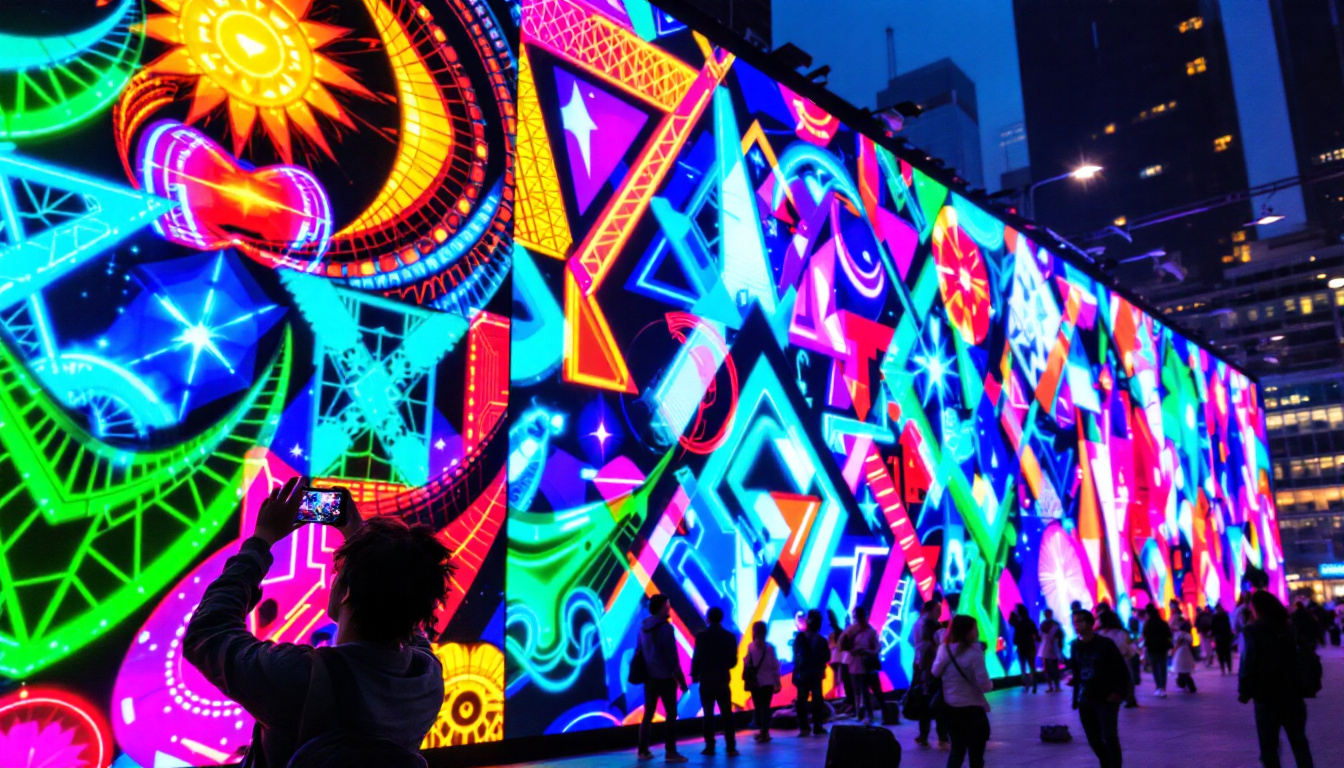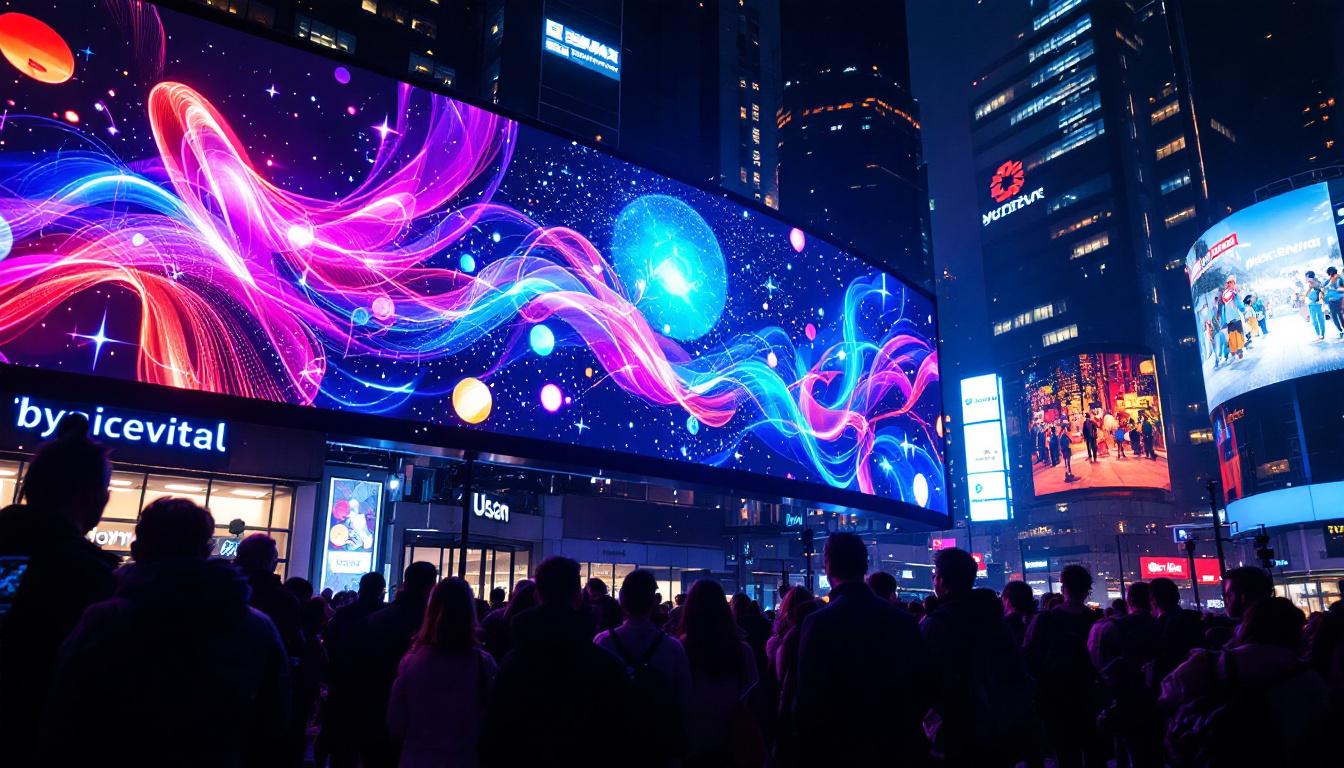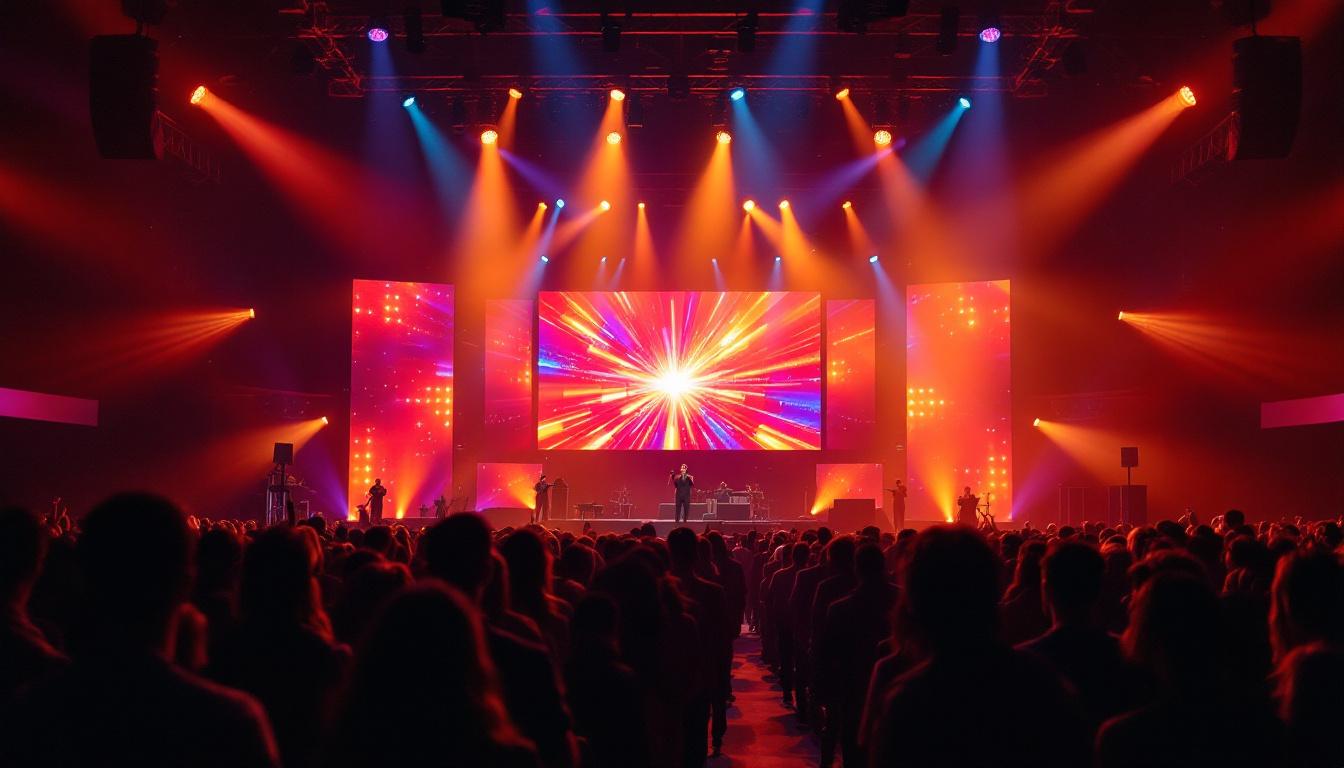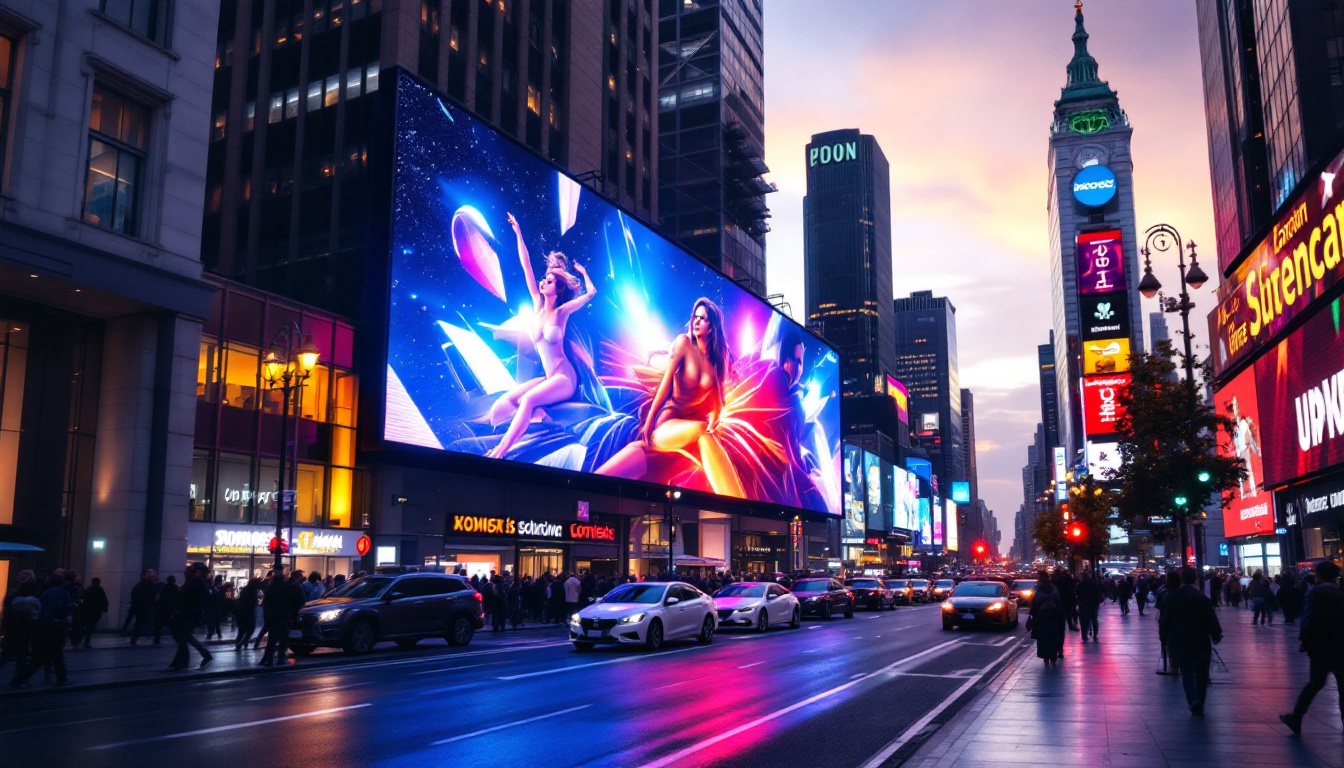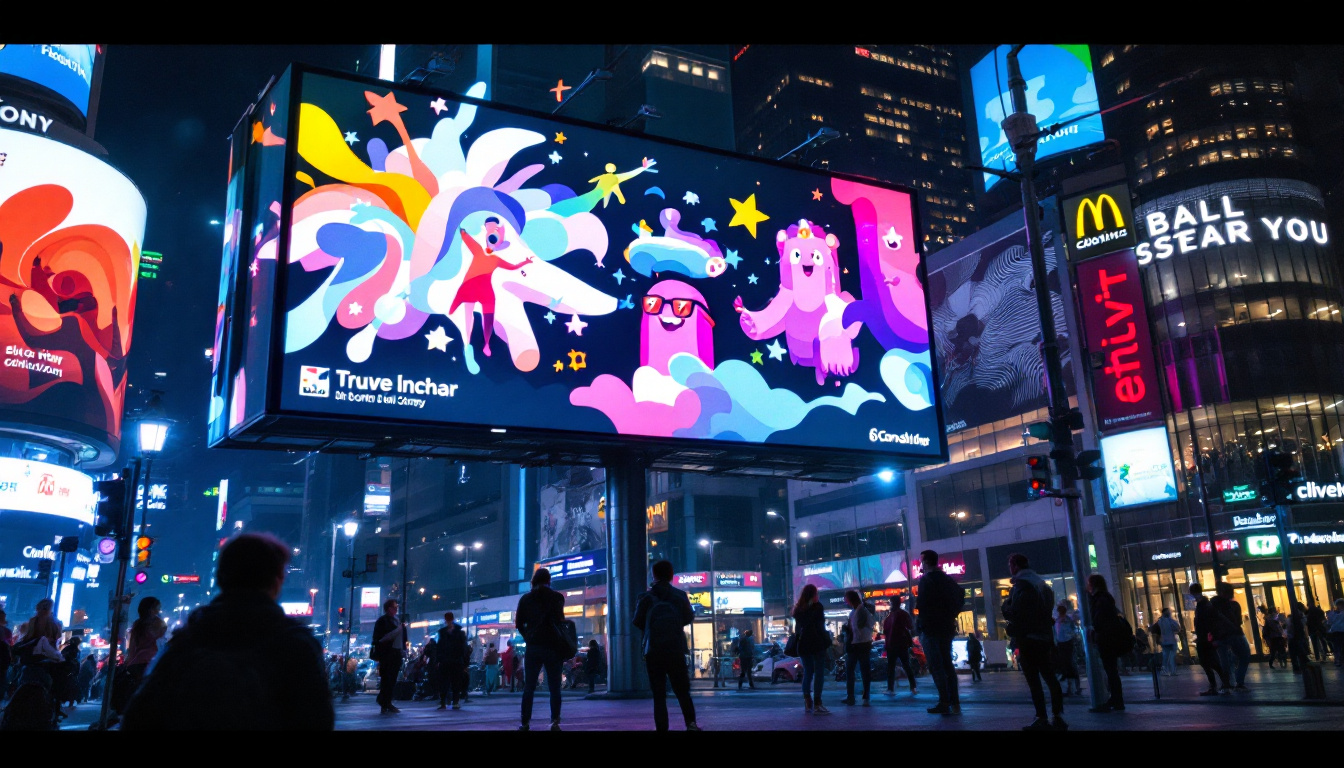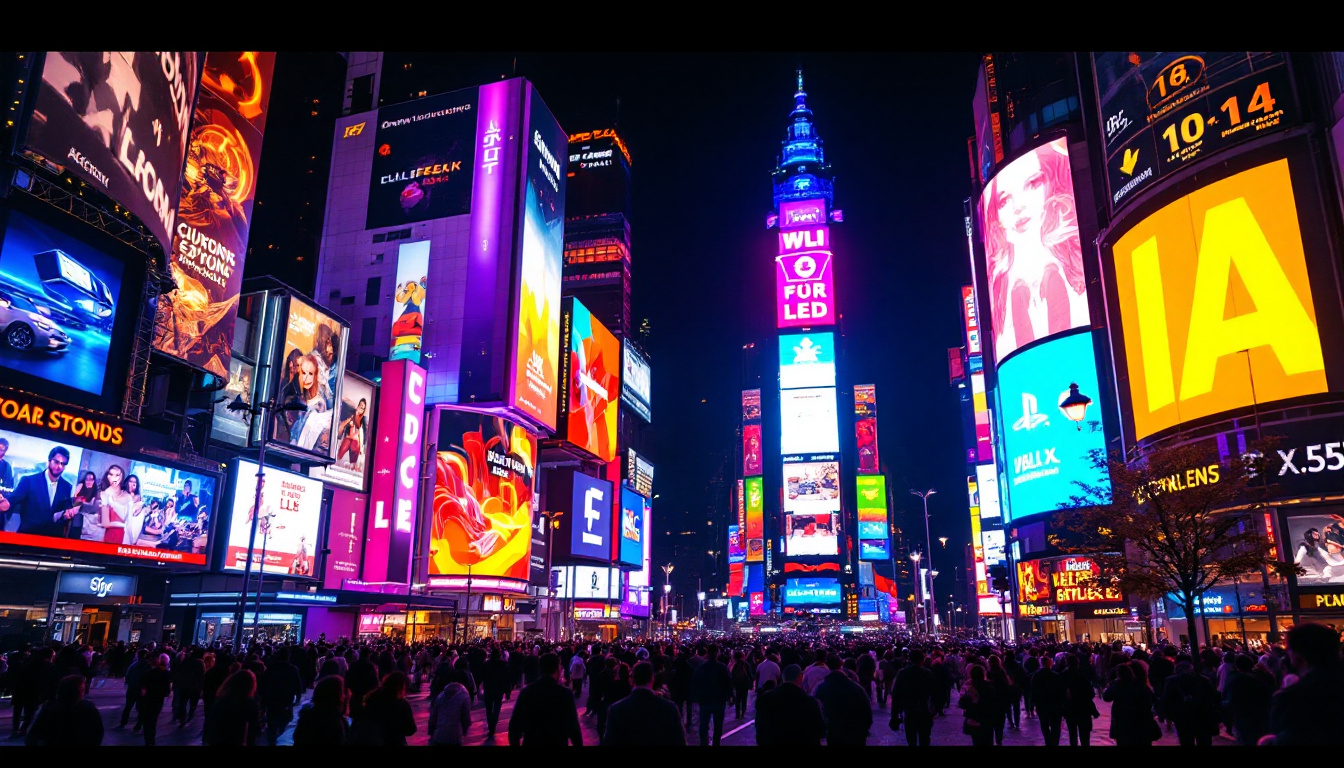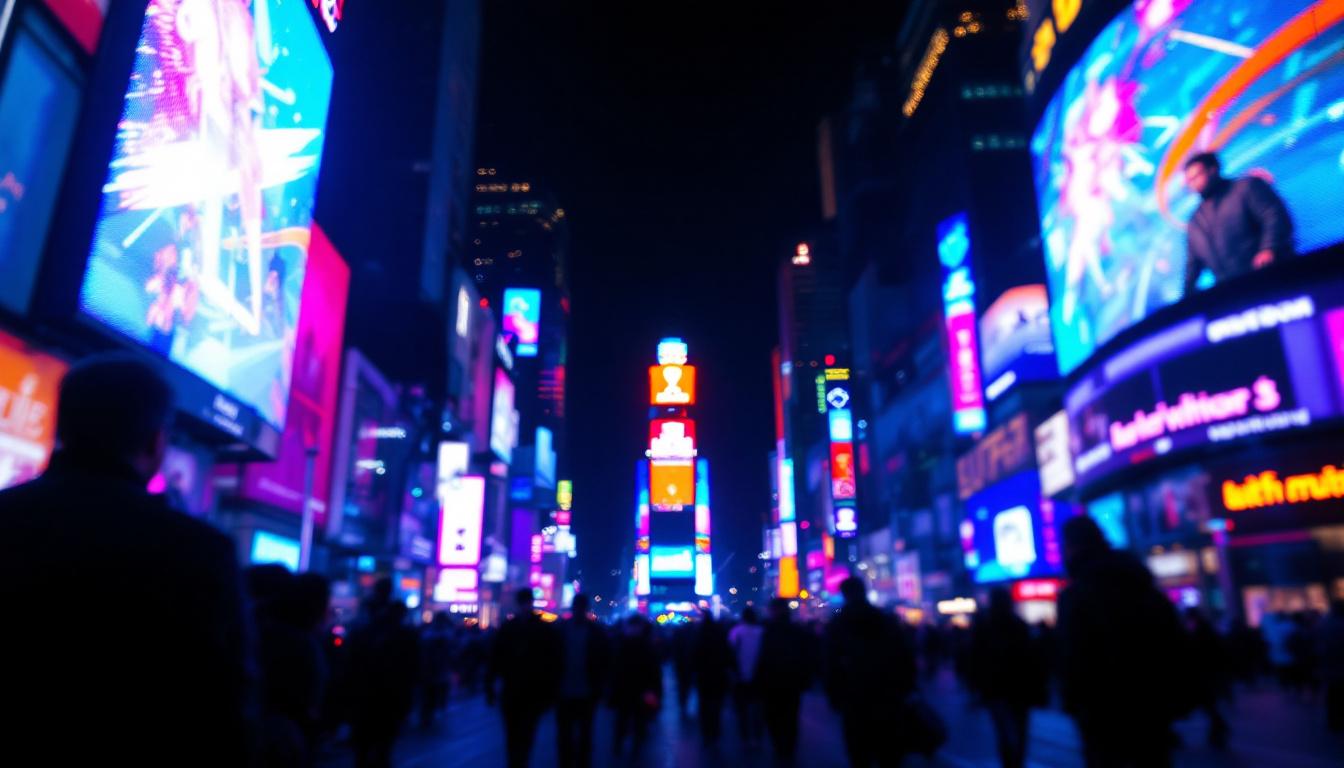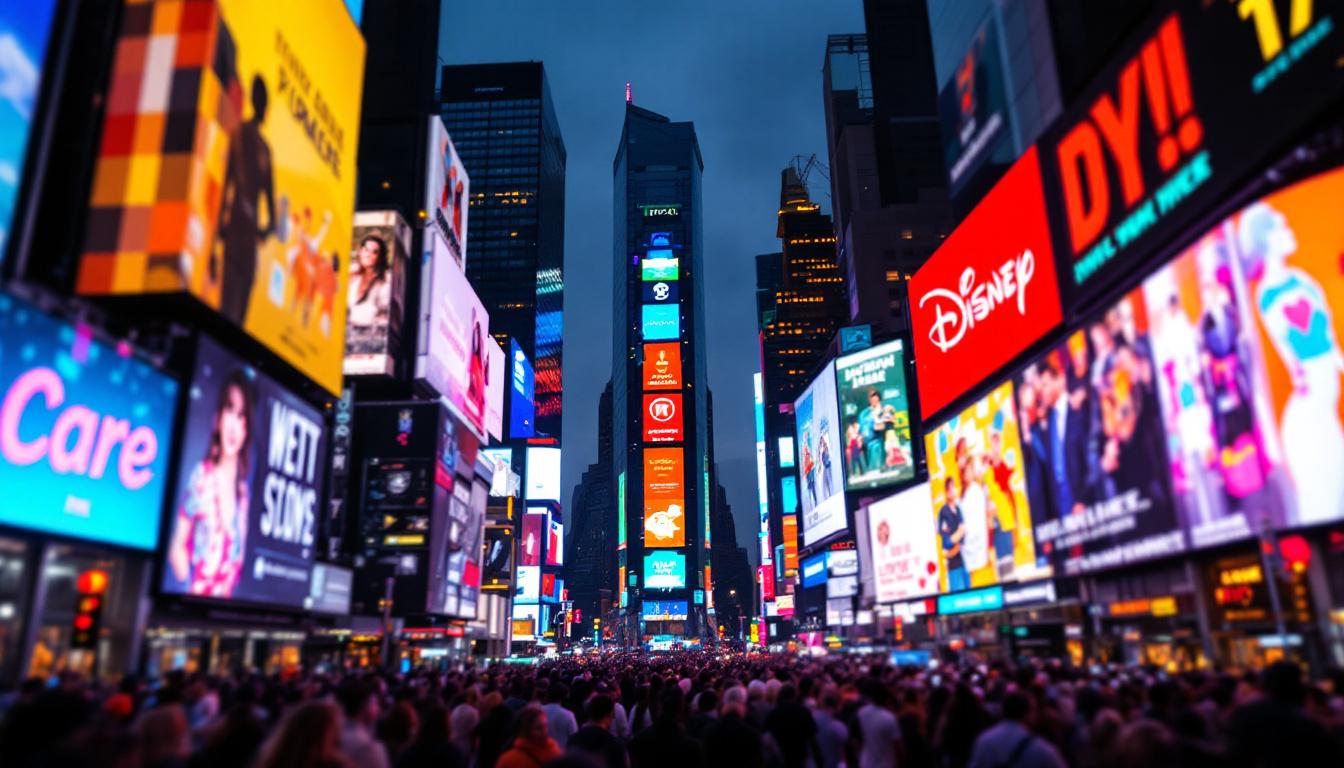
Times Square in New York City is world-renowned for its dazzling array of digital billboards and LED displays that light up the area day and night. Among these, cartoon-themed LED displays have become a captivating feature, blending art, technology, and advertising in a way that mesmerizes millions of visitors annually. But what exactly goes into creating these vibrant, animated spectacles? This article dives deep into the technology behind cartoon LED displays in Times Square, exploring how they work, why they are so effective, and what the future holds for this dynamic form of digital signage.
The Evolution of LED Displays in Times Square
Times Square has long been a symbol of advertising innovation, evolving from static billboards to the immersive, interactive digital displays seen today. The introduction of LED technology marked a significant turning point, enabling brighter, more energy-efficient, and flexible advertising solutions.
In the early 2000s, LED screens began replacing traditional neon signs and printed billboards, offering advertisers the ability to display dynamic content that could be updated instantly. This shift was crucial for cartoon displays, as animation requires high refresh rates and vivid color reproduction to maintain visual appeal and clarity.
Today, the LED displays in Times Square use cutting-edge technology that supports ultra-high-definition (UHD) resolution, allowing for crisp, detailed cartoon animations that can be viewed clearly from great distances. These displays have become iconic, not only for their commercial value but also for their contribution to the city’s cultural and visual identity.
Moreover, the integration of smart technology into these LED displays has transformed the way brands engage with audiences. With the ability to incorporate real-time data, such as weather updates or social media feeds, advertisers can create personalized experiences that resonate with viewers. For instance, during major events like New Year’s Eve, the displays can showcase live countdowns and celebratory animations, creating a sense of community and excitement among the throngs of visitors.
Additionally, the environmental impact of LED technology cannot be overlooked. Compared to traditional lighting methods, LED displays consume significantly less energy, contributing to sustainability efforts in urban spaces. Many of the displays in Times Square are now equipped with sensors that adjust brightness based on ambient light, further enhancing energy efficiency. This commitment to greener technology not only helps reduce the carbon footprint of one of the busiest intersections in the world but also sets a precedent for other cities to follow in their quest for modern, sustainable advertising solutions.
How LED Technology Brings Cartoons to Life
Understanding LED Basics
LED stands for Light Emitting Diode, a semiconductor device that emits light when an electric current passes through it. Unlike traditional lighting, LEDs are highly efficient, durable, and capable of producing a broad spectrum of colors. These features make them ideal for large-scale digital displays.
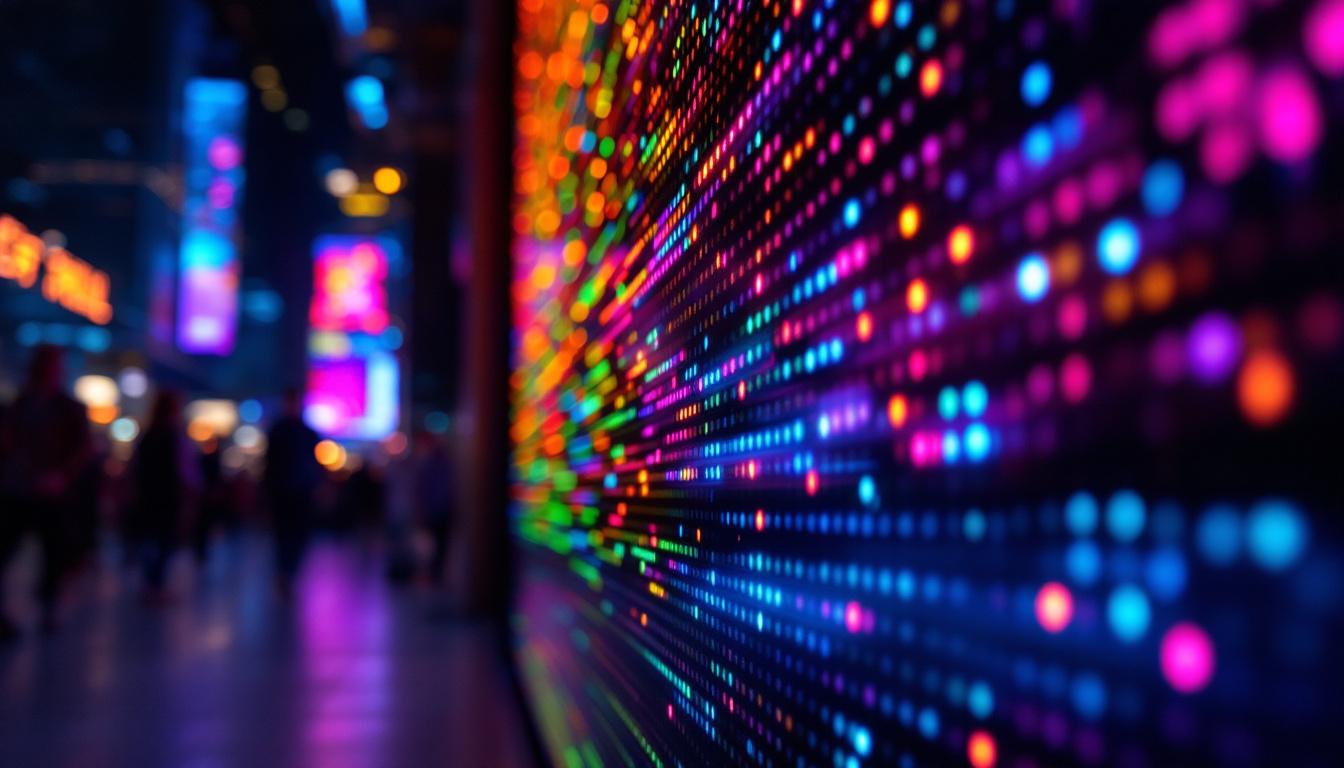
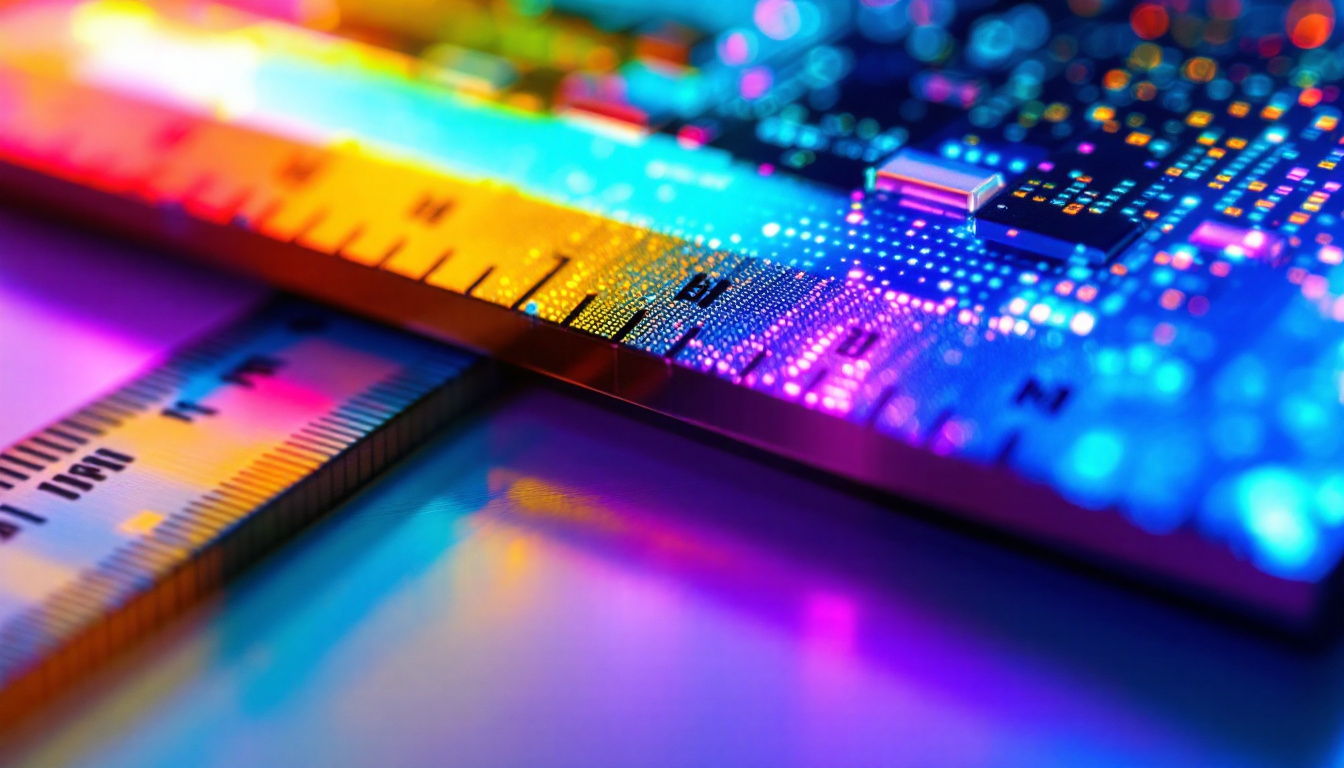
Each LED display is composed of thousands to millions of tiny LEDs arranged in a grid. For cartoon animations, these LEDs act as individual pixels, each capable of displaying different colors and brightness levels. By rapidly changing the color and intensity of each pixel, the display can create smooth, vibrant animations that mimic the look of traditional cartoons.
Pixel Pitch and Resolution
One of the key factors in the quality of an LED cartoon display is pixel pitch, which refers to the distance between the centers of two adjacent pixels. A smaller pixel pitch means higher resolution and sharper images, crucial for detailed cartoon graphics that often feature fine lines and subtle color gradients.
Times Square’s LED billboards typically have pixel pitches ranging from 4mm to 10mm, balancing image clarity with visibility from various distances. For cartoon displays, a finer pixel pitch ensures that characters and scenes appear crisp and engaging, even when viewed up close by pedestrians.
Color Accuracy and Brightness
Cartoon animations rely heavily on vibrant colors and precise shading to convey emotion and storytelling. Modern LED displays use advanced color calibration techniques to ensure that the colors on screen match the original artwork as closely as possible. This includes the use of dynamic contrast ratios and high brightness levels, often exceeding 5,000 nits, to maintain visibility under direct sunlight.
High brightness is particularly important in Times Square, where ambient light levels are extremely high due to the concentration of other illuminated signs and natural daylight. The ability of LED displays to maintain vivid colors and sharp images in these conditions is a major reason why they are preferred for cartoon advertising and entertainment.
Content Creation and Animation Techniques
From Concept to Screen
Creating cartoon content for Times Square’s LED displays is a complex process that involves collaboration between artists, animators, and technical experts. The content must be designed specifically for the unique characteristics of LED screens, including their resolution, aspect ratio, and brightness capabilities.
Animators often start with traditional 2D or 3D cartoon designs and then optimize them for digital display. This includes simplifying details that may not render well on large LED panels and enhancing colors to take advantage of the screen’s brightness and saturation capabilities.
Animation Software and Tools
Leading animation software such as Adobe After Effects, Toon Boom Harmony, and Autodesk Maya are commonly used to produce high-quality cartoon animations. These tools allow creators to design smooth motion sequences, apply special effects, and export content in formats compatible with LED display controllers.
Specialized software also manages the synchronization of animations across multiple LED panels, ensuring seamless transitions and consistent image quality across the entire billboard. This is especially important for large-scale displays that span multiple screens or wrap around building facades.
Interactive and Real-Time Content
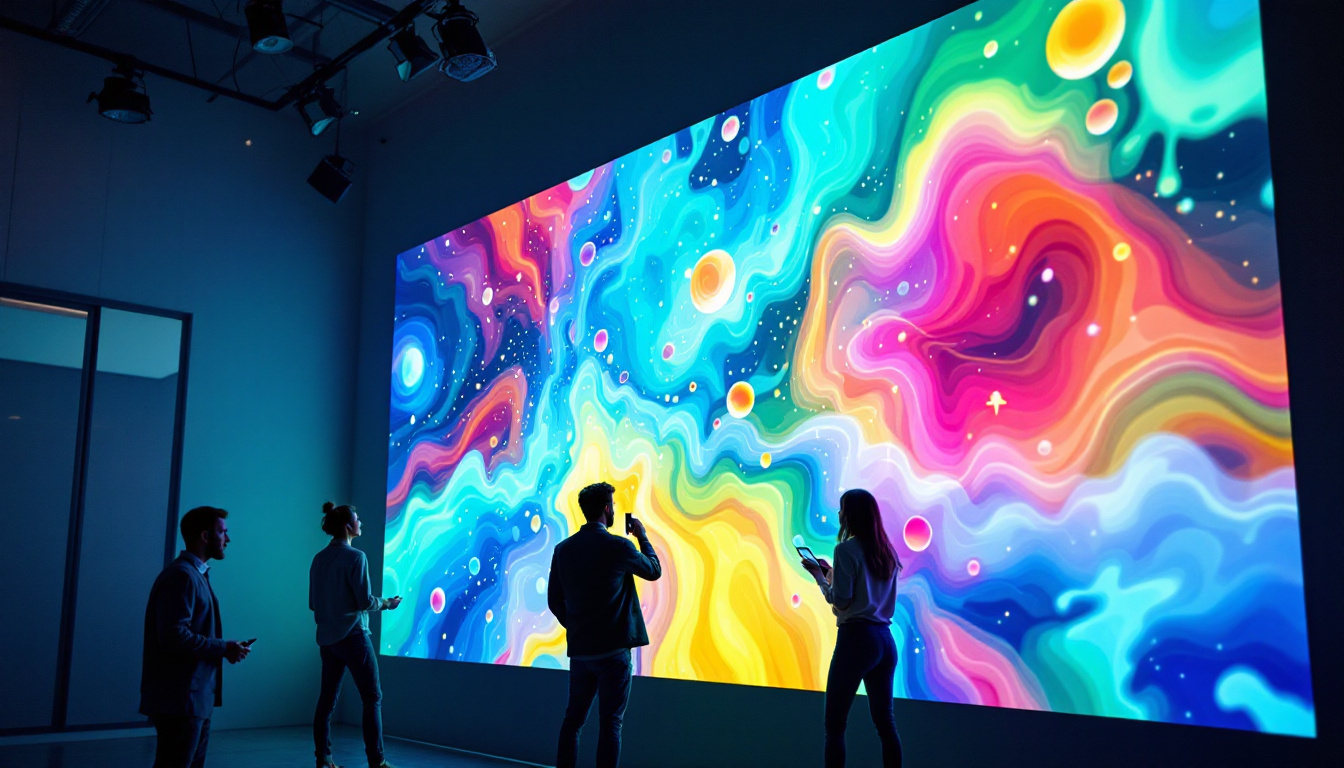
Some cartoon LED displays in Times Square incorporate interactive elements or real-time data feeds. For example, animations might change based on weather conditions, social media trends, or audience interaction via mobile devices. This dynamic approach enhances engagement and keeps the content fresh and relevant.
Real-time rendering engines, such as Unreal Engine or Unity, are sometimes used to generate cartoon animations on the fly, allowing for highly responsive and immersive experiences. This technology is pushing the boundaries of what’s possible in digital signage, making cartoon displays more than just static advertisements—they become interactive storytelling platforms.
Why Cartoon LED Displays Are So Effective in Times Square
Visual Appeal and Emotional Connection
Cartoons have a universal appeal that transcends age and cultural barriers. The playful, colorful nature of cartoon animations grabs attention quickly and evokes positive emotions, making them ideal for advertising in a bustling environment like Times Square.
Moreover, cartoons can simplify complex messages and create memorable brand identities through characters and storytelling. This emotional connection helps advertisers build long-term relationships with their audience, increasing brand recall and loyalty.
High Foot Traffic and Diverse Audience
Times Square attracts over 330,000 pedestrians daily, including tourists, locals, and business professionals. The diversity and volume of this audience make it a prime location for cartoon LED displays, which can appeal to a broad demographic spectrum.
Cartoon content can be tailored to suit different cultural contexts, languages, and age groups, ensuring that messages resonate widely. This adaptability is a significant advantage over traditional static billboards.
Technological Innovation as a Brand Statement
Brands that use cartoon LED displays in Times Square often position themselves as forward-thinking and innovative. The use of cutting-edge technology to deliver engaging, high-quality content reflects positively on the brand’s image, enhancing its reputation in competitive markets.
Additionally, the sheer scale and visibility of these displays provide unparalleled exposure, making them a valuable asset in any marketing strategy.
Challenges and Considerations in Cartoon LED Display Deployment
Technical and Environmental Constraints
Deploying cartoon LED displays in Times Square comes with technical challenges. The displays must withstand harsh weather conditions, including rain, snow, and extreme temperatures, without compromising performance. This requires robust hardware and protective enclosures.
Energy consumption is another consideration. While LEDs are more efficient than traditional lighting, large-scale displays still require significant power. Advances in energy-saving technologies and smart controls help mitigate this impact.
Content Regulation and Compliance
Times Square is subject to strict regulations regarding advertising content, brightness levels, and operating hours to balance commercial interests with public safety and aesthetic standards. Cartoon displays must comply with these rules to avoid penalties and ensure community acceptance.
Additionally, content creators must be mindful of cultural sensitivities and avoid imagery that could be considered offensive or inappropriate in such a diverse public space.
Cost and Maintenance
High-quality cartoon LED displays represent a substantial investment, including costs for hardware, content creation, installation, and ongoing maintenance. Regular upkeep is essential to prevent pixel failures, color inconsistencies, and other issues that could detract from the display’s impact.
Despite these costs, the return on investment can be significant due to the high visibility and engagement these displays generate.
The Future of Cartoon LED Displays in Times Square
As technology continues to advance, the future of cartoon LED displays in Times Square looks promising. Emerging trends such as micro-LED technology promise even higher resolution and energy efficiency, enabling more detailed and immersive animations.
Augmented reality (AR) integration is also on the horizon, allowing viewers to interact with cartoon characters through their smartphones or wearable devices, creating a blended physical and digital experience.
Furthermore, improvements in AI-driven content creation could enable personalized cartoon animations that adapt to individual viewers in real time, making advertising even more engaging and effective.
In summary, cartoon LED displays in Times Square represent a fascinating intersection of art, technology, and marketing. Their ability to captivate diverse audiences with vibrant, dynamic content ensures they will remain a central feature of this iconic location for years to come.
Illuminate Your Brand with LumenMatrix
Ready to make your mark in the vibrant landscape of Times Square or captivate audiences in your own locale? LumenMatrix is at the forefront of LED display innovation, offering a diverse range of solutions that bring your brand to life. From Indoor and Outdoor LED Wall Displays to specialized options like Vehicle, Sports, and Floor LED Displays, our technology is designed to create unforgettable visual experiences. Discover how our Custom, All-in-One, and Transparent LED Displays can transform your visual communication. Check out LumenMatrix LED Display Solutions today and step into the future of digital storytelling.