In the fast-evolving world of advertising, outdoor advertising remains a cornerstone for brands aiming to capture attention on a grand scale. Among the various outdoor advertising methods, LED displays have emerged as one of the most dynamic and effective tools. This article explores the ins and outs of LED display advertising, providing a comprehensive understanding of its technology, benefits, applications, and best practices. Whether you are a marketer, business owner, or advertising professional, understanding LED displays can help you leverage this medium to its fullest potential.
What Are LED Displays in Outdoor Advertising?
Understanding the Technology Behind LED Displays
LED stands for Light Emitting Diode, a semiconductor light source that emits light when an electric current passes through it. LED displays are composed of thousands, sometimes millions, of these tiny diodes arranged in a grid to form images, videos, or text. Unlike traditional billboards that rely on static printed materials, LED displays can change content dynamically, offering vibrant colors and high brightness levels that make them visible even in direct sunlight.
The technology behind LED displays has advanced significantly over the past decade. Modern outdoor LED screens use high-density pixel arrangements, enabling high-resolution visuals that rival television screens. Additionally, innovations such as energy-efficient diodes and advanced cooling systems have made these displays more sustainable and reliable for 24/7 outdoor use. The integration of smart technology has also allowed for real-time content updates, enabling advertisers to adjust their messages based on factors like time of day, weather conditions, or audience demographics. This adaptability not only enhances viewer engagement but also maximizes the effectiveness of advertising campaigns.
Types of Outdoor LED Displays
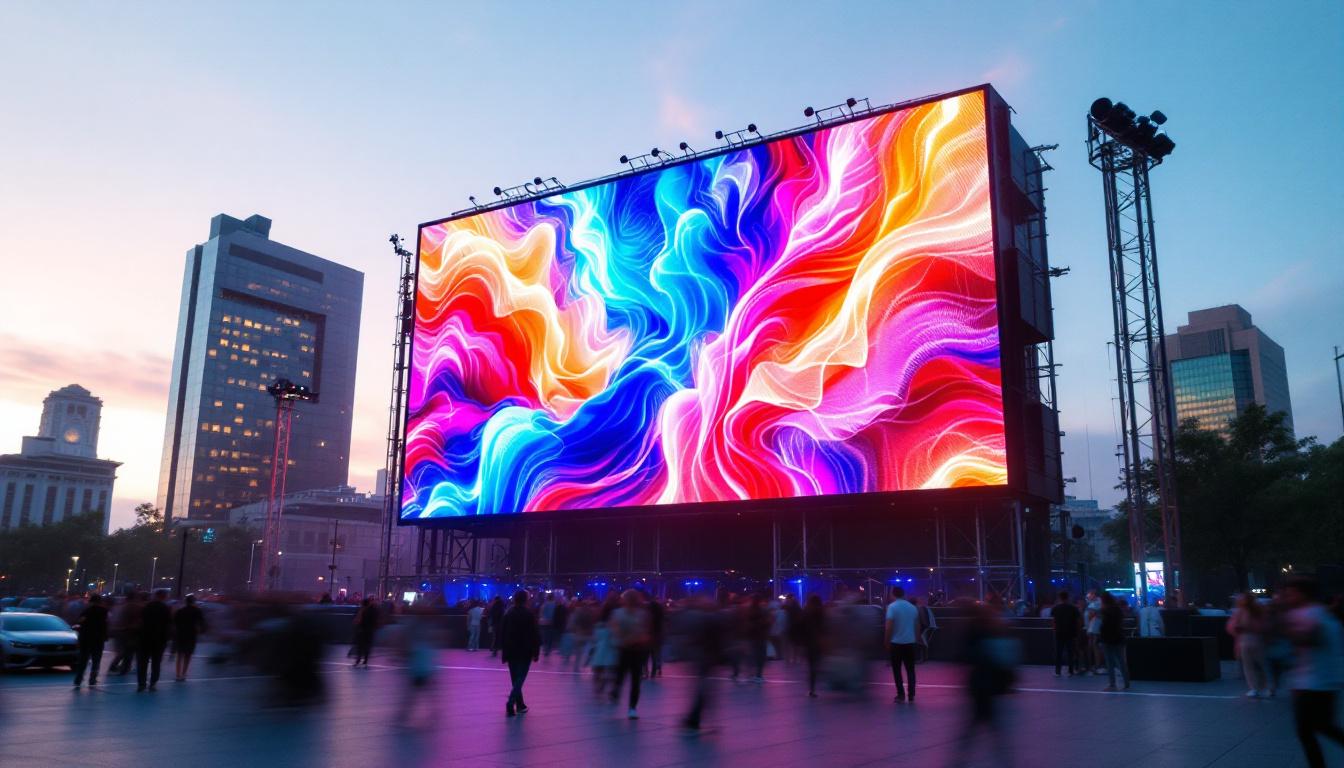
Outdoor LED displays come in various forms, each suited for different advertising needs and environments. The most common types include:
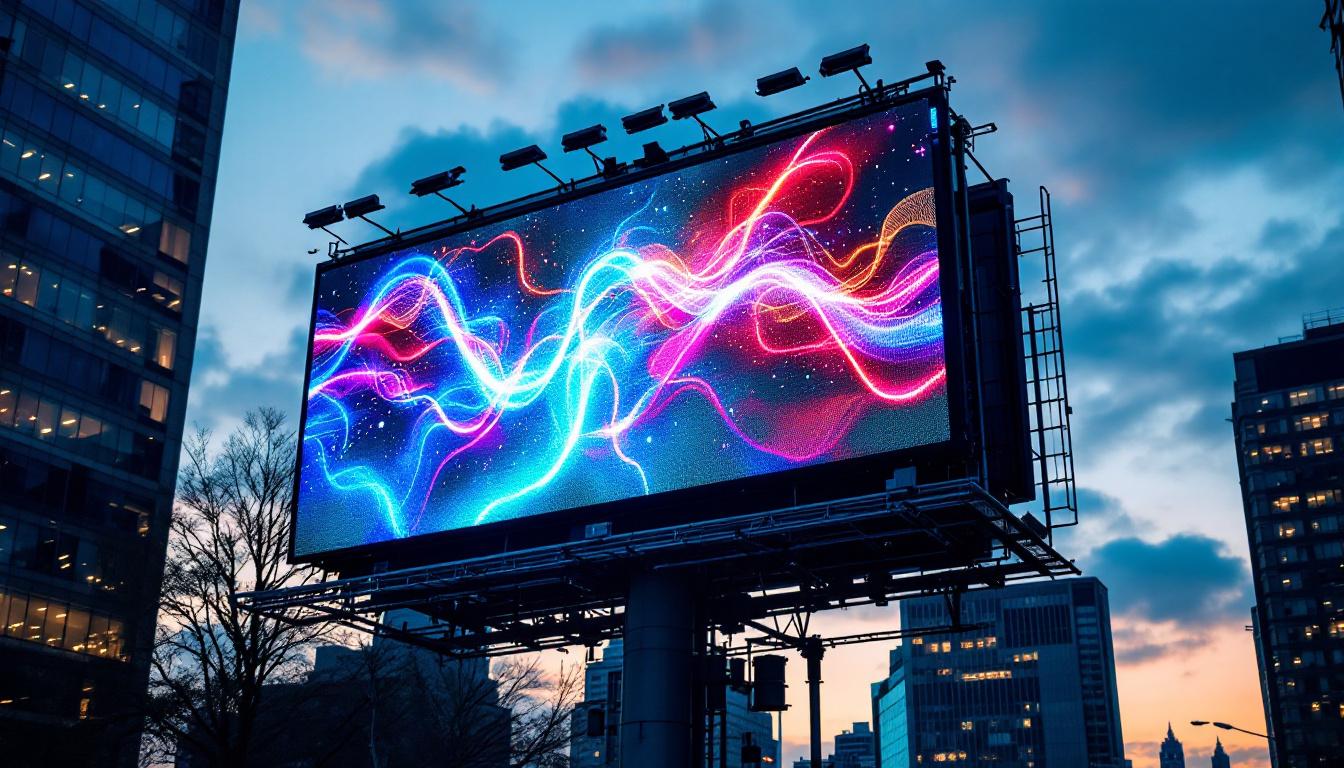
- Billboard LED Displays: Large-scale screens typically mounted on highways or urban centers to reach a broad audience.
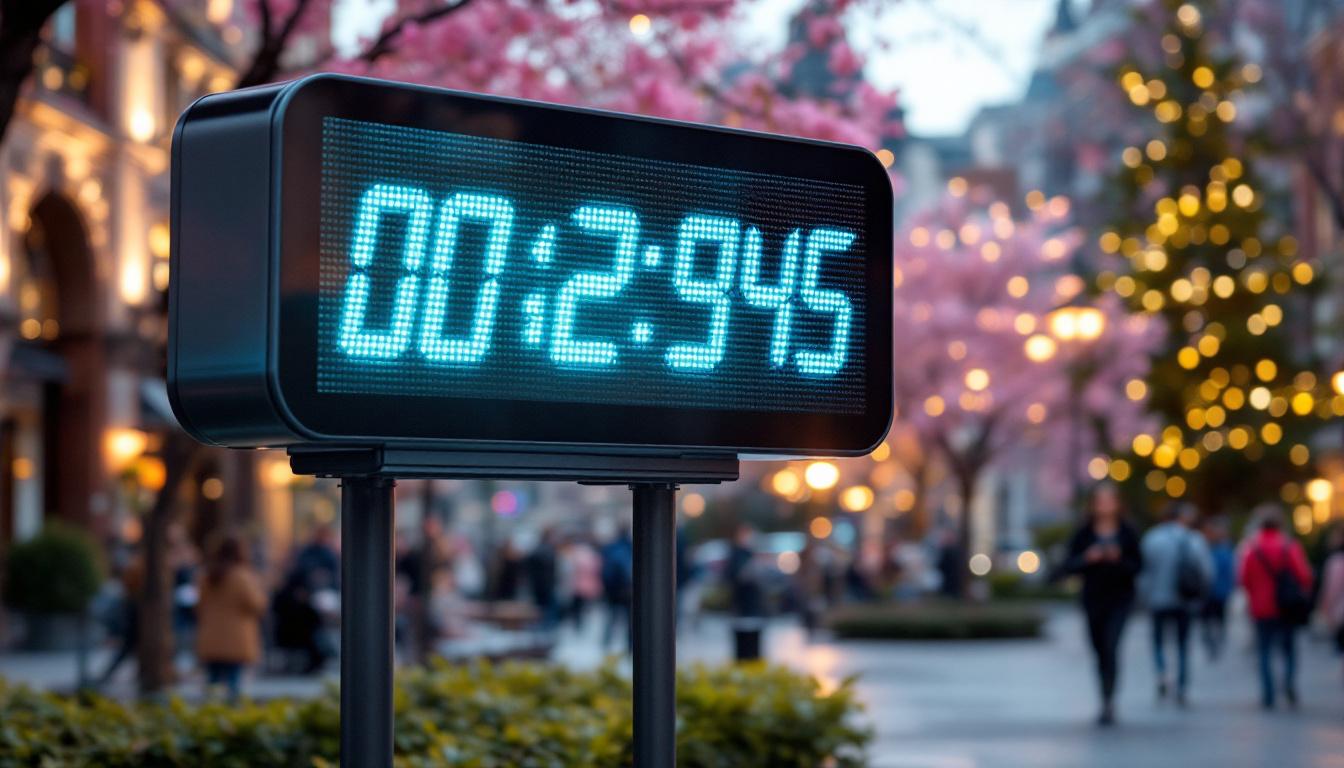
- Digital Posters: Smaller LED screens often found at transit stations, shopping malls, or street corners.
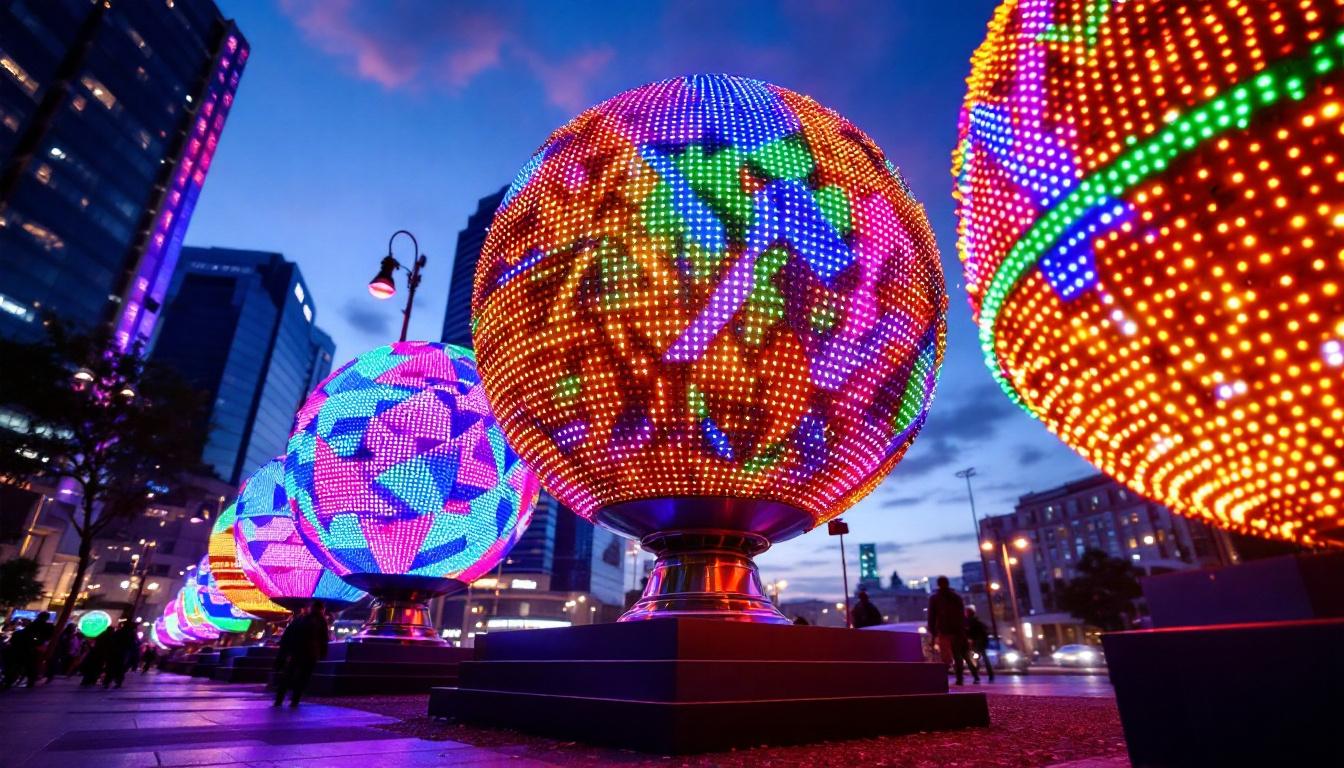
- Building Wraps: Massive LED installations that cover entire building facades, creating immersive advertising experiences.
- Mobile LED Displays: Mounted on vehicles or trailers, these offer flexibility for event-based or location-targeted campaigns.
In addition to these common types, there are also specialized LED displays designed for specific applications. For instance, Interactive LED Displays allow consumers to engage with the content directly, often through touch or motion sensors, creating a memorable experience that encourages interaction and brand loyalty. Furthermore, Transparent LED Displays have emerged, enabling businesses to showcase advertisements while still allowing visibility through windows, making them ideal for retail environments. These innovations not only enhance the aesthetic appeal of advertising but also provide unique opportunities for brands to connect with their audience in more meaningful ways.
Why LED Displays Are a Game-Changer in Outdoor Advertising
High Visibility and Engagement
One of the primary advantages of LED displays is their exceptional visibility. With brightness levels often exceeding 5,000 nits, LED screens remain clear and eye-catching even in direct sunlight. This ensures that advertisements are seen by pedestrians, drivers, and commuters alike, regardless of the time of day or weather conditions.
Moreover, the dynamic nature of LED content—videos, animations, and changing messages—captures attention far more effectively than static billboards. Studies have shown that digital billboards can increase brand recall by up to 47% compared to traditional static ads. The ability to display multiple messages in rotation also allows advertisers to target different demographics or promote various products within the same space.
Flexibility and Real-Time Content Updates
Unlike printed billboards that require physical replacement, LED displays can be updated remotely and instantly. This flexibility enables advertisers to:
- Launch time-sensitive campaigns such as flash sales or event promotions.
- Display weather-responsive messages or emergency alerts.
- Test and optimize content based on audience engagement and feedback.
This real-time adaptability not only improves campaign effectiveness but also reduces operational costs associated with printing and installation.
Cost Efficiency Over Time
While the initial investment in LED display technology can be higher than traditional billboards, the long-term benefits often outweigh the costs. LED displays eliminate recurring printing expenses and reduce labor costs for installation and maintenance. Additionally, the durability of LED panels—often rated for 100,000 hours of use—ensures a long lifespan with minimal downtime.
Energy-efficient LEDs also contribute to lower electricity consumption compared to older lighting technologies, making them a more sustainable choice for outdoor advertising.
Applications and Examples of Outdoor LED Advertising
Urban Centers and High-Traffic Areas
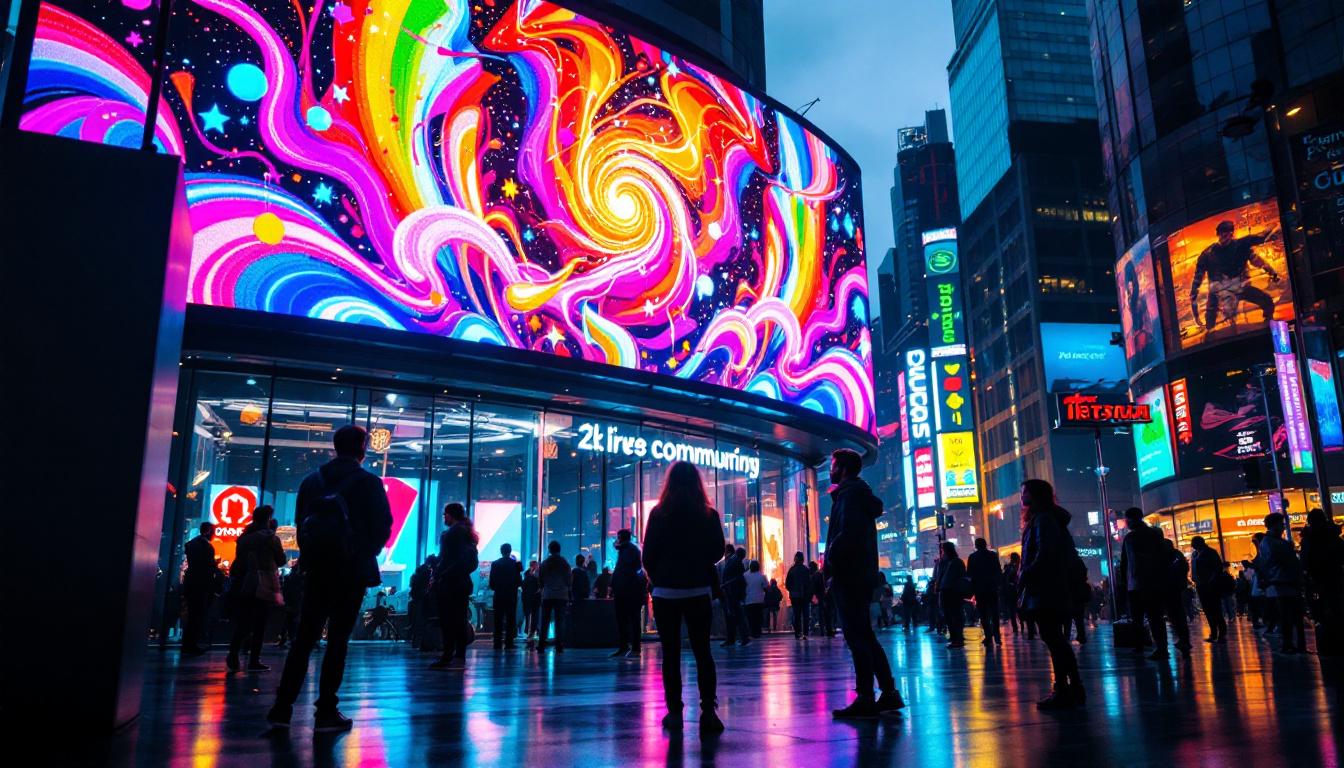
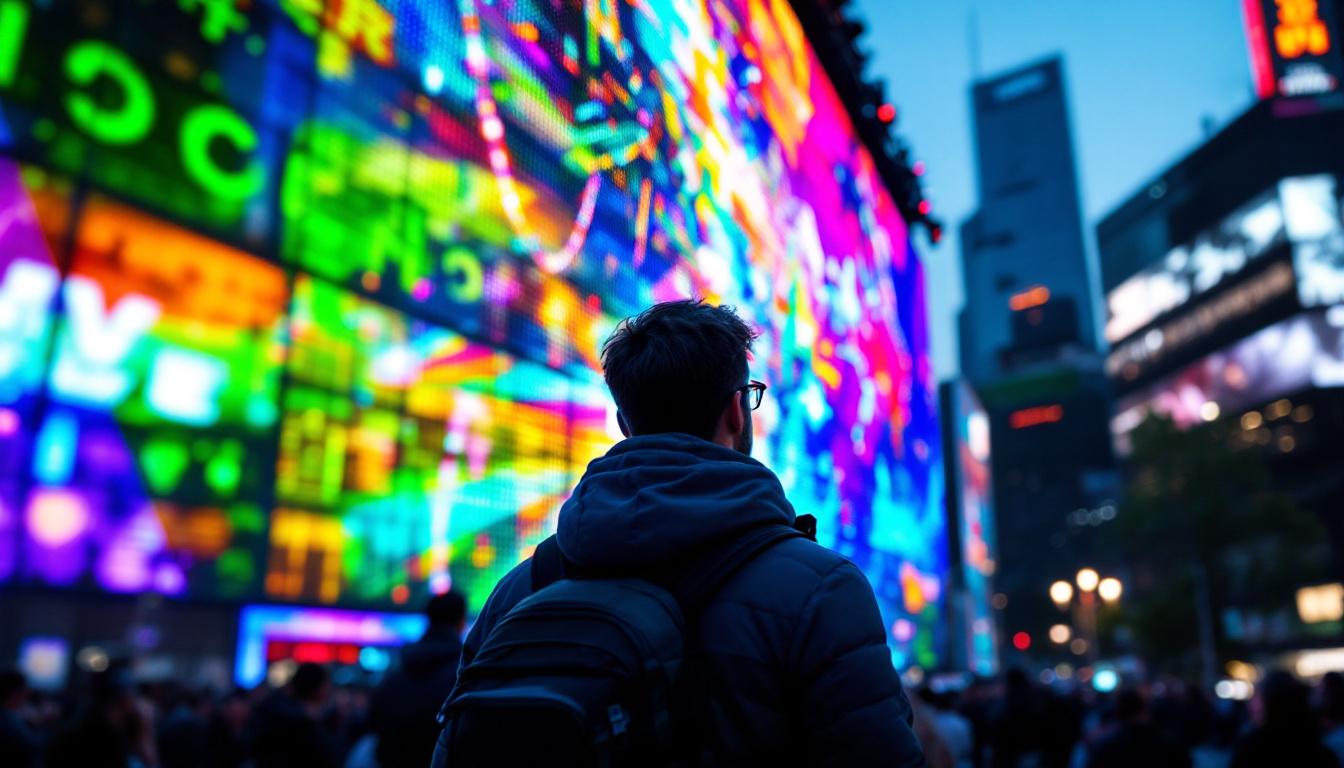
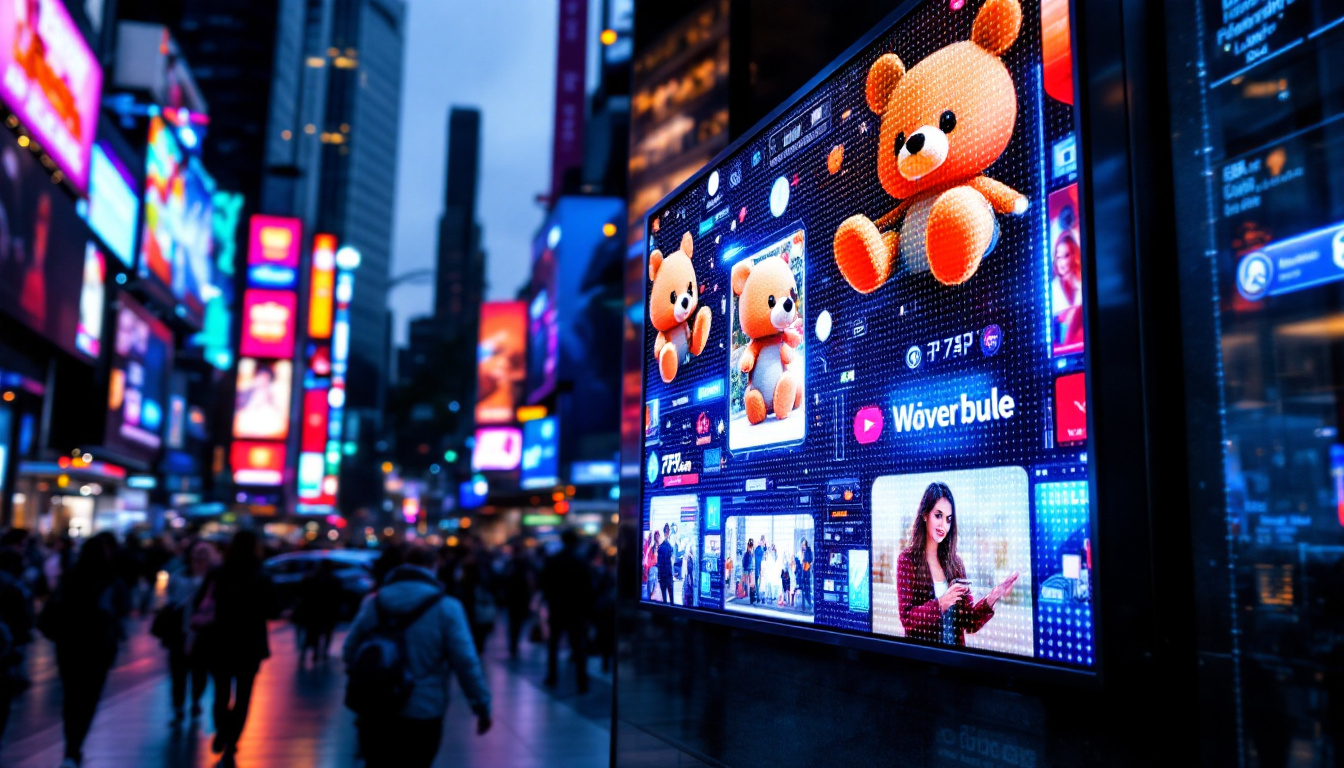
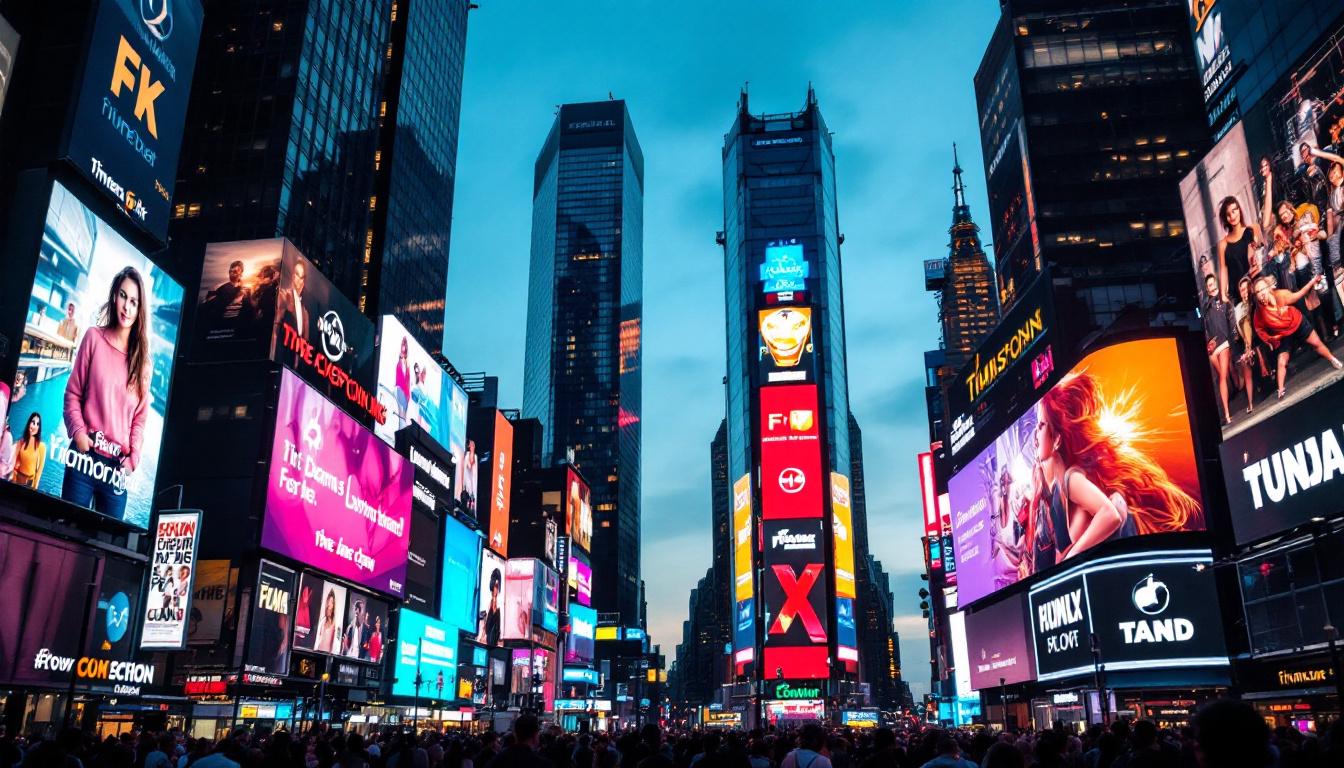
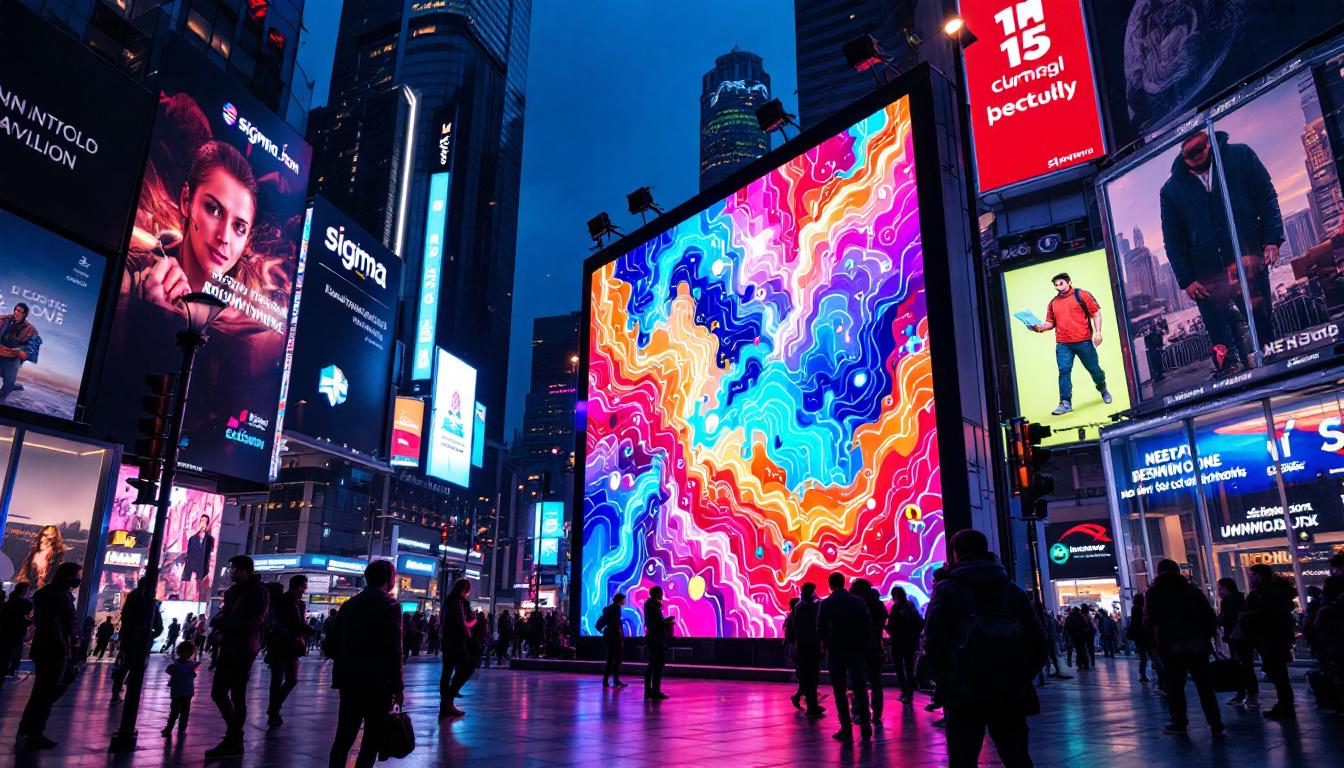
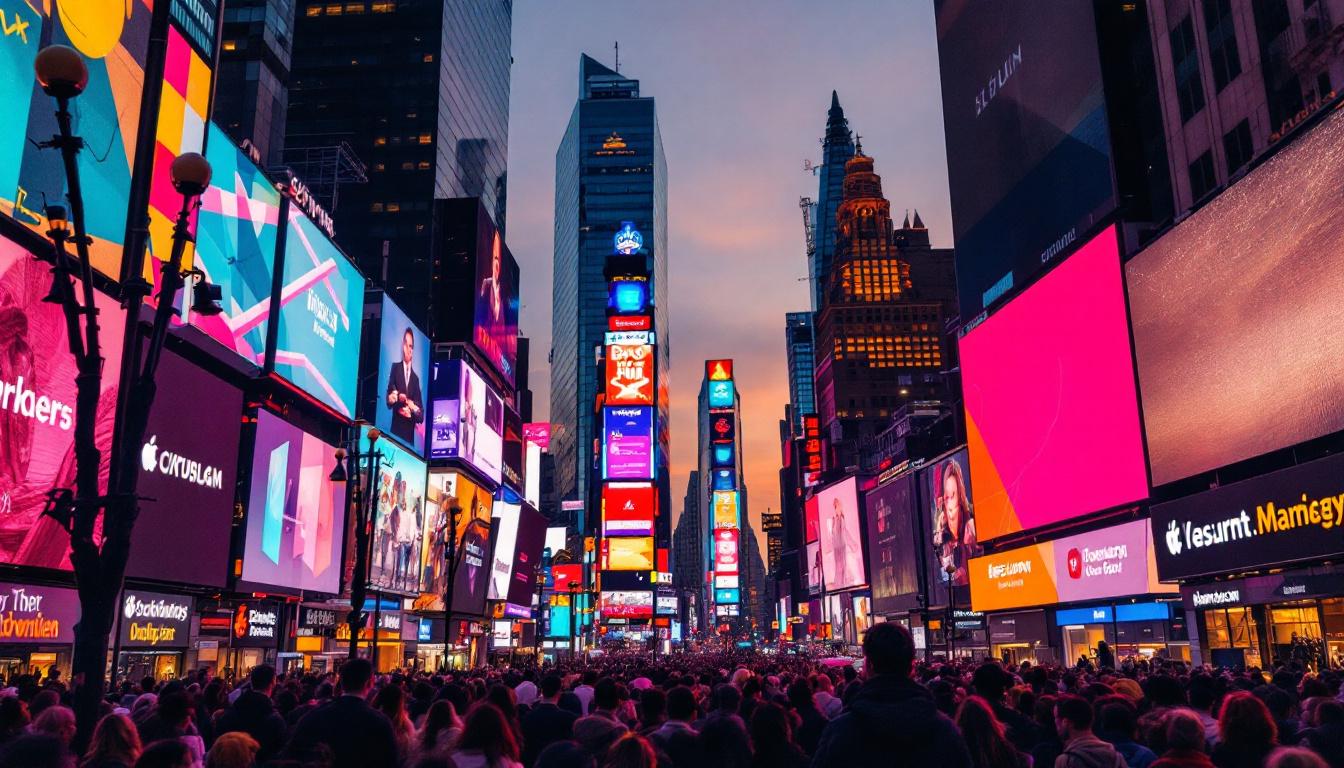
Major cities around the world have embraced LED displays as a central element of their advertising landscape. Times Square in New York City, Piccadilly Circus in London, and Shibuya Crossing in Tokyo are iconic examples where LED billboards create a vibrant, ever-changing visual environment.
These locations benefit from high foot traffic and vehicle flow, maximizing the reach and impact of LED advertisements. Brands ranging from global tech giants to local retailers utilize these platforms to launch product announcements, brand awareness campaigns, and interactive experiences.
Transportation Hubs and Retail Environments
Airports, train stations, and bus terminals are prime locations for LED advertising due to the captive audience of travelers. Digital displays in these venues often combine advertising with useful information such as flight updates or transit schedules, enhancing user experience while promoting brands.
In retail environments, LED displays are used both outdoors and indoors to attract customers and influence purchasing decisions. Dynamic content can highlight promotions, new arrivals, or loyalty programs, driving foot traffic and sales.
Event Marketing and Sponsorships
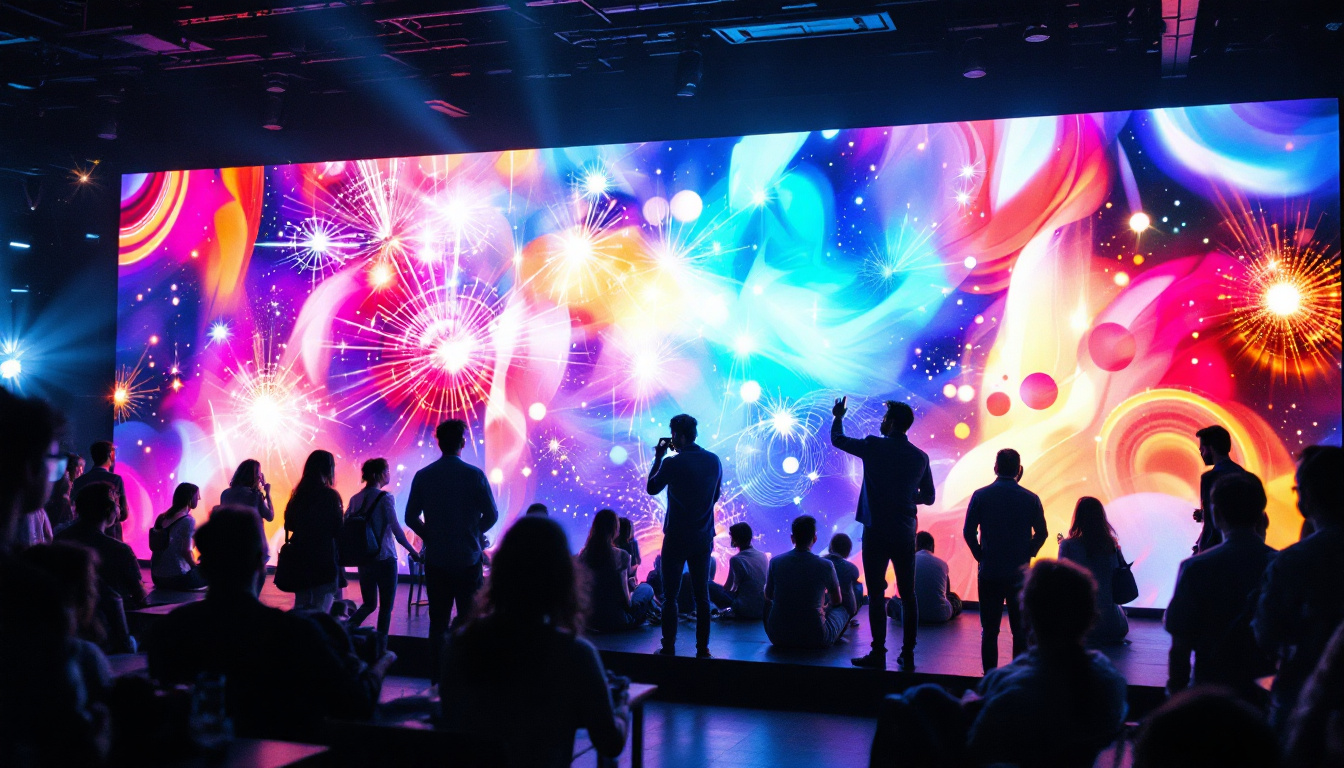
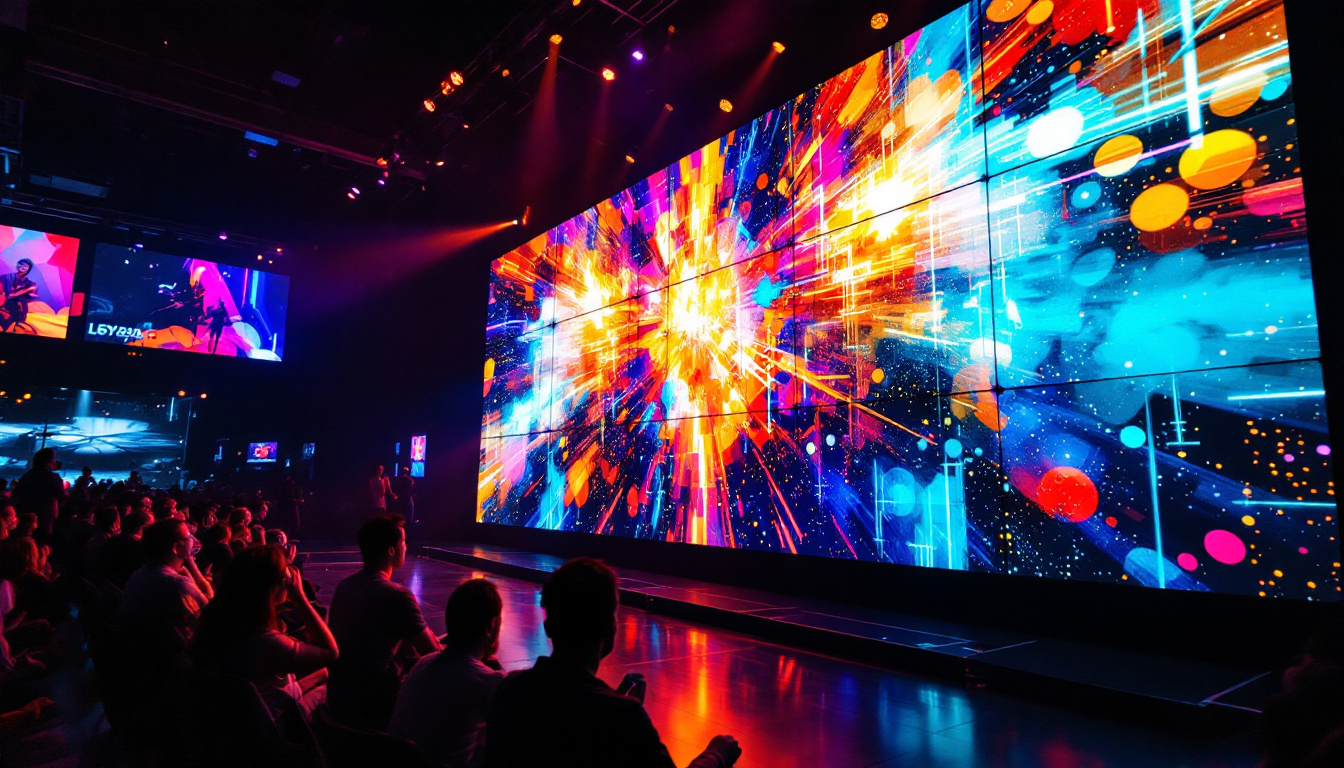
Sports arenas, music festivals, and trade shows frequently deploy LED screens to engage attendees. These displays can showcase live event footage, sponsor messages, and interactive content that enhances the overall experience.
Mobile LED displays also play a crucial role in event marketing, enabling advertisers to reach audiences in multiple locations or create pop-up campaigns that generate buzz.
Designing Effective Content for LED Displays
Key Principles for Visual Impact
Creating compelling content for LED displays requires understanding the medium’s unique characteristics. High brightness and viewing distance mean that designs should prioritize bold colors, clear typography, and simple messaging. Overly detailed images or small text can become illegible, reducing the advertisement’s effectiveness.
Animations and video content should be smooth and engaging but not overly distracting. The goal is to capture attention while ensuring the message is quickly understood. Using contrasting colors and strategic placement of key information can significantly improve readability.
Optimizing Content for Different Environments
Outdoor LED displays are viewed under varying conditions—daylight, nighttime, rain, or fog. Content creators must consider these factors when designing ads. For example, nighttime displays can use darker backgrounds with bright highlights to reduce glare, while daytime content should maximize contrast and brightness.
Additionally, understanding the audience’s typical viewing distance and angle helps tailor the size and positioning of text and visuals. For roadside billboards, messages need to be concise and readable at high speeds, whereas pedestrian-facing displays can afford more detailed content.
Leveraging Interactivity and Data Integration
Some modern LED displays incorporate interactive elements such as touchscreens, motion sensors, or integration with mobile devices. These features enable personalized advertising experiences and can gather valuable data on audience engagement.
Data-driven content allows advertisers to tailor messages based on time of day, weather conditions, or demographic information, increasing relevance and impact. For example, an LED billboard near a sports stadium might display different ads on game days versus off-season periods.
Challenges and Considerations in Using LED Displays
Regulatory and Zoning Restrictions
Outdoor LED advertising is subject to local regulations that govern brightness levels, content restrictions, and placement. Some municipalities impose strict limits to prevent light pollution or distractions to drivers. It is essential for advertisers and property owners to understand and comply with these rules to avoid fines or forced removal.
Technical Maintenance and Reliability
Maintaining LED displays requires regular inspection and servicing to ensure optimal performance. Issues such as pixel failure, weather damage, or power supply problems can affect display quality. Investing in high-quality equipment and professional installation reduces downtime and prolongs the lifespan of the display.
Environmental Impact and Sustainability
While LED technology is more energy-efficient than older lighting methods, large-scale outdoor displays still consume significant electricity. Advertisers should consider energy-saving features such as automatic brightness adjustment and scheduling to minimize environmental impact.
Recycling and responsible disposal of LED panels at the end of their lifecycle is another important consideration for sustainability.
The Future of Outdoor LED Advertising
Advances in Display Technology
Emerging technologies such as MicroLED and OLED promise even higher resolution, better color accuracy, and thinner, more flexible displays. These innovations will enable new forms of outdoor advertising, including curved or transparent screens integrated seamlessly into urban architecture.
Integration with Augmented Reality and AI
Augmented reality (AR) combined with LED displays can create immersive advertising experiences that engage consumers on a deeper level. For example, passersby might interact with digital content through their smartphones, blending physical and virtual worlds.
Artificial intelligence (AI) will increasingly play a role in optimizing content delivery, analyzing audience behavior, and automating real-time adjustments to maximize campaign effectiveness.
Personalization and Hyper-Targeting
Future LED advertising will likely become more personalized, leveraging data from mobile devices, social media, and location tracking to deliver tailored messages. This hyper-targeting increases relevance and return on investment, making outdoor advertising more competitive in a digital-first marketing landscape.
Conclusion
LED displays have revolutionized outdoor advertising by offering vibrant, flexible, and highly engaging platforms that capture the attention of diverse audiences. Their ability to deliver dynamic content in real time, combined with advances in technology and data integration, positions LED advertising as a powerful tool for brands seeking to stand out in crowded urban environments.
However, successful use of LED displays requires careful planning, compliance with regulations, and thoughtful content design. As technology continues to evolve, advertisers who embrace innovation and sustainability will be well-positioned to harness the full potential of LED outdoor advertising in the years ahead.
Illuminate Your Brand with LumenMatrix
Ready to elevate your outdoor advertising and captivate your audience with unparalleled vibrancy and flexibility? Discover LumenMatrix’s innovative LED display solutions, designed to bring your brand to life in the most dynamic way possible. From bustling city centers to the sidelines of a sports arena, our range of Indoor and Outdoor LED Wall Displays, Vehicle LED Displays, LED Poster Displays, and more, are crafted to create unforgettable visual experiences and enhance engagement. Don’t let your message fade into the background. Check out LumenMatrix LED Display Solutions today and transform the way you communicate with your audience.