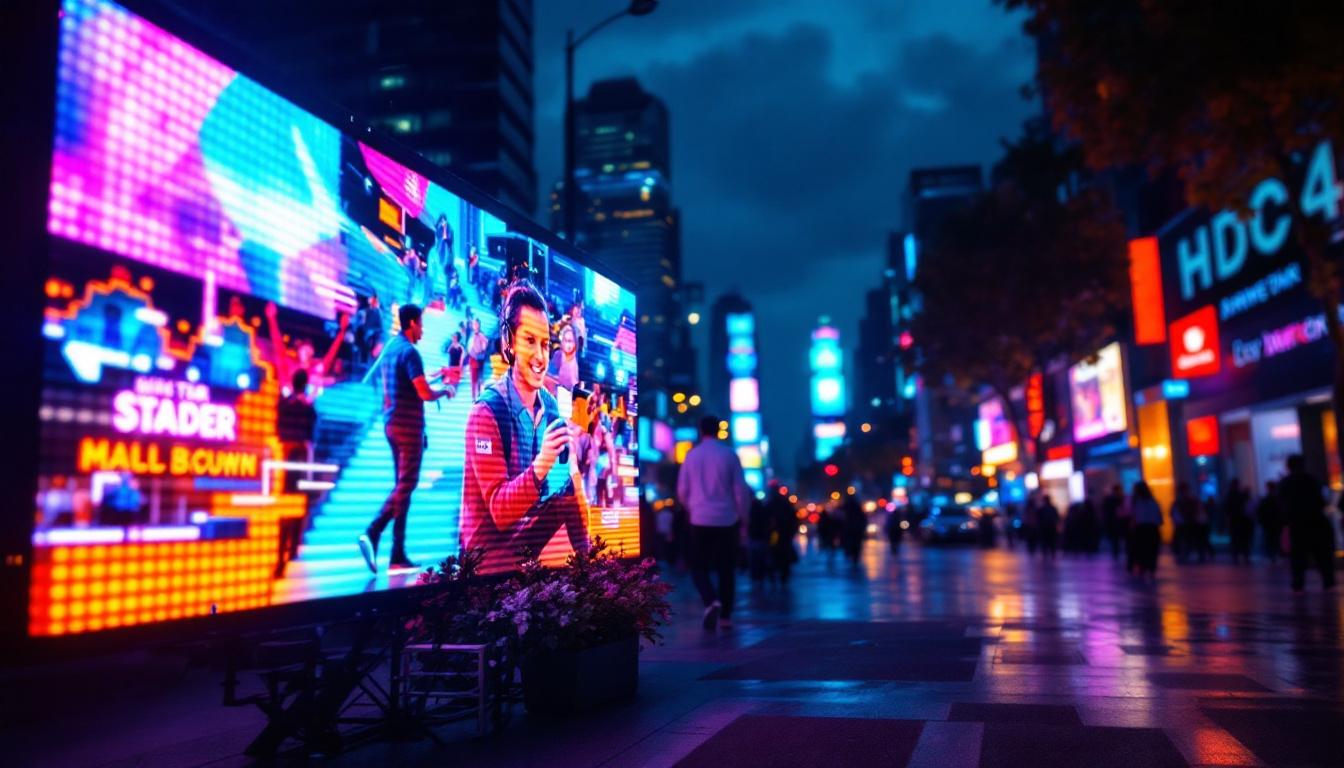
In today’s digital age, LED display modules have become an integral part of visual communication, advertising, and information dissemination. From vibrant billboards lighting up cityscapes to dynamic scoreboards in sports arenas, LED displays offer unmatched brightness, energy efficiency, and versatility. This article delves into the fundamentals of LED display modules, exploring their technology, types, applications, and the factors influencing their performance and selection.
Understanding LED Display Modules
What is an LED Display Module?
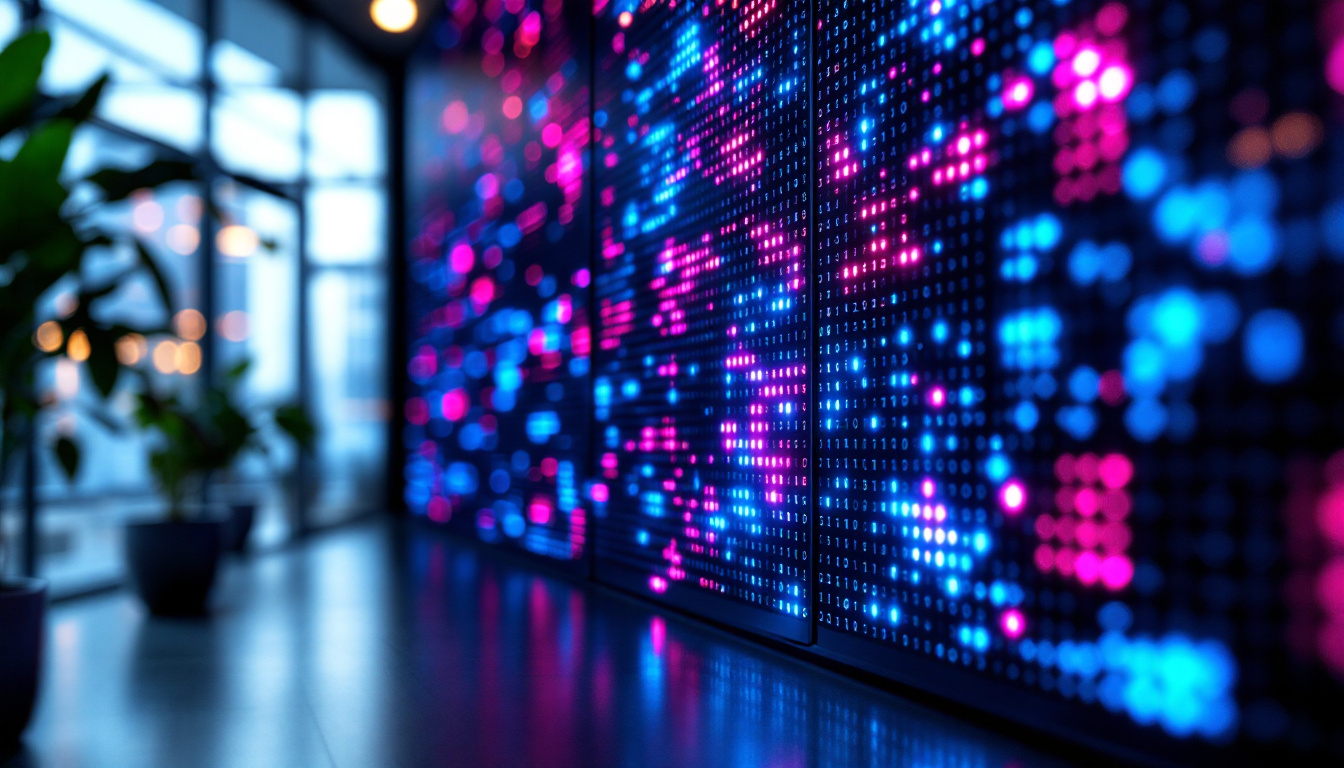
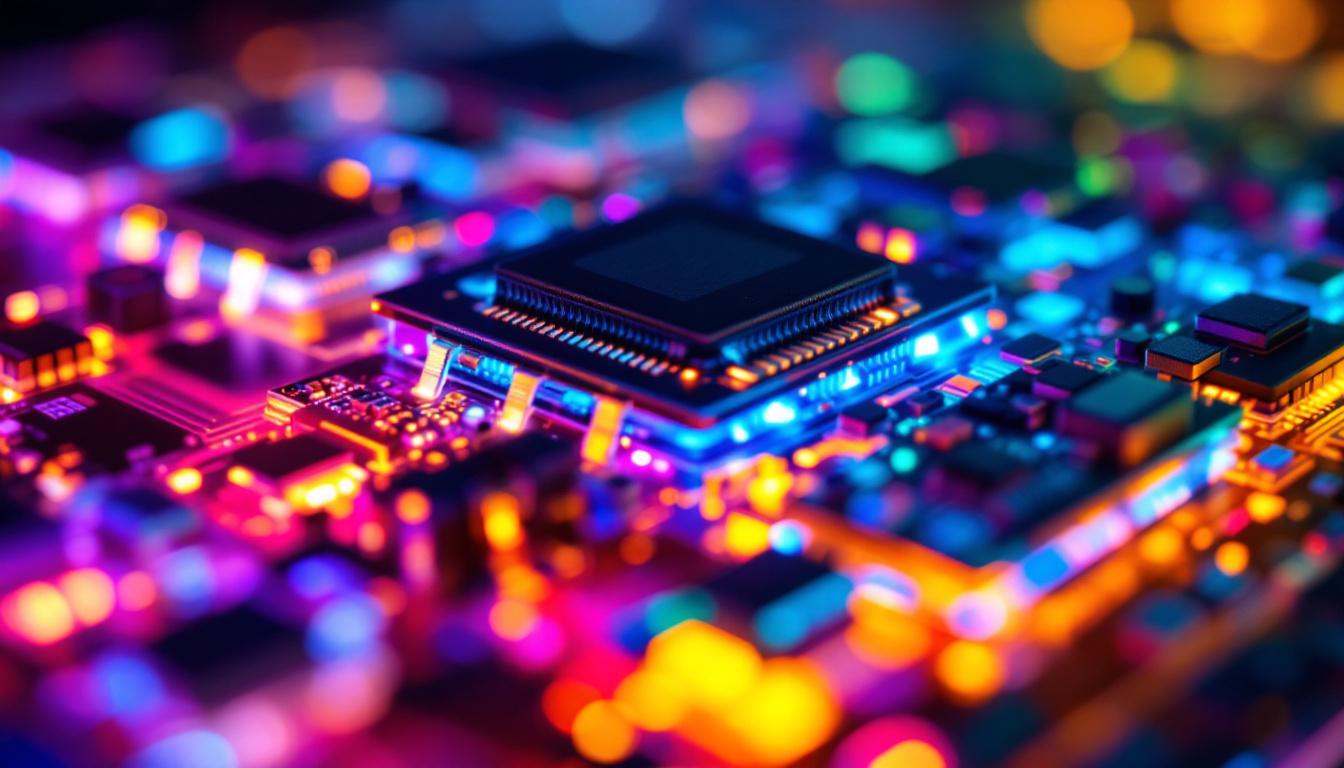
An LED display module is a self-contained unit consisting of multiple light-emitting diodes (LEDs) arranged in a matrix to form pixels. These modules serve as the building blocks of larger LED screens, enabling the display of text, images, and videos with high brightness and clarity. Each LED within the module can be individually controlled to emit light at varying intensities, allowing for full-color displays through combinations of red, green, and blue LEDs.
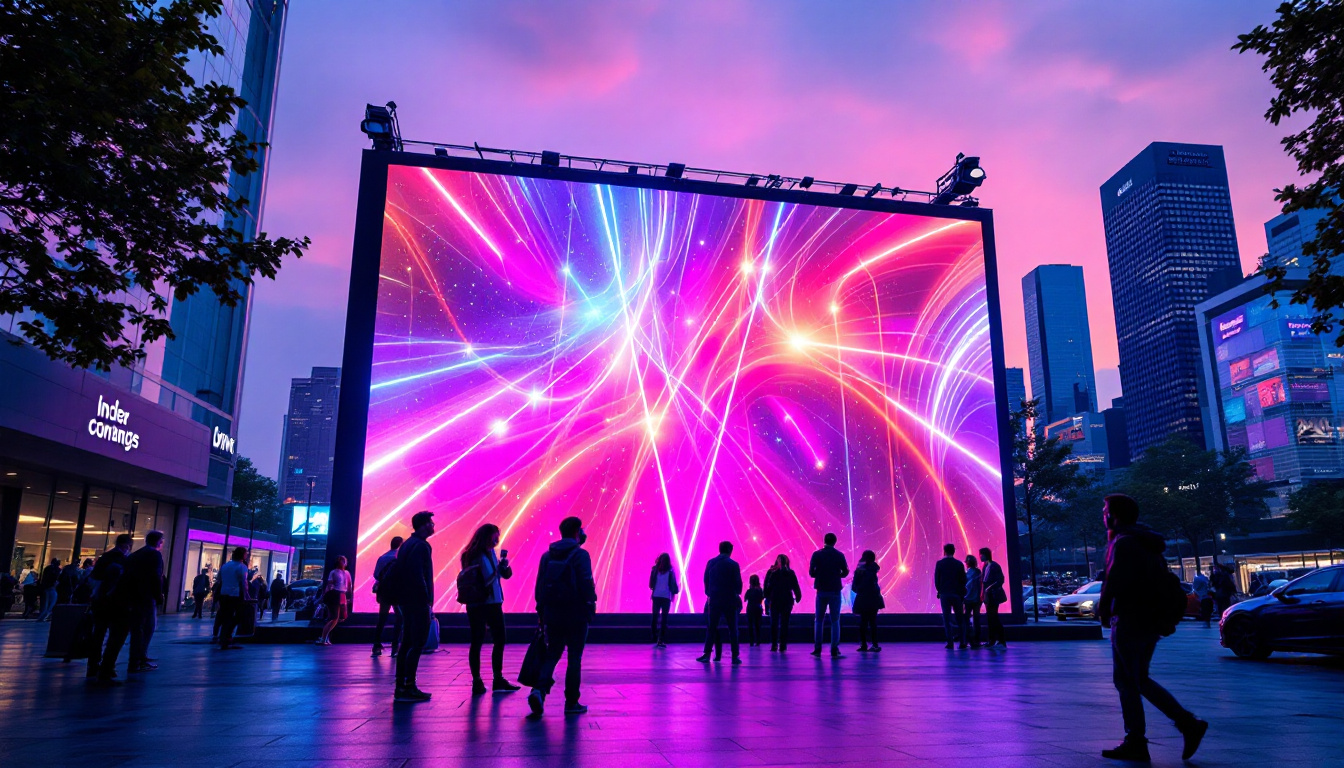
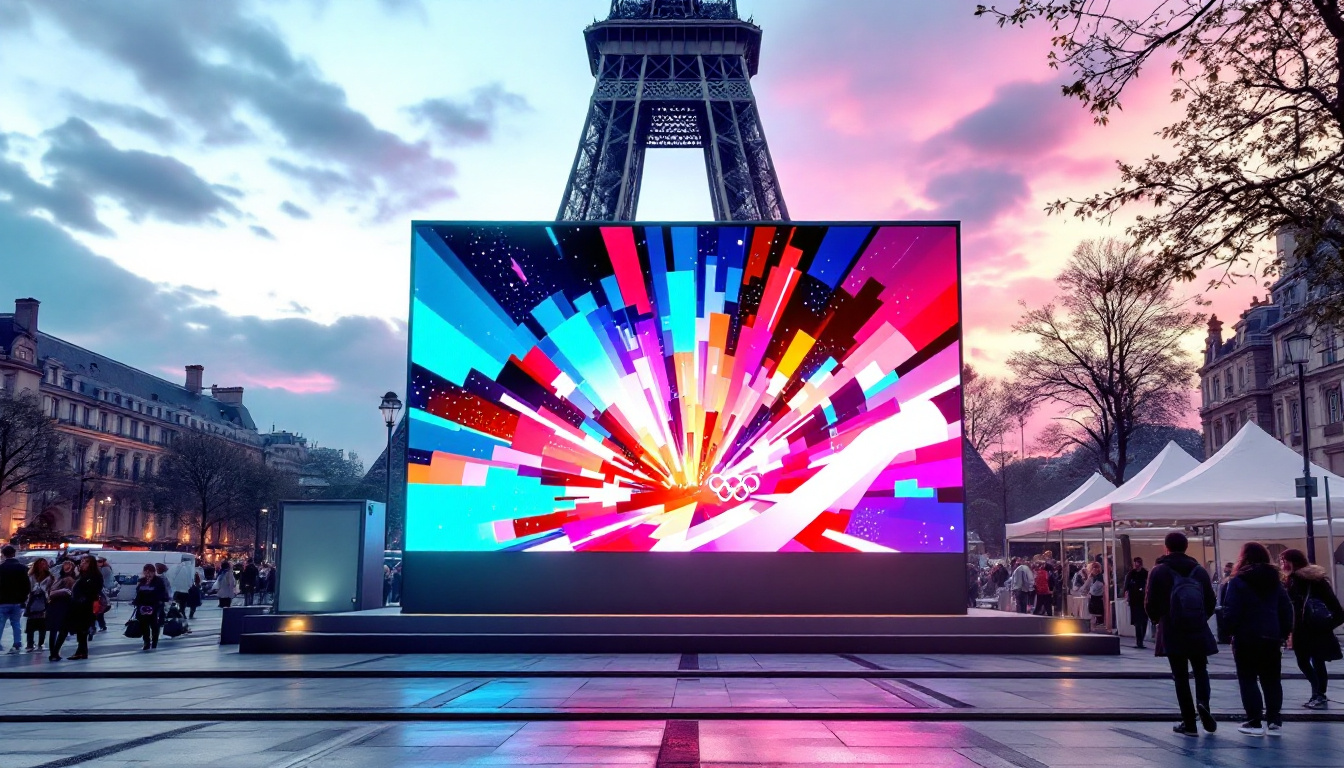
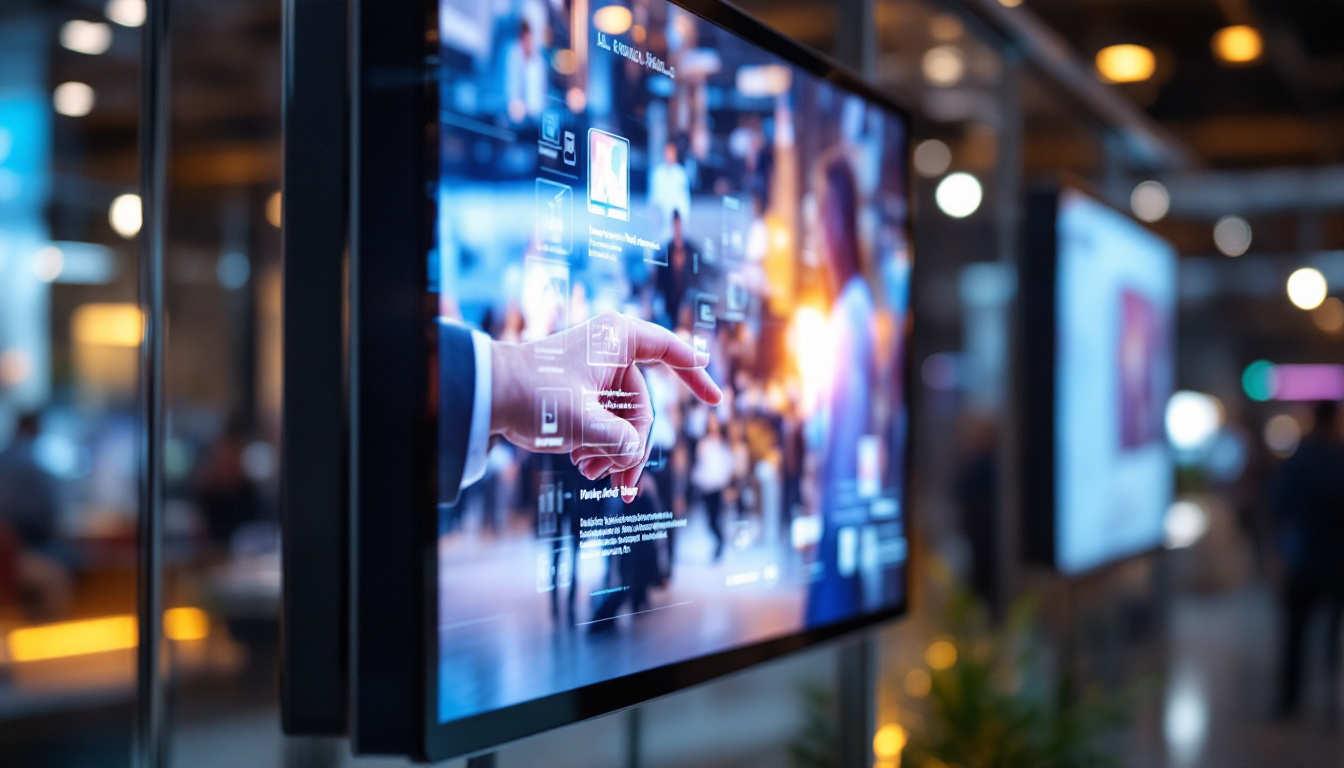
Typically, an LED display module includes not only the LEDs but also the necessary driving electronics, such as integrated circuits for controlling the LEDs, connectors for power and data, and a protective casing. Modules are designed to be easily assembled into larger panels or screens, making them highly scalable for different sizes and resolutions. The versatility of LED display modules allows them to be used in a variety of applications, from large outdoor billboards and stadium displays to indoor advertising screens and digital signage in retail environments. Their ability to deliver vibrant visuals even in bright sunlight makes them particularly popular for outdoor installations.
How Do LED Display Modules Work?
At the core of LED display technology is the principle of electroluminescence, where an electric current passes through semiconductor materials to produce light. Each LED emits light in a specific color, and by combining red, green, and blue LEDs at varying intensities, millions of colors can be generated. This color mixing is fundamental to creating the rich visual experiences that LED displays are known for, enabling them to render everything from simple text to complex animations with remarkable fidelity.
The control system sends data signals to the LED modules, specifying which LEDs should be lit and at what brightness. This data is processed by driver ICs within the module, which regulate current flow to individual LEDs. The rapid switching of LEDs creates the perception of continuous images or video to the human eye. Modern LED modules often incorporate advanced features such as grayscale control and refresh rates optimized to reduce flicker and enhance image quality. Additionally, many LED displays now support smart technology integration, allowing for real-time content updates and remote management, which is particularly useful for businesses that need to change advertisements frequently or respond to live events. This capability not only enhances user engagement but also maximizes the efficiency of advertising campaigns by ensuring that the most relevant content is displayed at the right time.
Types of LED Display Modules
Based on LED Configuration
LED display modules can be broadly categorized by their LED configuration, which influences image quality, viewing distance, and application suitability.
- Monochrome Modules: These use LEDs of a single color, commonly red or green, and are typically used for simple text displays or indicators. They are cost-effective and consume less power but offer limited visual appeal.
- Dual-Color Modules: Featuring two colors, usually red and green, these modules can create basic color combinations like yellow. They are often used in traffic signs and public information boards.
- Full-Color Modules: Incorporating red, green, and blue LEDs, these modules can produce a full spectrum of colors. They are standard in advertising, entertainment, and high-resolution display applications.
Based on Pixel Pitch
Pixel pitch refers to the distance between the centers of two adjacent pixels, typically measured in millimeters. It is a critical factor affecting resolution and viewing distance.
Fine Pixel Pitch Modules: With pixel pitches as low as 0.9mm, these modules provide high resolution suitable for indoor environments where viewers are close to the screen. They deliver sharp images and detailed video content.
Standard Pixel Pitch Modules: Pixel pitches ranging from 2mm to 6mm are common for indoor and semi-outdoor applications. They balance resolution and cost effectively.
Large Pixel Pitch Modules: With pitches of 10mm or more, these are designed for outdoor use where viewers are at a distance, such as stadium screens and billboards. They offer high brightness but lower resolution.
Applications of LED Display Modules
Advertising and Digital Signage
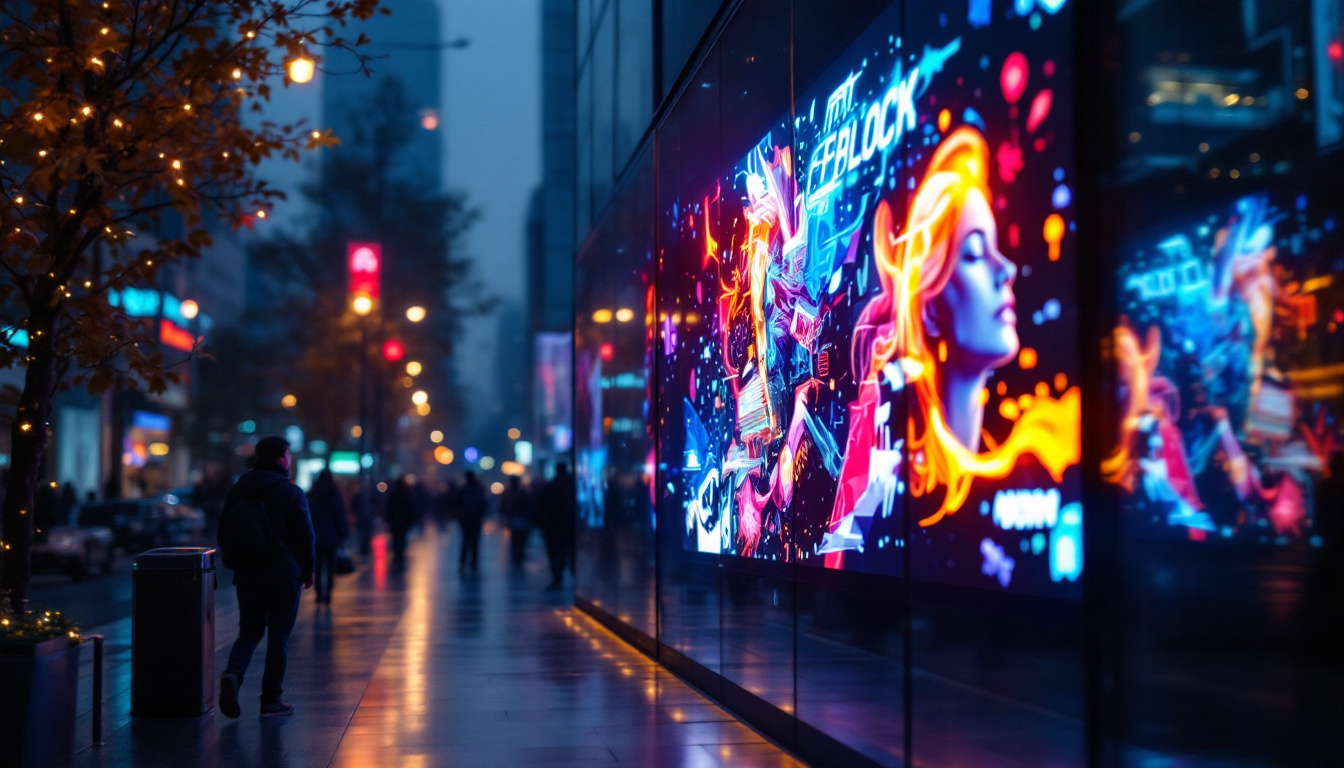
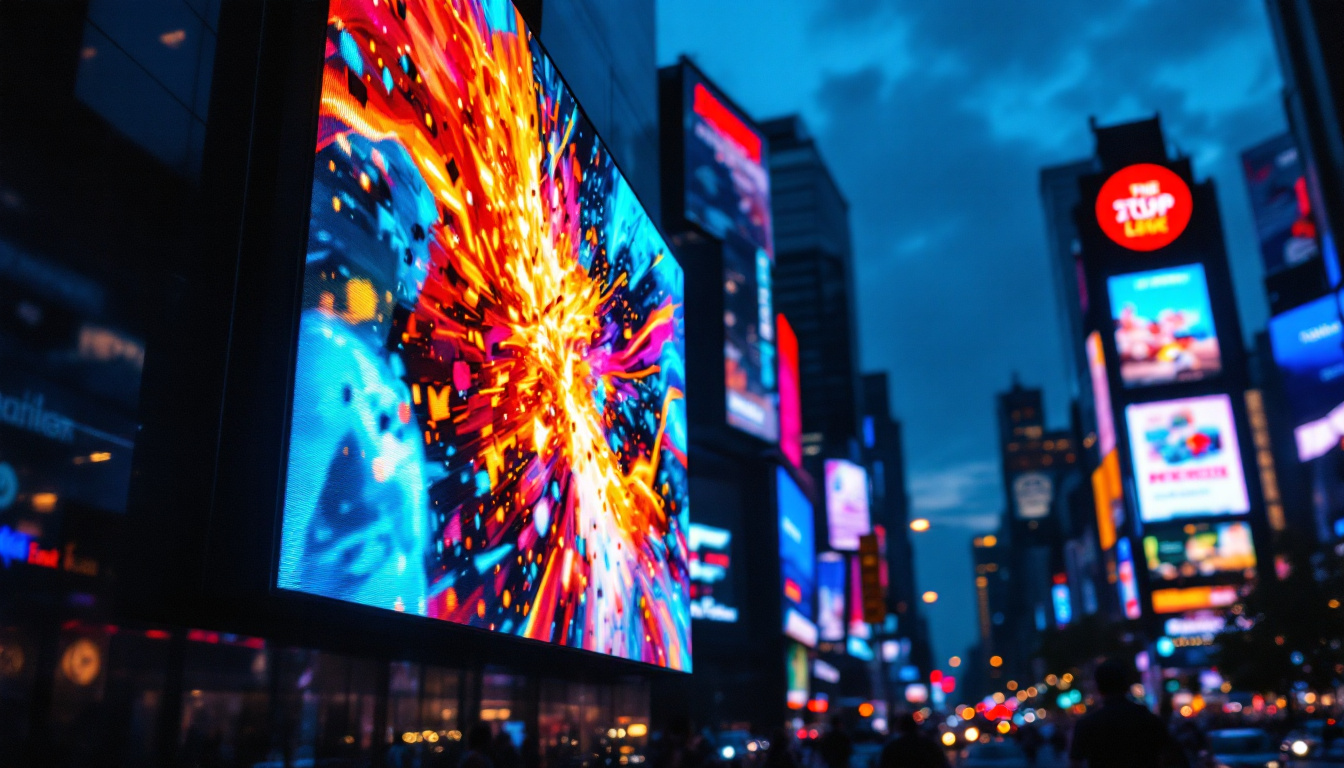
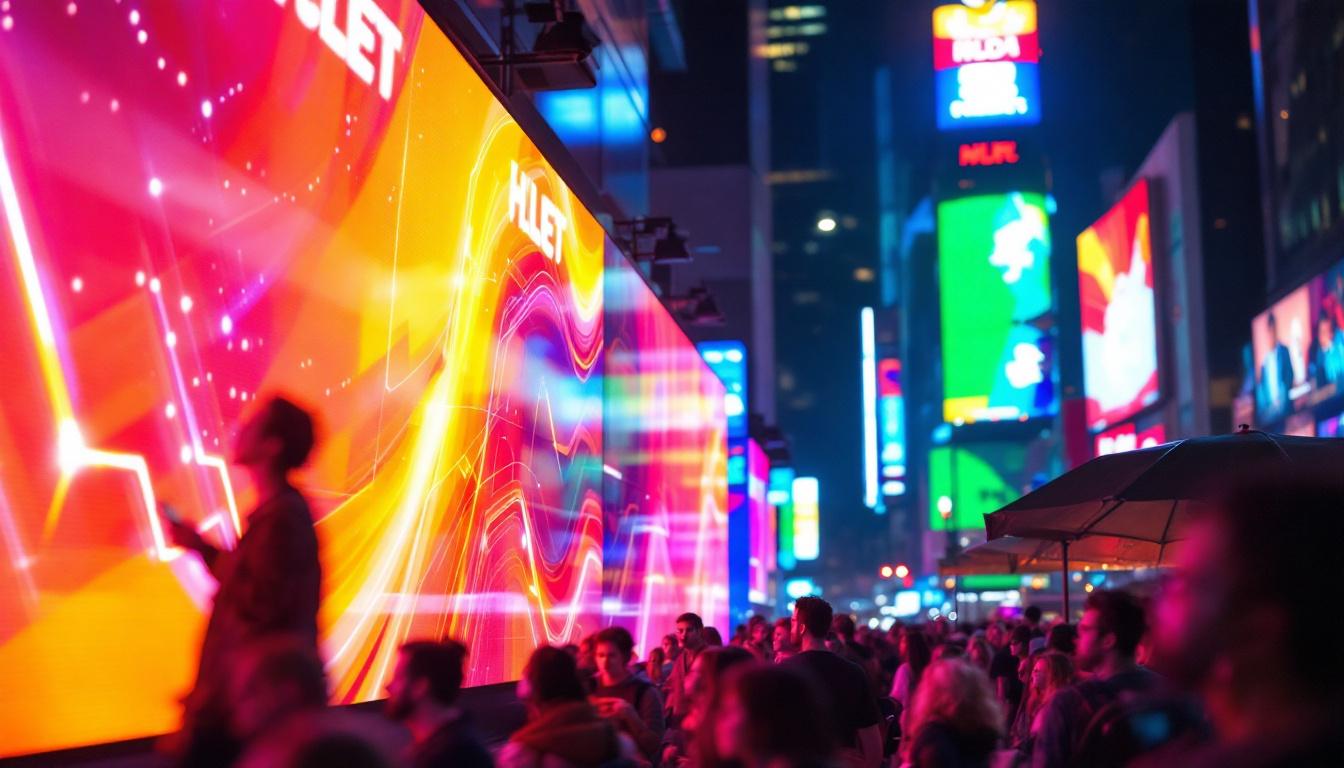
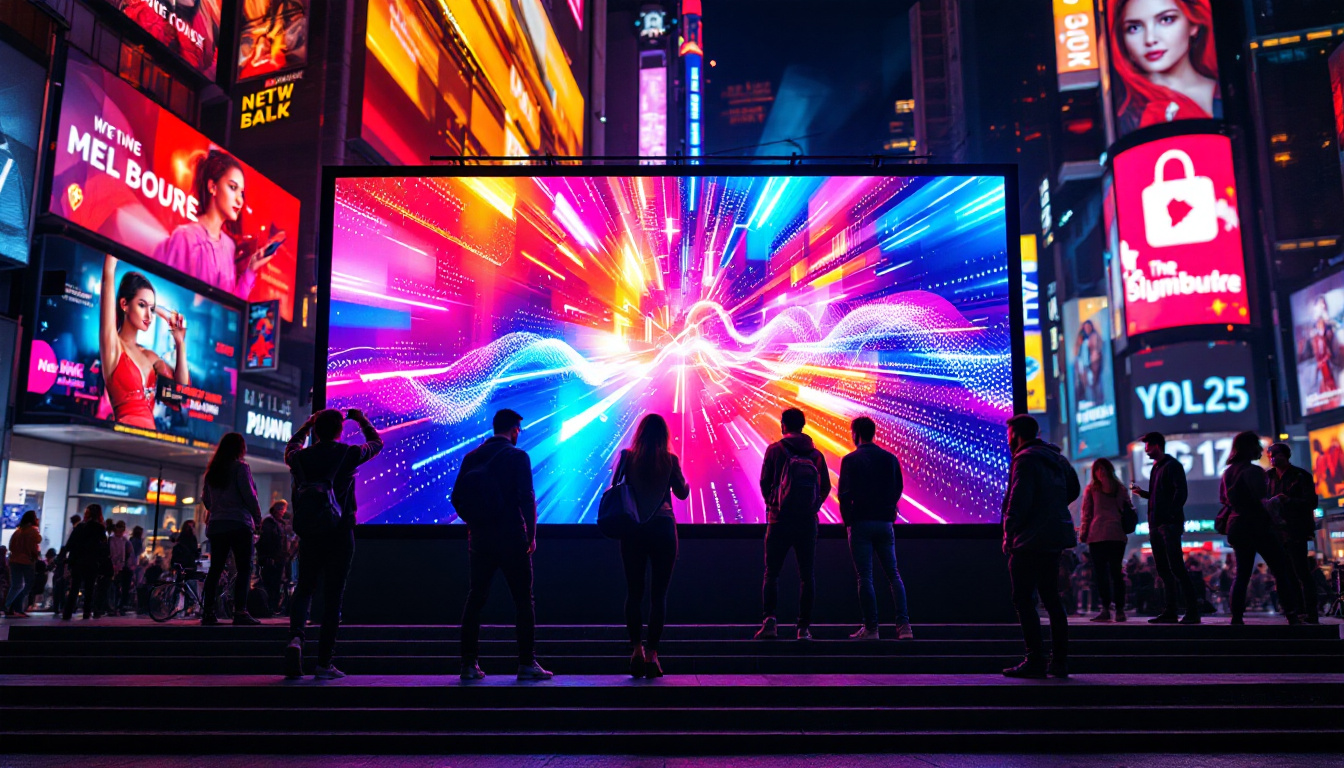
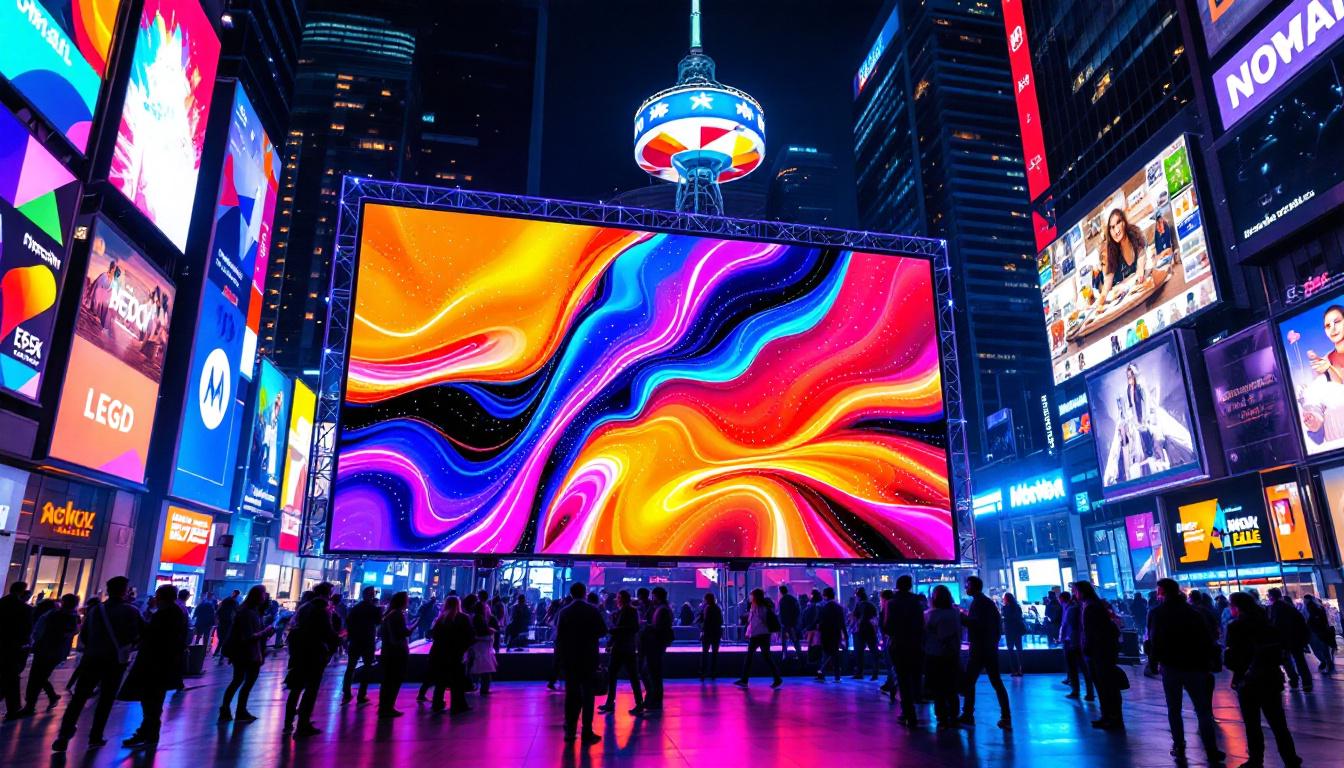
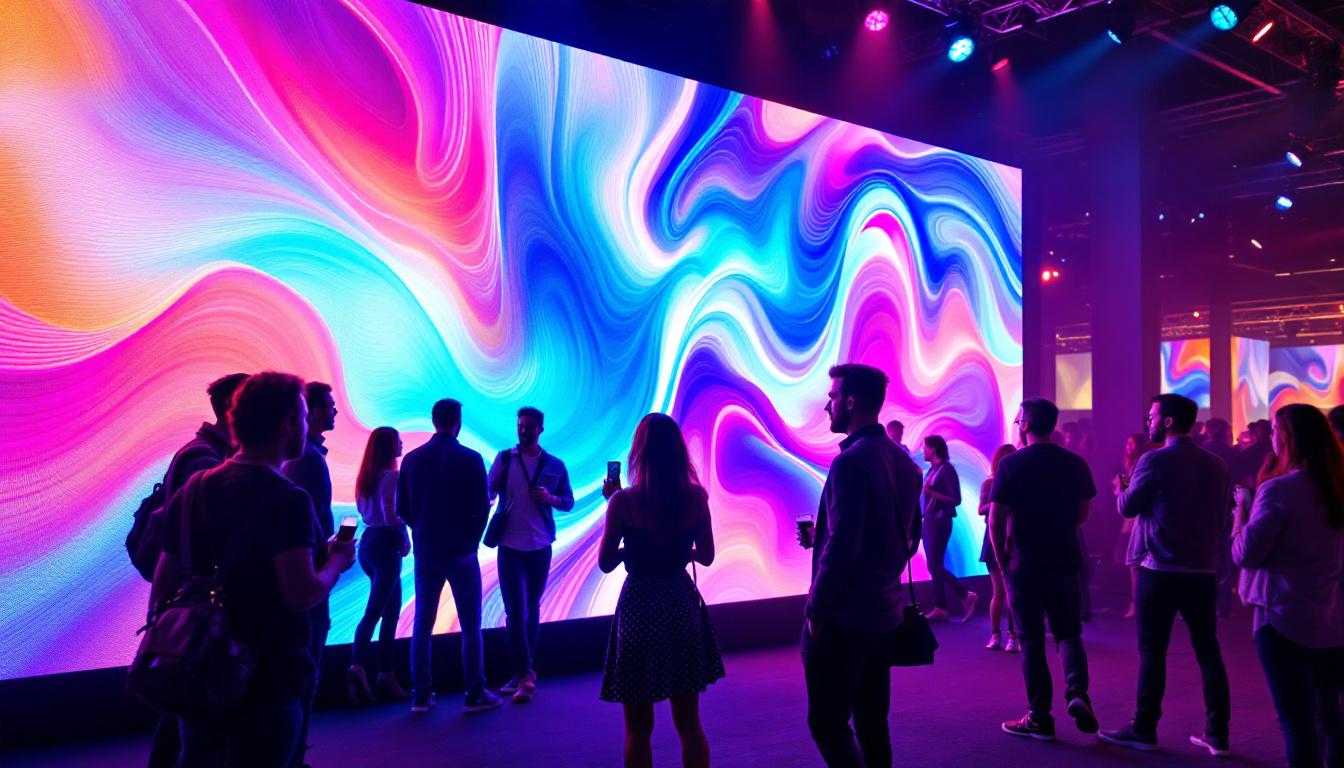
LED display modules have revolutionized advertising by enabling dynamic, eye-catching digital signage. Outdoor LED billboards can operate 24/7 under various weather conditions, delivering vibrant advertisements that attract attention even in bright sunlight. According to a 2023 report by Grand View Research, the global digital signage market is expected to reach $31.7 billion by 2028, driven largely by the adoption of LED displays.
Indoor LED displays are equally popular in retail environments, airports, and shopping malls, where they provide promotional content, wayfinding information, and interactive experiences. The modular nature of LED displays allows businesses to customize screen sizes and shapes to fit unique spaces and branding requirements.
Sports and Entertainment Venues
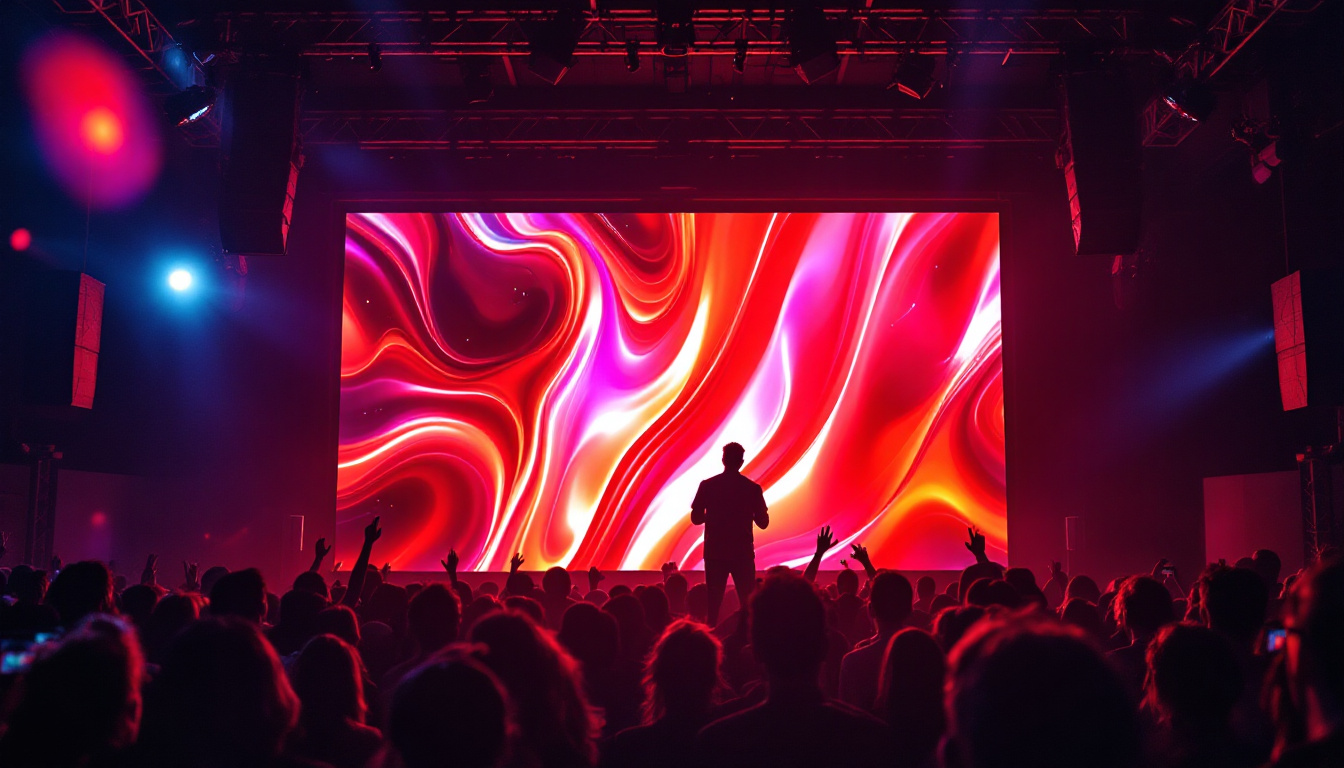
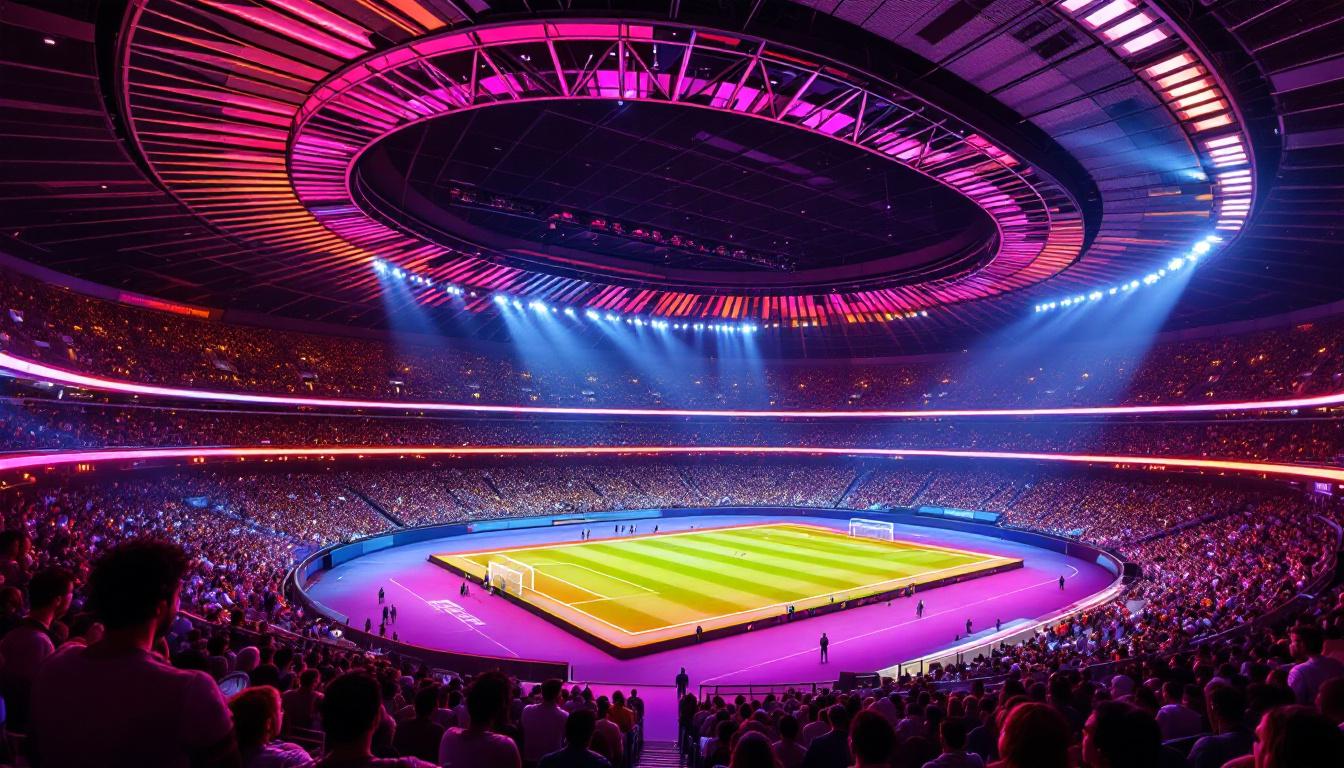
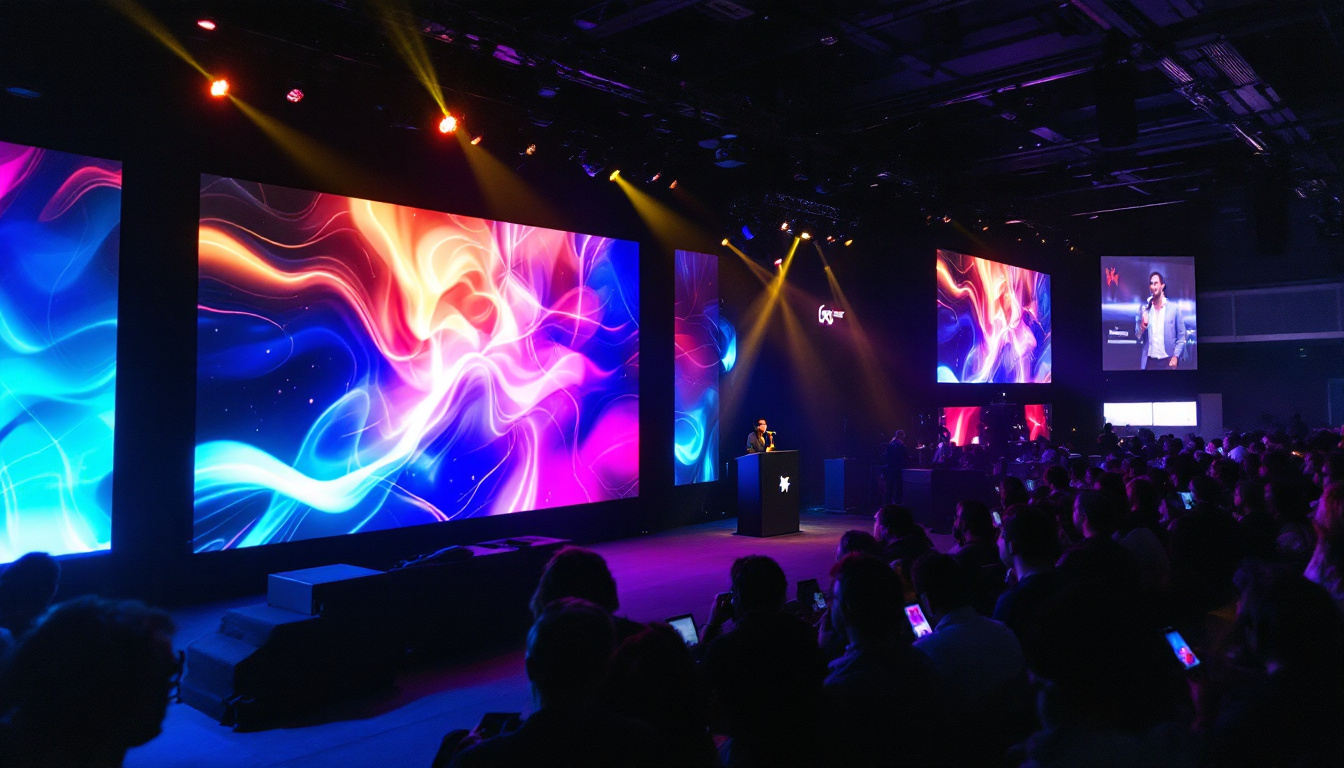
Sports arenas and concert venues utilize LED display modules for scoreboards, video walls, and immersive visual effects. High refresh rates and color accuracy are essential in these settings to ensure smooth playback and vivid imagery. For example, the LED screens at major stadiums like Wembley in London or AT&T Stadium in Dallas use fine-pitch modules to deliver clear visuals to thousands of spectators.
Moreover, LED displays enhance audience engagement with instant replays, live stats, and interactive content. The durability of LED modules also withstands the rigors of outdoor events and large crowds.
Transportation and Public Information Systems
LED display modules are widely used in transportation hubs such as train stations, airports, and bus terminals. They provide real-time updates on schedules, delays, and safety messages. Their high visibility and reliability make them ideal for critical public communication.
Additionally, traffic management systems employ LED modules for variable message signs (VMS) that convey warnings, speed limits, and road conditions. These applications often require modules with high brightness and weather resistance to ensure visibility in all conditions.
Key Factors to Consider When Choosing LED Display Modules
Brightness and Viewing Distance
Brightness is measured in nits (cd/m²) and determines how well the display can be seen under various lighting conditions. Outdoor LED displays typically require brightness levels of 5,000 to 10,000 nits to remain visible in direct sunlight, whereas indoor displays may only need 300 to 1,000 nits.
Viewing distance influences pixel pitch selection. A general rule is that the optimal viewing distance (in meters) should be roughly equal to the pixel pitch (in millimeters). For example, a 4mm pixel pitch module is best viewed from about 4 meters away.
Resolution and Image Quality
Resolution depends on the number of pixels per unit area. Higher resolution modules with fine pixel pitches provide sharper images but come at a higher cost. The choice depends on the content type and viewing environment. For text-heavy or detailed video content, higher resolution is essential.
Durability and Environmental Resistance
Outdoor LED modules must be robust against weather elements such as rain, dust, and temperature fluctuations. IP ratings (Ingress Protection) indicate the level of protection; for example, an IP65 rating means the module is dust-tight and protected against water jets.
Modules with corrosion-resistant materials and proper heat dissipation mechanisms ensure longevity and consistent performance in harsh environments.
Power Consumption and Maintenance
Energy efficiency is an important consideration, especially for large installations. LED technology is inherently energy-saving compared to traditional display technologies, but variations exist between modules based on LED type and driver efficiency.
Maintenance accessibility is another factor. Modules designed for front or rear servicing facilitate easier repairs and reduce downtime, which is critical for continuous operation in commercial applications.
Future Trends in LED Display Modules
MicroLED Technology
MicroLED is an emerging technology that uses microscopic LEDs to create displays with exceptional brightness, contrast, and energy efficiency. Unlike traditional LED modules, MicroLEDs can achieve pixel pitches below 1mm without the limitations of organic materials found in OLEDs. This technology promises ultra-high resolution and durability, making it ideal for next-generation displays in smartphones, TVs, and augmented reality devices.
Flexible and Transparent LED Displays
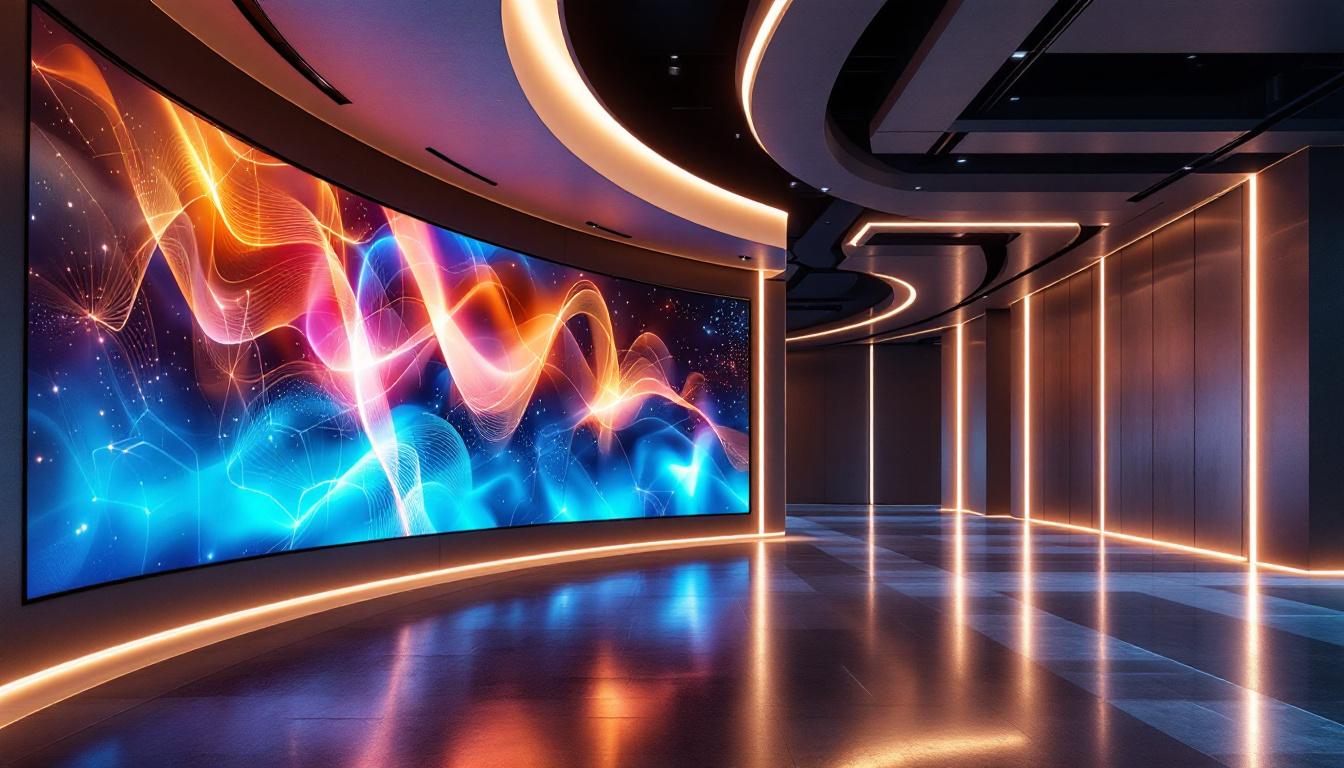
Innovation in LED module design has led to flexible and transparent displays, expanding application possibilities. Flexible LED modules can be curved or bent to fit unconventional surfaces, enabling creative architectural installations and wearable displays. Transparent LED modules allow light to pass through, making them suitable for glass facades and retail windows without obstructing visibility.
Integration with IoT and Smart Technologies
LED display modules are increasingly integrated with Internet of Things (IoT) platforms and smart control systems. This integration enables remote monitoring, dynamic content updates based on real-time data, and enhanced interactivity. For example, smart city projects utilize LED displays connected to traffic and weather sensors to provide timely information to citizens.
Conclusion
LED display modules are foundational components of modern visual communication, offering unparalleled brightness, color fidelity, and adaptability across diverse industries. Understanding their technology, types, and application requirements is essential for selecting the right modules for specific needs. As advancements like MicroLED and flexible displays continue to evolve, LED display technology will become even more integral to the way information and advertising are presented in the future.
Whether for advertising, entertainment, transportation, or public information, LED display modules provide a dynamic and reliable solution that meets the demands of today’s fast-paced, visually-driven world.
Discover LumenMatrix’s Innovative LED Display Solutions
Ready to elevate your visual communication with cutting-edge LED display technology? LumenMatrix offers a comprehensive range of LED display modules that cater to every need, from Indoor and Outdoor LED Wall Displays to specialized solutions like Vehicle LED Displays, LED Sports Displays, and even Custom LED Displays. Embrace the future of advertising and engagement with our state-of-the-art LED Transparent Displays and All-in-One LED solutions. Experience the transformative power of LumenMatrix’s LED display modules and let your brand shine like never before. Check out LumenMatrix LED Display Solutions today and step into a world of vivid imagery and dynamic storytelling.