In today’s fast-paced world, visual communication plays a vital role in attracting attention and conveying information efficiently. One of the most effective tools for dynamic visual displays is the LED menu board. Whether in restaurants, retail stores, or event venues, LED displays have revolutionized how businesses present their offerings. This article delves into the technology behind LED menus, their benefits, types, and practical considerations for choosing the right LED display solution.
Understanding LED Display Technology
What is an LED Display?
LED stands for Light Emitting Diode, a semiconductor device that emits light when an electric current passes through it. An LED display consists of numerous tiny LEDs arranged in a matrix to form images, text, or videos. Unlike traditional LCD or neon signs, LED displays are bright, energy-efficient, and capable of producing vivid colors and high contrast.
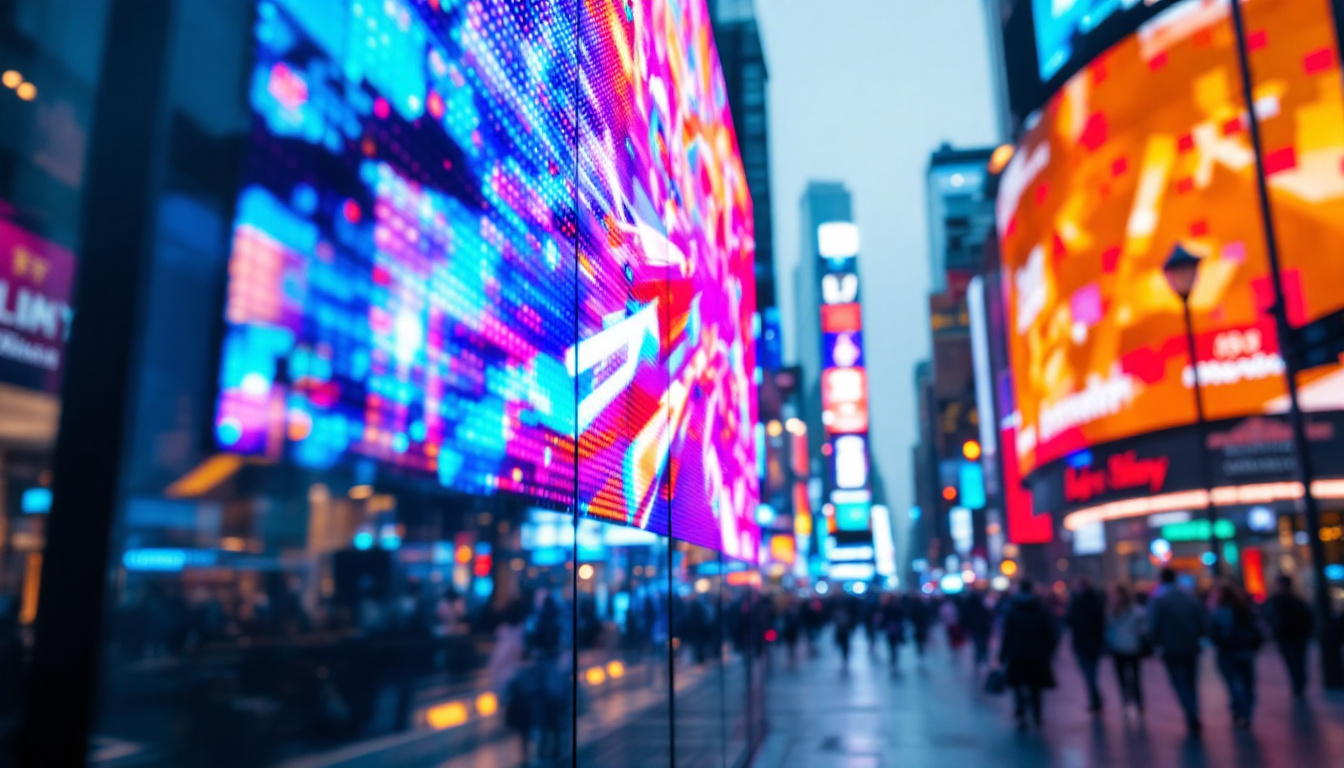
The core advantage of LED technology lies in its ability to provide clear visibility even under direct sunlight, making it ideal for both indoor and outdoor applications. This brightness, combined with flexibility in size and resolution, makes LED displays a preferred choice for dynamic menu boards. Furthermore, their durability and resistance to harsh weather conditions make them suitable for various environments, from bustling city streets to sports arenas, where they can withstand the elements while delivering stunning visuals.
How LED Displays Work
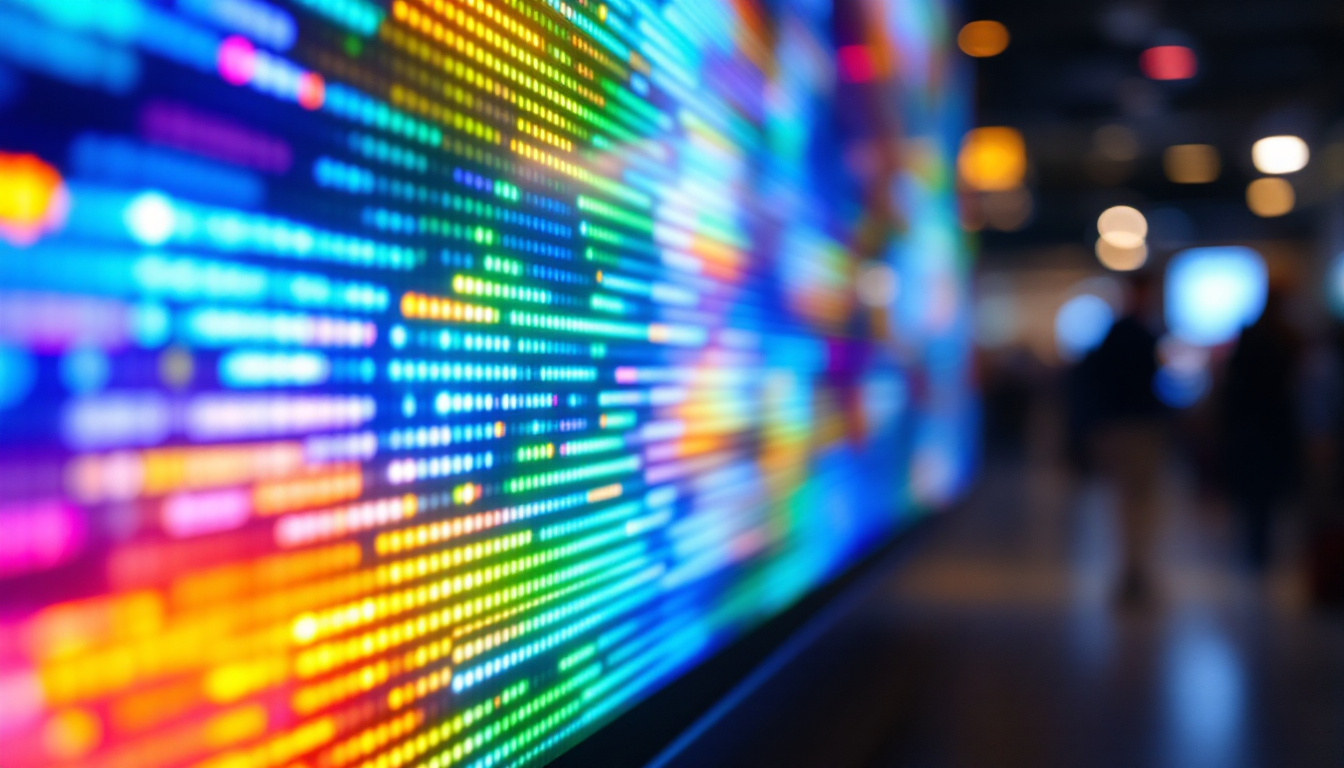
Each LED pixel in a display can be controlled individually to emit specific colors by combining red, green, and blue diodes. By adjusting the intensity of these three colors, millions of color variations can be produced, enabling rich and detailed images. The resolution of an LED display depends on the pixel pitch—the distance between the centers of adjacent LEDs. Smaller pixel pitches mean higher resolution and sharper images, which is crucial for close-up viewing environments like restaurant counters. This adaptability allows businesses to tailor their displays to meet specific needs, whether for advertising, information dissemination, or entertainment.
LED displays are driven by sophisticated controllers and software that manage the content shown on the screen. This allows businesses to easily update menus, promotions, or announcements in real-time without the need for physical replacements or printing. Additionally, many modern LED displays come equipped with advanced features such as touch interactivity and integration with social media platforms, enhancing user engagement. The ability to synchronize multiple displays across different locations also enables cohesive branding and messaging strategies, making LED technology not just a display solution, but a powerful marketing tool that can significantly enhance customer experience.
Benefits of LED Menus in Modern Business
Enhanced Customer Engagement
One of the primary reasons businesses adopt LED menu boards is their ability to capture customer attention effectively. Studies show that digital signage can increase customer engagement by up to 30%, leading to higher sales and improved brand recognition. The dynamic nature of LED menus allows for animated graphics, video loops, and timely updates that static printed menus cannot match.
For example, quick-service restaurants have reported up to a 5-8% increase in average order value after installing LED menu boards, as customers are more likely to notice and consider upsell items or limited-time offers presented visually. The interactive nature of these displays can also encourage customers to spend more time in the establishment, exploring various offerings and making informed choices that enhance their dining experience. Additionally, the use of vibrant colors and high-definition images can evoke emotions and cravings, making the food appear more appealing and enticing.
Cost Efficiency and Sustainability
While the initial investment in LED displays can be higher than traditional signage, the long-term savings are significant. LED displays consume less power compared to neon or fluorescent lighting, reducing energy costs substantially. Additionally, the durability of LEDs means fewer replacements and maintenance expenses. This longevity not only translates into cost savings but also minimizes the hassle of frequent upkeep, allowing business owners to focus on other critical areas of their operations.
From an environmental standpoint, LED menus reduce paper waste associated with printed menus and promotional materials. This shift supports sustainability goals and appeals to eco-conscious consumers, enhancing a company’s reputation. Furthermore, the ability to easily update digital content means that businesses can promote seasonal ingredients or special events without the need for new print runs, further decreasing their carbon footprint. As consumers increasingly seek out brands that demonstrate environmental responsibility, adopting LED menus can serve as a powerful marketing tool that aligns with their values.
Flexibility and Real-Time Updates
LED menu boards offer unmatched flexibility. Content can be changed instantly to reflect new items, price adjustments, or special promotions. This agility is particularly beneficial in industries with frequently changing menus or seasonal offerings. For instance, a café can quickly highlight a new seasonal drink or a bakery can promote a special pastry for the day, ensuring that customers are always aware of the latest delights available to them.
Moreover, integration with point-of-sale (POS) systems and inventory management software enables automated updates, ensuring that menus are always accurate and synchronized with available stock. This reduces customer frustration and improves operational efficiency. In addition, the ability to schedule content in advance allows businesses to plan marketing campaigns around holidays or events, maximizing their promotional efforts without requiring constant manual intervention. The ease of use and adaptability of LED menus not only streamline operations but also empower businesses to respond swiftly to market trends and customer preferences, making them an invaluable asset in today’s fast-paced commercial landscape.
Types of LED Menu Displays
Indoor LED Menu Boards
Indoor LED menu boards are designed for environments such as restaurants, cafes, and retail stores where customers view the display from a short distance. These displays typically have a smaller pixel pitch, ranging from 1.5mm to 4mm, to provide crisp text and detailed images.
Indoor LED menus are often mounted behind counters or on walls, and their brightness levels are optimized to avoid glare while ensuring readability under artificial lighting conditions. Many models also offer touch screen capabilities, allowing customers to interact directly with the menu for customization or ordering.
Outdoor LED Menu Boards
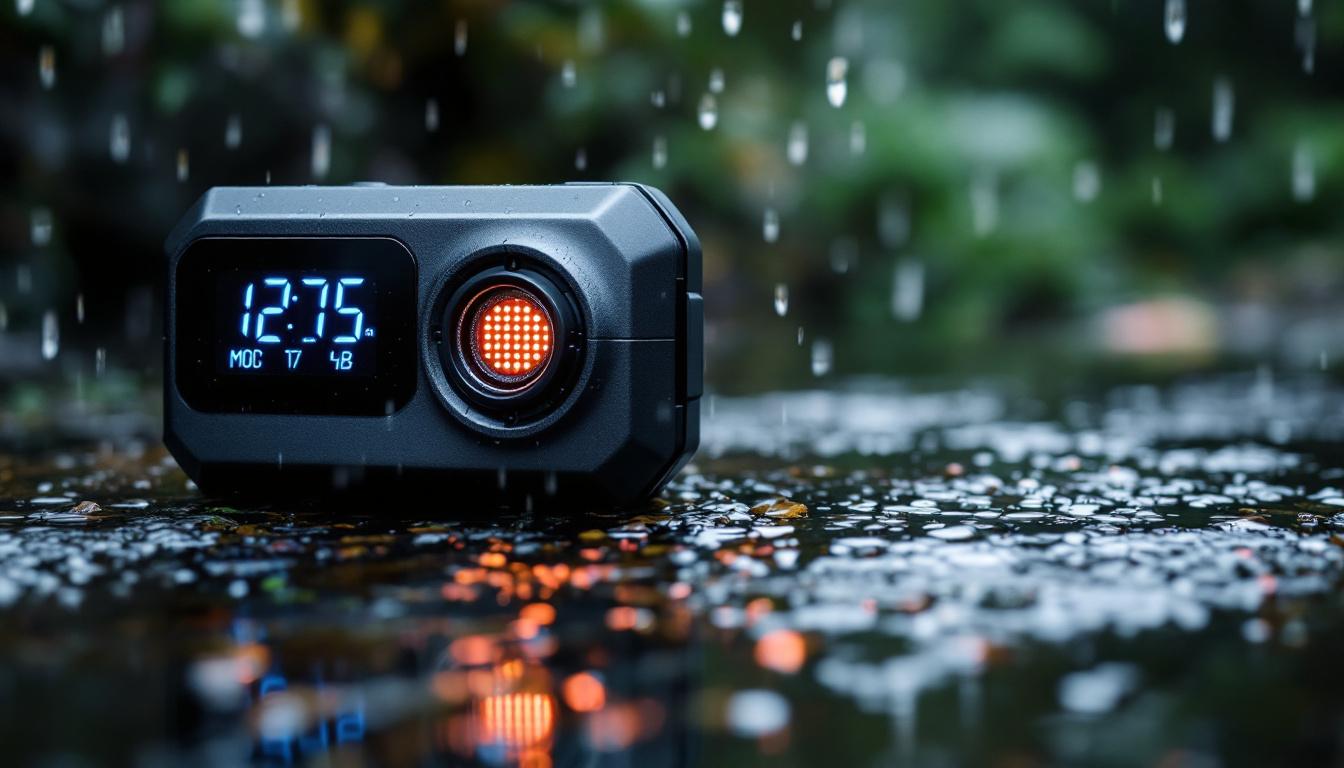
Outdoor LED menu boards are built to withstand weather conditions such as rain, wind, and extreme temperatures. They feature higher brightness levels—often exceeding 5,000 nits—to remain visible in direct sunlight. The pixel pitch for outdoor displays is generally larger, between 6mm and 20mm, as viewing distances tend to be greater.
These displays are commonly used in drive-thrus, stadium concessions, and roadside advertising where visibility and durability are paramount. Outdoor LED menus often include protective enclosures and anti-glare coatings to enhance performance and longevity.
Transparent and Curved LED Displays
Innovative LED technologies have introduced transparent and curved LED displays, offering unique aesthetic possibilities. Transparent LED screens can be installed on glass surfaces, allowing natural light to pass through while displaying digital content. This is ideal for storefront windows and modern architectural designs.
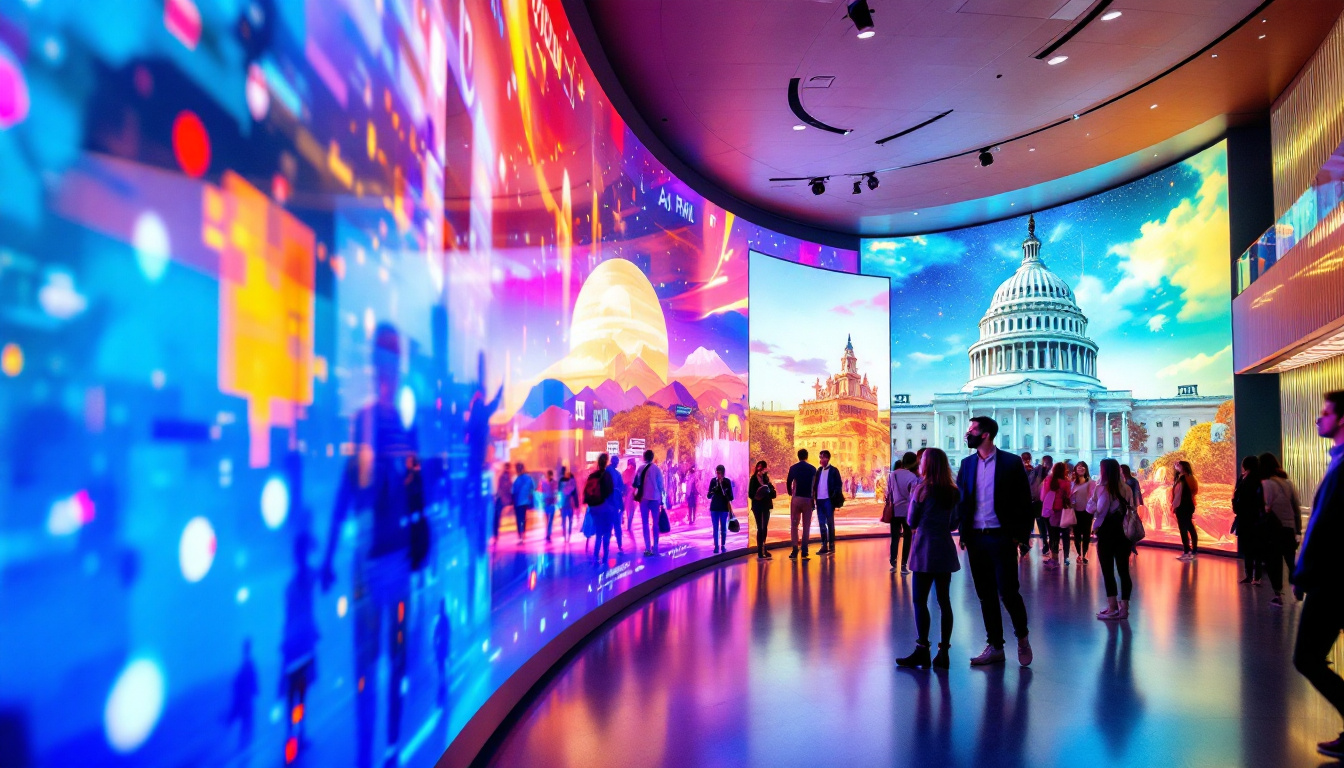
Curved LED displays provide immersive viewing experiences and can be customized to fit unconventional spaces. These advanced displays are gaining popularity in high-end restaurants and entertainment venues seeking to create memorable atmospheres.
Choosing the Right LED Menu Display
Consider Viewing Distance and Environment
Understanding the typical viewing distance is critical when selecting an LED menu board. For close-range viewing, such as inside a fast-food restaurant, a high-resolution indoor display with a small pixel pitch is necessary to ensure text clarity. For drive-thru lanes or outdoor signage, a larger pixel pitch and higher brightness are essential to maintain visibility from afar.
Environmental factors such as lighting conditions, weather exposure, and ambient temperature should also influence the choice. Outdoor displays require weatherproofing and temperature regulation features, while indoor displays must balance brightness with eye comfort.
Evaluate Content Management Capabilities
The ease of updating and managing content is a key consideration. Many LED menu systems come with user-friendly software that allows non-technical staff to modify menus and schedules. Some solutions offer cloud-based management, enabling remote updates across multiple locations.
Integration with existing business systems, such as POS and inventory software, can streamline operations and reduce errors. It is advisable to choose a platform that supports various media formats and interactive features if needed.
Budget and Return on Investment
While LED menu boards represent a significant upfront cost, the return on investment can be substantial through increased sales, reduced labor costs, and lower maintenance expenses. Businesses should consider the total cost of ownership, including installation, software licensing, and potential upgrades.
Consulting with experienced vendors and reviewing case studies from similar businesses can provide insight into expected performance and financial benefits. Many companies offer scalable solutions that allow gradual upgrades as budget permits.
Future Trends in LED Menu Displays
Integration with Artificial Intelligence and Analytics
The next generation of LED menu boards is poised to incorporate artificial intelligence (AI) and data analytics. AI-powered displays can personalize menu content based on customer demographics, time of day, or weather conditions, optimizing sales opportunities.
Analytics tools embedded within LED systems can track customer interactions, dwell times, and popular menu items, providing valuable insights for marketing and inventory management. This data-driven approach enhances decision-making and customer experience.
Advancements in Energy Efficiency and Sustainability
Ongoing improvements in LED technology continue to reduce power consumption and extend product lifespan. Innovations such as micro-LED and quantum dot LEDs promise even greater brightness and color accuracy with lower energy use.
Additionally, manufacturers are adopting eco-friendly materials and recycling programs to minimize environmental impact. These advancements align with growing consumer demand for sustainable business practices.
Enhanced Interactivity and User Experience
Touchscreen capabilities, gesture recognition, and augmented reality (AR) integration are transforming LED menu boards into interactive platforms. Customers can customize orders, access nutritional information, or participate in promotions directly through the display.
Such interactivity not only improves customer satisfaction but also provides businesses with new channels for engagement and loyalty building.
Conclusion
LED menu displays represent a powerful tool for businesses seeking to enhance customer engagement, improve operational efficiency, and promote sustainability. Understanding the underlying technology, benefits, and types of LED displays is essential for making informed decisions that align with business goals.
As LED technology continues to evolve, incorporating AI, interactivity, and energy-efficient innovations, the potential for dynamic and impactful visual communication will only grow. Investing in the right LED menu solution today can set the foundation for a vibrant and competitive customer experience tomorrow.
Discover LumenMatrix’s Innovative LED Solutions
Ready to transform your business with the latest in LED display technology? LumenMatrix is at the forefront of creating immersive and engaging visual experiences that captivate your audience and elevate your brand. From versatile Indoor and Outdoor LED Wall Displays to specialized solutions like Vehicle LED Displays, LED Sports Displays, and Custom LED options, our mission is to revolutionize your visual communication strategy. Don’t miss the opportunity to share your message with unparalleled clarity and impact. Check out LumenMatrix LED Display Solutions today and step into the future of dynamic digital signage.