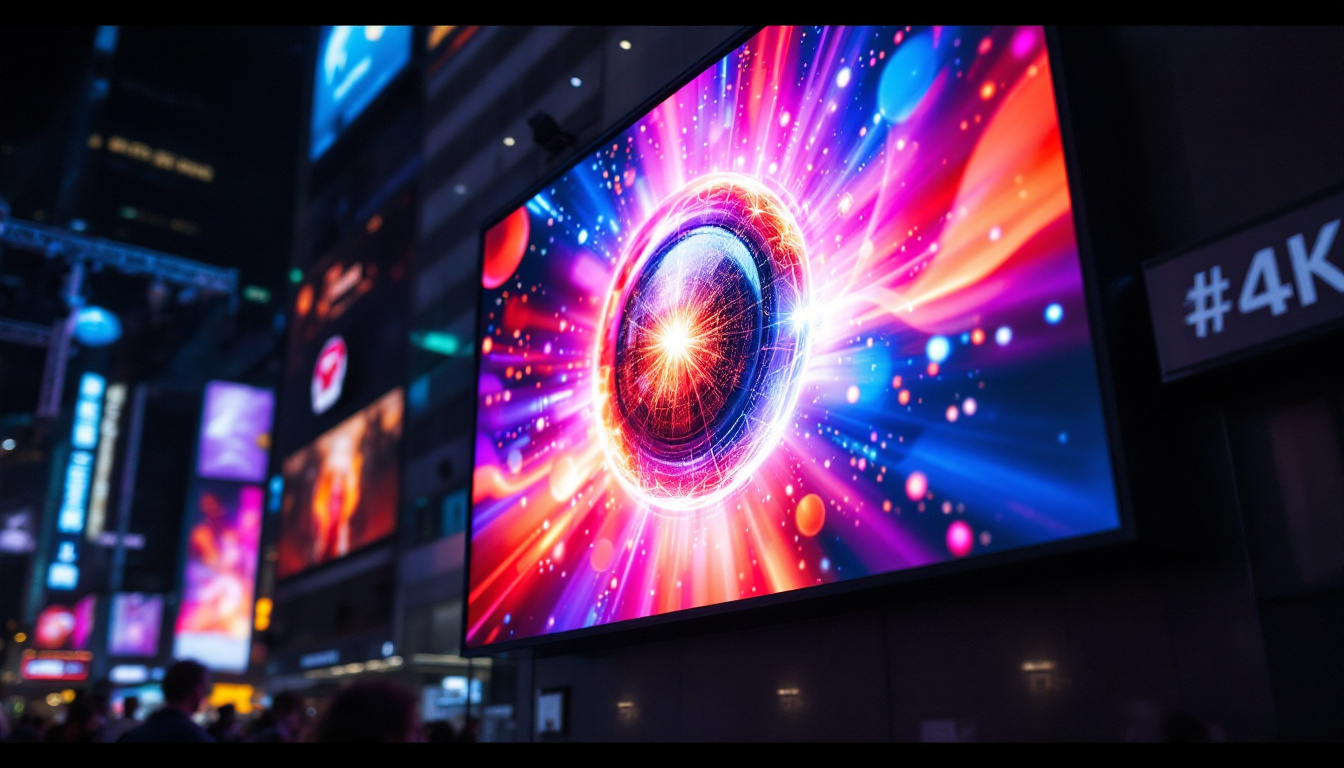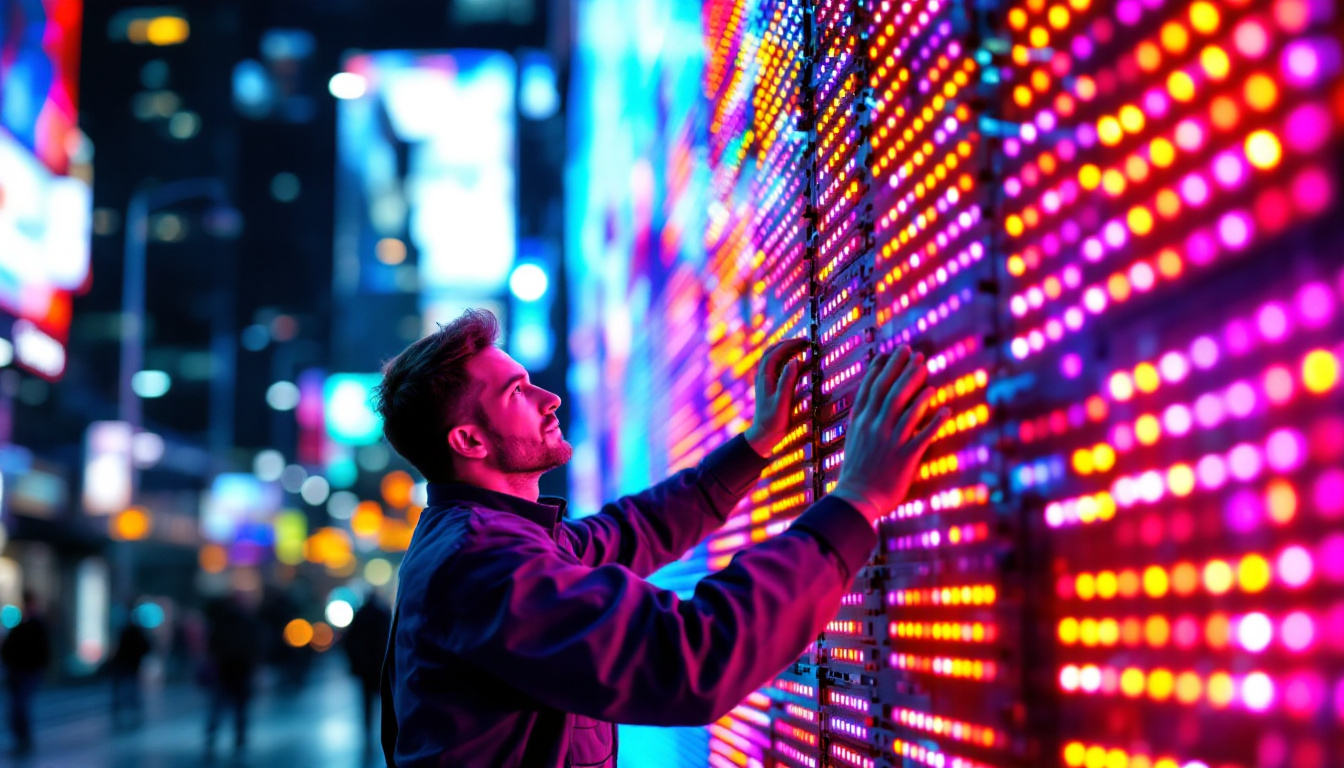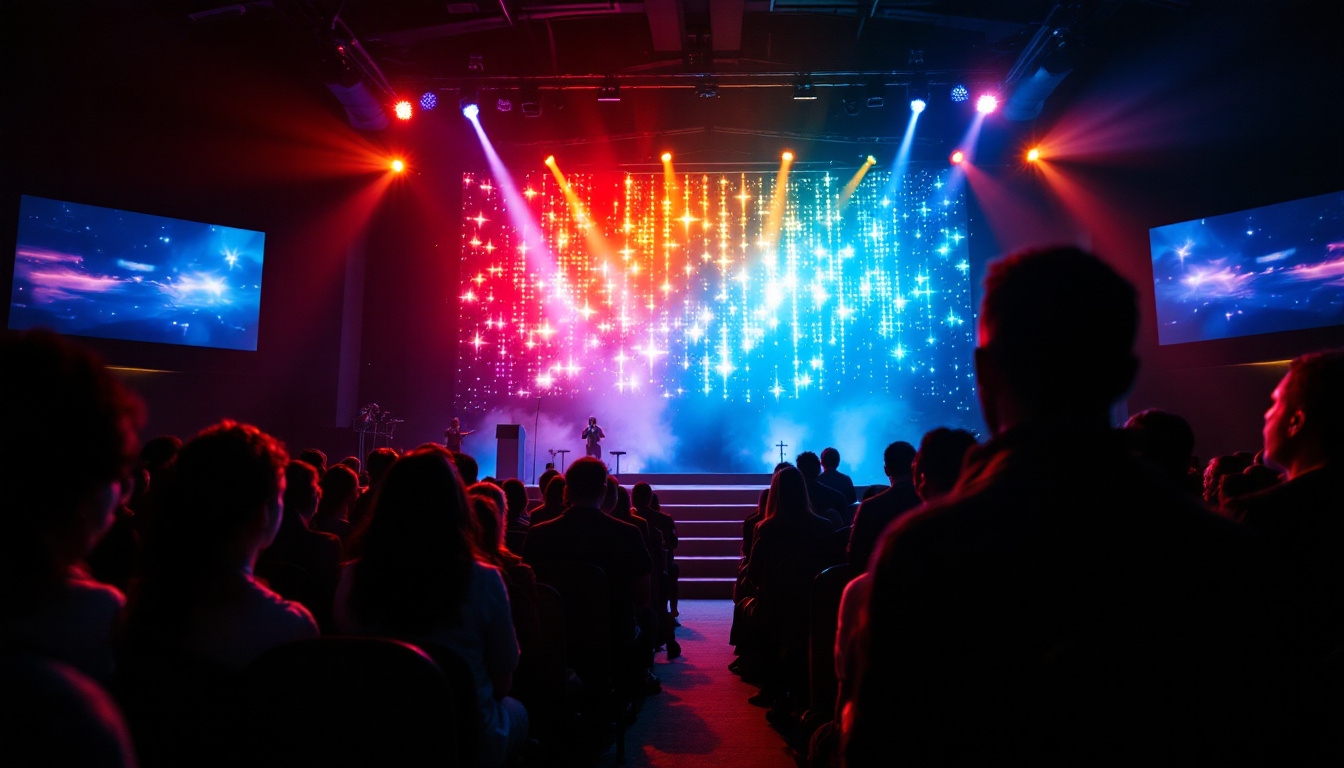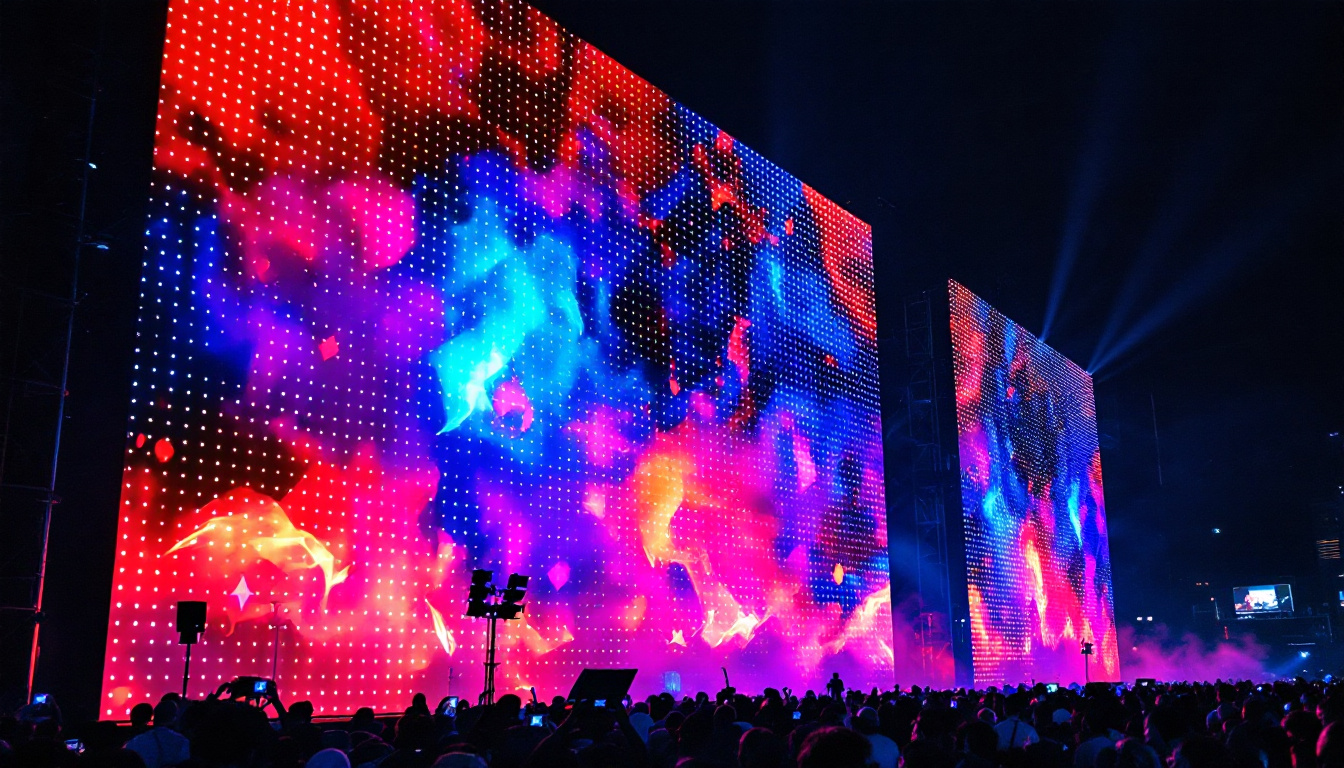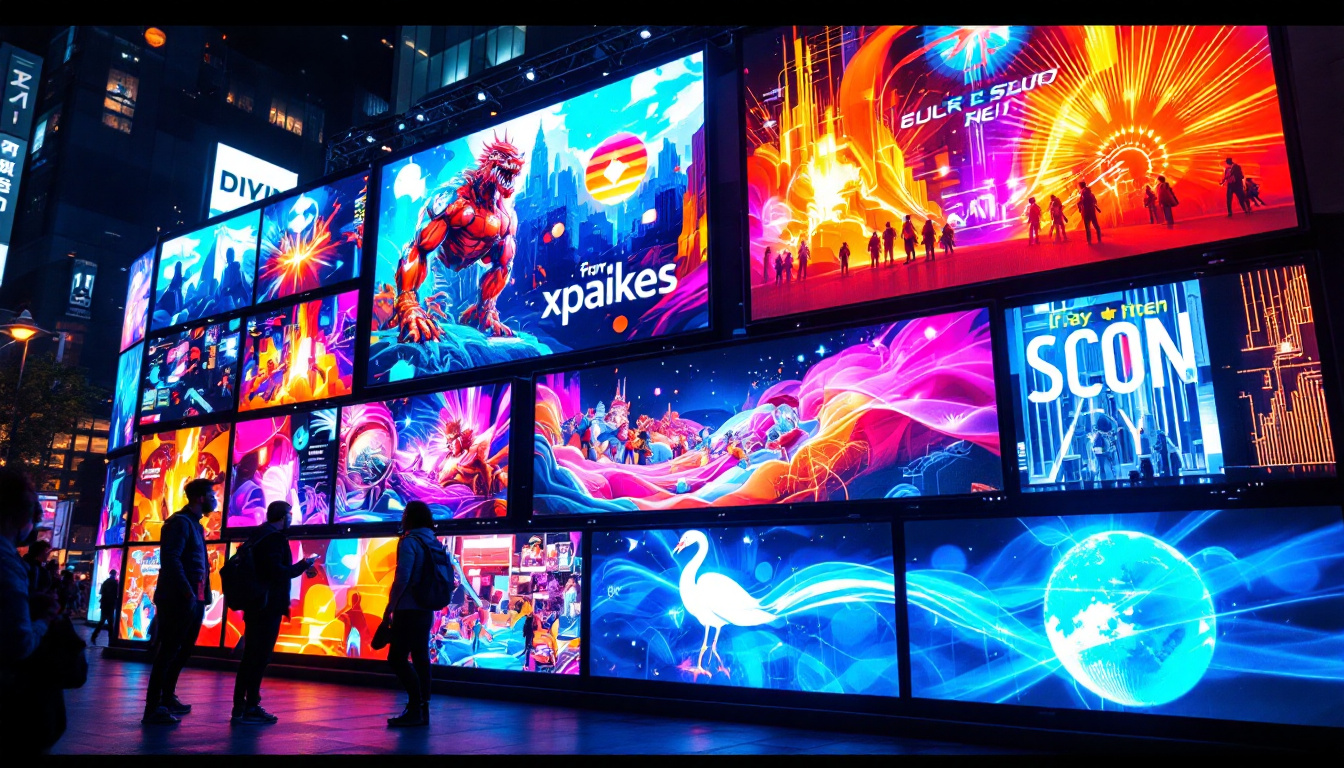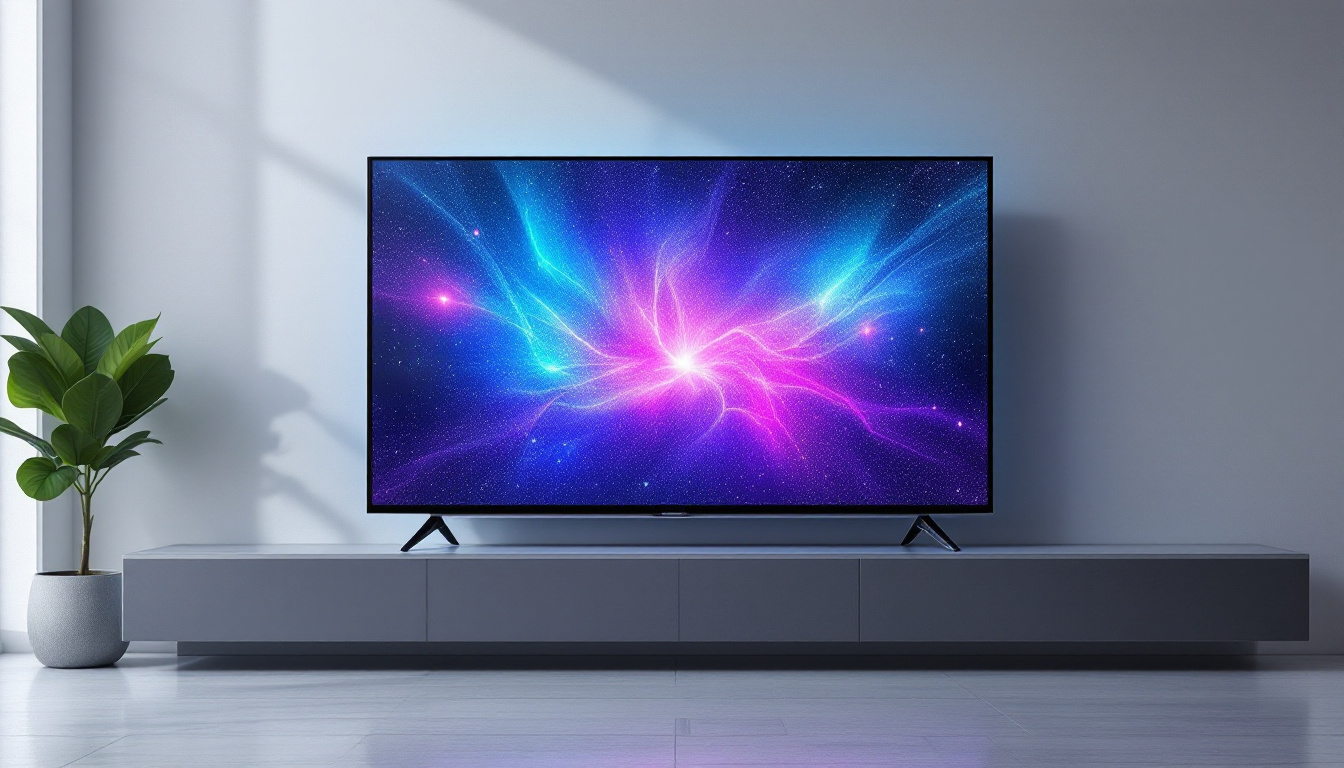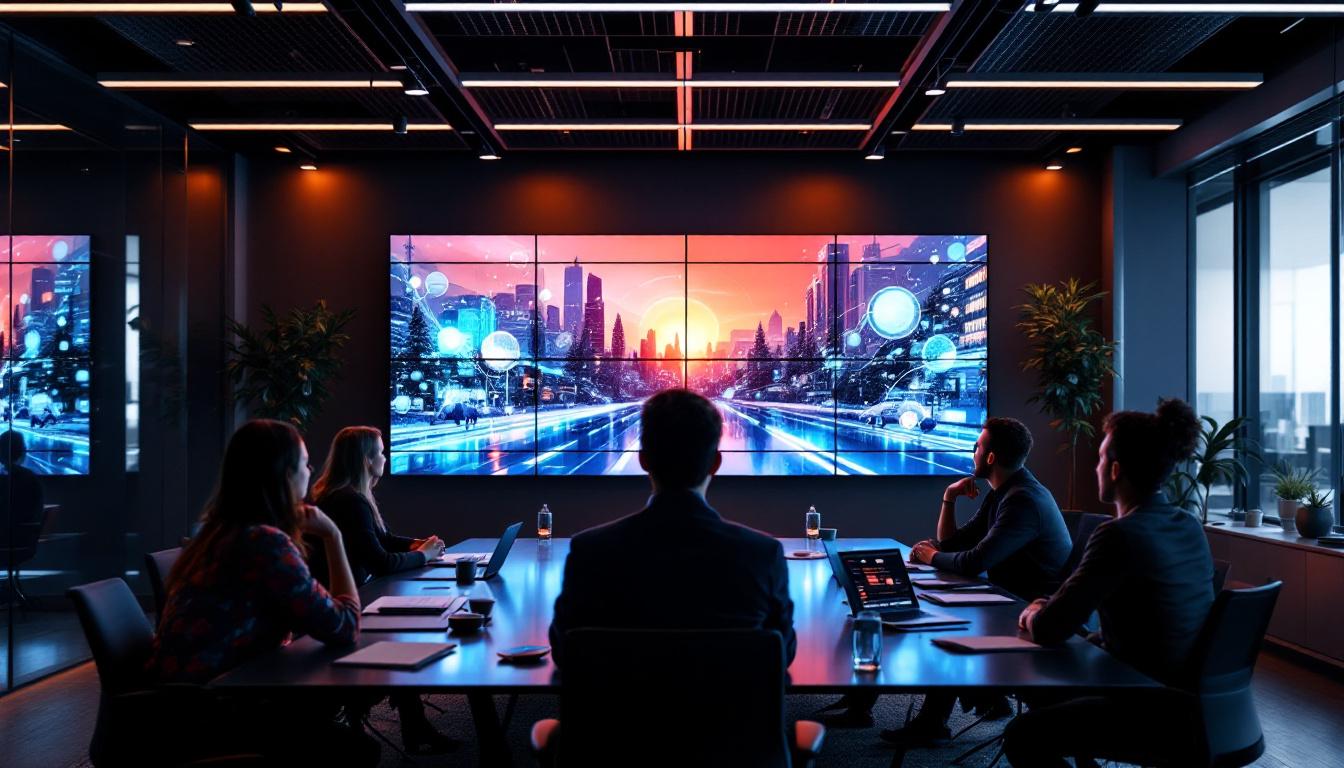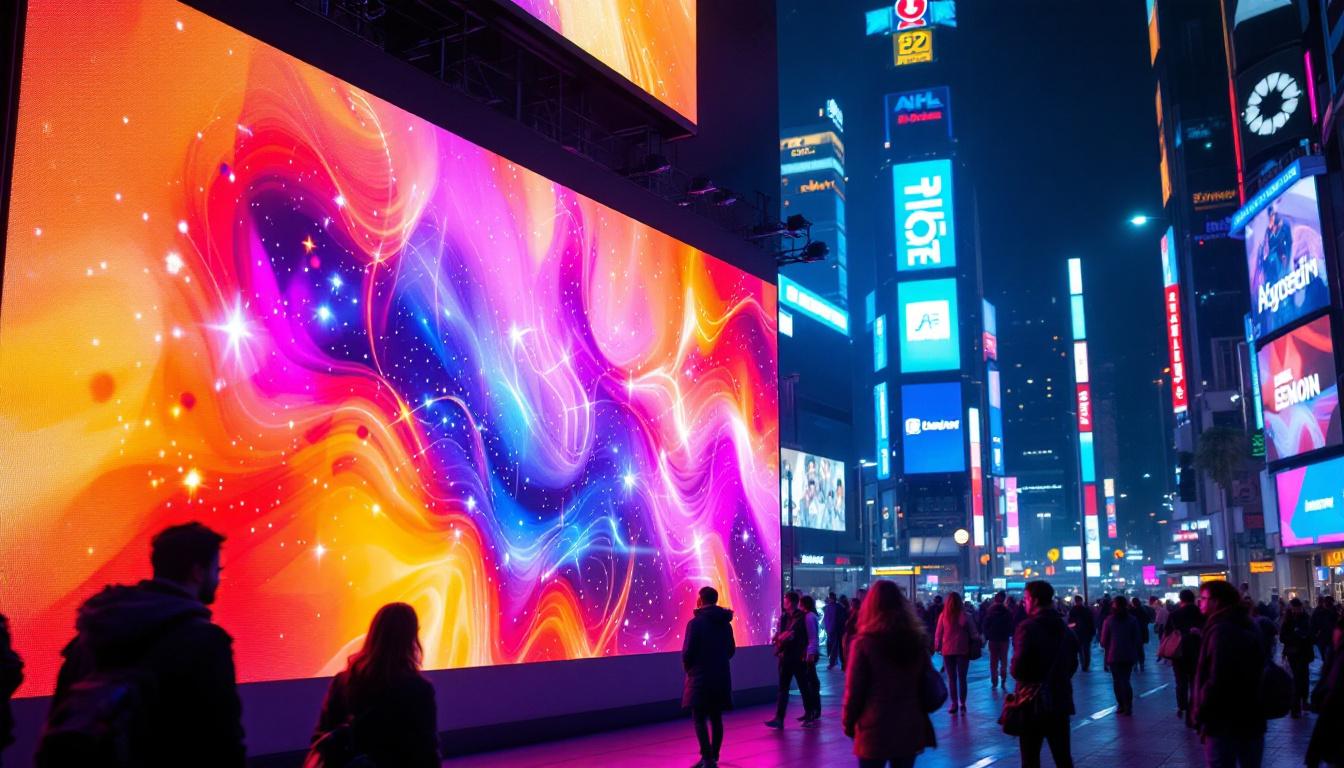
In the rapidly evolving world of digital signage and visual communication, LED displays have become a cornerstone technology. From vibrant outdoor billboards to dynamic indoor screens, LED displays offer unparalleled brightness, energy efficiency, and versatility. For businesses, event organizers, and advertising agencies, understanding the nuances of LED display technology is essential when selecting a display supplier or investing in digital signage solutions.
What is an LED Display?
LED stands for Light Emitting Diode, a semiconductor device that emits light when an electric current passes through it. An LED display is a flat panel display that uses an array of tiny LEDs as pixels to produce images, videos, or text. These displays can range from small indoor screens to massive outdoor billboards spanning hundreds of square meters.
Unlike traditional LCD or plasma screens, LED displays are self-illuminating. This means each pixel emits its own light, resulting in higher contrast ratios and superior visibility even under direct sunlight. This characteristic makes LED displays particularly effective for outdoor advertising, sports arenas, and public information systems. Furthermore, the energy efficiency of LED technology contributes to lower operational costs, making it an environmentally friendly option compared to older display technologies. The longevity of LED displays also means less frequent replacements, reducing waste and the need for constant maintenance.
Types of LED Displays
LED displays can be broadly categorized into two types: Direct View LED (DV-LED) and LED-backlit LCD.
- Direct View LED (DV-LED): These displays consist of LEDs arranged directly on the display surface, forming the image. They are commonly used for large-scale outdoor screens and indoor video walls. The modular nature of DV-LED systems allows for flexible configurations, enabling creative designs that can fit various spaces and requirements.
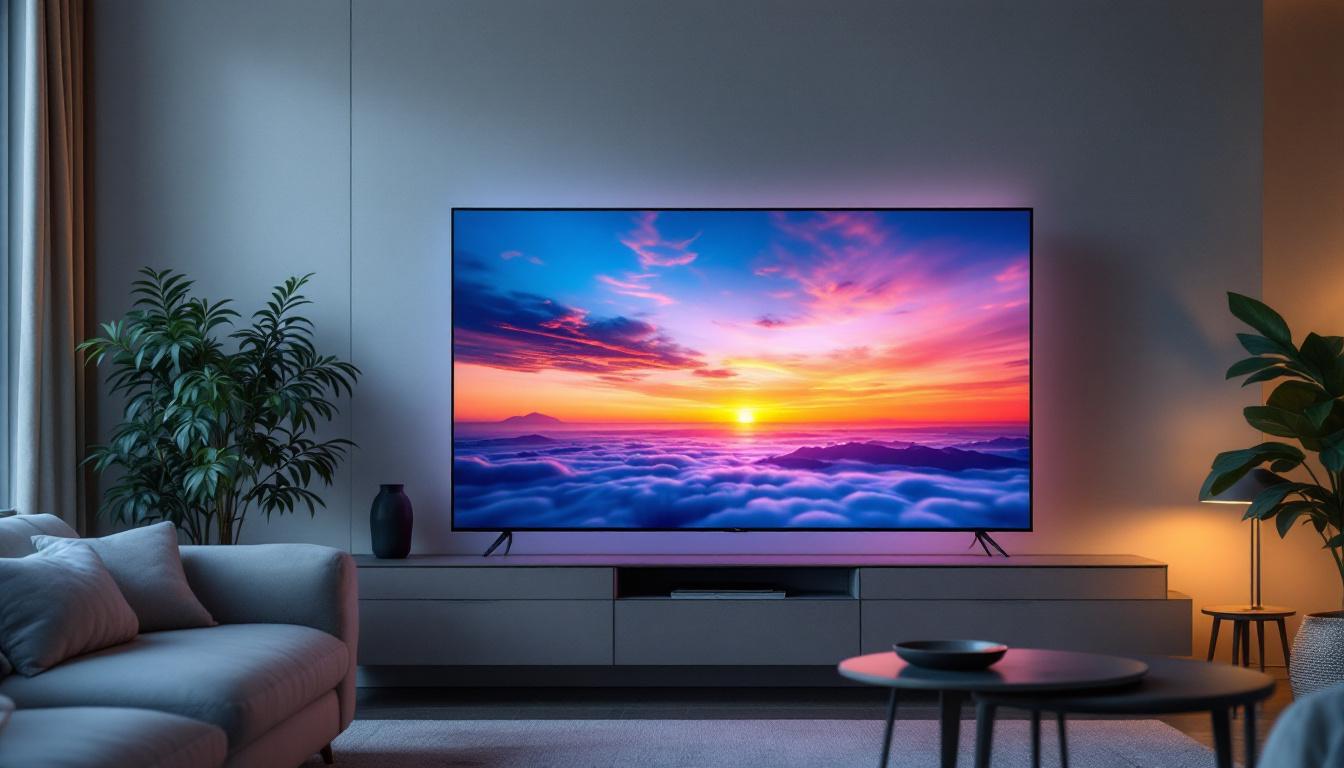
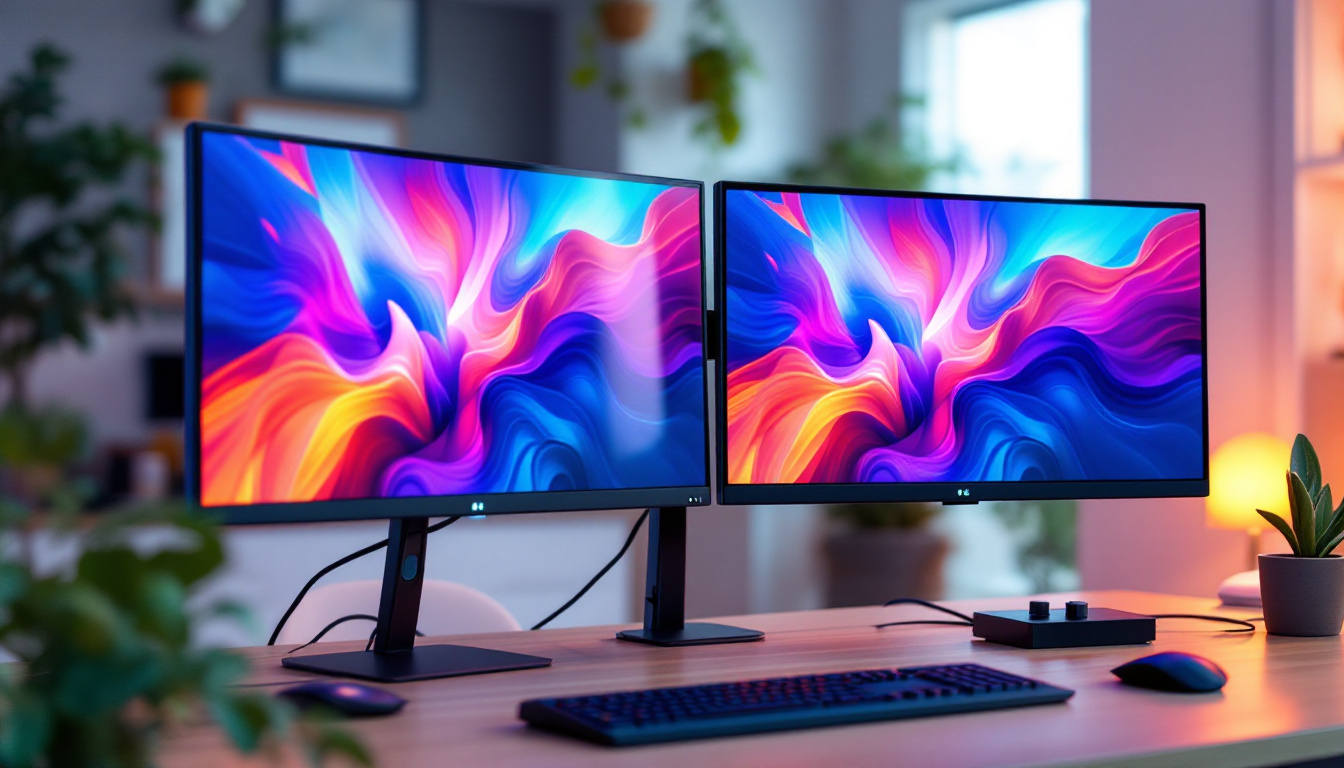
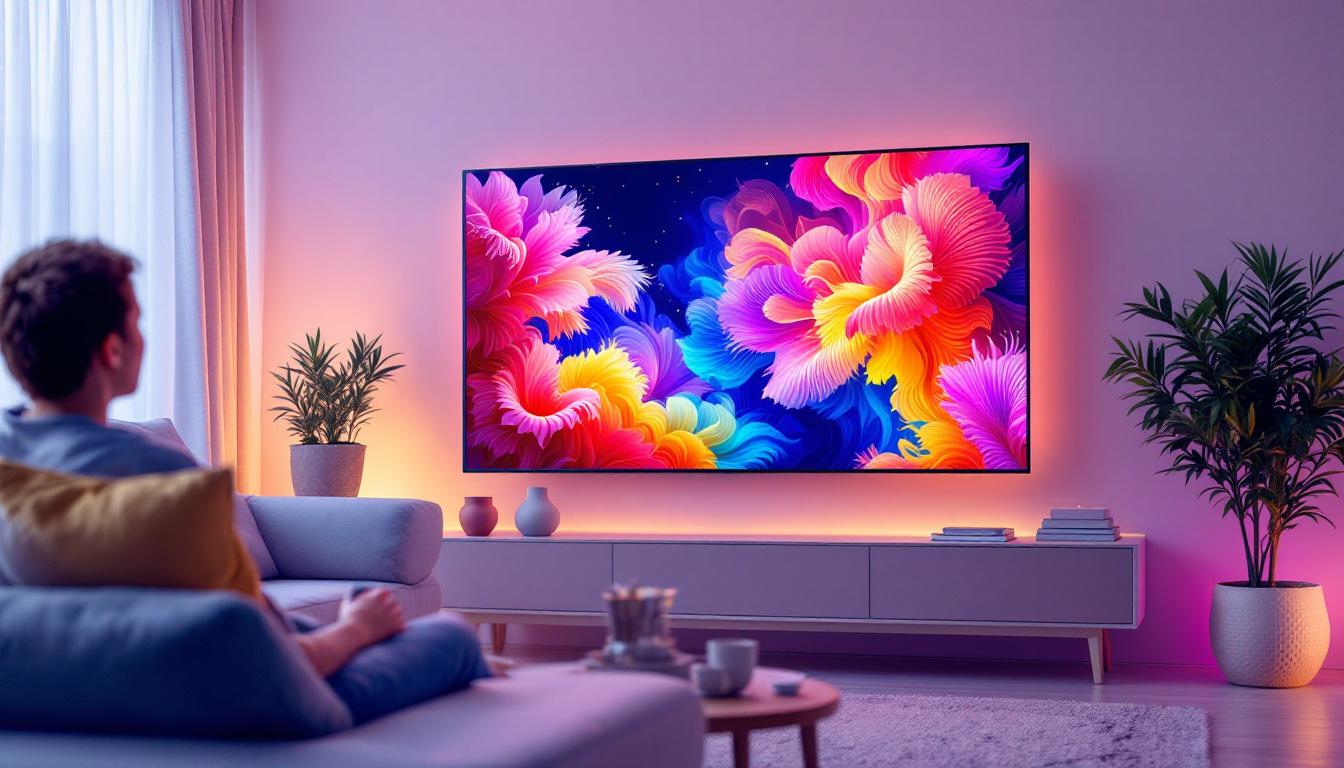
- LED-backlit LCD: This technology uses LEDs as a backlight behind an LCD panel. While these displays benefit from LED lighting, the image is still formed by liquid crystals modulating the light. This type of display is often found in consumer electronics like televisions and computer monitors, offering a balance between performance and cost.
For most commercial and large-format applications, DV-LED displays are preferred due to their superior brightness and scalability. Additionally, advancements in LED technology have led to the development of features such as pixel pitch, which refers to the distance between individual LEDs. A smaller pixel pitch results in higher resolution and sharper images, making it ideal for close viewing distances, such as in retail environments or concert venues. As the demand for high-quality visual experiences continues to grow, LED displays are becoming an essential component in various industries, from entertainment to transportation.
Key Features of LED Displays
Brightness and Visibility
One of the most critical advantages of LED displays is their exceptional brightness. Modern LED panels can reach brightness levels of up to 10,000 nits or more, far exceeding the typical 300-500 nits of LCD screens. This high brightness ensures that content remains visible even in direct sunlight, making LED displays ideal for outdoor environments. Such capabilities are particularly beneficial for advertising in busy urban areas where competing with natural light is essential for capturing the attention of passersby.
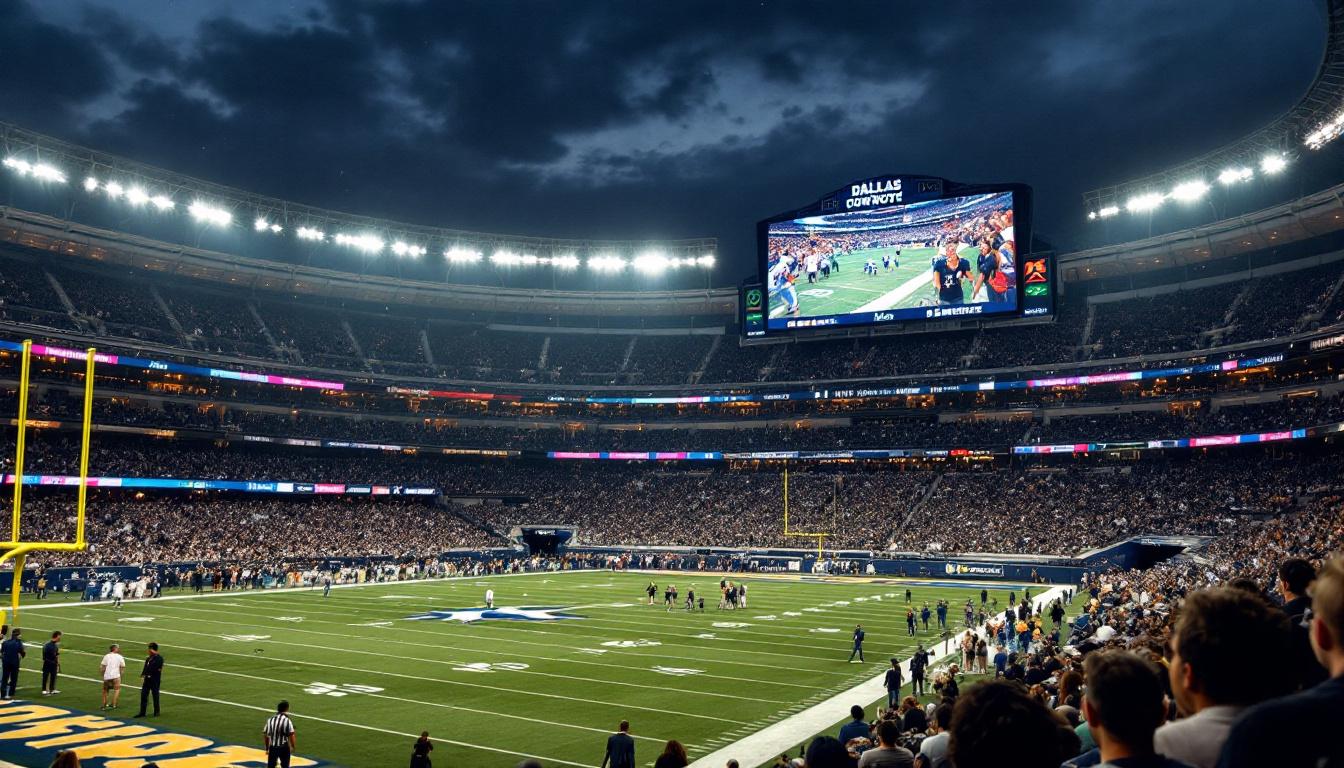
Additionally, LED displays offer wide viewing angles, often up to 160 degrees or more horizontally and vertically. This ensures that viewers can see clear, vibrant images from various positions without color distortion or loss of contrast. The combination of high brightness and wide viewing angles makes LED displays perfect for large venues such as stadiums, concert halls, and public squares, where audiences are spread out over a considerable distance.
Energy Efficiency
Energy consumption is a significant consideration for businesses investing in digital signage. LED technology is inherently energy-efficient because LEDs convert most of the electrical energy into light rather than heat. Compared to older display technologies, LED displays can reduce energy usage by up to 50%, leading to lower operational costs and a smaller environmental footprint. This energy efficiency not only benefits the bottom line but also aligns with the growing trend toward sustainable business practices, making LED displays a more attractive option for eco-conscious companies.
Furthermore, advancements in LED technology, such as the introduction of smart sensors and adaptive brightness features, allow these displays to automatically adjust their brightness based on ambient light conditions. This not only enhances visibility but also contributes to further energy savings, ensuring that the displays operate at optimal efficiency without unnecessary power consumption.
Durability and Lifespan
LED displays are known for their durability and long operational life, often exceeding 100,000 hours of use. This translates to over 11 years of continuous operation without significant degradation in brightness or color quality. Their robust construction also allows them to withstand harsh weather conditions, including rain, wind, and temperature extremes, which is essential for outdoor installations. This resilience makes LED displays a wise investment for businesses looking to minimize maintenance costs and maximize uptime.
In addition to their weather resistance, many LED displays are designed with protective features such as anti-glare coatings and shatterproof glass, further enhancing their longevity. This durability is particularly advantageous in high-traffic areas where the risk of accidental damage is higher. As a result, businesses can deploy LED displays in a variety of settings, from bustling city streets to remote outdoor locations, without worrying about frequent replacements or repairs.
Applications of LED Displays
Outdoor Advertising and Billboards
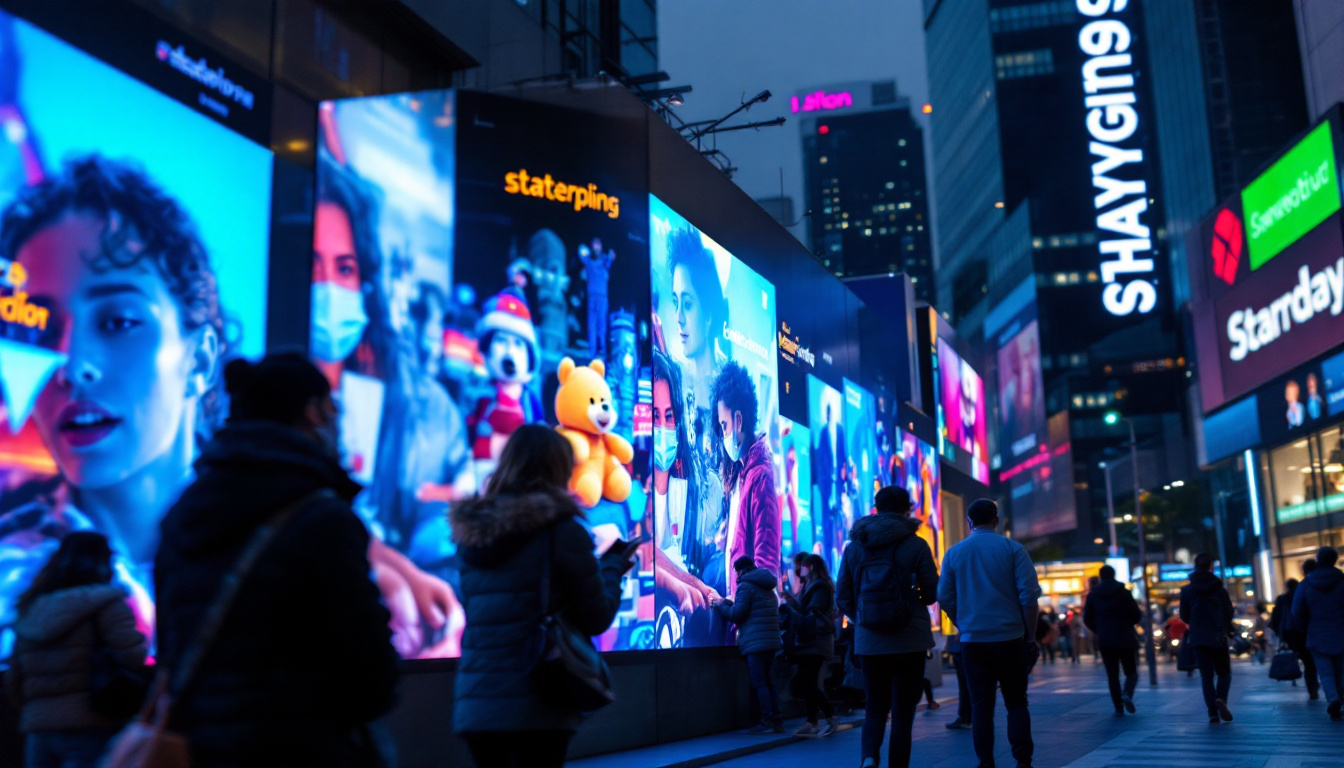
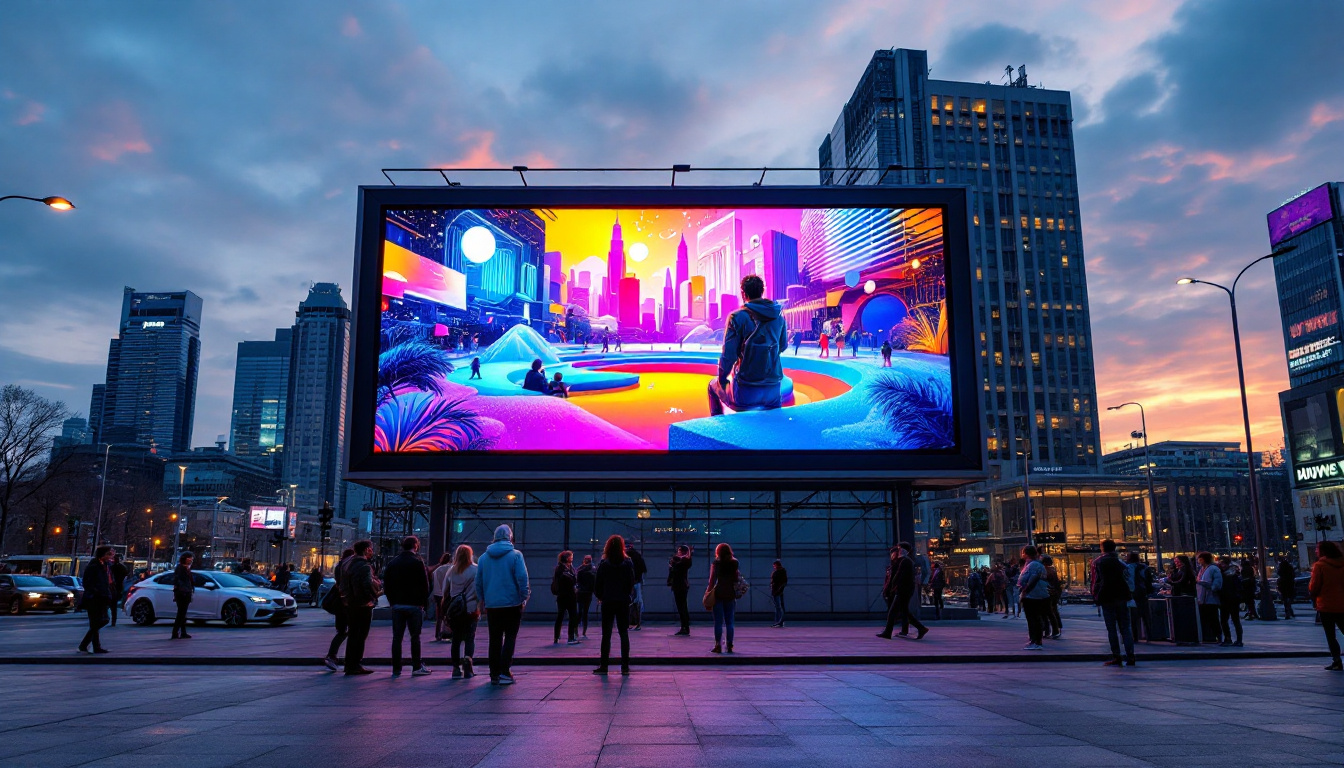
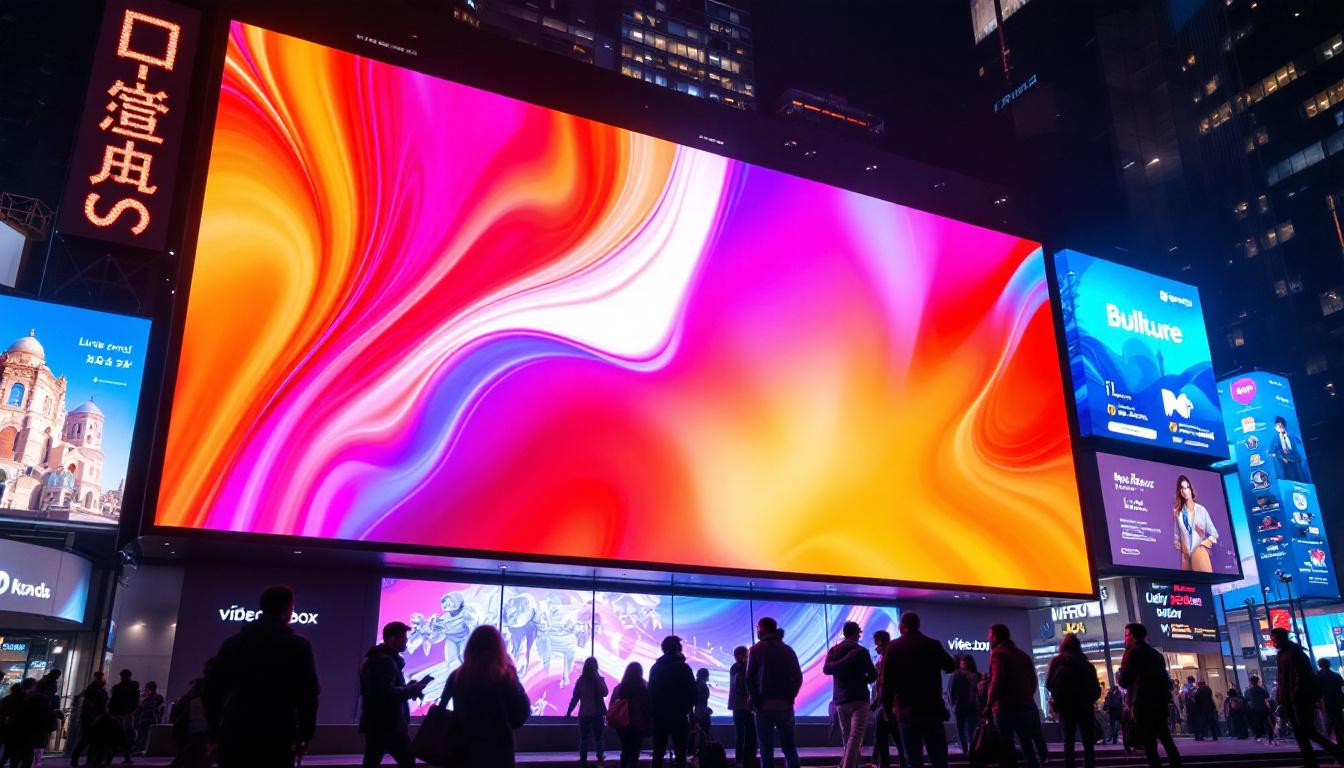
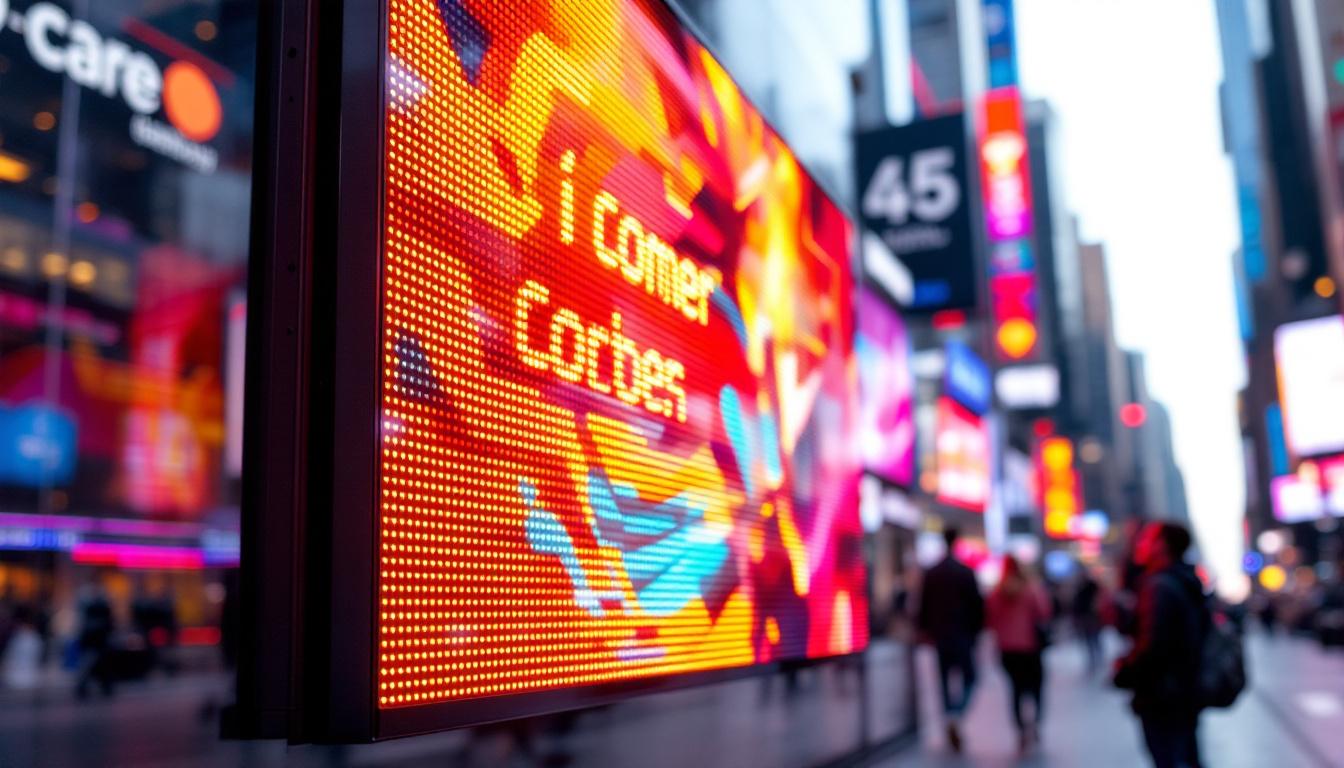
Outdoor LED billboards are among the most visible and impactful applications of LED technology. Their high brightness and weather resistance make them perfect for roadside advertising, stadium displays, and urban digital signage. According to recent industry reports, the global digital out-of-home (DOOH) advertising market, which heavily relies on LED displays, is expected to grow at a CAGR of over 10% through 2028.
Many cities have embraced LED billboards to replace traditional static signs, enabling advertisers to display dynamic content that can be updated remotely and in real time. This flexibility allows for targeted advertising campaigns based on time of day, weather conditions, or audience demographics.
Indoor Displays and Video Walls
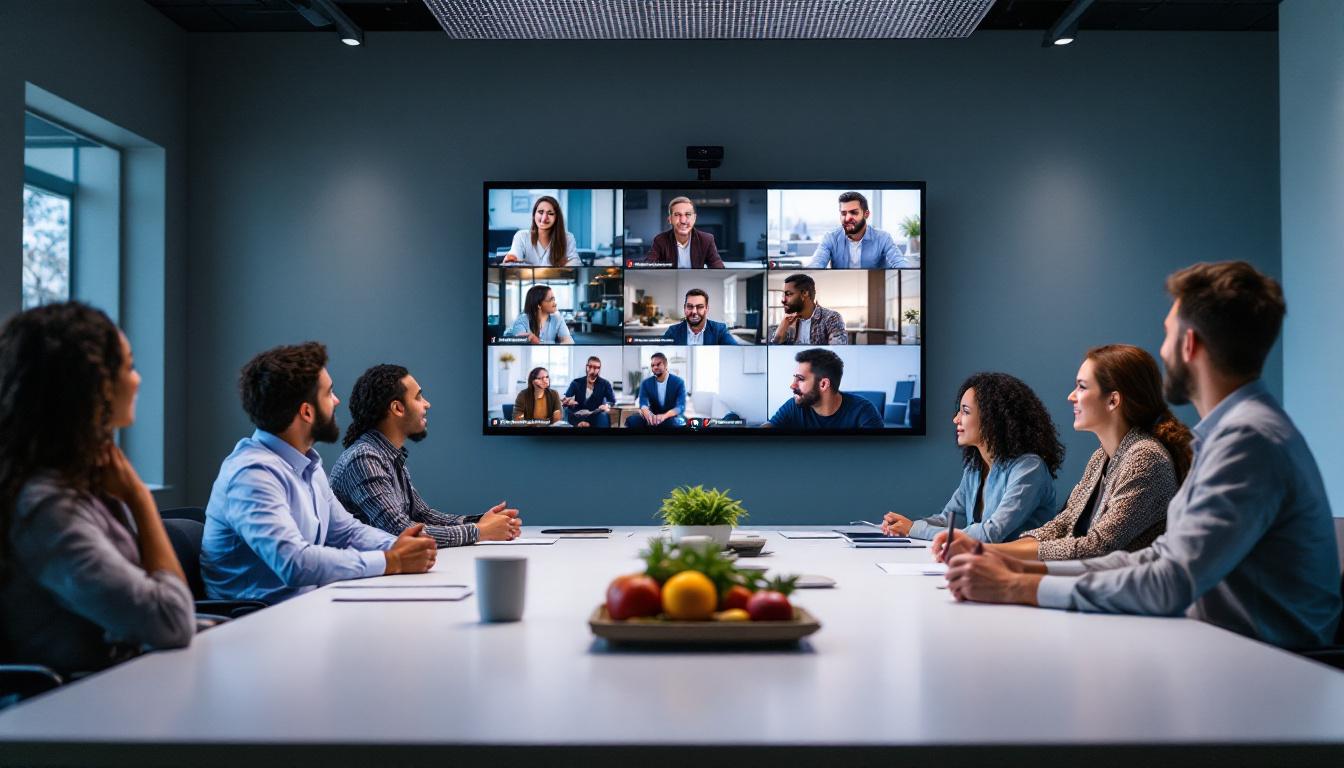
Indoor LED displays are increasingly popular in retail stores, corporate lobbies, conference centers, and entertainment venues. These displays offer vibrant colors and high resolution, enhancing customer engagement and brand presence.
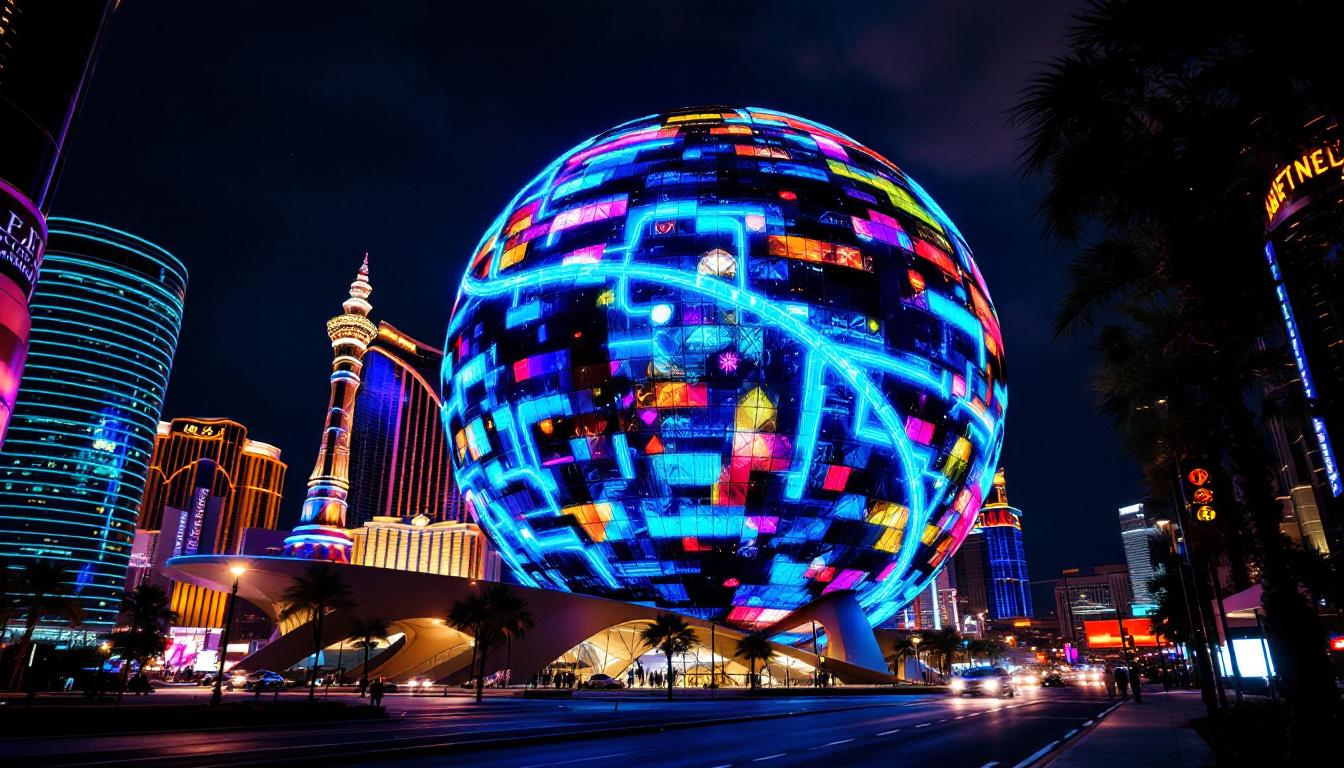
Video walls composed of multiple LED panels can create large, seamless screens that captivate audiences with immersive visuals. For example, in airports and shopping malls, LED video walls provide wayfinding information, promotional content, and live event coverage.
Events and Entertainment
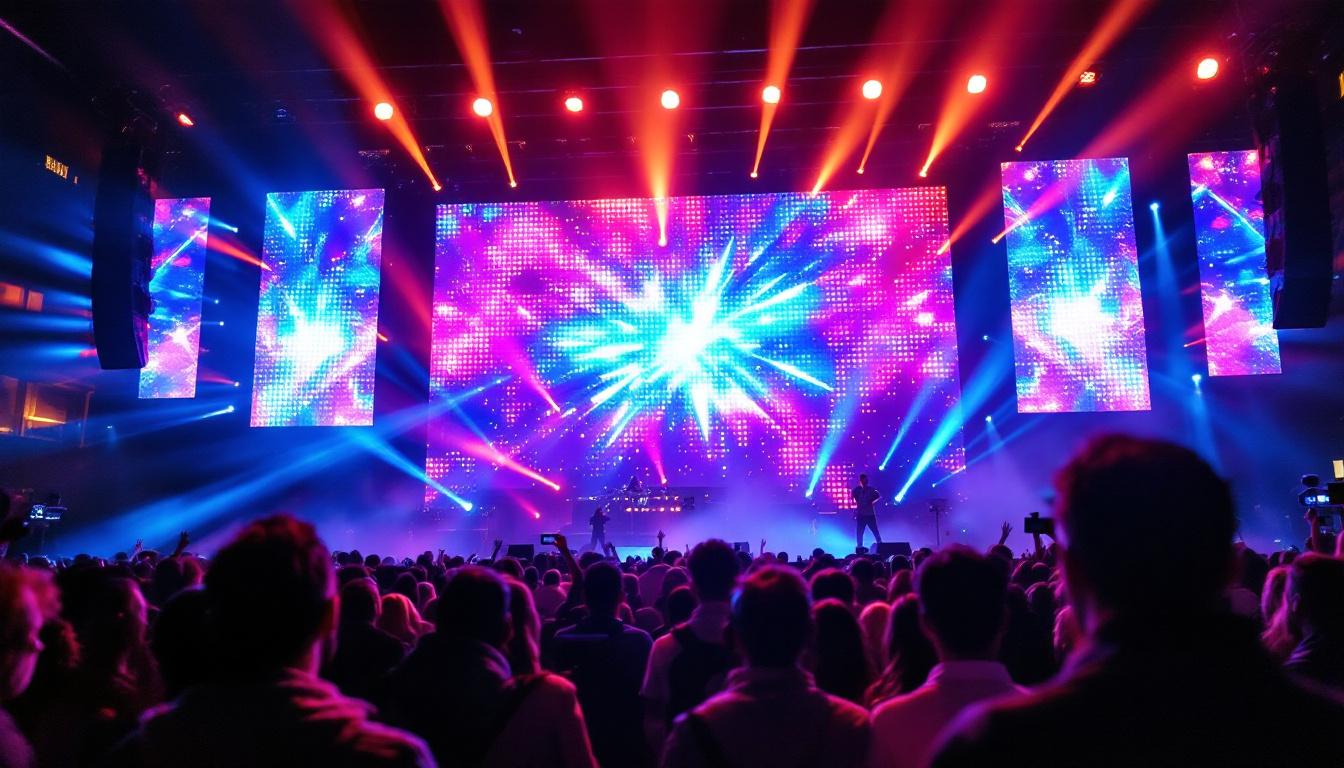
Concerts, sports events, and exhibitions often rely on LED displays to deliver high-impact visuals. Portable and modular LED panels allow for flexible stage design and rapid installation, enabling organizers to create customized experiences for audiences of all sizes.
Advancements in pixel pitch technology have allowed LED displays to achieve ultra-high resolutions, making them suitable for close-up viewing and broadcast-quality presentations.
Choosing the Right LED Display Supplier
Assessing Quality and Reliability
When selecting an LED display supplier, quality should be the foremost consideration. High-quality LED panels ensure consistent brightness, accurate color reproduction, and long-term reliability. Suppliers that use premium components and adhere to international standards such as ISO 9001 are more likely to deliver products that meet rigorous performance criteria.
Requesting product certifications, warranties, and references from previous clients can provide valuable insights into a supplier’s credibility and service quality.
Customization and Technical Support
Each installation has unique requirements, from screen size and resolution to environmental conditions and mounting options. A reputable LED display supplier should offer customization services to tailor solutions to specific needs.
Technical support is equally important. Suppliers that provide comprehensive after-sales support, including installation assistance, maintenance, and troubleshooting, help ensure the longevity and optimal performance of the display.
Cost Considerations
While price is a significant factor, it should not be the sole determinant. The total cost of ownership includes initial purchase price, installation costs, energy consumption, maintenance, and potential downtime. Investing in a slightly higher-priced but more efficient and durable LED display can result in substantial savings over time.
Comparing quotes from multiple suppliers and understanding the detailed specifications behind each offer can help make an informed decision.
Emerging Trends in LED Display Technology
MicroLED and MiniLED Innovations
MicroLED and MiniLED technologies represent the next frontier in LED displays. MicroLEDs are significantly smaller than traditional LEDs, allowing for higher pixel density and improved image clarity. This technology promises displays with better contrast, faster response times, and lower power consumption.
MiniLEDs, while larger than MicroLEDs, offer enhanced backlighting capabilities for LCD panels, resulting in better brightness and contrast ratios. Both technologies are gaining traction in premium consumer electronics and professional display markets.
Interactive and Smart Displays
The integration of touch and sensor technologies is transforming LED displays into interactive platforms. Smart LED displays can respond to user inputs, integrate with mobile devices, and deliver personalized content. This interactivity enhances customer engagement, especially in retail and public spaces.
Energy Harvesting and Sustainability
With growing emphasis on sustainability, some LED display manufacturers are exploring energy-harvesting technologies, such as solar-powered LED screens. These innovations reduce dependence on grid electricity and support eco-friendly installations, particularly in remote or off-grid locations.
Conclusion
LED displays have revolutionized the way businesses and organizations communicate visually. Their superior brightness, energy efficiency, and versatility make them indispensable tools for advertising, information dissemination, and entertainment. Understanding the technology behind LED displays and carefully selecting a reliable supplier ensures that investments yield long-term benefits.
As LED technology continues to advance, embracing innovations like MicroLED, interactive capabilities, and sustainable solutions will further enhance the impact and value of LED displays in diverse applications.
Explore Cutting-Edge LED Displays with LumenMatrix
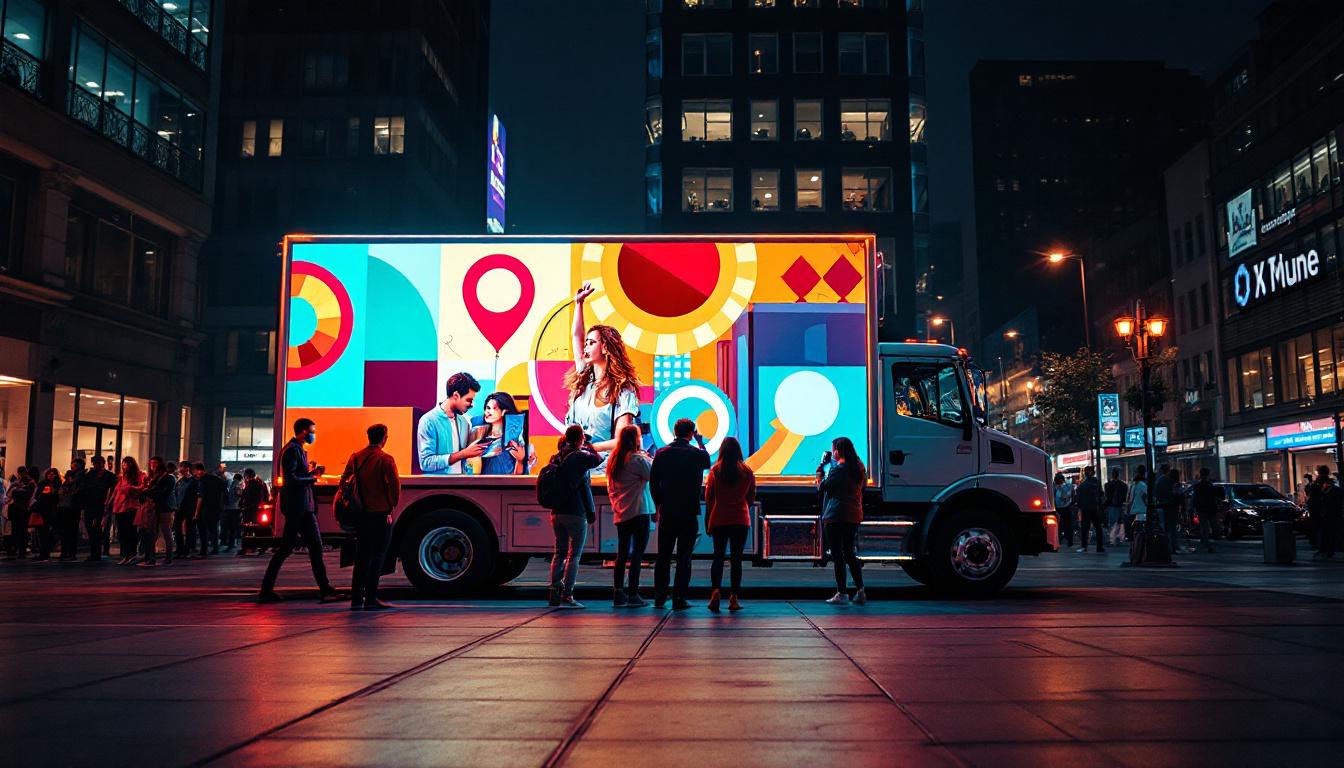
Ready to elevate your visual communication with the latest in LED display technology? LumenMatrix offers a comprehensive range of innovative LED display solutions tailored to your unique needs. From the immersive Indoor LED Wall Display to the dynamic Outdoor LED Wall Display, and from the versatile Vehicle LED Display to the sleek LED Poster Display, our products are designed to captivate and engage your audience. Discover how our LED Sports Display, Floor LED Display, Custom LED Display, All-in-One LED Display, and LED Transparent Display can transform your space and message. Experience the future of digital signage with LumenMatrix and Check out LumenMatrix LED Display Solutions today.