In the fast-paced world of advertising and brand promotion, capturing audience attention quickly and effectively is paramount. Video box marketing, powered by LED displays, has emerged as a dynamic solution that combines vivid visuals with versatile deployment options. This article explores the technology behind LED displays, their application in video box marketing, and why they represent a powerful tool for businesses aiming to elevate their advertising game.
Understanding LED Display Technology
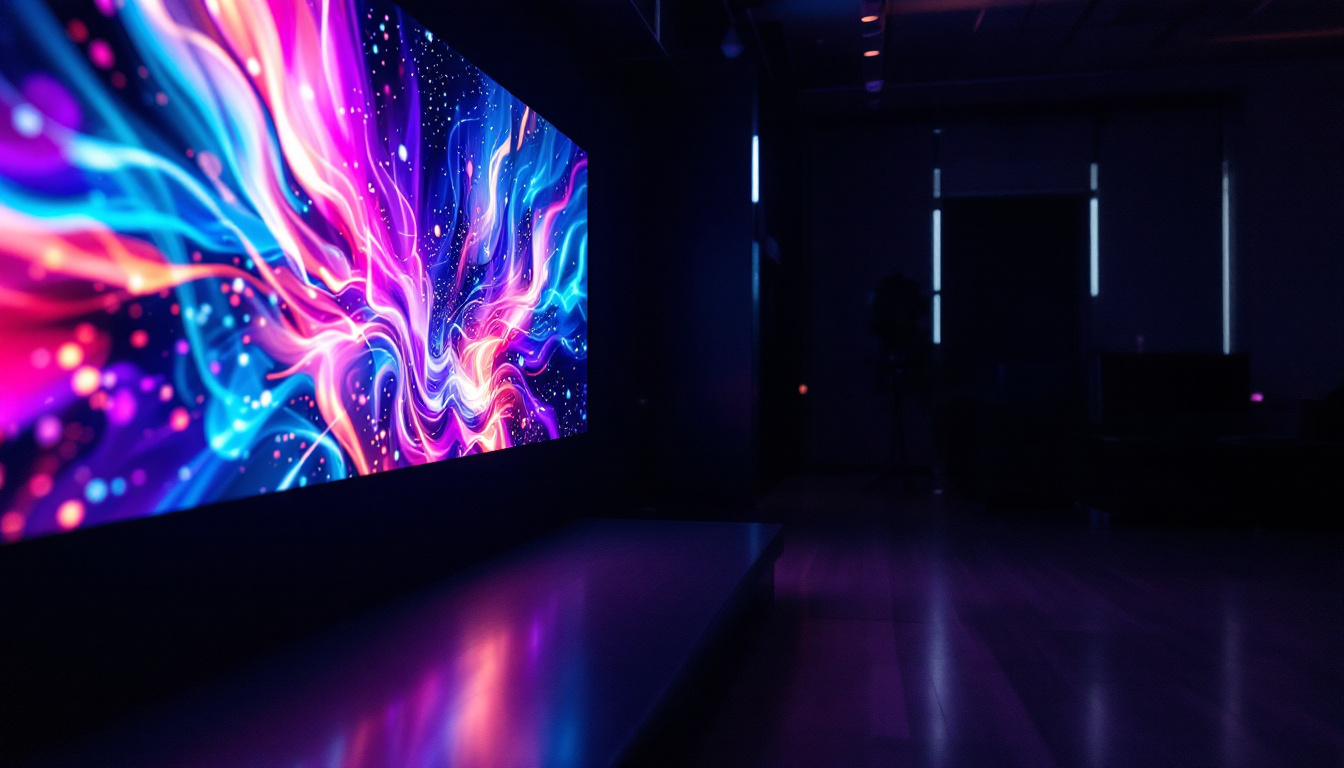
LED, or Light Emitting Diode, displays have revolutionized the way visual content is presented in both indoor and outdoor environments. Unlike traditional display technologies such as LCD or plasma, LED displays use an array of tiny light-emitting diodes to create images and videos. This fundamental difference offers several advantages that make LED displays particularly suited for video box marketing.
How LED Displays Work
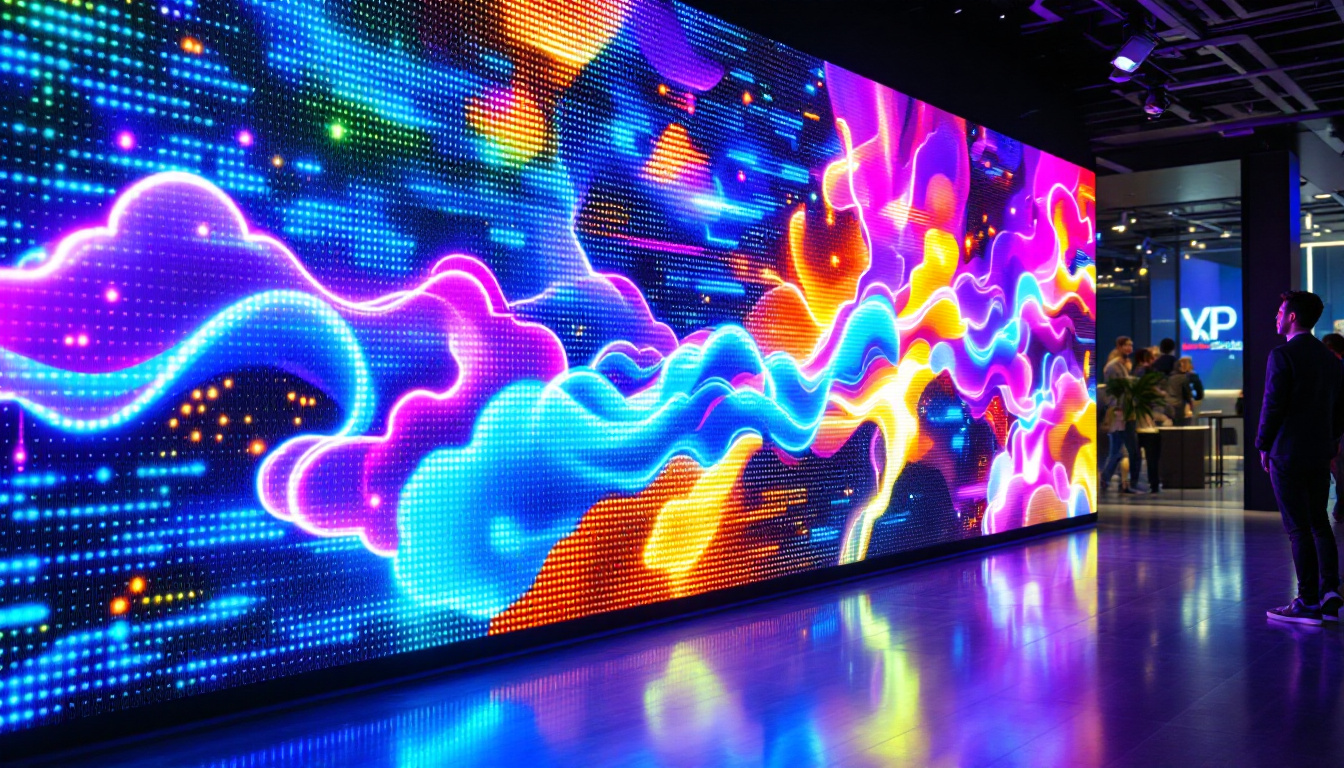
Each LED display consists of thousands to millions of individual diodes arranged in a grid. These diodes emit light when an electric current passes through them. By varying the intensity and color of each diode, the display can produce a full spectrum of colors and create high-resolution images. Modern LED displays use red, green, and blue diodes in close proximity to generate vibrant, true-to-life colors.
The modular design of LED panels allows for flexible screen sizes and shapes, making it possible to customize displays to fit specific marketing needs. This adaptability is crucial for video box marketing, where displays often need to be compact yet impactful. Additionally, the energy efficiency of LED technology means that these displays consume less power than their predecessors, resulting in lower operational costs and a smaller carbon footprint, which is increasingly important for environmentally-conscious brands.
Types of LED Displays
LED displays come in various forms, each tailored for different environments and purposes:
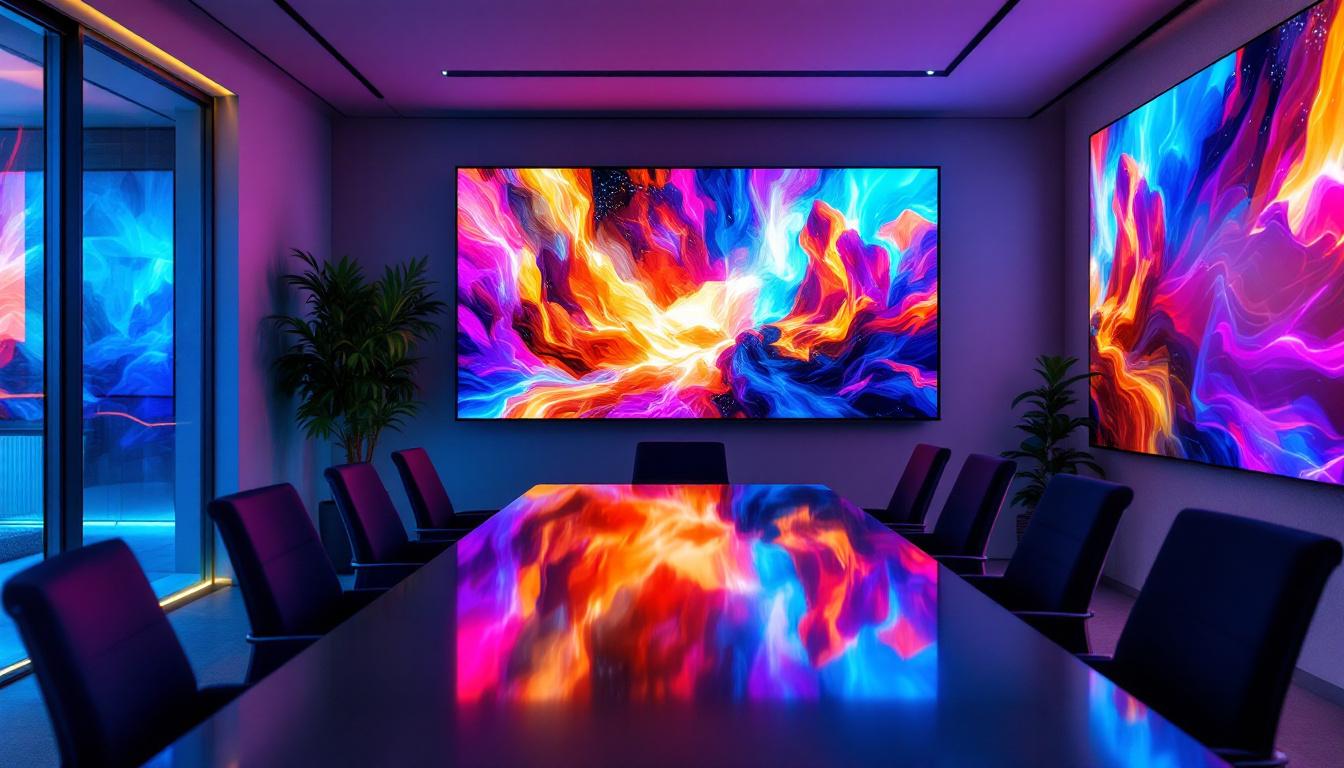
- Indoor LED Displays: Designed for controlled lighting conditions, these displays offer high pixel density for sharp images and are commonly used in retail stores, malls, and event venues.
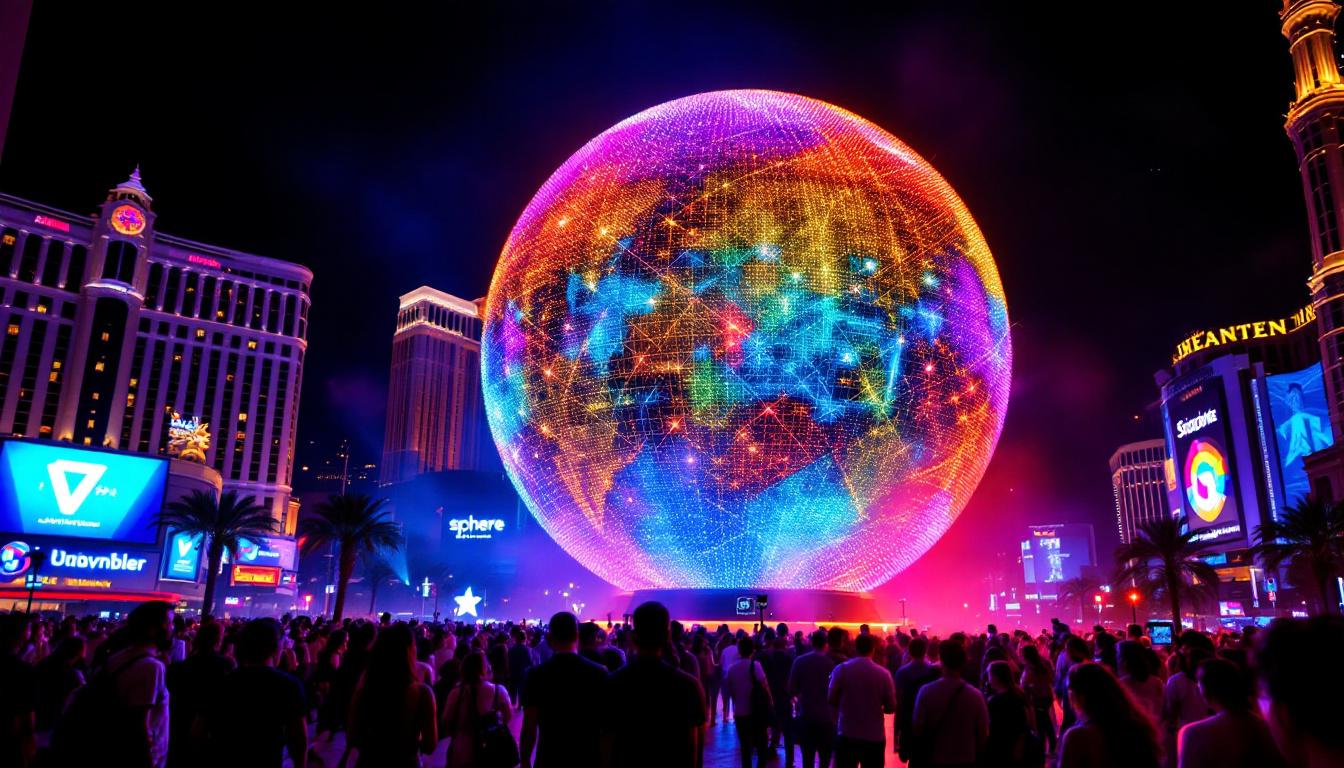
- Outdoor LED Displays: Built to withstand weather elements, these displays are brighter to combat sunlight glare and are typically used for billboards, stadiums, and public spaces.
- Transparent LED Displays: These innovative displays allow light to pass through, making them ideal for storefront windows and glass walls without obstructing views.
Understanding these types helps marketers choose the right LED display for their video box campaigns, ensuring maximum visibility and engagement. Furthermore, advancements in technology have led to the development of flexible LED displays that can be bent or curved, allowing for even more creative applications in advertising. This flexibility opens up new avenues for immersive experiences, such as wrapping around columns or creating dynamic shapes that attract attention from various angles.
Moreover, the integration of smart technology with LED displays is transforming the landscape of digital advertising. With the ability to connect to the internet, these displays can be updated in real-time, allowing marketers to tailor their content based on audience engagement, time of day, or even local weather conditions. This level of interactivity not only enhances viewer engagement but also maximizes the effectiveness of marketing campaigns by delivering the right message at the right moment.
The Role of LED Displays in Video Box Marketing
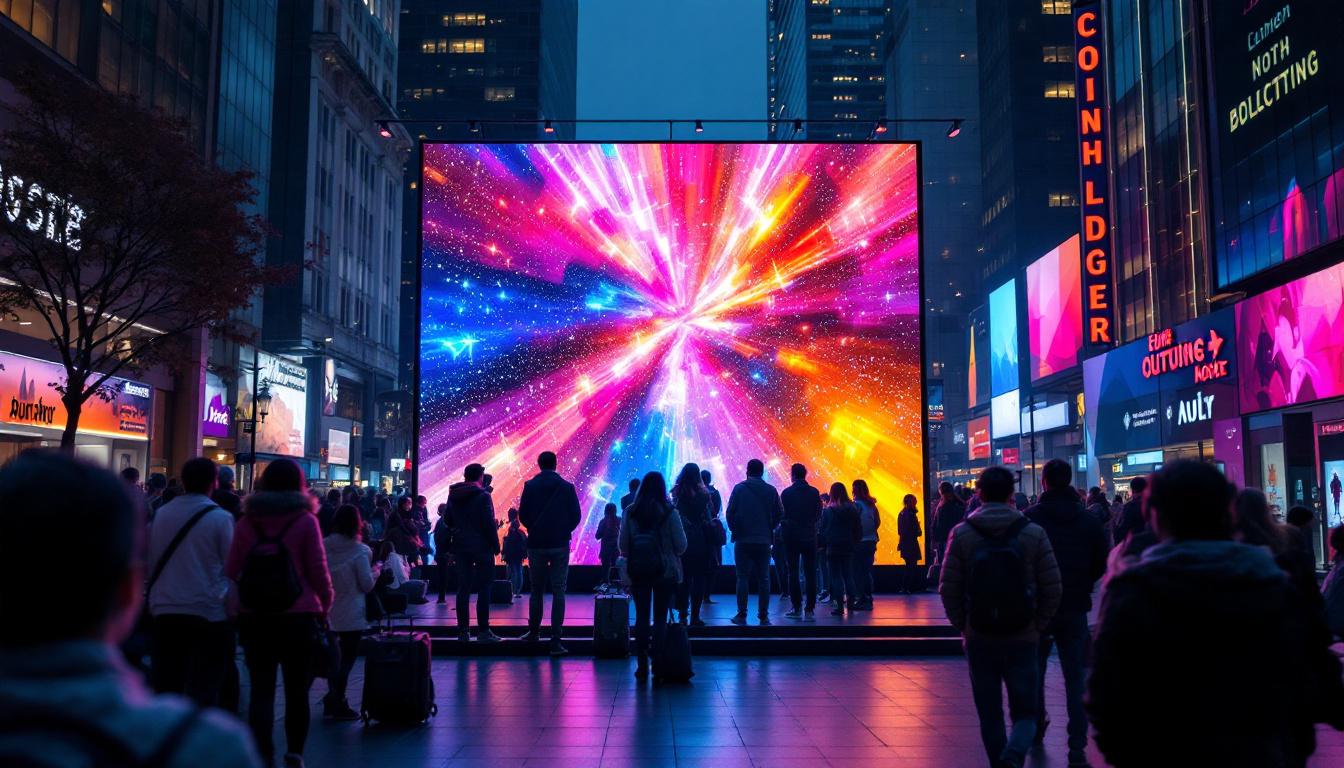
Video box marketing refers to the use of compact, often portable digital displays that showcase video content to attract and engage consumers. LED displays have become the cornerstone of this marketing approach due to their brightness, clarity, and versatility.
Why LED Displays Are Ideal for Video Box Marketing
Video box marketing demands displays that can deliver high-impact visuals in various settings, from trade shows and retail environments to outdoor events. LED displays meet these requirements by offering:
- High Brightness and Visibility: LED displays can produce brightness levels exceeding 5,000 nits, ensuring content remains visible even in direct sunlight. This is critical for outdoor video box marketing where ambient light can diminish screen clarity.
- Vivid Color Reproduction: The ability to display millions of colors with high contrast ratios makes LED displays ideal for showcasing vibrant video content that grabs attention.
- Energy Efficiency: Compared to older display technologies, LEDs consume less power, reducing operational costs for long-term marketing campaigns.
- Durability and Longevity: LED displays are built to last, often rated for over 100,000 hours of operation, making them a cost-effective investment for businesses.
Applications of LED Video Boxes in Marketing
LED video boxes are used across a wide range of marketing scenarios:
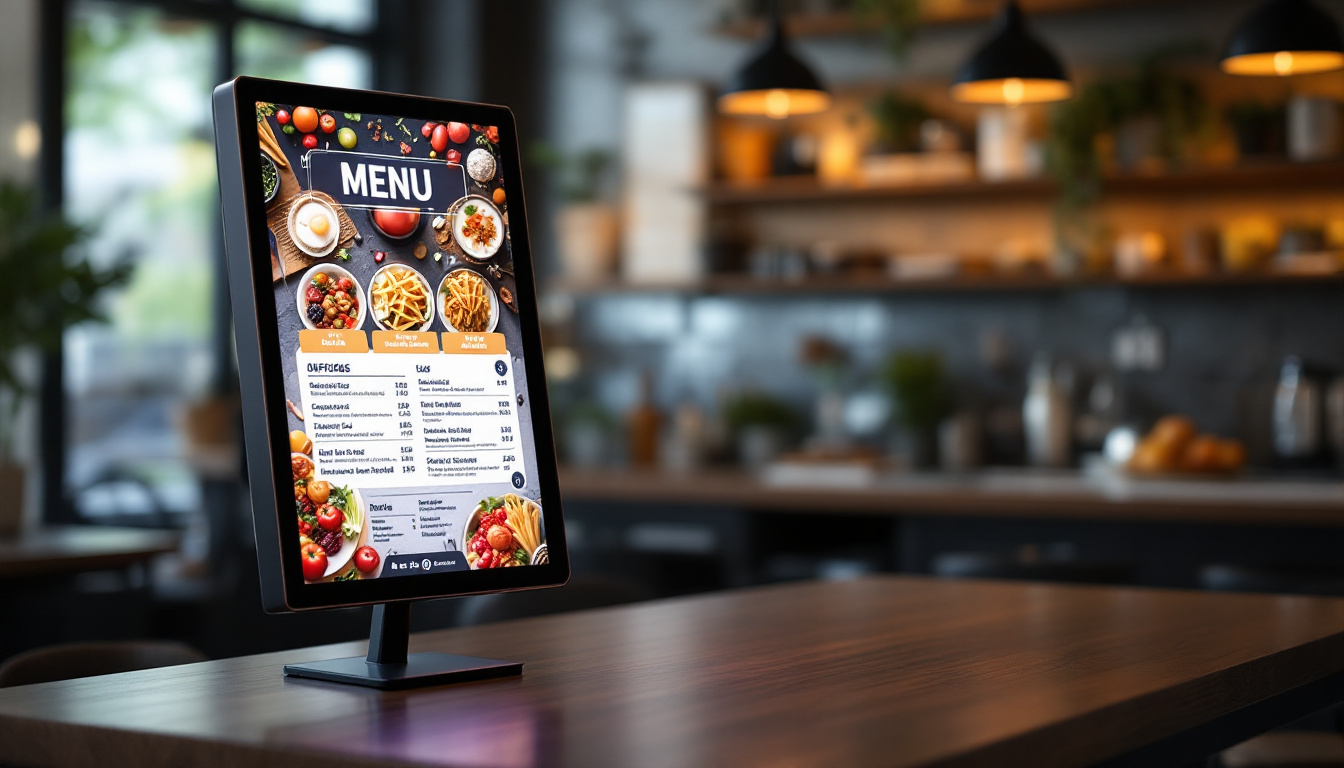
- Retail Promotions: In-store video boxes attract shoppers by displaying product demos, promotions, and brand stories, enhancing the shopping experience and driving sales.
- Trade Shows and Exhibitions: Portable LED video boxes create eye-catching booths that stand out in crowded venues, facilitating better lead generation and brand recall.
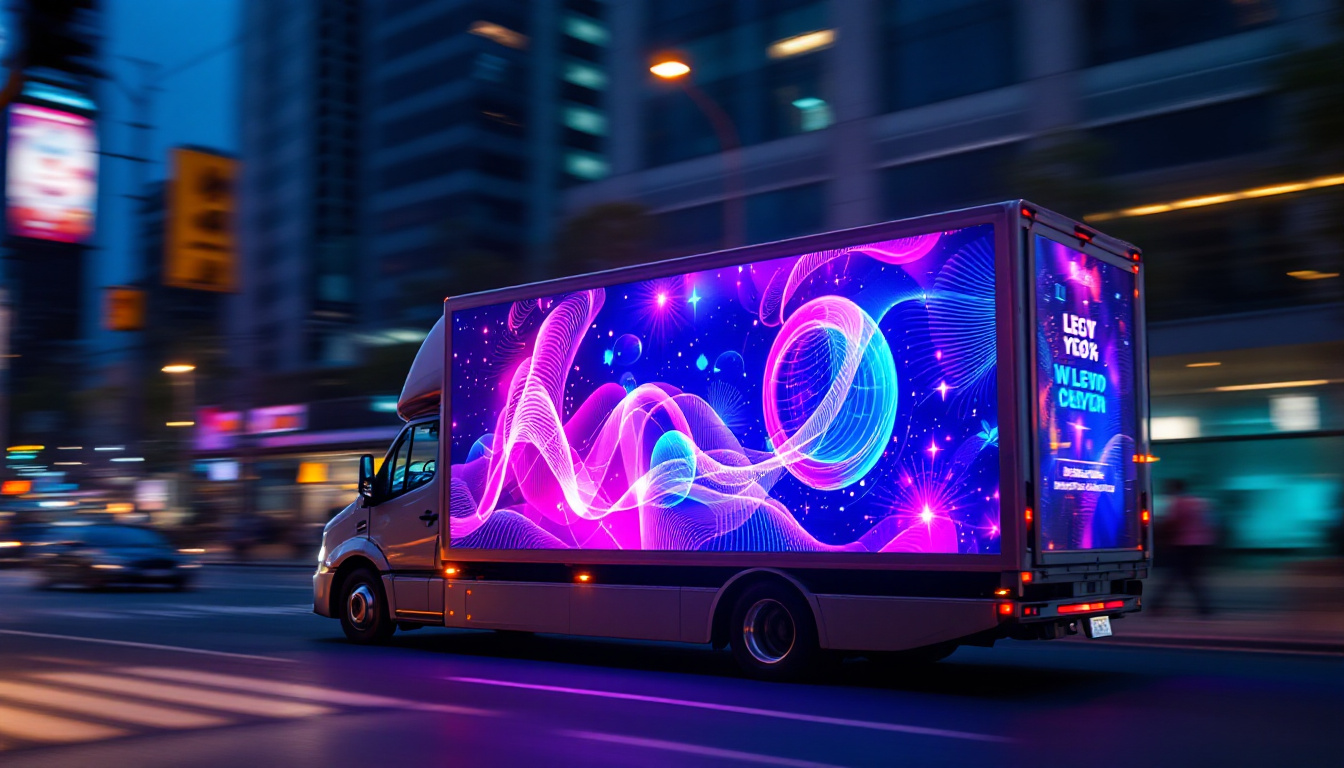
- Outdoor Advertising: Mobile LED video boxes mounted on vehicles or placed in high-traffic areas deliver dynamic advertisements that outperform static billboards.
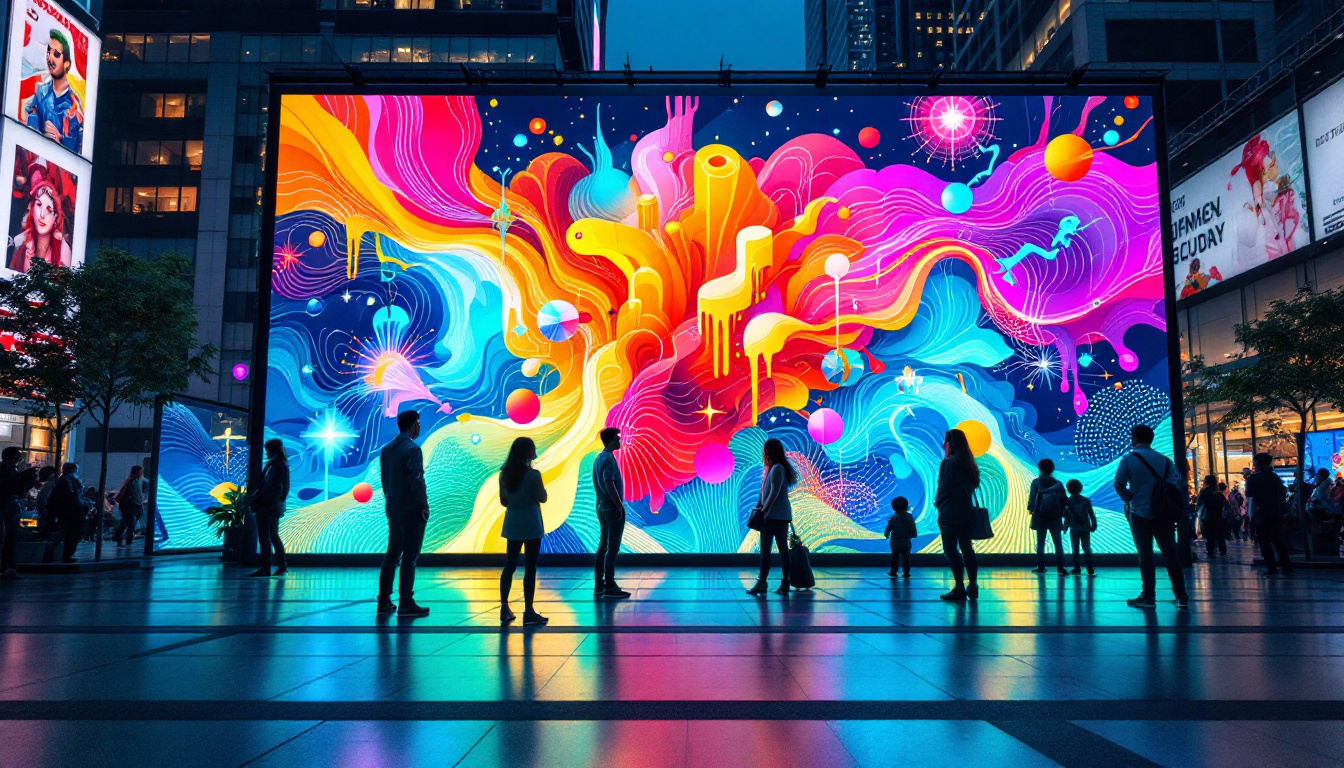
- Events and Festivals: LED video boxes provide vibrant visual backdrops and information displays, elevating event atmosphere and attendee engagement.
Moreover, the adaptability of LED video boxes allows for customized content that can be tailored to specific audiences or events. For instance, during a product launch, brands can create targeted video content that resonates with the demographic present, ensuring maximum engagement. This level of customization not only enhances the viewer’s experience but also increases the likelihood of conversion as the displayed content speaks directly to their interests and needs.
In addition to their visual appeal, LED video boxes can incorporate interactive elements, such as touch screens or QR code scanning capabilities, further enriching the consumer experience. This interactivity can lead to increased foot traffic and engagement, as consumers are drawn to participate in the experience rather than passively observe. By integrating these advanced features, brands can create memorable marketing experiences that not only capture attention but also foster a deeper connection with their audience.
Design and Deployment Considerations for LED Video Box Marketing
To maximize the impact of LED video box marketing, several design and deployment factors must be carefully considered. These elements influence not only the effectiveness of the campaign but also the return on investment.
Choosing the Right Pixel Pitch
Pixel pitch, the distance between individual LEDs on a display, directly affects image resolution and viewing distance. Smaller pixel pitches yield higher resolution but are more expensive and suited for close-up viewing. For video box marketing, where viewers may be just a few feet away, a pixel pitch of 1.5mm to 3mm is typically ideal, delivering crisp visuals without excessive cost.
Screen Size and Aspect Ratio
The physical dimensions of the LED video box should align with the marketing environment and content format. A screen too small may fail to capture attention, while an overly large display can be cumbersome and costly. Additionally, the aspect ratio should match the video content to avoid distortion and ensure a professional appearance.
Content Strategy and Scheduling
Effective video box marketing hinges on compelling content. Videos should be concise, visually engaging, and tailored to the target audience. Scheduling content to rotate or update regularly keeps the display fresh and encourages repeat engagement. Integration with content management systems allows marketers to remotely update and monitor displays in real time.
Power and Connectivity
Reliable power sources and connectivity options are essential for uninterrupted operation. Many LED video boxes support battery power for mobility, while others rely on AC power for longer deployments. Wireless connectivity options such as Wi-Fi or cellular networks enable remote content updates, crucial for campaigns spread across multiple locations.
Measuring the Impact of LED Video Box Marketing
Quantifying the effectiveness of video box marketing campaigns is vital for optimizing future efforts and demonstrating value to stakeholders. LED displays offer several advantages in this regard.
Engagement Metrics and Analytics
Modern LED video boxes can be integrated with sensors and analytics tools that track viewer engagement, including:
- Foot Traffic Analysis: Sensors detect the number of people passing by the display, helping assess reach.
- Viewer Dwell Time: Measuring how long viewers watch the content provides insight into engagement levels.
- Interactive Features: Touch-enabled LED video boxes or QR code integration encourage direct interaction, enabling marketers to capture leads or direct consumers to digital platforms.
These data points help marketers refine content, placement, and scheduling to maximize campaign effectiveness.
Case Studies Demonstrating Success
Several brands have leveraged LED video box marketing to achieve remarkable results. For example, a global beverage company deployed portable LED video boxes at music festivals, resulting in a 30% increase in brand recall and a 20% boost in on-site sales. Similarly, a retail chain used indoor LED video boxes to promote seasonal products, leading to a 15% rise in foot traffic and a 25% increase in promotional item sales during the campaign period.
Future Trends in LED Video Box Marketing
As technology evolves, LED video box marketing is poised to become even more sophisticated and impactful. Emerging trends include:
Integration with Augmented Reality (AR)
Combining LED displays with AR technology can create immersive experiences that captivate audiences. For instance, video boxes might project interactive content that responds to viewer gestures or overlays digital elements onto physical products, enhancing engagement and memorability.
Advancements in Mini-LED and Micro-LED
Next-generation LED technologies like Mini-LED and Micro-LED promise even higher resolution, brightness, and energy efficiency in smaller form factors. These advancements will enable more compact and visually stunning video boxes suitable for a wider range of marketing applications.
AI-Driven Content Personalization
Artificial intelligence can analyze real-time data such as audience demographics and behavior to tailor video content dynamically. Personalized messaging delivered via LED video boxes can significantly improve relevance and conversion rates.
Conclusion
LED displays have transformed video box marketing into a vibrant, flexible, and highly effective advertising medium. Their superior brightness, color fidelity, and durability make them ideal for delivering compelling video content in diverse environments. By understanding the technology, design considerations, and measurement techniques, marketers can harness the full potential of LED video boxes to engage audiences and drive business growth. As innovations continue to emerge, LED video box marketing will remain at the forefront of experiential advertising strategies.
Illuminate Your Brand with LumenMatrix
Ready to take your video box marketing to the next level? Discover how LumenMatrix can illuminate your brand’s potential with our comprehensive range of LED display solutions. From captivating Indoor LED Wall Displays to dynamic Vehicle LED Displays and beyond, our mission is to revolutionize your visual communication. Engage and captivate your audience with unparalleled clarity and impact. Check out LumenMatrix LED Display Solutions today and transform your advertising strategy with the power of LED technology.