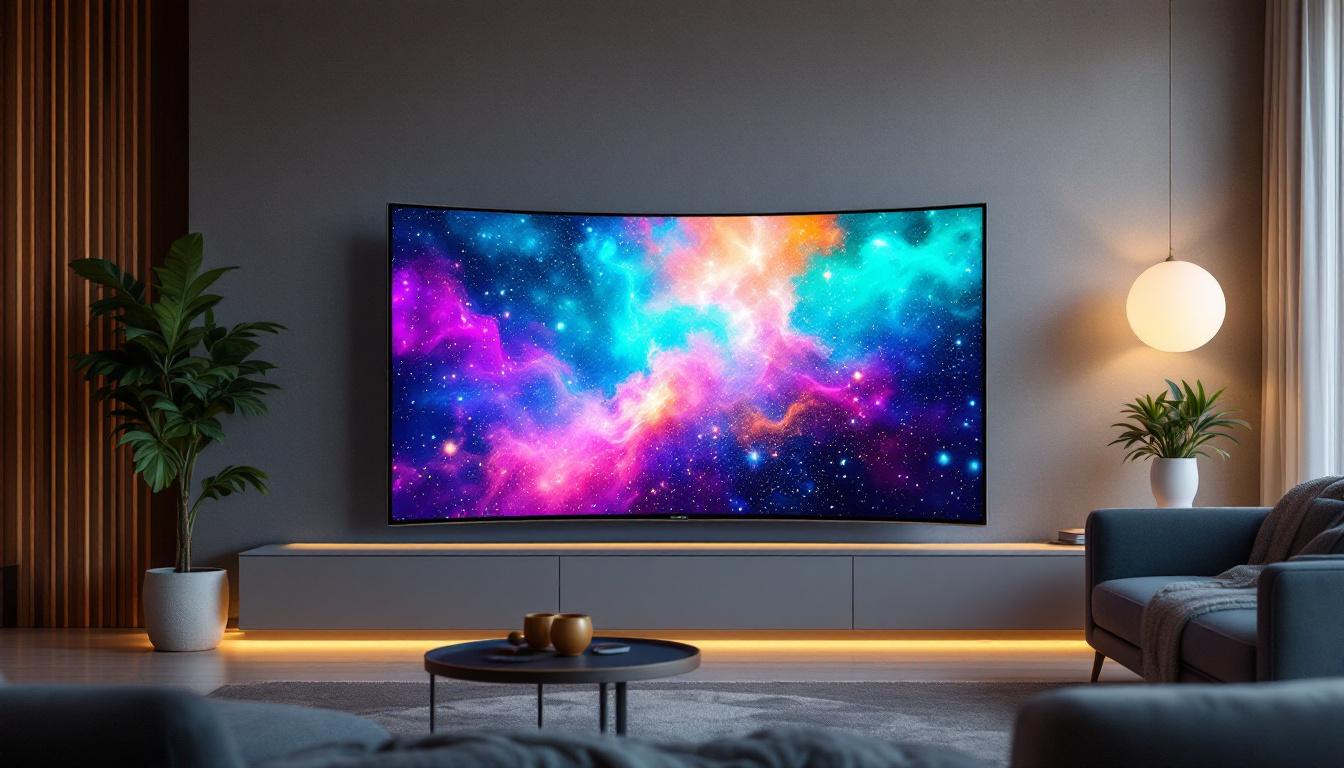
In the world of modern display technology, the terms LED and LCD are often used interchangeably, but they represent distinct technologies with unique characteristics. Understanding the difference between LED and LCD displays is essential for consumers, tech enthusiasts, and professionals who want to make informed decisions when purchasing screens for televisions, monitors, smartphones, or other devices. This article explores the fundamental differences between LED and LCD displays, their working principles, advantages, disadvantages, and practical applications.
Understanding LCD Technology
What is an LCD?
LCD stands for Liquid Crystal Display. It is a flat-panel display technology that uses liquid crystals sandwiched between two layers of polarized glass or plastic. These liquid crystals do not emit light by themselves; instead, they manipulate light passing through them to create images on the screen.
The key to LCD operation lies in the ability of liquid crystals to align themselves when subjected to an electric current. By controlling this alignment, the display can modulate light to produce varying colors and intensities, forming the images we see on the screen. This technology has revolutionized the way we view content, providing a thinner, lighter alternative to traditional cathode ray tube (CRT) displays, which were bulky and less energy-efficient.
How Does an LCD Work?
Since liquid crystals do not emit light, LCDs require a backlight to illuminate the display. Traditionally, this backlight was provided by Cold Cathode Fluorescent Lamps (CCFLs). The backlight shines through the layers of liquid crystals and color filters, and the crystals adjust to block or allow light to pass through specific pixels, creating the desired image. In recent years, however, advancements in technology have introduced LED backlighting, which offers improved brightness, contrast, and energy efficiency compared to CCFLs.
This method of using an external light source means that LCDs are essentially transmissive displays—they rely on light passing through them rather than generating light themselves. The introduction of LED backlighting has also allowed for thinner designs and enhanced color accuracy, making LCDs suitable for a wide range of applications, from televisions and computer monitors to smartphones and tablets. Furthermore, the development of technologies like In-Plane Switching (IPS) has improved viewing angles and color reproduction, making LCDs even more versatile and appealing for consumers seeking high-quality visual experiences.
What is LED Technology in Displays?
LED as a Backlighting Method for LCDs
LED stands for Light Emitting Diode, a semiconductor device that emits light when an electric current passes through it. In the context of displays, LED technology is primarily used as a backlighting method for LCD panels.
When people refer to LED displays, they are often talking about LED-backlit LCDs. Instead of the older CCFL backlighting, these displays use arrays of LEDs to illuminate the liquid crystal panel. This shift brought significant improvements in terms of energy efficiency, brightness, and color accuracy. The use of LEDs allows for thinner designs and lighter screens, making modern televisions and monitors more aesthetically pleasing and easier to mount or transport. Additionally, the ability to control the brightness of individual LED zones enables features like local dimming, which enhances the overall contrast ratio and provides deeper blacks in dark scenes.
True LED Displays
It is important to differentiate between LED-backlit LCDs and true LED displays. True LED displays, such as those used in large digital billboards or some high-end televisions, consist of individual LEDs that act as pixels themselves, emitting light directly without the need for a liquid crystal layer.
These true LED displays can be further categorized into:
- OLED (Organic LED): Uses organic compounds that emit light when electrically stimulated, offering excellent contrast and color reproduction. OLED technology allows for true blacks since individual pixels can be turned off completely, resulting in an infinite contrast ratio. This characteristic makes OLED displays particularly popular for home theaters and professional video editing.
- MicroLED: Employs microscopic LEDs as individual pixels, promising even better brightness and durability than OLED. MicroLED technology is still emerging but is praised for its potential to overcome some of the limitations of OLED, such as burn-in issues and limited lifespan. Furthermore, MicroLED displays can achieve higher brightness levels, making them suitable for a wider range of lighting conditions.
However, for most consumer devices labeled as “LED TVs” or “LED monitors,” the term refers to LED-backlit LCDs. These displays have become the standard choice for everyday viewing due to their balance of performance, cost, and availability. As technology continues to advance, we can expect further innovations in display technologies, potentially leading to even more immersive and visually stunning experiences for users.
Key Differences Between LED and LCD Displays
Backlighting Source
The primary difference lies in the backlighting method. Traditional LCDs use CCFL backlights, while LED displays use LED backlights. This difference affects several performance aspects:
- Brightness: LED backlights provide higher brightness levels, making screens easier to view in well-lit environments.
- Energy Efficiency: LEDs consume less power than CCFLs, contributing to longer device battery life and lower electricity bills.
- Thickness: LED backlighting allows for thinner and lighter displays, enabling sleeker device designs.
Color Accuracy and Contrast
LED-backlit LCDs generally offer better color accuracy and contrast compared to CCFL-backlit LCDs. This improvement is due to the ability to use different types of LED backlighting:
- Edge-lit LED: LEDs placed around the screen edges, allowing for thinner panels but sometimes uneven brightness.
- Full-array LED: LEDs distributed behind the entire screen, enabling local dimming for improved contrast.
Local dimming allows parts of the screen to dim independently, enhancing black levels and overall picture quality, an advantage not possible with CCFL backlighting.
Longevity and Environmental Impact
LED backlights have a longer lifespan than CCFLs and contain no mercury, making them more environmentally friendly. CCFL bulbs contain small amounts of mercury, which poses disposal challenges and health risks if broken.
Cost Considerations
Initially, LED-backlit LCDs were more expensive than CCFL-backlit LCDs. However, as LED technology has matured and become widespread, the price difference has narrowed significantly. Today, most new LCD displays use LED backlighting due to its numerous benefits, making CCFL-backlit LCDs increasingly rare.
Types of LED Backlighting in LCD Displays
Edge-Lit LED Displays
Edge-lit LED displays position LEDs along the edges of the screen, using light guides to distribute illumination evenly across the panel. This design allows manufacturers to create ultra-thin screens and reduces production costs.
However, edge-lit displays may suffer from uneven brightness and less effective local dimming, which can impact contrast quality, especially in darker scenes.
Full-Array LED Displays
Full-array LED displays feature LEDs placed directly behind the entire LCD panel. This arrangement supports local dimming zones, where different sections of the backlight can be dimmed or brightened independently.
This technology results in better contrast ratios and deeper blacks, making it ideal for high-end televisions and monitors used for gaming, video editing, or cinematic viewing.
Mini-LED and MicroLED Advances
Recent advancements include Mini-LED and MicroLED technologies, which use smaller LEDs to provide even more precise backlighting control and improved brightness. Mini-LEDs can have thousands of dimming zones, offering superior contrast and color accuracy compared to traditional full-array LEDs.
MicroLEDs, although still emerging in consumer markets, promise emissive displays that combine the best features of OLED and LED technologies, such as high brightness, long lifespan, and excellent color fidelity.
Practical Implications for Consumers
Choosing Between LED and LCD Displays
When shopping for a new display, it is important to understand that most modern LCD screens use LED backlighting. Therefore, the choice is often between different types of LED-backlit LCDs rather than between LED and LCD as separate categories.
Consumers should consider the following factors:
- Usage Environment: For bright rooms, LED-backlit displays with high brightness and anti-reflective coatings perform better.
- Image Quality: Full-array LED displays with local dimming provide superior contrast and color accuracy, beneficial for movie enthusiasts and professionals.
- Budget: Edge-lit LED displays are generally more affordable and suitable for everyday use.
- Energy Efficiency: LED-backlit displays consume less power, which is important for portable devices and energy-conscious users.
Common Misconceptions
One common misconception is that LED displays are fundamentally different from LCDs. In reality, most consumer “LED TVs” are LCD screens with LED backlighting. True LED displays, such as OLED or MicroLED, are different technologies with their own advantages and limitations.
Understanding this distinction helps consumers avoid confusion and make better-informed purchases.
Future Trends in Display Technology
OLED and MicroLED: The New Frontier
While LED-backlit LCDs dominate the current market due to their cost-effectiveness and performance, OLED and MicroLED technologies are rapidly gaining traction. OLED displays emit light at the pixel level, eliminating the need for backlighting and allowing for perfect blacks and wide viewing angles.
MicroLED technology, still in development for consumer devices, promises even higher brightness and durability without the burn-in issues associated with OLED.
Impact on Consumer Choices
As these technologies become more affordable, consumers will have access to displays that combine the best features of LED and LCD technologies with new capabilities. This evolution will further blur the lines between LED and LCD, emphasizing performance characteristics over technical distinctions.
Conclusion
In summary, the difference between LED and LCD displays primarily revolves around the backlighting technology. LCD refers to the liquid crystal panel that modulates light, while LED refers to the light source used to illuminate that panel. Most modern displays are LED-backlit LCDs, offering improved brightness, energy efficiency, and image quality compared to older CCFL-backlit LCDs.
Understanding these differences helps consumers make informed decisions when selecting displays for various applications, from everyday computing to high-end home theater setups. As display technology continues to advance with OLED and MicroLED innovations, the future promises even more impressive visual experiences.
Explore Cutting-Edge LED Displays with LumenMatrix
Now that you’ve delved into the intricacies of LED and LCD display technologies, take the next step towards an unparalleled visual experience with LumenMatrix. As a pioneer in LED display innovation, LumenMatrix offers a diverse range of solutions tailored to meet your needs, from Indoor and Outdoor LED Wall Displays to specialized options like Vehicle and Sports LED Displays. Embrace the future of visual communication with our Custom, All-in-One, and Transparent LED Displays, designed to captivate and engage your audience. Check out LumenMatrix LED Display Solutions today and transform your space with vibrant, energy-efficient, and high-impact visuals.