In recent years, LED technology has revolutionized the automotive industry, particularly in the realm of vehicle lighting and display systems. Among these advancements, LED panels for cars have gained significant attention for their versatility, efficiency, and aesthetic appeal. This article delves into the world of LED panels for cars, explaining their technology, applications, benefits, and considerations for consumers and manufacturers alike.
Understanding LED Panels in Automotive Applications
What Is an LED Panel?
An LED panel is a flat, rectangular assembly composed of multiple light-emitting diodes (LEDs) arranged in a grid or matrix. Unlike traditional bulbs, LEDs emit light through semiconductor technology, which allows for greater control over brightness, color, and energy consumption. In automotive contexts, LED panels can serve various functions, from interior ambient lighting to external displays and indicators.
LED panels differ from single LED bulbs by providing a larger, uniform light source that can be programmed or designed to display patterns, symbols, or even dynamic content. This capability makes them particularly valuable for modern vehicles seeking to enhance both functionality and style. For instance, many luxury vehicles now feature LED panels that can change colors to match the mood of the driver or the time of day, creating a personalized driving experience that goes beyond mere transportation.
How Do LED Panels Work?
Each LED within a panel operates as a tiny light source, controlled individually or in groups through electronic drivers and controllers. When electricity passes through the semiconductor material inside the LED, it emits photons, producing light. The arrangement of these LEDs in a panel allows for precise control over the intensity, color, and timing of illumination.
Advanced LED panels incorporate microcontrollers or integrated circuits that enable complex lighting effects, such as animations, color changes, or adaptive brightness. This adaptability is crucial for automotive applications where lighting conditions and driver needs vary constantly. For example, in a situation where a vehicle is approaching a sharp turn, the LED panel can automatically brighten to provide better visibility, while also adjusting the color to alert other drivers of a potential hazard. Furthermore, the integration of sensors allows these panels to respond to environmental changes, such as dimming during nighttime driving or brightening in low-light conditions, ensuring safety and enhancing the overall driving experience.
Applications of LED Panels in Cars
Exterior Lighting: Beyond Headlights and Taillights
LED panels have transformed traditional vehicle lighting by offering more than just illumination. Modern cars increasingly use LED panels for daytime running lights (DRLs), turn signals, brake lights, and even custom light signatures that serve as brand identifiers.
For example, some luxury automakers employ LED matrix panels in headlights that can selectively dim or brighten specific sections to avoid dazzling oncoming traffic while maintaining optimal road illumination. Similarly, LED taillight panels can display dynamic turn signals or warning patterns to enhance safety. This not only improves visibility but also allows for innovative designs that can make vehicles more recognizable on the road, contributing to a unique brand identity.
Moreover, the energy efficiency of LED technology means that these lighting systems consume less power, which is particularly beneficial for electric vehicles (EVs) aiming to maximize battery life. The ability to integrate LED panels with smart technology also opens up possibilities for adaptive lighting systems that respond to environmental conditions, such as automatically adjusting brightness in response to ambient light levels or weather conditions.
Interior Displays and Ambient Lighting
Inside the vehicle, LED panels contribute to both functional and aesthetic enhancements. Instrument clusters and infotainment systems often use high-resolution LED or OLED panels to provide clear, vibrant displays that improve driver interaction and safety.
Ambient lighting panels embedded in door panels, dashboards, and footwells create customizable moods, improving the overall driving experience. These LED panels can change colors and intensity based on driver preferences or driving conditions, adding a layer of personalization and comfort. For instance, during nighttime driving, a soothing blue or soft white light can create a calming atmosphere, while brighter colors can be used during the day for better visibility and focus.
Additionally, some manufacturers are integrating LED panels with advanced driver-assistance systems (ADAS) to provide real-time feedback through visual cues. For example, when the vehicle is equipped with lane-keeping assistance, LED indicators can illuminate to guide the driver back into the correct lane, enhancing both safety and user experience.
Digital Signage and Communication
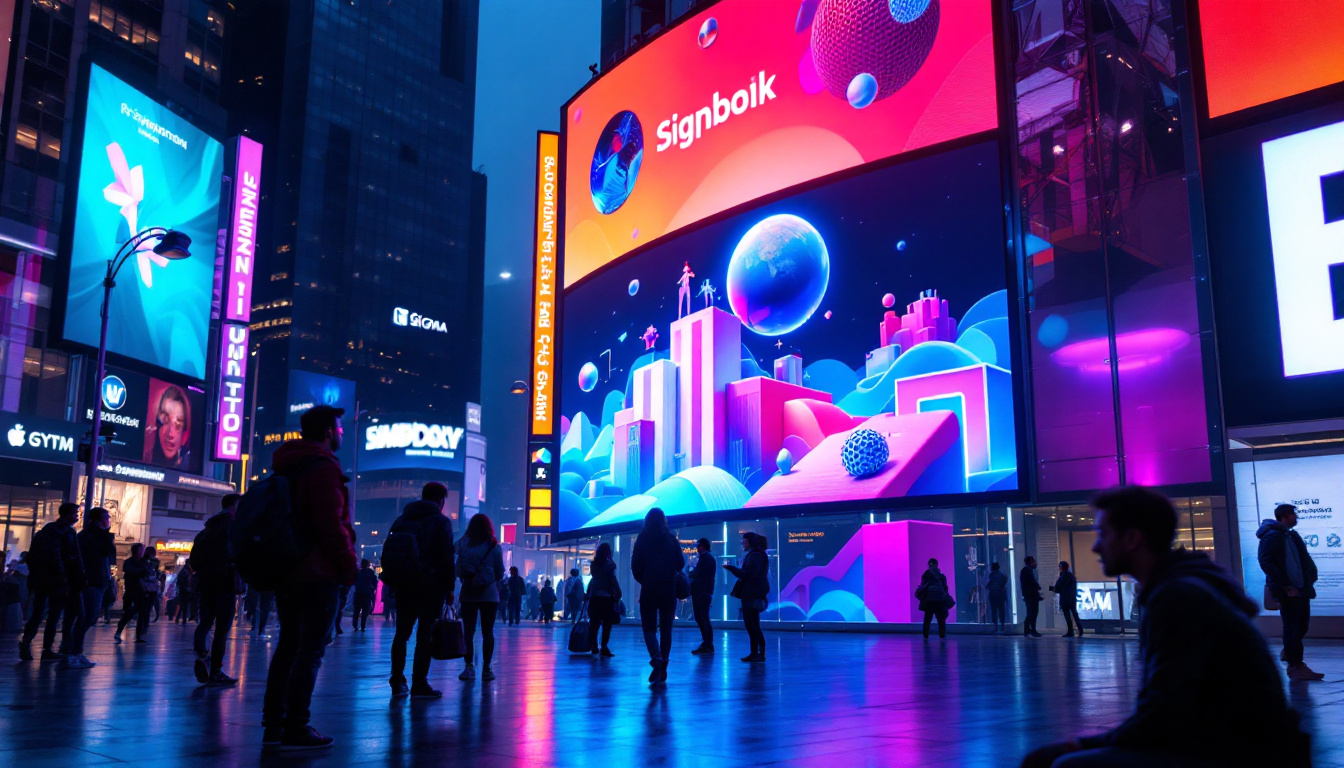
Beyond traditional lighting, LED panels are increasingly used for external digital signage on vehicles, especially in commercial or emergency vehicles. These panels can display messages, warnings, or advertisements dynamically, adapting to different contexts and audiences.
For instance, public transport buses may use LED panels to show route information, while emergency vehicles can display urgent warnings or instructions. This dynamic communication enhances safety and information dissemination on the road. Furthermore, the integration of LED panels with GPS technology allows for real-time updates, such as rerouting information or service alerts, which can be crucial in emergency situations.
In the realm of advertising, fleet vehicles equipped with LED panels can serve as mobile billboards, displaying targeted messages based on location and time of day. This not only maximizes the utility of the vehicle but also provides businesses with a flexible marketing tool that can reach diverse audiences in various settings, from urban centers to suburban neighborhoods.
Benefits of Using LED Panels in Cars
Energy Efficiency and Longevity
One of the primary advantages of LED panels over traditional lighting is their energy efficiency. LEDs consume significantly less power while providing equal or superior brightness. This efficiency translates into reduced load on the vehicle’s electrical system and can contribute to better fuel economy or extended battery life in electric vehicles (EVs).
Moreover, LEDs have a longer lifespan, often exceeding 25,000 to 50,000 hours of operation. This durability reduces maintenance costs and the frequency of replacements, making LED panels a cost-effective choice over the vehicle’s lifetime.
Enhanced Safety and Visibility
LED panels offer superior brightness and faster response times compared to incandescent bulbs. For example, brake lights using LED panels illuminate almost instantly, giving drivers behind more time to react and potentially preventing collisions.
Additionally, the ability to create adaptive lighting patterns improves visibility in various driving conditions. LED matrix headlights can adjust their beam patterns automatically to avoid glare, while dynamic turn signals and warning displays increase communication clarity on the road.
Design Flexibility and Customization
Automakers and aftermarket suppliers benefit from the compact size and versatility of LED panels. These panels can be shaped, sized, and programmed to fit diverse design requirements, enabling innovative lighting signatures and interior ambiance options.
Customization extends to color temperature, brightness levels, and dynamic effects, allowing vehicles to stand out visually and cater to individual driver preferences. This flexibility supports branding efforts and enhances user experience.
Considerations When Choosing LED Panels for Cars
Compatibility and Installation
When selecting LED panels for automotive use, compatibility with the vehicle’s electrical system and physical dimensions is crucial. Improper installation can lead to electrical issues, reduced performance, or even damage to the vehicle’s wiring.
Professional installation is often recommended, especially for complex LED panels integrated with vehicle control systems. Additionally, ensuring that the LED panels meet relevant automotive standards and regulations is essential for safety and legal compliance.
Cost and Quality Factors
While LED panels offer long-term savings through efficiency and durability, the initial cost can be higher than traditional lighting solutions. It is important to balance upfront investment with expected benefits, considering factors such as brand reputation, warranty, and product reviews.
High-quality LED panels use superior materials and components that ensure consistent brightness, color accuracy, and resistance to environmental factors like moisture and temperature fluctuations. Investing in reputable products reduces the risk of premature failure and maintenance costs.
Legal and Regulatory Compliance
Automotive lighting is subject to strict regulations that vary by country and region. LED panels used for external lighting must comply with standards governing brightness, color, positioning, and functionality to ensure road safety.
Before installing aftermarket LED panels, vehicle owners should verify that the products are certified and legal for use in their jurisdiction. Non-compliant lighting can result in fines, vehicle inspection failures, or insurance complications.
The Future of LED Panels in Automotive Technology
Integration with Smart and Autonomous Systems
As vehicles become smarter and autonomous driving technologies advance, LED panels are expected to play a pivotal role in vehicle-to-vehicle (V2V) and vehicle-to-infrastructure (V2I) communication. Dynamic LED displays can convey real-time information to pedestrians, other drivers, and traffic management systems.
For example, autonomous vehicles might use LED panels to signal intentions, such as yielding or stopping, enhancing safety and trust in mixed traffic environments. This integration will require sophisticated control systems and standardized communication protocols.
Advancements in LED Panel Technology
Emerging innovations such as micro-LED and OLED technologies promise even greater resolution, flexibility, and energy efficiency for automotive displays. These technologies enable thinner, more curved panels with superior color reproduction and contrast ratios.
Future LED panels may incorporate touch sensitivity, haptic feedback, or augmented reality features, further transforming the way drivers and passengers interact with their vehicles.
Conclusion
LED panels for cars represent a significant leap forward in automotive lighting and display technology. Their energy efficiency, longevity, safety benefits, and design flexibility make them an attractive choice for both manufacturers and consumers. Whether enhancing exterior lighting, enriching interior ambiance, or enabling dynamic communication, LED panels are shaping the future of automotive innovation.
As technology continues to evolve, the integration of LED panels with smart vehicle systems and emerging display technologies will unlock new possibilities for safety, comfort, and connectivity on the road. For anyone interested in modern automotive lighting solutions, understanding LED panels is essential to appreciating the ongoing transformation in vehicle design and functionality.
Discover the Future of Automotive Lighting with LumenMatrix
Ready to elevate your vehicle’s lighting and display capabilities? Embrace the innovation and expertise of LumenMatrix, a leader in LED display technology. Our comprehensive range of solutions, from Vehicle LED Displays to Custom LED Displays, is designed to transform your driving experience and vehicle branding. Experience the pinnacle of energy efficiency, safety, and design with our advanced LED display modules. Check out LumenMatrix LED Display Solutions today and join the revolution in visual communication.