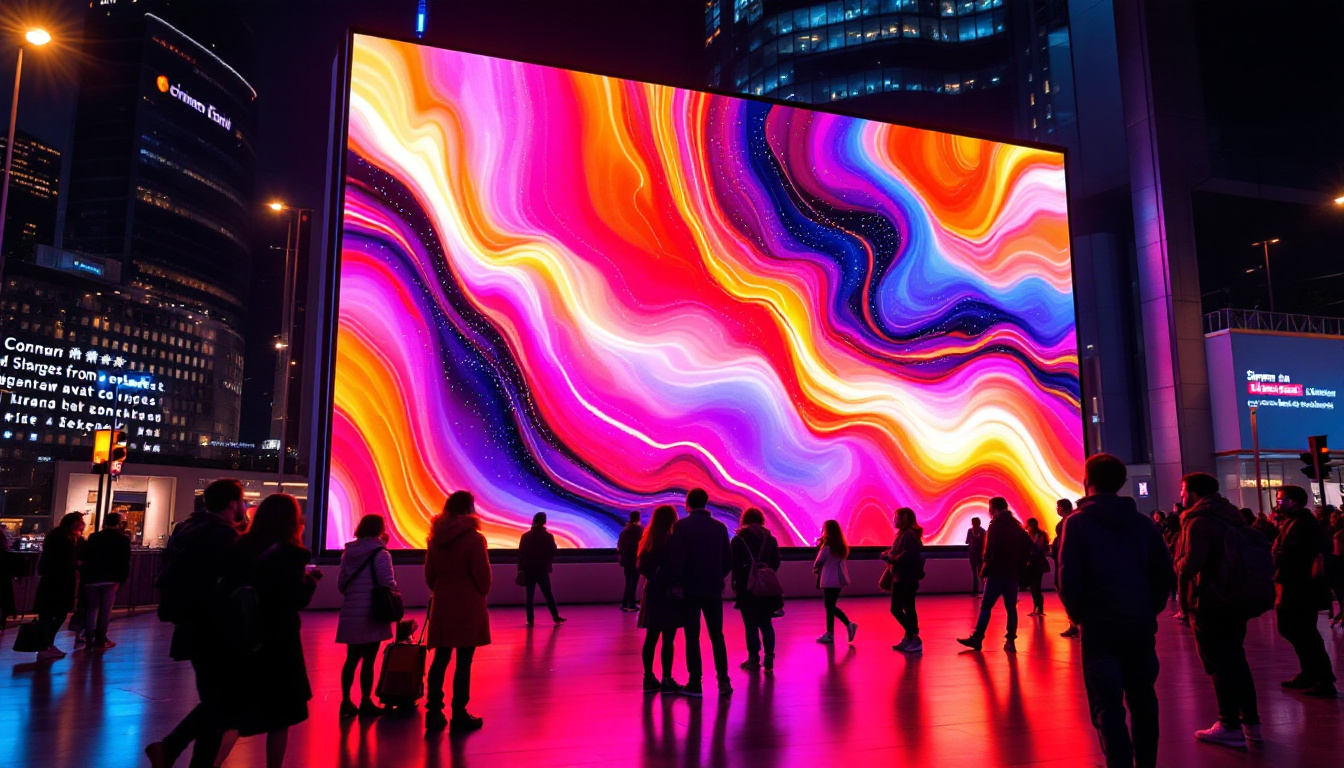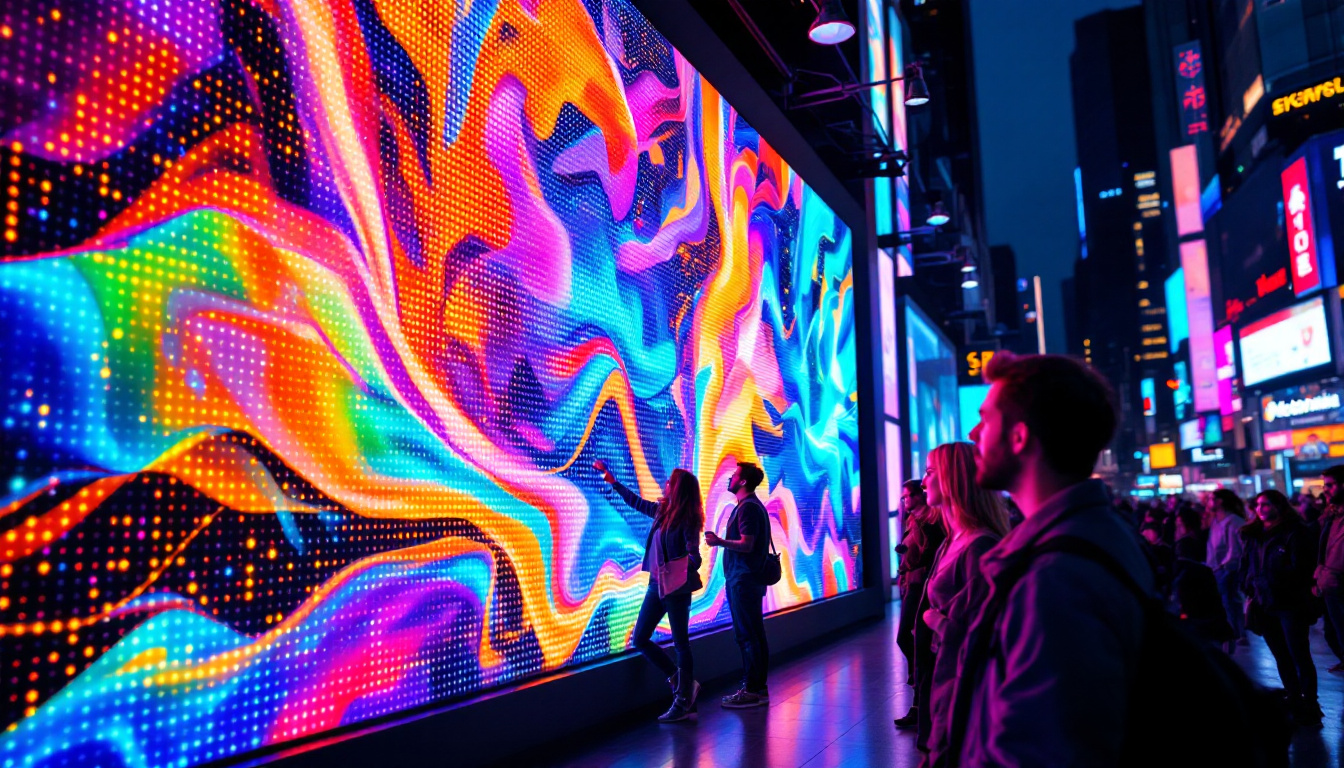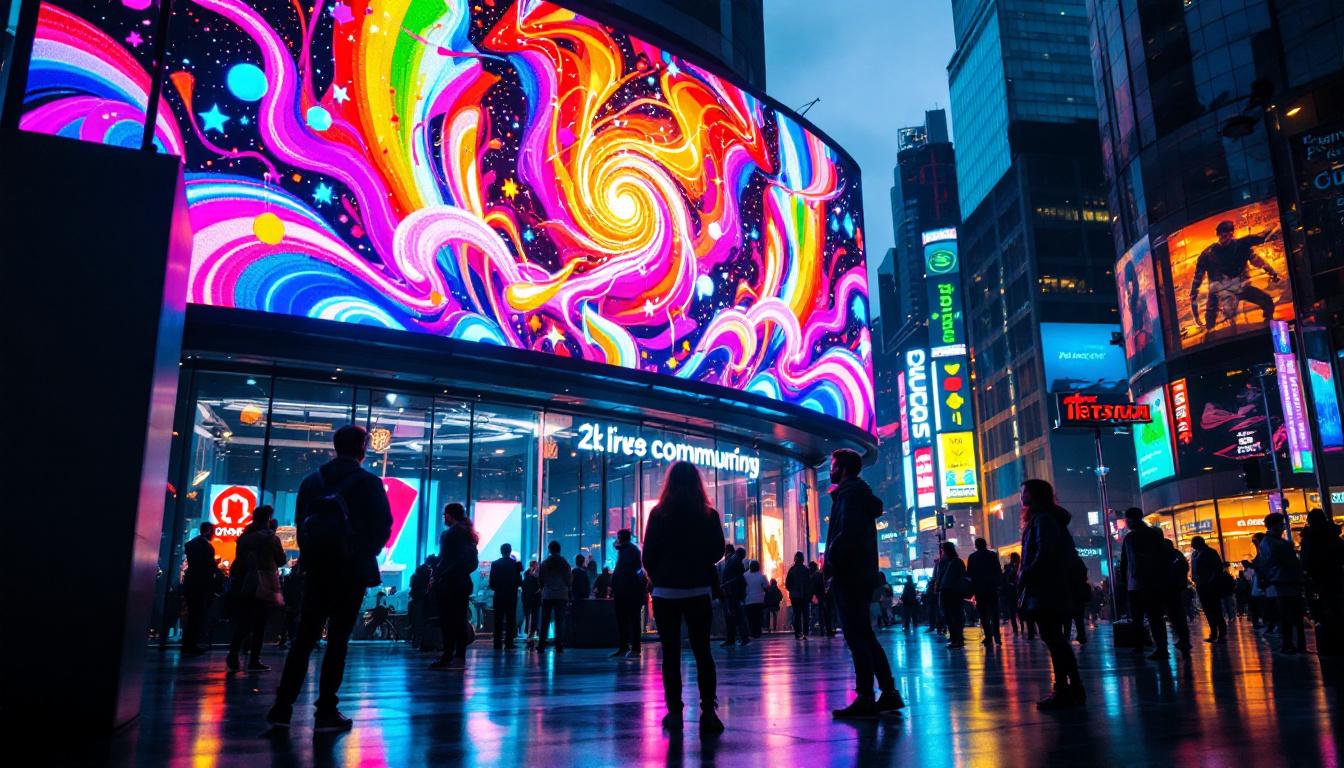
In today’s fast-paced world, capturing attention quickly and effectively is paramount for businesses, advertisers, and public institutions alike. LED displays have revolutionized the way messages are communicated, offering vibrant visuals, dynamic content, and unparalleled visibility. This article delves into the world of LED signage manufacturers, exploring the technology behind LED displays, their applications, and what distinguishes top manufacturers in this competitive industry.
Understanding LED Display Technology
What is an LED Display?
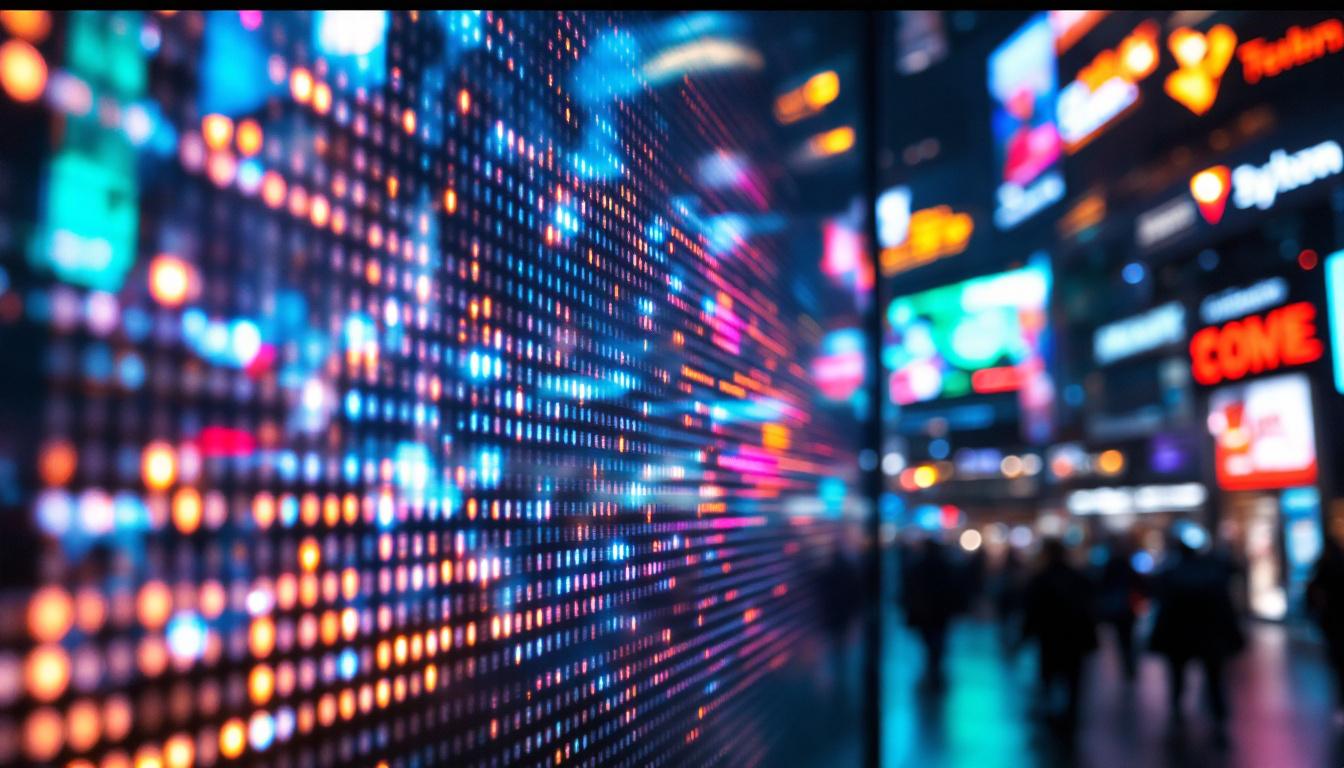
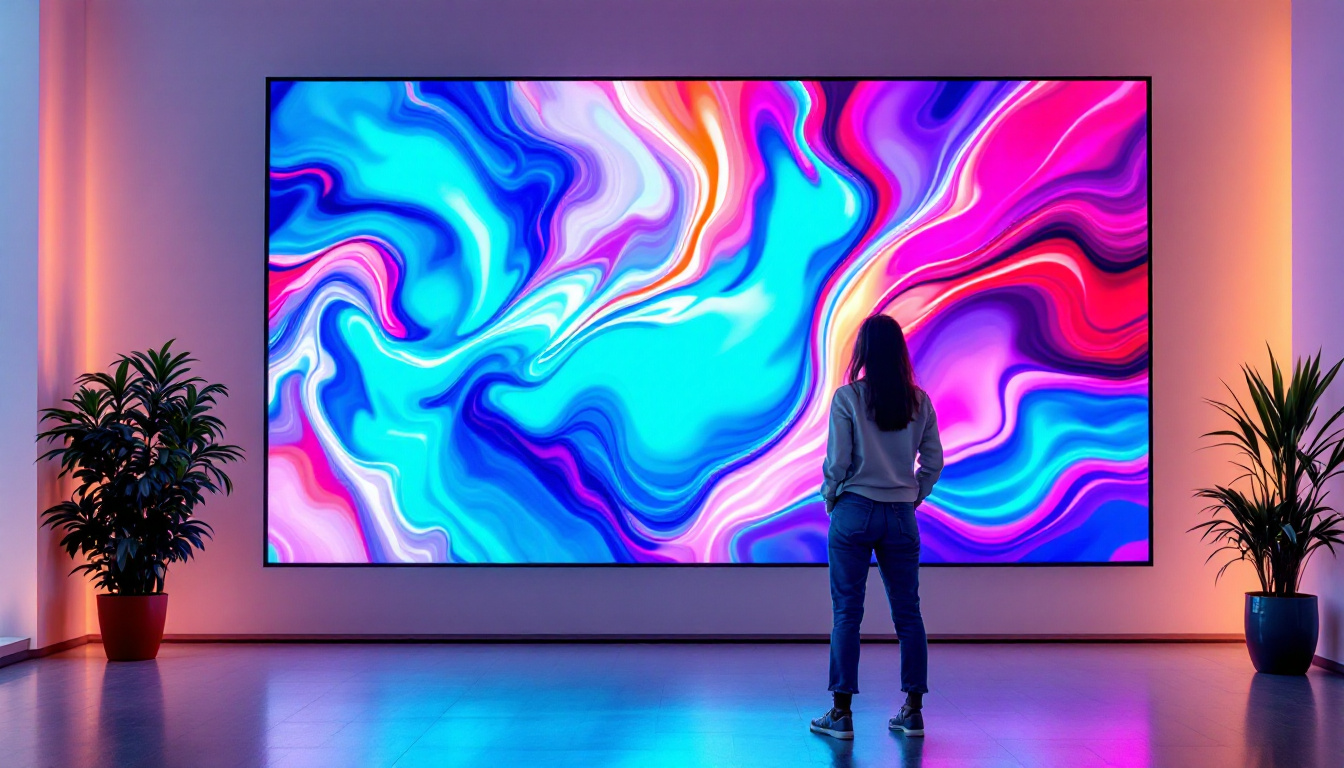
LED stands for Light Emitting Diode, a semiconductor device that emits light when an electric current passes through it. An LED display is a flat panel that uses an array of these tiny LEDs to create images, videos, or text. The LEDs are arranged in a grid, and by controlling the brightness and color of each diode, the display can produce vivid, high-resolution visuals.
Unlike traditional display technologies such as LCD or plasma, LED displays offer superior brightness, energy efficiency, and longevity. This makes them particularly well-suited for outdoor signage, where visibility under direct sunlight is crucial. Additionally, LED displays can be easily customized in terms of size and shape, allowing for creative installations that can fit various architectural designs. This adaptability has led to their widespread use in advertising, sports arenas, and public information systems, where dynamic content can engage audiences effectively.
Types of LED Displays
LED displays come in various forms, each tailored to specific needs and environments. The most common types include:
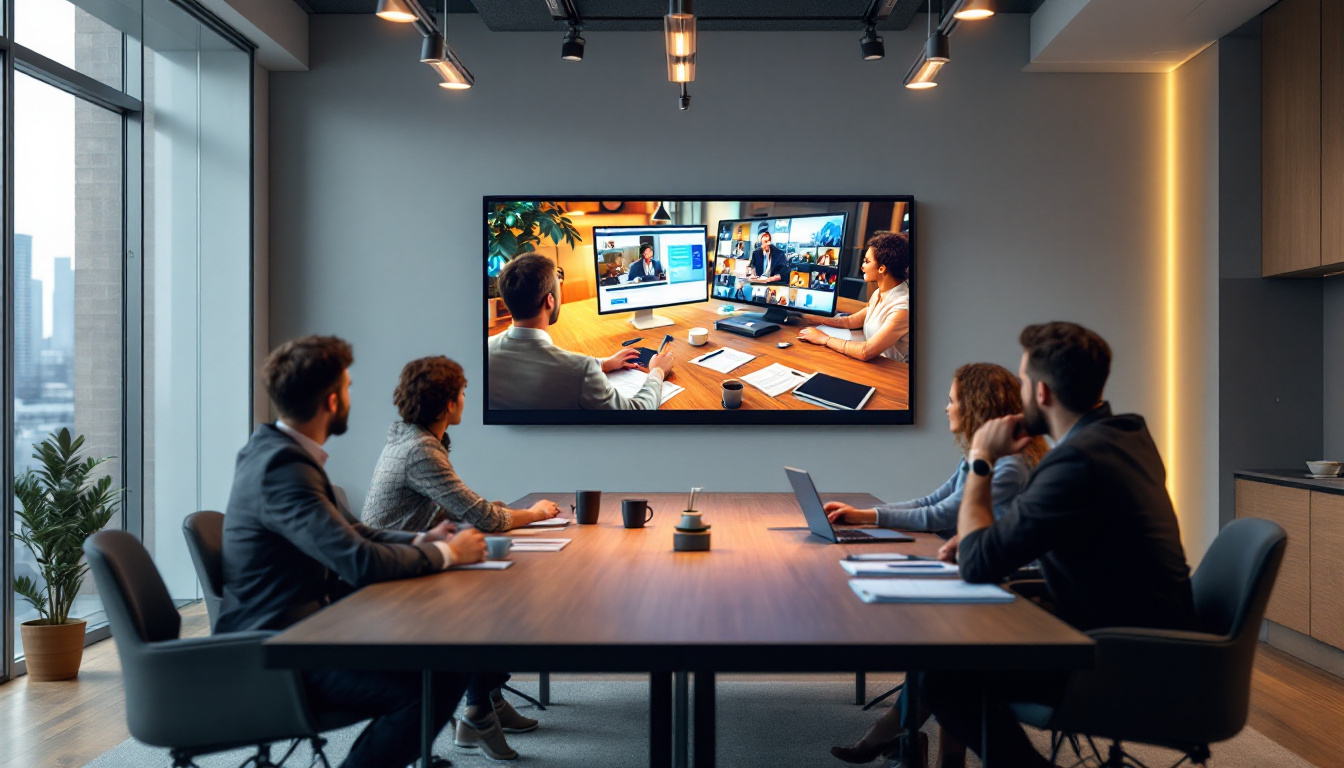
- Indoor LED Displays: Designed for controlled lighting environments like shopping malls, conference rooms, and retail stores. These displays have higher pixel density for sharper images at close viewing distances.
- Outdoor LED Displays: Built to withstand weather conditions such as rain, wind, and extreme temperatures. They feature higher brightness levels, often exceeding 5,000 nits, to remain visible in direct sunlight.
- Flexible and Transparent LED Displays: Innovative forms that allow for curved surfaces or see-through applications, ideal for architectural integration and creative advertising.
Another emerging type is the MicroLED Display, which utilizes microscopic LEDs to create even more detailed images with better contrast ratios and color accuracy. This technology is becoming popular in high-end consumer electronics and large-scale installations, providing a seamless viewing experience without the bezels that can interrupt visual continuity. Furthermore, advancements in OLED (Organic Light Emitting Diode) technology, a close relative to LED, are also influencing the market, offering deeper blacks and wider viewing angles, which can complement LED displays in specific applications.
Key Components of LED Displays
Understanding the components helps appreciate the complexity and quality differences among manufacturers:
- LED Modules: These are the building blocks of the display, containing multiple LEDs arranged in a matrix.
- Driver ICs: Integrated circuits that control the LEDs’ brightness and color.
- Power Supply Units: Ensure stable and efficient power delivery to the LEDs.
- Control System: Hardware and software that manage the content displayed, including real-time updates and scheduling.
- Cabinet Structure: The physical frame that houses the modules, designed for durability and ease of maintenance.
Moreover, the heat dissipation system is a crucial component that is often overlooked. As LEDs generate heat during operation, effective thermal management ensures that the display maintains optimal performance and longevity. This can include heat sinks or active cooling systems that help regulate temperature, especially in high-brightness outdoor displays. Additionally, the pixel pitch, which refers to the distance between the centers of two adjacent pixels, plays a significant role in determining the display’s resolution and viewing distance. A smaller pixel pitch allows for higher resolution and is ideal for close-up viewing, while larger pitches are suitable for larger audiences viewing from a distance.
The Role of LED Signage Manufacturers
From Design to Delivery
LED signage manufacturers are responsible for the entire lifecycle of an LED display—from initial design and engineering to manufacturing, installation, and after-sales support. Their expertise determines the quality, reliability, and performance of the final product.
Leading manufacturers invest heavily in research and development to innovate in areas like pixel pitch reduction (which increases resolution), energy efficiency, and smart connectivity. They also comply with international standards for safety and environmental impact, ensuring their products meet global market requirements.
Customization and Scalability
One of the key advantages of working with reputable LED signage manufacturers is the ability to customize displays to specific client needs. Whether it’s a giant stadium screen measuring hundreds of square meters or a compact indoor menu board, manufacturers tailor pixel density, size, brightness, and software capabilities accordingly.
Scalability is another critical factor. Businesses may start with a small installation and expand over time. Manufacturers provide modular designs that allow seamless integration of additional panels without compromising image quality or system stability.
Quality Assurance and Certifications
Quality assurance is paramount in LED display manufacturing. Top manufacturers implement rigorous testing protocols, including:
- Burn-in Testing: Running the display continuously for extended periods to identify early failures.
- Environmental Testing: Simulating extreme weather conditions to ensure durability.
- Color Calibration: Ensuring uniform color reproduction across the entire display.
Certifications such as CE, RoHS, UL, and FCC demonstrate compliance with safety, environmental, and electromagnetic compatibility standards. These certifications are crucial for customers seeking reliable and legally compliant LED signage solutions.
Applications of LED Displays Across Industries
Advertising and Marketing
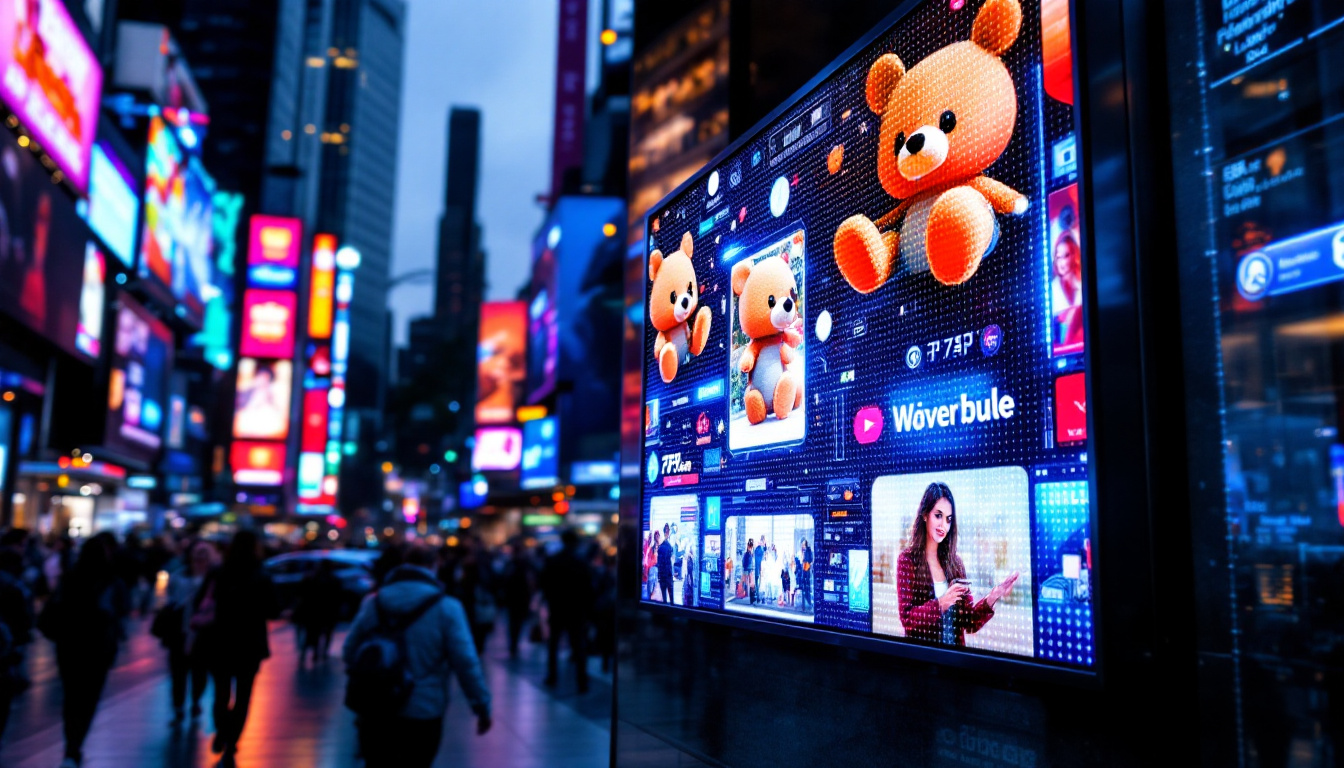
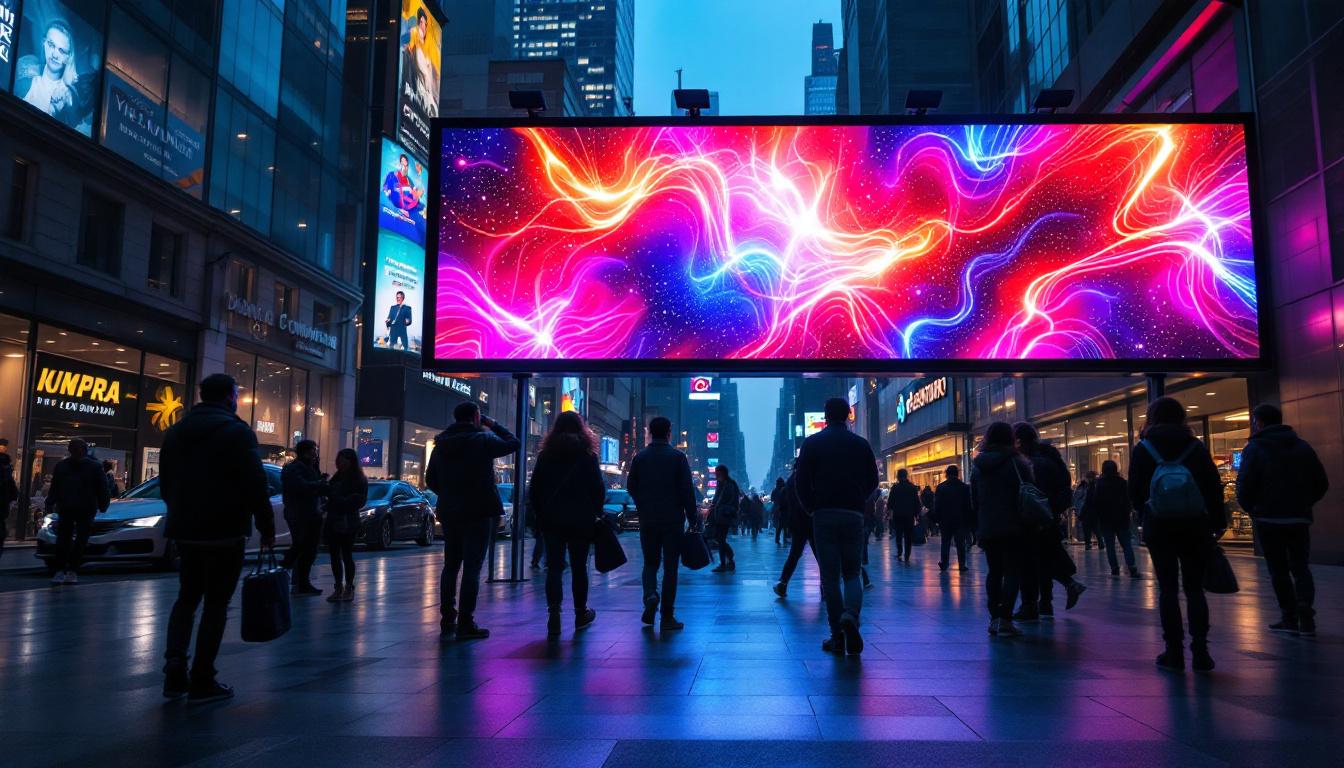
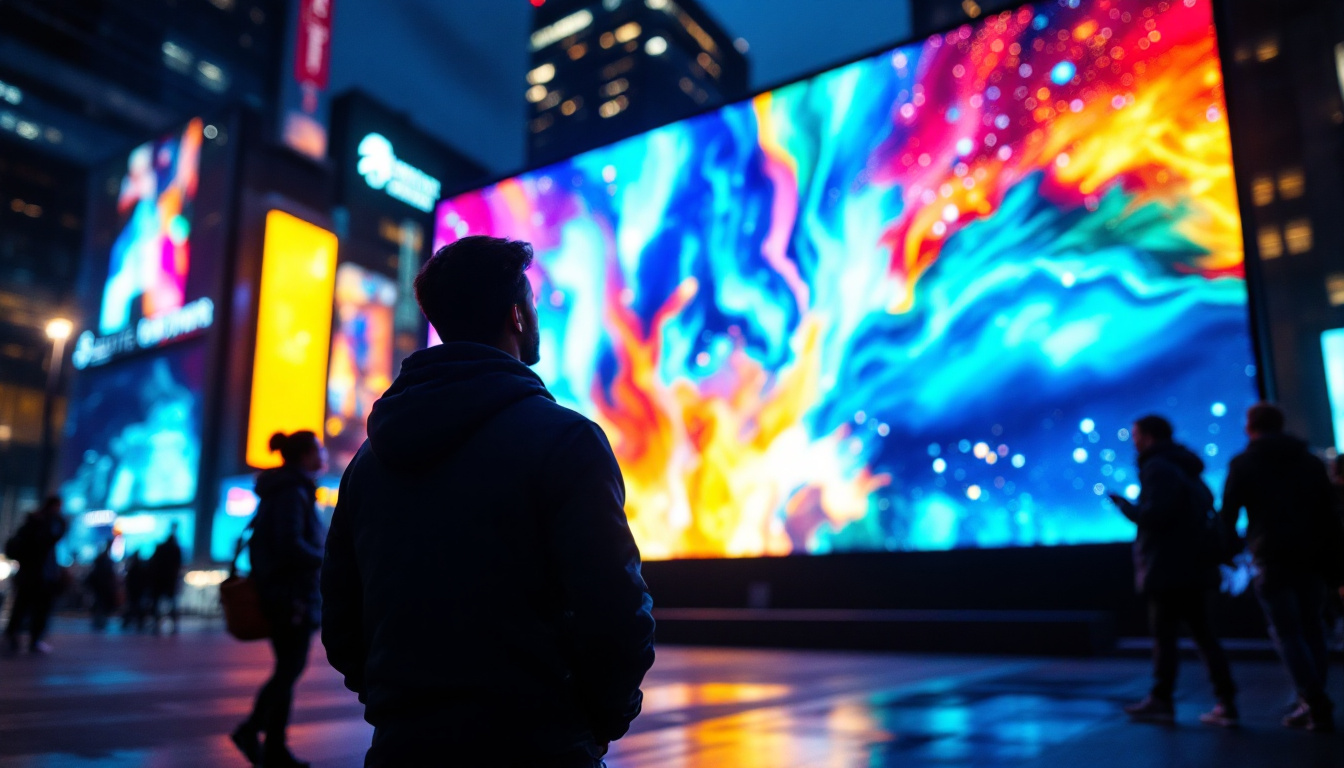
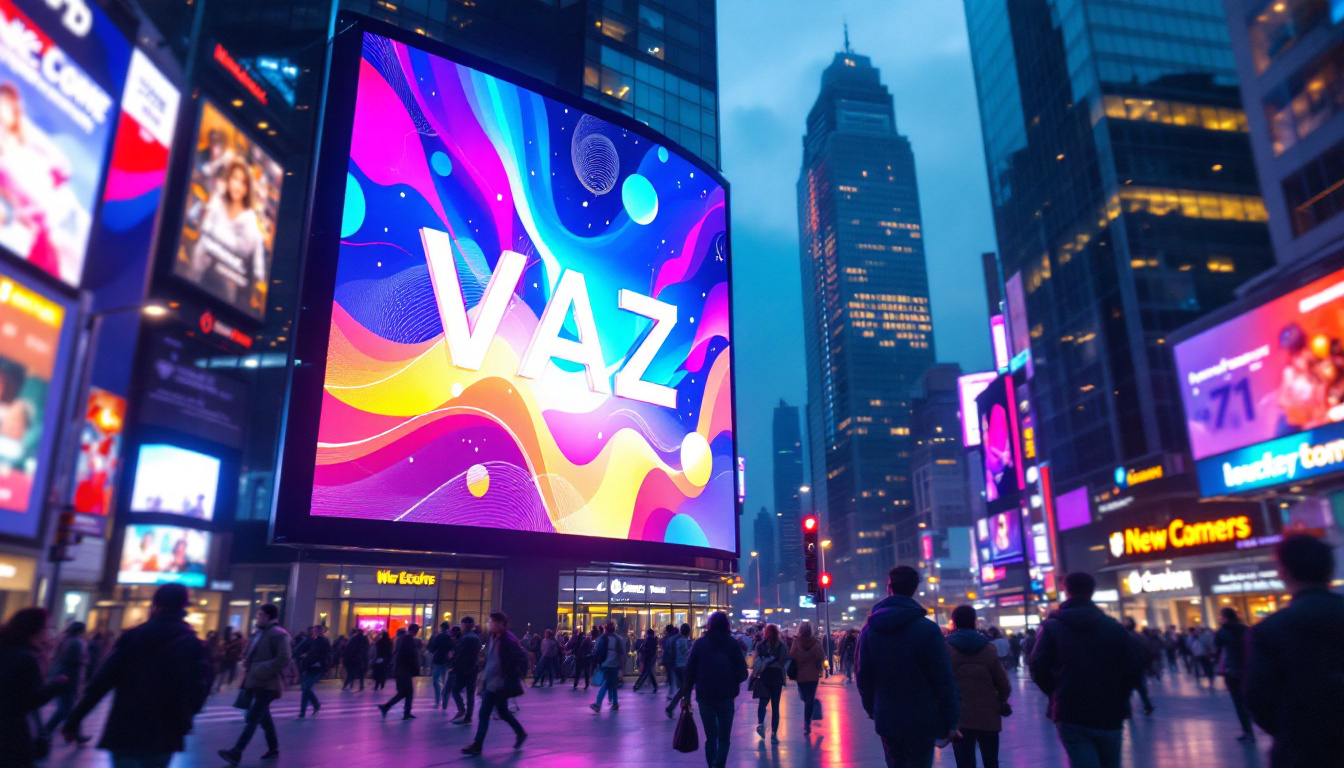
LED signage has become a staple in the advertising industry. Its ability to display dynamic, eye-catching content makes it a powerful tool for brand promotion and customer engagement. Times Square in New York City, often dubbed the “Crossroads of the World,” is a prime example where massive LED billboards captivate millions daily.
Moreover, LED displays allow for real-time content updates, enabling marketers to tailor messages based on time of day, audience demographics, or special events. This flexibility enhances campaign effectiveness and return on investment.
Sports and Entertainment Venues
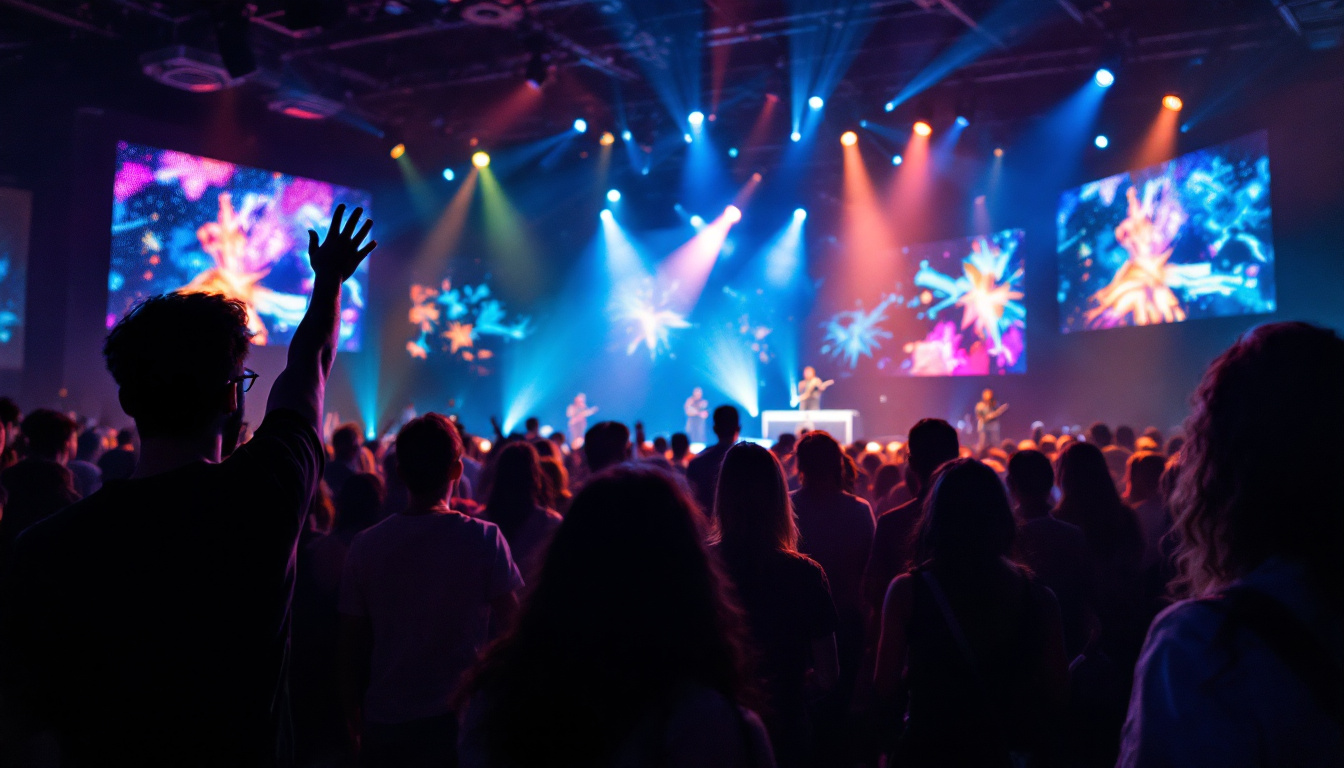
Stadiums and arenas utilize large-scale LED displays to enhance the spectator experience. These screens provide live game footage, instant replays, advertisements, and interactive content. The clarity and brightness of LED technology ensure visibility even in daylight or under stadium lighting.
Manufacturers often collaborate with venue operators to design custom solutions that integrate seamlessly with existing infrastructure and broadcast systems.
Transportation and Public Information
LED displays are widely used in airports, train stations, and bus terminals to provide real-time information such as arrivals, departures, delays, and safety announcements. Their high visibility and reliability are critical for passenger convenience and safety.
Additionally, digital road signs and traffic management systems employ LED technology to convey important messages to drivers, contributing to smoother traffic flow and accident prevention.
Retail and Hospitality
Retailers leverage LED displays for digital signage, promotional displays, and interactive kiosks. The ability to quickly update content helps stores respond to trends, promotions, and customer preferences.
In hotels and restaurants, LED signage enhances ambiance and provides wayfinding assistance, improving overall guest experience.
Choosing the Right LED Signage Manufacturer
Evaluating Manufacturer Expertise
When selecting an LED signage manufacturer, it’s essential to assess their technical expertise and industry experience. Established manufacturers with a proven track record often deliver higher quality products and better customer support.
Look for manufacturers that offer comprehensive services—from consultation and design to installation and maintenance. This end-to-end approach simplifies project management and ensures consistency.
Assessing Product Quality and Innovation
Product quality can be gauged through client testimonials, case studies, and independent reviews. Innovative manufacturers often showcase their latest technologies, such as ultra-fine pixel pitch displays, energy-saving features, and smart connectivity options.
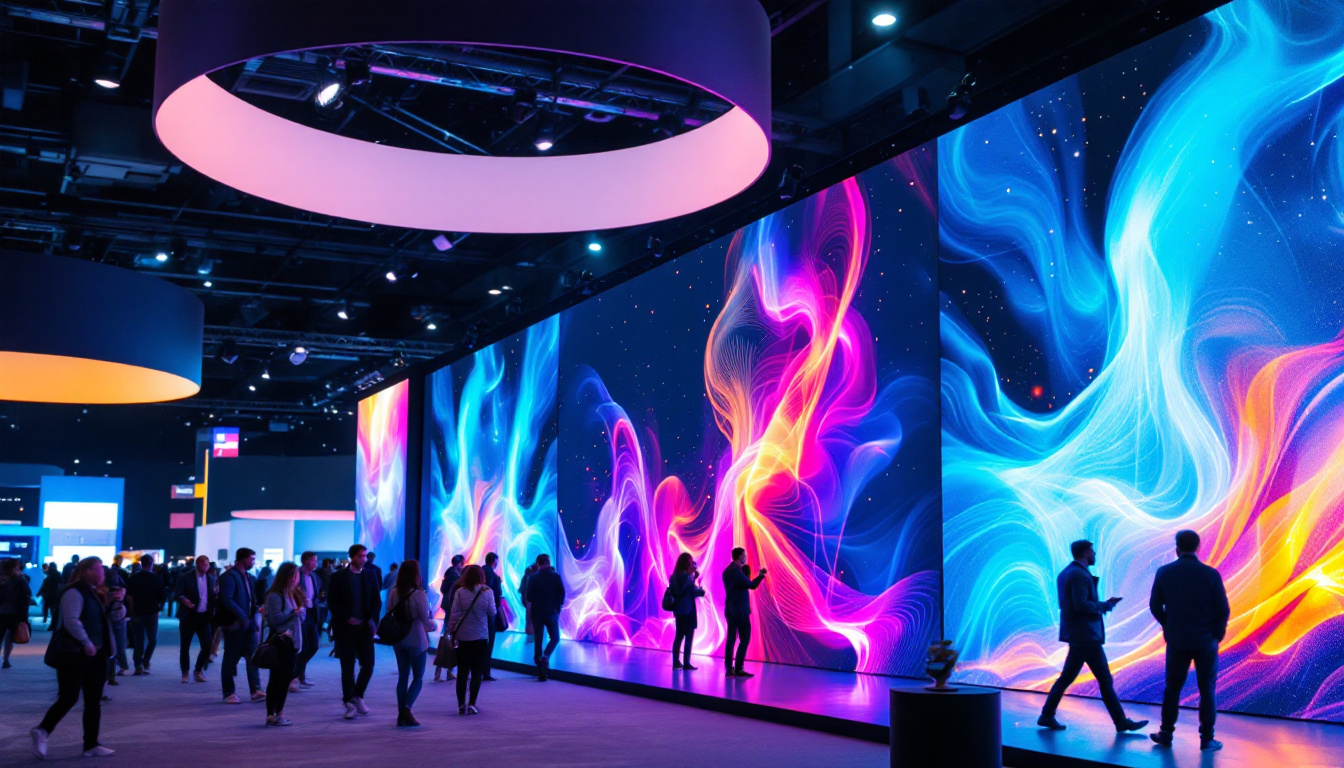
Visiting trade shows and industry events can provide firsthand experience with different manufacturers’ products and technologies.
After-Sales Support and Warranty
Reliable after-sales support is critical for maintaining LED displays, which are often significant investments. Manufacturers that offer comprehensive warranties, technical support, and maintenance services help ensure long-term performance and customer satisfaction.
Consider the availability of local service centers or certified technicians, which can reduce downtime and repair costs.
Future Trends in LED Display Technology
MicroLED and MiniLED Innovations
MicroLED and MiniLED technologies represent the next frontier in LED displays. MicroLEDs are microscopic LEDs that offer exceptional brightness, contrast, and color accuracy, rivaling OLED displays but with greater durability and energy efficiency.
MiniLEDs, slightly larger than MicroLEDs, serve as backlighting for LCD panels, enhancing contrast ratios and HDR performance. These advancements promise to expand LED display applications into new markets such as smartphones, TVs, and augmented reality devices.
Integration with IoT and AI
Smart LED displays integrated with Internet of Things (IoT) sensors and Artificial Intelligence (AI) enable dynamic content adaptation based on environmental factors and audience behavior. For example, a retail LED display might change promotions based on foot traffic or weather conditions.
This level of interactivity and personalization enhances engagement and effectiveness, creating new opportunities for advertisers and businesses.
Sustainability and Energy Efficiency
As environmental concerns grow, manufacturers are focusing on reducing the carbon footprint of LED signage. Innovations include more efficient power supplies, recyclable materials, and designs that minimize light pollution.
Energy-efficient LED displays not only reduce operational costs but also align with corporate social responsibility goals, appealing to environmentally conscious consumers and stakeholders.
Conclusion
LED displays have transformed visual communication across numerous industries, offering unmatched brightness, flexibility, and durability. The role of LED signage manufacturers is critical in delivering high-quality, customized solutions that meet diverse client needs and environmental challenges.
By understanding the technology, applications, and key factors in choosing the right manufacturer, businesses and organizations can leverage LED signage to enhance visibility, engagement, and operational efficiency. With ongoing innovations such as MicroLED, AI integration, and sustainability initiatives, the future of LED displays promises even greater impact and opportunity.
Discover LumenMatrix’s Innovative LED Solutions
Ready to elevate your visual communication with cutting-edge LED technology? Look no further than LumenMatrix, a leader in crafting immersive LED display modules tailored to your unique needs. From vibrant Indoor and Outdoor LED Wall Displays to dynamic Vehicle and Sports LED Displays, and even customizable Transparent and All-in-One solutions, LumenMatrix is at the forefront of innovation. Embrace the future of digital signage and create unforgettable visual experiences that captivate your audience. Check out LumenMatrix LED Display Solutions today and transform your brand’s visibility with precision and flair.