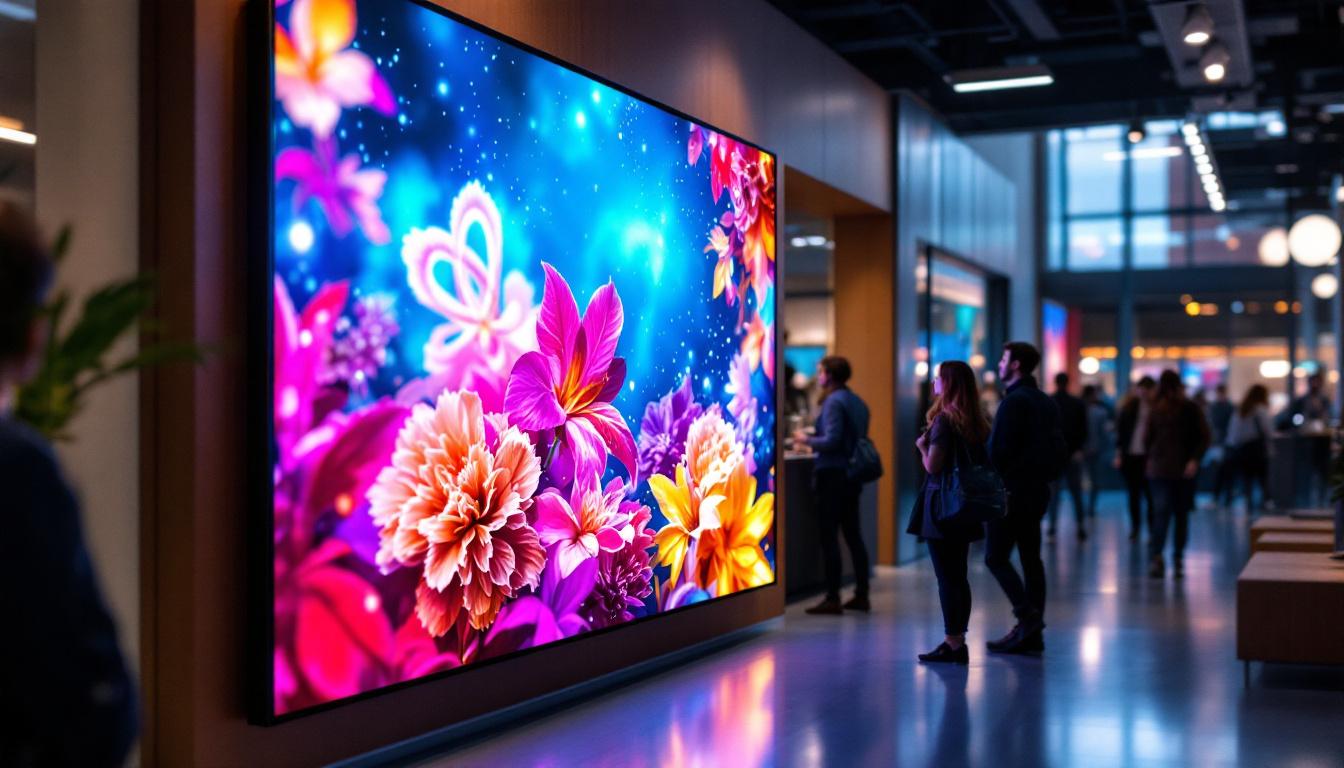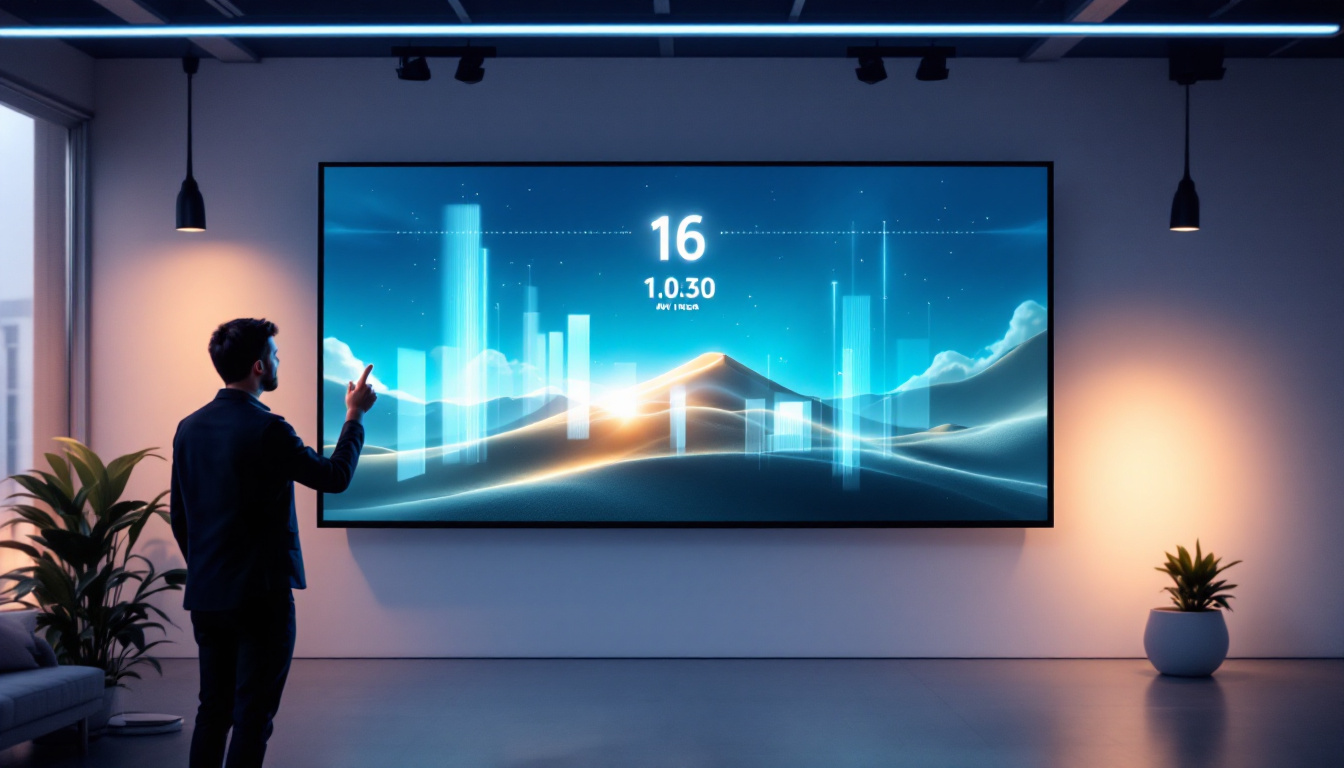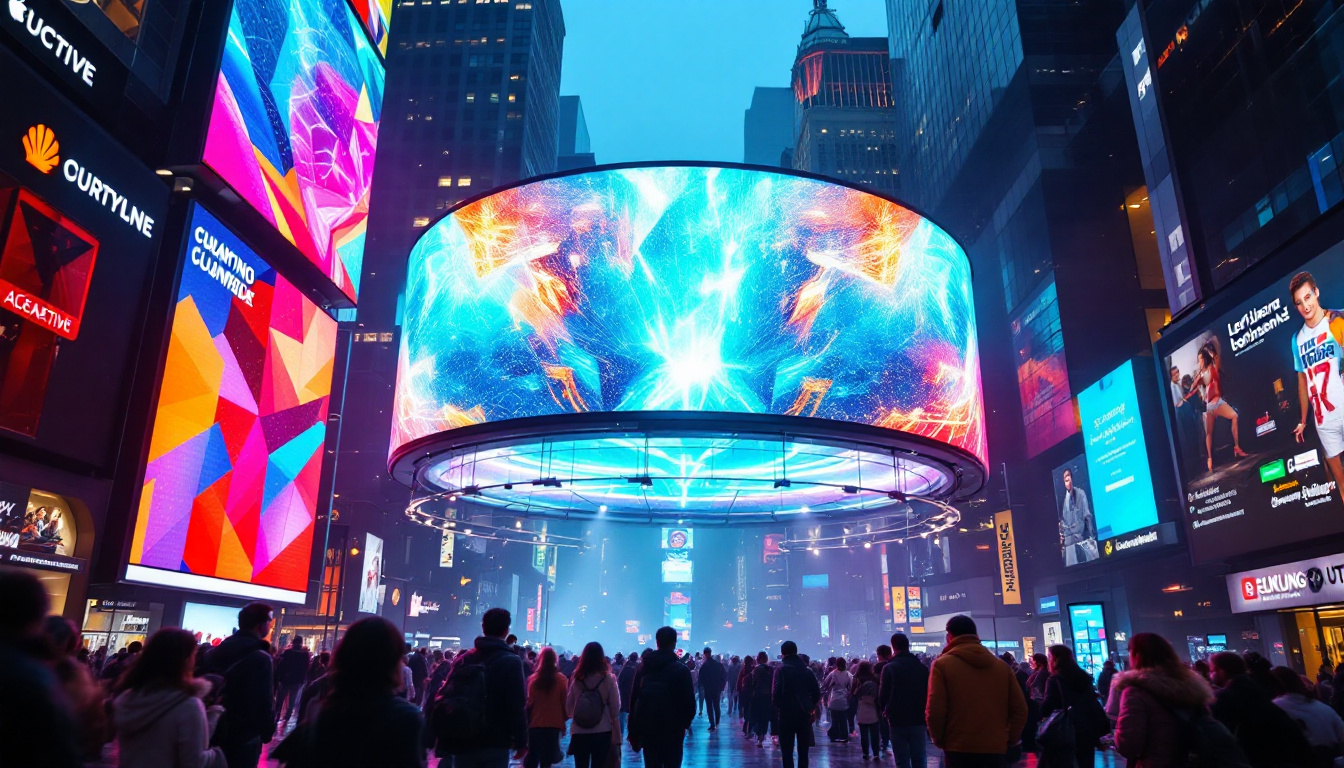
In the rapidly evolving world of digital displays, the ultra transparent LED screen has emerged as a groundbreaking technology, redefining how brands, architects, and designers communicate visually. Unlike traditional LED screens that are opaque and bulky, ultra transparent LED screens offer a unique blend of high brightness, clarity, and see-through transparency, making them ideal for a wide range of applications from retail windows to large-scale architectural installations.
This article delves into the technology behind ultra transparent LED screens, explores their benefits and applications, and provides insights into why they are becoming a preferred choice for modern digital signage and display solutions.
Understanding Ultra Transparent LED Screens
What Is an Ultra Transparent LED Screen?
Ultra transparent LED screens are a type of LED display that allows light to pass through the screen, creating a see-through effect while simultaneously displaying vibrant digital content. This transparency is achieved by designing the screen with a high pixel pitch and using a minimal amount of LED material, resulting in a screen that can have transparency levels of up to 70-90%.
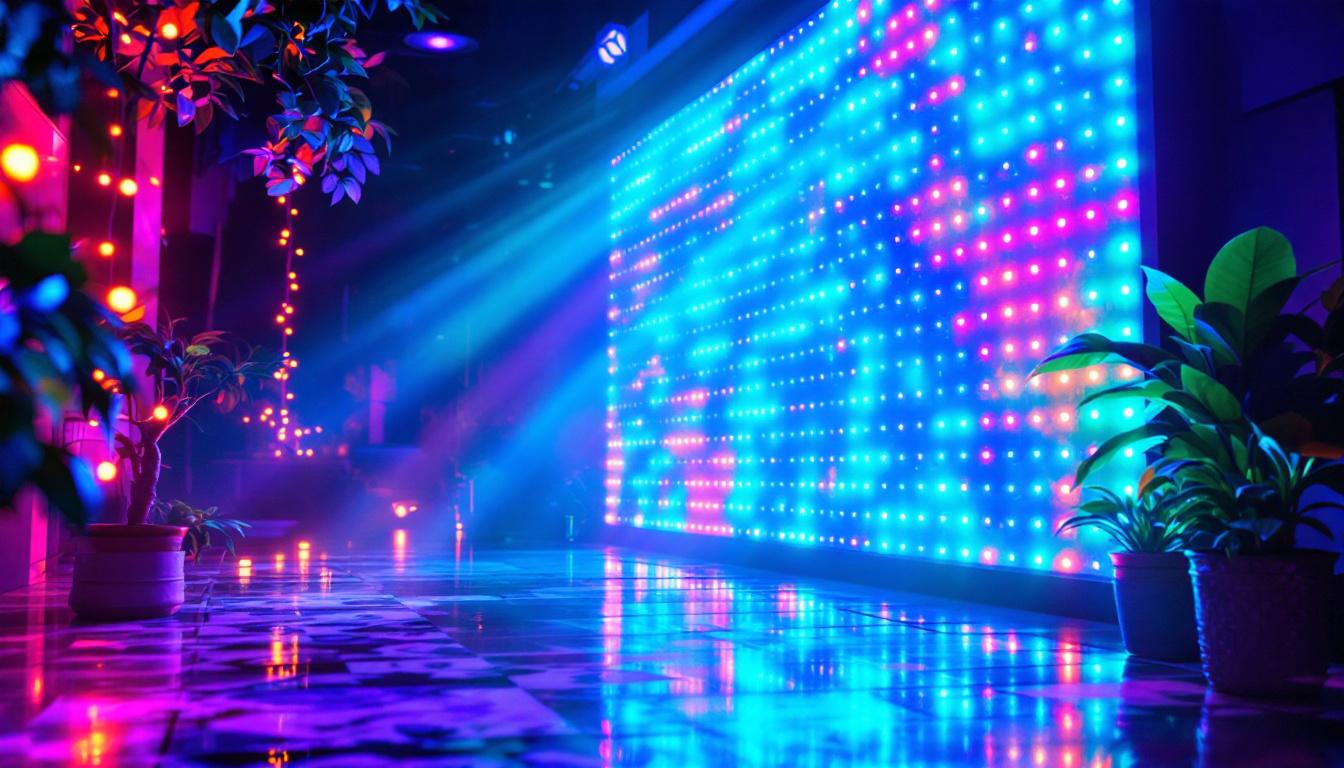
Unlike conventional LED screens that are solid panels, ultra transparent LED screens consist of a mesh-like structure or a grid of LEDs mounted on a transparent substrate such as glass or acrylic. This design allows the screen to blend seamlessly with its surroundings, making it ideal for applications where maintaining visibility through the screen is essential. These screens are particularly popular in retail environments, where they can showcase advertisements while allowing customers to see products behind the display, thus enhancing the shopping experience without obstructing the view.
Furthermore, ultra transparent LED screens are increasingly being integrated into architectural designs, providing a modern aesthetic to buildings and public spaces. Their ability to display dynamic content while maintaining a level of transparency means they can serve as both functional displays and artistic elements, transforming facades into vibrant canvases that engage passersby.
How Does Transparency Work in LED Displays?
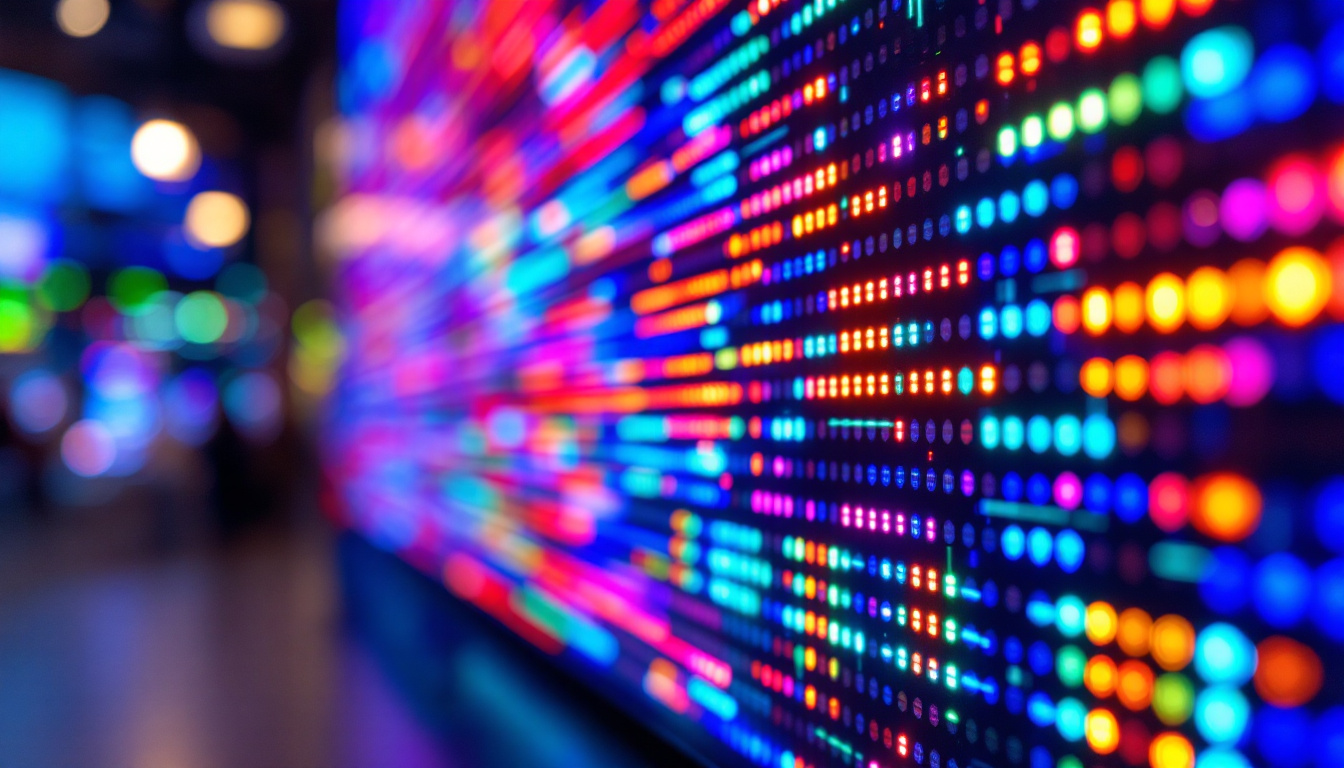
The transparency in these LED displays is primarily a result of the spacing between the LEDs, often referred to as the pixel pitch. A larger pixel pitch means the LEDs are spaced further apart, allowing more light to pass through the gaps. For example, an ultra transparent LED screen with a pixel pitch of 10mm can achieve transparency levels of around 80%, enabling viewers to see through the screen clearly when it is not displaying content.
Additionally, the use of transparent materials for the screen’s substrate and minimal wiring further enhances transparency. Modern manufacturing techniques also ensure that the LEDs themselves are compact and efficient, maintaining brightness and color accuracy despite the open structure. This innovative design allows for a unique interplay of light and digital imagery, where the content can change dynamically while still allowing natural light to filter through. As a result, these screens can create immersive environments that captivate audiences, making them an excellent choice for exhibitions, museums, and high-tech installations.
Moreover, the adaptability of ultra transparent LED screens extends to their functionality. They can be programmed to display various types of content, from promotional videos to interactive interfaces, making them versatile tools for communication and engagement. With advancements in technology, these screens can now be integrated with sensors and cameras, enabling interactive experiences that respond to viewer presence or actions, further blurring the lines between the digital and physical worlds.
Key Advantages of Ultra Transparent LED Screens
High Brightness and Visibility
One of the standout features of ultra transparent LED screens is their exceptional brightness. With brightness levels often exceeding 3,000 nits, these displays remain highly visible even in direct sunlight or brightly lit environments. This makes them perfect for outdoor advertising, retail storefronts, and architectural facades where ambient light can otherwise wash out traditional displays.
Moreover, the high contrast ratio and vibrant color reproduction ensure that digital content is eye-catching and engaging, helping brands capture attention effectively.
Seamless Integration with Architecture
Ultra transparent LED screens are designed to integrate harmoniously with glass surfaces and building facades. Their see-through nature means they do not obstruct natural light or views, preserving the aesthetics and functionality of the underlying architecture.
This feature is particularly valuable for retail stores, museums, and corporate offices that want to combine dynamic digital messaging with an open, airy environment. The screens can be installed on windows, glass walls, or even inside elevator shafts without compromising transparency.
Energy Efficiency and Lightweight Design
Compared to traditional LED displays, ultra transparent screens are generally lighter and consume less power due to the reduced number of LEDs and the use of energy-efficient components. This not only lowers installation and operational costs but also supports sustainability goals, an increasingly important consideration for businesses and urban planners.
Versatility and Customization
These screens can be manufactured in various sizes and shapes, allowing for creative and flexible design solutions. Whether it’s a curved glass facade or a large-scale video wall, ultra transparent LED screens can be tailored to fit the specific dimensions and architectural requirements of a project.
Applications of Ultra Transparent LED Screens
Retail and Commercial Spaces
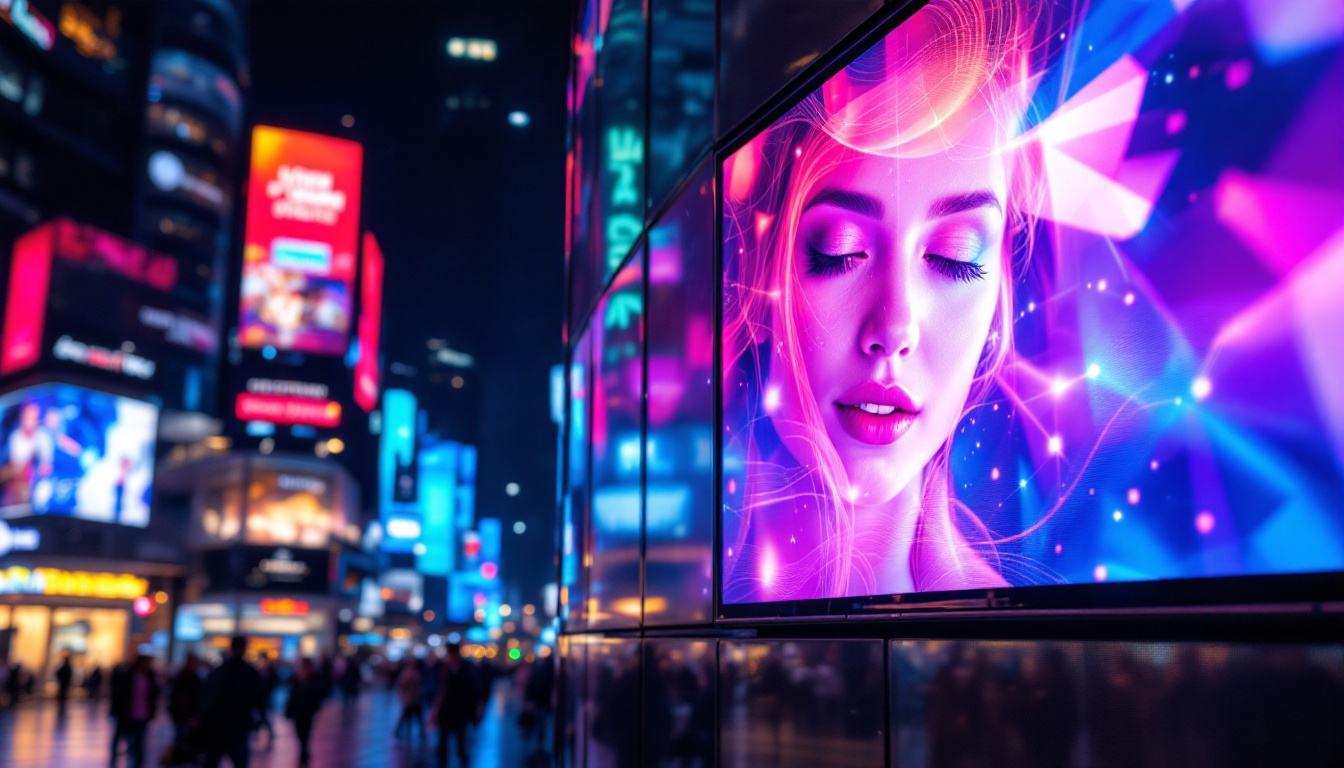
Retailers are among the earliest adopters of ultra transparent LED technology. The ability to display dynamic advertisements, promotions, and interactive content on storefront windows without blocking the view inside the store enhances customer engagement and foot traffic.
For example, luxury brands in high-traffic urban areas use these screens to showcase new collections and brand stories while maintaining an inviting and open storefront. This approach not only attracts attention but also creates a memorable shopping experience.
Architectural and Building Facades
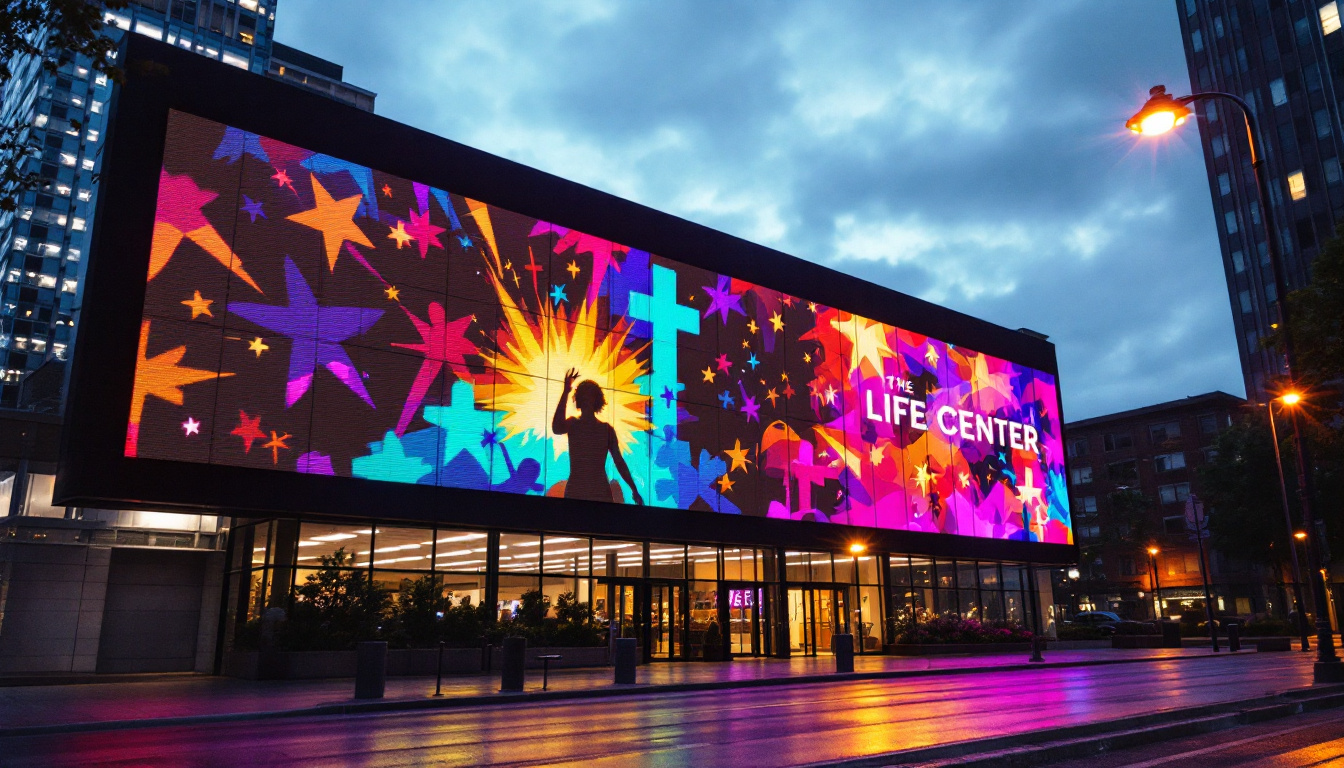
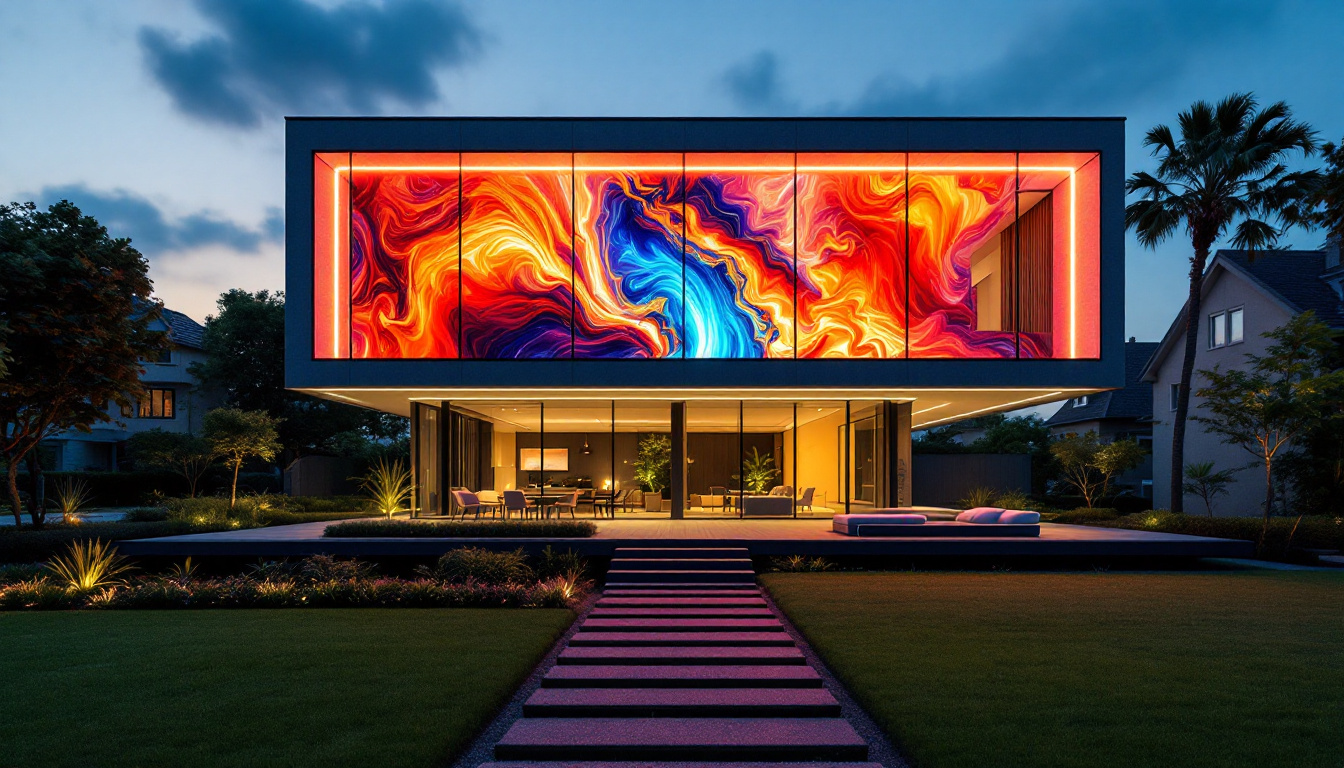
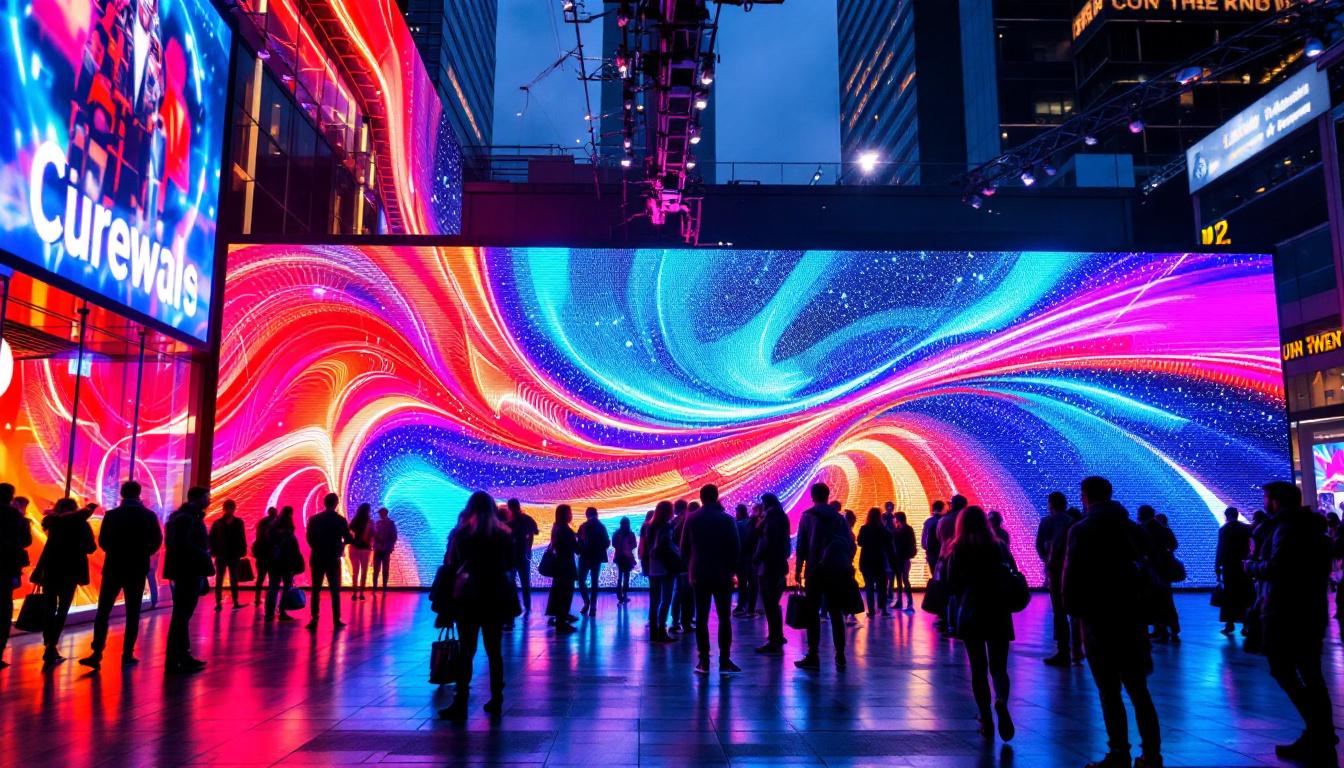
In modern architecture, the integration of digital displays into building facades is becoming increasingly popular. Ultra transparent LED screens enable architects to add digital layers to glass surfaces, transforming buildings into interactive landmarks.
Notable examples include skyscrapers in major cities that use these screens to display art installations, event promotions, or corporate branding without compromising the building’s design or natural lighting. This fusion of technology and architecture adds a new dimension to urban aesthetics.
Events and Exhibitions
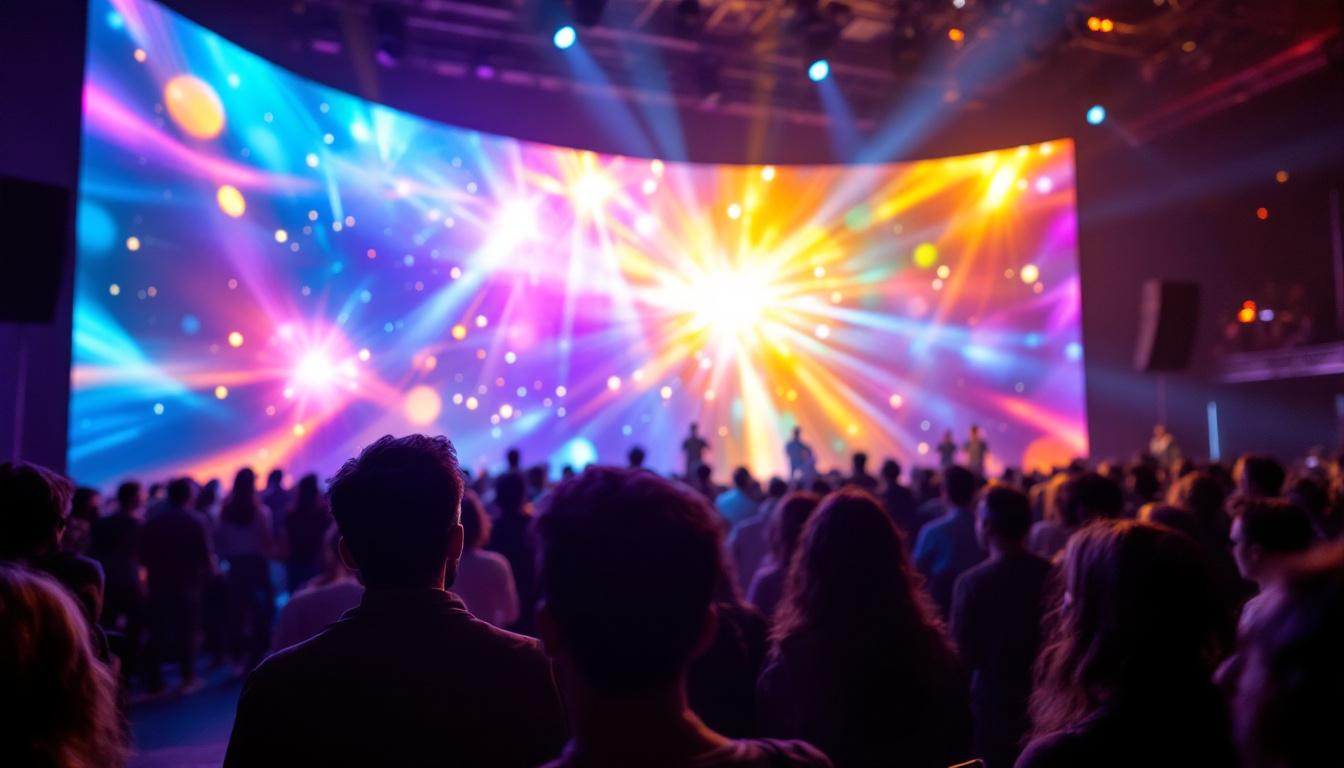
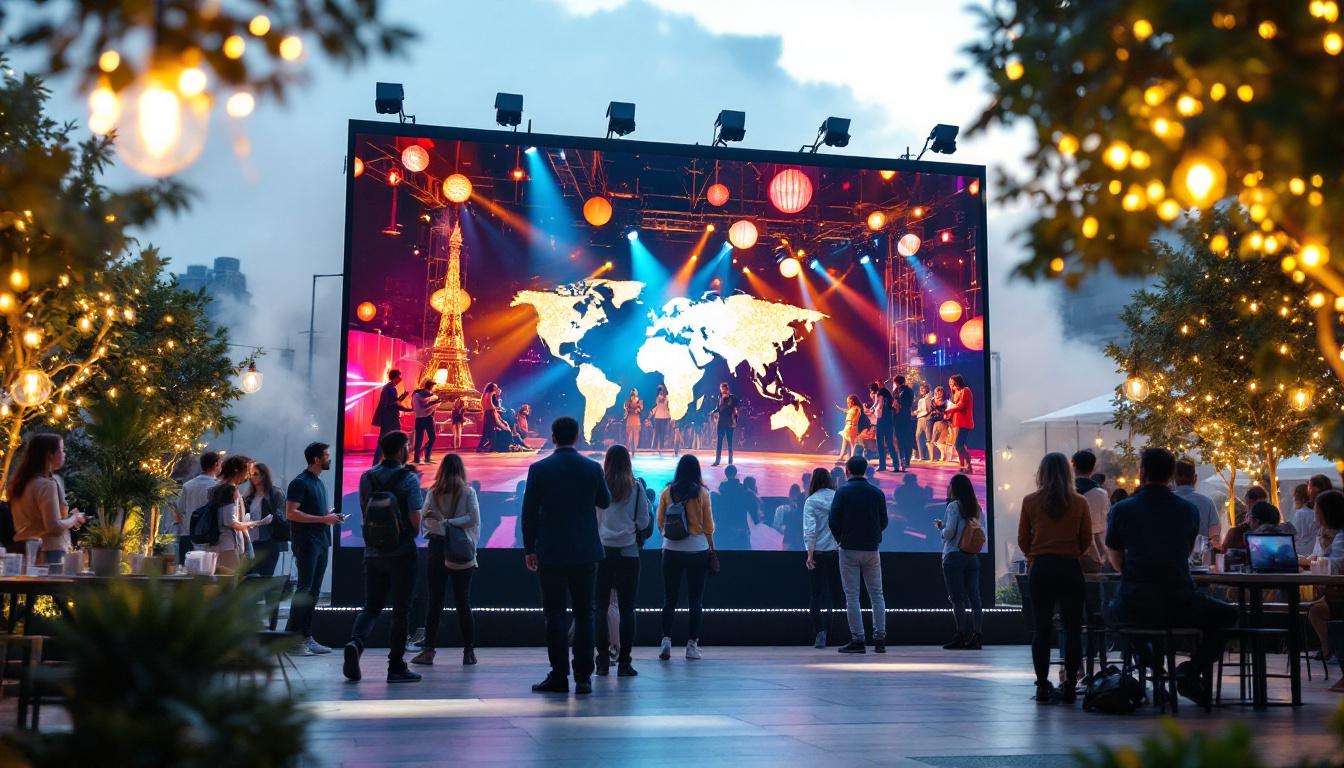
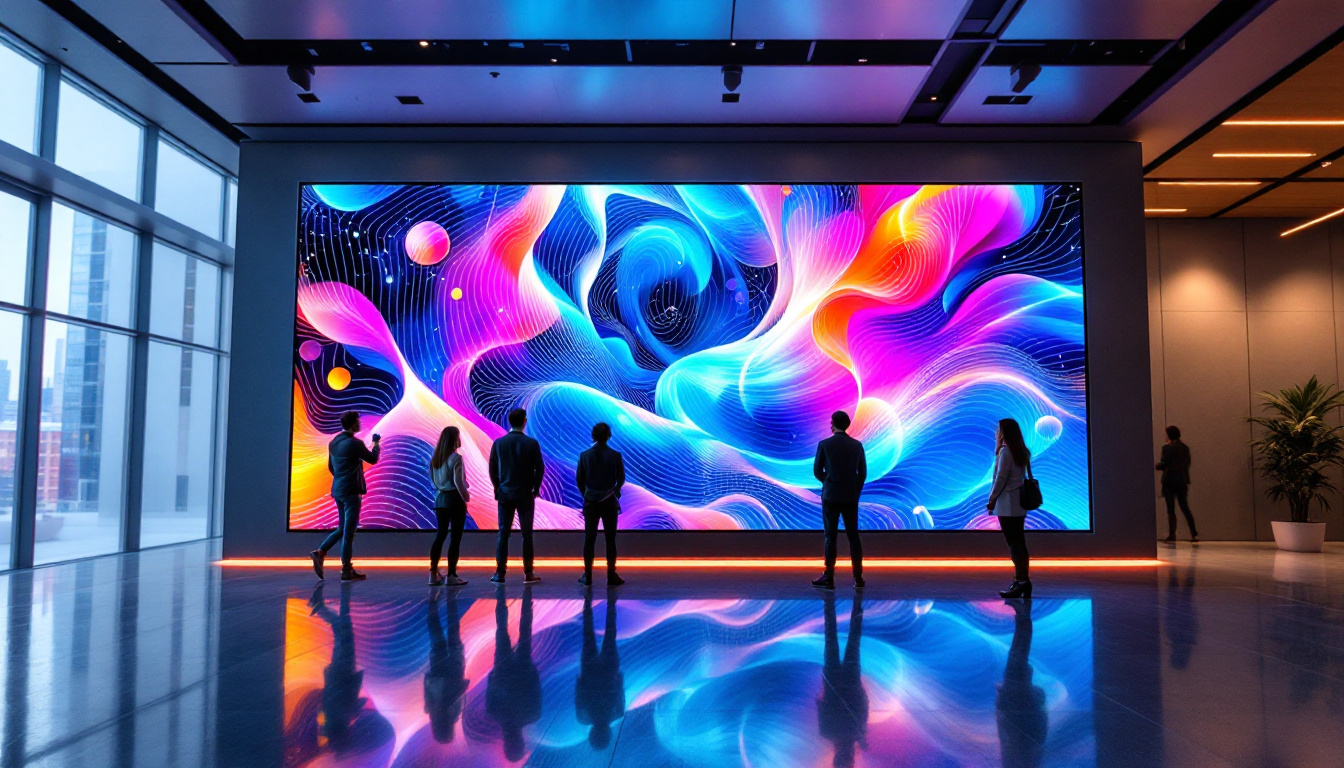
At trade shows, exhibitions, and live events, ultra transparent LED screens provide a unique way to present content without blocking the view of the physical space behind the display. This is particularly useful for product launches, museum exhibits, and stage backdrops where maintaining spatial awareness and openness is crucial.
Transportation Hubs and Public Spaces
Airports, train stations, and other public venues benefit from the use of ultra transparent LED screens for wayfinding, advertising, and informational displays. Their transparency ensures that signage does not obstruct sightlines or natural light, enhancing the overall user experience.
Technical Considerations and Challenges
Pixel Pitch and Resolution Trade-offs
While larger pixel pitches increase transparency, they also reduce the resolution of the displayed content. This means ultra transparent LED screens are best suited for applications where the viewing distance is relatively long, such as building facades or large retail windows.
For close-up viewing, screens with smaller pixel pitches and thus lower transparency may be more appropriate. Manufacturers continue to innovate in this area, striving to balance transparency with high resolution.
Installation and Maintenance
Installing ultra transparent LED screens requires careful planning to ensure structural integrity and optimal performance. The screens must be securely mounted to glass surfaces or frames, and wiring must be discreetly managed to preserve transparency.
Maintenance can also be more complex than with traditional displays, as the screens are often integrated into architectural elements. However, many manufacturers provide modular designs that facilitate easier repairs and component replacements.
Cost Considerations
Ultra transparent LED screens tend to be more expensive than conventional LED displays due to their specialized design and materials. Initial investment costs can be significant, especially for large-scale installations.
However, the long-term benefits in terms of energy savings, reduced need for additional lighting, and enhanced brand impact often justify the expense. As the technology matures and adoption increases, prices are expected to become more competitive.
The Future of Ultra Transparent LED Displays
Technological Innovations on the Horizon
Research and development in LED technology continue to push the boundaries of transparency, brightness, and resolution. Emerging innovations include micro-LEDs, which promise even higher pixel densities with minimal impact on transparency, and flexible transparent substrates that allow for curved and irregularly shaped displays.
Additionally, advancements in smart glass and electrochromic materials could lead to displays that dynamically adjust transparency levels based on ambient conditions or user preferences.
Expanding Market Adoption
As costs decrease and performance improves, ultra transparent LED screens are expected to see broader adoption across industries. Beyond retail and architecture, sectors such as automotive, aviation, and healthcare may find new uses for transparent displays in heads-up displays, cockpit instrumentation, and medical imaging.
The integration of augmented reality (AR) with transparent LED screens also holds exciting potential, enabling interactive and immersive experiences in public spaces and commercial environments.
Conclusion
Ultra transparent LED screens represent a significant advancement in digital display technology, combining high visibility with architectural elegance and versatility. Their ability to deliver vibrant content without obstructing views or natural light opens up new creative possibilities for advertisers, designers, and architects alike.
While challenges related to cost, resolution, and installation remain, ongoing innovations are steadily addressing these issues, making ultra transparent LED screens an increasingly practical and impactful choice for modern visual communication.
For businesses and organizations looking to make a bold, futuristic statement, embracing ultra transparent LED technology offers a compelling way to engage audiences and transform spaces.
Discover the Future of Visual Engagement with LumenMatrix
Ready to elevate your visual communication and create an unforgettable impact? LumenMatrix is at the forefront of LED display innovation, offering a wide array of solutions tailored to your unique needs. From Indoor and Outdoor LED Walls to specialized displays for Vehicles, Sports, and even Custom configurations, our technology is designed to captivate and engage. Embrace the future with our Ultra Transparent LED Displays and see how our commitment to cutting-edge design can transform your space. Check out LumenMatrix LED Display Solutions today and join the revolution in digital signage excellence.