In the rapidly evolving world of digital signage and large-scale displays, LED technology has become a dominant force. From stadiums to concert venues, advertising billboards to corporate events, LED displays provide vibrant, dynamic visuals that captivate audiences. One critical factor in LED display technology that often goes unnoticed by casual observers is the concept of “sphere size,” more commonly referred to as pixel pitch or pixel spacing. Understanding this parameter is essential for anyone involved in selecting, designing, or installing LED displays, as it directly impacts image quality, viewing distance, and overall effectiveness.
What is Sphere Size in LED Displays?
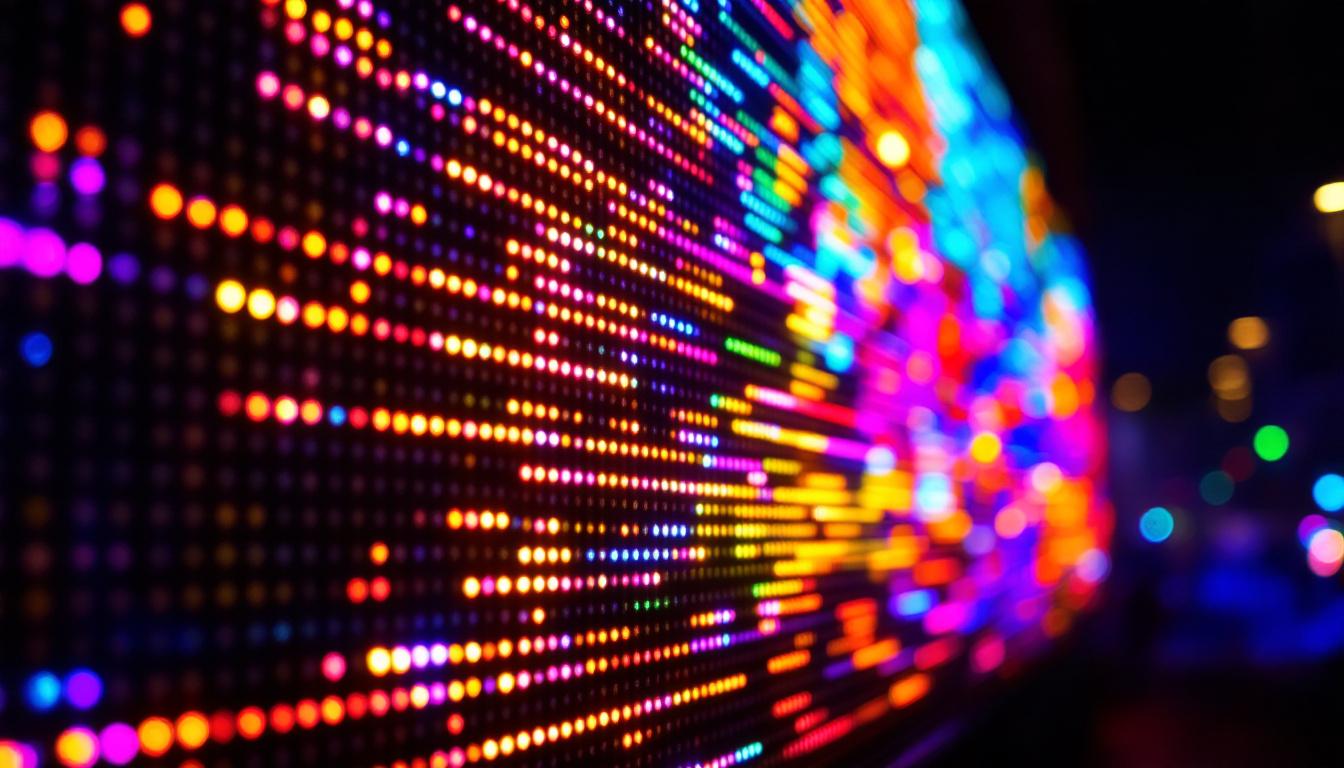
Sphere size in the context of LED displays essentially refers to the physical distance between the centers of individual LED pixels. This measurement is usually given in millimeters and is often called the pixel pitch. The term “sphere size” can be a bit misleading, but it highlights the idea that each pixel is made up of tiny LED spheres or diodes that emit light.
Pixel pitch determines how densely packed the LEDs are on the display panel. A smaller pixel pitch means the LEDs are closer together, resulting in a higher resolution and sharper image quality. Conversely, a larger pixel pitch indicates that the LEDs are spaced further apart, which can reduce image detail but is often more cost-effective for large-scale installations.
Why Sphere Size Matters
The sphere size or pixel pitch is crucial because it affects the display’s clarity and the optimal viewing distance. For example, a display with a 1.5mm pixel pitch will appear crisp and detailed when viewed up close, making it ideal for indoor use where viewers are near the screen. On the other hand, a display with a 10mm pixel pitch might look pixelated up close but works perfectly for outdoor billboards where viewers are far away.
Choosing the right sphere size ensures that the LED display delivers the intended visual impact without unnecessary expense. It balances image quality, cost, and installation requirements, making it a key consideration in any LED display project.
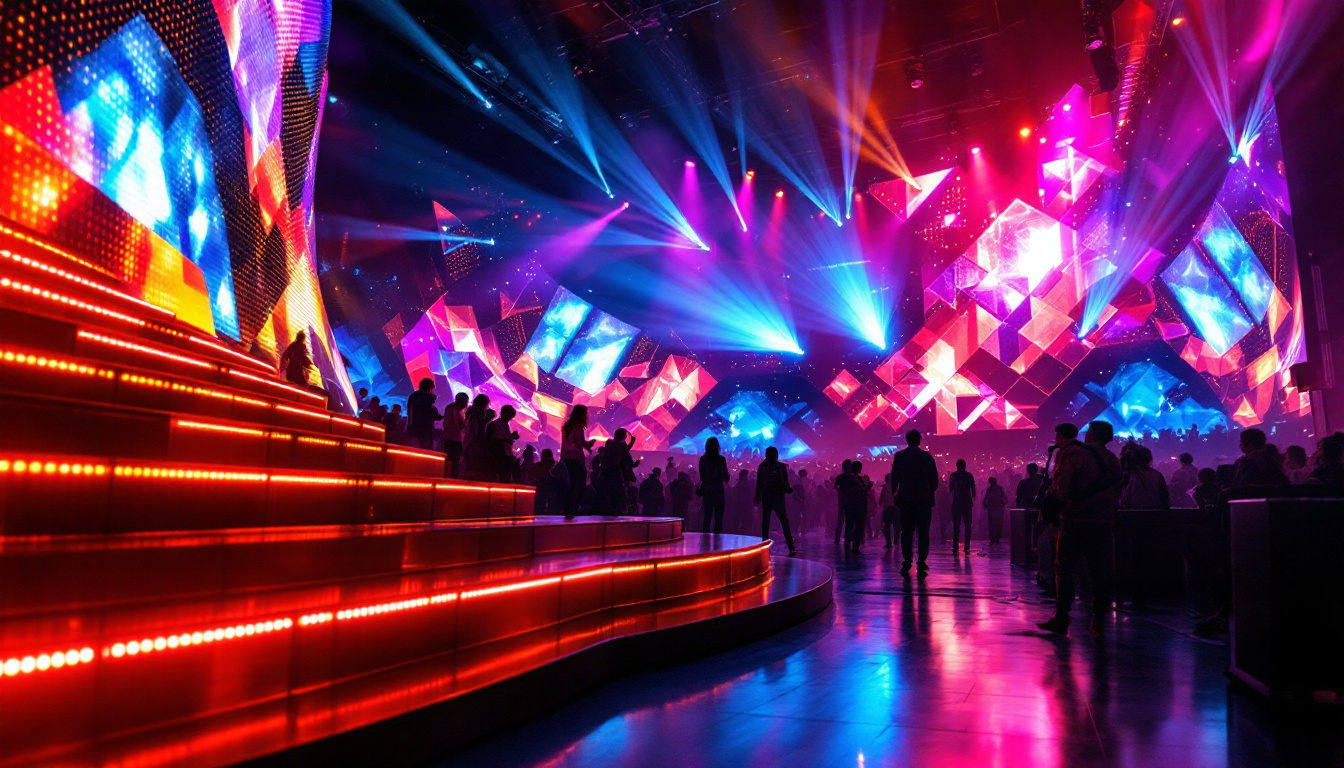
Moreover, the choice of pixel pitch can significantly influence the overall design and functionality of the display. For instance, in environments where the display is meant to convey detailed information, such as in control rooms or broadcast studios, a smaller pixel pitch is essential to ensure that text and graphics are legible from various angles. In contrast, for advertising displays in busy urban areas, a larger pixel pitch can still attract attention and convey messages effectively, even from a distance. This adaptability makes LED displays versatile tools for a wide range of applications, from concerts and events to retail environments and public transportation hubs.
Furthermore, advancements in LED technology have led to the development of fine-pitch displays, which can achieve pixel pitches as small as 0.9mm. These ultra-high-resolution displays are becoming increasingly popular in applications where image quality is paramount, such as virtual reality setups and high-end digital signage. As technology continues to evolve, understanding sphere size and its implications will be vital for anyone looking to invest in LED display technology, ensuring they select the right solution for their specific needs.
How Sphere Size Influences LED Display Performance
The sphere size impacts several performance aspects of an LED display, including resolution, viewing distance, brightness, and power consumption. Understanding these relationships helps in making informed decisions tailored to specific applications.
Resolution and Image Clarity
Resolution is defined by the number of pixels per unit area. Smaller sphere sizes mean more pixels can fit into the same space, increasing the resolution and enabling the display to show finer details. For instance, a 2mm pixel pitch LED display can deliver near-4K resolution on a moderately sized screen, making it suitable for detailed video content and text.
Conversely, larger sphere sizes reduce pixel density and resolution. While this might seem like a drawback, it is perfectly acceptable for applications where viewers are at a distance, such as highway billboards or large stadium screens. In these cases, the human eye cannot discern the individual pixels, so the image still appears smooth and clear.
Viewing Distance Considerations
One of the most important guidelines in LED display design is matching the pixel pitch to the typical viewing distance. A common rule of thumb is that the minimum viewing distance (in meters) should be roughly equal to the pixel pitch (in millimeters) multiplied by 1.5 to 2. For example, a 5mm pixel pitch display is best viewed from about 7.5 to 10 meters away.
If the viewer is too close to a display with a large sphere size, the image will appear blocky and pixelated. Conversely, if the viewer is too far from a display with a very small pixel pitch, the extra resolution is wasted, and the higher cost may not be justified.
Brightness and Power Efficiency
Displays with larger sphere sizes often have higher brightness levels because the LEDs can be larger and more powerful, which is essential for outdoor environments with direct sunlight. Smaller pixel pitches require smaller LEDs, which may limit peak brightness but offer better color uniformity and detail.
Power consumption also varies with sphere size. Higher resolution displays with smaller pixel pitches typically consume more power because they have more LEDs per square meter. This factor must be balanced against operational costs and environmental considerations, especially for large installations.
Applications of Different Sphere Sizes in LED Displays
LED displays are used in a wide range of environments, each with specific requirements for sphere size. Understanding these applications helps clarify why the pixel pitch varies so widely across different products.
Indoor LED Displays
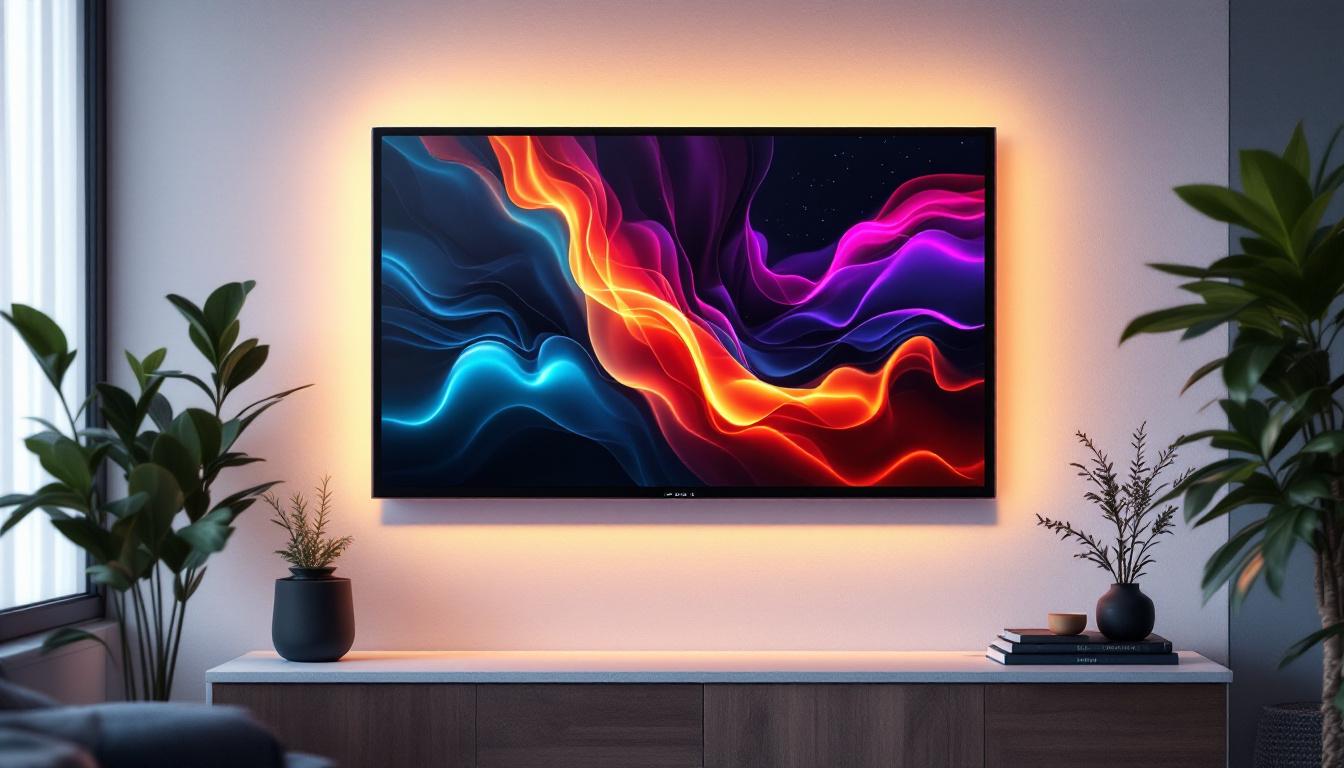
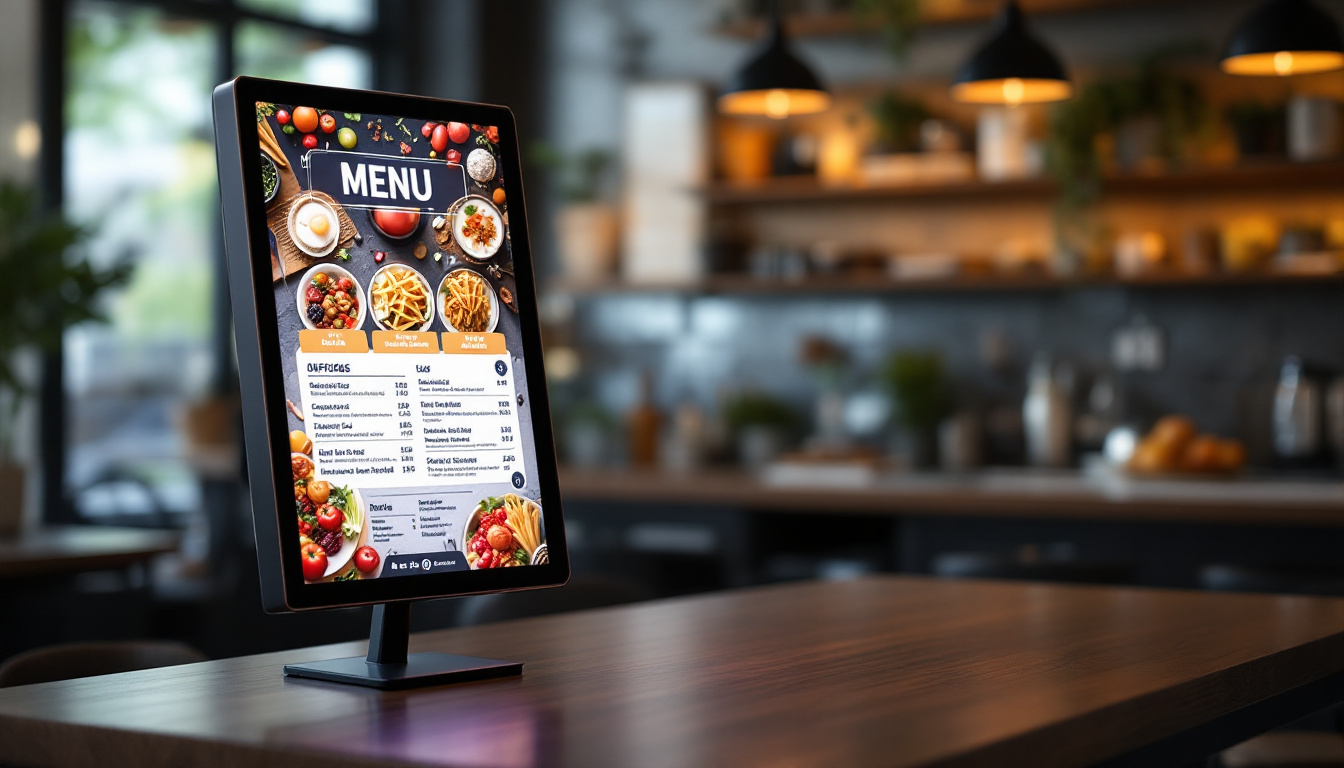
Indoor LED displays, such as those used in conference rooms, retail stores, museums, and control rooms, generally require very small sphere sizes. Pixel pitches between 0.9mm and 4mm are common, providing high resolution and sharp images at close viewing distances.
For example, a corporate boardroom might use a 1.2mm pixel pitch LED wall to ensure that text and graphics are crystal clear even when viewed from just a few feet away. Similarly, retail environments use fine-pitch LED displays to attract customers with vivid, detailed visuals.
Outdoor LED Displays
Outdoor LED displays must contend with ambient light, weather conditions, and longer viewing distances. As a result, they typically feature larger sphere sizes, ranging from 6mm to 20mm or more. These displays prioritize brightness and durability over ultra-fine resolution.
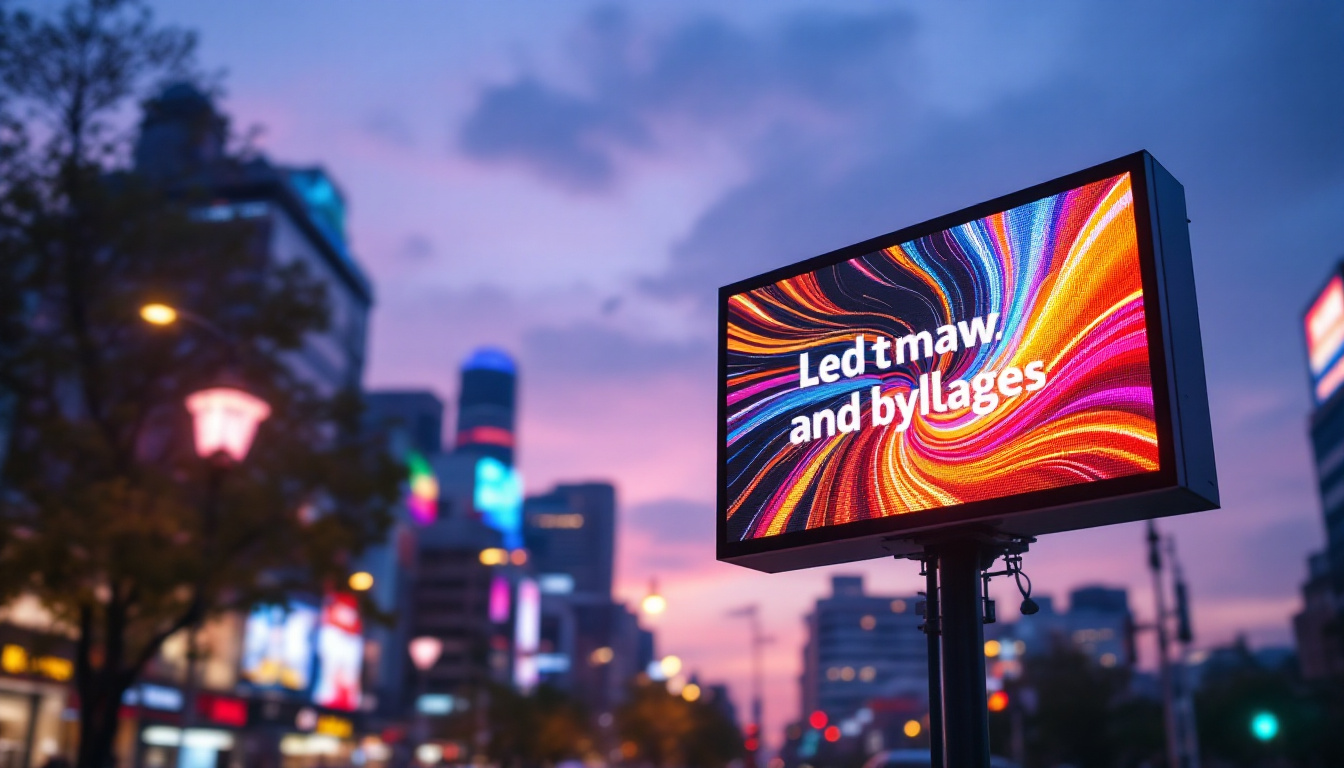
Highway billboards, sports stadium screens, and large public event displays often use pixel pitches in the 10mm to 20mm range. This ensures visibility from hundreds of meters away while keeping costs manageable. For instance, a 16mm pixel pitch LED billboard can deliver bright, eye-catching advertisements visible to drivers traveling at high speeds.
Specialized and Creative Uses
Some LED displays use creative configurations of sphere size to achieve unique effects. Curved LED screens, spherical displays, and architectural installations may combine different pixel pitches to optimize viewing angles and visual impact.
For example, the famous “The Sphere” entertainment venue in Las Vegas employs a massive LED display with a carefully engineered pixel pitch to deliver immersive visuals on a gigantic spherical surface. This requires balancing resolution, brightness, and viewing distance in a way that traditional flat screens do not.
Choosing the Right Sphere Size for Your LED Display
Selecting the appropriate sphere size for an LED display involves evaluating several factors, including the intended use, viewing distance, budget, and environmental conditions. A systematic approach can help ensure the best outcome.
Assess Viewing Distance and Audience
Start by determining the typical distance between the display and its viewers. For indoor applications where viewers may be just a meter or two away, opt for a small pixel pitch (1.5mm or less). For outdoor or large venue displays, calculate the minimum viewing distance and select a pixel pitch that matches or slightly exceeds this distance for optimal clarity.
Consider Content Type and Resolution Needs
High-detail content such as text, fine graphics, or high-definition video requires smaller sphere sizes to maintain legibility and sharpness. If the display will primarily show simple images or large-scale video, a larger pixel pitch may suffice.
Evaluate Environmental and Budget Constraints
Outdoor displays need to be bright enough to compete with sunlight and weather-resistant. Larger pixel pitches typically offer higher brightness and durability at a lower cost. Budget constraints may also influence the choice, as fine-pitch LED displays are significantly more expensive due to the complexity of manufacturing and installation.
Consult with LED Display Experts
Given the technical nuances involved, consulting with LED display manufacturers or integrators can provide valuable insights. They can help tailor the sphere size and overall system design to meet specific project goals and ensure long-term satisfaction.
Future Trends in LED Sphere Size and Display Technology
The LED display industry continues to innovate, with ongoing advancements impacting sphere size and overall display capabilities. Emerging technologies promise to enhance resolution, brightness, and energy efficiency while reducing costs.
MicroLED and Smaller Pixel Pitches
MicroLED technology is pushing the boundaries of pixel pitch, enabling displays with pitches below 1mm. These ultra-fine pitch displays offer unprecedented image quality and are increasingly used in premium indoor applications such as virtual production studios and high-end retail.
Flexible and Curved Displays
Advances in flexible LED panels allow for creative form factors, including curved, spherical, and even wearable displays. These innovations require precise control over sphere size and pixel arrangement to maintain image quality across complex surfaces.
Energy Efficiency and Smart Controls
New LED drivers and smart control systems optimize power consumption based on ambient light and content, making LED displays more sustainable. Sphere size choices will continue to balance image quality with energy efficiency, especially for large outdoor installations.
Conclusion
The sphere size, or pixel pitch, is a fundamental characteristic of LED displays that directly influences image quality, viewing experience, and cost. Understanding how sphere size affects resolution, brightness, and optimal viewing distance is essential for selecting the right LED display for any application.
Whether designing a high-resolution indoor video wall or a massive outdoor billboard, carefully considering sphere size ensures that the display performs as intended and delivers maximum impact. As LED technology advances, the possibilities for creative and immersive visual experiences continue to expand, making sphere size an ever-important factor in the future of digital displays.
Discover the Perfect Sphere Size with LumenMatrix
Ready to elevate your visual communication with the ideal sphere size for your LED display? LumenMatrix is at the forefront of LED display innovation, offering a comprehensive range of solutions tailored to your needs. From vibrant Indoor LED Walls to dynamic Outdoor LED Displays, and from the mobility of Vehicle LED Displays to the creativity of Custom and Transparent LED options, we have the technology to bring your vision to life. Experience the difference with LumenMatrix and check out our LED Display Solutions today, where clarity meets impact.