In the rapidly evolving world of digital displays, LED technology stands at the forefront, revolutionizing how information and visuals are presented across industries. Among the various types of LED displays, “Cat Led” has emerged as a noteworthy term, often associated with cutting-edge LED display solutions. This article delves into the fundamentals of LED displays, explores what Cat Led entails, and examines its applications, advantages, and future prospects.
Understanding LED Display Technology
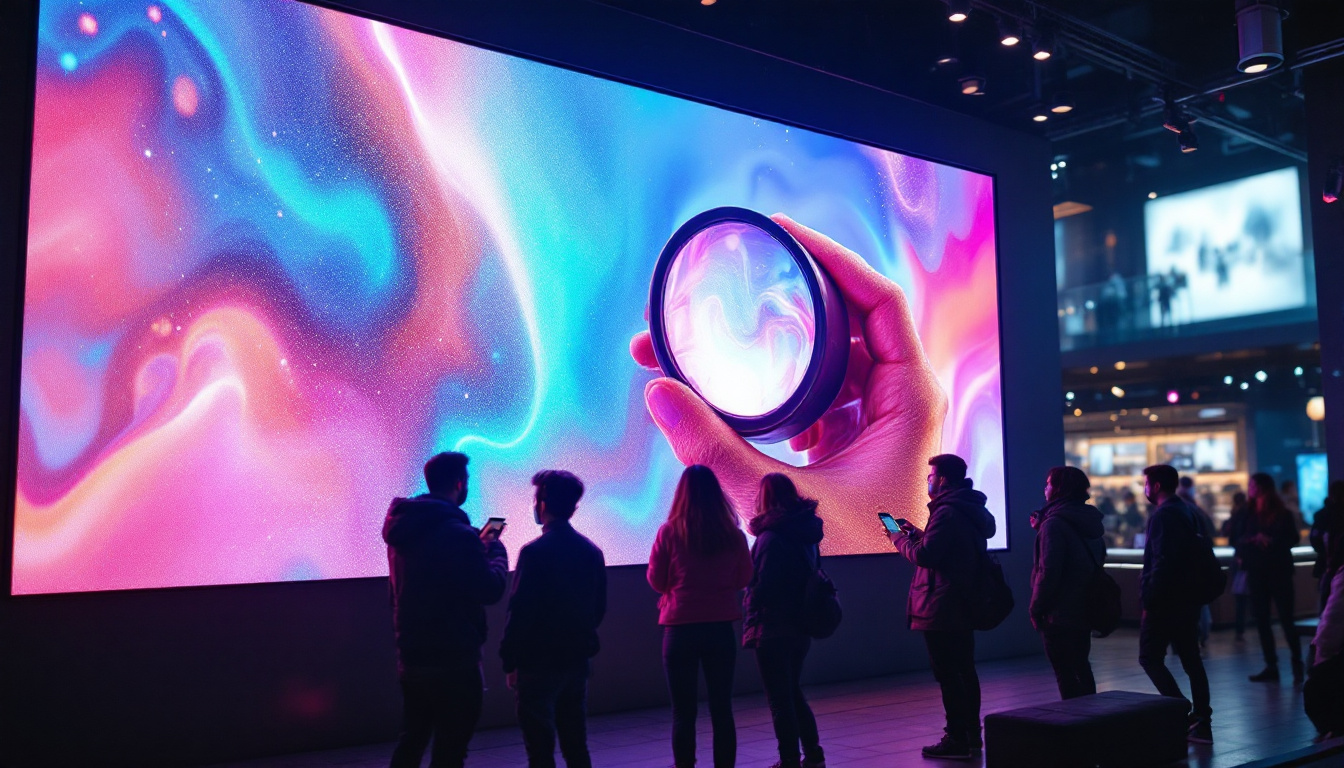
LED, or Light Emitting Diode, technology has transformed the visual display landscape by offering vibrant colors, high brightness, and energy efficiency. Unlike traditional display technologies such as LCD or plasma, LED displays use tiny light-emitting diodes as pixels to create images and videos.
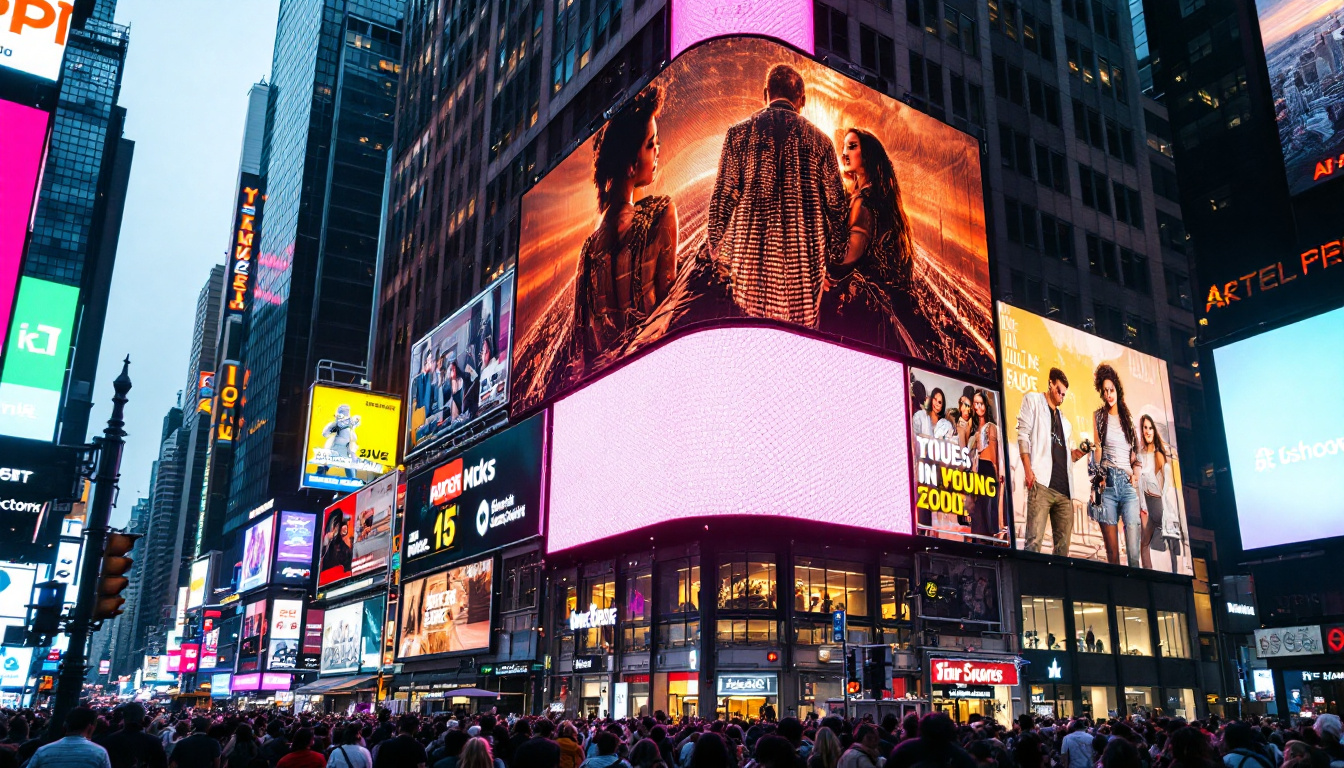
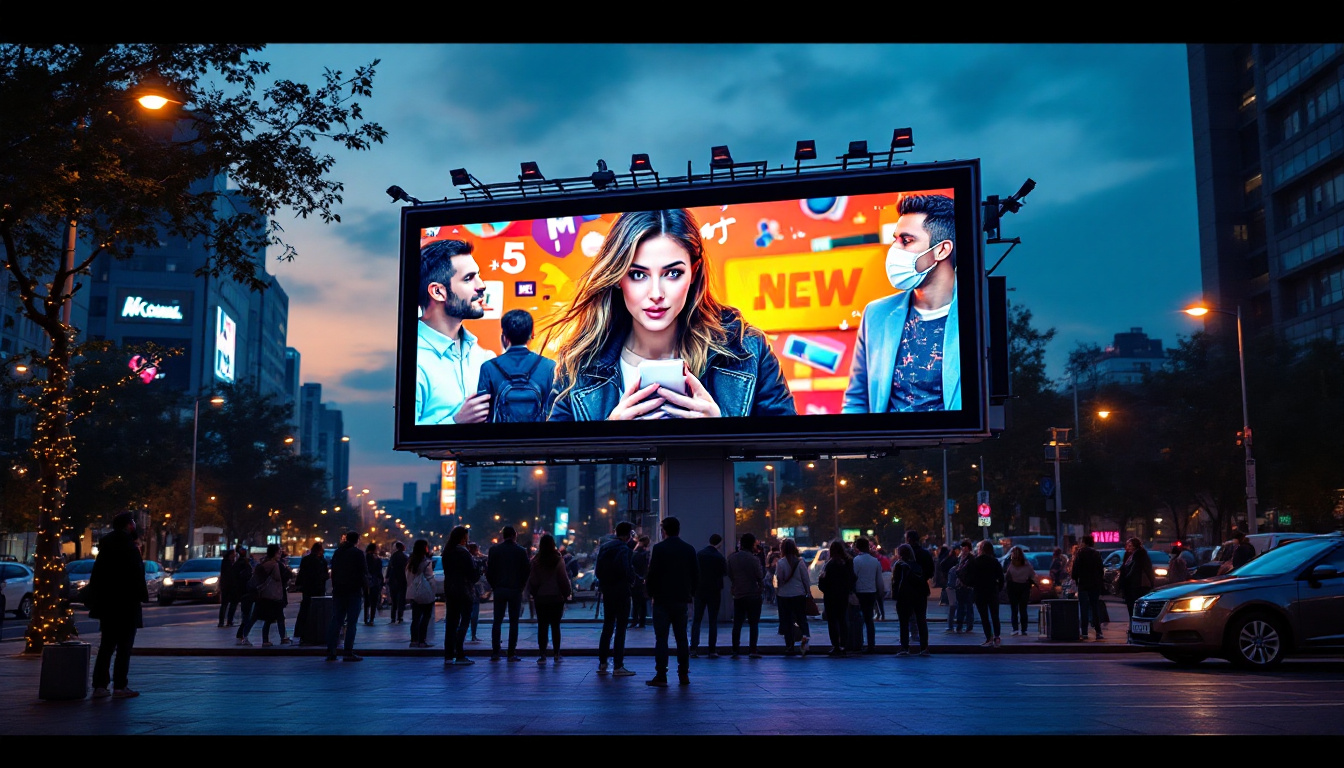
The core advantage of LED displays lies in their ability to produce intense brightness levels, making them highly visible even under direct sunlight. This characteristic makes them ideal for outdoor advertising, stadium screens, and public information systems. Furthermore, the energy efficiency of LED technology contributes to lower operational costs and a reduced carbon footprint, making it a sustainable choice for businesses and municipalities alike.
How LED Displays Work
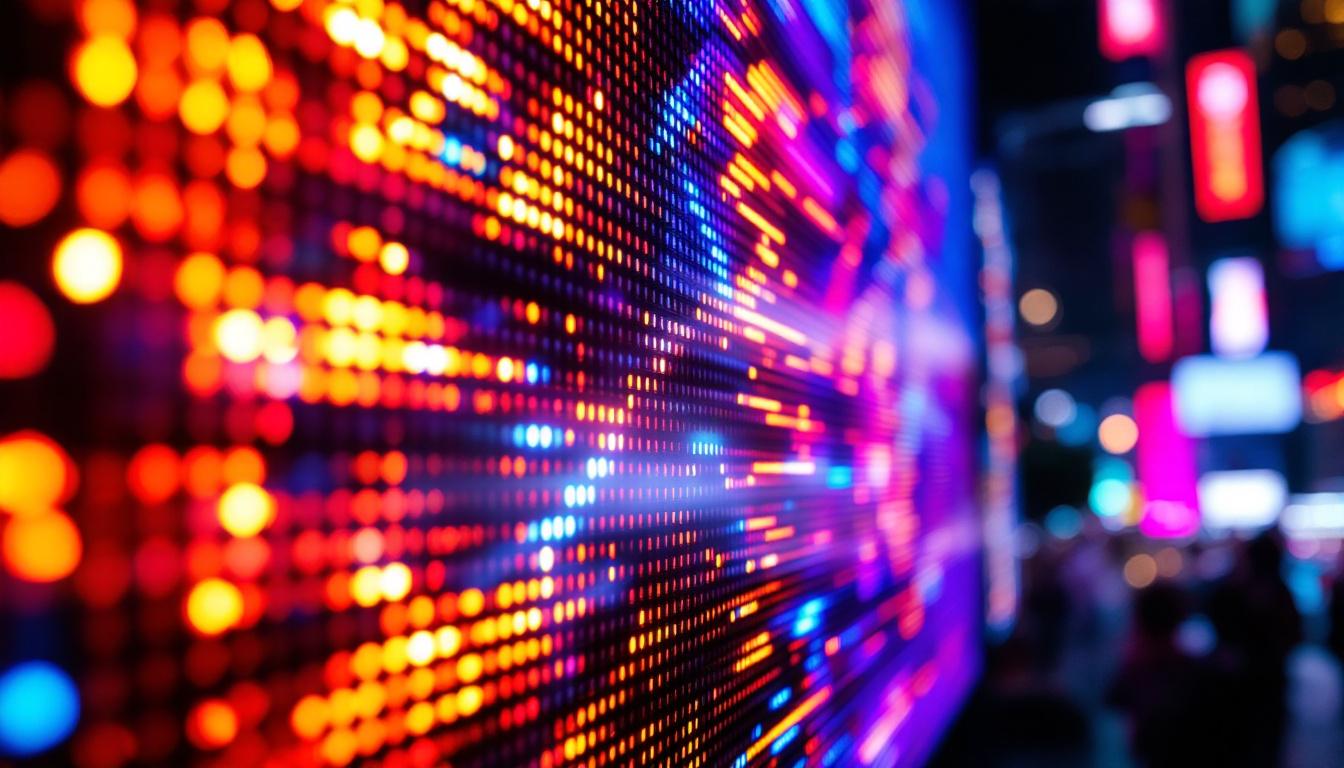
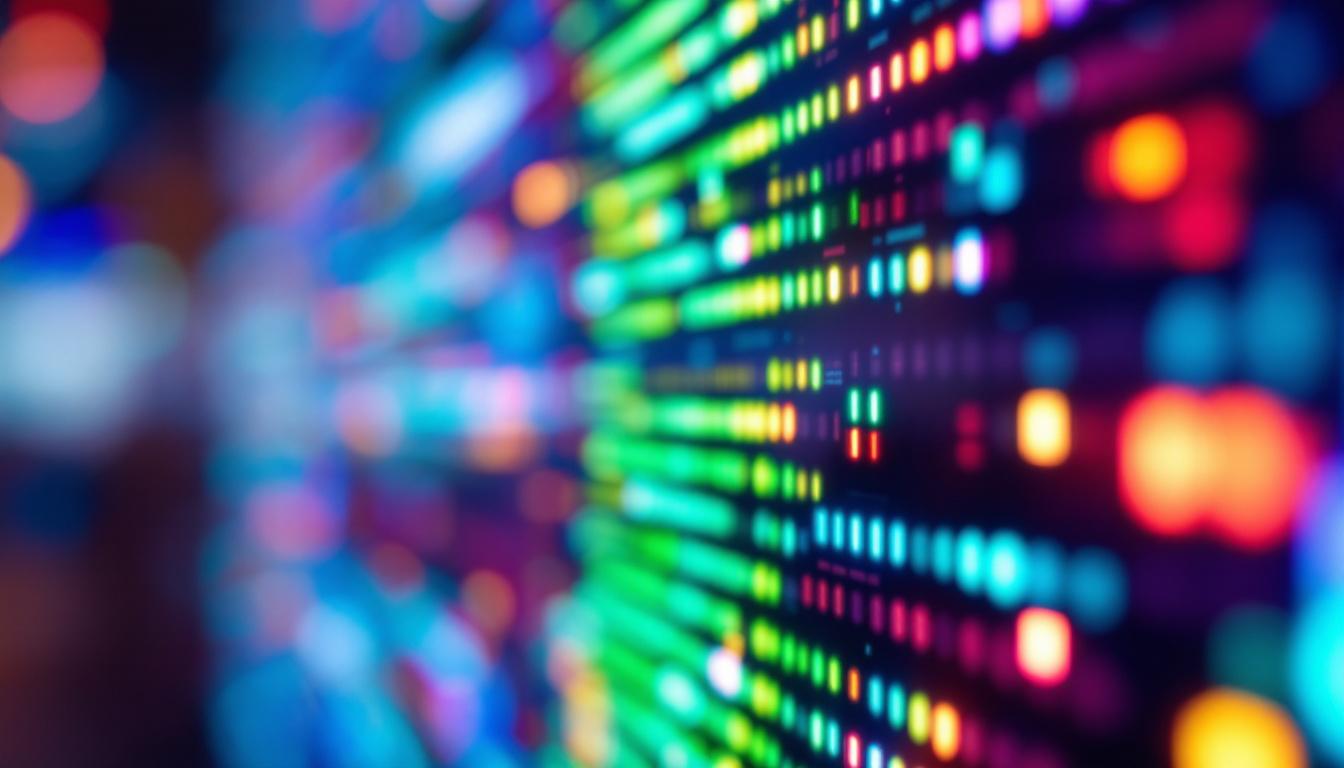
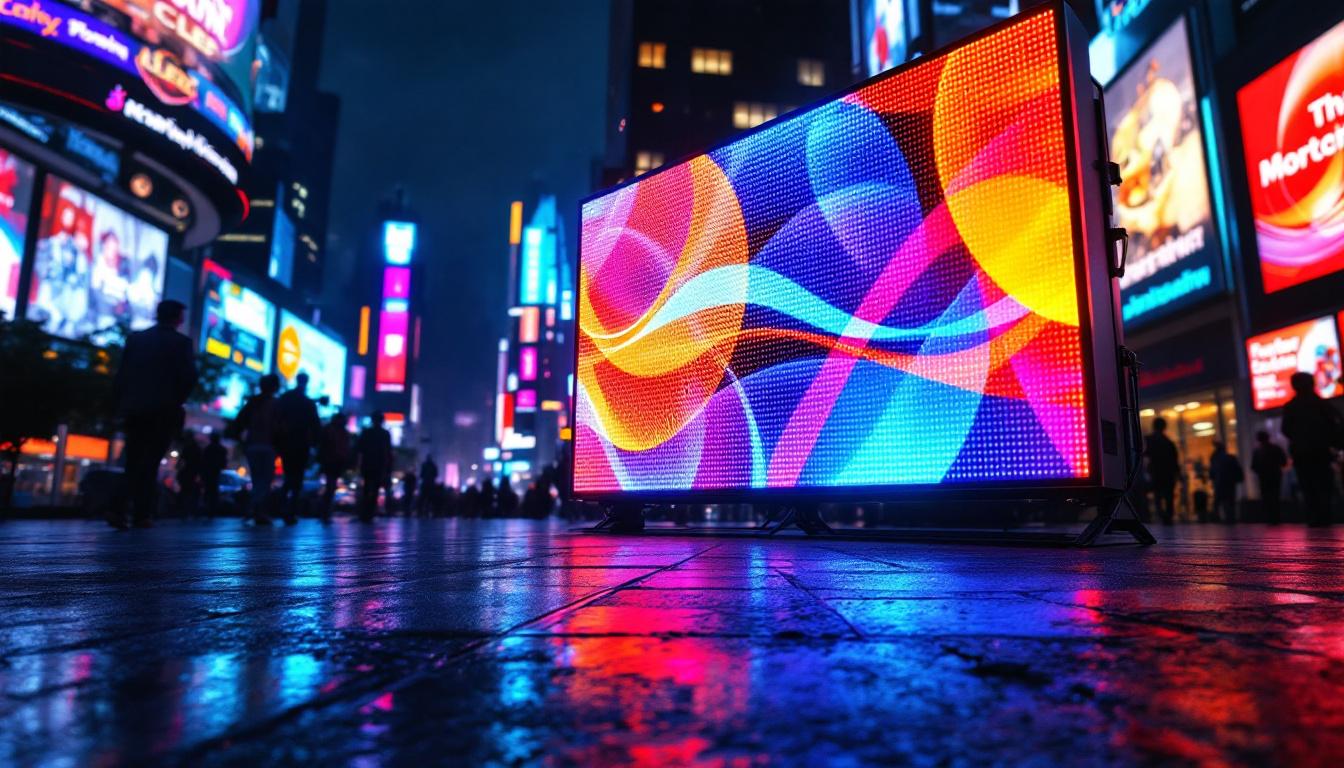
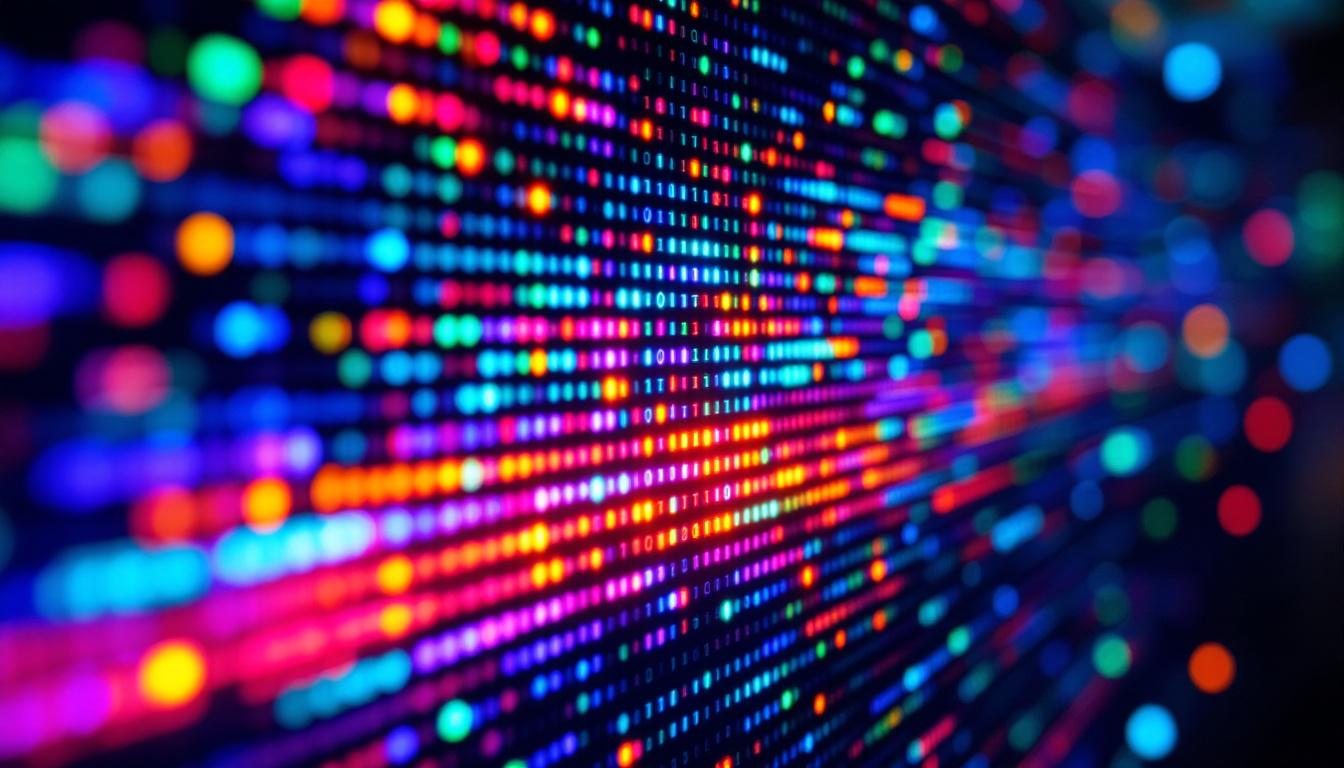
Each LED display comprises numerous tiny LEDs arranged in a grid. These LEDs can be red, green, or blue, and by varying the intensity of each color, the display can render a full spectrum of colors. The combination of these LEDs forms pixels, which together create the images seen on the screen.
Modern LED displays often use surface-mounted device (SMD) LEDs, which integrate all three colors into a single package, allowing for higher resolution and better color accuracy. This technology enables displays to be thinner, lighter, and more versatile than earlier LED solutions. Moreover, advancements in LED technology have led to the development of features such as high dynamic range (HDR) and wide color gamut (WCG), further enhancing the visual experience by providing deeper blacks and more vivid colors.
Types of LED Displays
LED displays come in various forms, primarily categorized by their pixel pitch—the distance between the center of one LED pixel to the next. Smaller pixel pitches result in higher resolution and are typically used for indoor displays, where viewers are closer to the screen. Larger pixel pitches are common in outdoor displays, where viewing distances are greater.
Additionally, LED displays can be classified as:
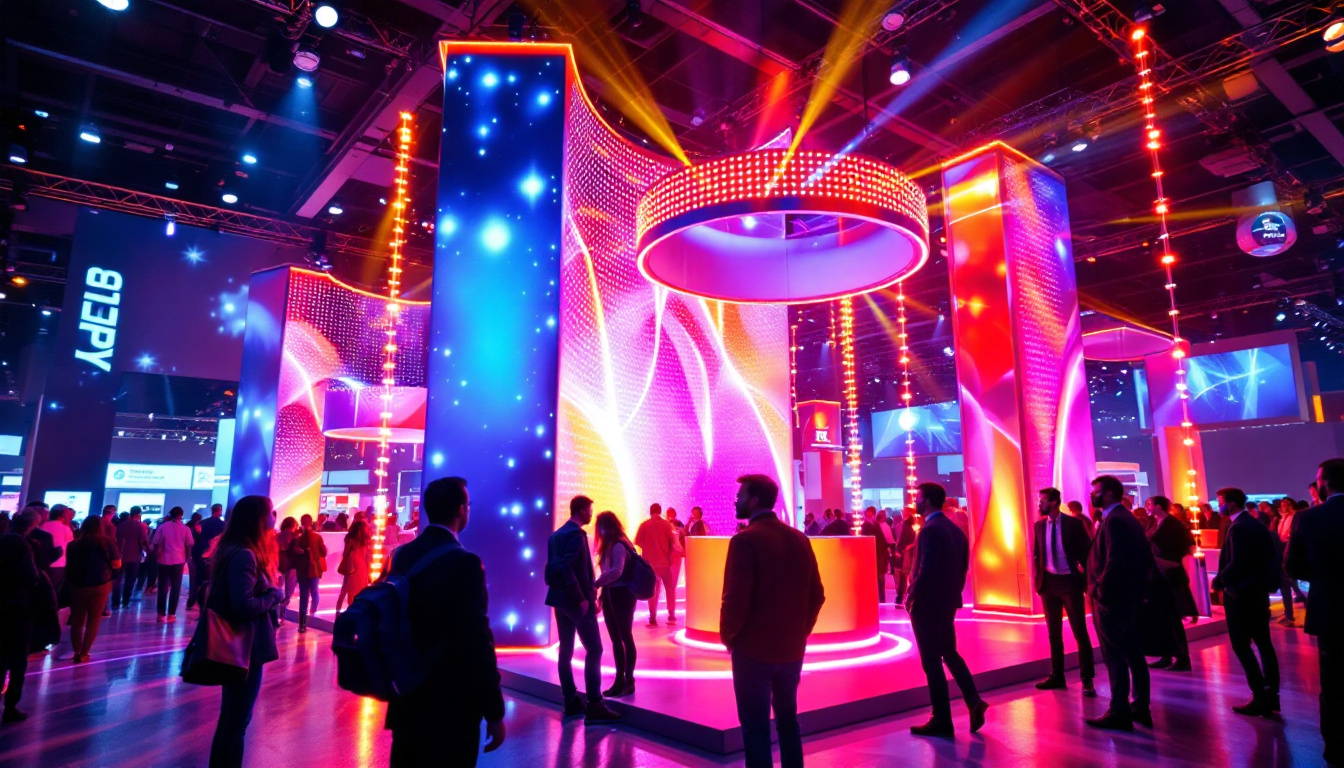
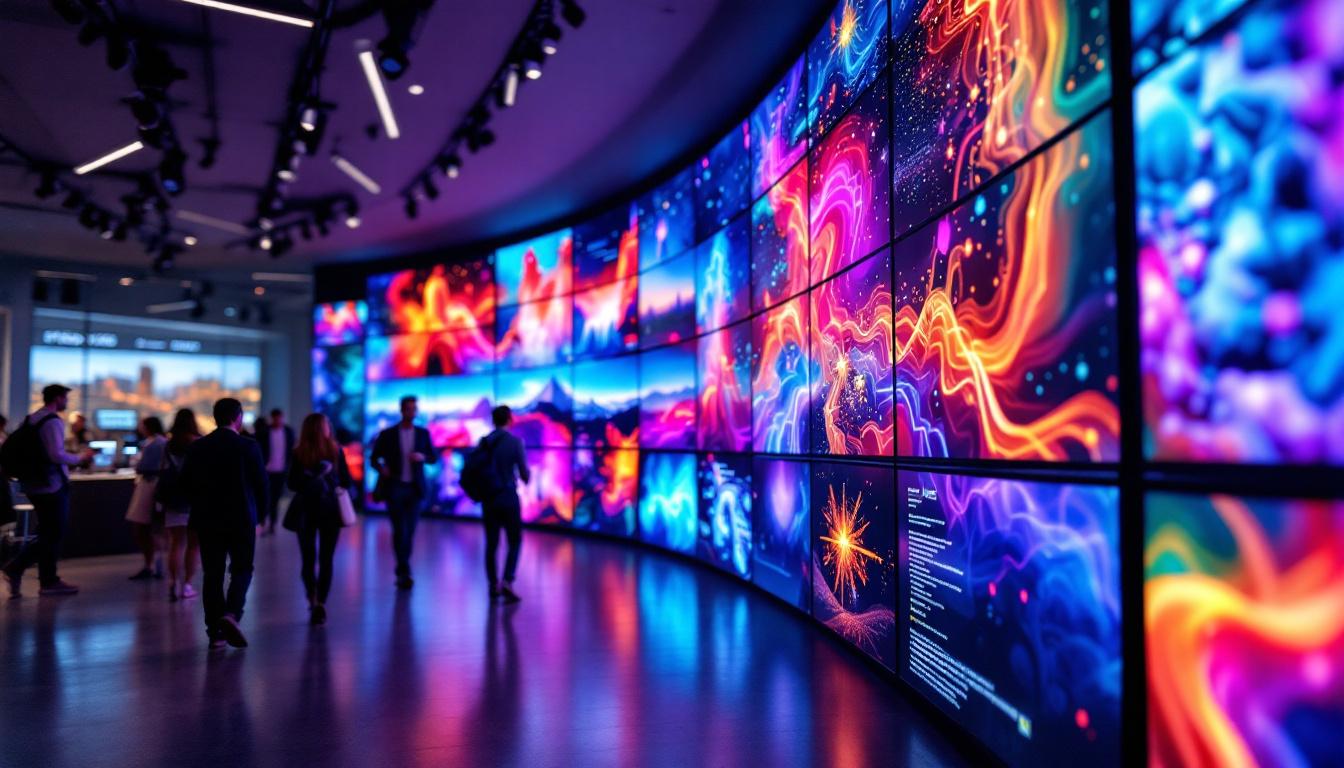
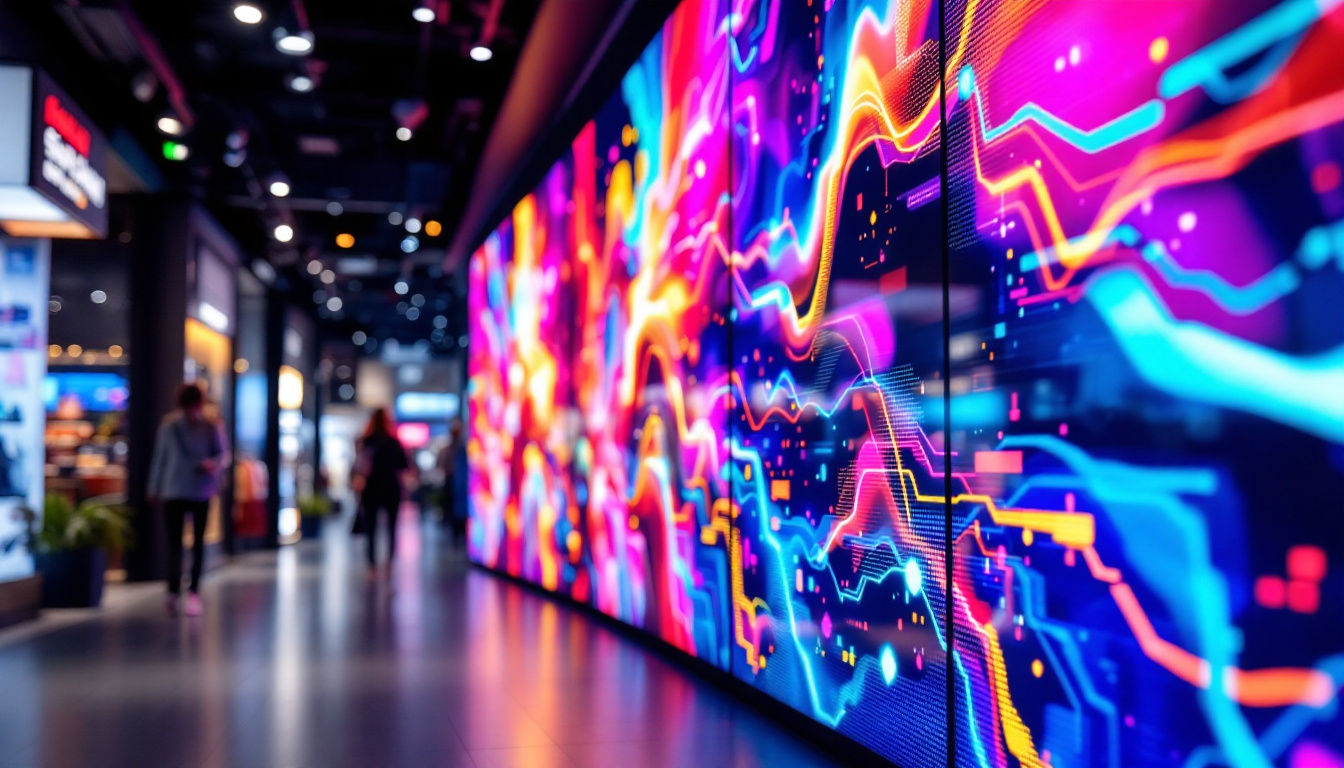
- Indoor LED Displays: Designed for controlled lighting environments, these displays offer high resolution and fine pixel pitches, suitable for retail, corporate events, and broadcasting. Their ability to deliver sharp images and videos makes them a preferred choice for presentations and exhibitions.
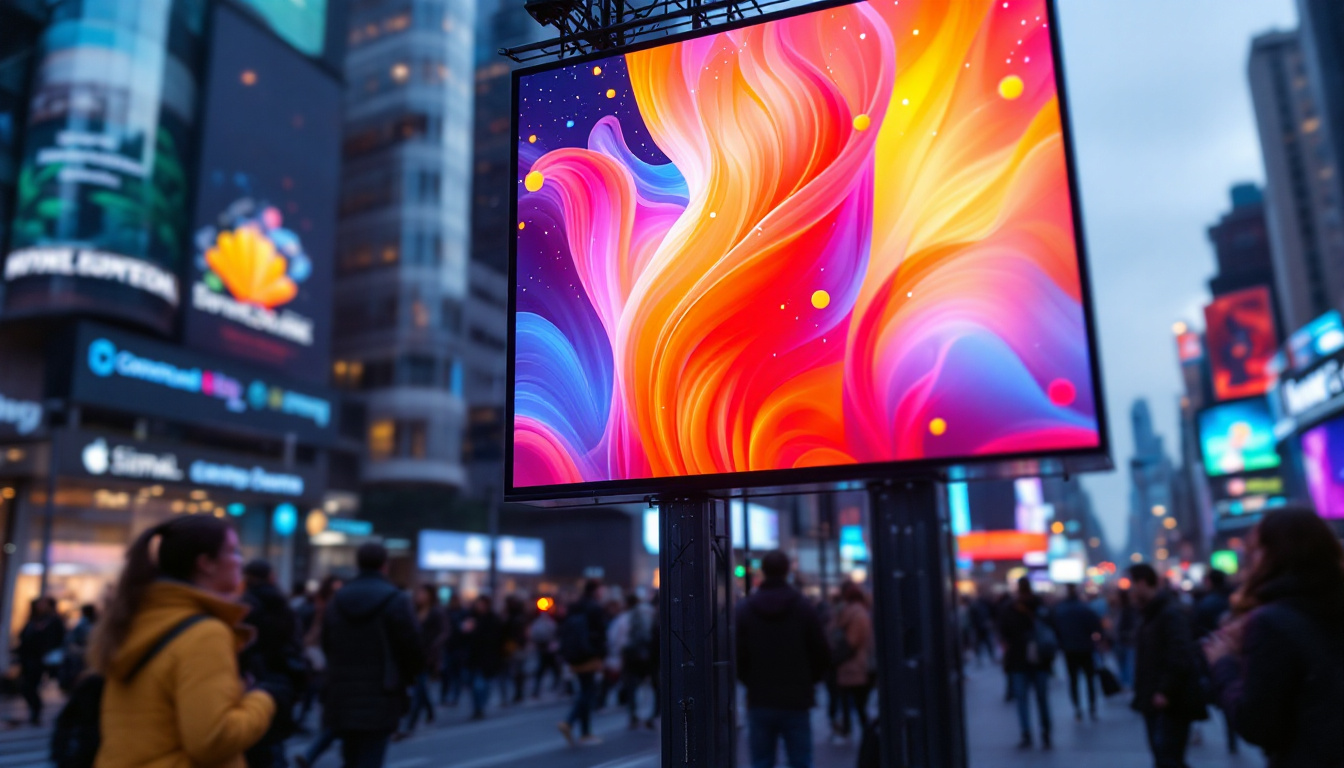
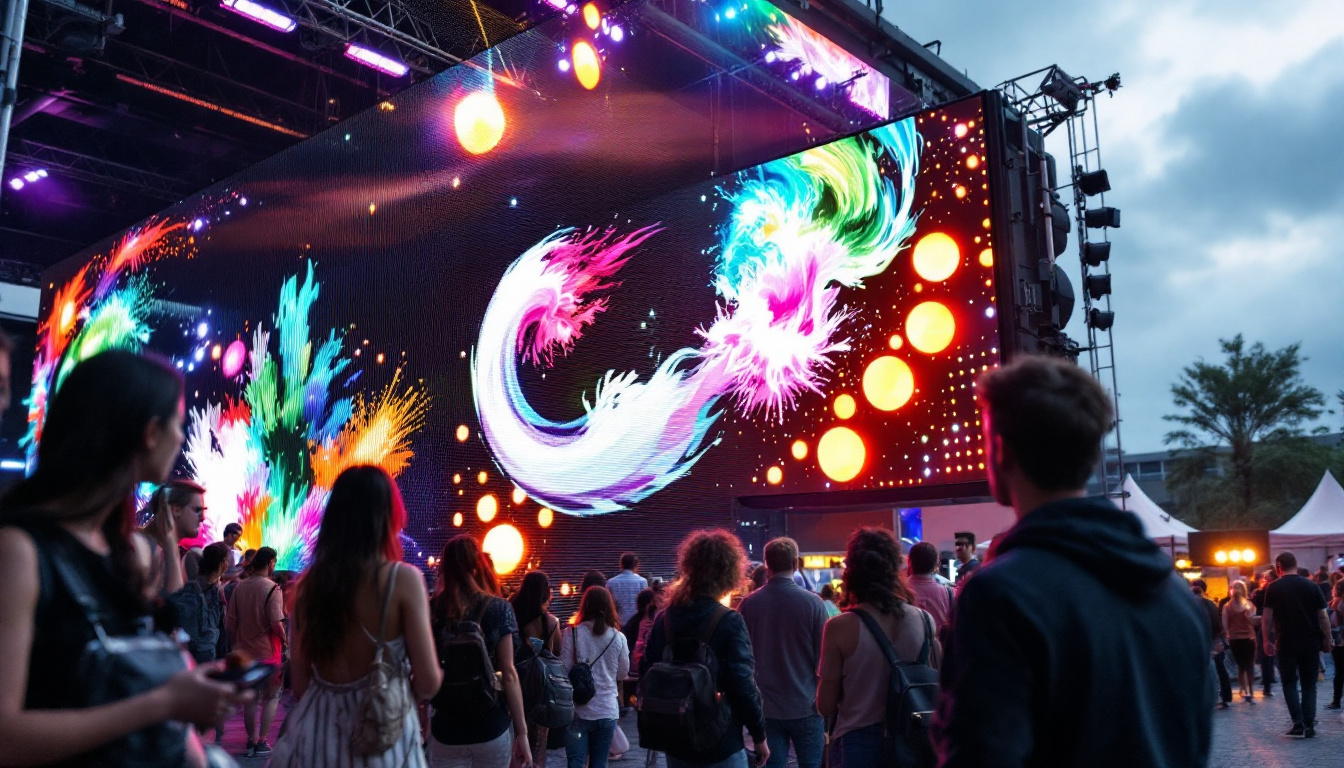
- Outdoor LED Displays: Built to withstand weather conditions, these displays feature higher brightness and robust construction for billboards, sports arenas, and public information signs. Many outdoor models also incorporate advanced cooling systems to ensure optimal performance in varying temperatures and humidity levels.
- Transparent LED Displays: These innovative displays allow light to pass through, enabling them to be installed on glass surfaces without obstructing views, popular in retail storefronts and architectural applications. This unique feature not only enhances aesthetic appeal but also provides an interactive experience for customers, blending digital content with the physical environment.
Furthermore, the versatility of LED technology extends to flexible LED displays, which can be bent or shaped to fit unconventional spaces, allowing for creative installations in venues such as museums and art galleries. This adaptability opens up new possibilities for designers and advertisers, enabling them to create immersive experiences that captivate audiences in ways that were previously unimaginable.
What is Cat Led?
The term “Cat Led” is often encountered in discussions about LED display technology, but it requires clarification. In many contexts, “Cat Led” refers to a specialized category or brand of LED displays known for their high-quality performance, innovative design, or specific application focus.
It is important to distinguish “Cat Led” from generic LED displays, as Cat Led products typically emphasize enhanced features such as superior color accuracy, energy efficiency, and durability. These displays may incorporate advanced control systems and modular designs to facilitate easier installation and maintenance.
Key Features of Cat Led Displays
Cat Led displays often boast several distinguishing features that set them apart in the competitive LED market:
- High Brightness and Contrast: Ensuring clear visibility in diverse lighting conditions, including direct sunlight.
- Energy Efficiency: Utilizing cutting-edge LED components to reduce power consumption without compromising performance.
- Modular Design: Facilitating easy assembly, maintenance, and scalability for various display sizes and configurations.
- Advanced Control Systems: Offering precise color calibration, real-time diagnostics, and remote management capabilities.
- Durability and Weather Resistance: Designed to operate reliably in harsh outdoor environments, with protection against dust, moisture, and temperature extremes.
Applications of Cat Led Displays
Given their robust feature set, Cat Led displays find applications across multiple sectors:
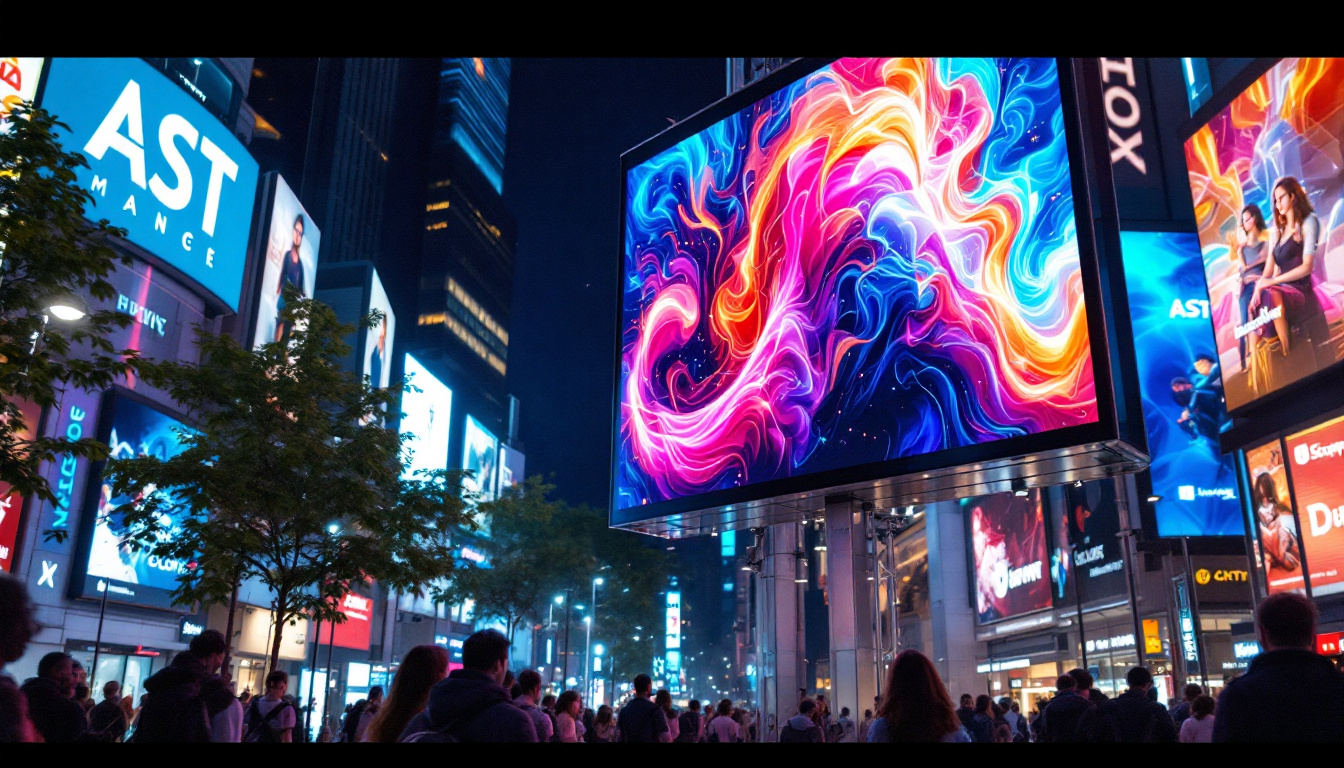
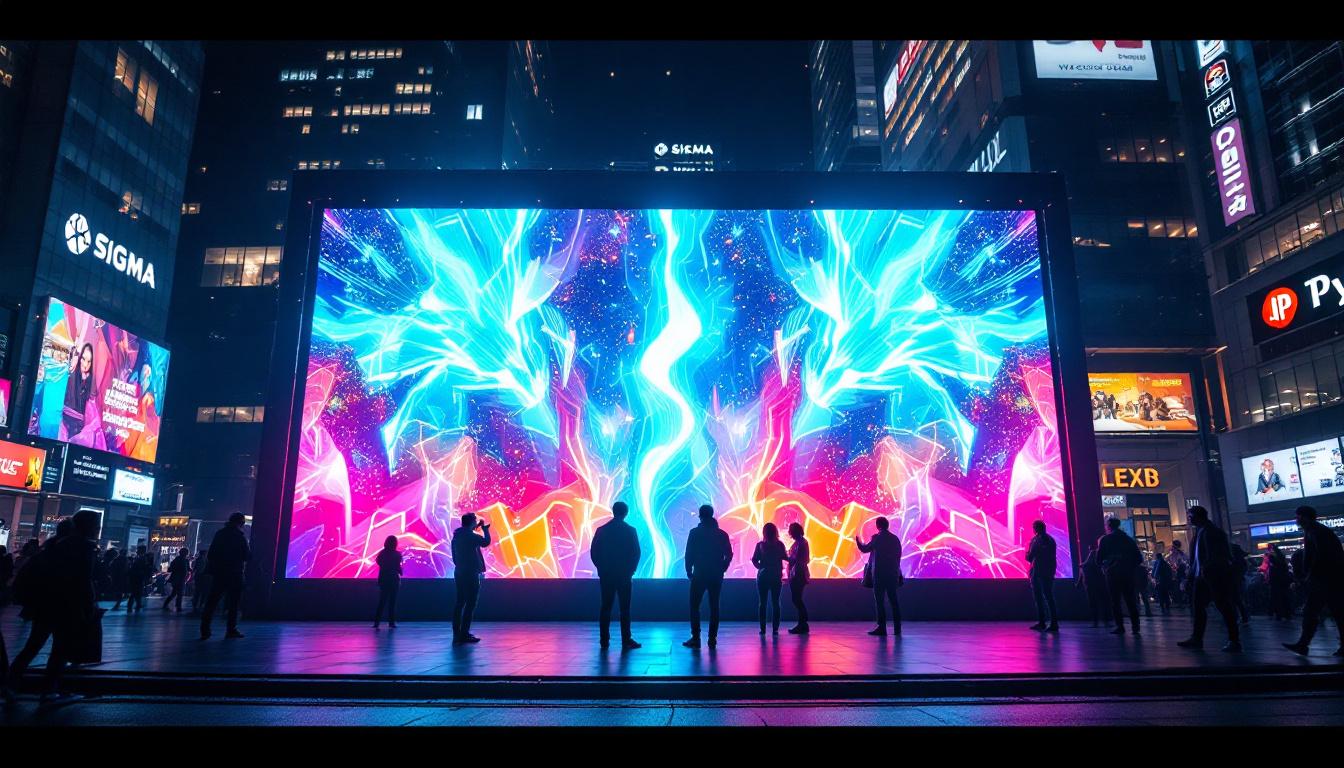
- Advertising and Marketing: Large-format billboards and dynamic signage that capture audience attention with vivid imagery.
- Sports and Entertainment: Scoreboards, video walls, and immersive displays in stadiums and concert venues.
- Transportation Hubs: Real-time information boards in airports, train stations, and bus terminals.
- Retail and Corporate Environments: Interactive displays and digital signage for branding and customer engagement.
- Public Safety and Emergency Services: Variable message signs and alert systems for timely communication.
Advantages of LED Displays Over Traditional Technologies
LED displays offer numerous benefits that have driven their widespread adoption in various industries. Understanding these advantages helps explain why technologies like Cat Led continue to gain prominence.
Superior Visual Quality
LED displays deliver exceptional brightness levels, often exceeding 5,000 nits, which surpasses most LCD and plasma screens. This brightness ensures content remains clear and legible in bright environments, including direct sunlight.
Additionally, LED technology provides high contrast ratios and vibrant colors, enhancing the viewing experience and making visuals more engaging.
Energy Efficiency and Longevity
Compared to traditional lighting and display technologies, LEDs consume significantly less power. This efficiency translates into lower operating costs and reduced environmental impact.
Moreover, LED displays typically have a longer lifespan, often exceeding 100,000 hours of operation, which reduces the frequency and cost of replacements.
Flexibility and Scalability
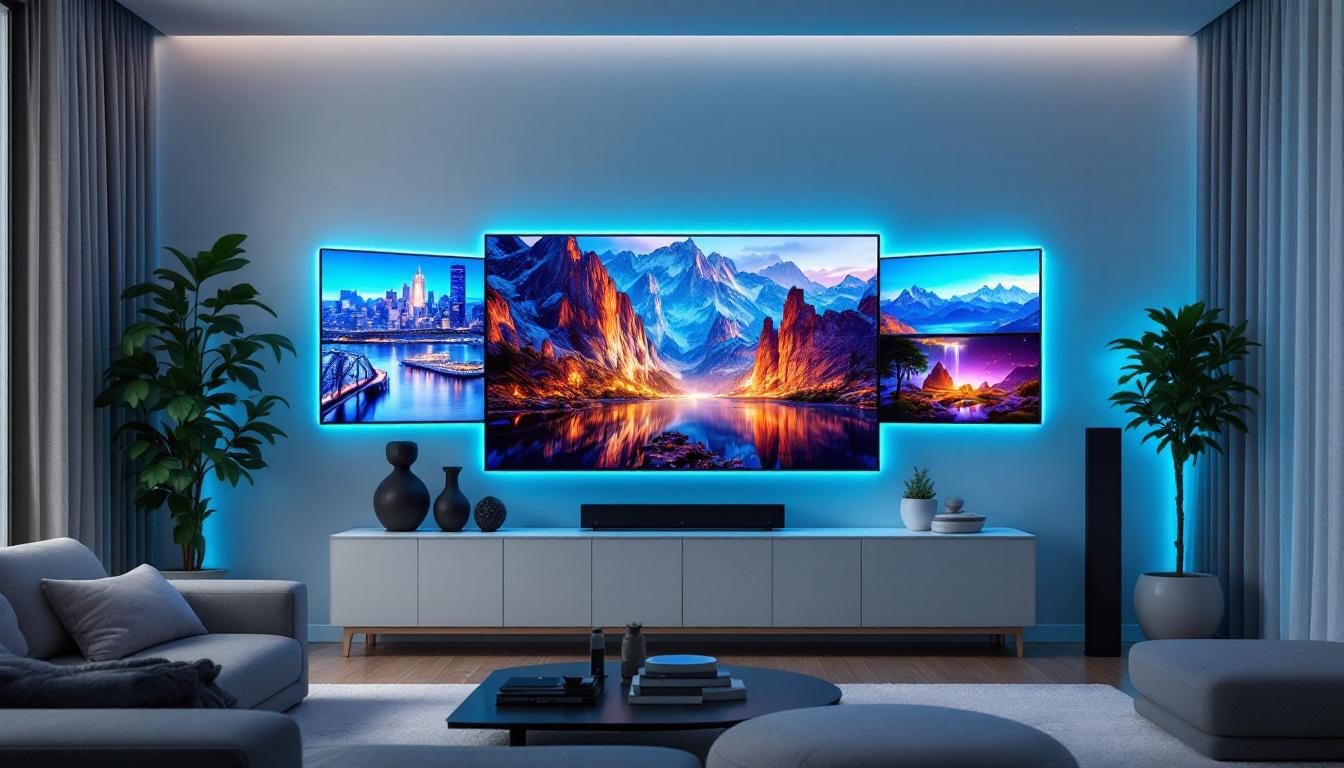
LED displays can be manufactured in various sizes and shapes, from small indoor panels to massive outdoor video walls. Their modular design allows for easy scaling and customization to meet specific project requirements.
Innovations such as flexible and transparent LED panels further expand the possibilities for creative installations in architecture and design.
Robustness and Reliability
LED displays are built to withstand harsh environmental conditions, including rain, dust, and temperature fluctuations. This durability ensures consistent performance and reduces maintenance needs, especially for outdoor applications.
Industry Trends and Innovations in LED Displays
The LED display industry is dynamic, with continuous advancements enhancing performance, functionality, and user experience. Staying abreast of these trends is crucial for businesses and professionals leveraging LED technology.
Mini-LED and Micro-LED Technologies
Emerging technologies like Mini-LED and Micro-LED are pushing the boundaries of LED displays. Mini-LEDs use smaller diodes to achieve higher resolution and better contrast, while Micro-LEDs promise even greater pixel density, color accuracy, and energy efficiency.
These innovations are particularly impactful for high-end applications such as premium televisions, augmented reality devices, and professional digital signage.
Integration with Smart Technologies
Modern LED displays increasingly integrate with Internet of Things (IoT) platforms and smart control systems. This integration enables remote monitoring, automated adjustments based on ambient conditions, and interactive capabilities through sensors and AI-driven analytics.
Such features enhance operational efficiency and open new avenues for personalized and context-aware content delivery.
Sustainability and Eco-Friendly Design
Environmental considerations are shaping the development of LED displays. Manufacturers focus on reducing hazardous materials, improving recyclability, and enhancing energy efficiency to meet stricter regulations and consumer expectations.
Cat Led and similar brands often highlight their commitment to sustainability through certifications and eco-friendly product lines.
Choosing the Right LED Display: Factors to Consider
Selecting the appropriate LED display involves evaluating multiple factors to ensure it meets the intended application’s requirements and budget constraints.
Resolution and Pixel Pitch
The resolution needed depends on the viewing distance and content type. For close-up viewing, such as indoor retail displays, a smaller pixel pitch (1.5mm to 4mm) is essential for sharp images. For large outdoor billboards viewed from afar, a larger pixel pitch (10mm or more) suffices.
Brightness and Environmental Suitability
Outdoor displays require higher brightness levels (typically above 5,000 nits) to combat sunlight glare. Indoor displays can operate at lower brightness but must balance illumination with comfort to avoid eye strain.
Durability and Maintenance
Consider the display’s IP rating for water and dust resistance, especially for outdoor installations. Modular designs facilitate easier repairs and upgrades, reducing downtime and lifecycle costs.
Control Systems and Connectivity
Advanced control options, including remote management, real-time diagnostics, and compatibility with various media players, enhance operational flexibility and ease of use.
Cost and Return on Investment
While initial costs vary widely, investing in high-quality LED displays like Cat Led often yields long-term savings through energy efficiency, durability, and reduced maintenance. Additionally, the impact on brand visibility and customer engagement can significantly influence business outcomes.
The Future of Cat Led and LED Display Technology
As technology continues to advance, Cat Led and the broader LED display industry are poised for exciting developments. Enhanced resolution, smarter integration, and sustainable design will drive the next generation of displays.
Furthermore, the expansion of digital signage into new sectors such as healthcare, education, and smart cities will create fresh opportunities for innovation and growth.
Ultimately, understanding the capabilities and potential of LED displays empowers businesses and organizations to make informed decisions that leverage this transformative technology effectively.
Conclusion
LED display technology, exemplified by Cat Led solutions, represents a powerful tool for visual communication across diverse environments. Its advantages in brightness, energy efficiency, durability, and flexibility make it an indispensable asset in advertising, entertainment, transportation, and beyond.
By comprehensively understanding the technology, features, and trends associated with LED displays, stakeholders can harness their full potential to engage audiences, convey information, and enhance experiences in an increasingly digital world.
Discover LumenMatrix’s Innovative LED Solutions
Ready to elevate your visual communication with the latest in LED technology? LumenMatrix is at the forefront of the industry, providing an array of advanced LED display modules designed to make your brand shine. From captivating Indoor LED Wall Displays to dynamic Outdoor LED Wall Displays, and from versatile Vehicle LED Displays to sleek LED Poster Displays, our solutions are crafted to captivate and engage. Explore our innovative LED Sports Displays, interactive Floor LED Displays, and the stunning clarity of our LED Transparent Displays. Embrace the future of digital signage with LumenMatrix and share your message with unparalleled impact. Check out LumenMatrix LED Display Solutions today and transform your space into a visual masterpiece.