The world of digital displays is vast and varied, with numerous configurations tailored to different applications. Among these, the 192×96 LED display stands out as a versatile and widely used resolution in various industries, from advertising to industrial control panels. This article delves into the specifics of the 192×96 LED display, explaining its technical aspects, common uses, advantages, and considerations for deployment.
Understanding the 192×96 LED Display Resolution
The term “192×96” refers to the pixel matrix of an LED display, meaning it has 192 pixels horizontally and 96 pixels vertically. This resolution results in a total of 18,432 individual pixels, each capable of emitting light to form images, text, or video content. The arrangement of these pixels allows for a range of applications, from simple text displays to more complex graphics, making it a versatile choice for various industries.
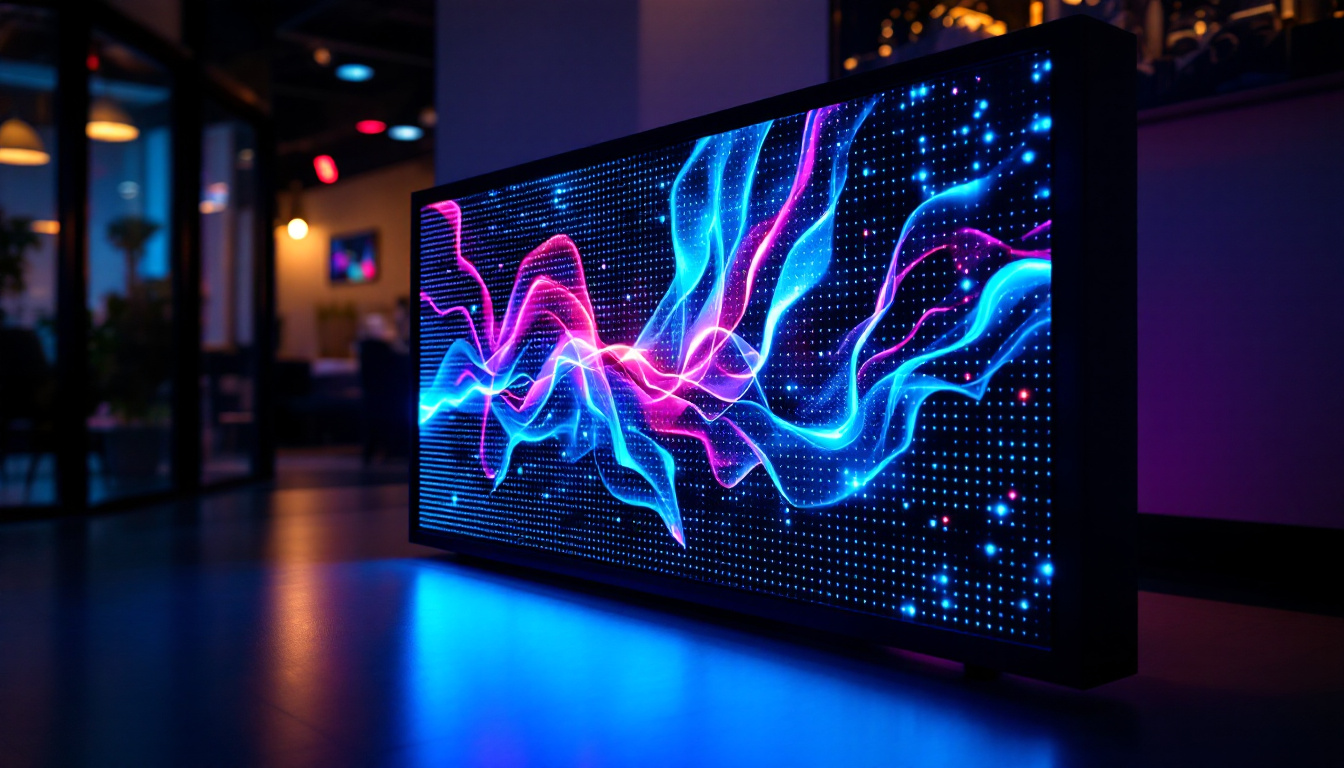
LED displays are composed of numerous tiny light-emitting diodes arranged in a grid. Each diode acts as a pixel, and by controlling the brightness and color of each pixel, the display can render detailed visuals. The 192×96 resolution offers a balance between clarity and size, making it suitable for medium-sized displays where detailed information needs to be conveyed without requiring ultra-high resolution. This makes it particularly popular in environments such as retail stores, conference rooms, and transportation hubs, where clear communication is essential.
Pixel Pitch and Its Impact
One crucial factor in LED displays is the pixel pitch—the distance between the centers of two adjacent pixels. The pixel pitch directly affects the display’s sharpness and viewing distance. For a 192×96 display, the pixel pitch can vary depending on the physical size of the panel. For example, a 192×96 display with a 2.5mm pixel pitch will be much smaller and sharper than one with a 10mm pitch. This variance allows for flexibility in design and application, catering to specific needs based on the environment and audience.
Choosing the right pixel pitch is essential for ensuring that the display is legible from the intended viewing distance. Smaller pixel pitches are ideal for close-up viewing, such as indoor signage or control panels, while larger pitches are suited for outdoor billboards or large venue screens where viewers are farther away. Additionally, the pixel pitch can influence the overall cost of the display, as tighter pitches often require more advanced technology and manufacturing processes. Understanding these nuances helps businesses make informed decisions about their display investments, ensuring they achieve the desired impact and functionality.
Common Applications of 192×96 LED Displays
The 192×96 LED display format is popular across various sectors due to its moderate resolution and flexibility. Below are some of the most common applications where this display type excels.
Advertising and Digital Signage
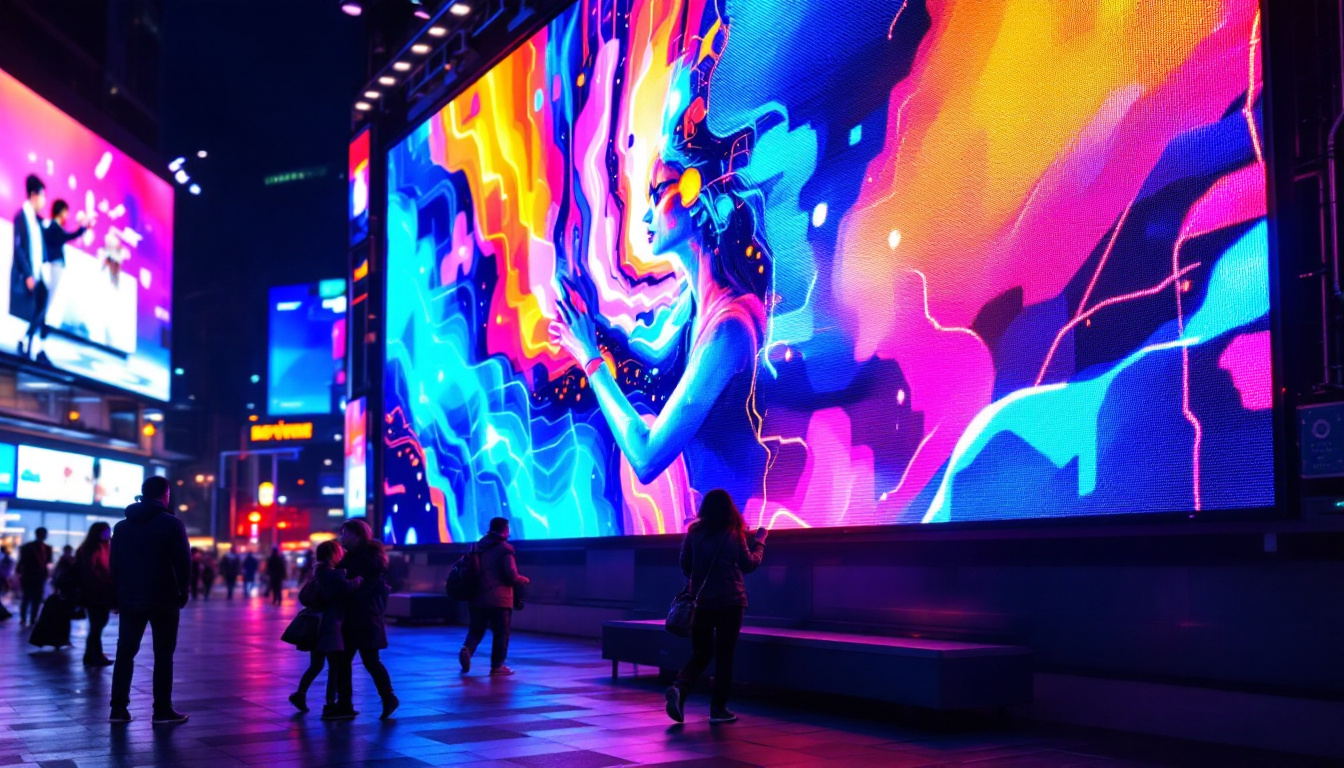
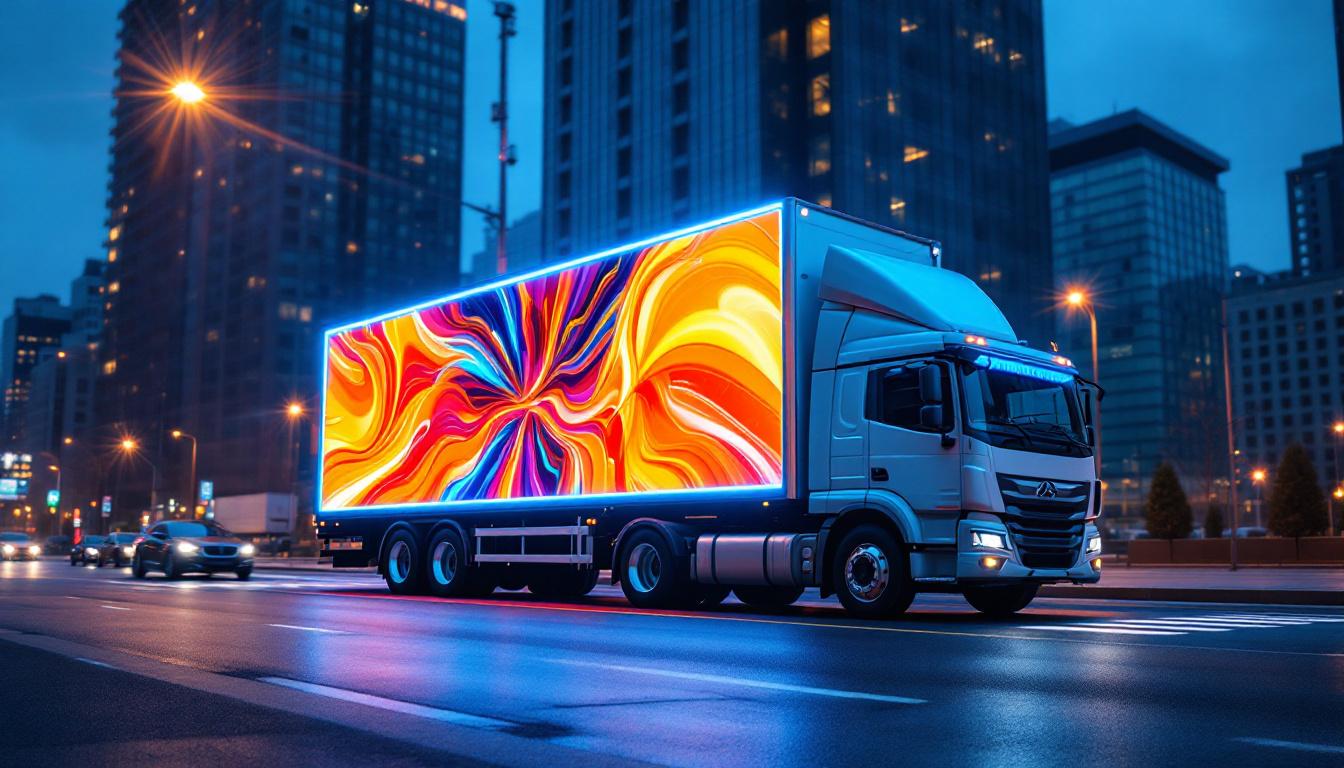
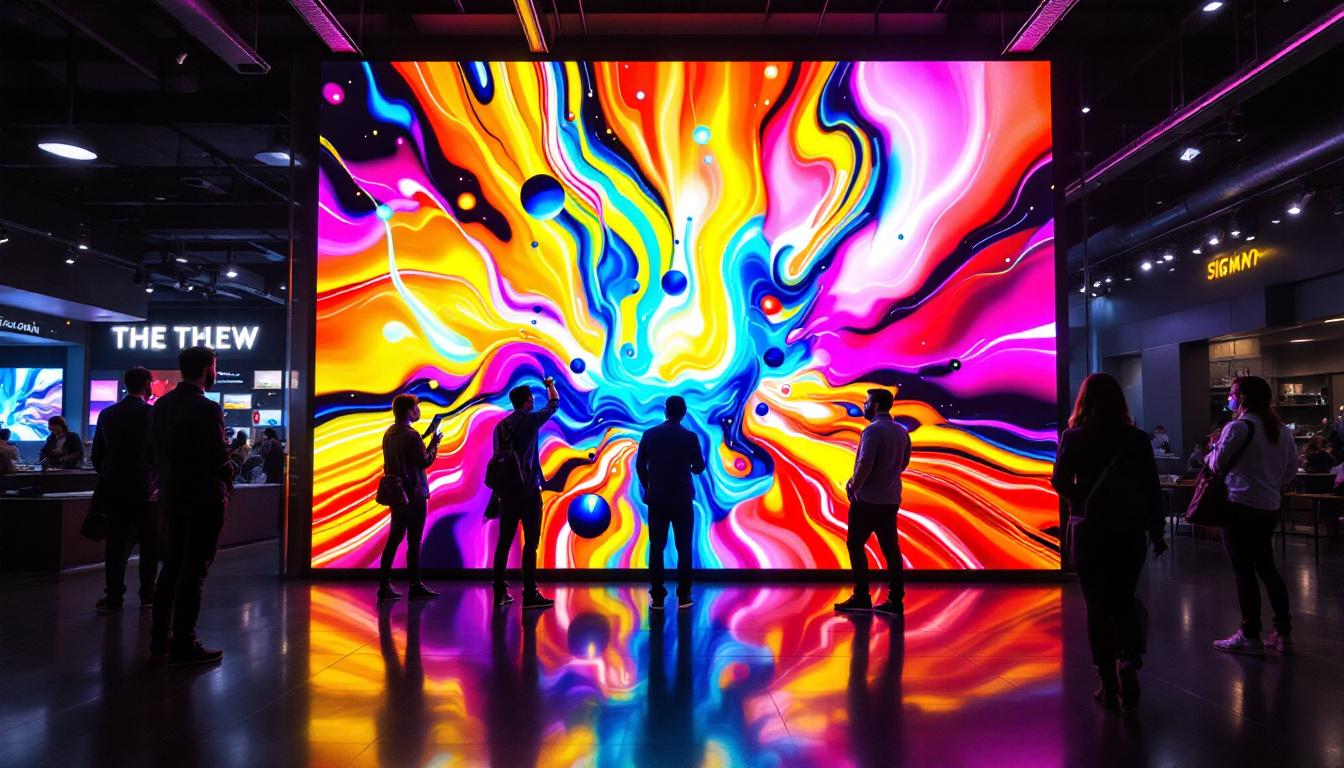
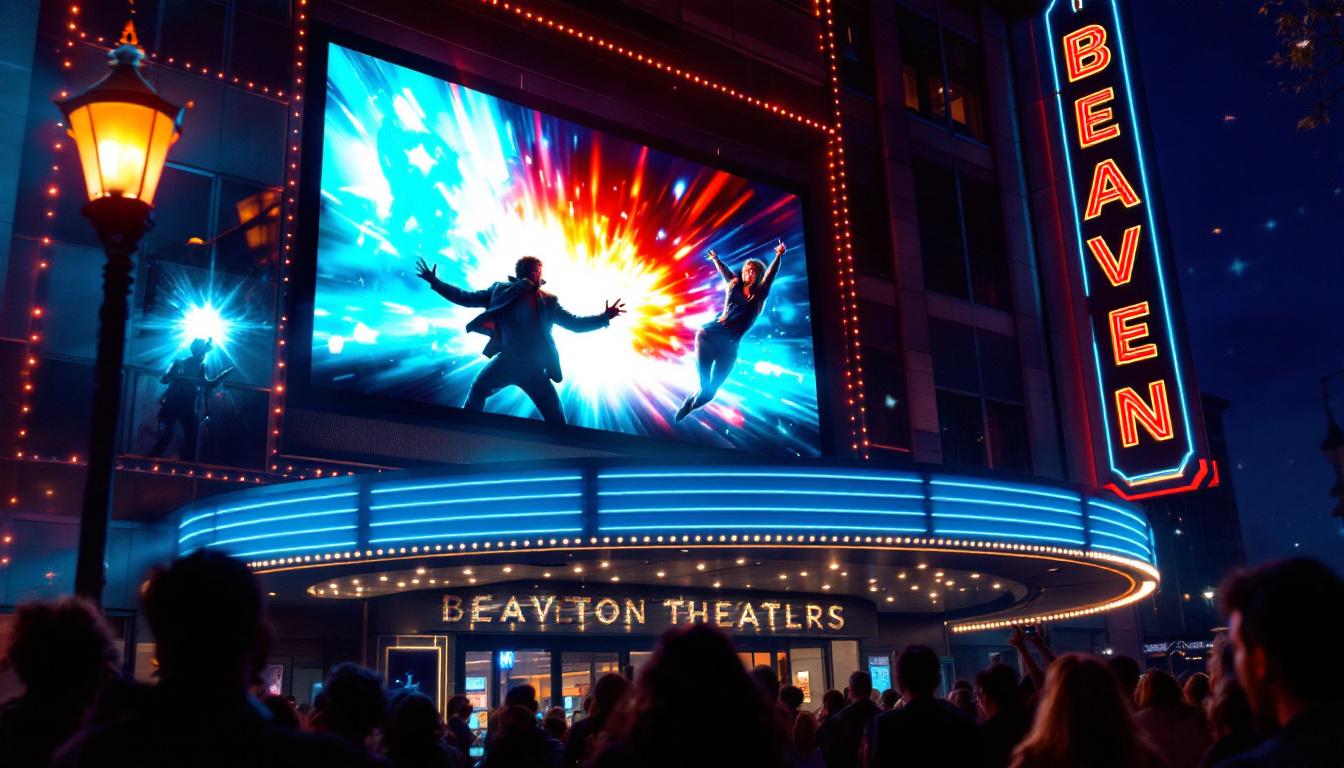
One of the most prevalent uses of 192×96 LED displays is in advertising. These displays often serve as digital billboards, storefront signs, or promotional panels. Their size and resolution allow advertisers to present clear, dynamic content that attracts attention without overwhelming the viewer.
For example, a retail store might use a 192×96 LED display to showcase daily deals, upcoming events, or brand messages. The ability to change content remotely and frequently makes LED displays more cost-effective and engaging than traditional static signs. Furthermore, the integration of motion graphics and animations can enhance viewer engagement, making the advertisements not just informative but also visually captivating. This adaptability allows businesses to tailor their messaging based on time of day, special promotions, or even seasonal changes, ensuring that the content remains fresh and relevant.
Transportation and Public Information Systems
Transportation hubs such as bus stations, train platforms, and airports benefit significantly from 192×96 LED displays. These screens provide real-time updates on schedules, delays, and important announcements. Their brightness and visibility under various lighting conditions make them ideal for outdoor or semi-outdoor environments.
Additionally, these displays are used in highway signage to inform drivers about traffic conditions, road closures, or safety messages. The resolution supports clear text and simple graphics that can be easily read at a distance. In urban areas, these displays can also be utilized to communicate emergency alerts or public service announcements, enhancing community safety and awareness. The versatility of the 192×96 format allows for the incorporation of QR codes or interactive elements, providing travelers with quick access to additional information via their mobile devices.
Industrial and Control Room Displays
In industrial settings, 192×96 LED displays are often integrated into control rooms and monitoring stations. They provide operators with critical data such as system statuses, alerts, and performance metrics. The moderate resolution ensures that information is clear without requiring excessive space.
For example, manufacturing plants might use these displays to track production line outputs or safety warnings. The durability and brightness of LED technology ensure reliable performance even in challenging environments. Moreover, these displays can be networked to central systems, allowing for real-time data updates and remote monitoring. This capability is particularly beneficial in industries where quick decision-making is essential, such as energy management or emergency response. By consolidating multiple data streams into a single display, operators can enhance situational awareness and improve operational efficiency, ultimately leading to better resource management and reduced downtime.
Technical Features and Advantages of 192×96 LED Displays
Beyond resolution, several technical features contribute to the effectiveness and popularity of 192×96 LED displays. Understanding these features helps in selecting the right display for specific needs.
Brightness and Visibility
LED displays are renowned for their high brightness levels, often ranging from 1,000 to over 6,000 nits depending on the model and intended use. The 192×96 format benefits from this, offering excellent visibility in both indoor and outdoor environments.
High brightness ensures that content remains legible even in direct sunlight, which is critical for outdoor signage and transportation displays. Additionally, many displays include ambient light sensors that automatically adjust brightness to optimize visibility and reduce power consumption.
Color Depth and Image Quality
Modern 192×96 LED displays typically support full-color output, often using RGB (red, green, blue) diodes to produce millions of colors. This capability allows for vibrant images, videos, and animations that enhance viewer engagement.
Color calibration and uniformity are important considerations, especially for advertising applications where brand colors must be accurate. Manufacturers often include calibration tools and software to maintain consistent color quality across the entire display.
Durability and Lifespan
LED technology is known for its longevity and robustness. A typical 192×96 LED display can have a lifespan of 50,000 to 100,000 hours, depending on usage and environmental conditions. This translates to many years of continuous operation without significant degradation.
Additionally, these displays are designed to withstand harsh weather conditions, including rain, dust, and temperature extremes. Many models come with IP65 or higher ratings, ensuring they are waterproof and dustproof, which is essential for outdoor applications.
Installation and Maintenance Considerations
Deploying a 192×96 LED display involves careful planning and ongoing maintenance to ensure optimal performance and longevity.
Physical Installation and Mounting
The physical size of a 192×96 LED display varies based on pixel pitch and panel design, but it generally requires a stable, secure mounting surface. Installation may involve wall mounting, freestanding structures, or integration into existing signage frameworks.
Professional installation is recommended to ensure proper alignment, electrical connections, and ventilation. Proper ventilation is critical to prevent overheating, which can shorten the lifespan of the LEDs and electronics.
Power and Connectivity Requirements
LED displays require a reliable power source and data connectivity to function correctly. The power consumption of a 192×96 display depends on brightness settings and usage patterns but typically ranges from a few hundred watts to over a kilowatt for larger or brighter models.
Data connectivity options include wired Ethernet, Wi-Fi, or specialized control protocols. Many modern displays support remote content management, allowing operators to update information in real time from centralized control systems.
Maintenance and Troubleshooting
Routine maintenance includes cleaning the display surface to remove dust and debris, checking electrical connections, and monitoring for dead pixels or color inconsistencies. Many LED displays come with built-in diagnostics to alert operators to potential issues.
In case of pixel failures or module malfunctions, modular designs allow for easy replacement of individual sections without dismantling the entire display. This modularity reduces downtime and maintenance costs.
Future Trends and Innovations in LED Display Technology
As LED technology continues to evolve, the capabilities and applications of 192×96 displays are expanding. Several key trends are shaping the future of this technology.
Higher Resolution and Pixel Density
Advancements in LED manufacturing are enabling smaller pixel pitches and higher resolutions within the same physical footprint. This means future 192×96 displays could offer even sharper images and finer detail, suitable for applications requiring close-up viewing.
Energy Efficiency Improvements
New LED materials and driver technologies are improving energy efficiency, reducing power consumption without compromising brightness or image quality. This is particularly important for large-scale deployments where operational costs are significant.
Integration with Smart Technologies
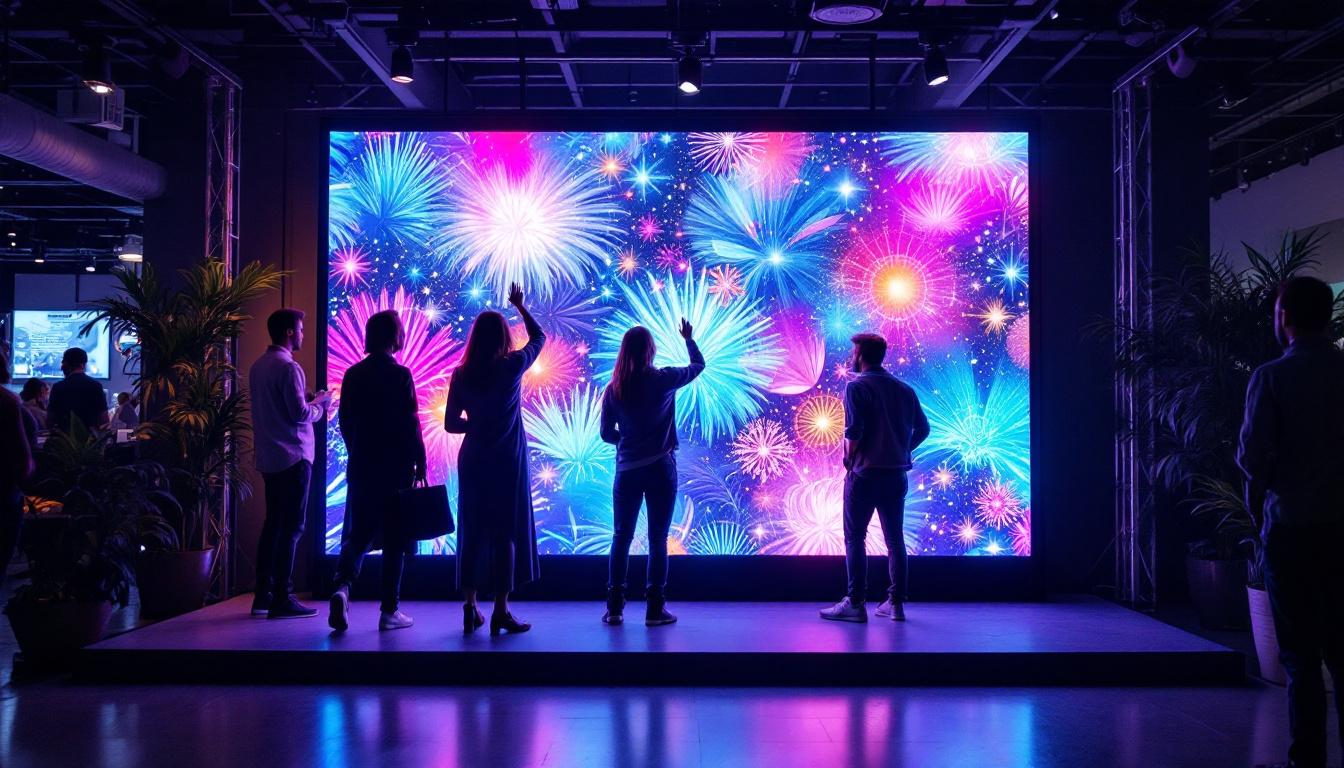
Integration with IoT (Internet of Things) and AI (Artificial Intelligence) is making LED displays smarter and more interactive. For example, sensors can adjust content based on viewer demographics or environmental conditions, enhancing engagement and relevance.
Moreover, augmented reality (AR) and mixed reality (MR) technologies are beginning to intersect with LED displays, creating immersive experiences in retail, entertainment, and education.
Conclusion
The 192×96 LED display represents a versatile and effective solution for a wide range of digital signage and information display needs. Its balanced resolution, combined with the inherent advantages of LED technology—brightness, durability, and color fidelity—make it an excellent choice for advertising, transportation, industrial, and many other applications.
Understanding the technical aspects, installation requirements, and future trends associated with 192×96 LED displays enables businesses and organizations to make informed decisions that maximize the impact and longevity of their digital displays.
As LED technology continues to advance, the potential applications and capabilities of 192×96 displays will only grow, offering exciting opportunities for innovation and engagement in the digital communication landscape.
Discover LumenMatrix’s Advanced LED Display Solutions
Ready to elevate your visual communication strategy with the latest in LED technology? LumenMatrix is at the forefront of innovation, offering a comprehensive range of LED display solutions tailored to your unique needs. From vibrant Indoor LED Walls to dynamic Outdoor Displays and beyond, our products are designed to captivate and engage your audience. Embrace the future of digital signage with LumenMatrix and transform your space into a mesmerizing visual experience. Check out LumenMatrix LED Display Solutions today and see the difference cutting-edge technology can make.