In today’s rapidly evolving digital landscape, LED displays have become an integral part of how information is shared, advertisements are presented, and environments are illuminated. From towering billboards in bustling cities to sleek digital signage in retail stores, LED technology powers a vast array of visual communication tools. However, behind the vibrant colors and sharp images lies a complex interplay of standards, certifications, and environmental considerations, notably CE and RoHS compliance. This article delves into the world of CE RoHS light LED displays, explaining their significance, technology, and impact on industries and consumers alike.
Understanding LED Display Technology
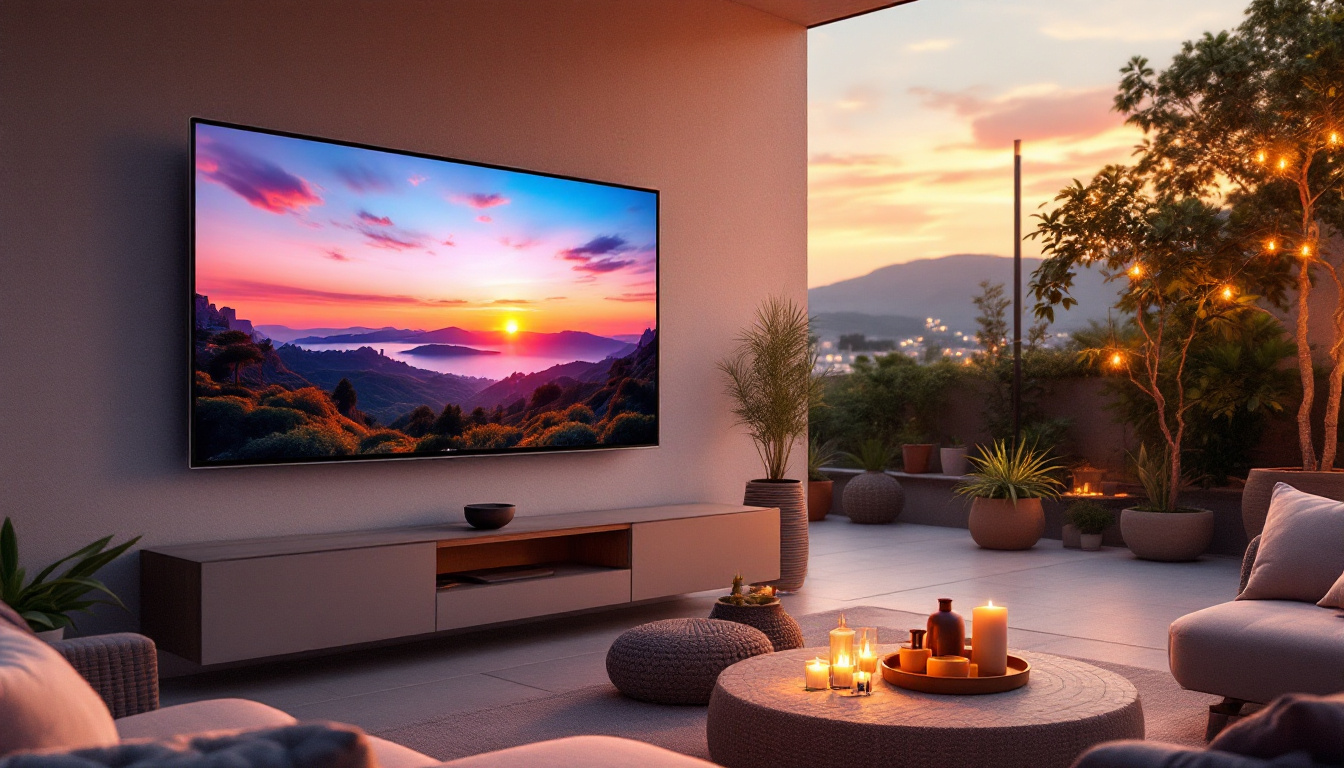
Light Emitting Diode (LED) displays have revolutionized the way visual content is presented. Unlike traditional display technologies such as LCD or plasma, LEDs produce light through electroluminescence, offering superior brightness, energy efficiency, and longevity. This transformation has not only enhanced the aesthetic appeal of visual media but has also made it more accessible in various environments, from bustling city streets to intimate indoor settings.
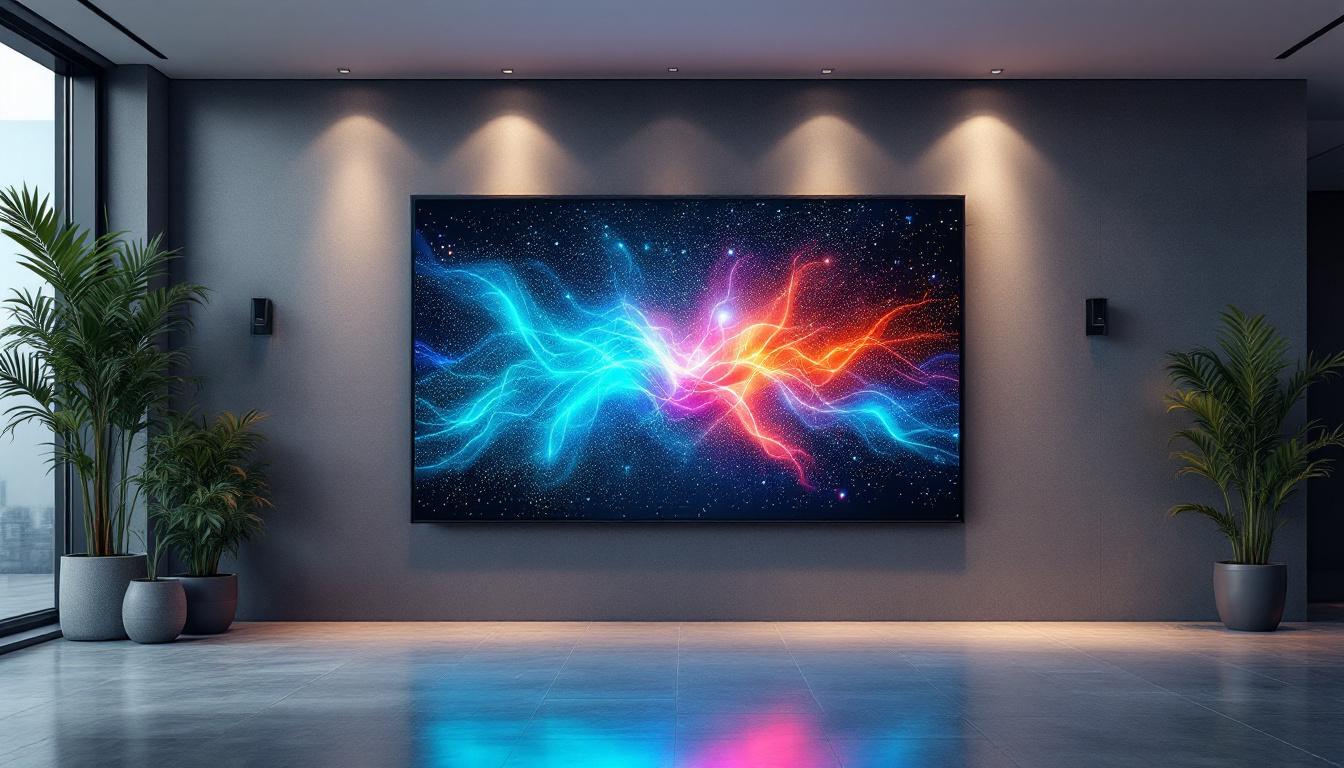
LED displays are composed of numerous tiny LEDs, each functioning as an individual pixel. These pixels combine to create vivid images, videos, and dynamic content that can be viewed clearly even in direct sunlight. The technology is versatile, supporting various configurations such as indoor, outdoor, flexible, and transparent displays. For instance, transparent LED displays are gaining traction in retail environments, allowing businesses to showcase products while maintaining visibility into their stores, thus blending advertising with functionality seamlessly.
The rise of LED displays is closely linked to advancements in semiconductor technology and the demand for sustainable, high-performance visual solutions. According to a 2023 report by MarketsandMarkets, the global LED display market is projected to grow at a CAGR of 11.2% between 2023 and 2028, driven by increasing adoption in advertising, sports arenas, transportation hubs, and smart cities. This growth reflects a broader trend toward digitalization, where traditional signage is being replaced with dynamic, eye-catching displays that can be updated in real-time to engage audiences more effectively.
Key Components of LED Displays
At the core of an LED display are the LEDs themselves, which can be categorized into two main types: surface-mounted device (SMD) LEDs and through-hole LEDs. SMD LEDs are smaller and allow for higher pixel density, making them ideal for high-resolution indoor displays. Through-hole LEDs, on the other hand, are more robust and often used in outdoor environments where durability is paramount. The choice between these types often depends on the specific application and the environmental conditions the display will face.
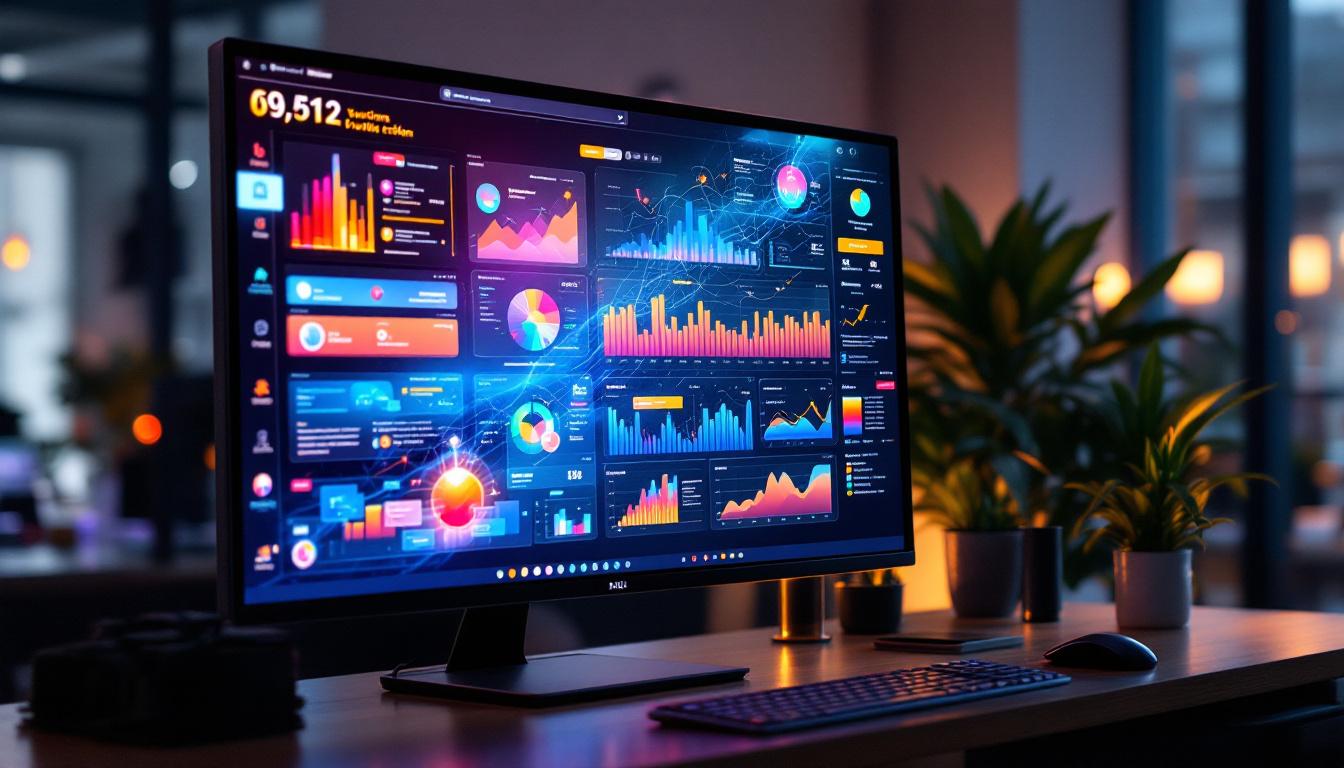
Other critical components include the driver ICs (integrated circuits) that control the LEDs’ brightness and color, power supplies, and the control system that manages content display. Advances in microcontroller technology and software have also enhanced the capabilities of LED displays, enabling features like real-time content updates, interactive touchscreens, and energy-saving modes. Furthermore, the integration of artificial intelligence and machine learning algorithms is paving the way for more personalized advertising experiences, where displays can adapt content based on audience demographics and behaviors. This level of interactivity not only captivates viewers but also provides valuable data insights for businesses looking to optimize their marketing strategies.
The Importance of CE and RoHS Certifications
When considering LED displays, especially for commercial or public use, compliance with regulatory standards is essential. Two of the most significant certifications in this context are CE marking and RoHS compliance.
What is CE Marking?
The CE (Conformité Européenne) marking is a certification that indicates a product meets the European Union’s health, safety, and environmental protection standards. For LED displays, CE marking ensures that the device complies with directives related to electromagnetic compatibility (EMC), low voltage, and other relevant regulations.
Manufacturers affix the CE mark to demonstrate conformity, which is mandatory for products sold within the European Economic Area (EEA). This certification provides assurance to consumers and businesses that the LED display has undergone rigorous testing and meets essential safety requirements.
Understanding RoHS Compliance
RoHS, or Restriction of Hazardous Substances, is a directive aimed at limiting the use of specific hazardous materials in electrical and electronic equipment. Initially introduced in 2003, RoHS restricts substances such as lead, mercury, cadmium, hexavalent chromium, and certain flame retardants (PBB and PBDE).
For LED displays, RoHS compliance means that the product is manufactured with materials that minimize environmental harm and reduce health risks associated with hazardous substances. This is particularly important given the widespread use and eventual disposal of electronic displays worldwide.
Why CE RoHS Compliance Matters for LED Displays
Combining CE marking and RoHS compliance creates a robust framework ensuring that LED displays are safe, environmentally friendly, and reliable. Here are several reasons why these certifications are crucial:
1. Consumer Safety and Product Reliability
CE marking guarantees that the LED display has passed stringent tests related to electrical safety and electromagnetic interference. This reduces risks such as electrical shock, fire hazards, and malfunctioning due to interference with other devices. For businesses deploying LED displays in public spaces, this reliability is vital to protect both users and the brand’s reputation.
2. Environmental Responsibility
RoHS compliance addresses the growing global concern over electronic waste and toxic materials. By restricting hazardous substances, manufacturers contribute to reducing pollution and facilitating safer recycling processes. This aligns with the increasing consumer demand for sustainable products and corporate social responsibility initiatives.
3. Market Access and Legal Compliance
For companies looking to sell LED displays in Europe, CE and RoHS certifications are mandatory. Without these, products cannot legally enter the market. Moreover, many other regions recognize or adopt similar standards, making compliance a strategic advantage for global distribution.
Applications of CE RoHS Light LED Displays
The versatility of LED displays combined with CE RoHS compliance has opened doors across numerous sectors. Understanding these applications highlights the technology’s impact and the importance of certified products.
Advertising and Outdoor Signage
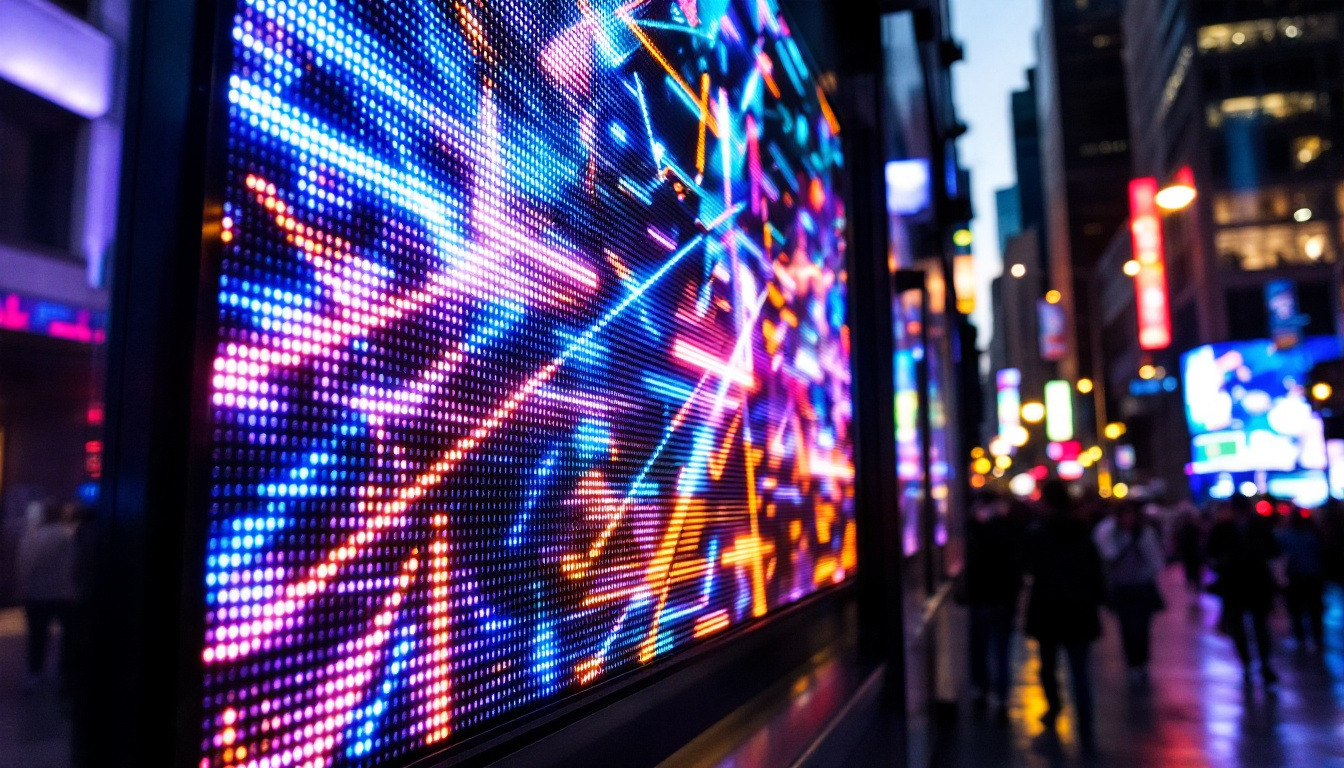
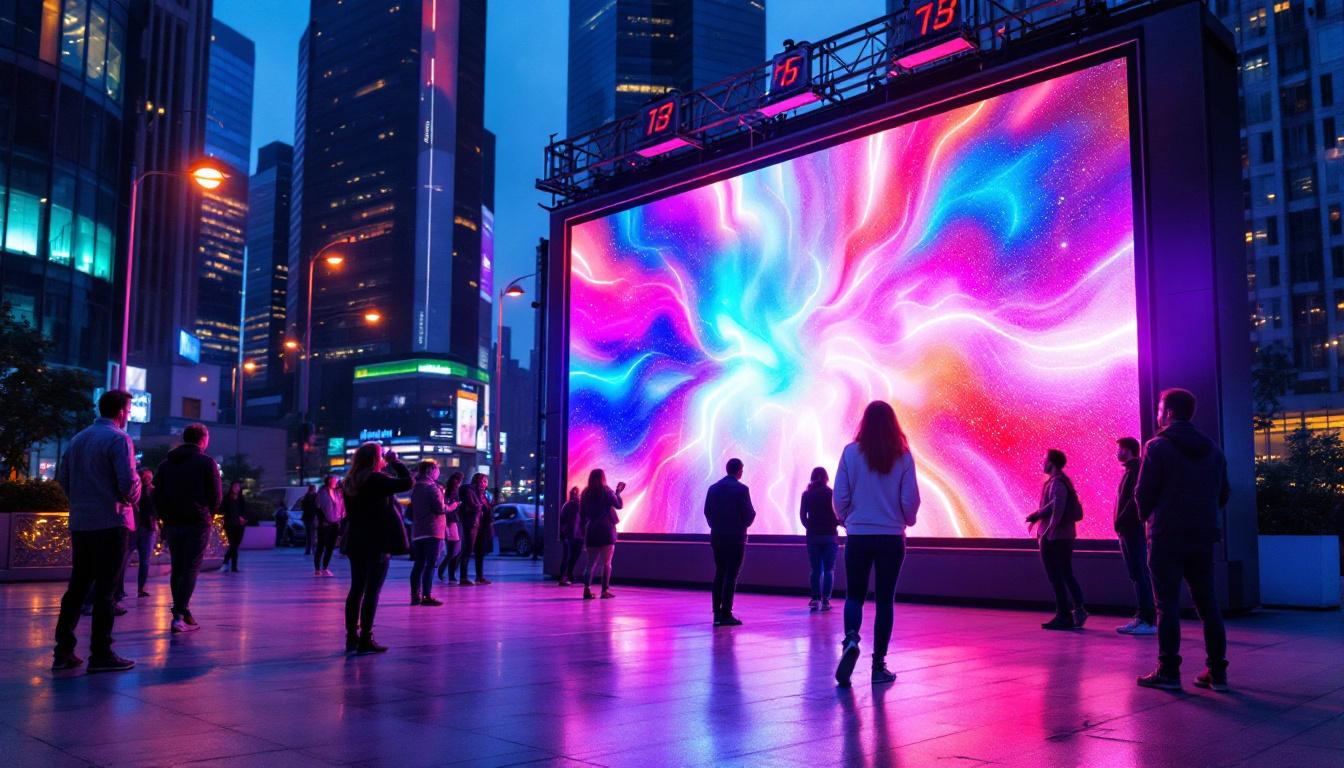
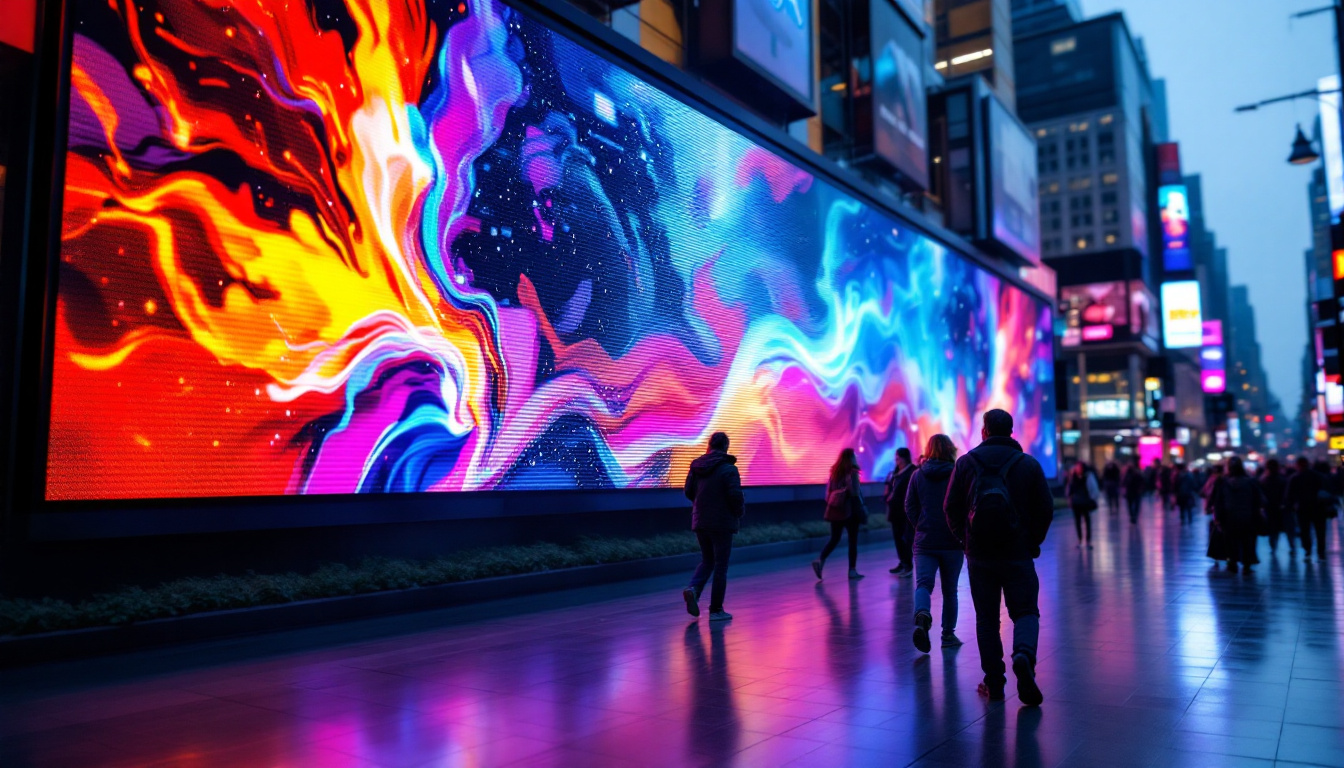
One of the most visible uses of LED displays is in outdoor advertising. Billboards equipped with high-brightness LED panels attract attention with dynamic content that can be updated remotely. CE RoHS certification ensures these displays are safe for public installation and environmentally responsible, which is critical given their size and exposure to the elements.
Retail and Indoor Digital Signage
Retailers increasingly rely on LED displays to enhance customer engagement through interactive promotions, wayfinding, and product information. Indoor LED screens benefit from SMD technology for high resolution and vibrant colors. Compliance with CE and RoHS standards ensures these devices operate safely in busy environments and meet environmental regulations.
Transportation and Public Information Systems
Airports, train stations, and bus terminals utilize LED displays to provide real-time updates, schedules, and alerts. These systems require high reliability and clear visibility, often in challenging lighting conditions. CE RoHS-certified LED displays meet these demands while adhering to strict safety and environmental standards.
Sports and Entertainment Venues
From stadium scoreboards to concert backdrops, LED displays enhance the spectator experience with large-scale, high-definition visuals. The durability and performance of CE RoHS-compliant LED panels ensure they withstand intense usage and environmental stress while maintaining safety and sustainability.
Choosing the Right CE RoHS Light LED Display
When selecting an LED display that meets CE and RoHS standards, several factors should be considered to ensure optimal performance and compliance.
Resolution and Pixel Pitch
Resolution determines the clarity of the displayed image, while pixel pitch—the distance between individual LEDs—affects viewing distance and detail. Indoor displays typically require finer pixel pitches (1.2mm to 4mm), whereas outdoor displays can have larger pitches (6mm to 20mm) due to longer viewing distances.
Brightness and Contrast
Brightness is measured in nits and is crucial for visibility, especially outdoors. CE RoHS-certified LED displays often feature high brightness levels exceeding 5,000 nits for outdoor use, ensuring content remains clear even in direct sunlight. Contrast ratios also influence image quality, contributing to deeper blacks and more vibrant colors.
Durability and Weather Resistance
For outdoor installations, LED displays must withstand rain, dust, temperature fluctuations, and UV exposure. Look for IP ratings (Ingress Protection) that indicate the level of protection against environmental factors. IP65 or higher is generally recommended for outdoor LED displays.
Energy Efficiency
Energy consumption is a key consideration for operational costs and environmental impact. CE RoHS-certified LED displays often incorporate energy-saving technologies such as automatic brightness adjustment and efficient power supplies, reducing electricity usage without compromising performance.
Manufacturer Reputation and Support
Choosing products from reputable manufacturers who provide CE and RoHS documentation, warranties, and technical support ensures peace of mind. Reliable after-sales service is essential for maintenance and troubleshooting, especially for large-scale or mission-critical installations.
Future Trends in CE RoHS Light LED Displays
The LED display industry continues to innovate, driven by technological advancements and evolving regulatory landscapes. Several trends are shaping the future of CE RoHS light LED displays:
Mini-LED and Micro-LED Technologies
Emerging technologies like mini-LED and micro-LED offer even higher resolution, improved contrast, and better energy efficiency. These displays use smaller LEDs, enabling thinner panels and enhanced picture quality, particularly for indoor applications such as TVs, monitors, and digital signage.
Flexible and Transparent LED Displays
Flexible LED panels allow for curved or irregular surfaces, expanding design possibilities in architecture and retail. Transparent LED displays enable see-through visuals on glass surfaces, blending digital content with physical environments. Both types are increasingly manufactured to meet CE and RoHS standards, ensuring safety and sustainability.
Integration with IoT and Smart Technologies
LED displays are becoming smarter, integrating with Internet of Things (IoT) devices and cloud-based content management systems. This enables real-time data display, remote control, and personalized content delivery, enhancing user engagement and operational efficiency.
Enhanced Sustainability Practices
Manufacturers are adopting greener production methods, recyclable materials, and extended product lifecycles to align with global sustainability goals. Compliance with CE and RoHS will remain a baseline, with additional certifications and eco-labels gaining prominence.
Conclusion
CE RoHS light LED displays represent a convergence of cutting-edge technology, regulatory compliance, and environmental responsibility. Understanding the significance of CE marking and RoHS compliance helps businesses and consumers make informed decisions when selecting LED display solutions. As the market grows and technology advances, these certifications will continue to play a vital role in ensuring that LED displays are safe, reliable, and sustainable.
Whether for advertising, retail, transportation, or entertainment, choosing CE RoHS-certified LED displays not only guarantees adherence to important standards but also contributes to a safer and greener future in digital visual communication.
Discover LumenMatrix’s Certified LED Display Solutions
As you consider the importance of CE and RoHS certifications for safe, reliable, and sustainable LED displays, LumenMatrix stands at the forefront of this technology. Our commitment to excellence ensures that every LED display we offer, from Indoor and Outdoor LED Walls to Custom and Transparent Displays, meets the highest standards of quality and environmental responsibility. Experience the future of visual communication with LumenMatrix’s innovative solutions that promise to elevate your brand and captivate your audience. Check out LumenMatrix LED Display Solutions today and join the revolution in digital signage excellence.