In today’s rapidly evolving digital landscape, touch screen technology has become an integral part of everyday interaction with devices—from smartphones and tablets to kiosks and interactive signage. The integration of cameras into touch screen LED displays is a significant advancement, enhancing functionality and user experience across various industries. This article delves into the technology behind touch screens with cameras, explores the role of LED displays, and highlights practical applications and future trends.
Understanding Touch Screen Technology
What Is a Touch Screen?
A touch screen is an input device layered on top of an electronic visual display that allows users to interact directly with what is displayed, rather than using a mouse, keyboard, or other intermediate device. Touch screens detect the presence and location of a touch within the display area, enabling intuitive and efficient control.
There are several types of touch screen technologies, including resistive, capacitive, infrared, and surface acoustic wave. Capacitive touch screens, which rely on the electrical properties of the human body, are the most commonly used in modern devices due to their responsiveness and multi-touch capabilities. These screens can recognize multiple touch points simultaneously, allowing for gestures such as pinching to zoom or swiping to navigate, which enhances user interaction and engagement significantly.
Moreover, the evolution of touch screen technology has led to the development of advanced features like haptic feedback, which provides tactile responses to touch inputs. This feedback can simulate the sensation of pressing a button or clicking a link, making the interaction feel more natural and satisfying. As a result, touch screens are not only prevalent in smartphones and tablets but have also found their way into various applications, from automotive interfaces to smart home devices, revolutionizing how we interact with technology.
The Role of Cameras in Touch Screen Devices
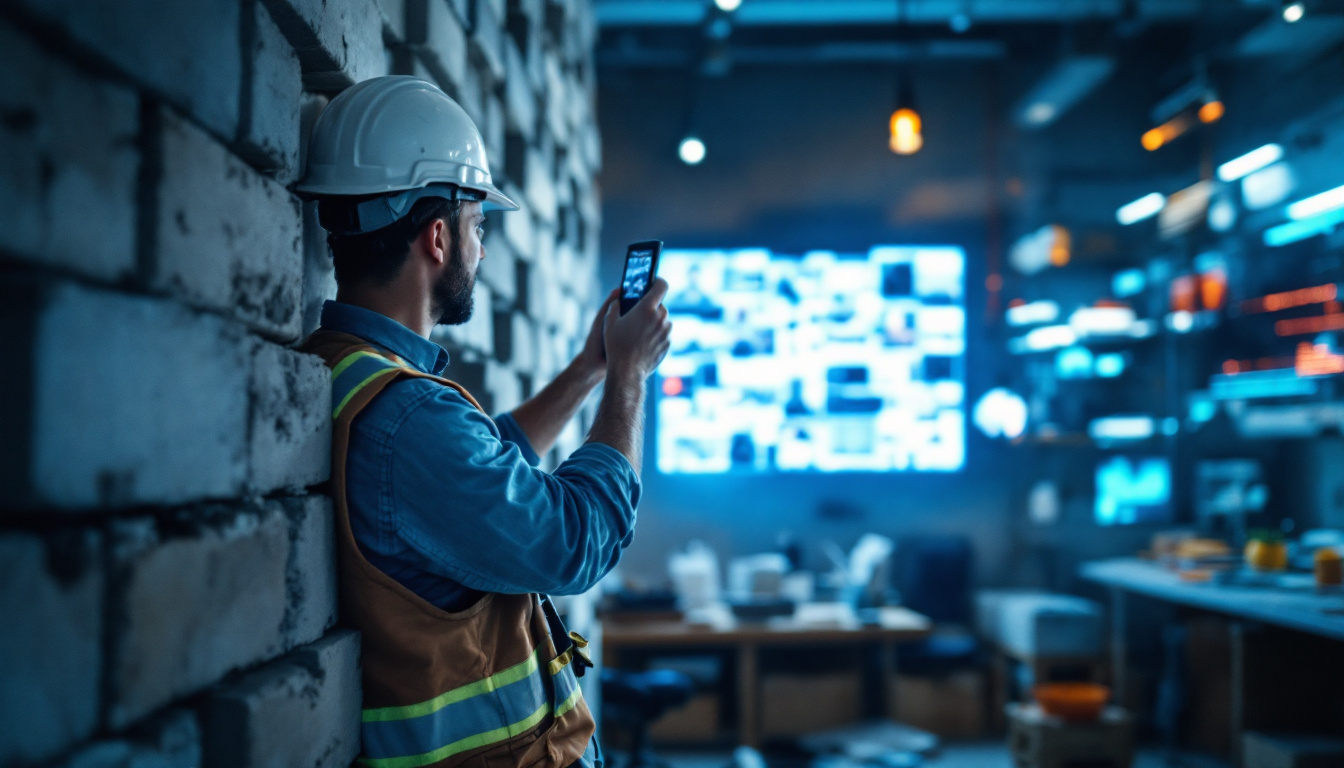
Integrating cameras into touch screen devices adds a new layer of interactivity and functionality. Cameras can capture images, enable facial recognition, support augmented reality (AR), and facilitate video conferencing. When combined with touch input, this integration creates more immersive and versatile user experiences.
For example, in retail environments, touch screens with embedded cameras can analyze customer behavior or enable gesture-based controls. In education, these devices can support interactive learning by combining touch input with visual feedback and real-time video analysis. Furthermore, the use of cameras in touch screen devices has opened up exciting possibilities for gaming and entertainment, where players can use their physical movements as inputs, blurring the lines between the virtual and real worlds. This synergy between touch screens and cameras is also paving the way for innovative applications in fields such as healthcare, where medical professionals can interact with patient data and imaging without the need for direct contact, thus maintaining hygiene and efficiency in critical environments.
LED Displays: The Backbone of Modern Touch Screens
What Are LED Displays?
LED (Light Emitting Diode) displays are a type of flat panel display that use light-emitting diodes as pixels to create images. They are widely favored for their brightness, energy efficiency, and long lifespan. LED technology has evolved to support various display types, including OLED (Organic LED) and MicroLED, each offering distinct advantages. OLED displays, for instance, provide deeper blacks and a wider color gamut, while MicroLED technology promises even better brightness and energy efficiency by utilizing microscopic LEDs that can be individually controlled.
In touch screen applications, LED displays provide vibrant visuals and high contrast, which are essential for clarity and responsiveness. Their ability to maintain visibility in different lighting conditions makes them ideal for both indoor and outdoor use. Furthermore, advancements in LED technology have led to the development of flexible displays, enabling innovative designs in smartphones, wearables, and other devices. This flexibility opens up new possibilities for product design, allowing manufacturers to create curved or foldable screens that enhance user interaction.
Advantages of LED Displays in Touch Screen Devices
LED displays offer several benefits that enhance the performance and usability of touch screen devices:
- Brightness and Visibility: LED displays can achieve high brightness levels, making screens readable even in direct sunlight.
- Energy Efficiency: LEDs consume less power compared to traditional LCDs with fluorescent backlights, extending battery life in portable devices.
- Thin and Lightweight: The compact nature of LED technology allows for sleeker device designs.
- Durability: LED displays are more resistant to shock and vibration, which is crucial for devices used in public or industrial environments.
Additionally, the rapid response time of LED displays significantly enhances the user experience in touch screen devices. This quick responsiveness is vital for applications that require real-time interaction, such as gaming or navigation systems. Moreover, the longevity of LED technology means that users can expect their devices to maintain performance over time, reducing the need for frequent replacements. As technology continues to advance, the integration of smart features, such as adaptive brightness and color calibration, further enhances the functionality of LED displays, making them an indispensable component of modern touch screen technology.
How Touch Screens with Cameras Work: Technical Insights
Integration of Camera Modules
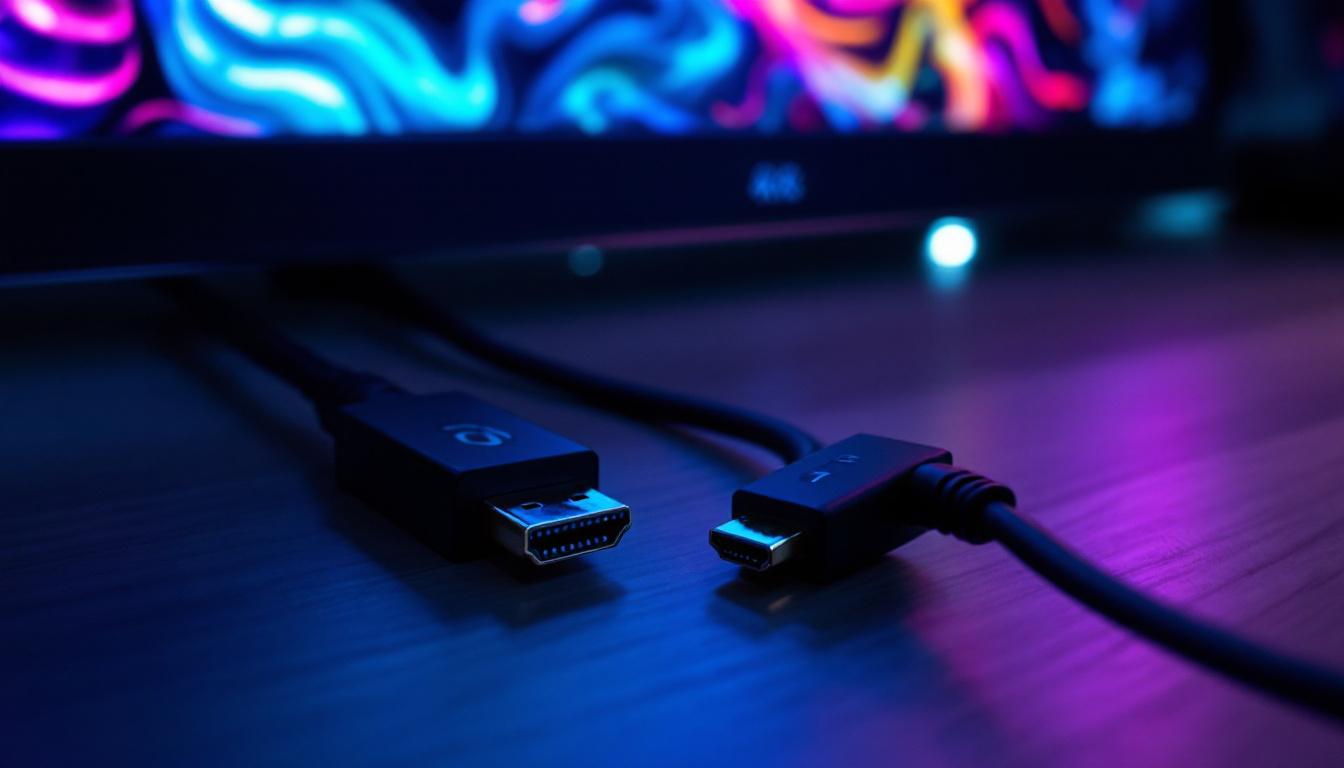
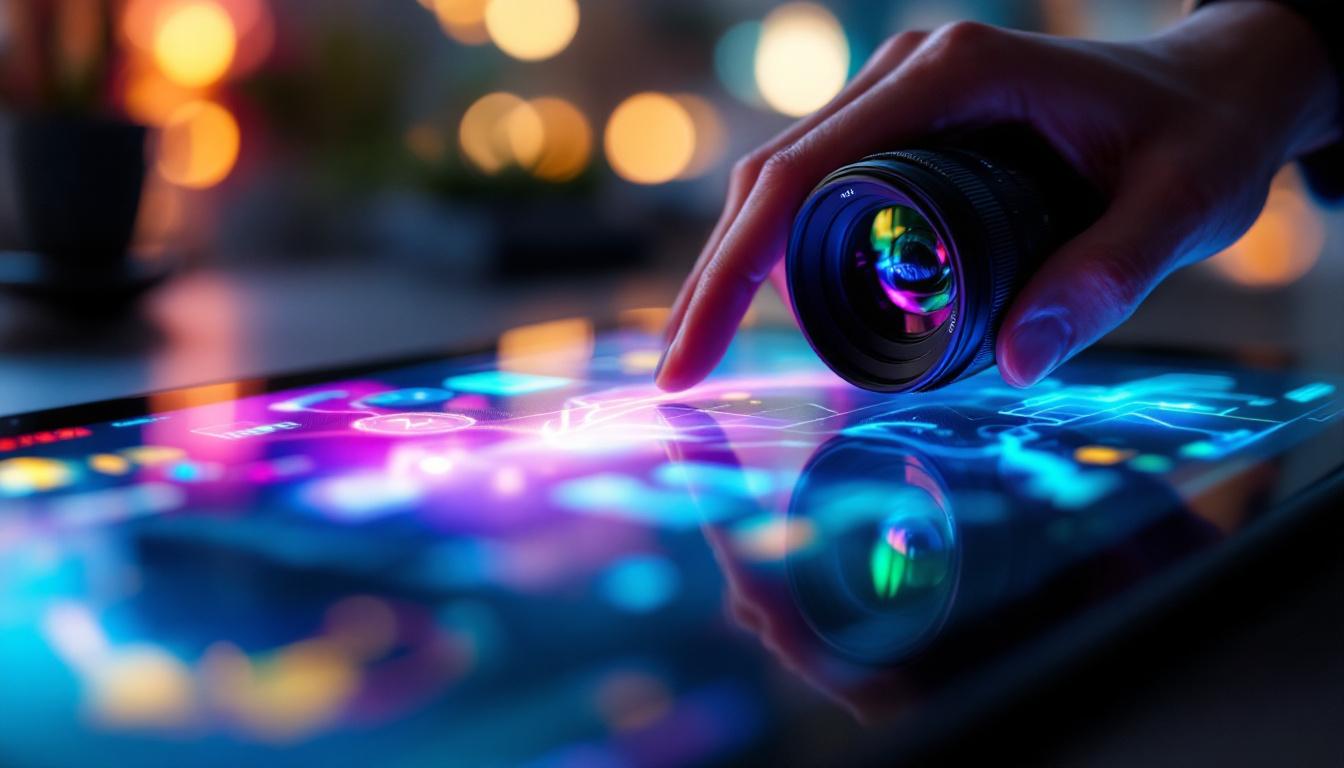
The integration of a camera into a touch screen LED display involves embedding a camera sensor either behind the screen or within the bezel surrounding the display. Advances in transparent and under-display camera technology have made it possible to place cameras beneath the screen without compromising display quality.
Under-display cameras use specialized pixel arrangements and image processing algorithms to capture clear images through the screen. This innovation is especially important for devices where bezel space is limited, such as smartphones and tablets.
Synchronizing Touch and Camera Inputs
To provide seamless user interaction, touch input data and camera data must be synchronized and processed efficiently. This requires sophisticated hardware and software coordination. For instance, in gesture recognition systems, the camera captures hand movements while the touch screen detects direct contact, allowing for hybrid control methods.
Machine learning algorithms often play a role in interpreting camera data, enhancing accuracy in facial recognition, gesture control, and augmented reality applications. The fusion of touch and camera inputs enables more natural and intuitive interactions.
Applications of Touch Screen LED Displays with Cameras
Retail and Advertising
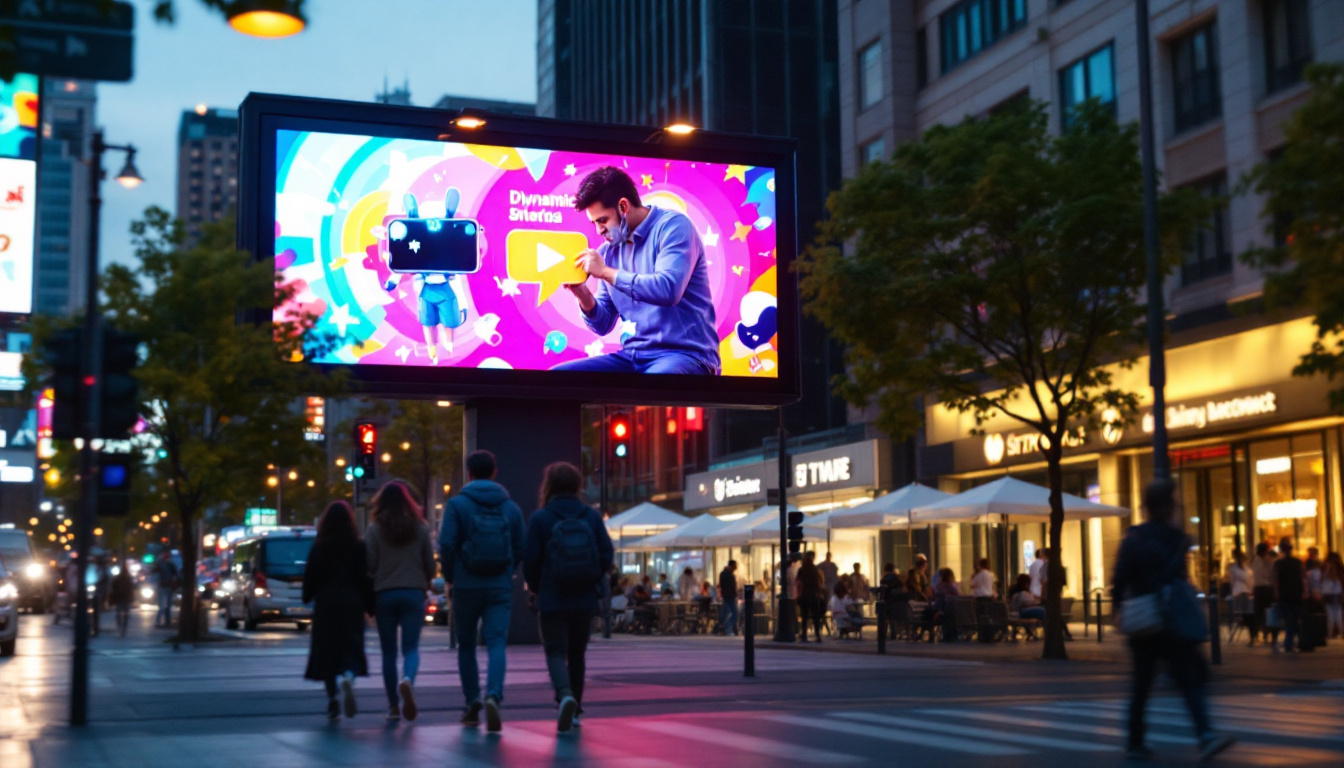
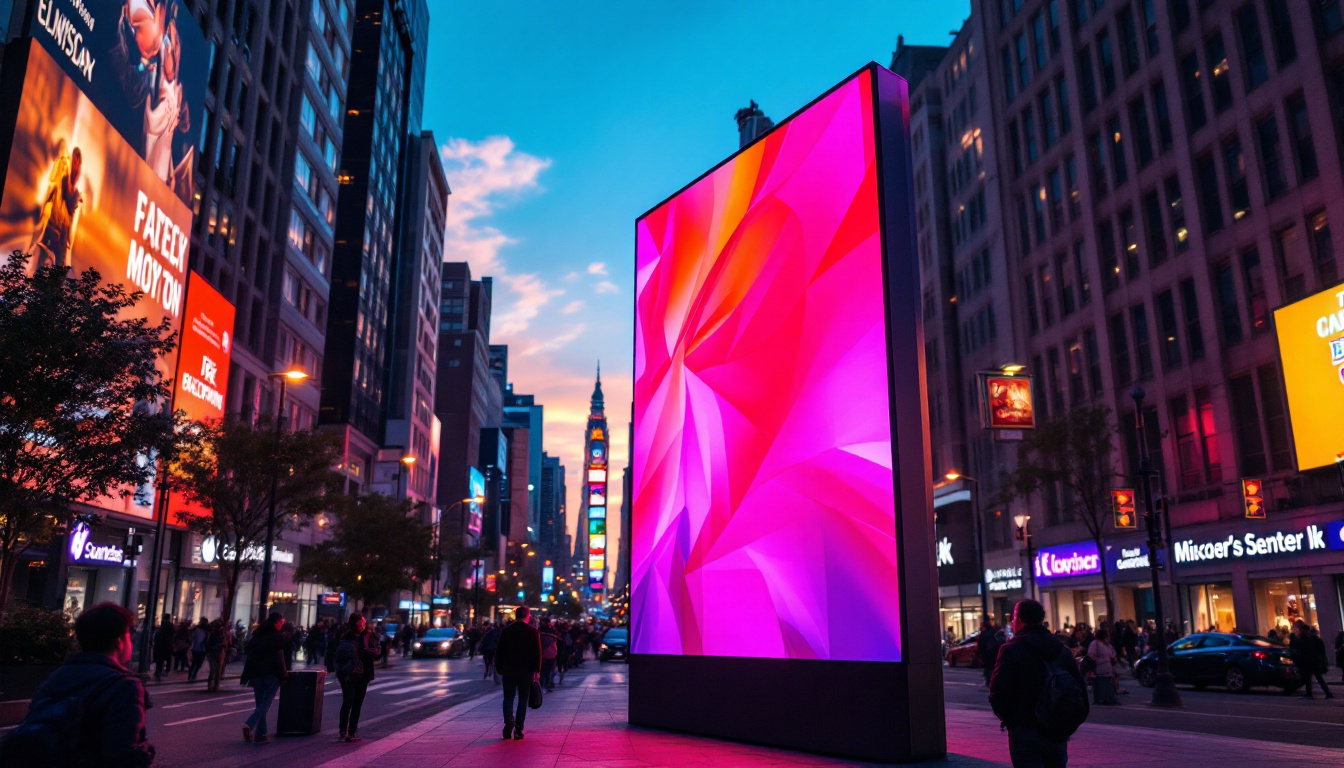
Interactive digital signage equipped with touch screens and cameras is transforming the retail experience. Cameras can analyze foot traffic, demographic data, and customer engagement, allowing retailers to tailor content dynamically. Touch screens enable customers to browse products, check prices, and place orders directly.
For example, fashion retailers use smart mirrors—LED touch screens with embedded cameras—that allow customers to virtually try on clothes. This reduces the need for physical fitting rooms and enhances customer satisfaction.
Healthcare and Telemedicine
In healthcare, touch screen devices with cameras facilitate telemedicine consultations, remote diagnostics, and patient monitoring. High-resolution LED displays ensure clear visuals for medical imaging and patient data, while cameras enable real-time video communication between patients and healthcare providers.
Moreover, touch screens with integrated cameras can support gesture-based controls in sterile environments, reducing the need for physical contact and minimizing contamination risks.
Education and Training
Educational institutions increasingly adopt interactive touch screen displays with cameras to create engaging learning environments. Cameras enable features such as eye-tracking, which helps educators understand student attention and engagement. Touch input allows for collaborative activities, digital whiteboarding, and interactive lessons.
In corporate training, these devices support virtual reality (VR) and augmented reality (AR) applications, enhancing hands-on learning experiences without the need for physical materials.
Security and Access Control
Security systems benefit from the combination of touch screens and cameras through biometric authentication such as facial recognition and fingerprint scanning. LED displays provide clear user interfaces for access control systems, while cameras verify identities in real time, increasing security and convenience.
These systems are widely used in corporate offices, airports, and smart buildings to manage secure entry efficiently.
Future Trends and Innovations
Advancements in Under-Display Camera Technology
As under-display camera technology matures, future devices will feature cameras that are virtually invisible, maintaining uninterrupted display aesthetics without sacrificing image quality. This will enable bezel-less designs and more immersive screen experiences.
Research is ongoing into new materials and pixel arrangements that improve light transmission and reduce image distortion, making under-display cameras more practical for high-end applications.
Enhanced AI and Machine Learning Integration
The integration of artificial intelligence (AI) and machine learning will continue to enhance the capabilities of touch screens with cameras. AI can improve gesture recognition accuracy, personalize user interfaces based on behavior, and enable advanced security features such as liveness detection in facial recognition.
These advancements will make devices smarter, more responsive, and capable of adapting to individual user needs.
Expansion of Augmented Reality Applications
Combining touch screens, cameras, and LED displays opens new possibilities for augmented reality (AR). Future devices will offer richer AR experiences by seamlessly blending digital content with the physical environment. This is particularly relevant for gaming, retail, education, and industrial training.
Wearable devices and smart glasses incorporating these technologies will redefine how users interact with digital information in real time.
Conclusion
Touch screen LED displays with integrated cameras represent a significant leap forward in interactive technology. By combining vibrant visual output, responsive touch input, and advanced imaging capabilities, these devices offer versatile solutions across numerous sectors including retail, healthcare, education, and security.
As technology continues to advance, the integration of under-display cameras, AI-driven interaction, and augmented reality will further enhance the user experience, making touch screens with cameras an essential component of future digital ecosystems.
Understanding the underlying technologies and their applications helps businesses and consumers make informed decisions about adopting these innovative devices, ensuring they leverage the full potential of this exciting convergence of display and imaging technology.
Explore the Future of Interactive Displays with LumenMatrix
Ready to experience the next level of interactive touch screen technology? LumenMatrix is at the forefront of LED display innovation, offering a wide array of solutions that bring your digital interactions to life. From Indoor and Outdoor LED Wall Displays to specialized solutions like Vehicle LED Displays and LED Sports Displays, our products are designed to captivate and engage. Discover how our LED Poster Displays, Floor LED Displays, and Custom LED solutions can transform your space. Embrace the future with our All-in-One and LED Transparent Displays, perfect for any application that demands high impact and clarity. Don’t miss out on the opportunity to enhance your brand visibility and create unforgettable visual experiences. Check out LumenMatrix LED Display Solutions today and join the revolution in visual communication.