In the rapidly evolving world of digital signage and immersive visual experiences, curved LED walls have emerged as a groundbreaking innovation. These displays are transforming how businesses, event organizers, and advertisers engage audiences by combining cutting-edge technology with creative design. But what exactly are curved LED walls, how do they work, and why are they becoming a preferred choice for so many applications? This article delves into the technology behind curved LED displays, their advantages, design considerations, and practical uses in various industries.
Understanding Curved LED Walls: Technology and Design
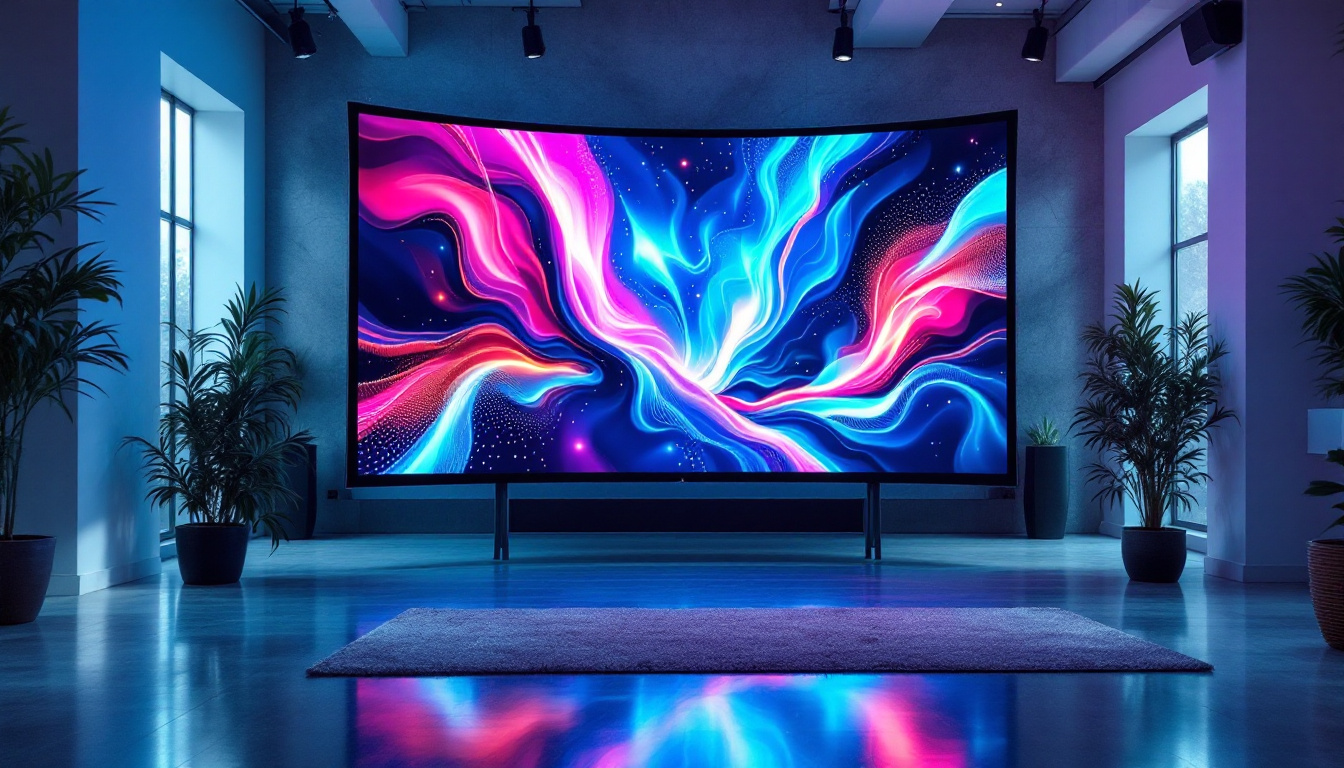
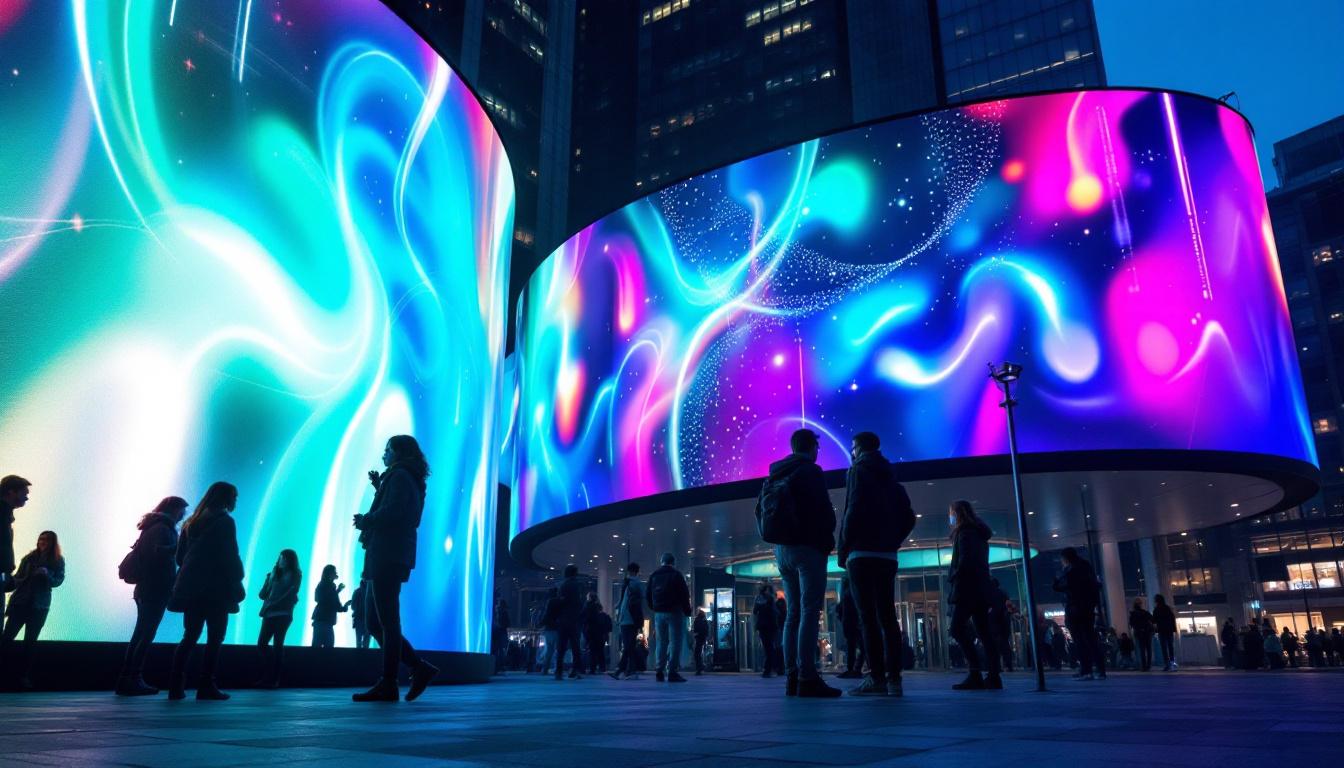
Curved LED walls are large-scale digital displays composed of numerous LED modules arranged to form a continuous, curved surface. Unlike traditional flat LED screens, these walls can bend horizontally or vertically, creating a wrap-around visual effect that enhances immersion and depth perception. This innovative technology has transformed various industries, including entertainment, advertising, and even architectural design, by providing a dynamic canvas for visual storytelling.
How Curved LED Displays Work
The core of any LED display is its pixel structure, made up of tiny light-emitting diodes that produce vibrant colors and high brightness. In curved LED walls, each module is designed to fit seamlessly with adjacent modules at specific angles, allowing the entire screen to curve without gaps or distortion. This seamless integration is crucial for maintaining the visual integrity of the content being displayed, especially in environments where viewers are positioned at varying angles.
Modern manufacturing techniques enable precise control over the curvature radius, ensuring consistent image quality across the entire surface. The LED modules are typically mounted on flexible or specially engineered frames that support the desired curvature while maintaining structural integrity. Additionally, advancements in processing technology allow for real-time image adjustments, ensuring that the displayed content remains sharp and vibrant, regardless of the viewer’s position. This adaptability is particularly beneficial in live events, where lighting conditions and audience placement can change rapidly.
Types of Curvature
Curved LED walls can be categorized based on their curvature direction and radius:
- Concave Curves: These curve inward, creating a bowl-like shape that can envelop the viewer and enhance focus on the display content.
- Convex Curves: These curve outward, often used for panoramic or wrap-around effects in open spaces.
- Spherical or Cylindrical Curves: More complex shapes that combine vertical and horizontal curvature to create immersive environments such as domes or tunnels.
The choice of curvature depends on the installation environment, viewing angles, and the desired visual impact. For instance, concave displays are often favored in retail environments where creating an intimate atmosphere can drive customer engagement, while convex displays are popular in large venues like stadiums and concert halls, where they can capture the attention of a wide audience. Furthermore, as technology continues to evolve, designers are experimenting with hybrid shapes that blend different types of curvature, pushing the boundaries of creativity and functionality.
In addition to their aesthetic appeal, curved LED walls also offer practical benefits, such as improved visibility from multiple angles and reduced glare. This makes them ideal for use in environments where viewers may be scattered across a large area, such as trade shows or exhibitions. Moreover, the modular nature of these displays allows for easy installation and maintenance, as individual modules can be replaced without disrupting the entire setup. As a result, businesses are increasingly investing in curved LED technology to create captivating experiences that resonate with their audiences and leave a lasting impression.
Advantages of Curved LED Walls Over Flat Displays
Curved LED walls offer numerous benefits that make them increasingly popular for a wide range of applications. These advantages extend beyond aesthetics, impacting viewer engagement, technical performance, and installation flexibility.
Enhanced Immersion and Viewing Experience
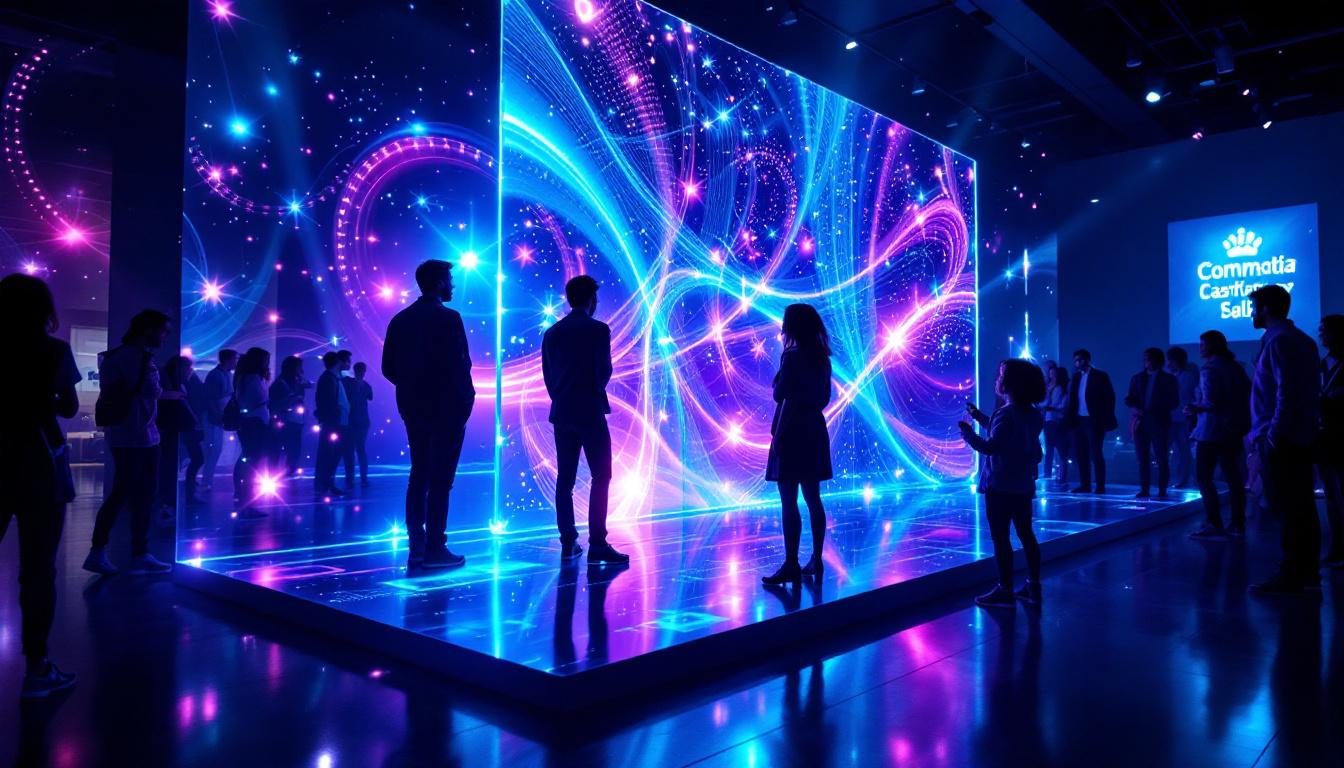
One of the most significant benefits of curved LED walls is the immersive experience they provide. By wrapping the display around the viewer, curved walls create a sense of depth and peripheral vision engagement that flat screens cannot match. This effect is particularly valuable in environments such as command centers, museums, retail stores, and entertainment venues where capturing and holding attention is crucial.
Improved Viewing Angles and Reduced Distortion
Curved displays align better with the natural curvature of the human eye, which helps reduce distortion and color shift at the edges. This means that viewers can enjoy consistent image quality from a wider range of angles, making curved LED walls ideal for large audiences or spaces where people are positioned at varying distances and orientations.
Space Optimization and Aesthetic Appeal
Curved walls can be designed to fit unique architectural spaces, making them a versatile choice for installations in unconventional or irregularly shaped rooms. Their sleek, futuristic appearance also adds a high-tech aesthetic that can elevate brand perception and create memorable environments.
Higher Brightness and Contrast in Ambient Light
LED technology inherently offers high brightness levels, but curved LED walls can further enhance visibility by minimizing reflections and glare through their shape. This makes them suitable for environments with challenging lighting conditions, such as outdoor venues or brightly lit retail spaces.
Design Considerations for Curved LED Walls
Designing and installing a curved LED wall requires careful planning and expertise to ensure optimal performance and durability. Several factors must be considered, from technical specifications to environmental conditions.
Pixel Pitch and Resolution
Pixel pitch, the distance between individual LED pixels, directly affects the resolution and viewing distance of the display. Curved LED walls intended for close-up viewing, such as in retail or exhibitions, typically use fine pixel pitches (1.2mm to 2.5mm) to deliver sharp images. For larger venues or outdoor applications, wider pixel pitches (3mm to 10mm) may be more cost-effective while still providing adequate clarity.
Curvature Radius and Viewing Distance
The curvature radius must be carefully selected based on the installation environment and intended viewing distance. A tighter curve (smaller radius) creates a more dramatic visual effect but may limit the optimal viewing zone. Conversely, a gentler curve (larger radius) offers a broader viewing area but less pronounced immersion.
Structural Support and Installation
Curved LED walls require robust mounting systems that can accommodate the weight and shape of the display while allowing for precise alignment of modules. Custom-engineered frames, adjustable brackets, and modular designs facilitate installation and maintenance. Additionally, considerations such as ventilation, cable management, and access for repairs are essential for long-term reliability.
Content Creation and Calibration
Content displayed on curved LED walls must be designed or adapted to fit the curved surface without distortion. Advanced software tools enable content creators to map visuals accurately, ensuring that images and videos appear natural and immersive. Calibration processes also adjust color balance, brightness, and uniformity across the entire display.
Applications of Curved LED Walls Across Industries
Curved LED walls have found applications in a diverse range of sectors, leveraging their unique capabilities to enhance communication, branding, and user experience.
Retail and Advertising
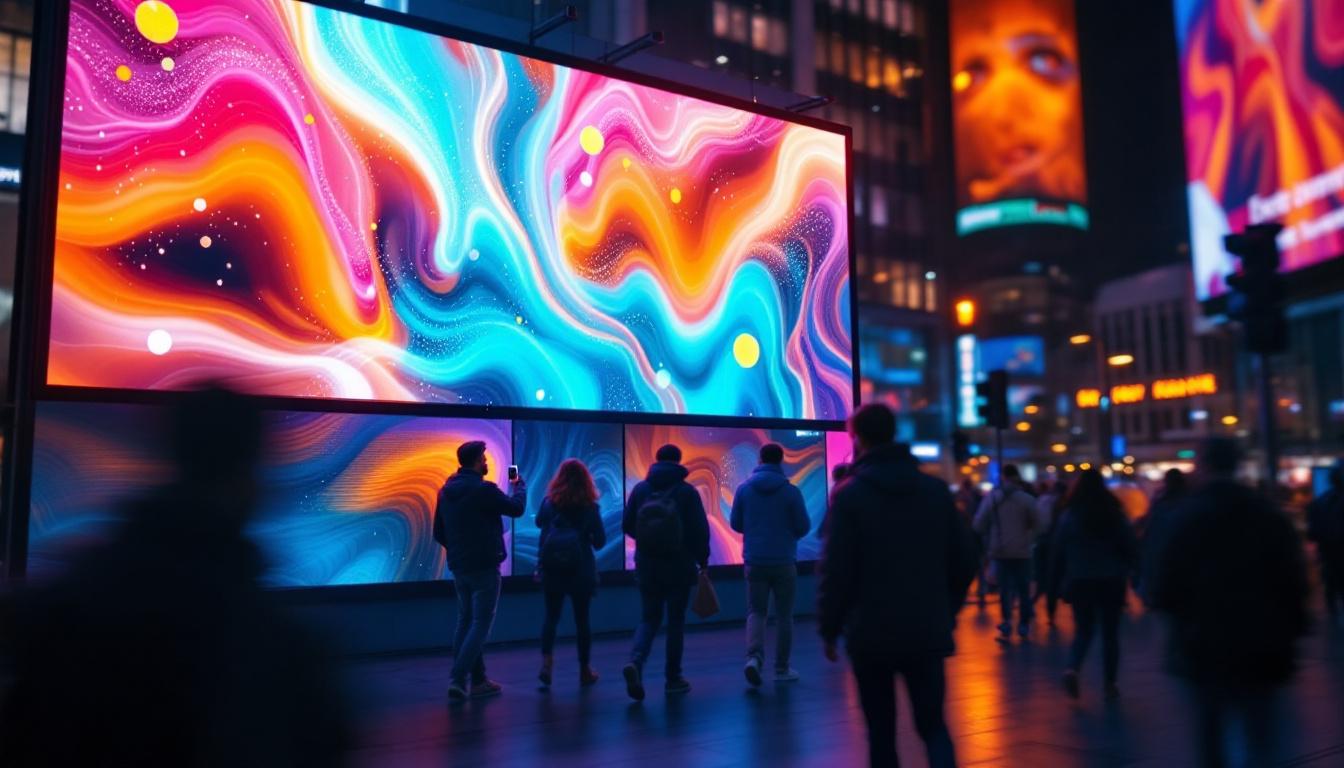
Retailers use curved LED walls to create eye-catching storefront displays and in-store experiences that attract customers and encourage engagement. For example, luxury brands often employ curved LED installations to showcase products dynamically and tell compelling brand stories. According to recent market research, digital signage in retail is projected to grow at a CAGR of over 7% through 2027, with curved LED displays playing a significant role.
Corporate and Control Centers
In corporate environments, curved LED walls are integral to command and control centers, where operators monitor complex data streams. The curvature helps reduce eye strain and improves situational awareness by presenting information in a more natural, panoramic format. Companies in sectors such as transportation, utilities, and security increasingly rely on these displays for real-time decision-making.
Entertainment and Events
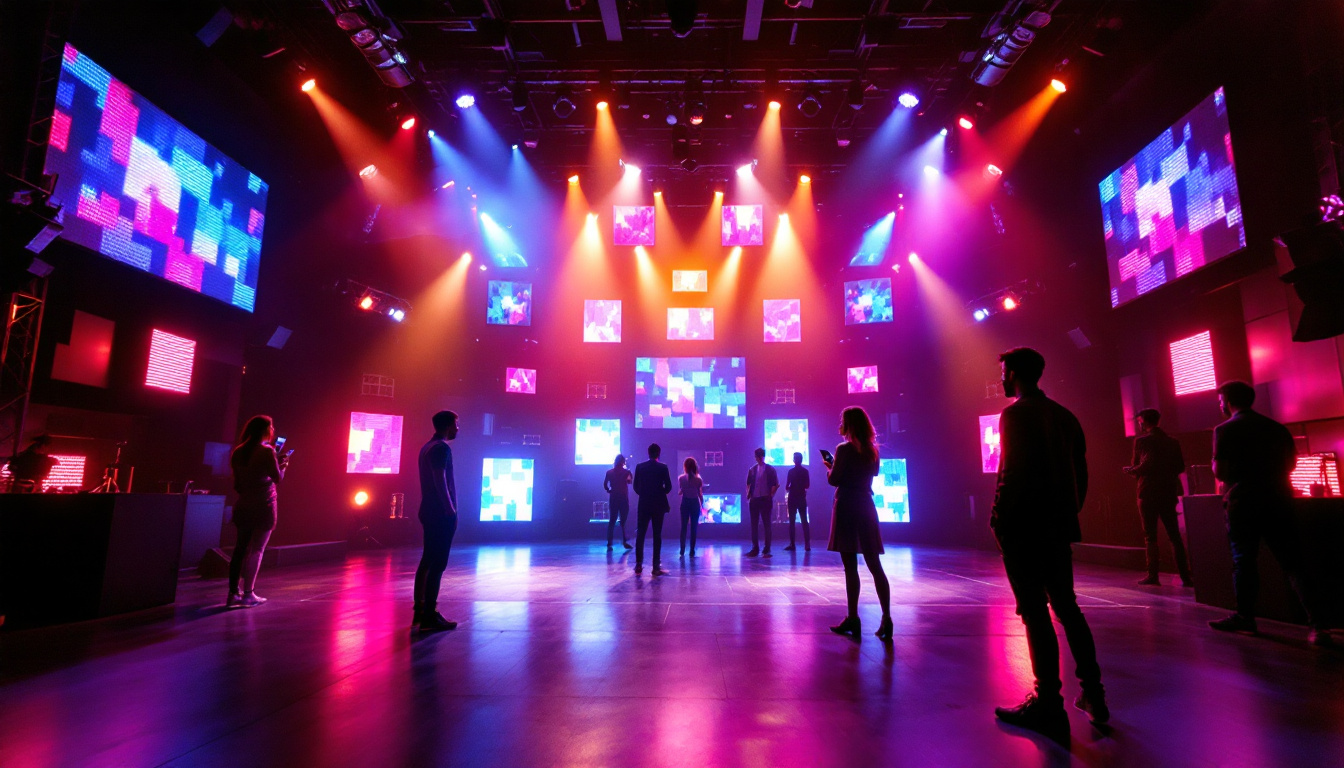
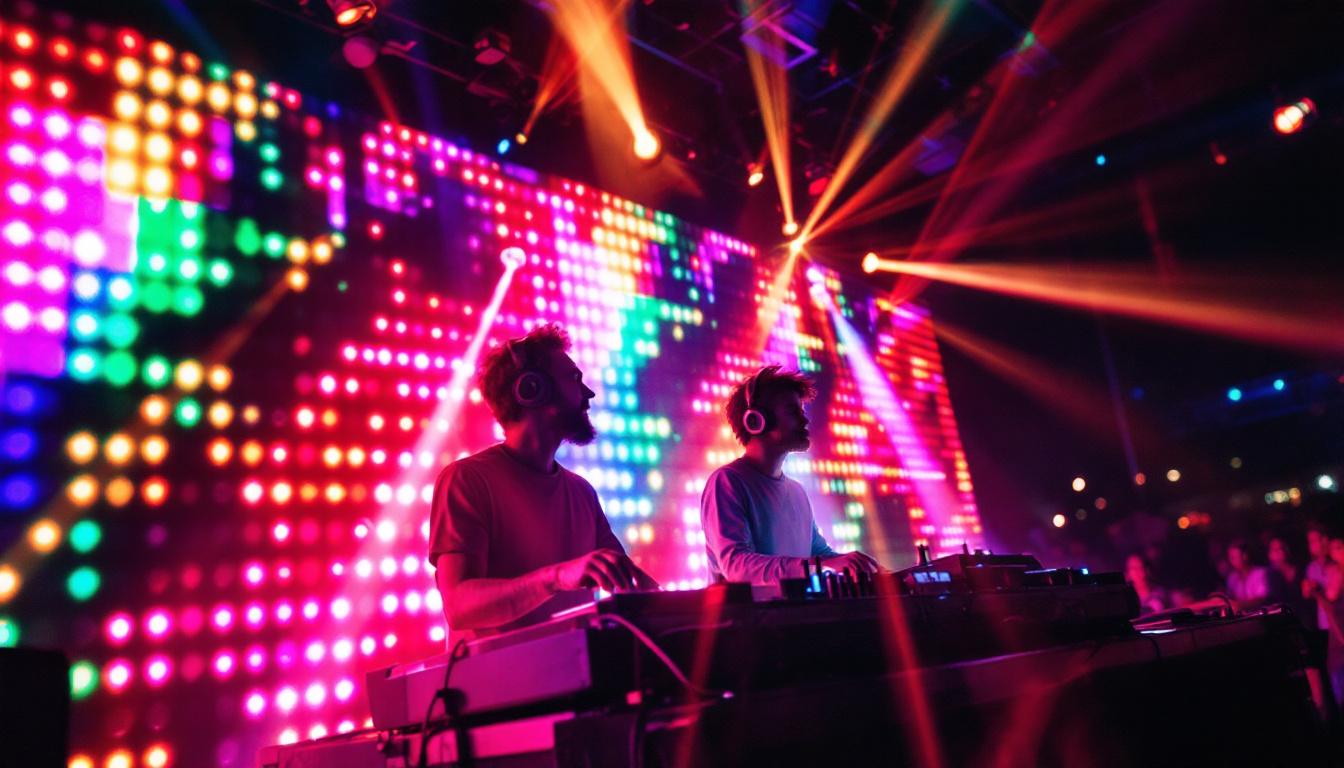
Concerts, theaters, and live events utilize curved LED walls to create immersive stage backdrops and interactive environments. The flexibility in shape allows designers to craft unique visual narratives that captivate audiences. For instance, large music festivals have adopted curved LED walls to enhance the visual impact of performances, contributing to memorable attendee experiences.
Museums and Exhibitions
Museums and galleries use curved LED walls to present educational content and art installations in engaging formats. The ability to wrap visuals around viewers encourages exploration and deeper interaction with exhibits. Interactive curved LED displays also enable dynamic storytelling, adapting content based on visitor behavior.
Transportation Hubs and Public Spaces
Airports, train stations, and other public venues deploy curved LED walls for wayfinding, advertising, and information dissemination. Their high visibility and aesthetic appeal help improve passenger experience and operational efficiency. For example, some airports have installed large concave LED walls in terminals to provide real-time flight information alongside promotional content.
Future Trends and Innovations in Curved LED Displays
The curved LED display market continues to evolve rapidly, driven by advancements in materials, manufacturing, and software integration. Several emerging trends are shaping the future landscape of this technology.
MicroLED and MiniLED Technologies
Next-generation LED technologies such as MicroLED and MiniLED offer higher pixel densities, improved energy efficiency, and longer lifespans. These advancements will enable even finer pixel pitches and more flexible display shapes, pushing the boundaries of curved LED walls in terms of resolution and form factor.
Flexible and Transparent LED Displays
Research into flexible and transparent LED panels is opening new possibilities for curved installations. Flexible panels can bend more dramatically, allowing for complex 3D shapes and integration into architectural elements. Transparent LED displays enable see-through effects, ideal for retail windows and augmented reality applications.
AI-Driven Content and Interactivity
Artificial intelligence is increasingly being used to optimize content delivery on LED walls. AI algorithms can tailor visuals based on audience demographics, environmental conditions, or user interactions, creating personalized and context-aware experiences. This level of interactivity enhances engagement and maximizes the impact of curved LED installations.
Sustainability and Energy Efficiency
As sustainability becomes a priority, manufacturers are focusing on reducing the environmental footprint of LED displays. Innovations in low-power LEDs, recyclable materials, and smart energy management systems contribute to greener curved LED walls that align with corporate social responsibility goals.
Conclusion
Curved LED walls represent a significant leap forward in digital display technology, offering unparalleled immersion, flexibility, and visual impact. Their ability to blend technology with creative design makes them invaluable across numerous industries, from retail and entertainment to corporate and public spaces. As innovations continue to enhance their capabilities, curved LED displays are poised to become central elements in the future of visual communication.
For businesses and organizations seeking to captivate audiences and deliver dynamic content in innovative ways, understanding the intricacies of curved LED walls is essential. With careful design, expert installation, and compelling content, these displays can transform environments and create unforgettable experiences.
Discover the Future of LED Displays with LumenMatrix
Ready to elevate your space with the immersive power of curved LED walls? LumenMatrix is at the forefront of LED display innovation, offering a wide array of solutions tailored to your unique needs. From captivating Indoor LED Wall Displays to dynamic Outdoor LED Wall Displays, and from versatile Vehicle LED Displays to stunning LED Sports Displays, our technology is designed to transform your visual communication. Experience the difference with LumenMatrix and let us help you create an environment that truly stands out. Check out LumenMatrix LED Display Solutions today and step into the future of digital signage.