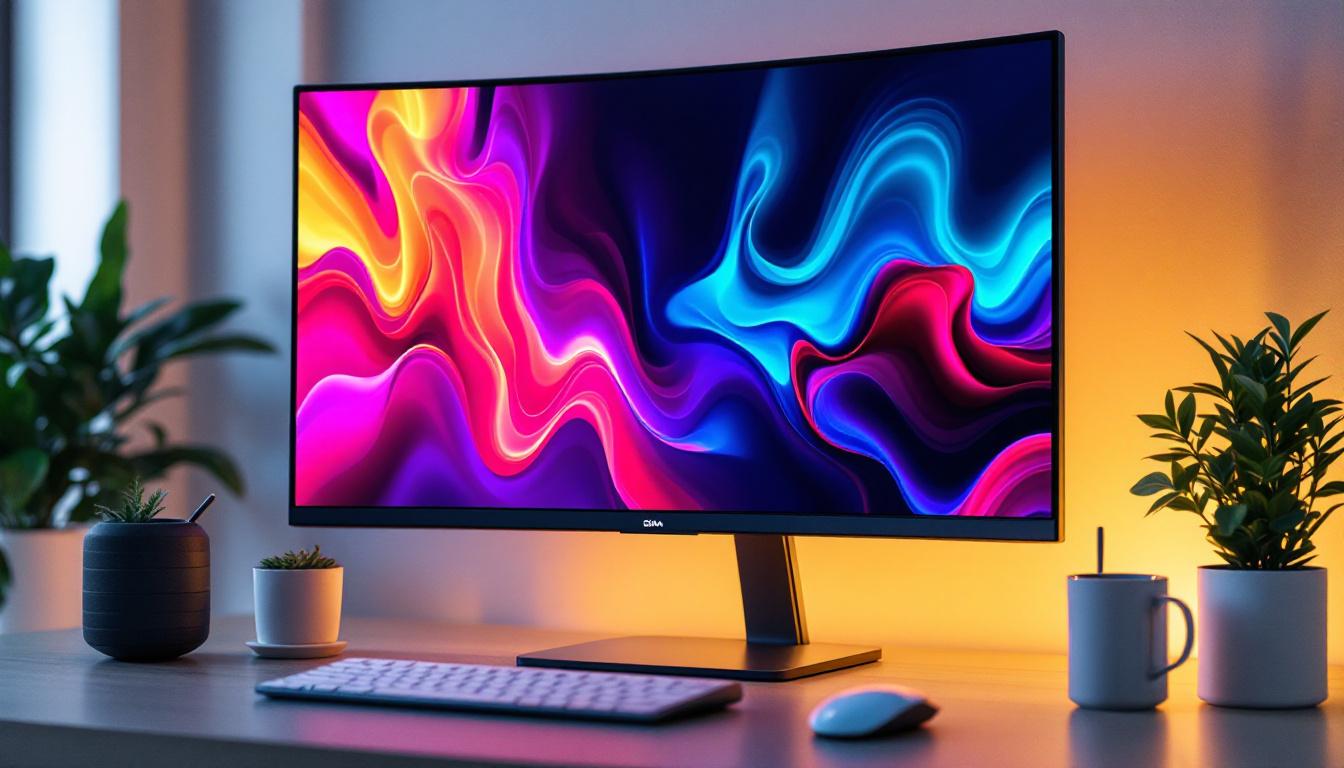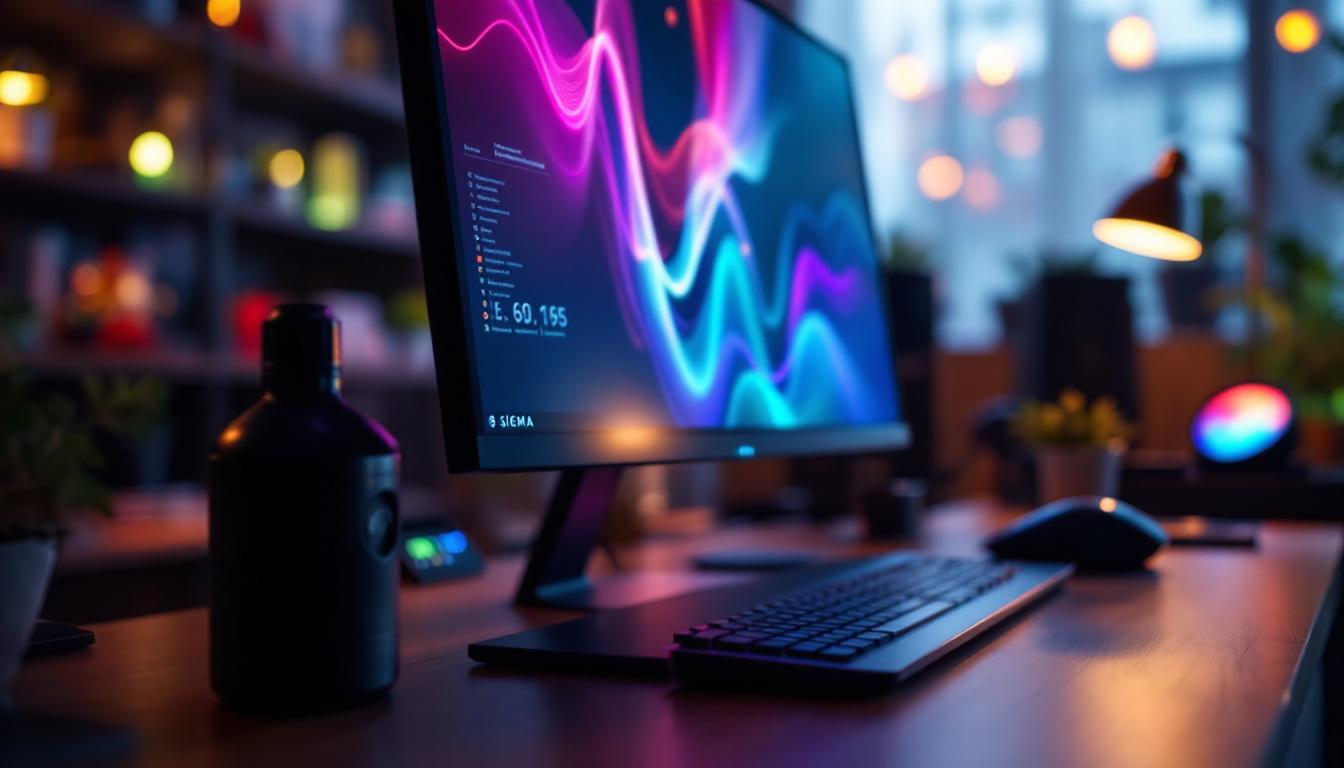
In today’s digital era, the integration of multiple technologies into a single device has become a standard expectation. One such innovation is the computer screen with a built-in camera, often utilizing LED display technology. This combination is transforming the way users interact with their devices, enhancing convenience, security, and overall user experience. This article delves deep into the technology behind LED displays with integrated cameras, exploring their benefits, applications, and what the future holds for this evolving hardware.
Understanding LED Displays: The Foundation of Modern Computer Screens
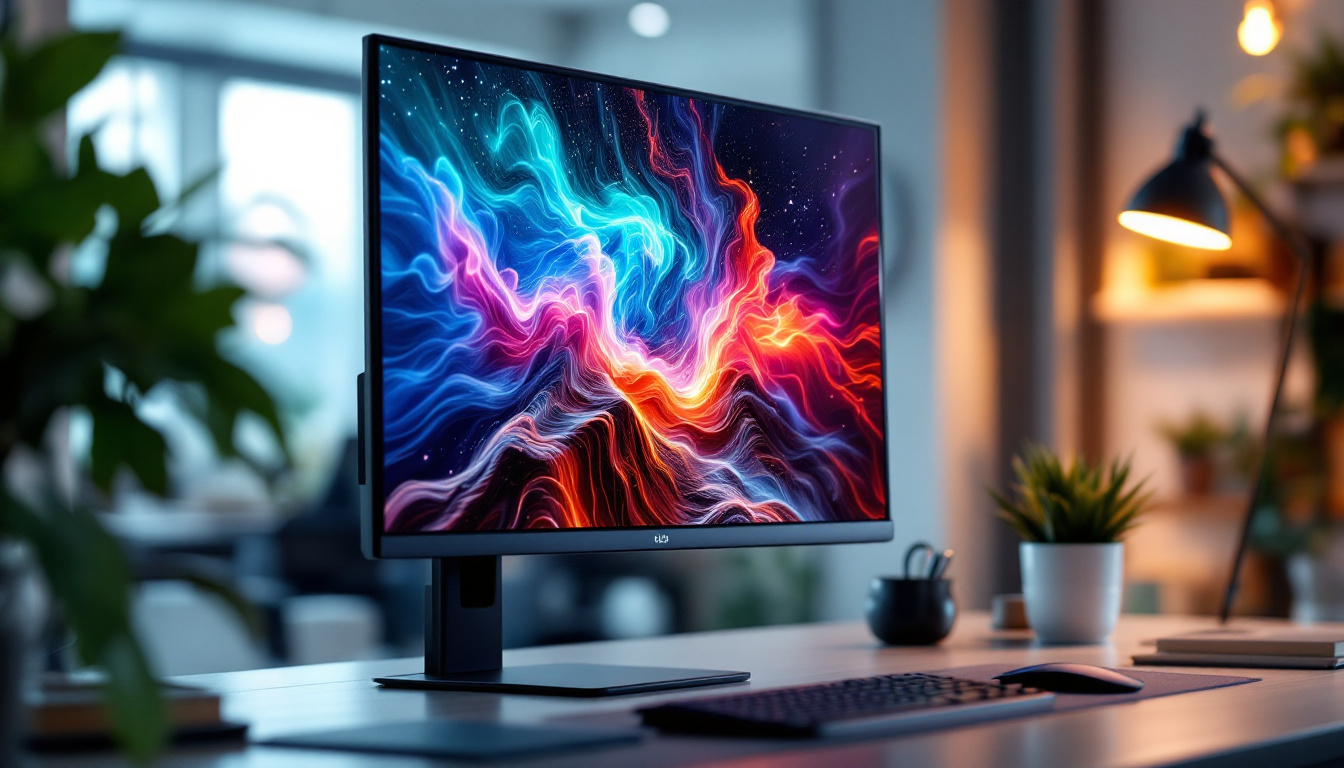
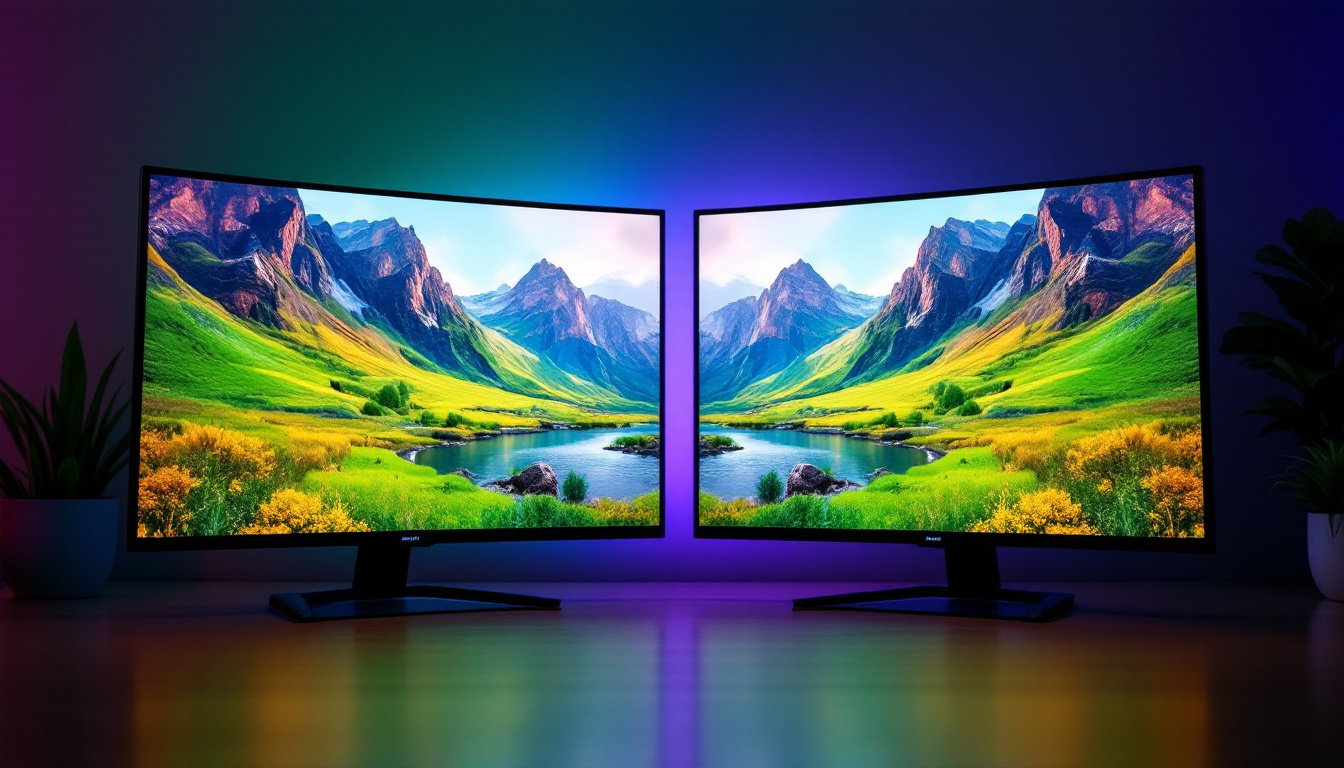
LED (Light Emitting Diode) displays have become the dominant technology in computer monitors and laptop screens over the past decade. Unlike older LCD panels that relied on cold cathode fluorescent lamps (CCFL) for backlighting, LED displays use arrays of light-emitting diodes to illuminate the screen. This shift has brought numerous advantages, including improved brightness, energy efficiency, and color accuracy.
LED displays are not a single technology but rather a broad category encompassing several types, including edge-lit LED, full-array LED, and OLED (Organic LED) panels. Each type offers different benefits, but all share the core advantage of using LEDs to produce light, which allows for thinner, lighter, and more power-efficient screens.
How LED Displays Work
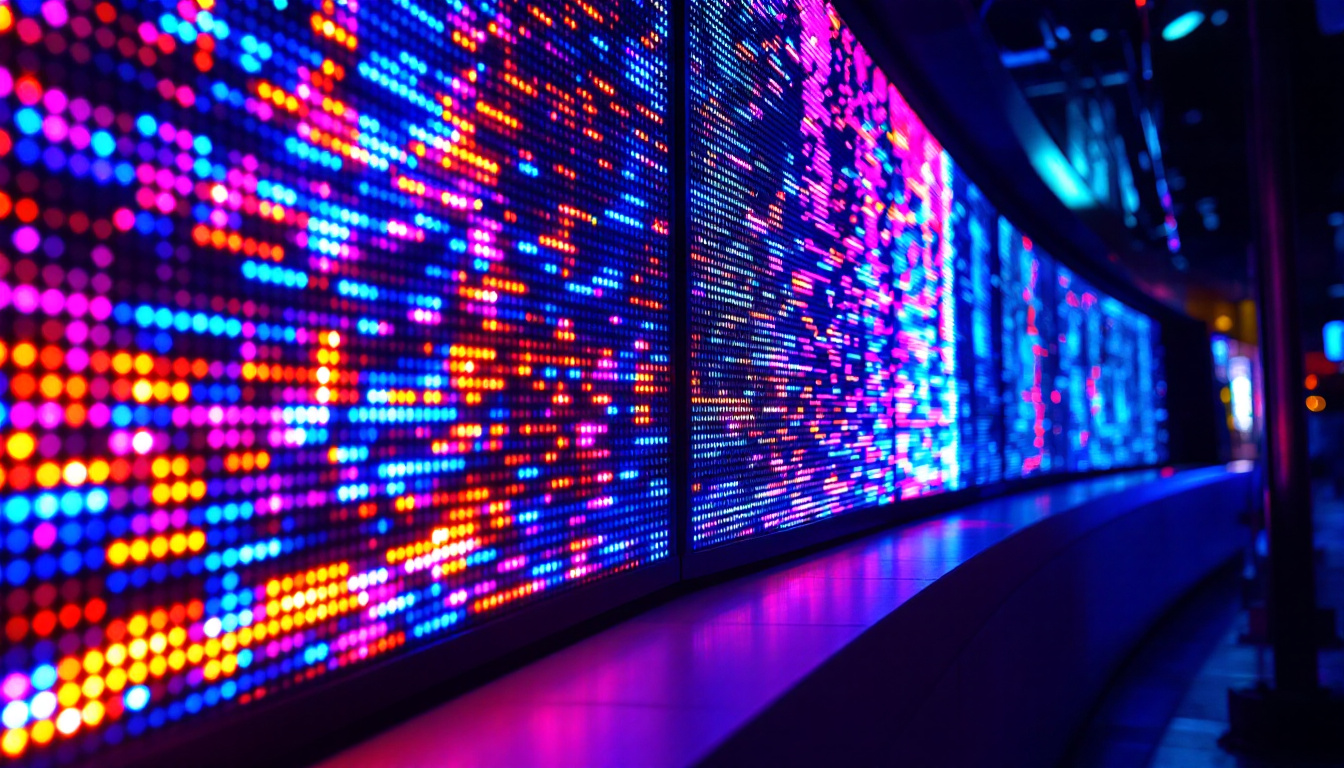
At its core, an LED display consists of a matrix of pixels, each made up of sub-pixels that emit red, green, and blue light. By varying the intensity of these sub-pixels, the screen can produce a full spectrum of colors. In traditional LED-backlit LCDs, the LEDs serve as the backlight behind an LCD panel that controls the light passing through to create the image.
In contrast, OLED displays use organic compounds that emit light when an electric current passes through them, eliminating the need for a separate backlight. This results in deeper blacks, higher contrast ratios, and often better viewing angles. Furthermore, the flexibility of OLED technology allows for innovative designs such as curved or foldable screens, which can enhance the user experience in ways that traditional LED displays cannot match.
Why LED Displays Are Ideal for Built-In Cameras
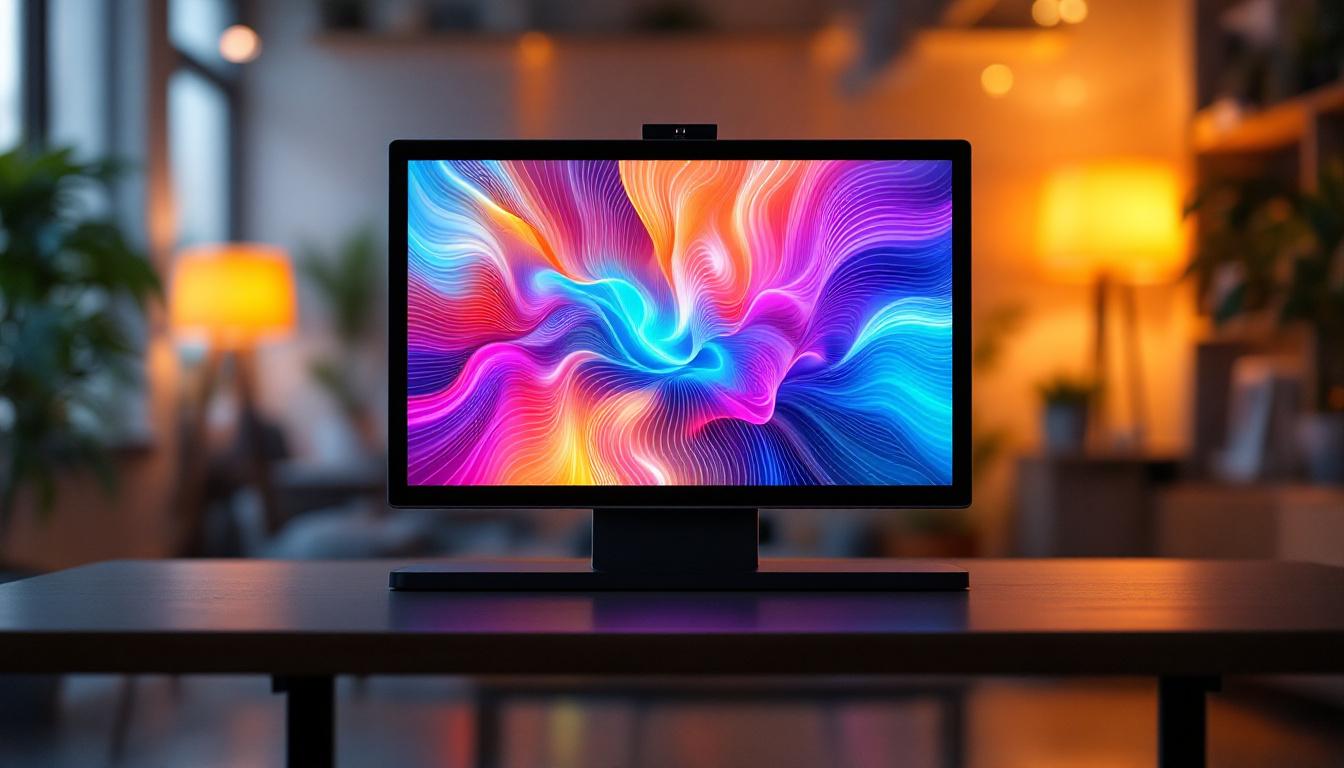
The slim profile and energy efficiency of LED displays make them the perfect candidate for integration with additional hardware components like cameras. The thin bezels of modern LED screens allow manufacturers to embed cameras discreetly without compromising screen real estate or aesthetics. Moreover, LED displays generate less heat compared to older technologies, which is beneficial for the sensitive electronics in built-in cameras.
Additionally, the advancements in LED technology have led to enhanced image processing capabilities, which can significantly improve the quality of video calls and streaming. With the integration of high-definition (HD) and ultra-high-definition (UHD) resolutions, users can experience crystal-clear visuals that make remote communication feel more personal and engaging. The ability of LED displays to render colors accurately also enhances the overall experience, making it easier to see facial expressions and details that are often lost in lower-quality displays. This combination of features not only elevates the functionality of built-in cameras but also contributes to a more immersive user experience across various applications, from video conferencing to gaming.
The Evolution of Built-In Cameras in Computer Screens
Built-in cameras have become a ubiquitous feature in laptops and all-in-one desktops, driven largely by the rise of video conferencing, remote work, and online education. Early webcams were external peripherals connected via USB, but the convenience and portability demands led to the integration of cameras directly into the screen bezel.
Initially, these cameras were basic, offering low resolution and limited functionality. However, advancements in sensor technology, optics, and software have dramatically improved their quality and capabilities.
Technical Challenges of Integration
Integrating a camera into a computer screen is not as straightforward as it might seem. Manufacturers must address several challenges:
- Space Constraints: The camera module must fit within the thin bezel without increasing the overall thickness of the device.
- Image Quality: Maintaining high image resolution and clarity requires careful selection of sensors and lenses.
- Privacy Concerns: Users demand physical shutters or software controls to disable the camera, ensuring privacy.
- Heat Management: Cameras generate heat, which must be dissipated without affecting screen performance.
Modern designs often incorporate pop-up cameras or under-display camera technology to overcome some of these issues, balancing aesthetics with functionality.
Current Trends in Built-In Camera Technology
Recent developments have focused on improving camera resolution, field of view, and low-light performance. For example, many high-end laptops now feature 1080p or even 4K cameras, compared to the traditional 720p standard. Additionally, AI-powered features such as background blur, auto-framing, and facial recognition are becoming common, enhancing the user experience.
Manufacturers are also exploring under-display cameras, which are embedded beneath the screen’s surface. This technology allows for a truly bezel-less display without sacrificing camera functionality, although it is still in the early stages of adoption due to challenges in image quality and screen transparency.
Benefits of Combining LED Displays with Built-In Cameras
The integration of LED displays with built-in cameras offers several practical benefits that enhance both personal and professional computing experiences.
Enhanced Video Conferencing and Collaboration
With the rise of remote work, video conferencing has become a critical aspect of daily communication. Built-in cameras embedded in LED displays provide a seamless, all-in-one solution that eliminates the need for external webcams and cables, reducing clutter and setup time.
High-quality LED screens paired with advanced cameras ensure clear, vibrant visuals and sharp video, which are essential for effective communication. Features like wide-angle lenses and AI-based framing help keep participants in view, even if they move around during a call.
Improved Security and Authentication
Many modern computers use built-in cameras for biometric authentication methods such as facial recognition. LED displays with integrated cameras enable secure login processes that are both fast and convenient, enhancing device security without compromising user experience.
Windows Hello and Apple’s Face ID are prime examples of this technology in action, leveraging infrared cameras and depth sensors to provide accurate and secure authentication.
Space-Saving and Aesthetic Advantages
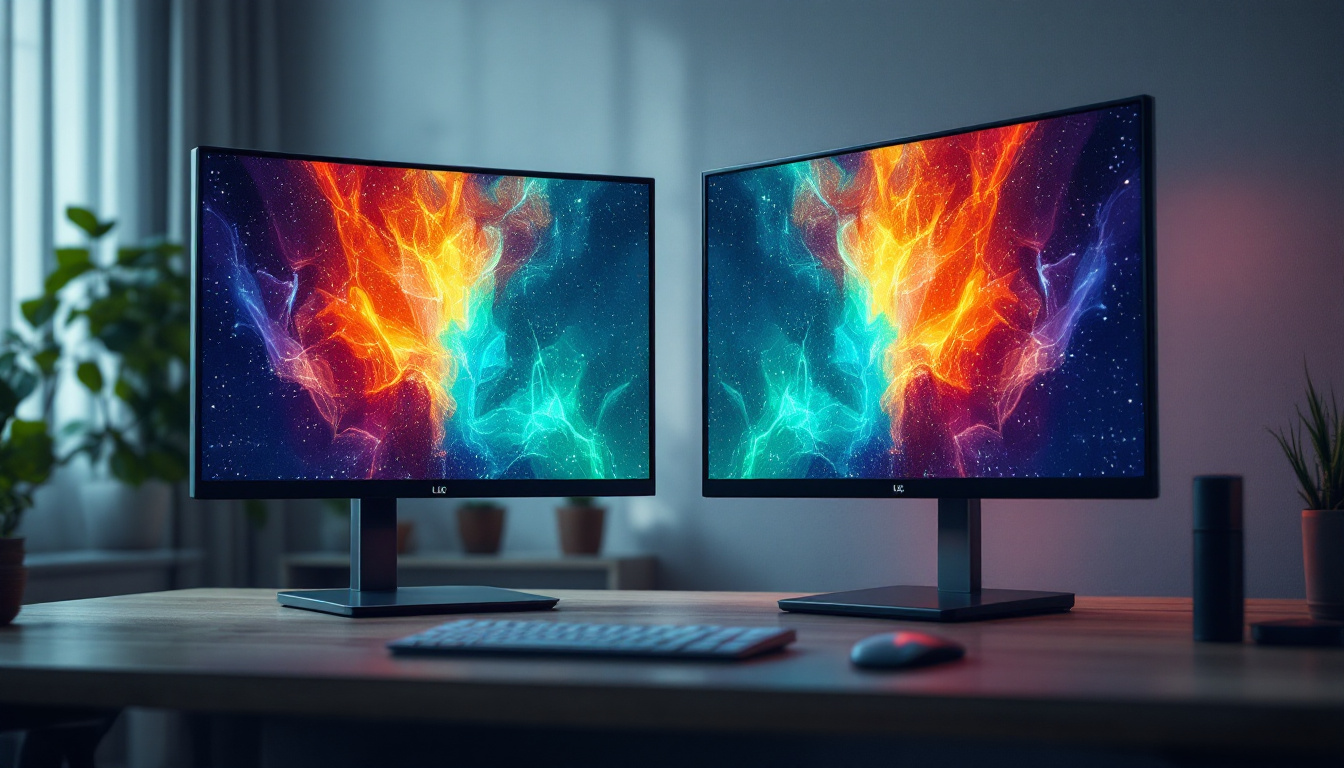
Embedding the camera within the LED display’s bezel or under the screen reduces the need for bulky peripherals. This design choice leads to slimmer, lighter laptops and monitors with minimal bezels, contributing to a sleek, modern aesthetic that users increasingly prefer.
Additionally, the reduction in external accessories means fewer cables and less desk clutter, creating a cleaner and more organized workspace.
Applications Beyond Traditional Computing
While built-in cameras in LED displays are primarily associated with laptops and desktops, their applications extend far beyond conventional computing devices.
Smart Displays and IoT Devices
Smart displays, such as those used in home automation and smart assistants, often incorporate LED screens with integrated cameras. These devices enable video calls, facial recognition for personalized settings, and gesture controls, making them versatile tools in smart homes and offices.
Digital Signage and Interactive Kiosks
In retail and public spaces, LED displays with built-in cameras facilitate interactive experiences. Cameras can detect user presence, enable gesture-based navigation, or collect analytics on viewer engagement, helping businesses tailor content dynamically.
Healthcare and Telemedicine
Telemedicine platforms rely heavily on high-quality video communication. Devices with integrated LED displays and cameras enable remote consultations, allowing healthcare providers to assess patients visually and interact in real time, improving access and convenience for patients worldwide.
Privacy and Security Considerations
With the proliferation of built-in cameras, privacy concerns have become paramount. Users worry about unauthorized access, hacking, and inadvertent recording, which can compromise personal and professional security.
Hardware Solutions for Privacy
Many manufacturers now include physical shutters or pop-up camera mechanisms that allow users to block the camera lens when not in use. This hardware approach provides peace of mind by ensuring the camera cannot capture images or video without explicit user consent.
Software and Firmware Protections
Operating systems and security software often include features to alert users when the camera is active. Additionally, permissions management controls which applications can access the camera, reducing the risk of malware or unauthorized software exploiting it.
Best Practices for Users
Users should remain vigilant by regularly updating their device’s firmware and software, using strong passwords, and being cautious about granting camera access to applications. Covering the camera physically when not in use remains one of the simplest and most effective privacy measures.
The Future of Computer Screens with Built-In Cameras
The convergence of LED display technology and integrated cameras is poised for exciting advancements in the coming years. Emerging technologies promise to redefine how users interact with their devices and the world around them.
Under-Display Cameras and True Full-Screen Displays
Under-display camera technology aims to eliminate the need for notches or bezels by embedding the camera beneath the screen itself. While current implementations face challenges related to image clarity and screen transparency, ongoing research and development are rapidly improving performance.
When perfected, this technology will enable truly edge-to-edge displays without compromising camera functionality, delivering a seamless visual experience.
AI-Enhanced Camera Capabilities
Artificial intelligence will continue to enhance built-in camera functionality, enabling smarter features such as real-time background replacement, emotion detection, and advanced gesture recognition. These capabilities will make video communication more immersive and interactive.
Integration with Augmented Reality (AR) and Virtual Reality (VR)
Built-in cameras combined with LED displays will play a crucial role in AR and VR applications, providing the necessary input for spatial awareness and user interaction. This integration will open new possibilities for gaming, education, and professional training.
Conclusion
The combination of LED displays with built-in cameras represents a significant step forward in computer hardware design. This integration enhances user convenience, security, and functionality while enabling new applications across diverse industries. As technology continues to evolve, users can expect even more sophisticated and seamless experiences, driven by innovations in display technology, camera sensors, and artificial intelligence.
For consumers and professionals alike, understanding the technology behind these devices is essential to making informed purchasing decisions and maximizing the benefits of modern computing solutions.
Discover LumenMatrix’s Innovative LED Display Solutions
As you embrace the future of computer screens with built-in cameras, consider the unparalleled visual experiences that LumenMatrix can offer. Our commitment to innovation in LED display technology ensures that whether you’re looking to enhance brand visibility or create immersive environments, our range of solutions from Indoor and Outdoor LED Wall Displays to Custom and All-in-One LED Displays will meet your needs. Elevate your visual communication and captivate your audience with clarity and impact. Check out LumenMatrix LED Display Solutions and see how we can transform your space today.