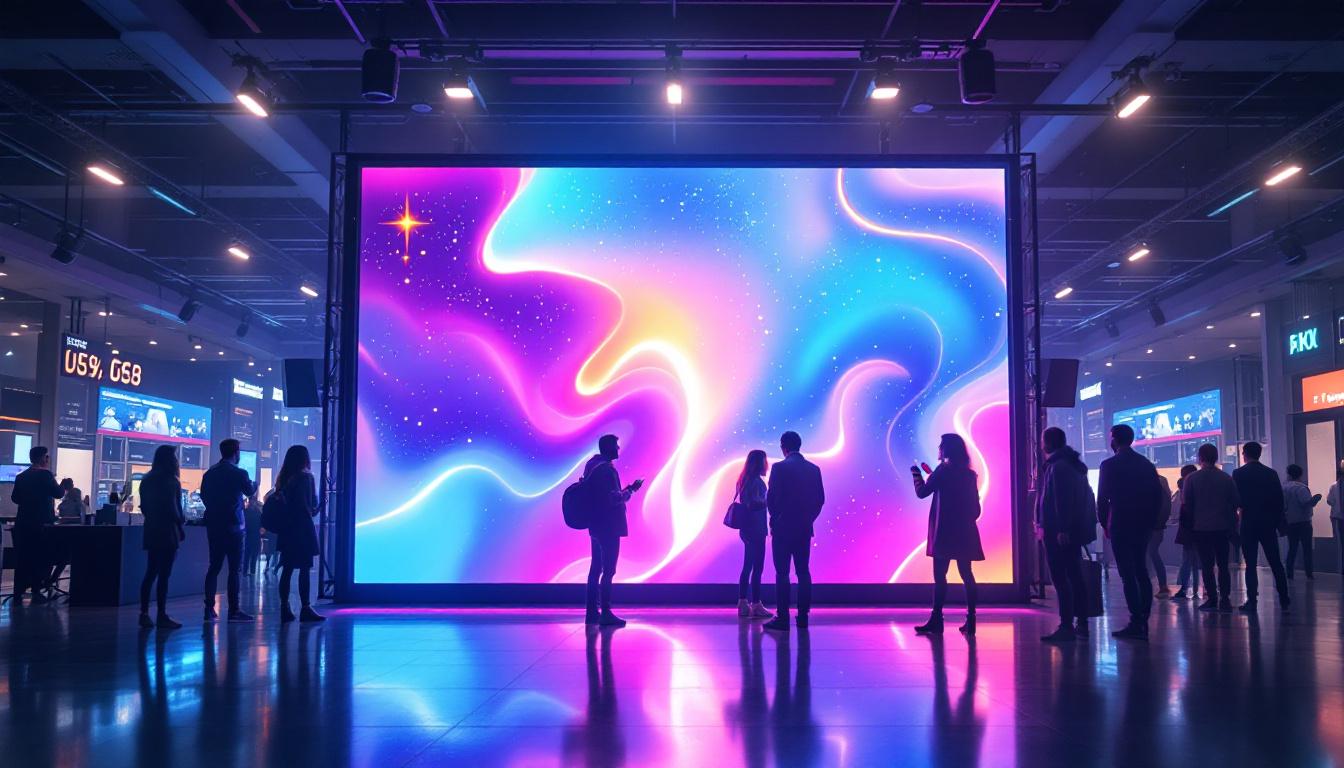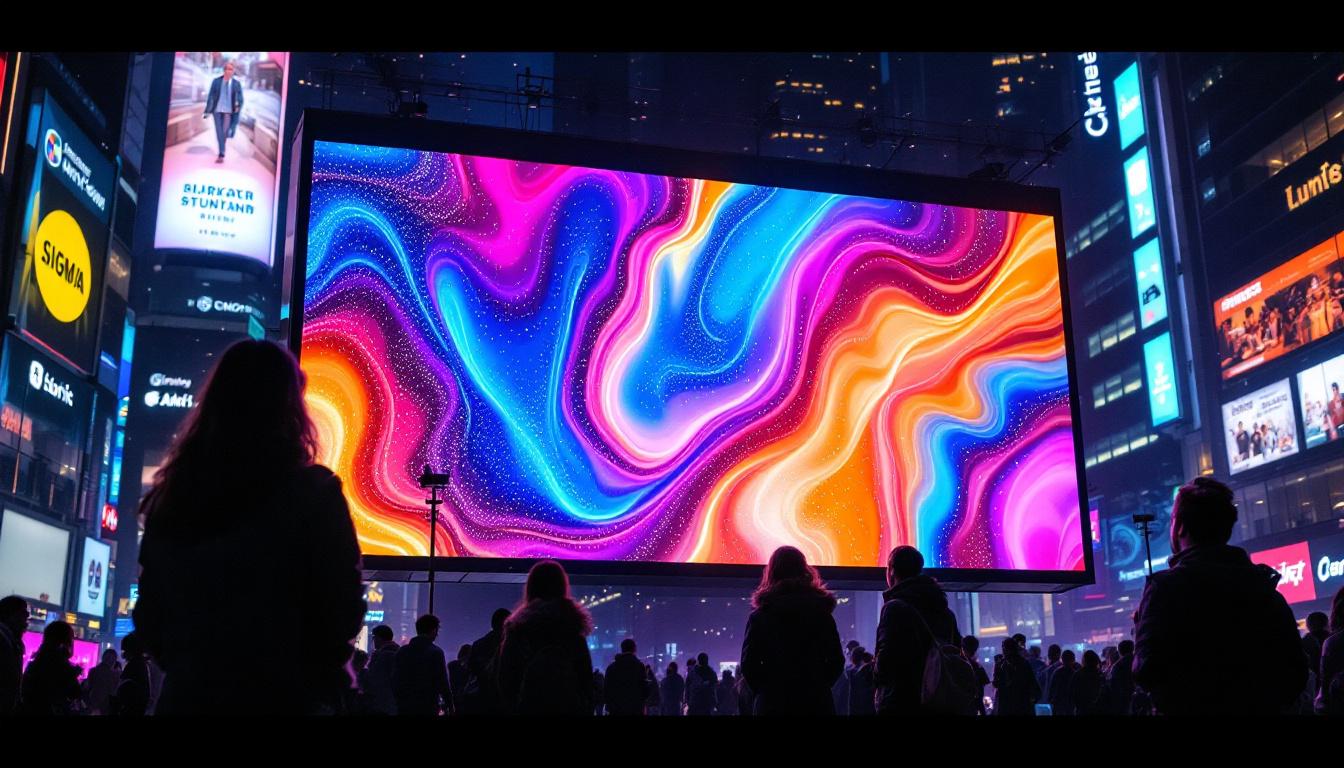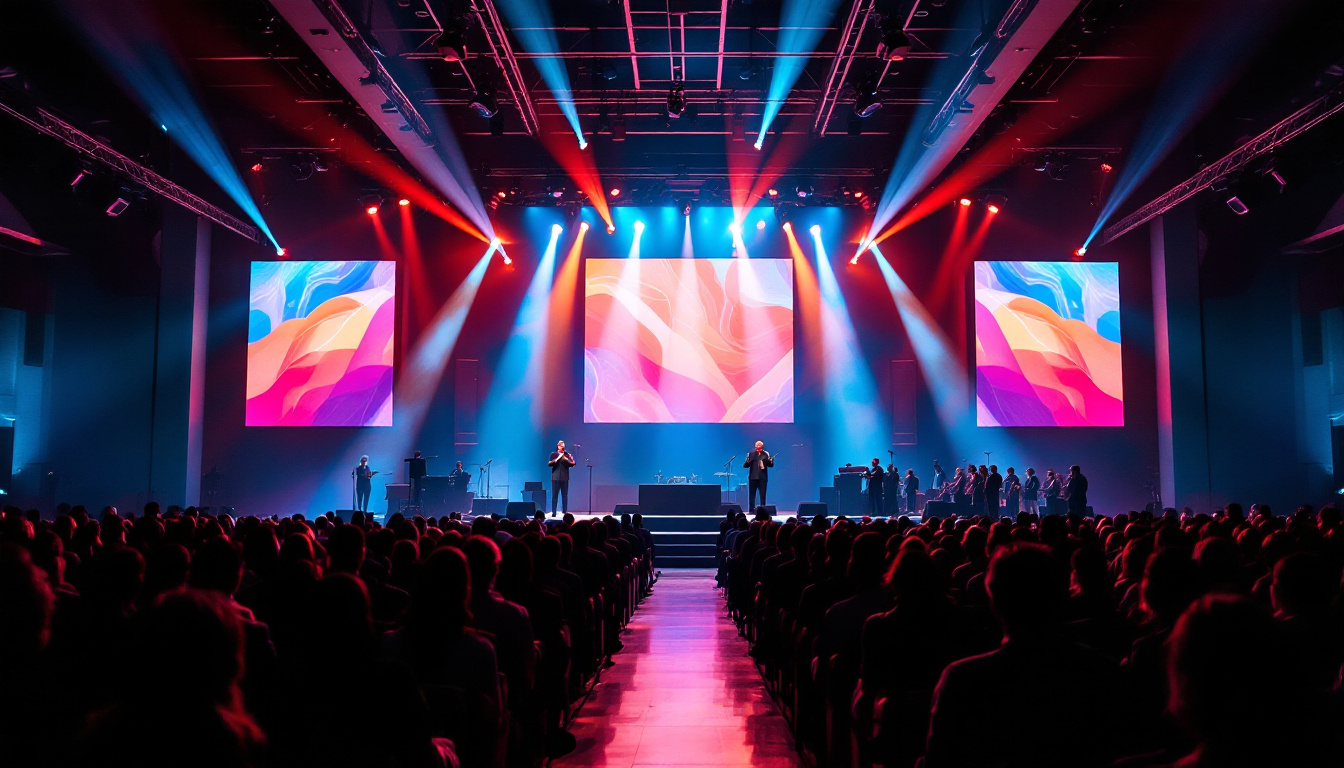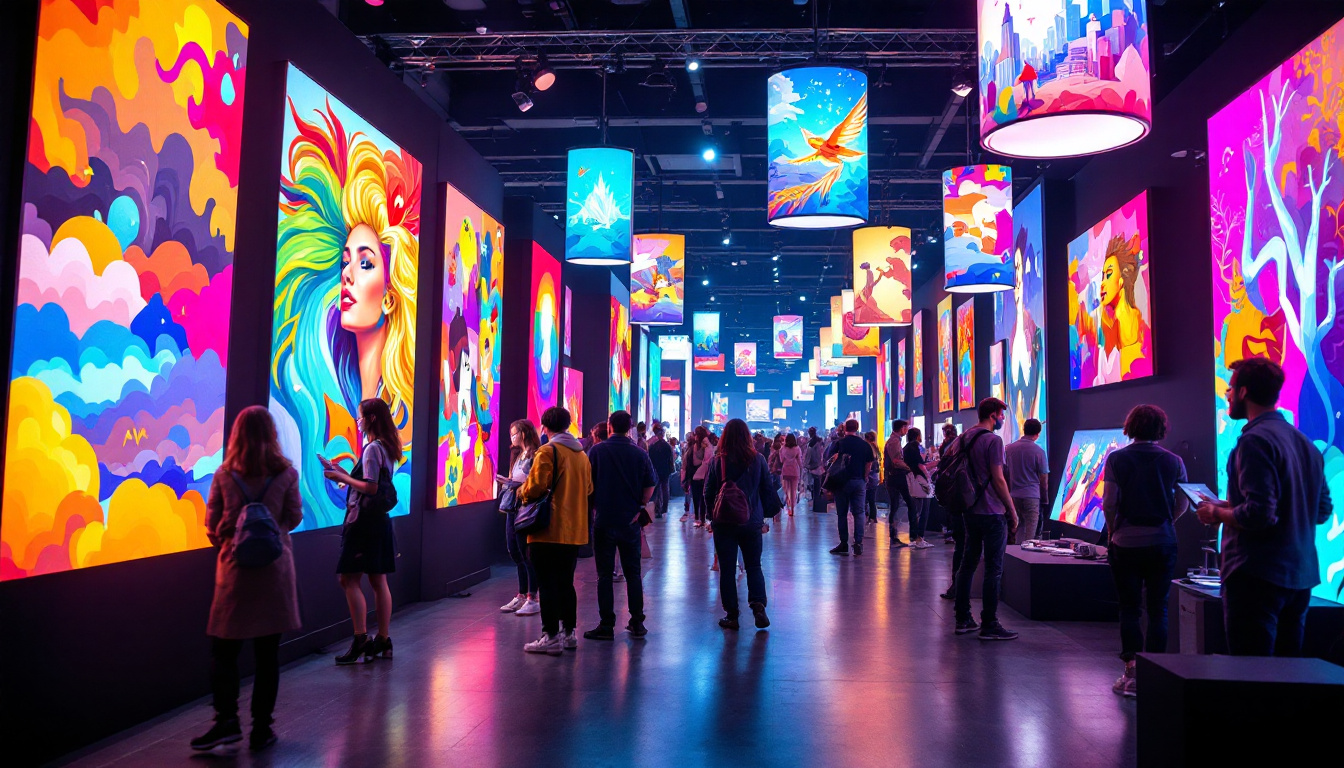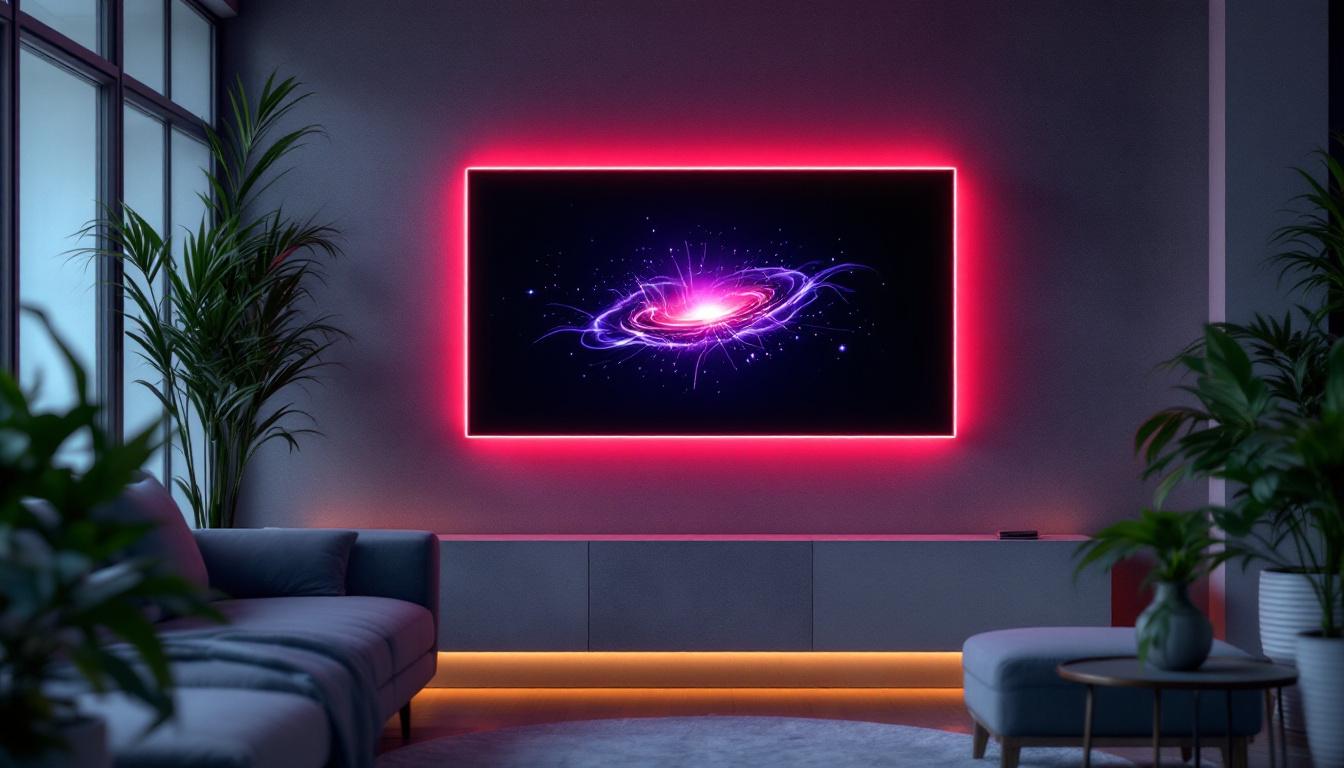
In modern architectural and interior design, the demand for multifunctional spaces has led to innovative solutions that combine aesthetics, technology, and acoustics. Among these innovations, sound blocking wall panels integrated with LED displays have emerged as a cutting-edge option for both commercial and residential environments. This article explores the science behind sound blocking wall panels, the technology of LED displays, and how their integration creates versatile, high-performance environments.
Understanding Sound Blocking Wall Panels
What Are Sound Blocking Wall Panels?
Sound blocking wall panels are specialized building materials designed to reduce the transmission of sound between spaces. Unlike traditional insulation, which primarily absorbs sound, these panels focus on blocking or reflecting sound waves to prevent noise from passing through walls. They are commonly used in offices, recording studios, theaters, and homes to create quieter, more controlled acoustic environments.
Typically, these panels are constructed from dense materials such as mass-loaded vinyl, gypsum, or composite layers that add mass and stiffness to walls. The principle behind their effectiveness lies in the mass law of acoustics: heavier and denser materials tend to block sound more efficiently by preventing sound waves from vibrating through the structure. In addition to their construction materials, the installation method plays a crucial role in maximizing their effectiveness; ensuring that panels are properly sealed and fitted can significantly enhance their sound-blocking capabilities.
Moreover, sound blocking wall panels come in various designs and finishes, allowing them to blend seamlessly into different interior aesthetics. For instance, some panels are designed to resemble artwork or decorative elements, making them not only functional but also visually appealing. This versatility means that homeowners and designers can prioritize both aesthetics and acoustics, creating spaces that are both quiet and stylish.
Key Acoustic Properties
Two important metrics define the performance of sound blocking panels: Sound Transmission Class (STC) and Noise Reduction Coefficient (NRC). STC measures how well a building partition attenuates airborne sound, with higher numbers indicating better sound blocking capabilities. For example, a standard interior wall might have an STC rating of 30-35, while specialized sound blocking panels can achieve ratings of 50 or higher. This capability is particularly beneficial in environments where privacy is paramount, such as in medical facilities or legal offices, where confidential conversations need to remain private.
NRC, on the other hand, measures sound absorption, which is crucial for reducing echo and reverberation within a room. While sound blocking panels primarily focus on stopping sound transmission, many designs incorporate absorptive materials to improve the overall acoustic quality of the space. This dual functionality allows for a more balanced sound environment, making it easier to communicate and enjoy activities without the distraction of unwanted noise. Additionally, the right combination of sound blocking and absorption can enhance the clarity of speech and music, making these panels an excellent choice for performance venues and conference rooms alike.
The Technology Behind LED Displays
Basics of LED Display Technology
Light Emitting Diode (LED) displays have revolutionized visual communication by offering bright, energy-efficient, and versatile screens. LEDs are semiconductor devices that emit light when an electric current passes through them. In display technology, these tiny LEDs are arranged in grids to form pixels, which collectively create images and videos.
LED displays are widely used in advertising, entertainment, and informational signage due to their high brightness, wide color gamut, and long lifespan. They come in various forms, including indoor and outdoor panels, flexible screens, and transparent displays. The adaptability of LED technology allows for creative installations, such as curved screens that can wrap around structures or even be embedded within architectural features. This flexibility not only enhances aesthetic appeal but also maximizes the use of space in urban environments.
Types of LED Displays Relevant to Wall Panels
When integrating LED displays with sound blocking wall panels, certain types of LED technology are particularly relevant:
- Direct View LED (DVLED): These displays use LEDs as individual pixels and offer excellent brightness and contrast. DVLED panels are thin and can be customized to fit various wall sizes.
- MicroLED: An emerging technology that offers even higher resolution and energy efficiency by using microscopic LEDs. MicroLED displays provide superior image quality but are currently more expensive.
- LED Backlit LCD: While not true LED displays, these use LEDs as a backlight for LCD panels. They are thinner and less bright than DVLED but can be integrated into thinner wall panels.
Each type of LED display brings unique advantages to the table. For instance, DVLED panels are particularly favored in large-scale outdoor advertising due to their ability to maintain visibility even in direct sunlight. Meanwhile, MicroLED technology is garnering attention in the realm of high-end consumer electronics, such as televisions, where picture quality is paramount. The ongoing research and development in LED technology promise to further enhance the capabilities of these displays, potentially leading to innovations like self-healing screens or displays that can change transparency based on ambient light conditions. This evolution in LED technology not only enhances visual experiences but also opens up new avenues for interactive and immersive environments.
Integrating Sound Blocking Wall Panels with LED Displays
Design Challenges and Solutions
Combining sound blocking functionality with LED display technology presents unique challenges. Sound blocking panels require dense, often heavy materials to prevent sound transmission, while LED displays demand lightweight, ventilated structures to dissipate heat and maintain image quality.
Manufacturers address these challenges by engineering composite panels that layer sound blocking materials with LED modules. For example, a panel might consist of a mass-loaded vinyl core for sound blocking, a thermal management layer to dissipate heat, and an LED display surface. Advanced materials like acoustic foams and perforated metal can be incorporated to balance sound absorption and transmission reduction. Additionally, innovative fastening systems are being developed to ensure that these panels can be easily mounted and adjusted without compromising their structural integrity or acoustic performance.
Applications and Benefits
The integration of sound blocking panels with LED displays unlocks numerous applications across industries:
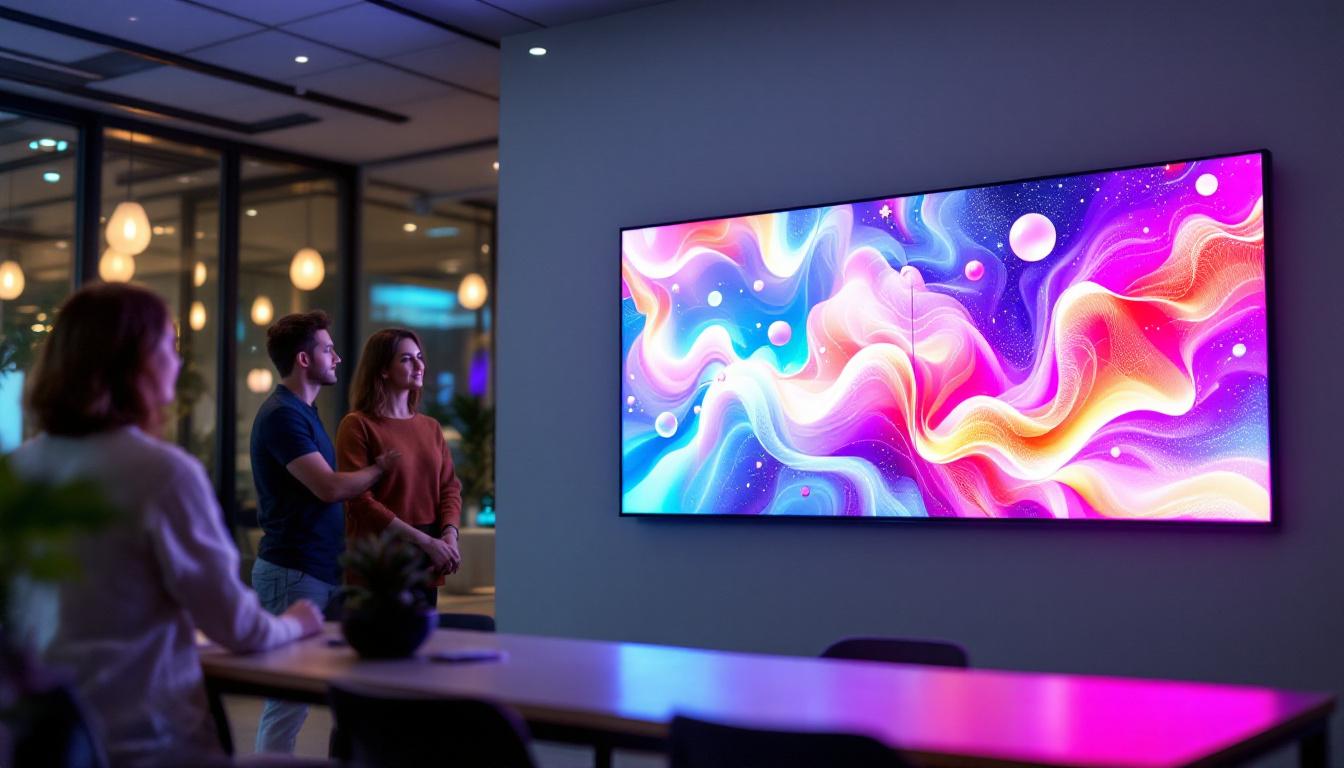
- Corporate Environments: Conference rooms and open offices benefit from reduced noise pollution and dynamic visual communication, improving productivity and engagement.
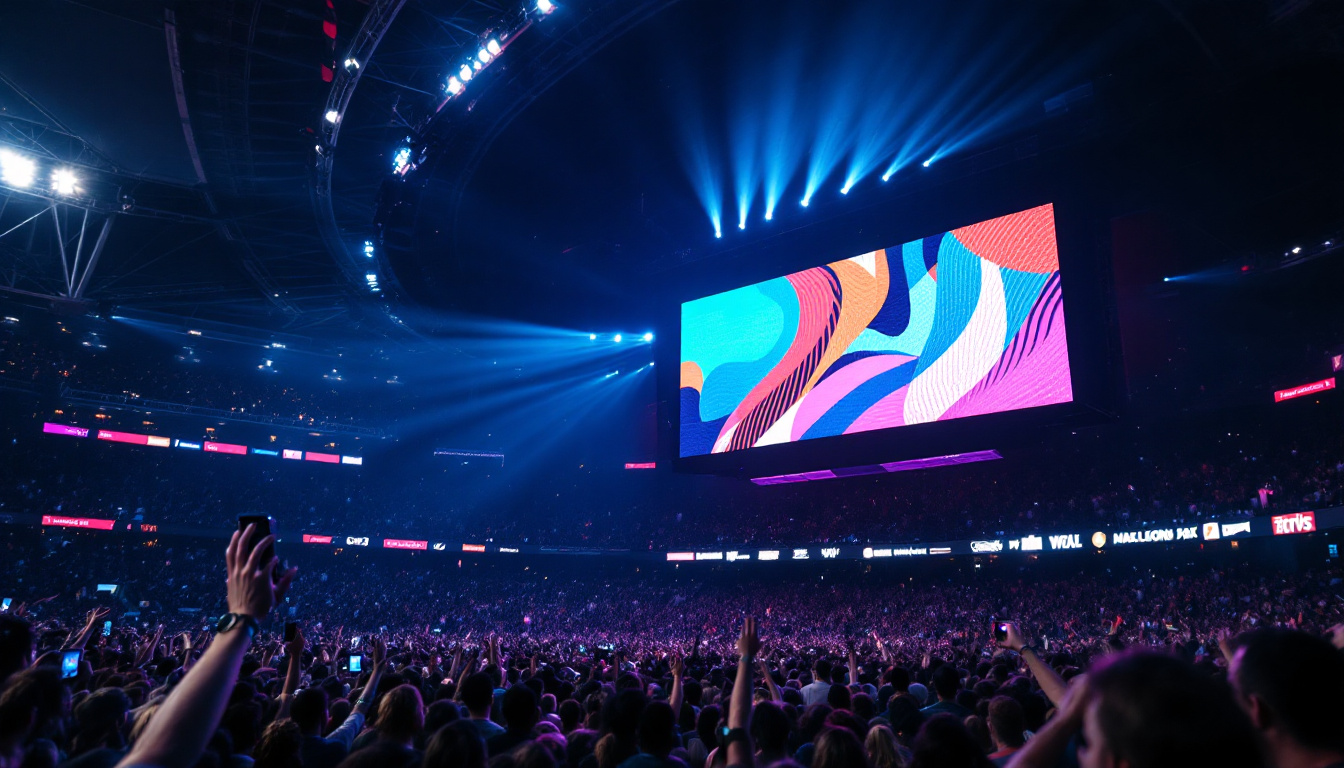
- Entertainment Venues: Theaters and concert halls can use these panels to enhance both acoustic performance and visual effects without sacrificing space.
- Retail Spaces: Stores can create immersive advertising experiences with vibrant LED displays while maintaining a comfortable acoustic environment for customers.
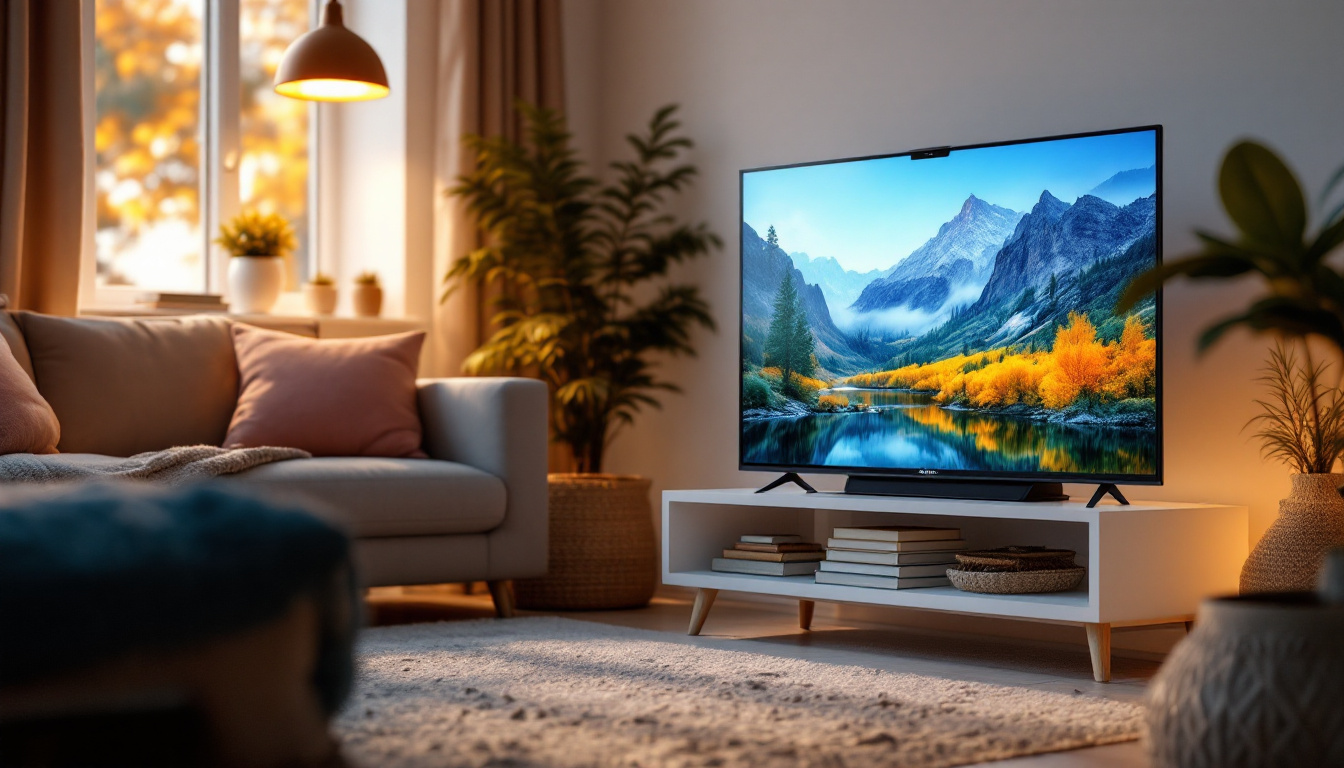
- Residential Use: High-end homes and apartments can incorporate these panels for home theaters or smart walls that combine sound insulation with customizable digital art or information displays.
Furthermore, the integration of these technologies can lead to enhanced user experiences in public spaces such as airports and train stations. By utilizing sound blocking wall panels with LED displays, these environments can effectively manage noise levels while providing real-time information to travelers through visually striking displays. This dual functionality not only improves the overall atmosphere but also aids in wayfinding, helping to reduce stress and confusion in busy transit areas. As urbanization continues to rise, the demand for such innovative solutions is likely to grow, paving the way for smarter, more efficient building designs that cater to both aesthetic and acoustic needs.
Another exciting aspect of this integration is the potential for interactive displays. By incorporating touch-sensitive technology, these panels can transform into engaging interfaces that allow users to interact with content in real-time. Imagine a retail store where customers can browse products or access promotions directly from a sound blocking wall panel that also serves as a vibrant display. This not only enhances the shopping experience but also allows businesses to gather valuable data on customer interactions, further refining their marketing strategies. As technology continues to evolve, the possibilities for sound blocking wall panels with LED displays are boundless, promising a future where functionality meets creativity in extraordinary ways.
Installation and Maintenance Considerations
Installation Best Practices
Proper installation is critical to maximizing the performance of sound blocking wall panels with integrated LED displays. Key considerations include:
- Structural Support: Due to the combined weight of sound blocking materials and LED modules, walls must be reinforced to support the panels safely.
- Electrical and Data Wiring: LED displays require power and data connections, which must be carefully routed to avoid compromising the panel’s acoustic properties.
- Thermal Management: Adequate ventilation or active cooling systems are necessary to prevent overheating of LED components, which can degrade performance and lifespan.
- Sealing and Soundproofing: Gaps around panels should be sealed with acoustic caulking or gaskets to maintain sound blocking integrity.
Maintenance and Longevity
Maintaining these integrated panels involves both acoustic and electronic considerations. Regular cleaning of LED surfaces ensures optimal brightness and color fidelity. Acoustic materials should be inspected for damage or compression that might reduce sound blocking effectiveness.
LED modules generally have long lifespans, often exceeding 50,000 hours, but individual LEDs can fail over time. Modular designs allow for easy replacement of faulty sections without dismantling entire panels. Additionally, software updates and calibration may be necessary to maintain display quality.
Future Trends and Innovations
Advancements in Acoustic Materials
Research into new materials like metamaterials and nanocomposites is pushing the boundaries of sound blocking technology. These materials offer enhanced sound insulation with reduced thickness and weight, making them ideal for integration with LED displays.
Smart and Interactive Displays
The future of sound blocking wall panels with LED displays includes smart capabilities such as touch interactivity, gesture control, and integration with building automation systems. This convergence will enable walls that not only block sound and display information but also respond dynamically to users and environmental conditions.
Sustainability Considerations
As sustainability becomes a priority, manufacturers are developing eco-friendly panels using recycled materials and energy-efficient LEDs. Additionally, panels designed for easy disassembly and recycling at end-of-life contribute to circular economy goals.
Conclusion
Sound blocking wall panels integrated with LED displays represent a sophisticated fusion of acoustic engineering and visual technology. By understanding the principles behind sound blocking, the capabilities of LED displays, and the challenges of their integration, architects, designers, and facility managers can create environments that are both acoustically comfortable and visually engaging.
Whether in corporate offices, entertainment venues, retail spaces, or modern homes, these multifunctional panels offer a glimpse into the future of smart, adaptable interiors. As technology continues to evolve, the possibilities for enhancing spaces through sound and light will only expand, making these panels a valuable investment for contemporary design.
Discover LumenMatrix’s Innovative LED Solutions
Ready to elevate your space with the latest in LED display technology? LumenMatrix offers a comprehensive range of LED solutions that seamlessly blend with sound blocking wall panels, providing both visual appeal and acoustic comfort. From vibrant Indoor and Outdoor LED Wall Displays to dynamic Vehicle and Sports LED Displays, our products are designed to captivate and engage. Experience the future of visual communication with our Custom, All-in-One, and Transparent LED Displays. Check out LumenMatrix LED Display Solutions today and transform your environment into a state-of-the-art space.