When it comes to understanding measurements, especially in the context of technology and displays, converting units accurately is essential. One common conversion that often arises is transforming inches into feet. This is particularly relevant when discussing the size of LED displays, which are frequently measured diagonally in inches but sometimes need to be understood in feet for spatial planning or installation purposes.
This article will explore the conversion of 108 inches into feet, delve into the significance of LED display sizes, and explain how these measurements impact both consumers and professionals in various industries. By the end, readers will have a clear understanding of how to interpret LED display dimensions and why these conversions matter.
Understanding the Conversion: Inches to Feet
The Basic Math Behind Inches and Feet
Inches and feet are both units of length commonly used in the United States and other countries that follow the imperial measurement system. One foot equals 12 inches. Therefore, converting inches to feet involves dividing the number of inches by 12.
For example, converting 108 inches into feet:
108 inches ÷ 12 = 9 feet
This means that 108 inches is equivalent to 9 feet exactly. This simple conversion is crucial when dealing with large measurements, such as the size of LED displays, furniture, or architectural elements. Understanding this conversion can also simplify tasks like ordering materials for construction or renovation projects, where precise measurements are essential for ensuring everything fits as intended.
Moreover, the conversion from inches to feet is not just a mathematical process; it also reflects a practical approach to measurement. For instance, when measuring the height of a room, expressing the height in feet rather than inches can make it easier to visualize how much space is available for furniture or decorative elements. This can be particularly helpful in design projects where aesthetics and functionality must be balanced.
Why Convert Inches to Feet?
While inches are useful for smaller measurements, feet provide a more intuitive sense of scale for larger objects. For instance, a 108-inch LED display might sound abstract, but knowing it measures 9 feet diagonally helps visualize its actual size in a room or outdoor setting.
Professionals such as architects, interior designers, and event planners often prefer feet for spatial planning because it aligns better with room dimensions and human scale. Additionally, understanding the size in feet helps consumers anticipate the impact an LED display will have on a space. This is particularly important when considering the layout of a room, as knowing the dimensions in feet allows for better planning of furniture placement and overall flow of the area.
Furthermore, converting measurements can also aid in communication among various stakeholders in a project. For example, when discussing plans with contractors or suppliers, using feet can help avoid misunderstandings that might arise from using inches, especially when dealing with large quantities or extensive layouts. This clarity can lead to more efficient project execution and ultimately save time and resources.
LED Displays: Size Matters
What Is an LED Display?
LED (Light Emitting Diode) displays are screens that use an array of LEDs as pixels to produce images. These displays are widely used in televisions, digital billboards, stadium screens, and indoor signage due to their brightness, energy efficiency, and long lifespan. Unlike traditional LCD screens, LED displays can achieve higher brightness levels, making them particularly effective in environments with high ambient light.
LED displays vary greatly in size, from small screens on consumer electronics to massive outdoor billboards spanning several feet. The size of an LED display is typically measured diagonally, similar to televisions, and is usually expressed in inches. This versatility in size allows for a wide range of applications, from personal devices like smartphones to expansive installations in public spaces, ensuring that there is an LED solution for virtually every need.
The Importance of Size in LED Displays
The size of an LED display directly affects its visibility, resolution, and intended use. Larger displays can be seen from greater distances and are often used in outdoor advertising or large venues. Smaller displays are more suited for close-range viewing, such as in retail stores or conference rooms. The choice of size is not merely a matter of preference; it can significantly influence the effectiveness of the message being conveyed. For example, a large display can attract attention from afar, while a smaller display can engage viewers more intimately, fostering a connection with the content presented.
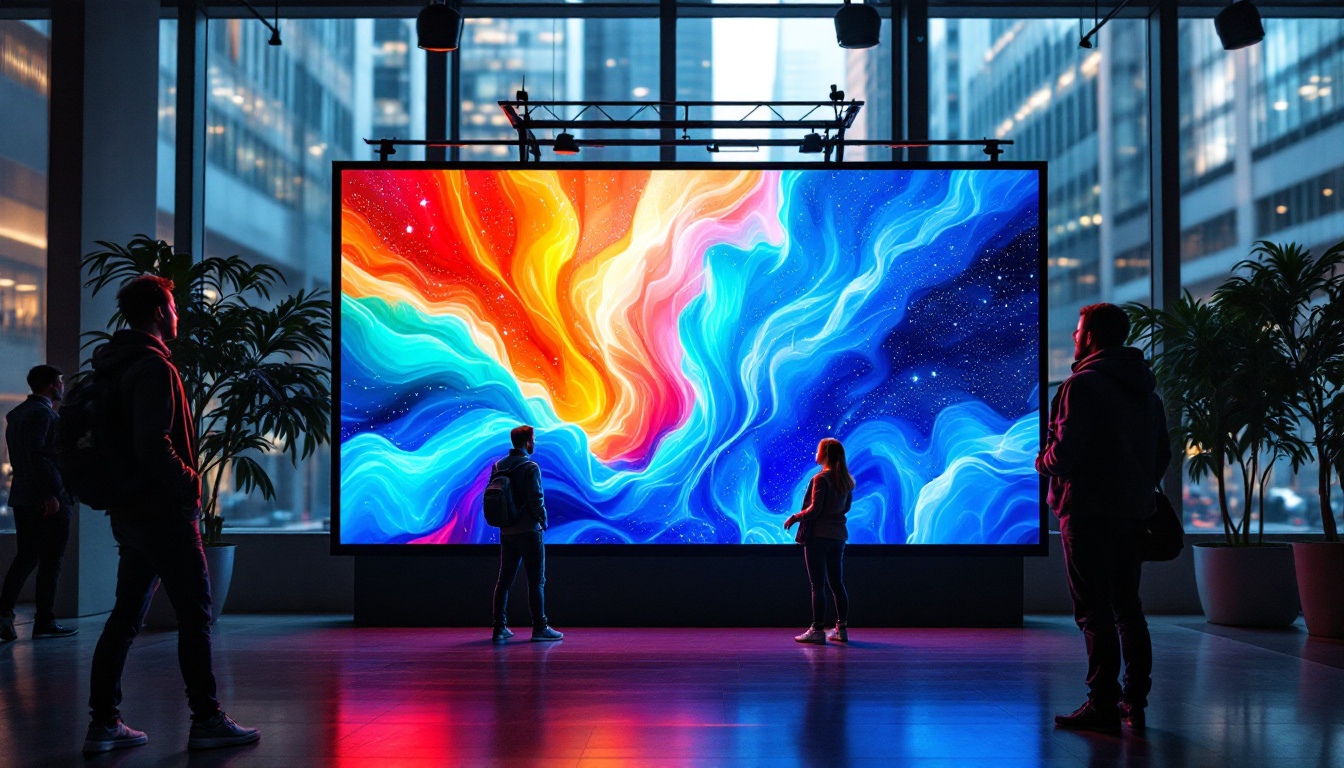
For example, a 108-inch (9-foot) LED display is considered very large and is commonly used in venues like concert halls, sports arenas, or large conference centers. Its size allows for clear visibility even from far distances, making it ideal for displaying detailed content to large audiences. Additionally, larger displays often incorporate advanced technologies, such as higher refresh rates and better color accuracy, enhancing the overall viewing experience. This makes them an excellent choice for dynamic content, such as live sports broadcasts or immersive presentations.
Pixel Pitch and Resolution: Beyond Size
While size is important, the quality of an LED display also depends on pixel pitch—the distance between individual LED pixels—and resolution. A large 108-inch display with a high pixel pitch may not provide the sharpness needed for close-up viewing, whereas a display with a smaller pixel pitch offers finer detail. The pixel pitch is a critical factor in determining how close viewers can comfortably stand to the display without noticing pixelation, which can detract from the overall experience.
Understanding the relationship between size, pixel pitch, and resolution helps buyers select the right LED display for their specific needs. For instance, a 108-inch display with a pixel pitch of 1.5mm offers excellent clarity for indoor use, while a larger pixel pitch might be acceptable for outdoor applications where viewers are farther away. Furthermore, advancements in technology have led to the development of displays with ultra-fine pixel pitches, allowing for stunning visuals even in large formats. This means that businesses can now create captivating experiences that draw in viewers, regardless of the display’s size, making LED technology a powerful tool in modern advertising and communication strategies.
Practical Applications of a 108-Inch (9-Foot) LED Display
Event and Entertainment Venues
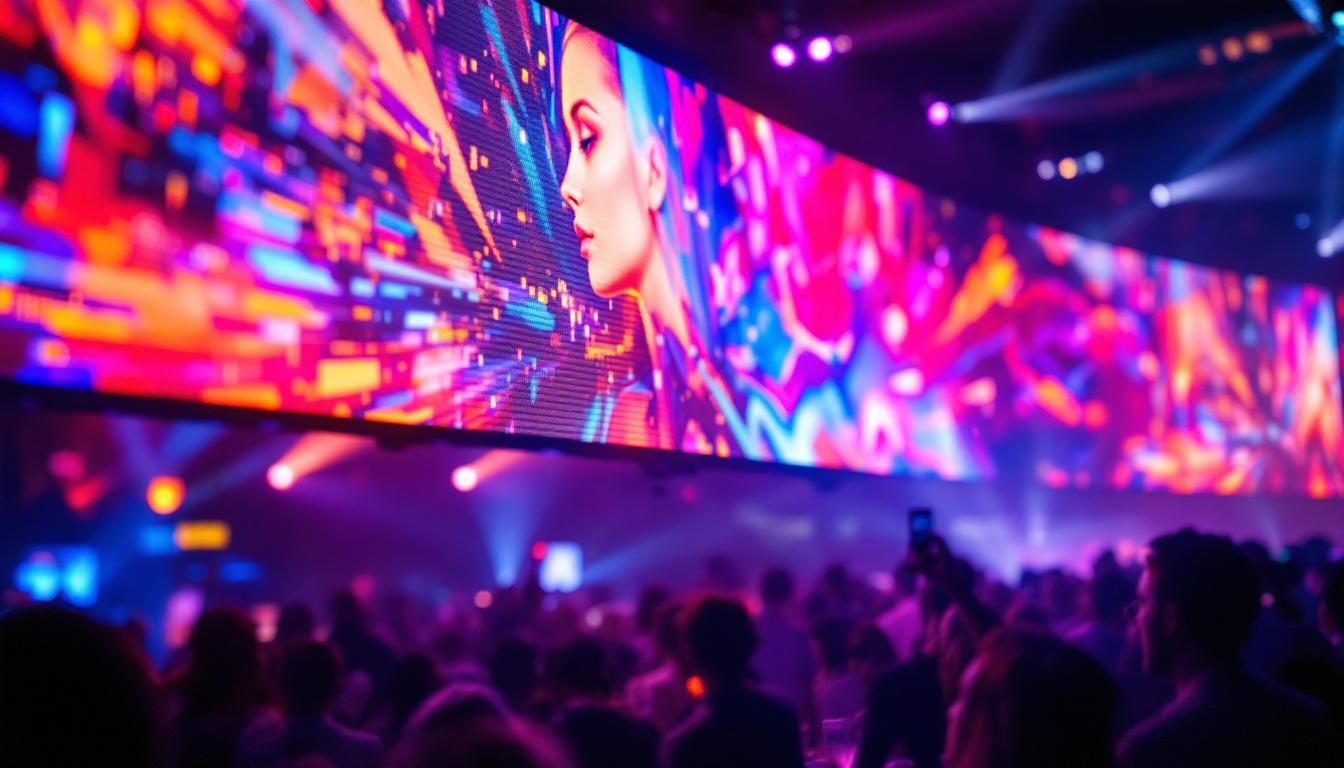
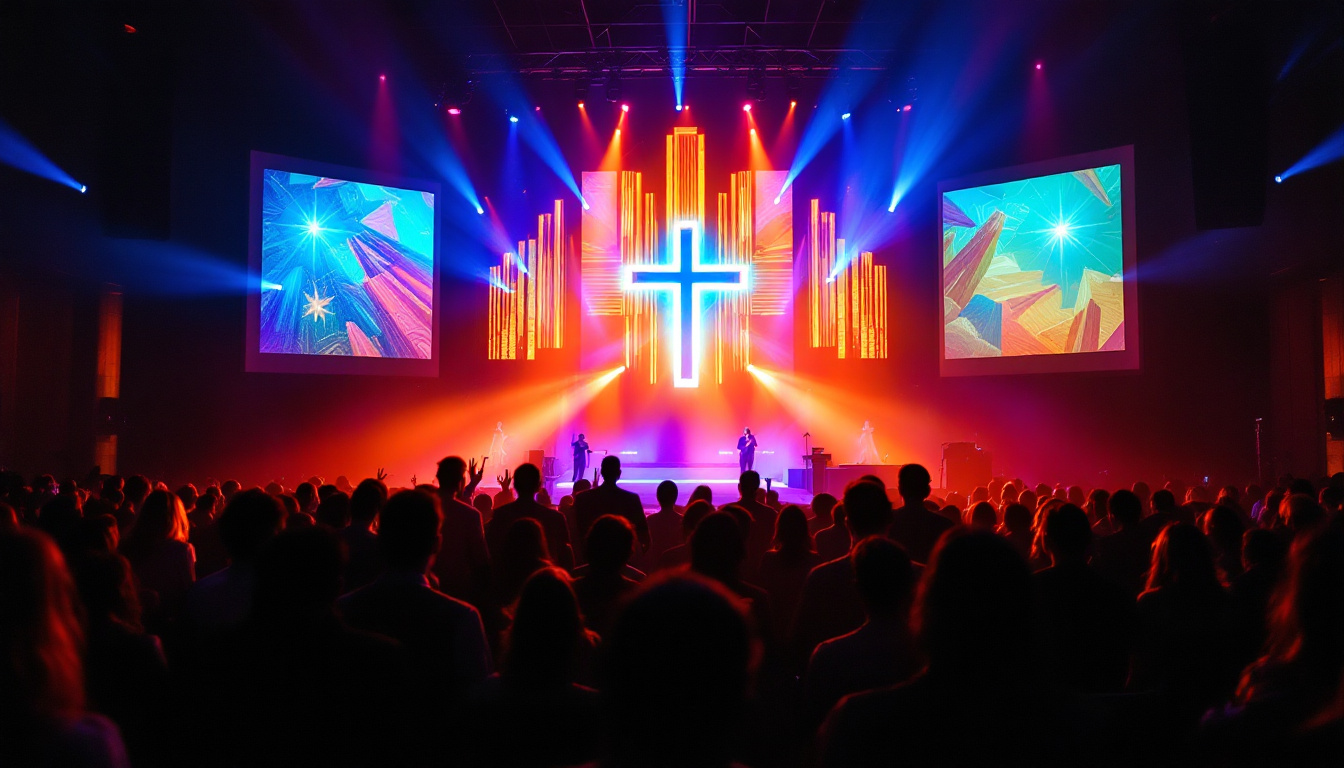
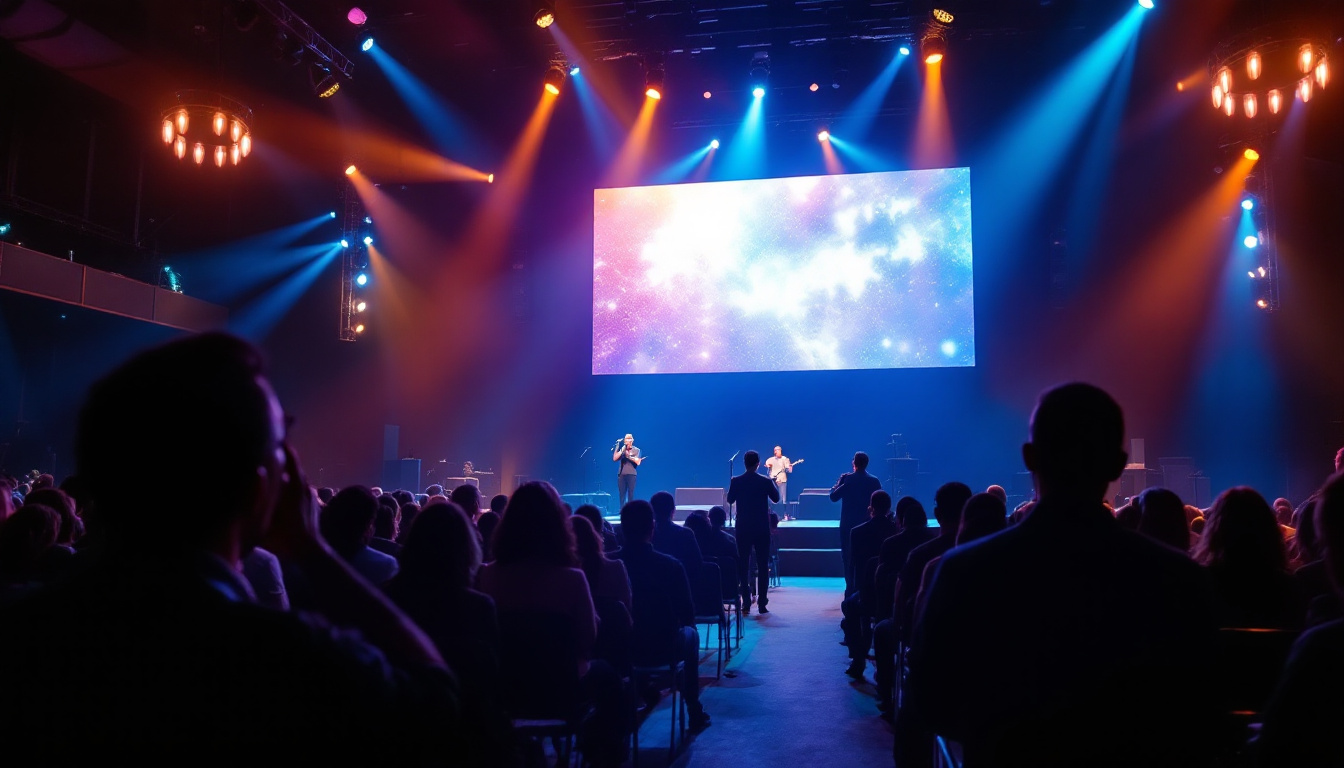
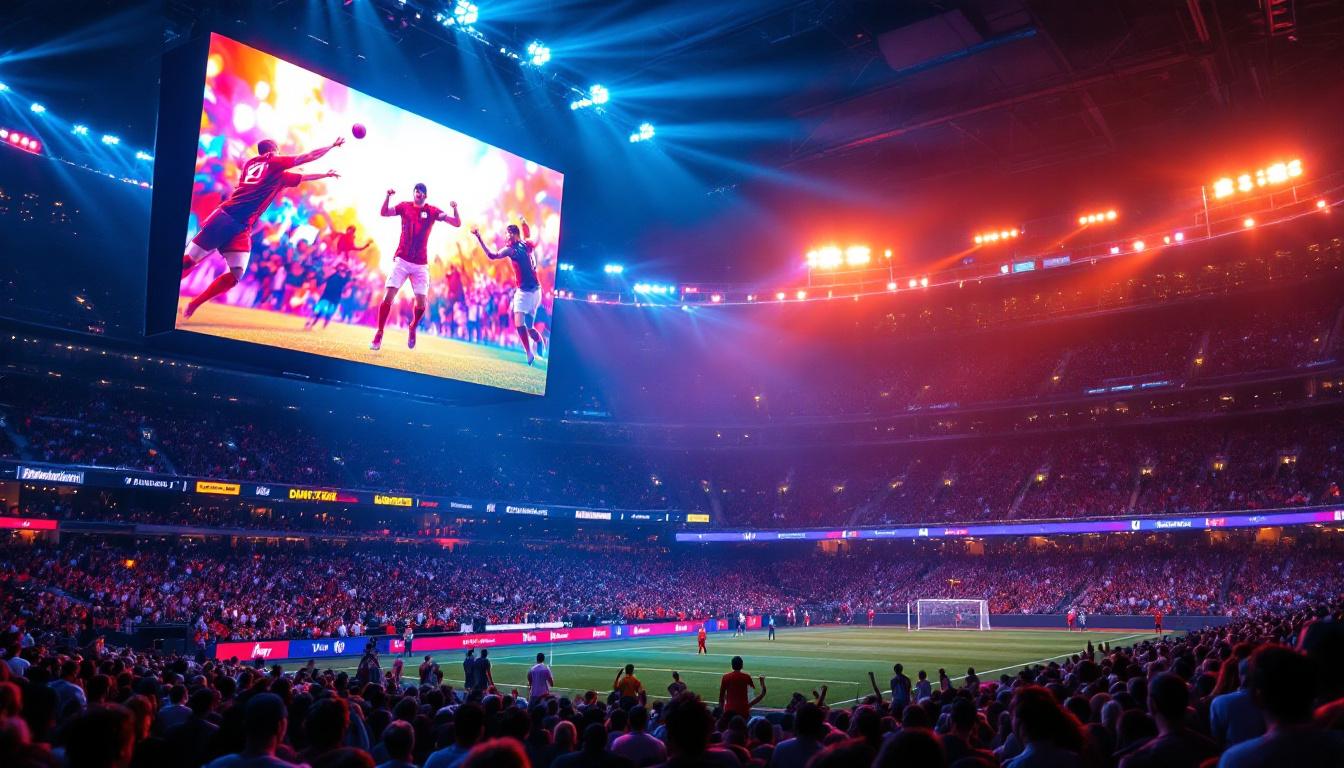
Large LED displays measuring around 108 inches are popular in event venues such as concert halls, theaters, and sports arenas. These displays provide vibrant visuals that enhance the audience’s experience by showing live footage, graphics, and advertisements.
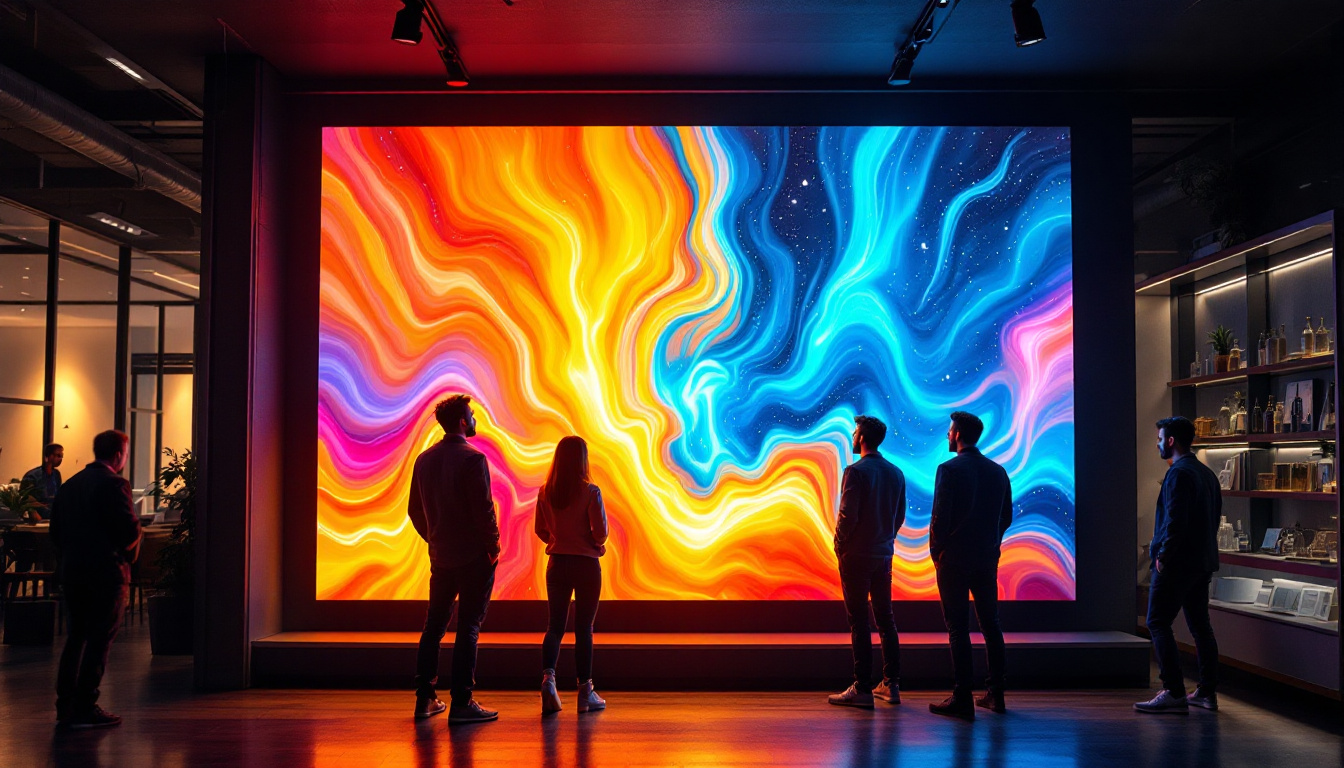
For example, a 9-foot LED screen positioned behind a stage can serve as a dynamic backdrop, displaying everything from video content to interactive visuals. The size ensures that even attendees seated far from the stage can clearly see the content.
Corporate and Conference Settings
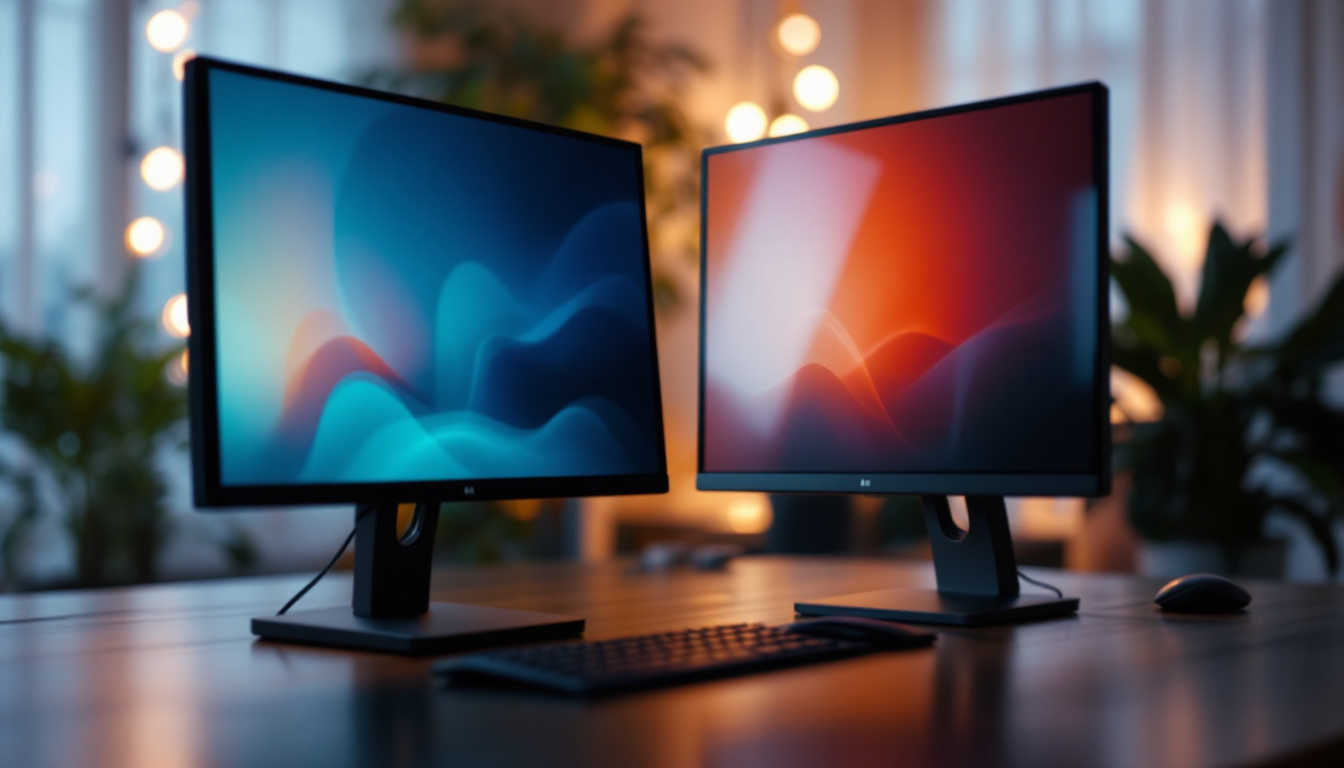
In corporate environments, large LED displays are used for presentations, video conferencing, and digital signage. A 108-inch display offers ample screen real estate for detailed charts, videos, and collaborative tools, improving communication and engagement during meetings.
Moreover, the ability to convert the size into feet helps facilities managers and event coordinators plan room layouts effectively, ensuring the display fits well within the space and is visible to all participants.
Retail and Advertising
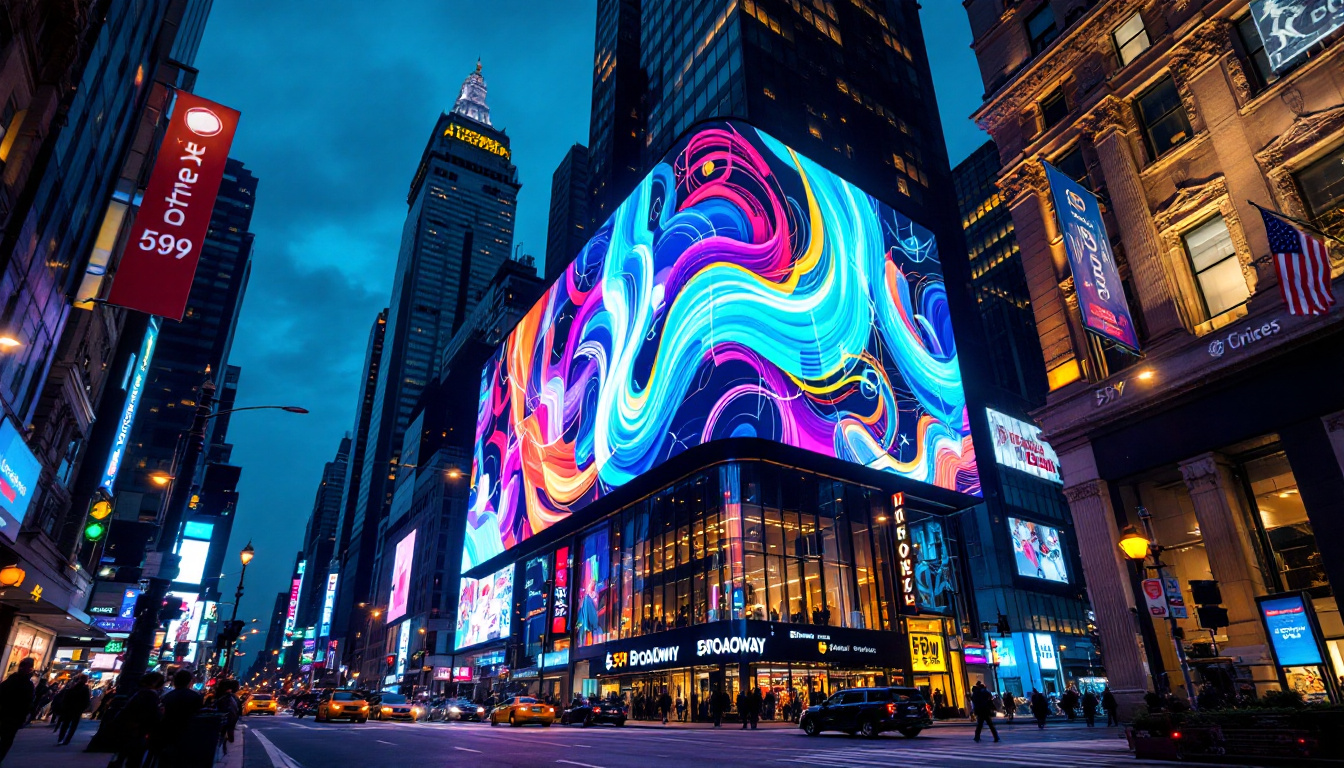
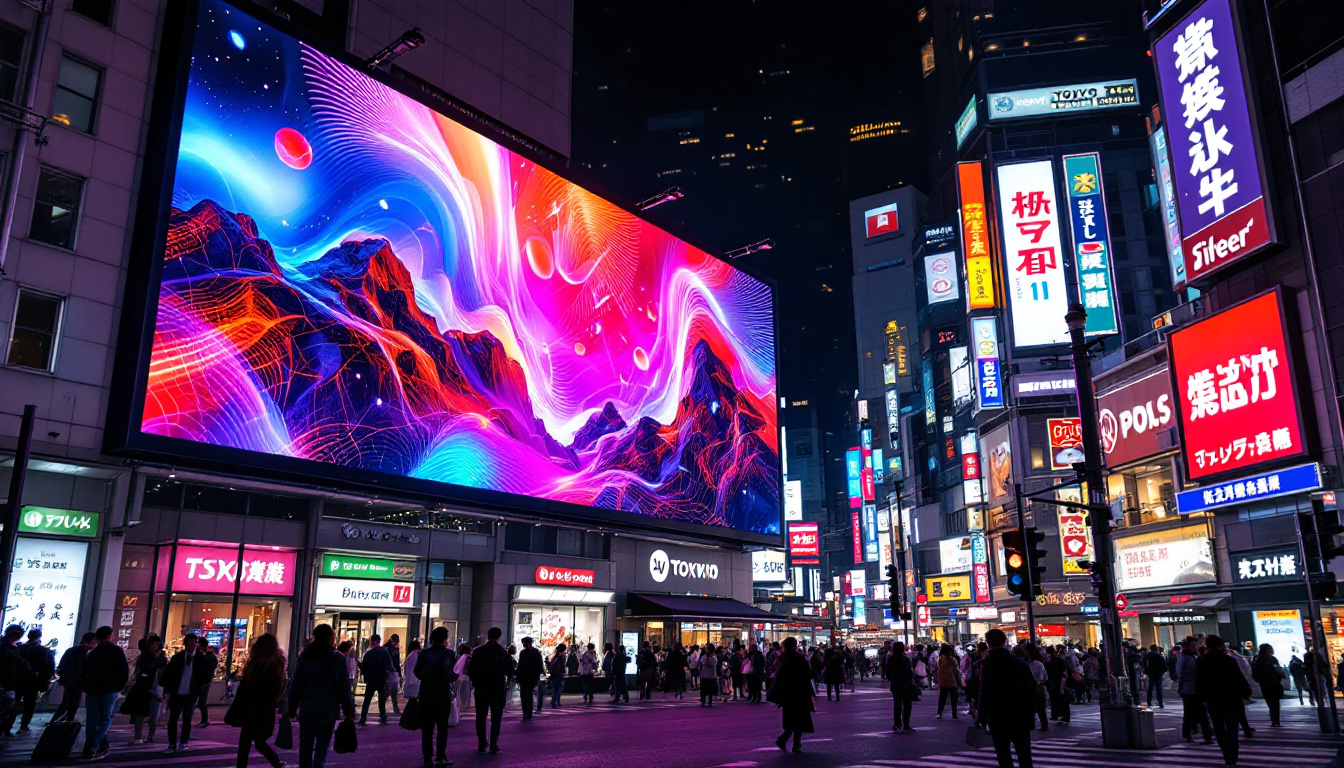
Retailers and advertisers leverage large LED displays to attract customers and promote products. A 9-foot LED display installed in a storefront or shopping mall can showcase high-impact visuals and animations that capture attention and drive sales.
Understanding the size in feet helps marketers visualize how the display integrates with the environment, ensuring it complements the store’s design and does not overwhelm the space.
Installation Considerations for Large LED Displays
Space and Mounting Requirements
Installing a 108-inch LED display requires careful planning regarding wall space, mounting hardware, and structural support. Knowing that the display measures 9 feet diagonally helps installers assess whether the intended location can accommodate the screen without obstructing pathways or other fixtures.
Additionally, the weight of large LED displays can be substantial, necessitating reinforced mounting brackets or custom frames. Professional installation is recommended to ensure safety and optimal viewing angles.
Viewing Distance and Angle
The ideal viewing distance for a 108-inch LED display depends on its resolution and pixel pitch. Generally, viewers should be positioned at a distance where the pixels blend seamlessly, providing a clear and comfortable viewing experience.
For a 9-foot display, the optimal viewing distance typically ranges from 10 to 30 feet, depending on the content’s detail and the environment’s lighting conditions. Adjusting the angle of the display can also reduce glare and improve visibility.
Power and Connectivity
Large LED displays require adequate power supply and connectivity options to function effectively. Planning for electrical requirements and data connections is essential during installation.
High-quality LED displays often support various input sources, including HDMI, DisplayPort, and network connections, enabling versatile content management. Ensuring these connections are accessible and secure contributes to the display’s reliability and performance.
Conclusion: Why Understanding 108 Inches in Feet Matters for LED Displays
Converting 108 inches into feet—knowing it equals 9 feet—provides a clearer perspective on the size of LED displays. This understanding is vital for anyone involved in selecting, purchasing, or installing large screens, as it influences decisions related to space planning, viewing experience, and technical requirements.
LED displays continue to evolve, offering larger sizes and higher resolutions that transform how information and entertainment are presented. By grasping the basics of measurement conversion and the implications of display size, consumers and professionals can make informed choices that maximize the impact and functionality of these powerful visual tools.
Whether for a corporate boardroom, a retail environment, or a massive outdoor billboard, knowing that 108 inches equals 9 feet is the first step toward appreciating the scale and potential of LED display technology.
Explore the World of LED Displays with LumenMatrix
Ready to experience the transformative power of advanced LED display technology? LumenMatrix is at the forefront of innovation, offering a diverse range of LED display solutions tailored to meet your unique needs. From stunning Indoor and Outdoor LED Wall Displays to dynamic Vehicle and Sports LED Displays, our products are designed to captivate and engage your audience. Discover the perfect LED display to elevate your visual communication and make a lasting impression. Check out LumenMatrix LED Display Solutions today and see your vision come to life in brilliant detail.