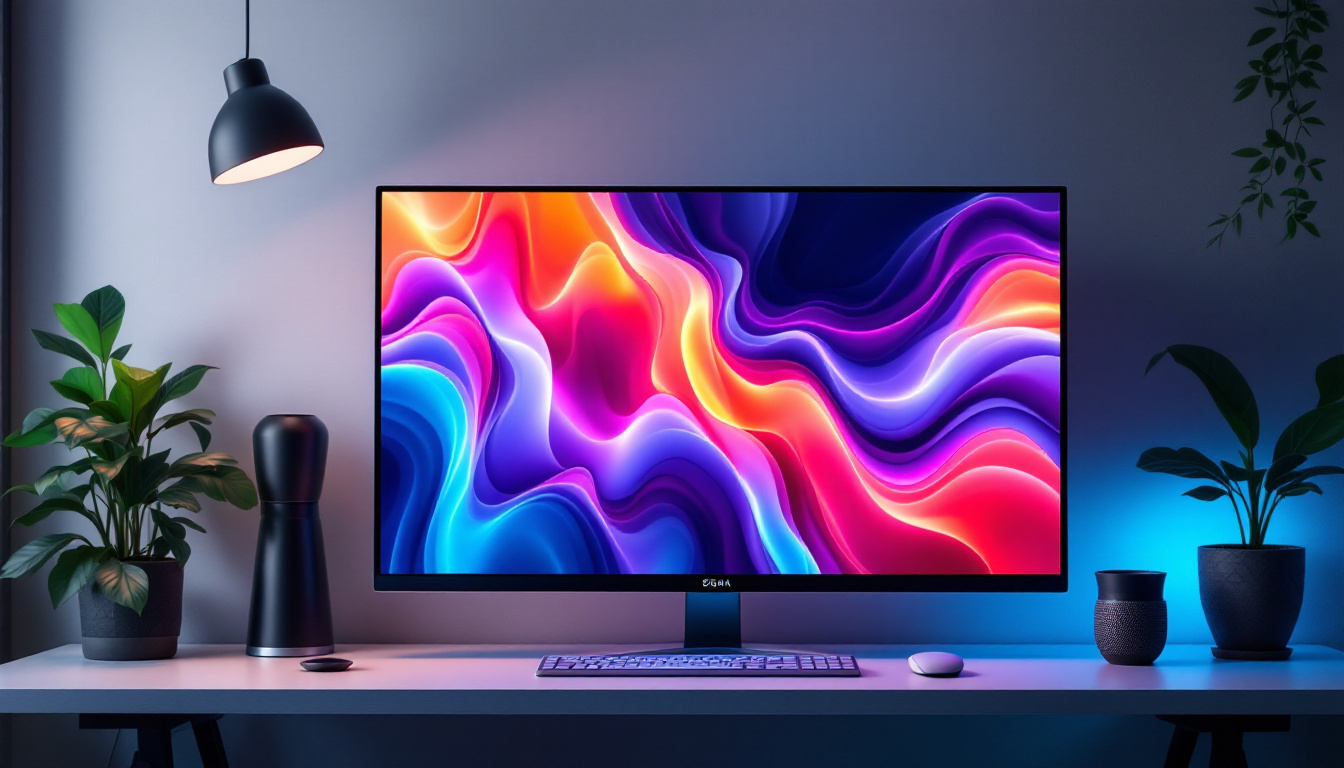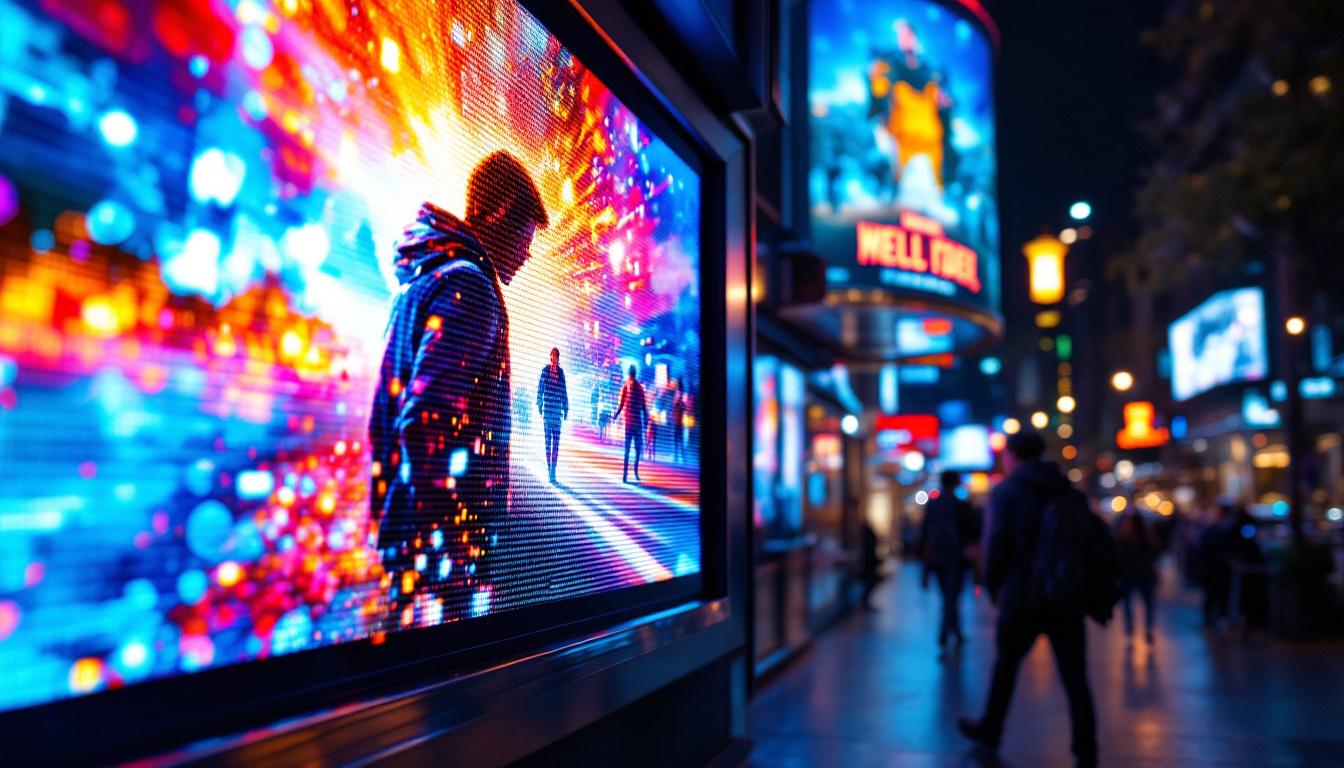
In the evolving landscape of cinema technology, the way movies are displayed has undergone significant transformation. One of the most groundbreaking advancements is the use of LED displays in movie theaters, a technology that is reshaping the viewing experience. This article explores the intricacies of LED display technology, its application in Beaverton’s movie theaters, and why it matters to moviegoers and the entertainment industry alike.
Understanding LED Display Technology
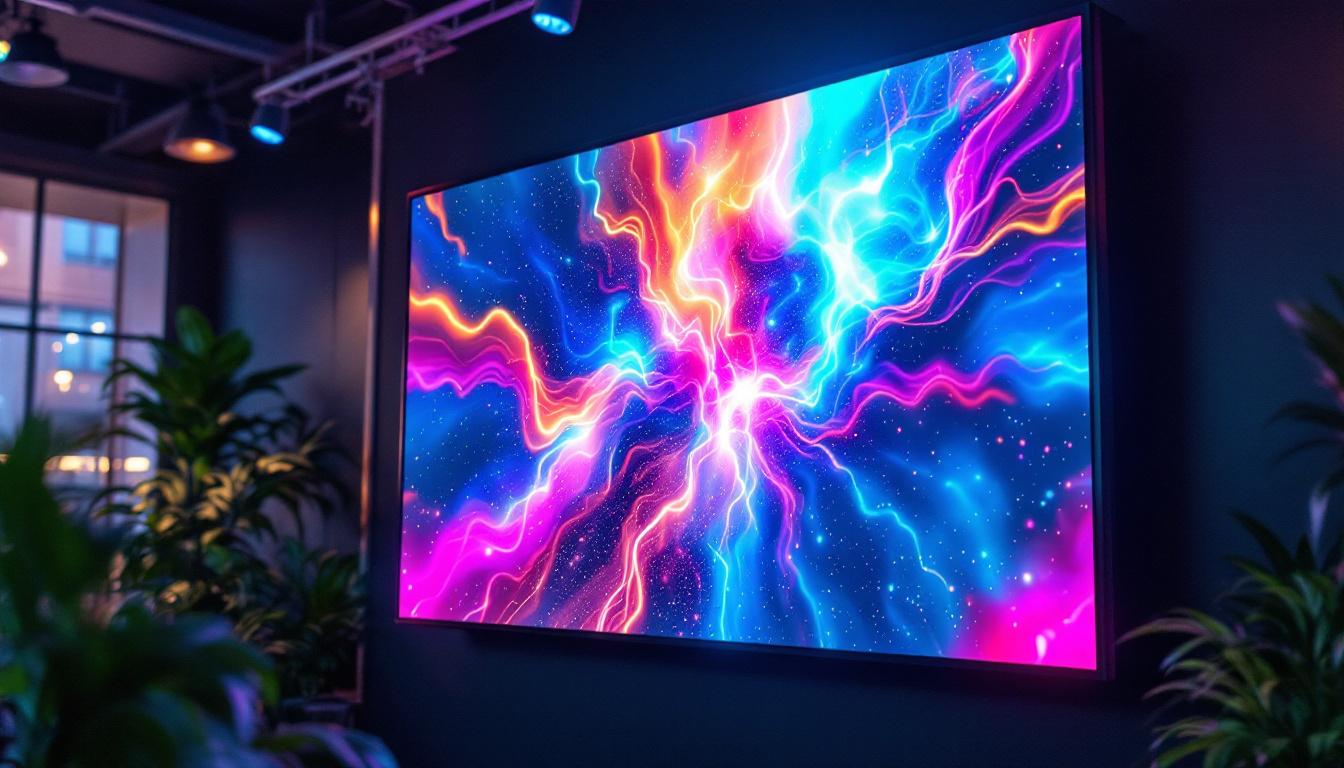
LED, or Light Emitting Diode, displays have become a cornerstone in modern visual technology. Unlike traditional projection systems that rely on bulbs and screens, LED displays consist of millions of tiny diodes that emit light directly. This fundamental difference brings a host of advantages that are particularly beneficial in cinematic settings.
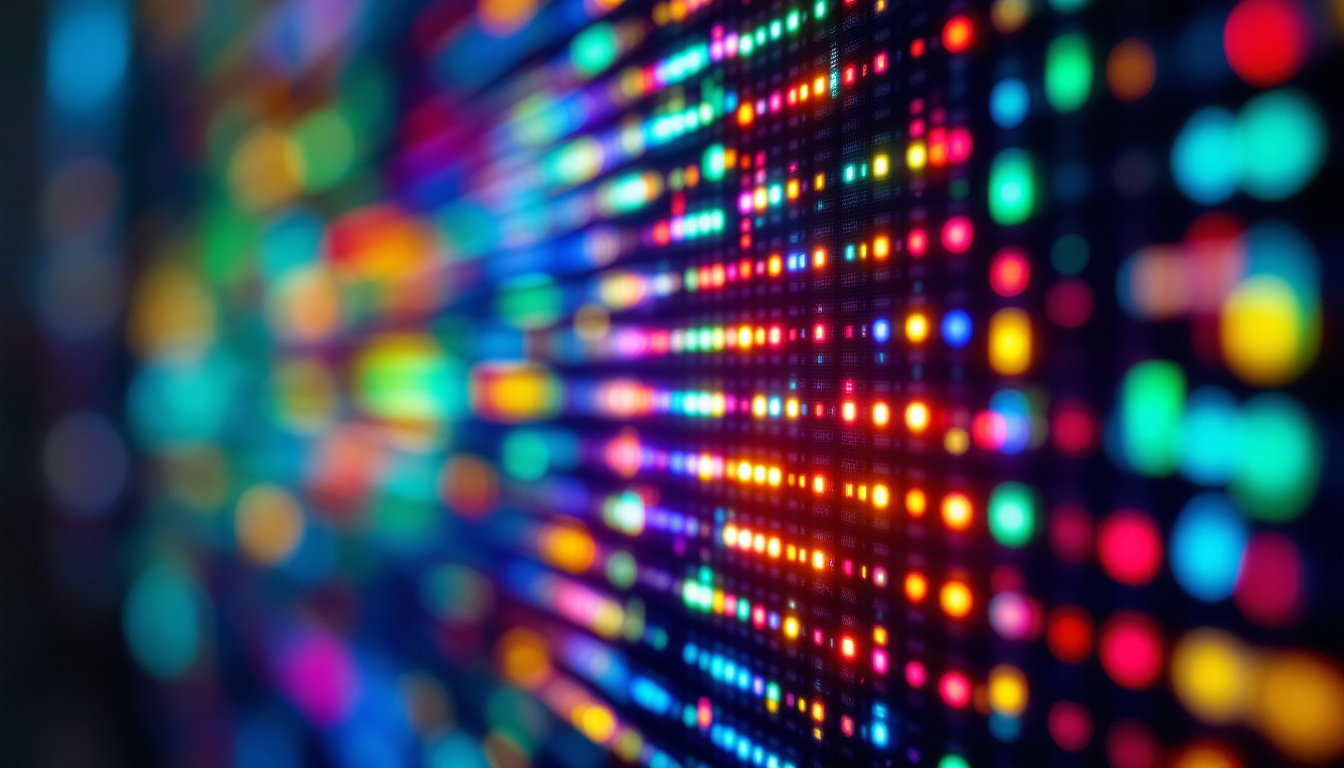
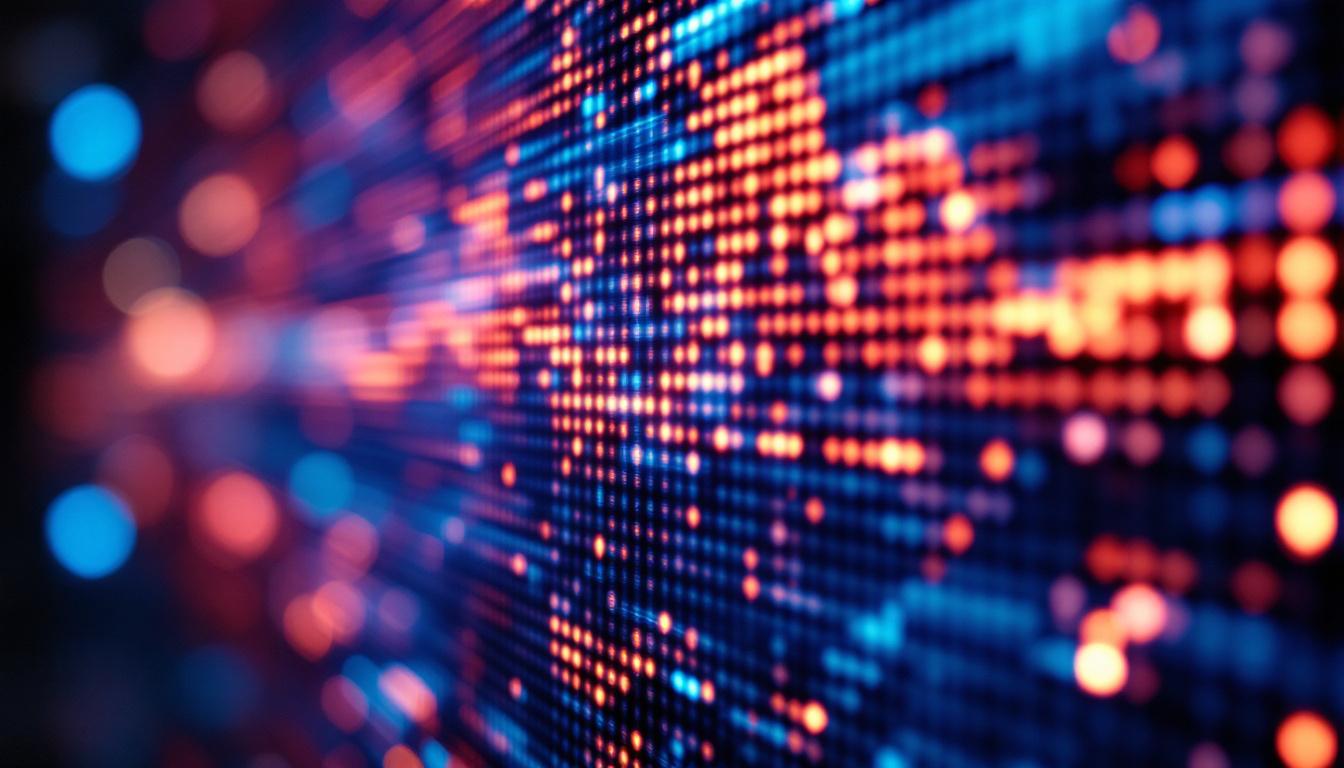
At its core, an LED display is a flat panel that produces images by illuminating individual pixels made up of red, green, and blue diodes. By adjusting the intensity of each diode, the display can render a full spectrum of colors with remarkable precision. This technology is widely used in televisions, smartphones, and increasingly, in movie theaters.
How LED Displays Differ from Traditional Projection
Traditional movie theaters typically use a projector to cast images onto a large screen. This method depends on a powerful light source and a reflective surface, which can sometimes limit brightness and color accuracy. In contrast, LED displays emit their own light, allowing for much higher brightness levels and more vivid colors without the need for a reflective screen.
Moreover, LED displays offer superior contrast ratios. Blacks appear truly black because the diodes can be turned off completely in dark areas of the image, unlike projectors which often struggle with light bleed and ambient reflections. This results in a more immersive and lifelike viewing experience.
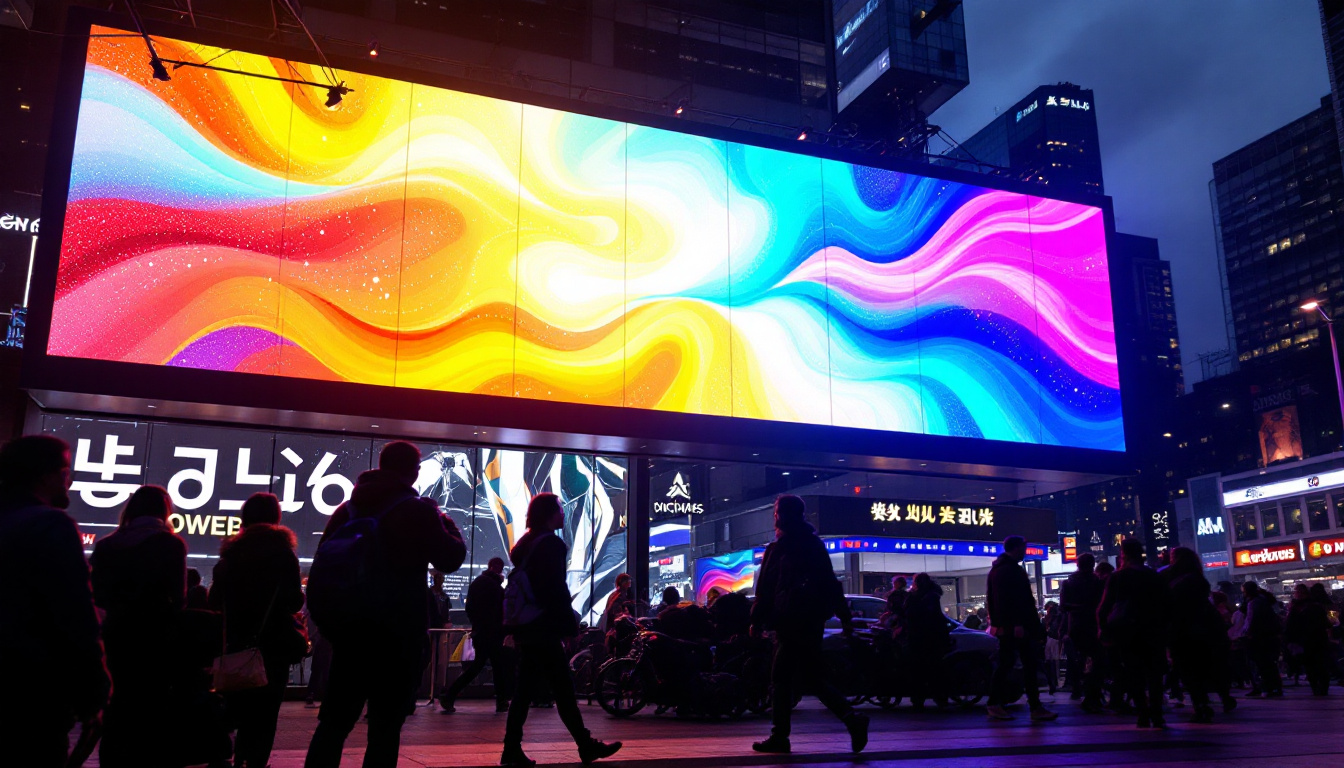
The versatility of LED technology extends beyond just cinema; it has also made significant inroads into advertising and public displays. Large-scale LED billboards can be found in bustling urban environments, showcasing vibrant advertisements that capture the attention of passersby. These displays are not only energy-efficient but also capable of dynamic content updates, allowing advertisers to tailor messages in real-time based on audience engagement or time of day. Furthermore, the durability of LED technology means that these displays can withstand harsh weather conditions, making them ideal for outdoor use.
In addition to their visual prowess, LED displays are also lauded for their environmental benefits. They consume significantly less power compared to traditional lighting systems, which translates to lower energy costs and reduced carbon footprints. This energy efficiency is particularly important in an era where sustainability is a growing concern. As technology continues to evolve, innovations such as organic LEDs (OLEDs) are emerging, promising even greater advancements in color accuracy and flexibility, further solidifying LED displays’ position as a leading choice in both entertainment and information dissemination.
The Rise of LED Cinema Screens in Beaverton
Beaverton, Oregon, has embraced this cutting-edge technology with several theaters adopting LED display systems. Cinemas equipped with LED screens are becoming increasingly popular among local audiences who seek premium viewing experiences.
One notable example is the introduction of LED-based auditoriums in multiplexes around Beaverton. These theaters offer enhanced picture quality that surpasses traditional digital projection, attracting movie enthusiasts who prioritize image fidelity and immersive sound.
Benefits for Moviegoers
For the audience, the advantages of LED displays are immediately noticeable. The enhanced brightness means that even 3D movies appear more vibrant and less washed out. This is particularly beneficial in well-lit environments or for films with dark scenes where detail preservation is crucial.
Additionally, LED screens reduce the risk of flicker and motion blur, common issues in older projection systems. This results in smoother motion portrayal, which is essential for action-packed blockbusters and fast-paced sequences.
Impact on Local Cinema Culture
The availability of LED cinema technology in Beaverton also contributes to the city’s cultural appeal. It positions local theaters as destinations for high-quality entertainment, encouraging more frequent visits and fostering a stronger community around film appreciation.
Furthermore, the adoption of LED displays supports local filmmakers and distributors by providing a platform that can showcase their work in the best possible light, literally and figuratively. With the ability to display films with unparalleled clarity and color accuracy, independent films and local productions can compete more effectively with major studio releases, drawing in audiences who might otherwise overlook them.
Moreover, the integration of LED technology has sparked interest in hosting special events, such as film festivals and themed movie nights, which further enriches the local cinema landscape. These events not only celebrate the art of filmmaking but also create opportunities for community engagement, as residents gather to share their passion for cinema in a vibrant and modern setting. As Beaverton continues to evolve as a cultural hub, the role of LED cinema screens will likely expand, paving the way for innovative programming and enhanced viewer experiences.
Technical Aspects of LED Displays in Cinemas
Understanding the technical specifications behind LED cinema displays helps appreciate why they are considered superior. These systems are engineered to meet the demanding requirements of large-scale movie presentations.
Resolution and Pixel Pitch
Resolution is a critical factor in image clarity. Modern LED cinema screens in Beaverton often feature 4K resolution or higher, ensuring crisp and detailed images. Pixel pitch, the distance between individual LEDs, is minimized to create seamless visuals without visible pixelation, even on large screens. This is particularly important for immersive cinematic experiences, where viewers are seated close to the screen and expect a flawless picture quality that draws them into the narrative.
Furthermore, advancements in technology have led to the development of microLED displays, which offer even finer pixel pitch and improved contrast ratios. These innovations allow for greater flexibility in screen size and shape, enabling theaters to create unique viewing environments that cater to different types of films, from blockbuster action to intimate dramas.
Brightness and Color Accuracy
LED displays can achieve brightness levels exceeding 1,000 nits, far surpassing traditional projection systems that typically range between 14 to 22 foot-lamberts (approximately 48 to 75 nits). This high brightness enables theaters to maintain image quality in various lighting conditions. Such capability is essential not only for daytime screenings but also for films that utilize vibrant colors and intricate visual effects, ensuring that every detail is visible and impactful.
Color accuracy is enhanced through advanced calibration techniques. LED screens can cover a wider color gamut, including DCI-P3, the industry standard for digital cinema color reproduction. This ensures that the colors seen on screen match the filmmaker’s original vision. Additionally, some LED displays are equipped with dynamic color management systems that adjust in real-time to maintain consistency across different scenes, providing audiences with a more engaging and authentic viewing experience.
Longevity and Maintenance
LED displays offer longer operational lifespans compared to projector bulbs, which require frequent replacement. This reduces maintenance costs and downtime for theaters, allowing for more consistent show schedules. The durability of LED technology means that theaters can operate with fewer interruptions, ultimately leading to increased revenue and customer satisfaction.
Additionally, LED panels are less sensitive to environmental factors such as temperature fluctuations and dust, contributing to their durability in busy cinema environments. Their robust design allows them to withstand the rigors of daily use, making them an ideal choice for high-traffic venues. Moreover, many LED systems come with built-in diagnostic tools that allow for proactive maintenance, enabling technicians to address potential issues before they affect performance, ensuring that every screening is as flawless as possible.
Challenges and Considerations
While LED displays bring numerous benefits, there are challenges associated with their implementation in movie theaters, particularly in smaller markets like Beaverton.
Initial Investment and Installation
The upfront cost of installing LED cinema screens is significantly higher than traditional projection systems. This includes the price of the LED panels themselves, specialized mounting structures, and integration with existing audio and control systems.
The installation process can also be complex, requiring skilled technicians to ensure proper alignment, calibration, and synchronization of the display with sound and playback equipment.
Content Compatibility and Distribution
Another consideration is content compatibility. Films must be mastered and distributed in formats optimized for LED screens to fully leverage their capabilities. This requires coordination between studios, distributors, and theaters to ensure seamless playback.
Moreover, some older films and independent productions may not be available in formats that support the full range of LED display features, potentially limiting the variety of content shown.
Audience Adaptation
Moviegoers accustomed to traditional projection might initially find the LED screen experience different. The heightened brightness and color saturation can be striking, and some viewers may need time to adjust their expectations.
However, as awareness grows and more theaters adopt the technology, acceptance and preference for LED displays are expected to increase.
The Future of Movie Viewing in Beaverton
LED display technology represents a significant leap forward in cinematic presentation. For Beaverton’s movie theaters, embracing this innovation is a strategic move to enhance competitiveness and meet the evolving demands of audiences.
Integration with Emerging Technologies
The future may see LED cinema screens integrated with other emerging technologies such as augmented reality (AR) and virtual reality (VR), creating even more immersive experiences. High dynamic range (HDR) content optimized for LED displays will further elevate visual quality.
Additionally, improvements in LED panel manufacturing could reduce costs, making this technology accessible to a broader range of theaters, including smaller independent venues in Beaverton.
Environmental and Economic Impact
LED displays are more energy-efficient than traditional projectors, aligning with growing environmental sustainability goals. This efficiency can translate into lower operating costs for theaters, which may be passed on to consumers in the form of better pricing or reinvested into enhancing the overall moviegoing experience.
Community Engagement and Cultural Growth
By offering state-of-the-art viewing technology, Beaverton’s cinemas can attract diverse audiences and host special events such as film festivals, premieres, and interactive screenings. This not only boosts local economy but also enriches the cultural fabric of the community.
Conclusion
The introduction of LED display technology in Beaverton’s movie theaters marks a pivotal moment in the evolution of cinematic experiences. By delivering unparalleled brightness, color accuracy, and contrast, LED screens provide moviegoers with a more vivid and immersive way to enjoy films.
While challenges remain in terms of cost and content compatibility, the benefits for audiences and theaters alike are compelling. As this technology continues to mature and become more widespread, it promises to redefine how movies are presented and enjoyed in Beaverton and beyond.
For anyone passionate about film, understanding the capabilities and advantages of LED displays is essential to appreciating the future of movie viewing.
Experience the Future of Cinematic Brilliance with LumenMatrix
As you look forward to the next evolution in movie viewing, consider the role of cutting-edge LED display technology in enhancing your cinematic experience. LumenMatrix, a pioneer in the field, offers a diverse range of LED display solutions that promise to transform any space into a dynamic visual spectacle. From Indoor and Outdoor LED Wall Displays to innovative Transparent and Custom LED Displays, LumenMatrix is at the forefront of creating immersive environments that captivate and engage. Don’t just read about the future of cinema; immerse yourself in it. Check out LumenMatrix LED Display Solutions and be part of the visual revolution.