In today’s digital age, LED displays have become an integral part of both commercial and residential environments. From advertising billboards and corporate conference rooms to home theaters and gaming setups, the versatility and visual impact of LED screens are undeniable. However, to maximize their effectiveness and aesthetic appeal, proper installation is crucial — and that often means choosing the right wall mount for your screen.
This article delves into the world of LED displays and wall mounts, explaining the technology behind LED screens, the importance of selecting the right mounting solution, and practical considerations for installation. Whether you’re a business owner looking to upgrade your digital signage or a homeowner aiming to create an immersive entertainment space, understanding these fundamentals will help you make informed decisions.
Understanding LED Displays: Technology and Applications
What is an LED Display?
LED stands for Light Emitting Diode, a semiconductor device that emits light when an electric current passes through it. LED displays use an array of these tiny diodes to create images, videos, and text with exceptional brightness and color accuracy. Unlike traditional LCD or plasma screens, LED displays can be manufactured in various sizes and shapes, making them highly adaptable for different environments.
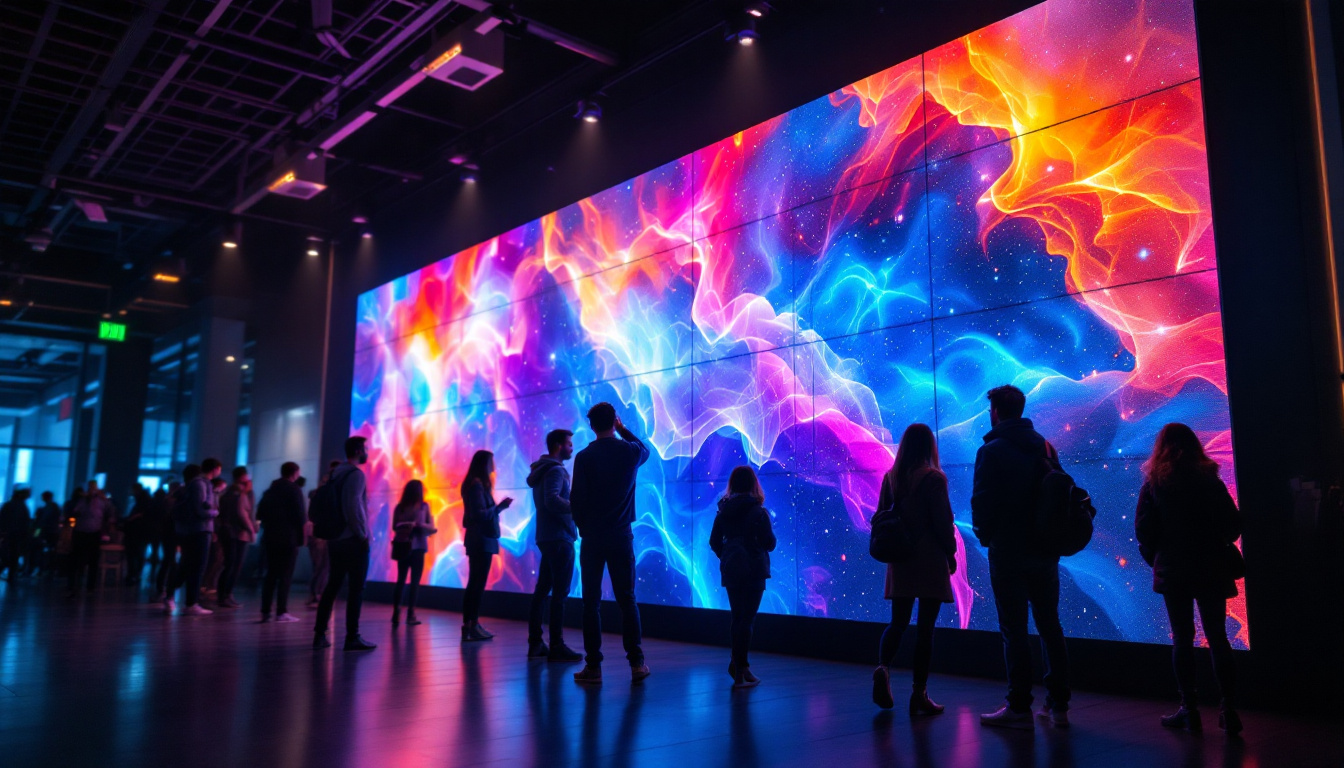
Modern LED displays can be categorized into two main types: direct-view LED and LED-backlit LCD. Direct-view LED screens consist of individual LEDs forming the pixels themselves, offering superior brightness and contrast. LED-backlit LCDs, on the other hand, use LEDs as a backlight source behind an LCD panel, providing energy efficiency and thinner profiles. This versatility in design allows for innovative applications, such as curved screens and flexible displays, which can be tailored to fit unique architectural spaces or creative visual installations.
Common Uses of LED Displays
LED screens are widely used across multiple sectors due to their versatility:
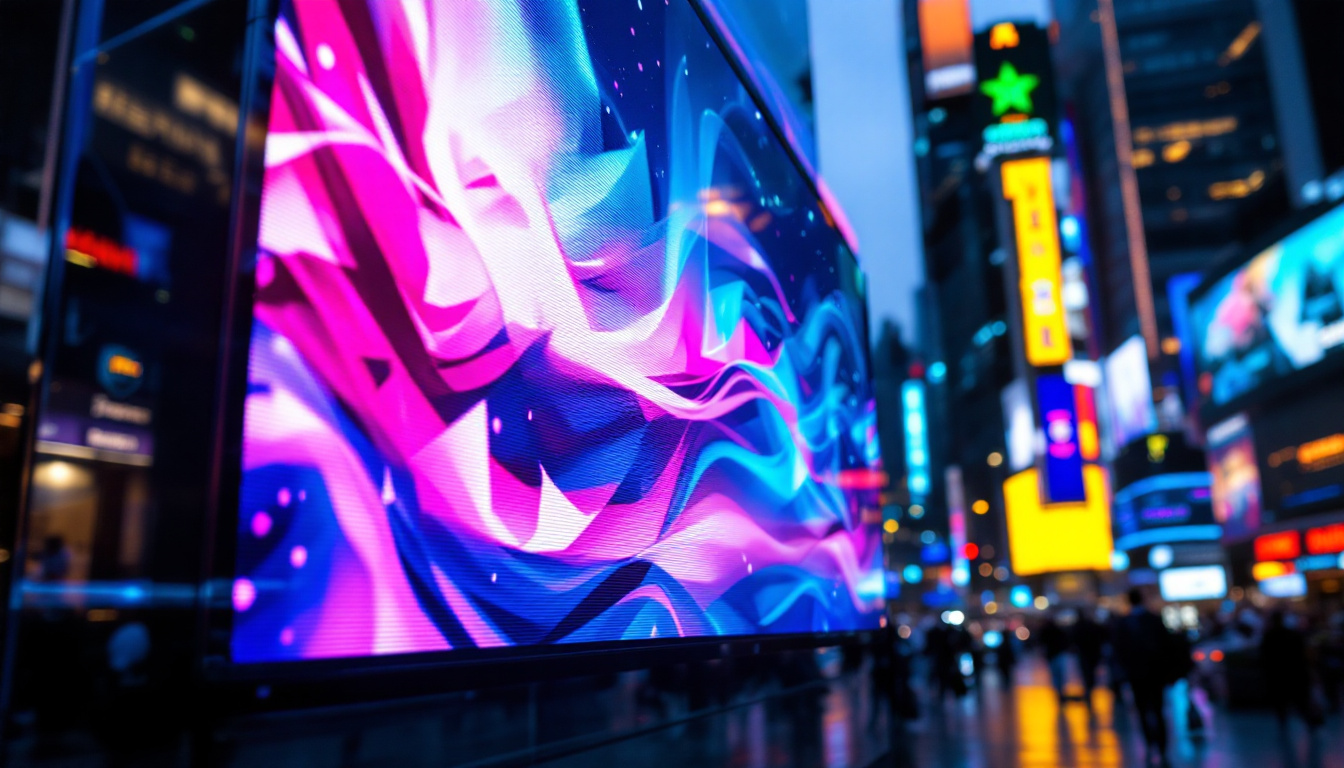
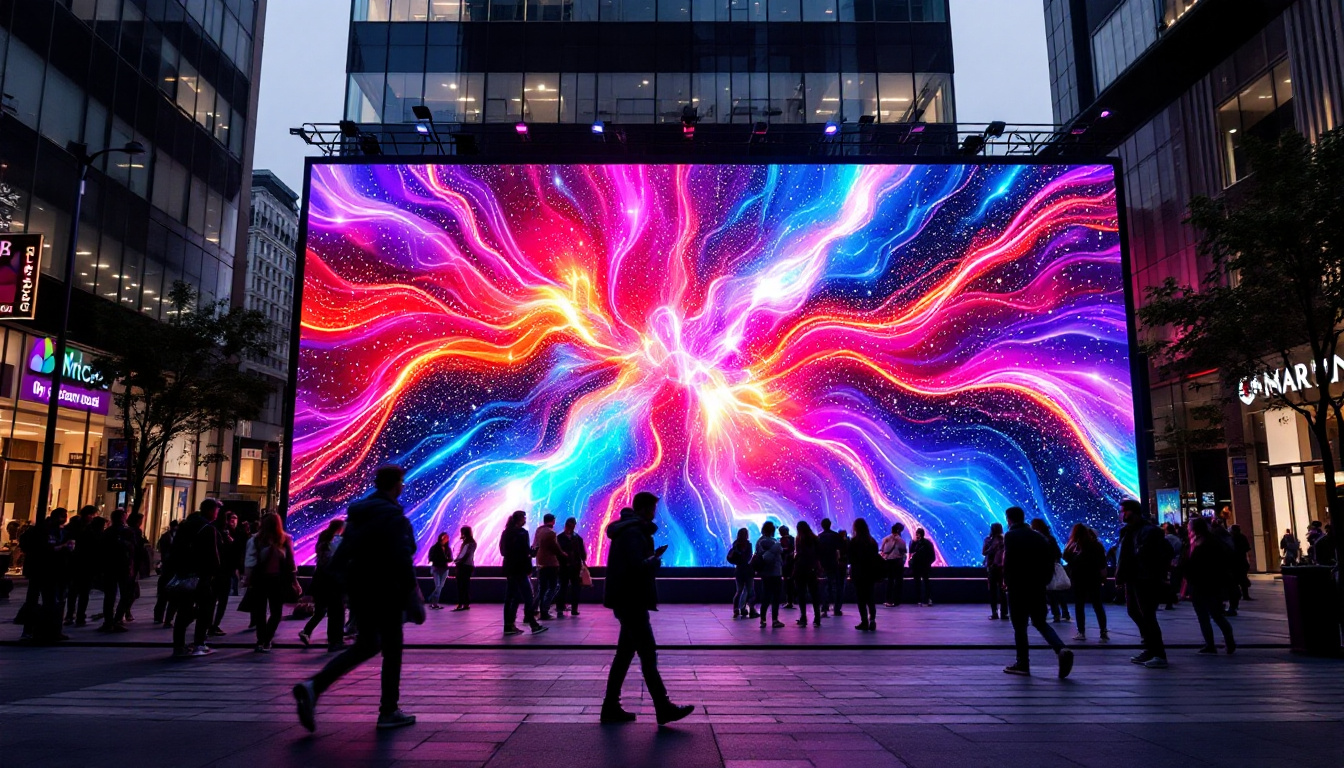
- Advertising and Digital Signage: Outdoor and indoor billboards, retail displays, and transit advertising benefit from the high visibility and dynamic content capabilities of LED screens.
- Corporate and Educational Settings: Conference rooms, auditoriums, and classrooms use LED displays for presentations, video conferencing, and interactive learning.
- Entertainment and Gaming: Home theaters, gaming arenas, and event venues leverage LED technology for immersive visual experiences.
- Sports Arenas and Public Spaces: Scoreboards, live event screens, and public information displays rely on large-format LED panels.
In addition to these applications, LED displays are increasingly being integrated into smart city initiatives, where they serve as vital communication tools for public safety announcements, traffic updates, and community events. Their ability to display real-time information makes them invaluable in urban environments, enhancing the flow of information and improving the overall quality of life for residents. Furthermore, with advancements in technology, LED displays are becoming more energy-efficient, allowing cities to reduce their carbon footprint while still providing vibrant and engaging visual content.
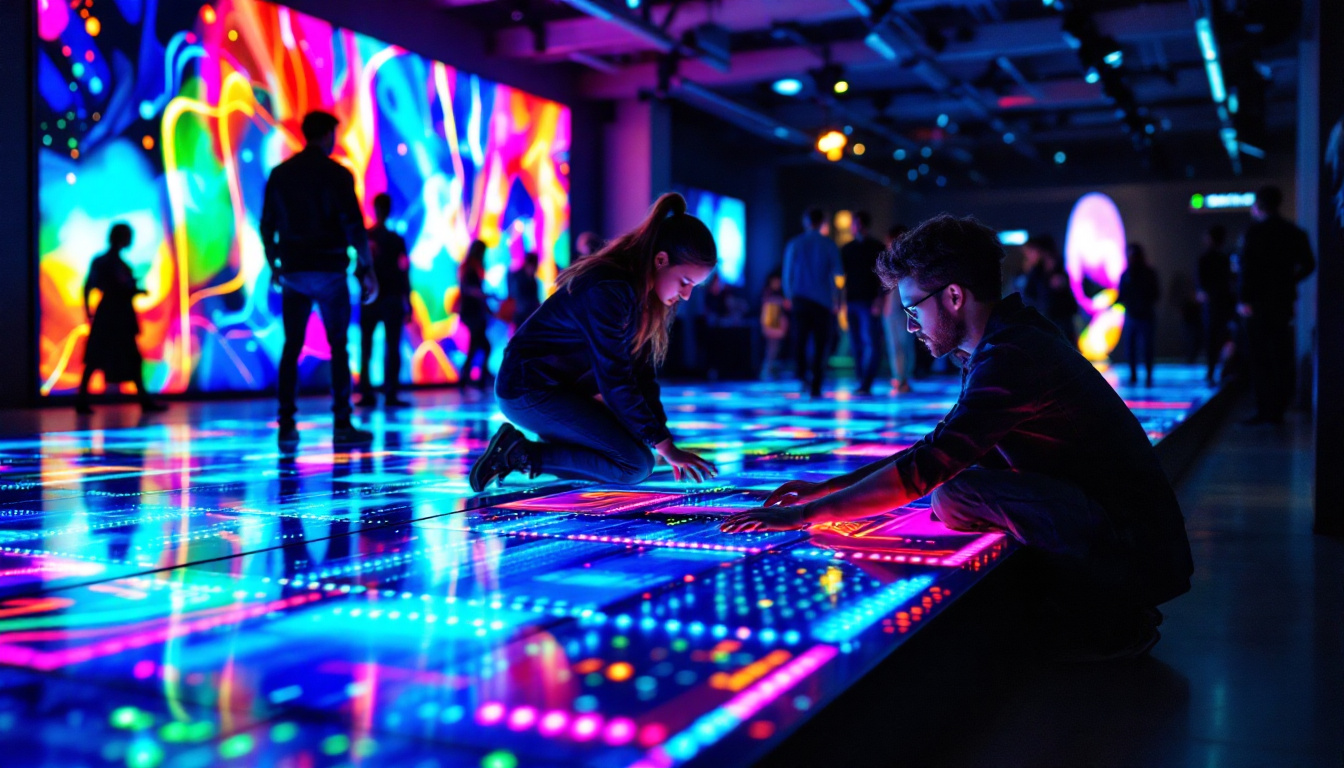
Moreover, the rise of interactive LED displays has transformed how businesses engage with customers. Touch-sensitive screens can facilitate direct interaction, allowing users to browse products, access information, or participate in promotional activities seamlessly. This interactivity not only enhances the consumer experience but also provides businesses with valuable data on customer preferences and behavior, enabling them to tailor their marketing strategies effectively. As technology continues to evolve, the potential applications for LED displays are virtually limitless, paving the way for innovative solutions across various industries.
The Importance of Choosing the Right Wall Mount for LED Screens
Why Wall Mounting Matters
Wall mounting an LED display is more than just a space-saving solution. It impacts the screen’s visibility, safety, and overall aesthetic integration within a room or outdoor environment. A properly chosen and installed wall mount ensures that the display is securely fixed, optimally positioned, and accessible for maintenance.
Improper mounting can lead to issues such as screen damage, poor viewing angles, and even safety hazards. For example, a screen mounted too high or too low can cause neck strain for viewers, while insufficient structural support might result in the display falling or shifting.
Key Factors in Selecting a Wall Mount
Several considerations come into play when selecting a wall mount for an LED display:
- Weight Capacity: LED displays vary widely in weight depending on size and model. The mount must support the screen’s weight with a safety margin.
- VESA Compatibility: The Video Electronics Standards Association (VESA) defines standardized mounting hole patterns on the back of screens. Ensuring the mount matches the VESA pattern of the LED display is essential for compatibility.
- Adjustability: Tilt, swivel, and extendable arms can enhance viewing comfort and reduce glare by allowing screen positioning adjustments.
- Wall Type and Structure: The mount must be compatible with the wall material (drywall, concrete, brick) and structural integrity to guarantee secure installation.
- Cable Management: Integrated cable routing helps maintain a clean, professional look and protects cables from damage.
Types of Wall Mounts for LED Displays
Fixed Wall Mounts
Fixed mounts hold the LED display flush against the wall without any movement. They are typically the most affordable and simplest option, ideal for environments where the screen’s viewing angle and position don’t need to change.
Fixed mounts are popular in retail signage and public spaces where the display is intended to be viewed straight on. However, they offer no flexibility for tilt or swivel, which can be a limitation in some settings.
Tilting Wall Mounts
Tilting mounts allow the screen to be angled vertically, usually up to 15 or 20 degrees. This adjustability helps reduce glare and optimize viewing angles, especially when the screen is mounted higher on the wall.
These mounts are common in conference rooms, classrooms, and home theaters where slight adjustments can improve audience comfort without requiring full movement.
Full-Motion (Articulating) Wall Mounts
Full-motion mounts offer the greatest flexibility, allowing the screen to tilt, swivel, and extend away from the wall. This versatility is valuable in dynamic environments where viewing positions vary, such as multi-purpose rooms or home entertainment setups.
While more expensive and complex, full-motion mounts provide the best ergonomic benefits and can help maximize the utility of an LED display.
Specialized Mounts for Large or Outdoor LED Screens
Large-format LED displays, especially those used outdoors, require heavy-duty mounting solutions. These mounts often include reinforced brackets, weather-resistant materials, and additional safety features like locking mechanisms and vibration dampening.
For outdoor installations, mounts must also accommodate environmental factors such as wind load and temperature fluctuations. Consulting with professional installers and manufacturers is recommended for these applications.
Installation Best Practices for Wall Mounting LED Displays
Assessing the Installation Site
Before purchasing a wall mount, it’s essential to evaluate the installation site thoroughly. This includes checking the wall’s structural integrity, measuring the available space, and considering lighting conditions that might affect screen visibility.
For instance, mounting an LED display on a drywall partition without proper reinforcement can be dangerous. In such cases, locating studs or installing additional support structures is necessary.
Tools and Equipment Needed
Successful installation requires the right tools and equipment. Commonly needed items include:
- Stud finder or wall scanner
- Drill with appropriate bits
- Level and measuring tape
- Screwdrivers and wrenches
- Anchors or bolts suited for the wall type
- Safety gear such as gloves and goggles
Following manufacturer instructions and safety guidelines is critical to prevent damage and injury.
Step-by-Step Installation Overview
While specific steps vary by mount and screen model, a general installation process includes:
- Locate Studs or Secure Mounting Points: Use a stud finder to locate solid support within the wall.
- Mark Mounting Holes: Hold the mount against the wall and mark drilling points with a pencil.
- Drill Pilot Holes: Pre-drill holes to ensure accurate and secure fastening.
- Attach the Mount to the Wall: Use appropriate anchors or bolts to secure the mount firmly.
- Attach Mounting Brackets to the LED Screen: Align the brackets with the VESA holes on the back of the display.
- Hang the Screen on the Wall Mount: Carefully lift and secure the screen onto the wall mount according to the manufacturer’s instructions.
- Manage Cables: Route cables through integrated channels or use cable ties to maintain a tidy appearance.
- Test and Adjust: Verify the stability and adjust the screen angle if applicable.
Benefits of Properly Mounted LED Displays
Enhanced Viewing Experience
Correctly mounted LED displays ensure optimal viewing angles and reduce glare, which enhances image clarity and viewer comfort. This is particularly important in professional settings where presentations and digital signage must capture attention effectively.
Space Efficiency and Aesthetic Appeal
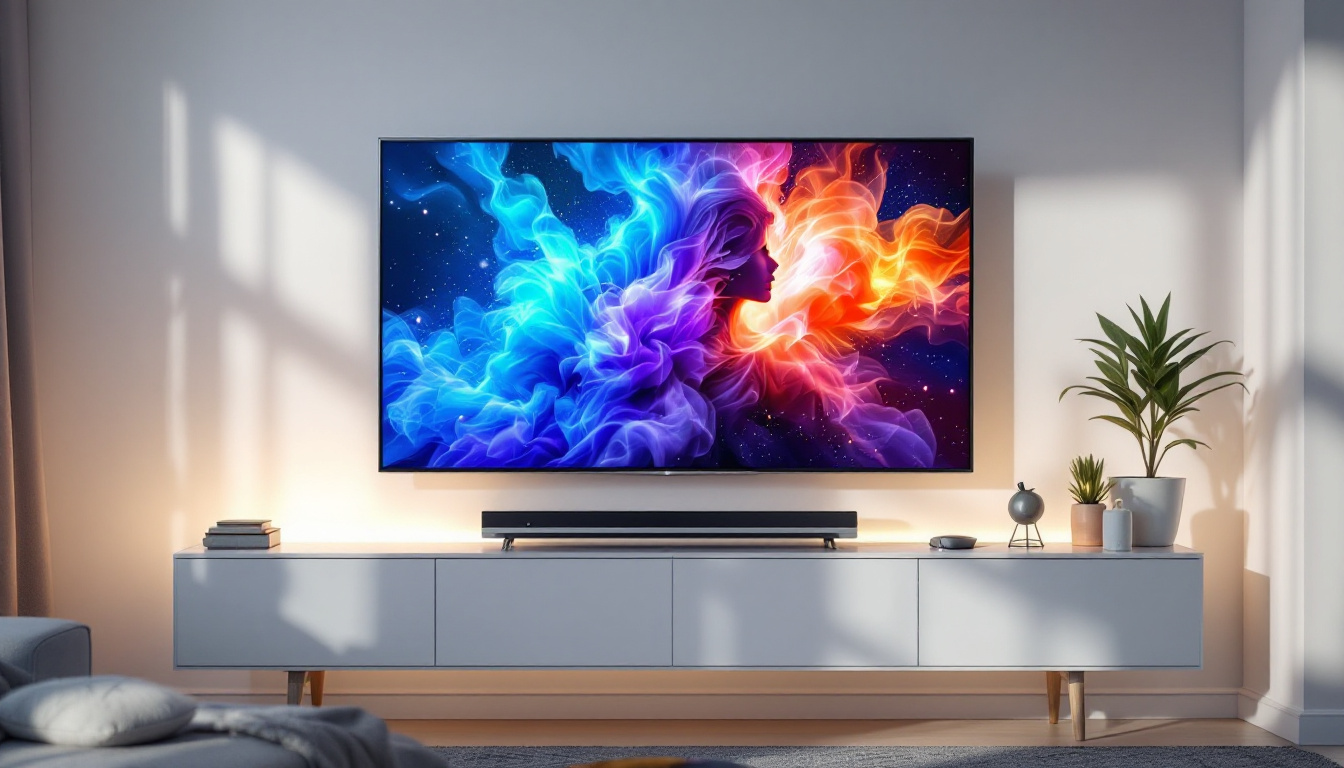
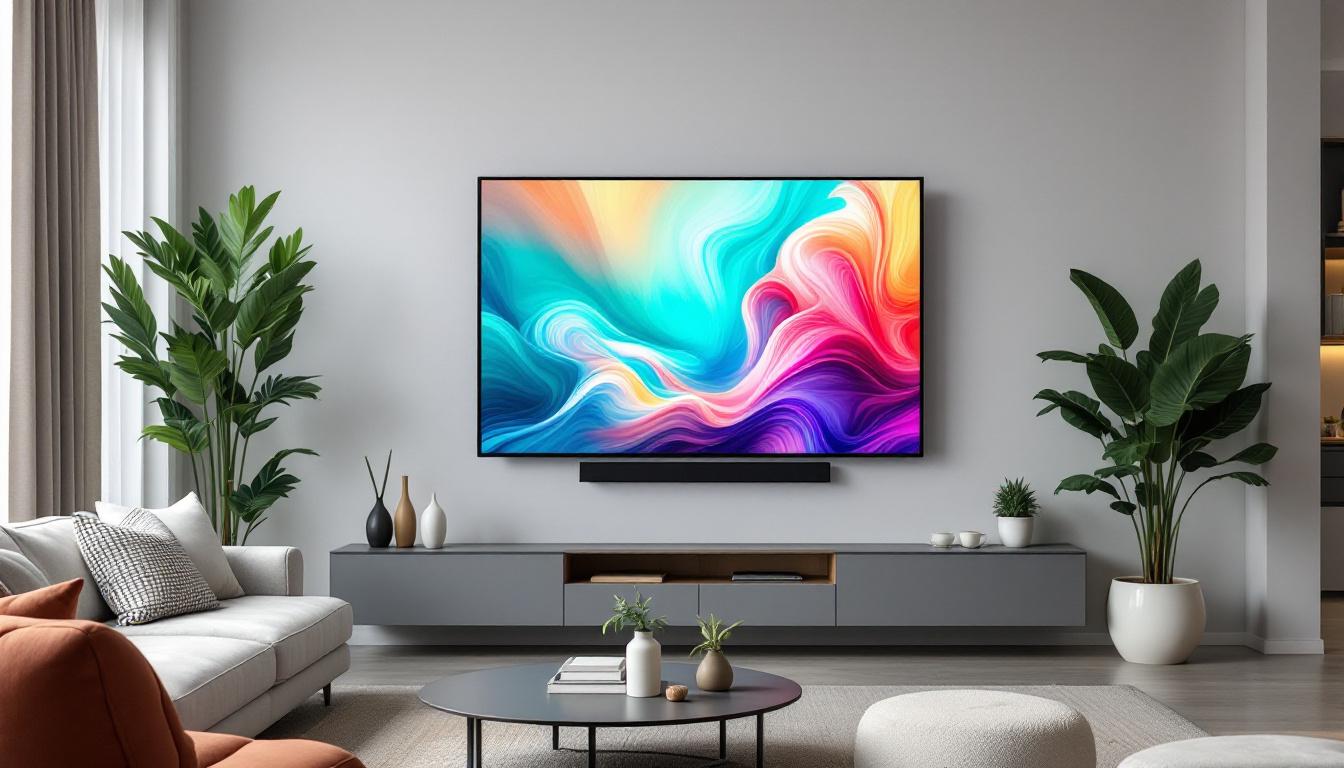
Wall mounting frees up valuable floor space and creates a clean, modern look. In commercial environments, this can contribute to a more inviting atmosphere and better traffic flow. In homes, wall-mounted screens blend seamlessly with interior design.
Improved Safety and Durability
Secure mounting protects the LED display from accidental knocks, falls, or damage. It also reduces the risk of injury to people nearby, especially in high-traffic areas or public venues.
Emerging Trends in LED Display Wall Mounting
Integration with Smart Home and Building Systems
As LED displays become smarter, wall mounts are evolving to accommodate integrated sensors, automated adjustments, and connectivity features. Some mounts now include motorized tilt and swivel controlled via apps or voice commands, enhancing user convenience.
Ultra-Thin and Lightweight Mount Designs
Advancements in materials and engineering have led to slimmer, lighter mounts that maintain strength without bulk. These designs complement the sleek profiles of modern LED displays and simplify installation.
Modular and Flexible Mounting Solutions
Modular mounts allow for easy upgrades or reconfiguration of multi-screen setups. This flexibility is particularly valuable in retail and event spaces where display needs frequently change.
Conclusion
Choosing the right wall mount for an LED display is a critical step that influences the screen’s performance, safety, and visual impact. Understanding the technology behind LED screens, the types of mounts available, and best installation practices empowers users to make informed decisions that suit their specific needs.
Whether for commercial advertising, corporate communication, or home entertainment, investing in a quality wall mount tailored to your LED display ensures a professional, durable, and aesthetically pleasing setup. As LED technology and mounting solutions continue to evolve, staying informed about the latest trends will help maximize the benefits of your digital display investment.
Discover LumenMatrix’s Advanced LED Display Solutions
Ready to elevate your space with the latest in LED display technology? LumenMatrix offers a comprehensive range of innovative LED display modules designed to bring your visual communication to life. From captivating Indoor and Outdoor LED Wall Displays to dynamic Vehicle and Sports LED Displays, our solutions are crafted to enhance brand visibility and create immersive experiences. Explore our versatile LED Poster Displays, interactive Floor LED Displays, and the revolutionary All-in-One and Transparent LED Displays. Embrace the future of digital signage with LumenMatrix and transform how you engage with your audience. Check out LumenMatrix LED Display Solutions today and start making a lasting impression.