In the rapidly evolving world of digital displays, the term “4K” has become a standard benchmark for high-resolution screens. While 4K resolution is widely recognized in televisions and monitors, its application in LED displays—especially large-scale LED video walls and signage—has unique characteristics and implications. This article delves into what “4K width” means in the context of LED displays, exploring the technology, benefits, challenges, and practical applications of 4K LED solutions.
Understanding 4K Resolution in LED Displays
What Does 4K Width Mean?
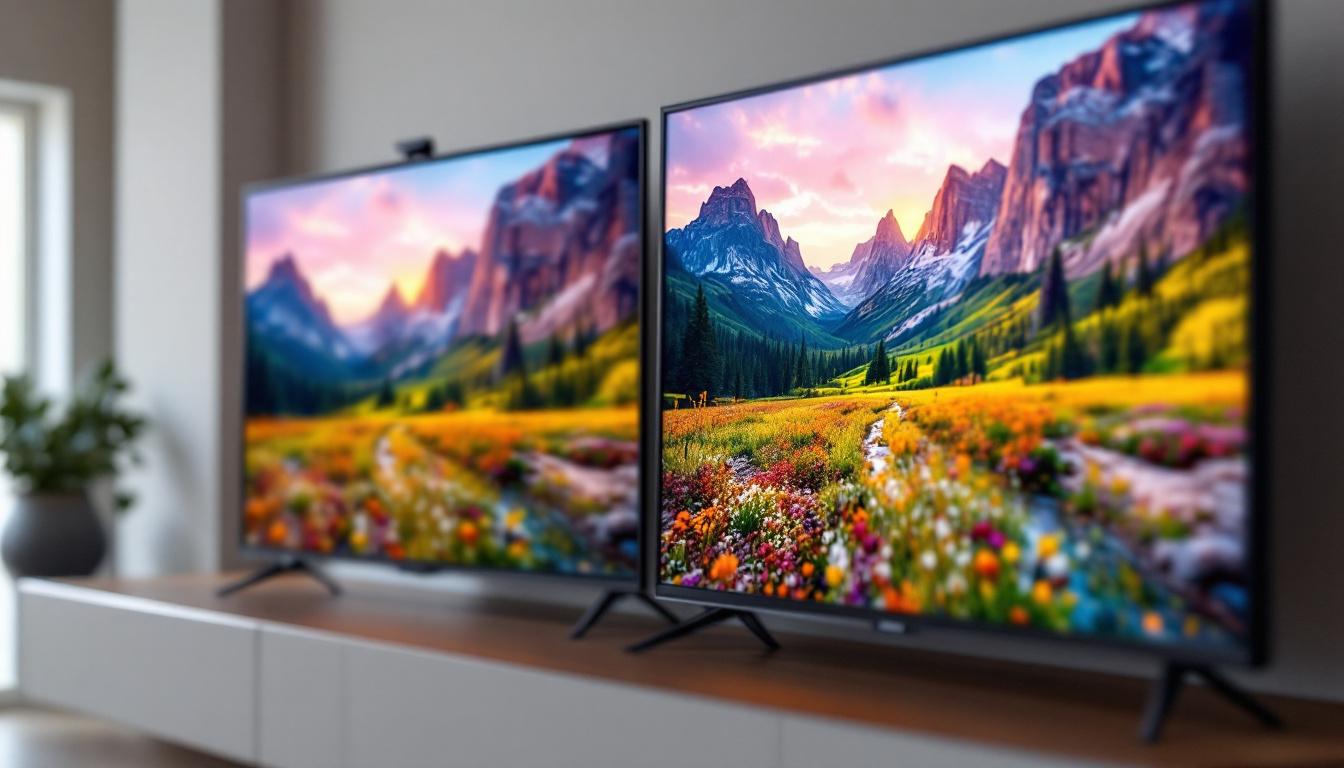
The term “4K” originally referred to a resolution standard used in digital cinema and television, typically meaning a horizontal pixel count of approximately 4,000 pixels. In consumer electronics, 4K usually refers to a resolution of 3840 × 2160 pixels, which is four times the pixel count of Full HD (1920 × 1080 pixels).
When applied to LED displays, “4K width” specifically indicates that the display has around 4,000 pixels horizontally. For example, a 4K LED video wall might have a resolution of 3840 × 2160 pixels or a similar pixel count depending on the aspect ratio and design. This high horizontal pixel density allows for extremely sharp and detailed images, even on very large screens. The clarity provided by 4K resolution is particularly beneficial in applications such as digital signage, where viewers may be positioned at varying distances from the display. The enhanced detail ensures that text, graphics, and video content remain legible and visually appealing, regardless of the viewer’s proximity.
LED Display Technology Basics
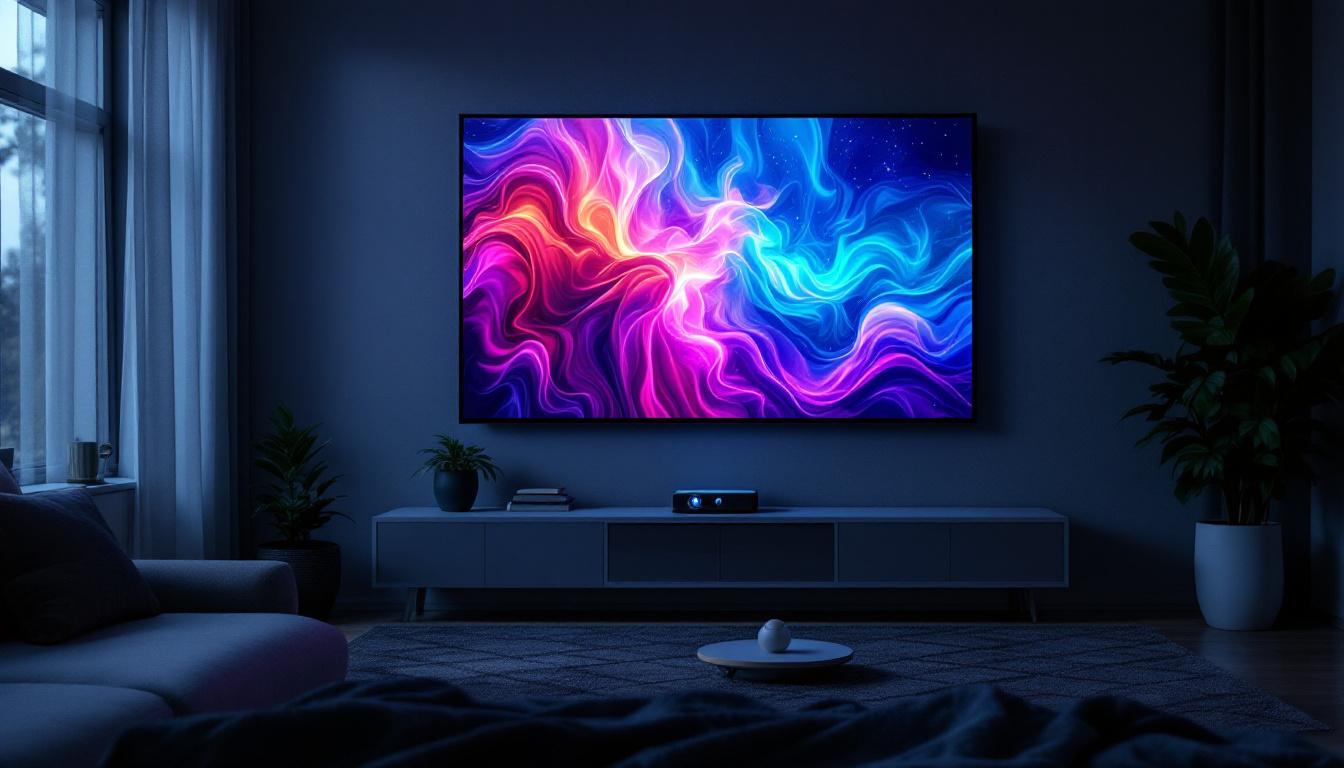
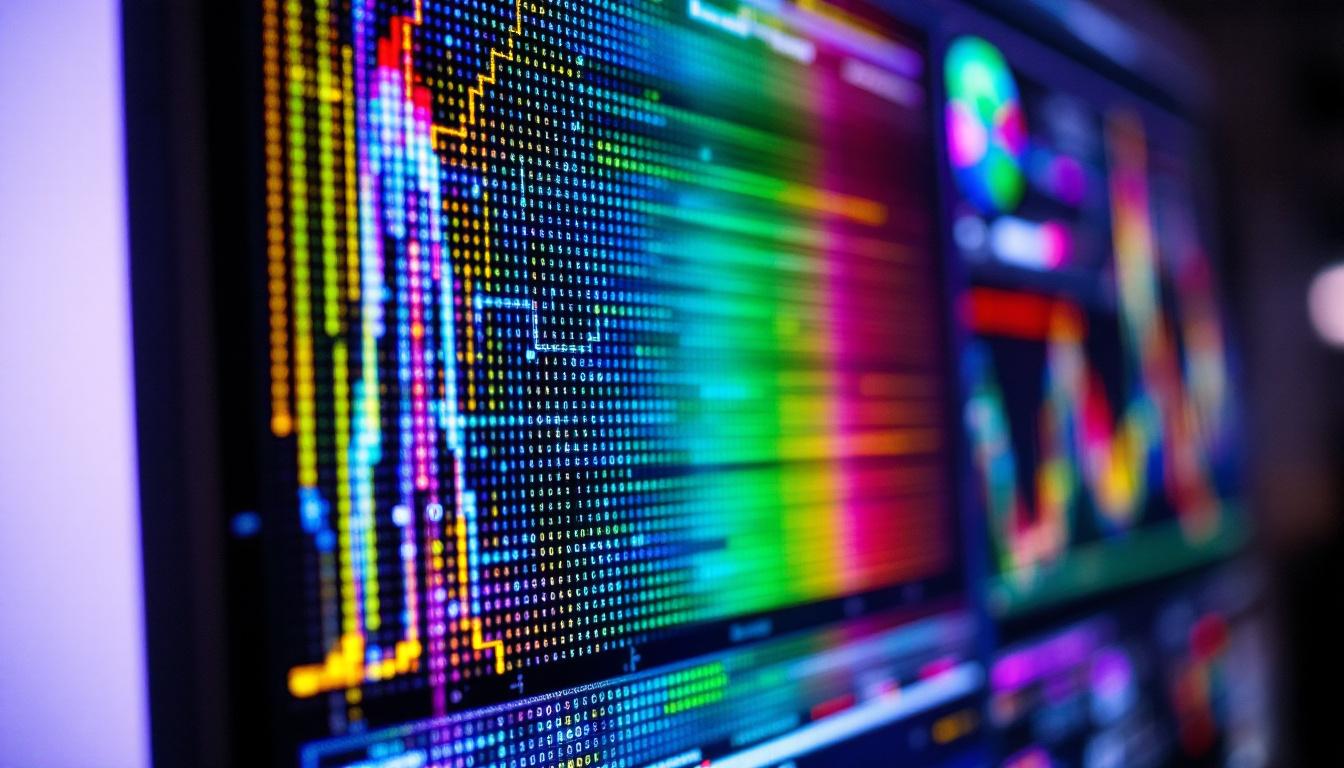
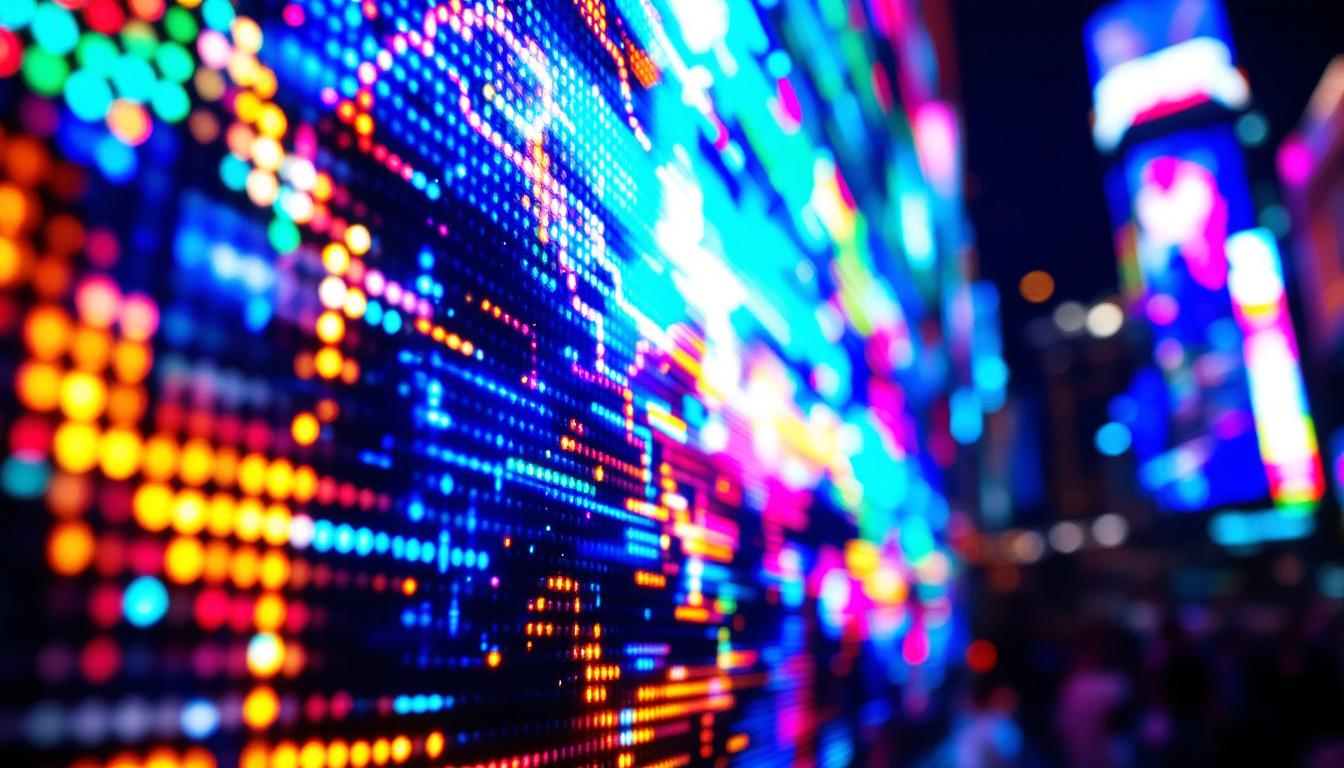
LED displays are composed of thousands to millions of tiny light-emitting diodes (LEDs) arranged in a matrix. Each LED or cluster of LEDs represents a pixel or sub-pixel, illuminating in different colors to create the overall image. Unlike LCD or OLED panels, LED displays are emissive, meaning each diode emits its own light, which results in superior brightness and contrast, especially in outdoor or brightly lit environments.
The resolution of an LED display is determined by the number of LEDs arranged horizontally and vertically. Achieving 4K width in an LED display requires a high density of LEDs, which can be challenging and costly but results in exceptional image clarity and detail. Furthermore, advancements in LED technology, such as the introduction of MicroLED and MiniLED, have contributed to even greater improvements in color accuracy and energy efficiency. These innovations allow manufacturers to produce displays that not only deliver stunning visuals but also consume less power, making them more sustainable and cost-effective in the long run. As a result, 4K LED displays are becoming increasingly popular in various sectors, including entertainment, education, and corporate environments, where high-quality visuals are essential for effective communication and engagement.
Benefits of 4K Width LED Displays
Unmatched Image Clarity and Detail
One of the most significant advantages of 4K width LED displays is their ability to deliver ultra-high-definition images. With approximately four times the pixels of Full HD, 4K LED displays offer finer details, sharper text, and more vibrant visuals. This makes them ideal for applications where image quality is paramount, such as digital advertising, live event broadcasting, and control rooms.
For instance, in stadiums or concert venues, a 4K LED video wall can display close-up shots of performers or game action with stunning clarity, enhancing the spectator experience. Similarly, retail environments benefit from crisp product visuals that attract and engage customers more effectively.
Enhanced Viewing Experience at Large Sizes
Traditional LED displays with lower resolutions can appear pixelated or blurry when viewed up close or when scaled to large sizes. The 4K width standard mitigates this issue by significantly increasing pixel density, allowing for larger displays without sacrificing image quality.
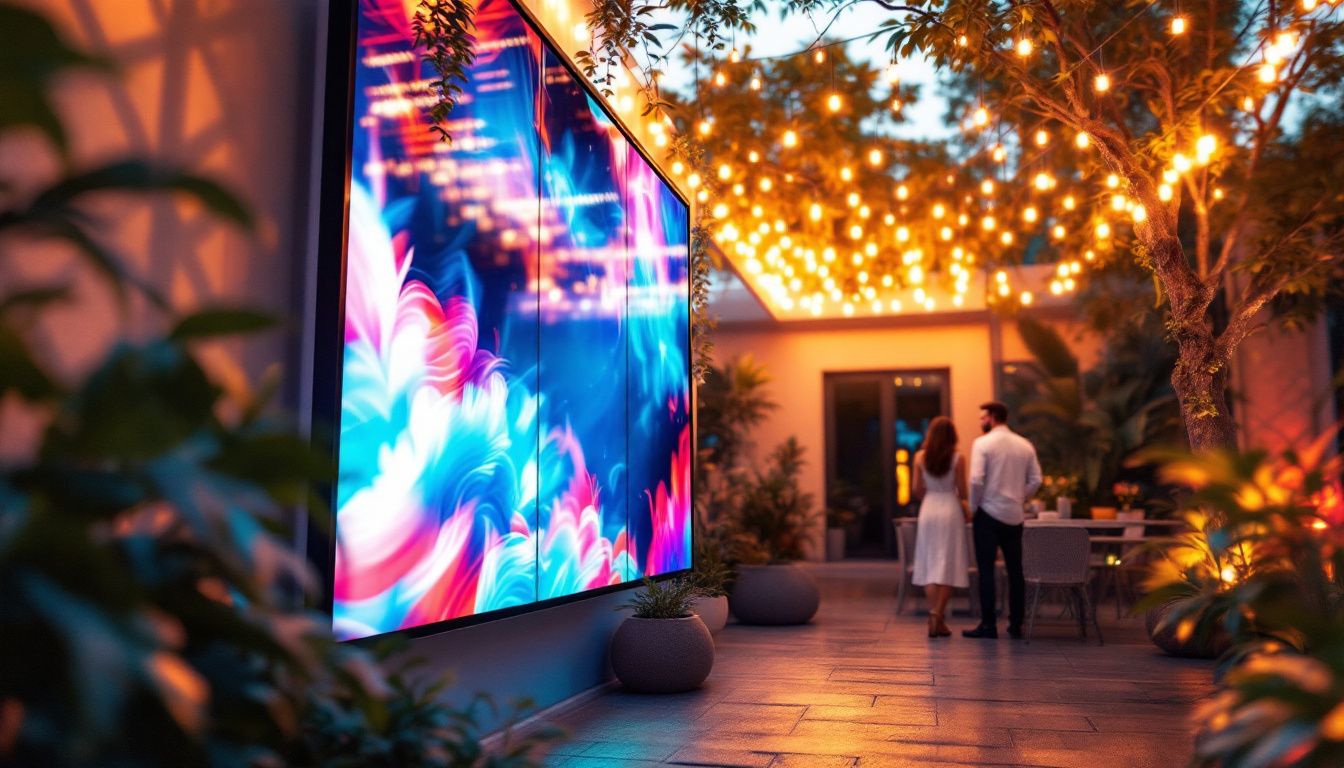
This is particularly important for outdoor advertising billboards and public information displays, where viewers may be close to the screen or where the display size is massive. A 4K LED display ensures that images and text remain clear and legible, regardless of viewing distance.
Improved Color Accuracy and Brightness
High-resolution LED displays often incorporate advanced calibration and processing technologies that enhance color accuracy and brightness uniformity. The combination of 4K resolution and LED technology results in vivid, lifelike images with deep blacks and bright highlights.
Moreover, LED displays can achieve brightness levels exceeding 5,000 nits, far surpassing most LCD screens. This makes them suitable for environments with high ambient light, such as outdoor settings or brightly lit indoor venues, ensuring visibility and impact at all times.
Challenges and Considerations in 4K LED Displays
Cost and Complexity
Producing a 4K width LED display is significantly more expensive than lower-resolution alternatives. The cost arises from the need for a higher number of LEDs, advanced manufacturing processes, and sophisticated control electronics. Additionally, installation and maintenance require specialized expertise to ensure optimal performance and longevity.
For businesses and organizations, the investment in 4K LED technology must be justified by the intended use case and expected return on investment. While prices have decreased over the years due to technological advancements and economies of scale, 4K LED displays remain a premium product.
Power Consumption and Heat Management
Higher pixel density and increased brightness levels mean that 4K LED displays consume more power than their lower-resolution counterparts. This can lead to higher operating costs and necessitates careful planning for power supply and cooling systems.
Effective heat dissipation is critical to maintaining the performance and lifespan of LED modules. Manufacturers often integrate heat sinks, fans, or advanced materials to manage thermal output, but these add to the complexity and cost of the display system.
Content Creation and Compatibility
To fully leverage the capabilities of a 4K LED display, content must be created or adapted to match the high resolution. This includes video, images, and graphical elements optimized for 3840 × 2160 pixels or similar resolutions.
Content creators and marketers need to ensure that their media assets are high quality and properly formatted to avoid pixelation or distortion. Additionally, the playback hardware and software must support 4K output, which may require upgrades or specialized equipment.
Practical Applications of 4K Width LED Displays
Digital Signage and Advertising
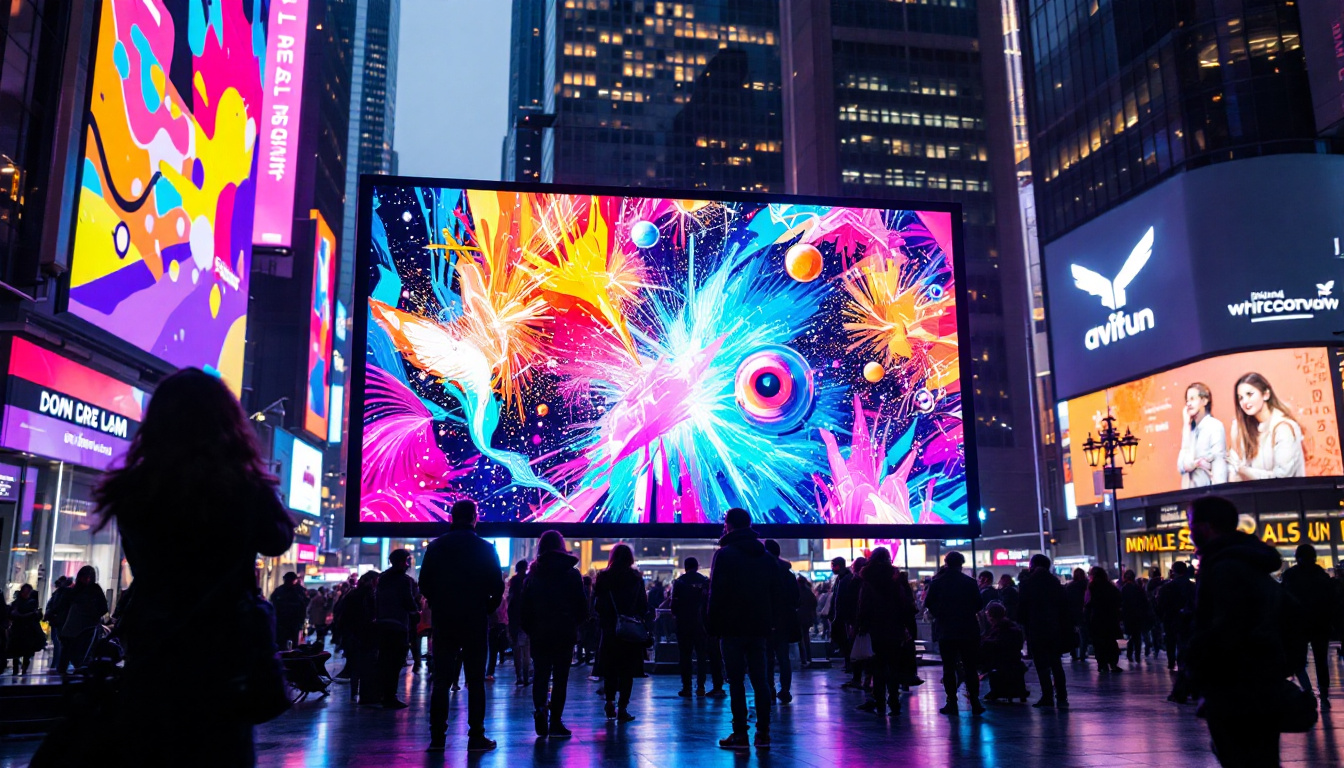
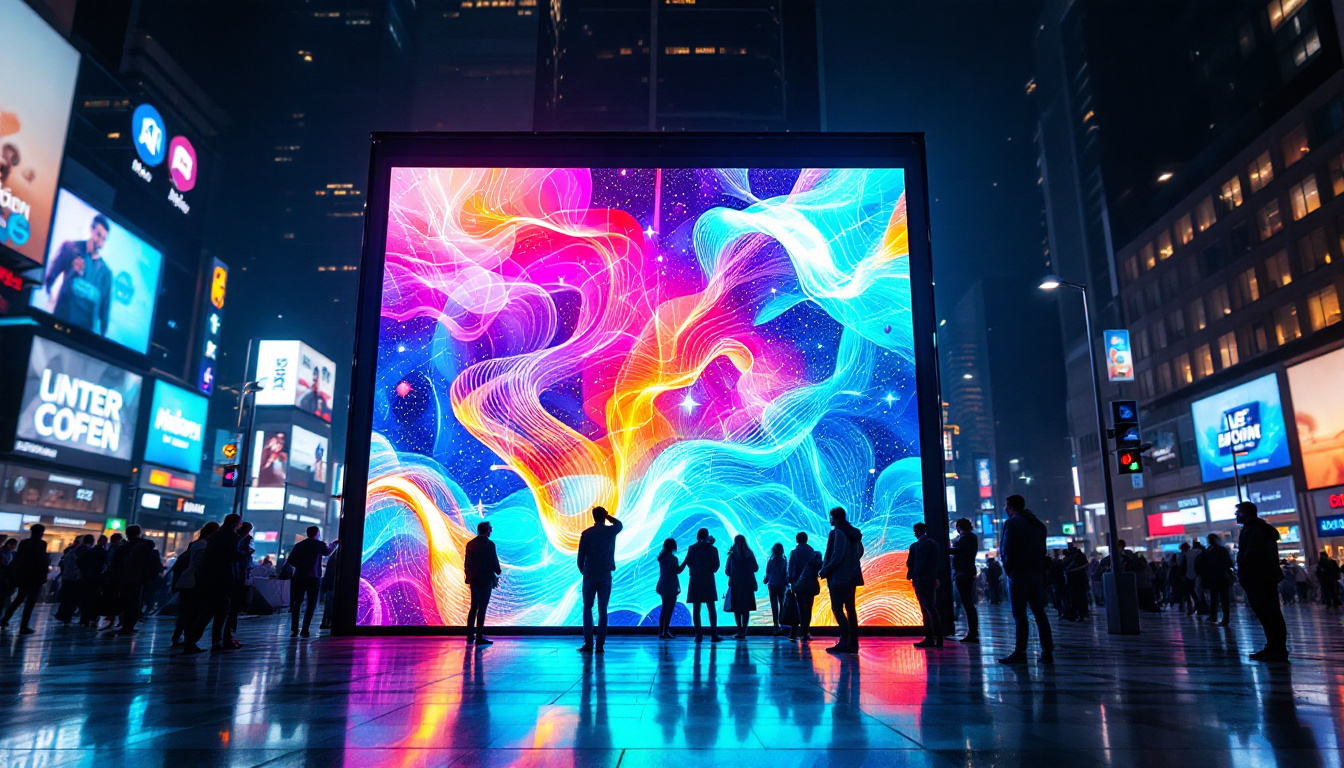
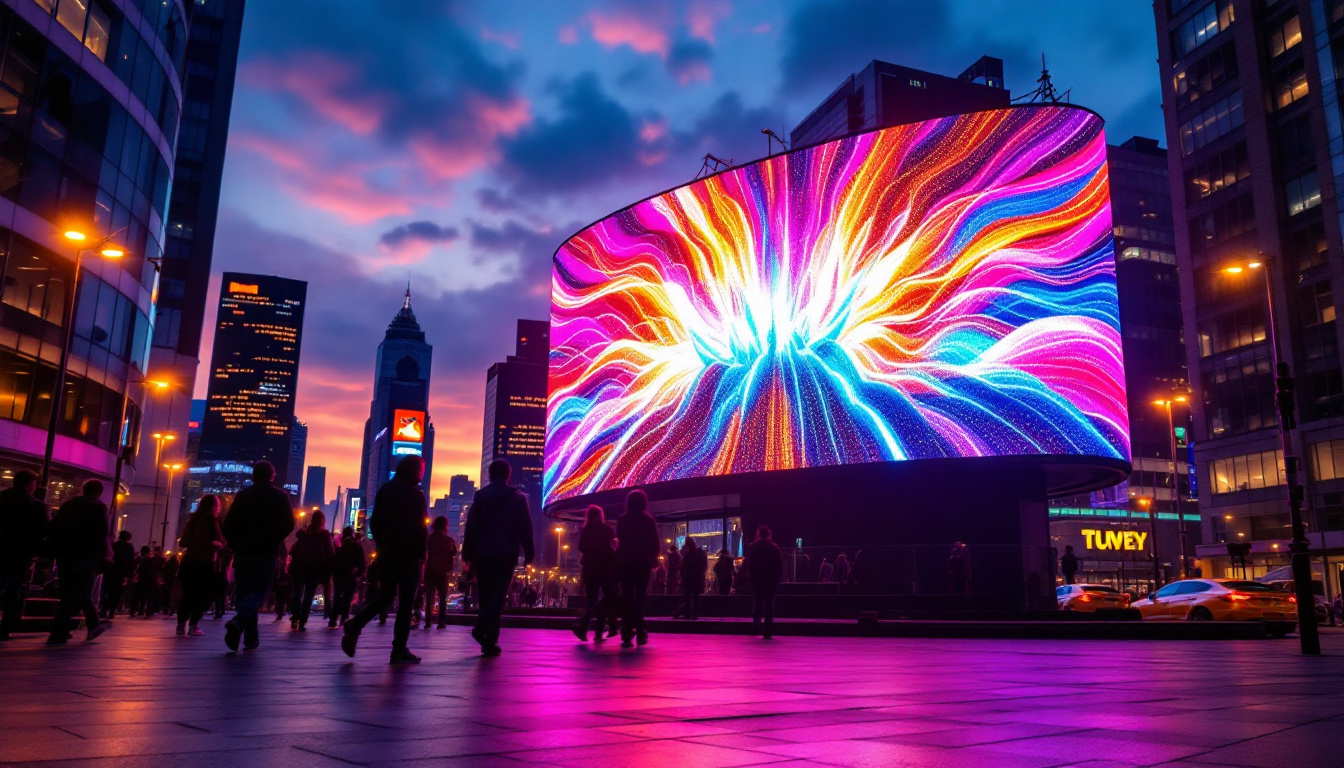
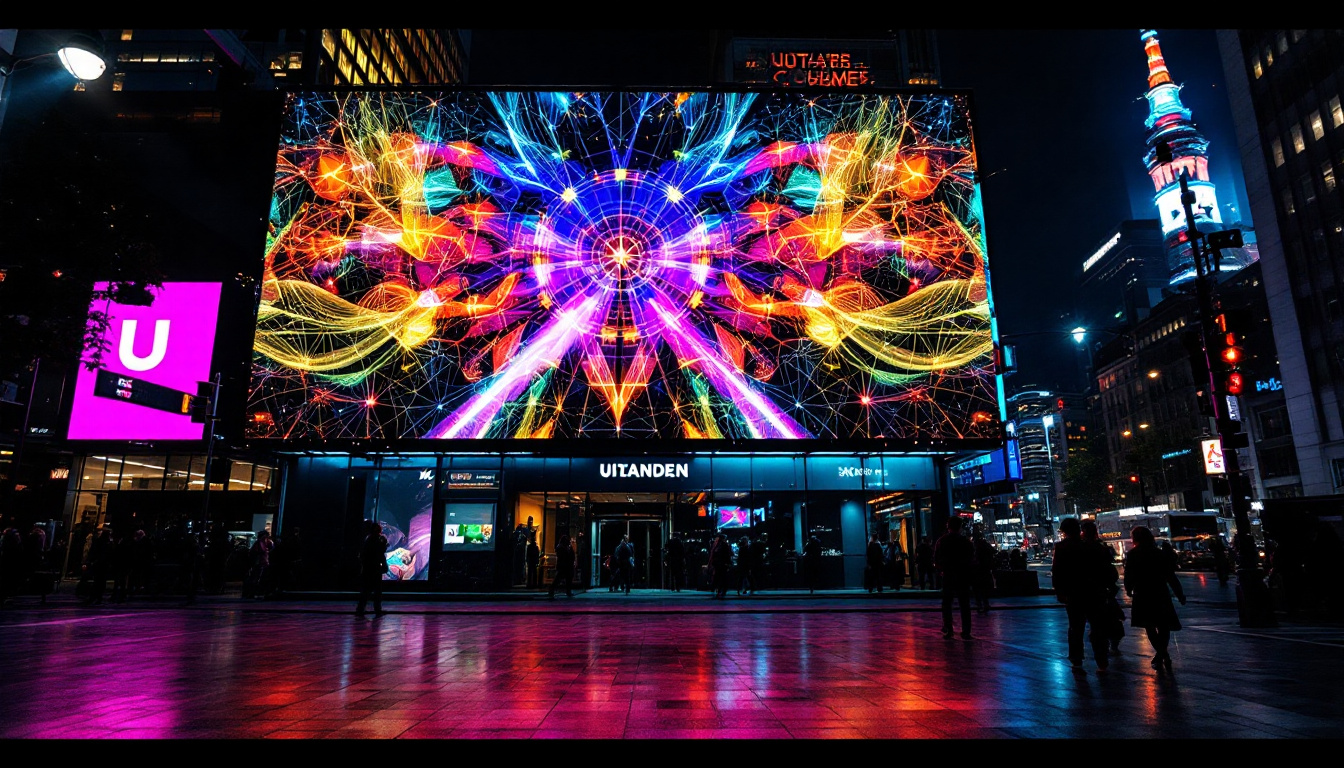
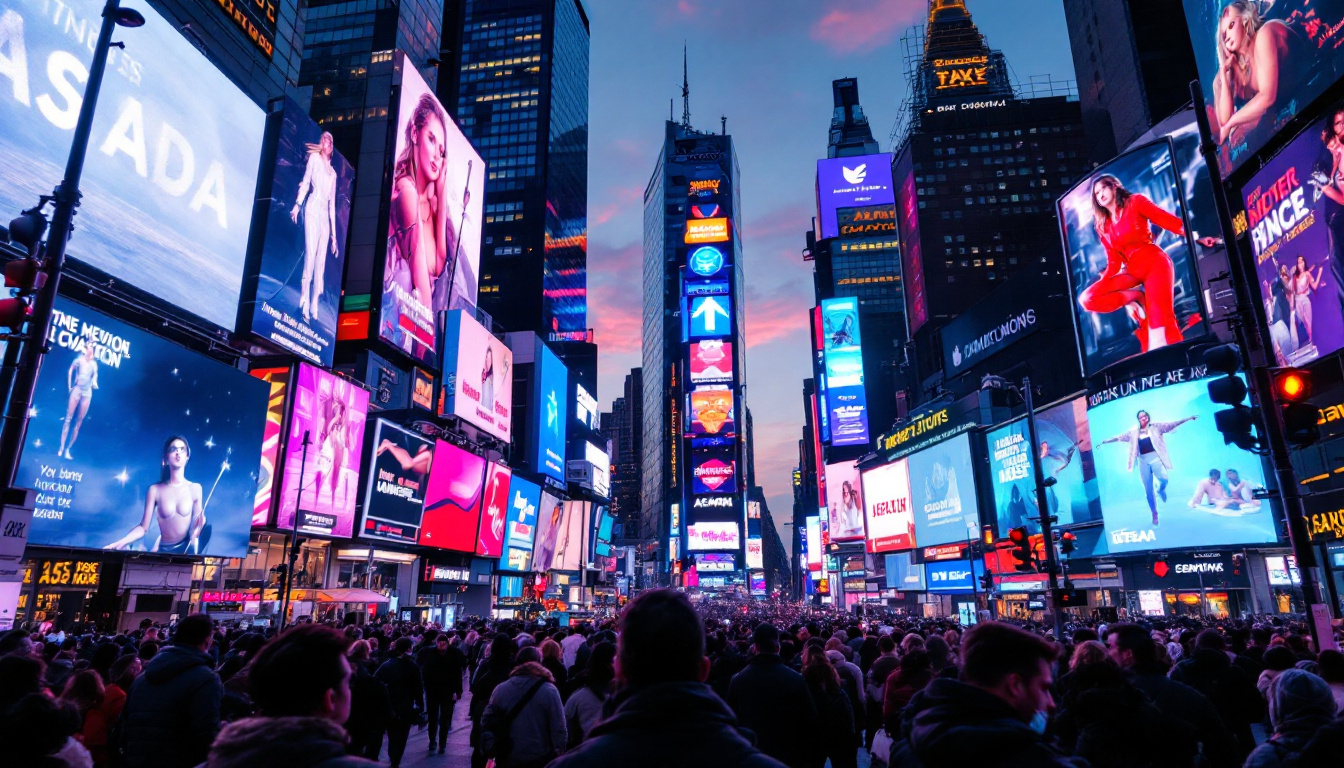
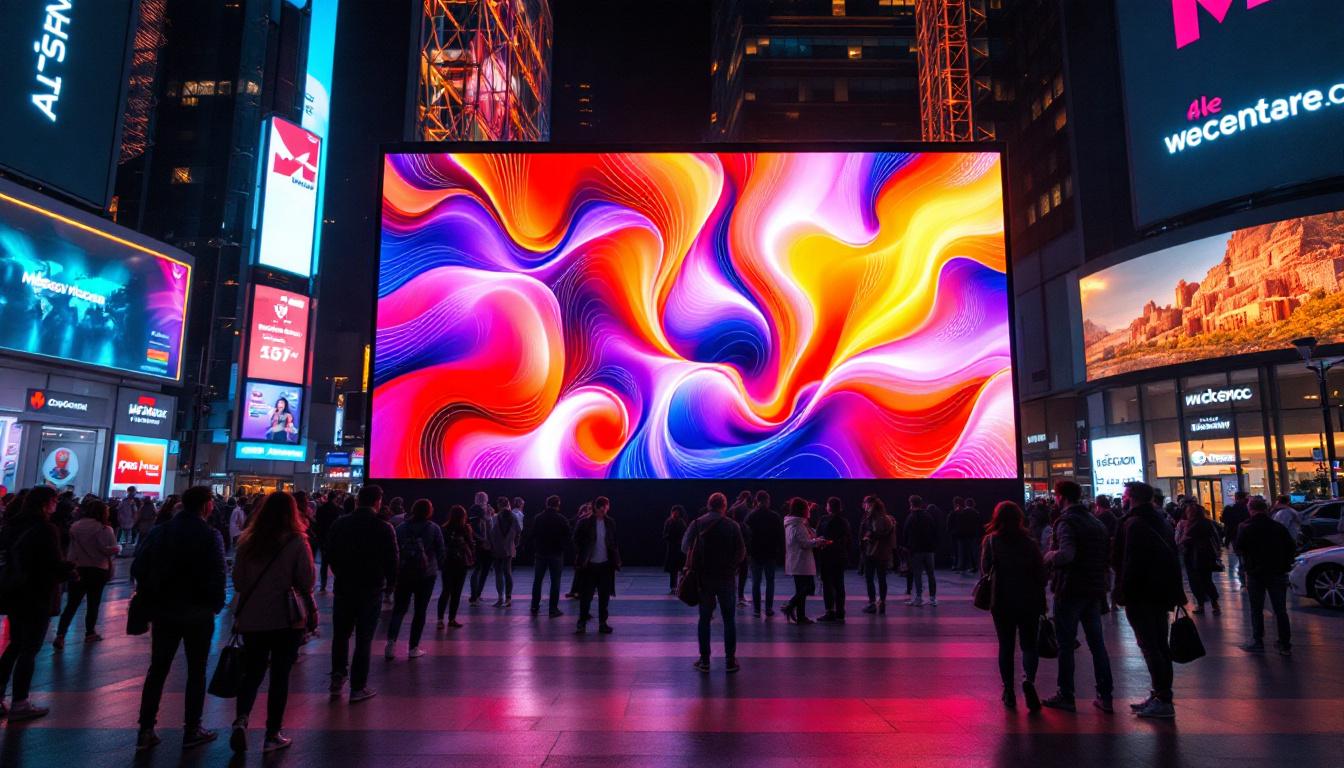
One of the most widespread uses of 4K LED displays is in digital signage, where high-resolution visuals can capture attention and communicate messages effectively. From Times Square billboards to shopping mall displays, 4K LED technology enables advertisers to showcase detailed and dynamic content that stands out in crowded environments.
Moreover, the ability to display ultra-clear images and videos allows brands to maintain a premium image and engage consumers with immersive storytelling. Interactive 4K LED displays are also emerging, combining touch technology with high resolution for enhanced customer experiences.
Live Events and Entertainment
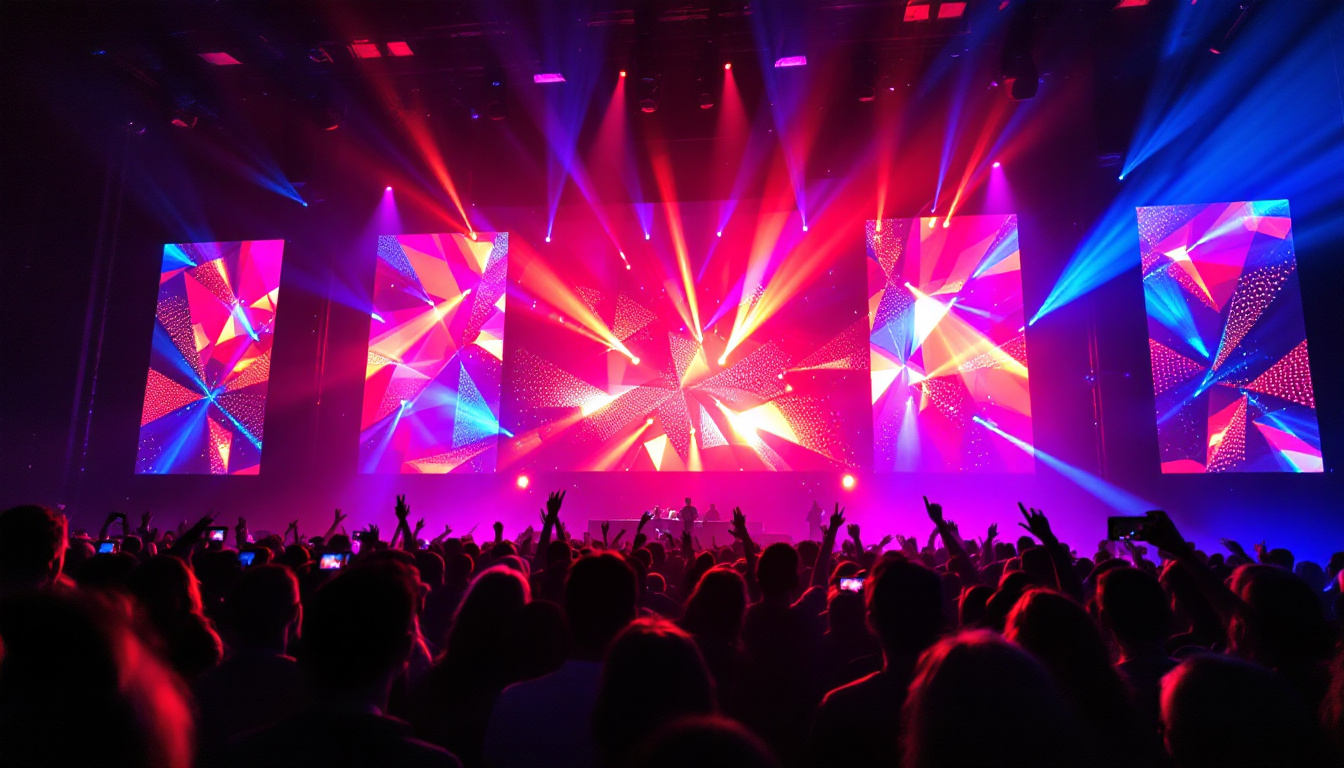
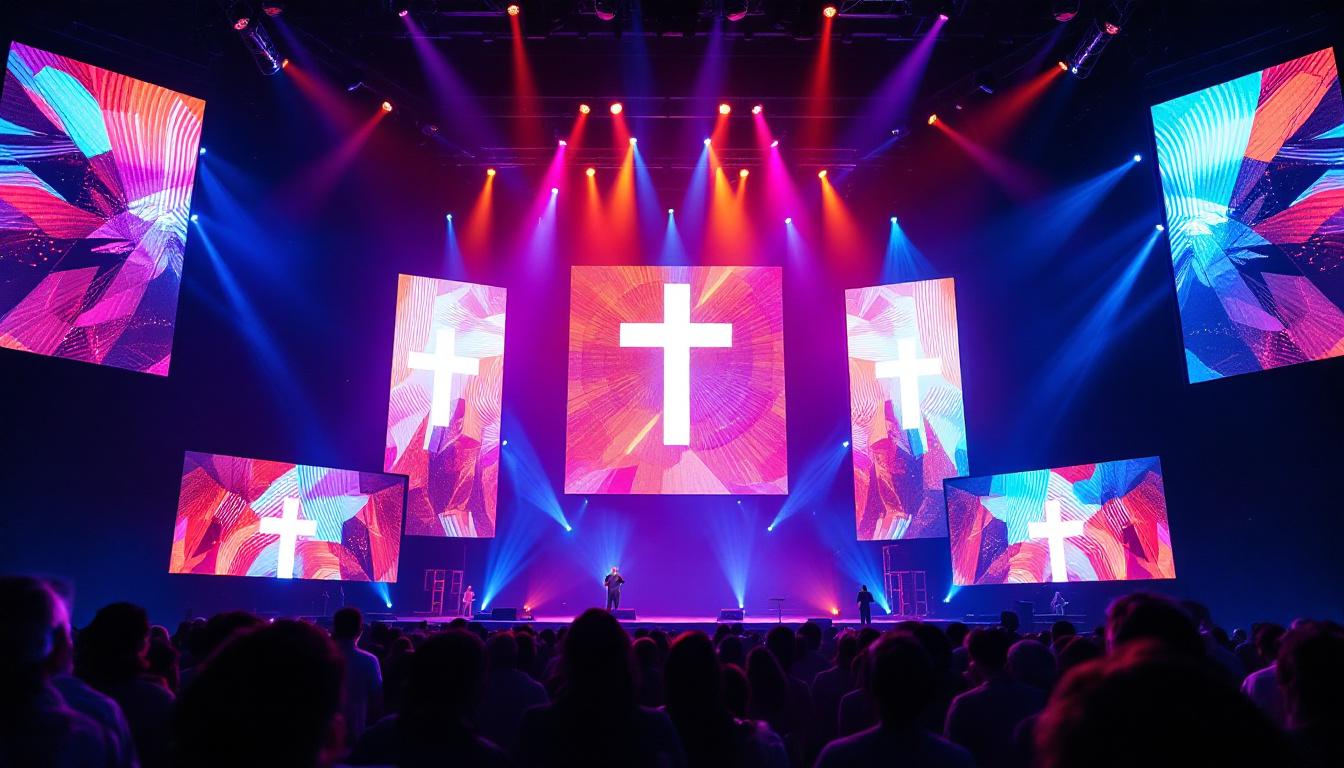
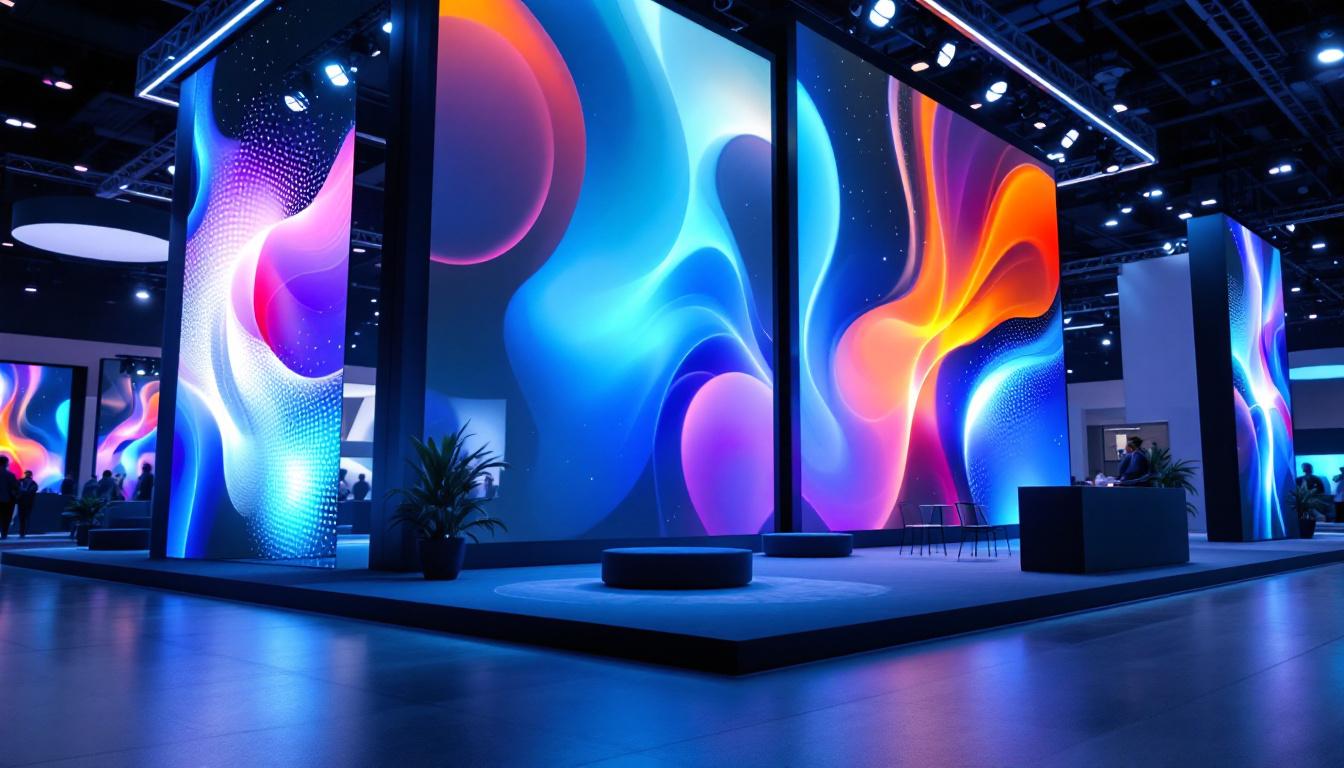
Concerts, sports events, and theatrical productions increasingly rely on large-scale LED video walls to deliver immersive visual experiences. 4K width LED displays provide the resolution and brightness needed to display live feeds, graphics, and special effects with exceptional clarity, even in vast venues.
For example, major sports arenas use 4K LED screens to broadcast instant replays and player statistics, enriching the fan experience. Similarly, music festivals utilize high-resolution LED walls to create visually stunning backdrops that synchronize with performances.
Corporate and Control Room Environments
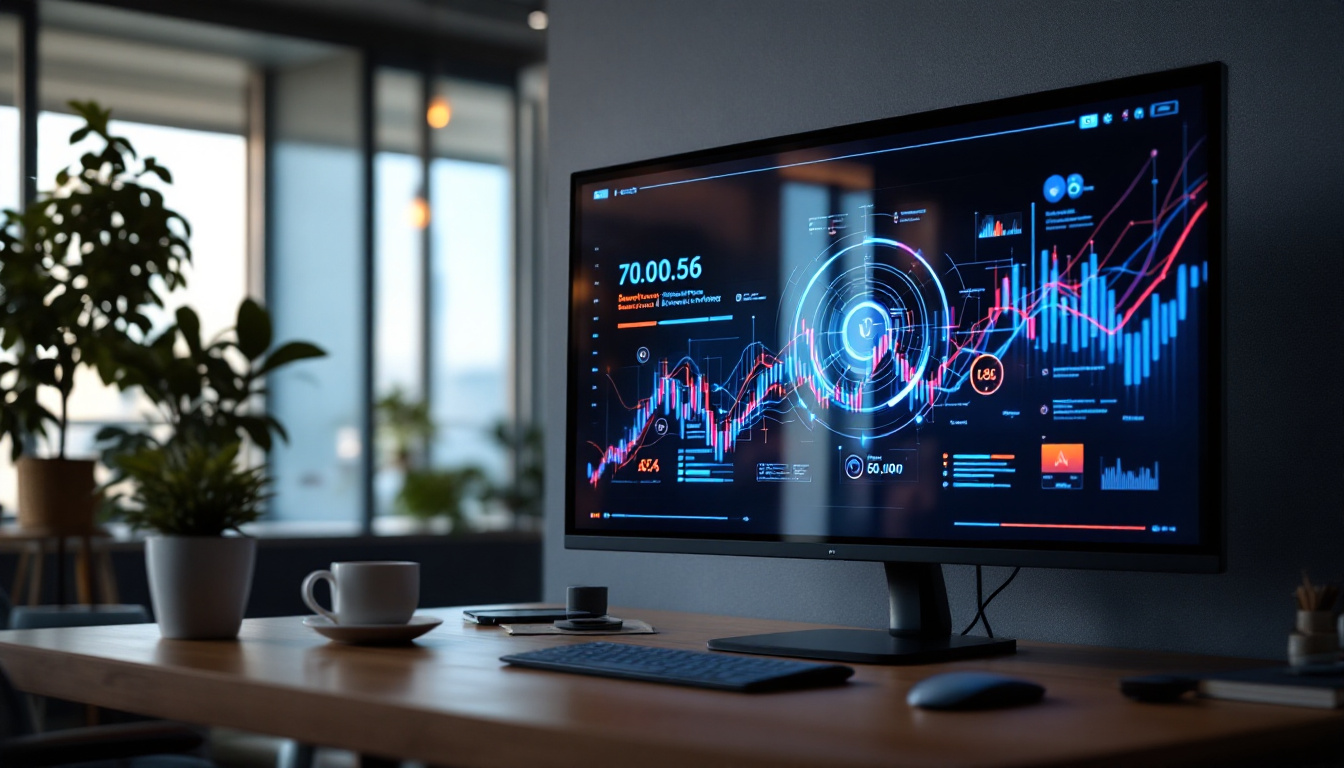
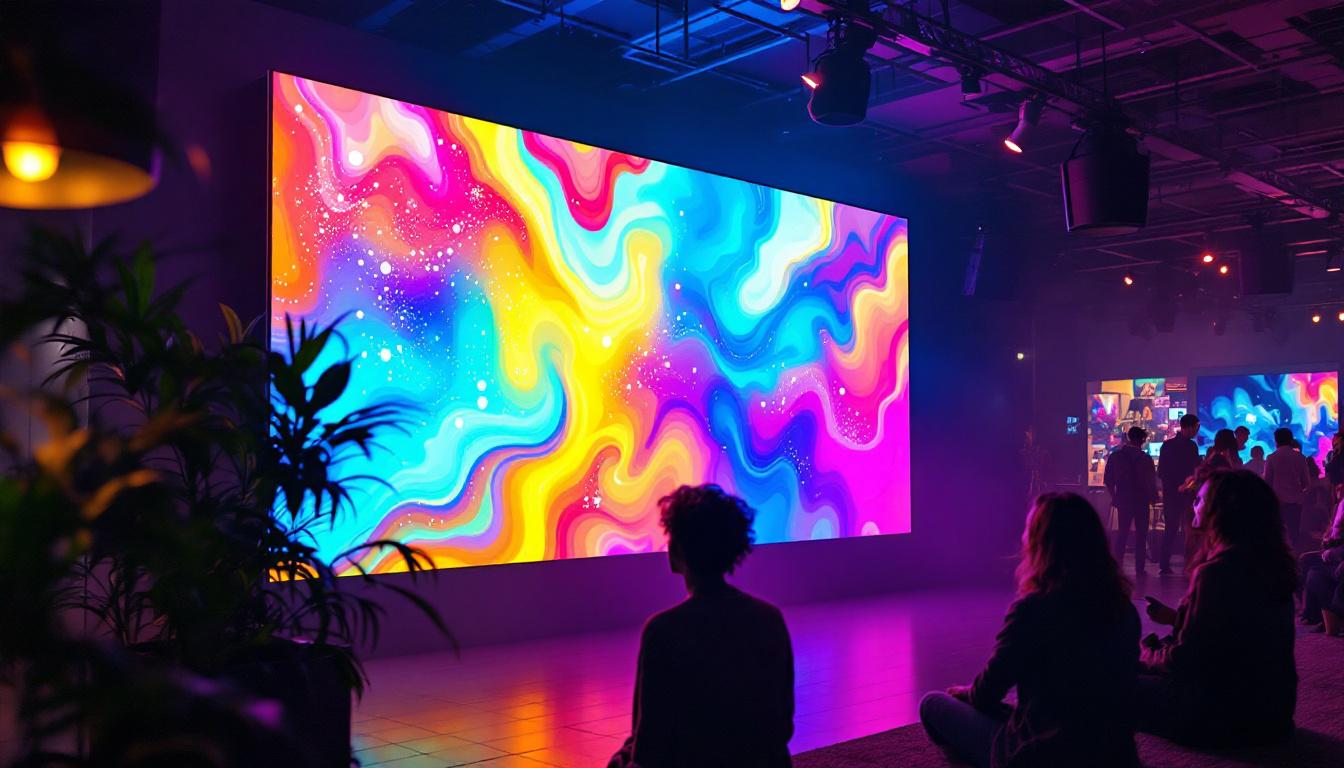
In corporate settings, 4K LED displays are used for presentations, video conferencing, and data visualization. Their large size and high resolution make them ideal for boardrooms, auditoriums, and collaborative workspaces where detailed information must be shared clearly.
Control rooms, such as those used in transportation, utilities, and emergency response, benefit from 4K LED walls by enabling operators to monitor multiple data streams simultaneously with high clarity. This improves situational awareness and decision-making capabilities.
Retail and Hospitality
Retailers use 4K LED displays to enhance store ambiance and promote products through eye-catching digital signage. The ability to display high-resolution images and videos helps create a modern and engaging shopping environment.
In the hospitality industry, hotels and casinos deploy 4K LED walls in lobbies, conference centers, and entertainment areas to provide dynamic content, wayfinding, and advertising. The vivid visuals contribute to a memorable guest experience and brand differentiation.
Future Trends in 4K LED Display Technology
Increasing Pixel Density and Mini-LED Innovations
The trend toward higher pixel density continues, with manufacturers developing smaller LED packages and more precise assembly techniques. Mini-LED and micro-LED technologies promise even greater resolution and brightness with improved energy efficiency.
These advancements will make 4K and higher resolutions more accessible across various display sizes and applications, pushing the boundaries of visual quality and design flexibility.
Integration with AI and Smart Technologies
Artificial intelligence (AI) is beginning to play a role in optimizing LED display performance, content management, and user interaction. AI-driven calibration can automatically adjust brightness, color, and contrast based on ambient conditions and content type.
Smart LED displays may also incorporate sensors and connectivity features, enabling personalized content delivery and interactive experiences tailored to audience demographics and behaviors.
Sustainability and Energy Efficiency
As environmental concerns grow, the LED display industry is focusing on sustainability by developing more energy-efficient components and recyclable materials. Innovations in power management and cooling systems aim to reduce the carbon footprint of large-scale 4K LED installations.
These efforts not only benefit the environment but also help reduce operating costs for businesses deploying 4K LED displays.
Conclusion
The advent of 4K width LED displays marks a significant milestone in digital display technology, offering unparalleled image clarity, brightness, and viewing experience across a wide range of applications. From advertising and entertainment to corporate and control room environments, 4K LED displays enable richer, more engaging content presentation that meets the demands of modern audiences.
Despite challenges related to cost, power consumption, and content creation, ongoing technological advancements continue to make 4K LED displays more accessible and versatile. As the industry moves toward higher pixel densities, smarter integration, and greater sustainability, 4K LED technology is poised to become a cornerstone of visual communication in the years ahead.
Discover the Future of Visual Communication with LumenMatrix
Ready to elevate your visual storytelling and captivate your audience with unparalleled clarity and vibrancy? Explore LumenMatrix’s comprehensive range of LED display solutions, from Indoor and Outdoor LED Wall Displays to innovative LED Transparent Displays. Each product is crafted with precision, ensuring your message resonates with impact and memorability. Check out LumenMatrix LED Display Solutions today and join the revolution in digital signage and visual communication.