In the rapidly evolving world of digital advertising and information dissemination, LED displays have emerged as a cornerstone technology. From bustling city centers to corporate boardrooms, LED screens are transforming the way businesses and organizations communicate with their audiences. This article delves into the fundamentals of LED displays, exploring their technology, applications, benefits, and future prospects. Whether you’re a marketer, business owner, or technology enthusiast, understanding LED displays is key to leveraging their full potential.
Understanding LED Display Technology
What is an LED Display?
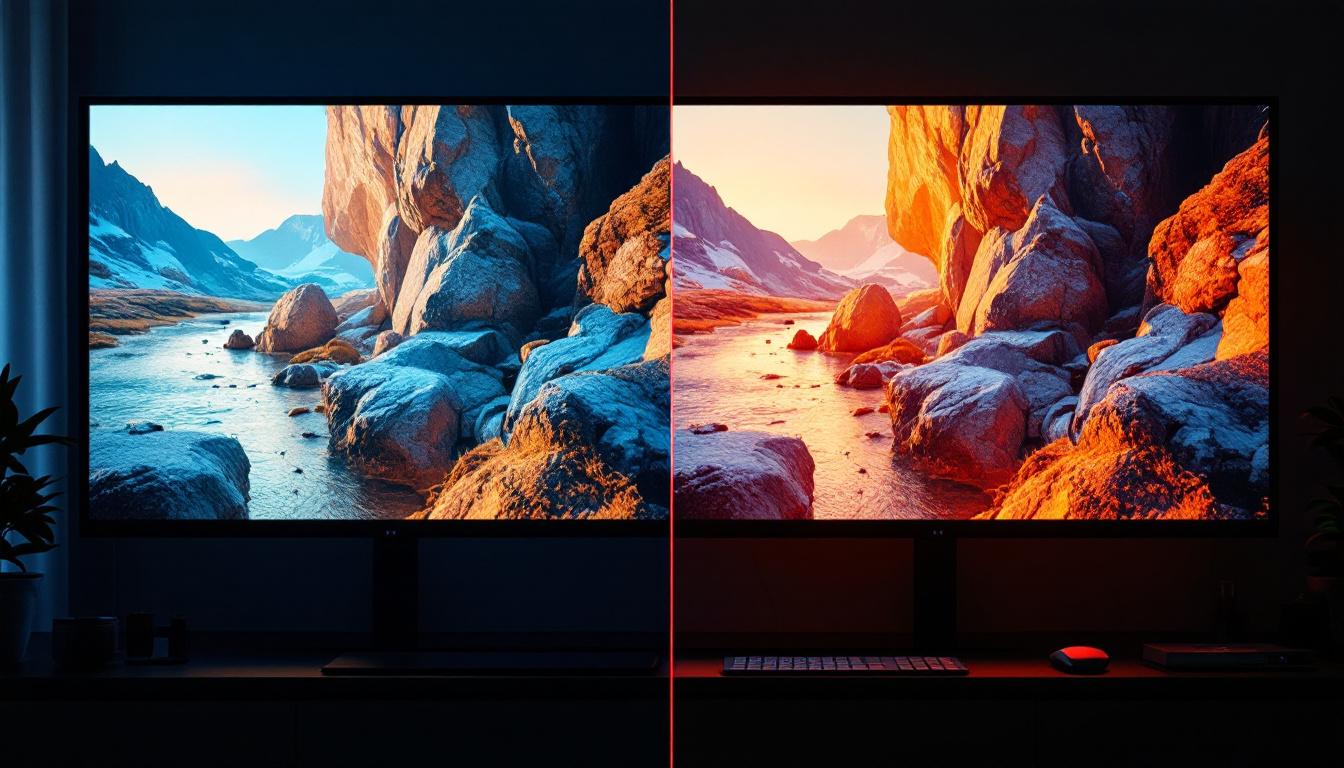
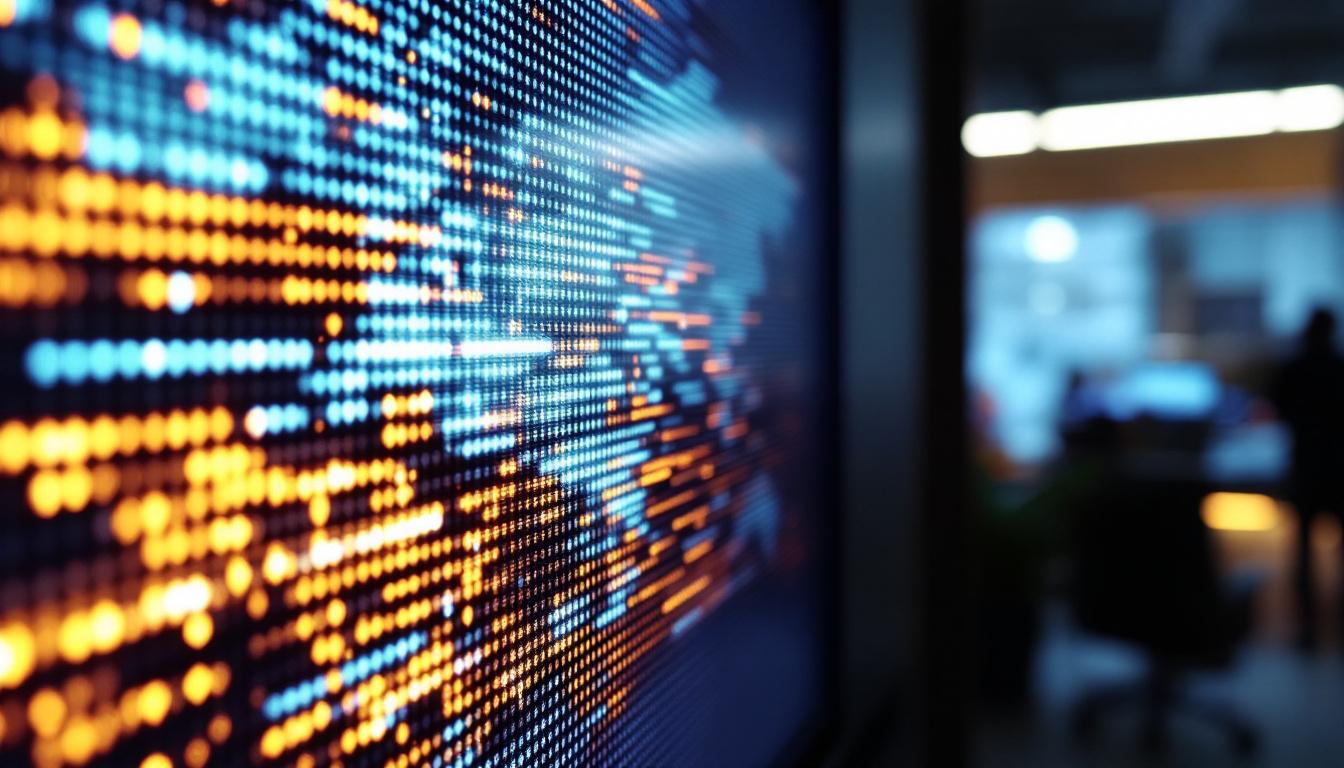
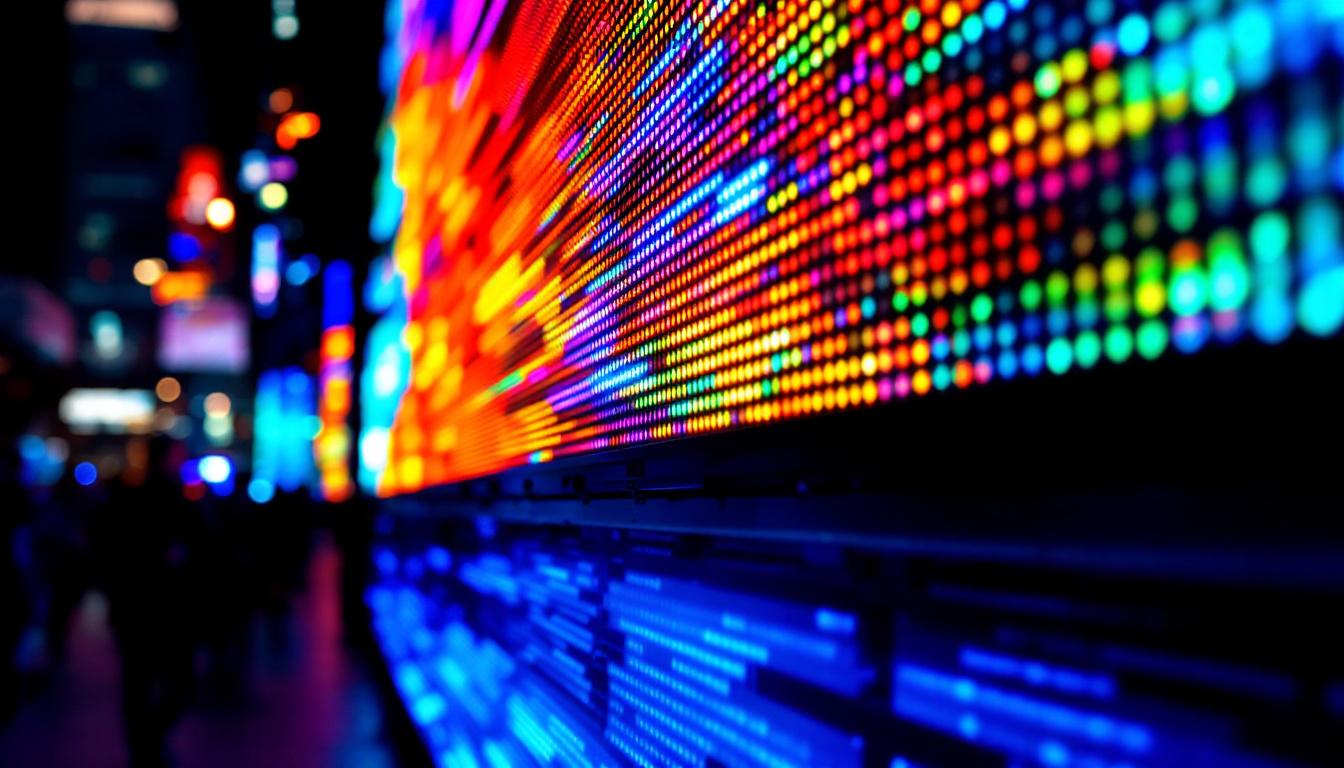
LED stands for Light Emitting Diode, a semiconductor device that emits light when an electric current passes through it. An LED display is essentially a large screen made up of thousands or even millions of these tiny LEDs arranged in a matrix. Each LED acts as a pixel that can emit red, green, or blue light, which combine to create a full spectrum of colors. This technology enables the display of images, videos, and text with remarkable brightness and clarity.
The core advantage of LED displays lies in their ability to produce vivid colors and high contrast ratios, making them visible even in direct sunlight. This is why LED screens are often the preferred choice for outdoor advertising, stadium scoreboards, and public information boards. Furthermore, LED technology is energy-efficient compared to traditional display technologies, leading to lower operational costs and a reduced carbon footprint, which is increasingly important in today’s environmentally conscious market.
Types of LED Displays
LED displays come in various forms, each tailored to specific use cases:
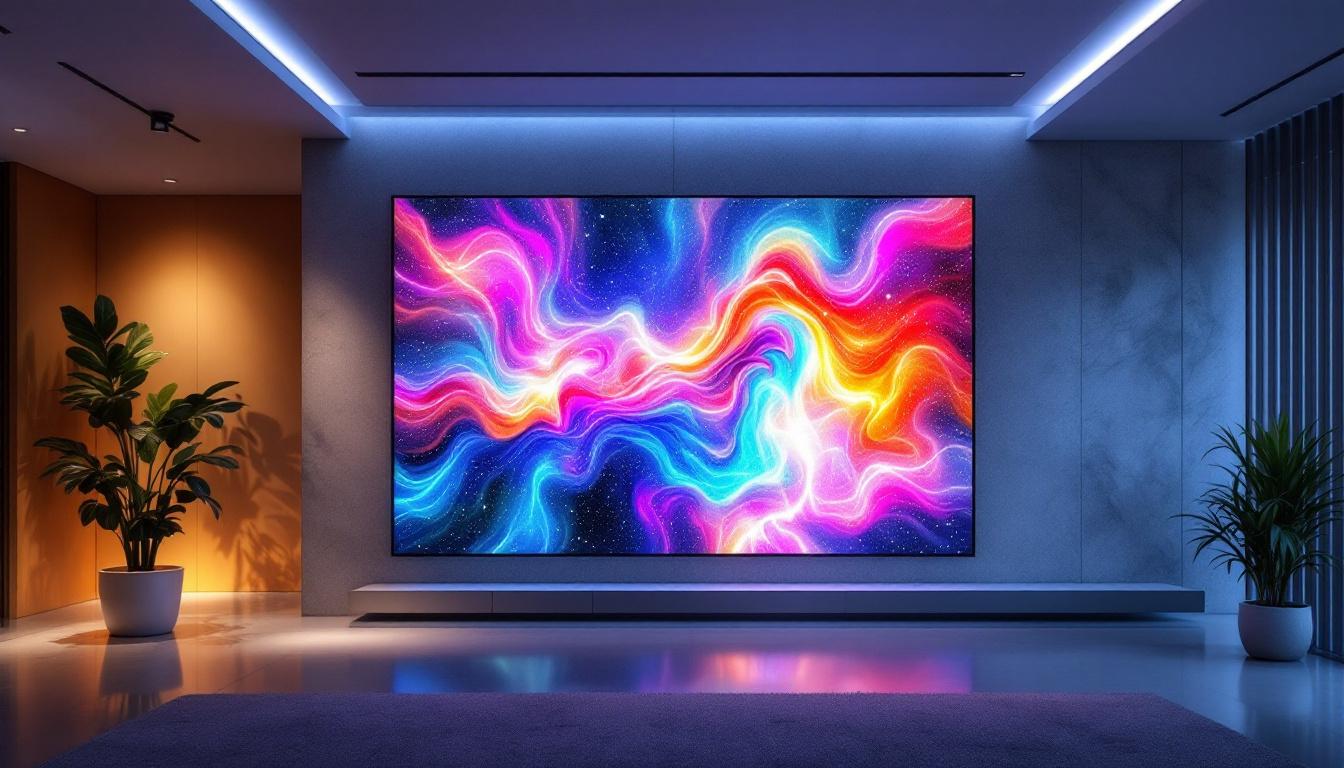
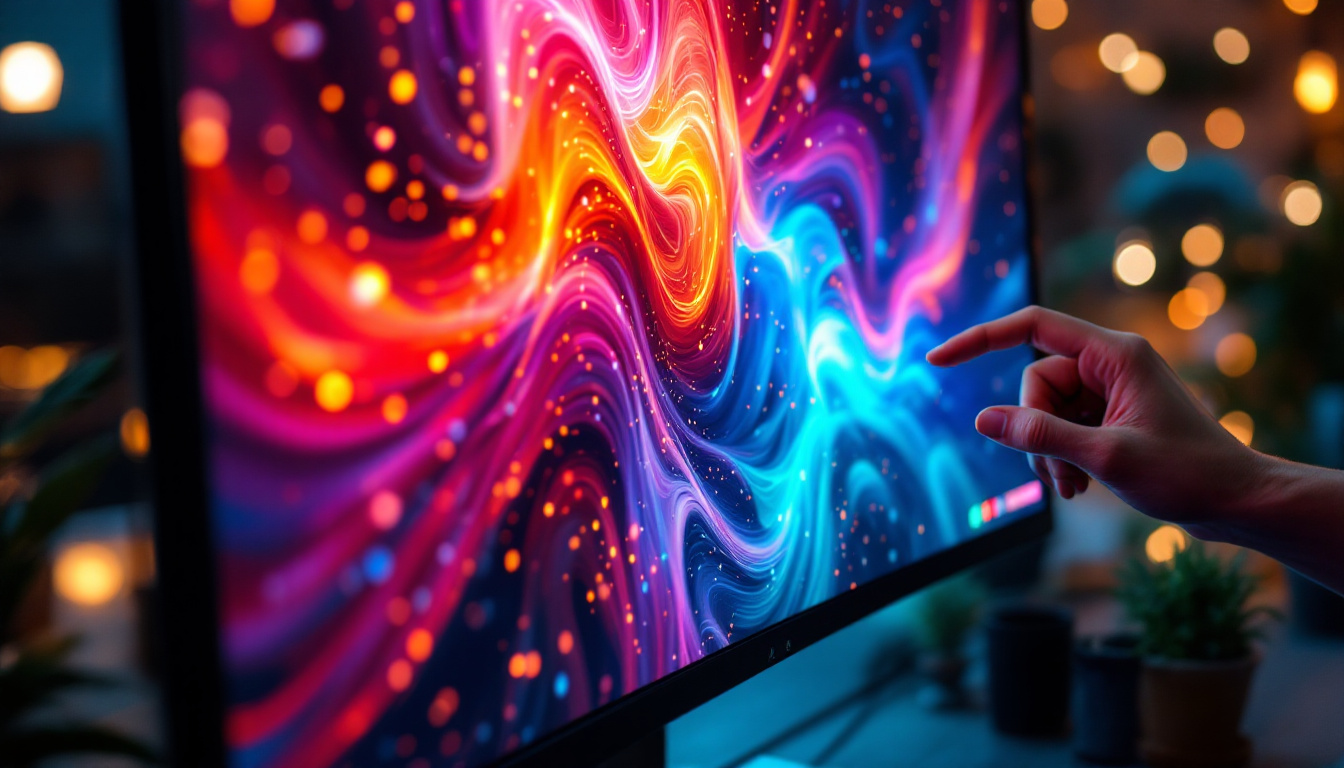
- Indoor LED Displays: These are designed for environments with controlled lighting, such as shopping malls, conference rooms, and retail stores. They typically have a higher pixel density for sharper images at close viewing distances. Indoor displays can also incorporate advanced features like interactive touch capabilities, making them ideal for engaging presentations and advertisements.
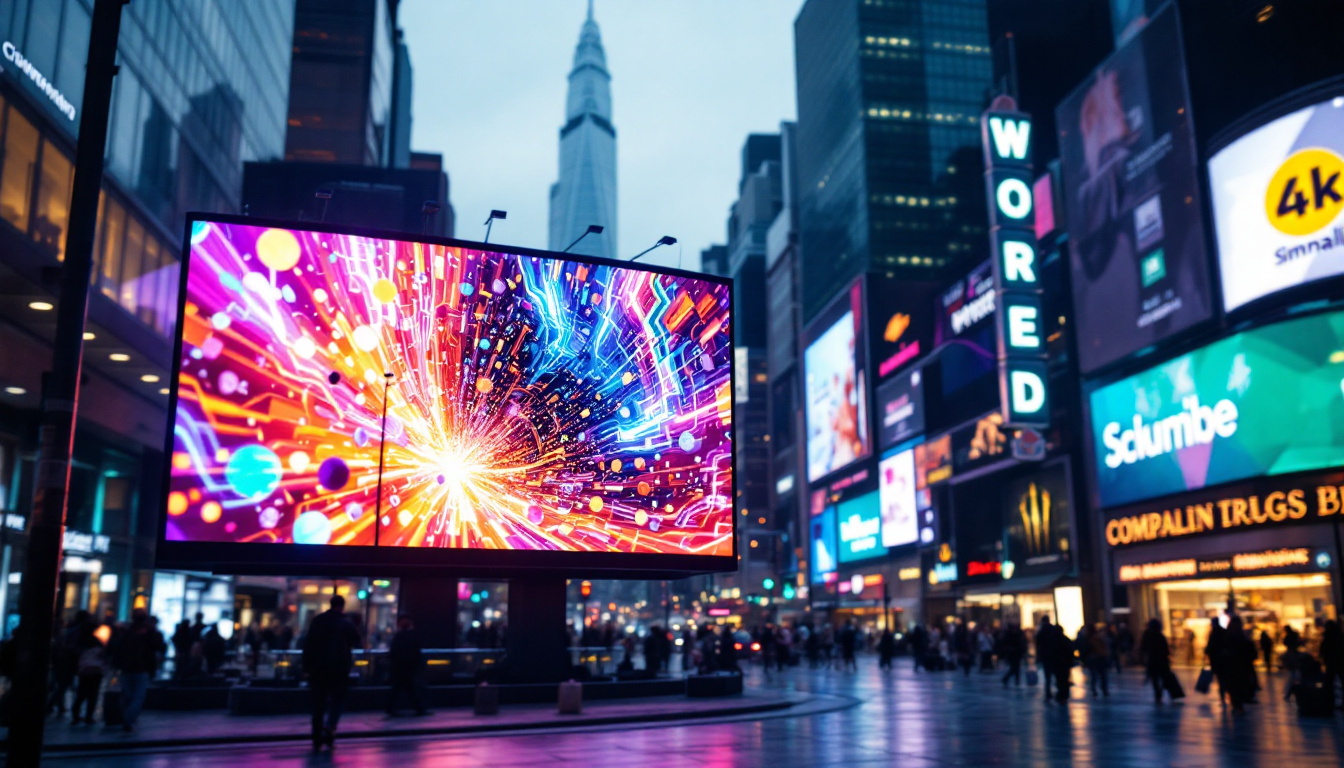
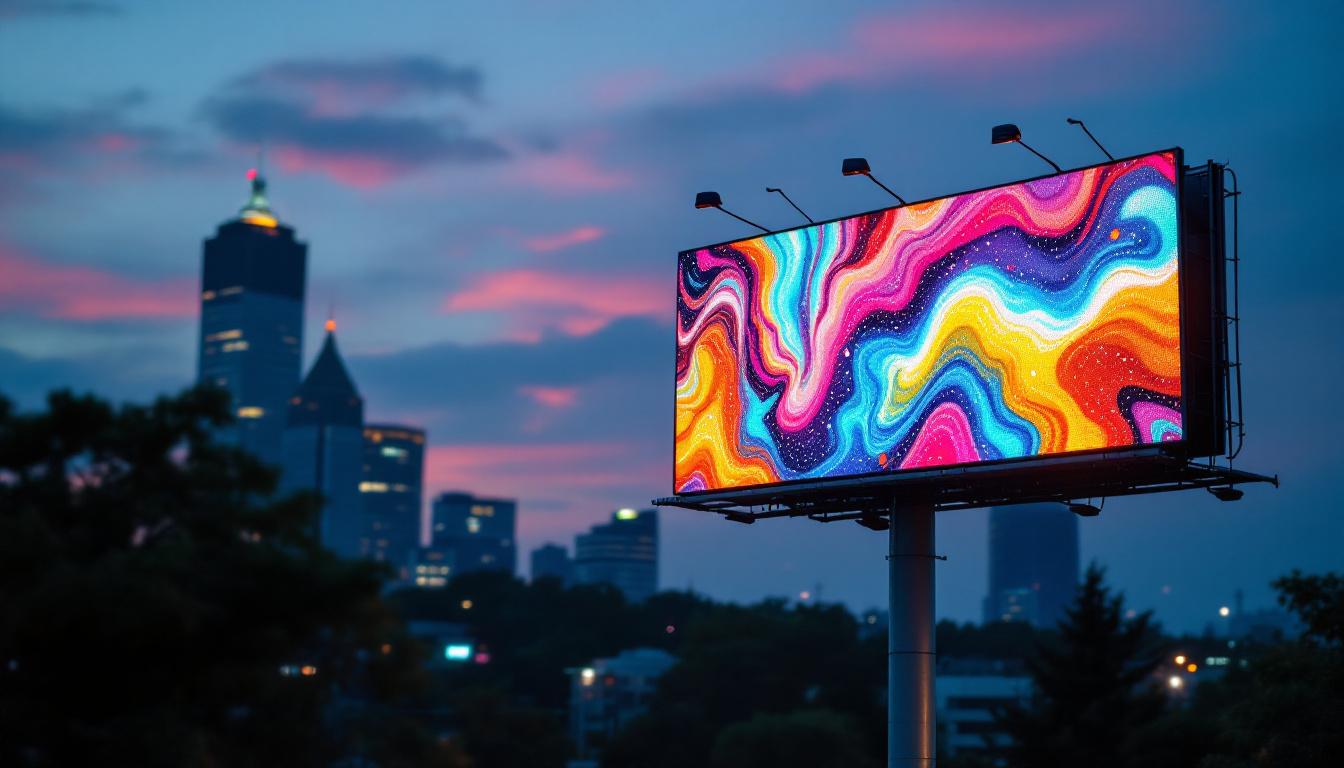
- Outdoor LED Displays: Built to withstand weather conditions, these displays feature higher brightness levels (often exceeding 5,000 nits) to remain visible under direct sunlight. They are commonly used for billboards, transportation hubs, and sports arenas. Additionally, outdoor LED displays are often equipped with protective casings to guard against moisture and dust, ensuring longevity and reliability in various climates.
- Flexible and Transparent LED Displays: Innovations in LED technology have led to flexible displays that can curve around surfaces and transparent displays that allow light to pass through, opening new possibilities for creative installations. These types of displays are particularly popular in modern architectural designs, where they can be integrated into windows or walls, providing both aesthetic appeal and functionality.
Moreover, the rapid evolution of LED technology has spurred developments in pixel pitch, which refers to the distance between the centers of two adjacent pixels. A smaller pixel pitch results in higher resolution displays, making them suitable for applications that require detailed imagery, such as control rooms and high-end retail environments. As manufacturers continue to innovate, we can expect to see even more advancements, including the integration of artificial intelligence for dynamic content management and enhanced user experiences.
Key Components and How They Work
LED Modules and Pixels
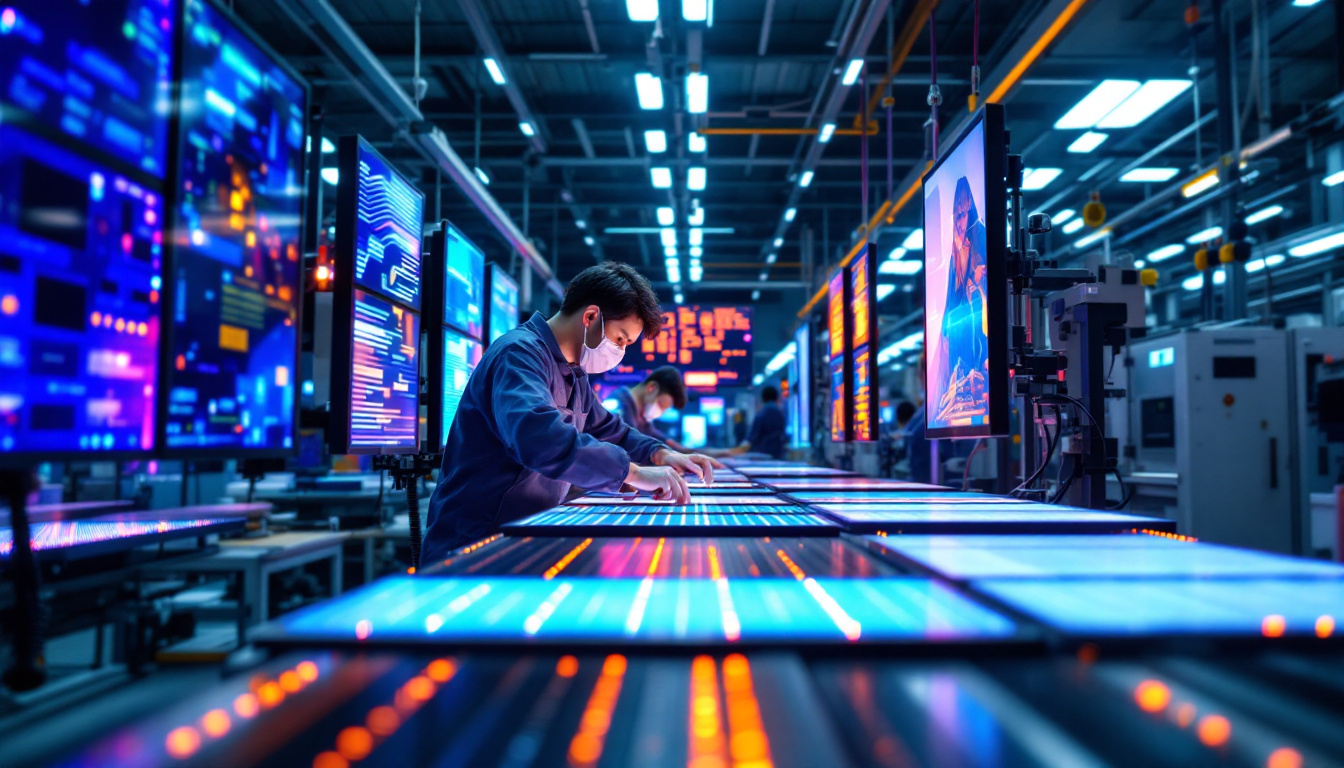
An LED display is composed of multiple LED modules, each containing a grid of pixels. Each pixel consists of three tiny LEDs—red, green, and blue—that combine to produce a wide range of colors through a process called additive color mixing. The intensity of each LED is controlled individually to achieve the desired color and brightness. This capability allows for stunning visual effects, making LED displays ideal for everything from advertising to artistic installations. The precision in color mixing not only enhances the vibrancy of images but also ensures that the display can accurately reproduce various shades, making it suitable for applications that require color fidelity, such as medical imaging or graphic design.
The pixel pitch, which is the distance between the centers of two adjacent pixels, is a critical specification. A smaller pixel pitch means higher resolution and sharper images, which is especially important for indoor displays where viewers are closer to the screen. Conversely, larger pixel pitches are often used in outdoor displays where the viewing distance is greater, as they can be more cost-effective while still delivering a clear image. Additionally, advancements in technology have led to the development of flexible LED modules that can be shaped into various forms, allowing for creative display designs that were previously unimaginable.
Control Systems and Software
To manage the vast number of LEDs in a display, sophisticated control systems are used. These systems process incoming video signals and translate them into commands that adjust the brightness and color of each pixel in real time. Modern LED displays often come with software that allows users to schedule content, adjust brightness automatically based on ambient light, and even integrate with live data feeds. This level of control not only enhances user experience but also optimizes energy consumption, as the display can dim during low-traffic times or adjust to environmental lighting conditions, thereby prolonging the lifespan of the LEDs.
Furthermore, many control systems now support remote management capabilities, enabling operators to update content and troubleshoot issues from anywhere in the world. This is particularly beneficial for businesses with multiple locations, as they can ensure brand consistency and quickly respond to changing marketing needs. Advanced analytics tools can also be integrated, allowing users to gather data on viewer engagement and optimize content based on real-time feedback. Such features make modern LED displays not just a visual medium but a dynamic platform for interaction and engagement, transforming the way information is presented and consumed.
Applications of LED Displays
Advertising and Marketing
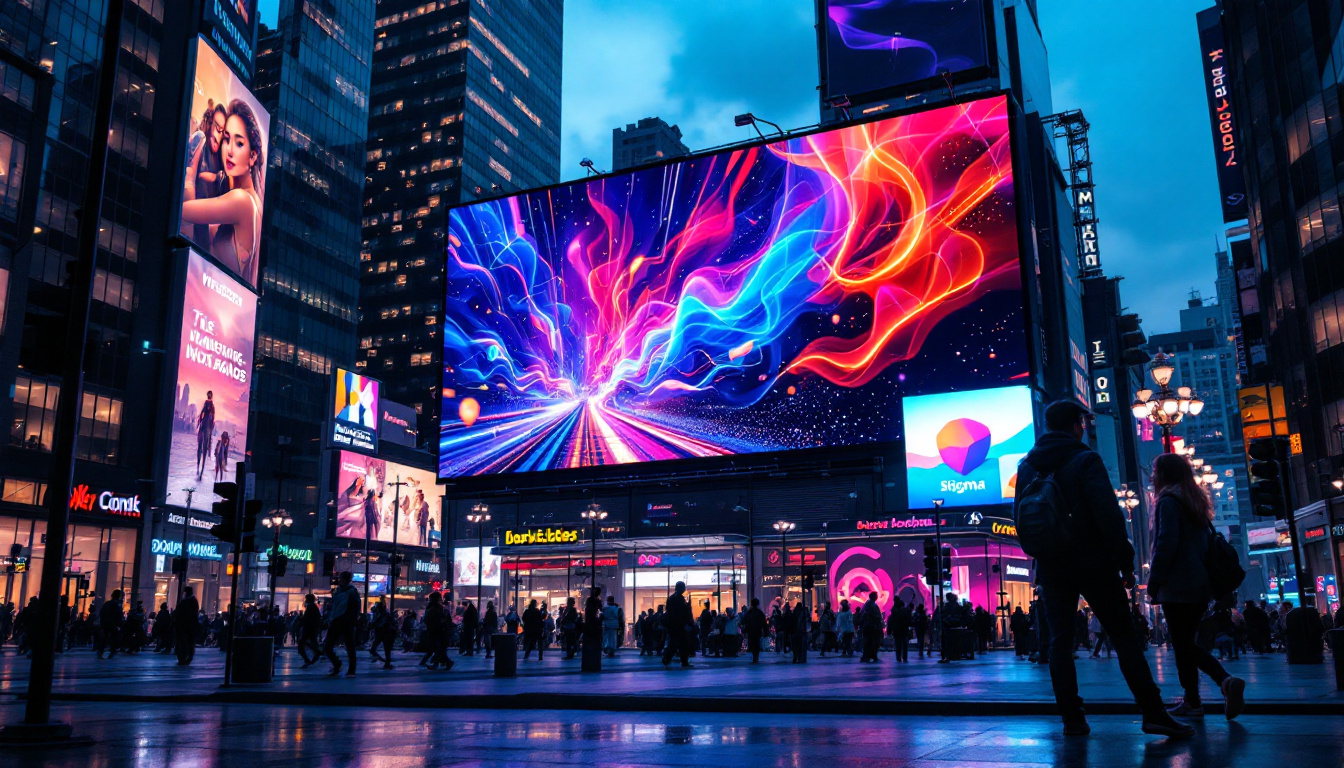
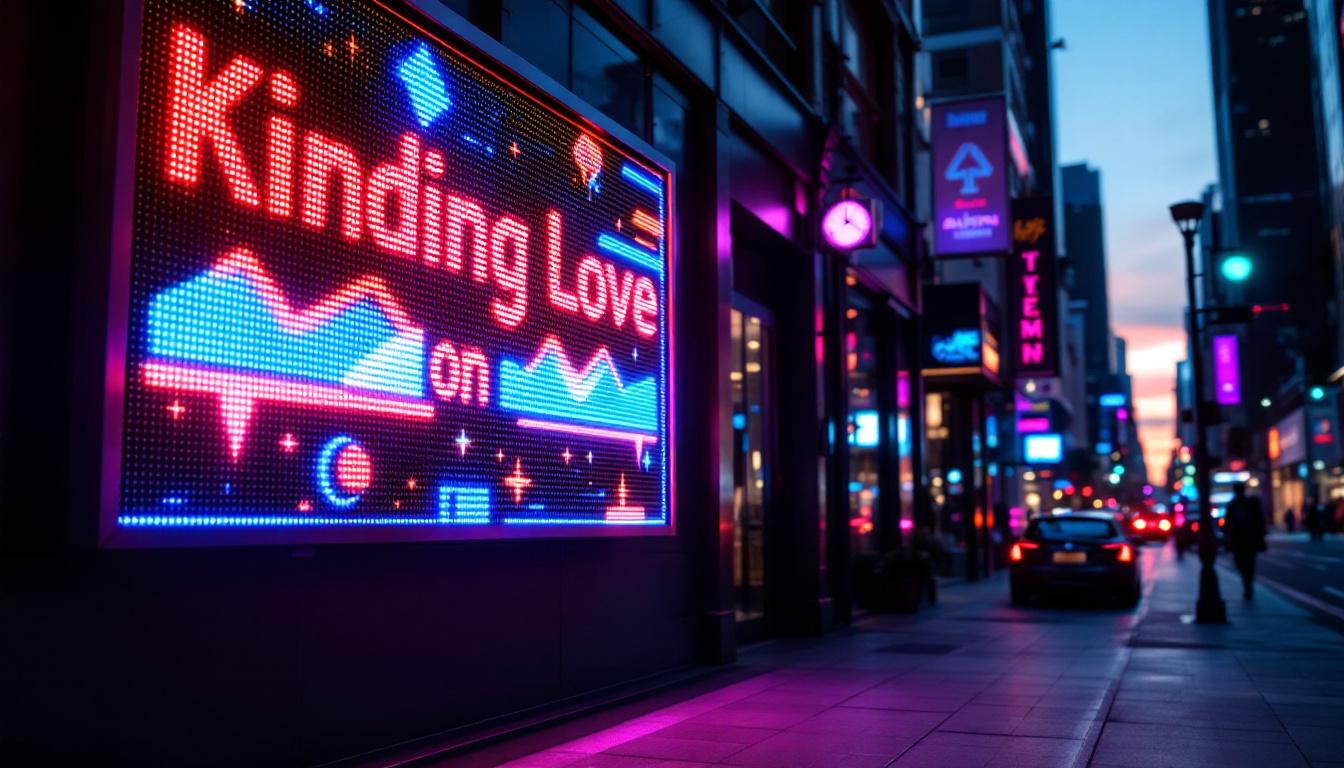
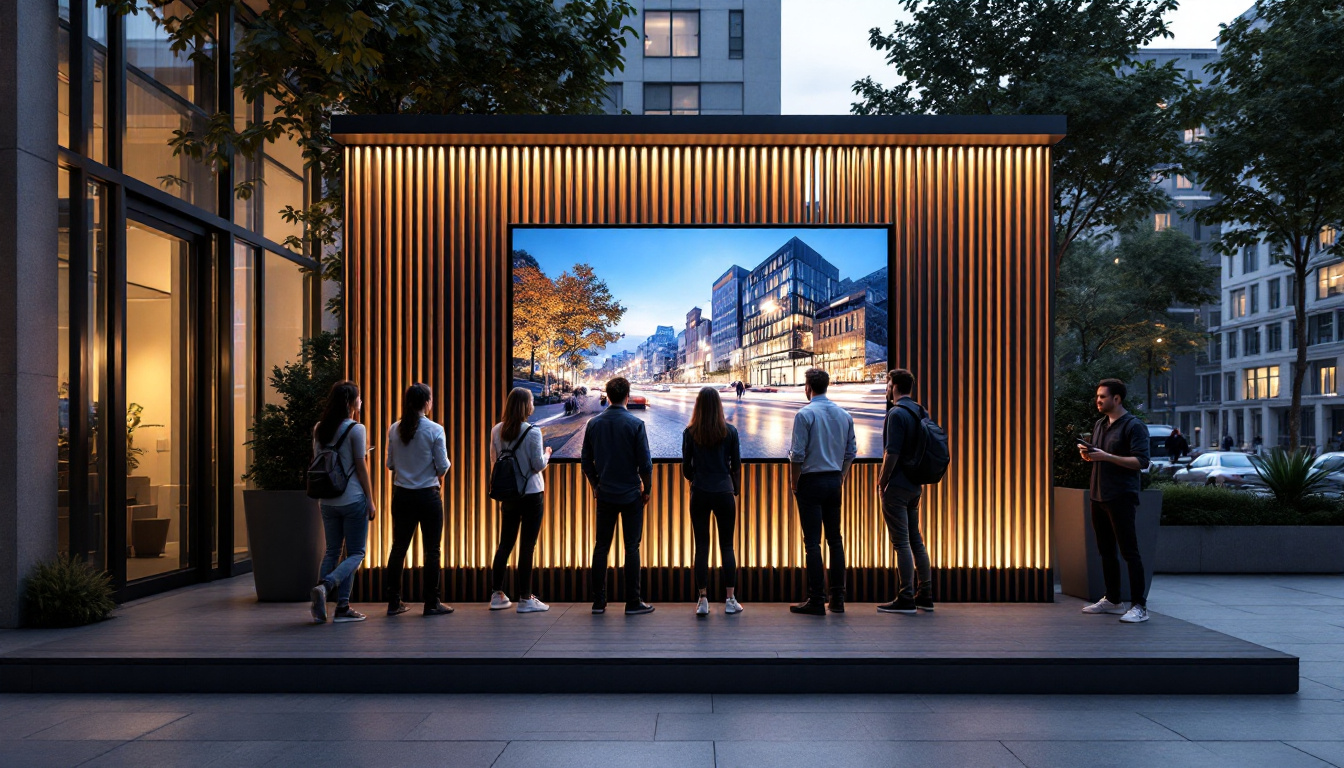
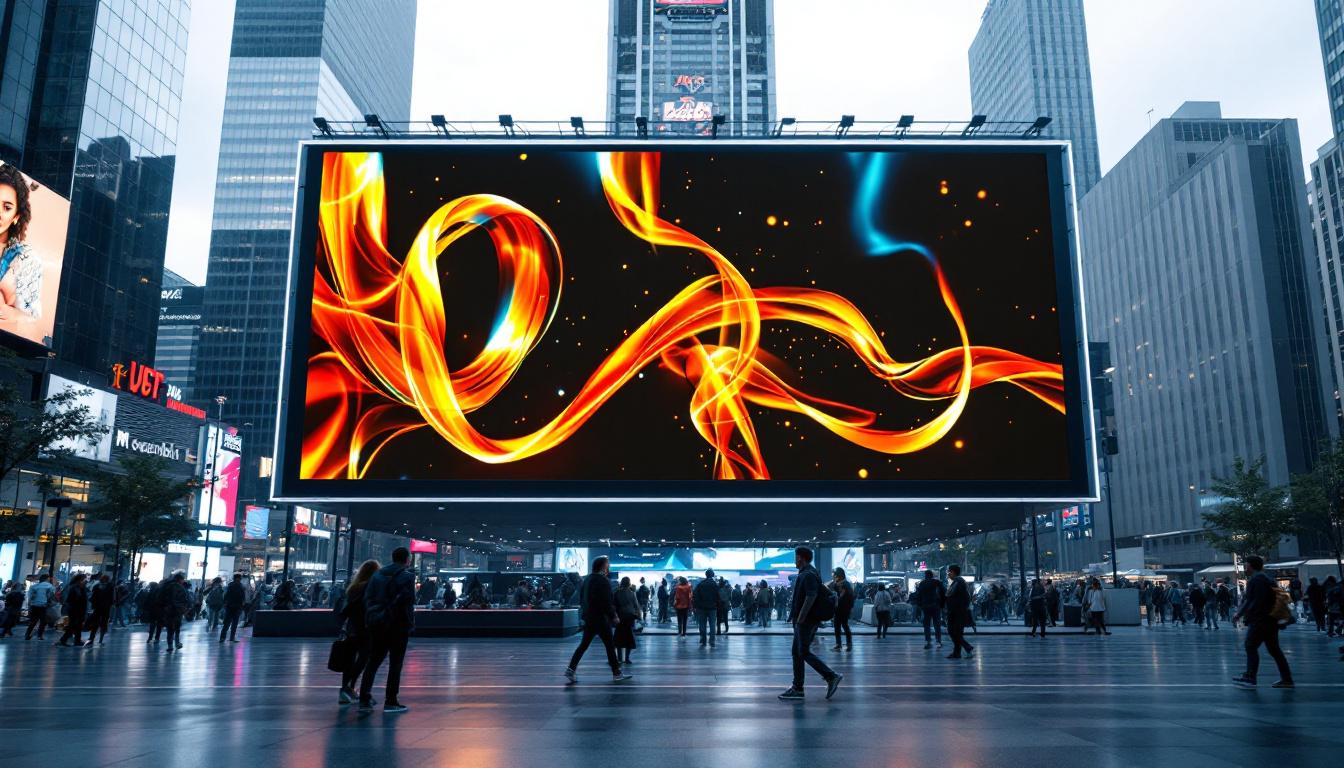
LED displays have revolutionized outdoor advertising by enabling dynamic, eye-catching content that can be updated remotely and instantly. According to a report by Grand View Research, the global digital signage market size was valued at over $21 billion in 2023 and is expected to grow at a compound annual growth rate (CAGR) of 9.4% through 2030. LED displays are a major driver of this growth due to their flexibility and high visibility.
Brands use LED billboards to capture attention in high-traffic areas, delivering targeted messages that can change throughout the day. This adaptability allows marketers to tailor campaigns to different demographics and events, maximizing impact and return on investment.
Public Information and Transportation
Transportation hubs such as airports, train stations, and bus terminals rely heavily on LED displays to provide real-time updates on schedules, delays, and safety information. The bright, clear visuals ensure that passengers can quickly access critical information, improving overall efficiency and user experience.
City governments also use LED displays for public announcements, emergency alerts, and community engagement. For example, during natural disasters or public health emergencies, LED screens can broadcast urgent messages to large audiences effectively.
Entertainment and Sports
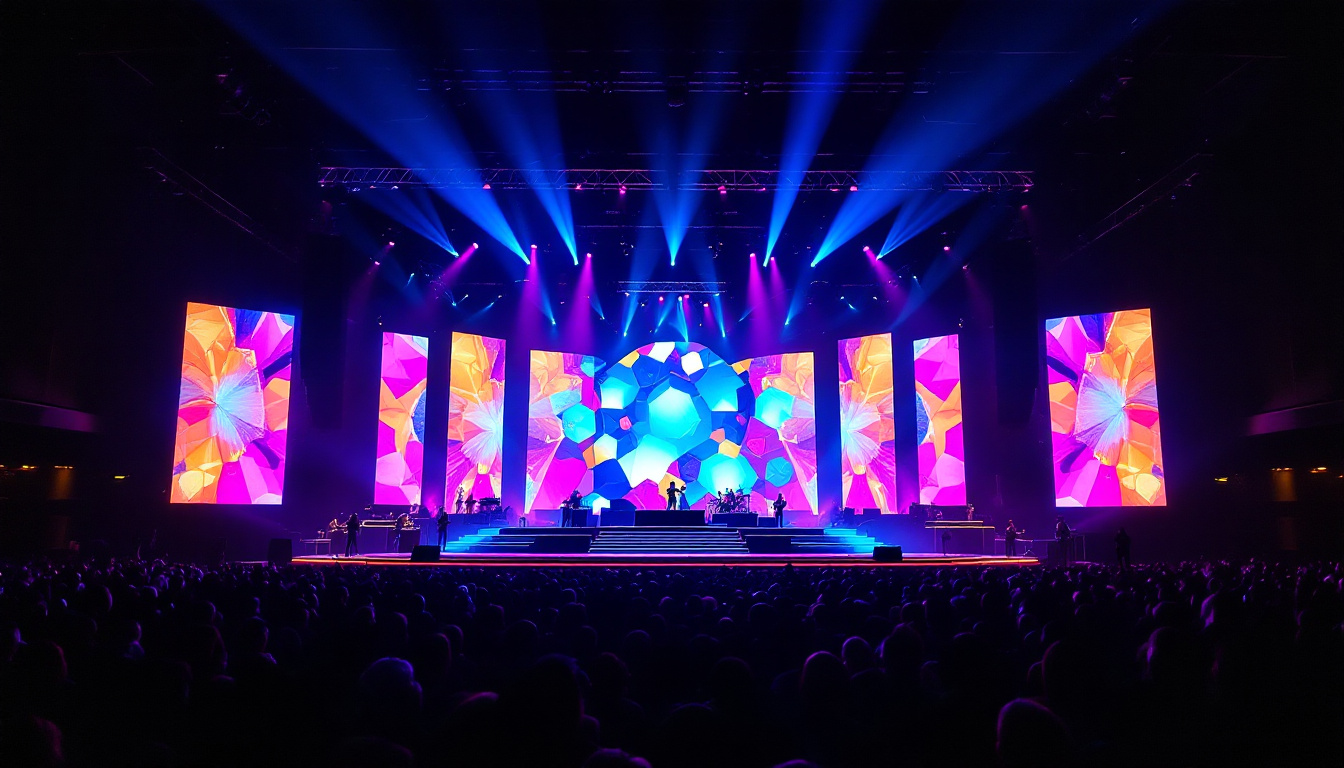
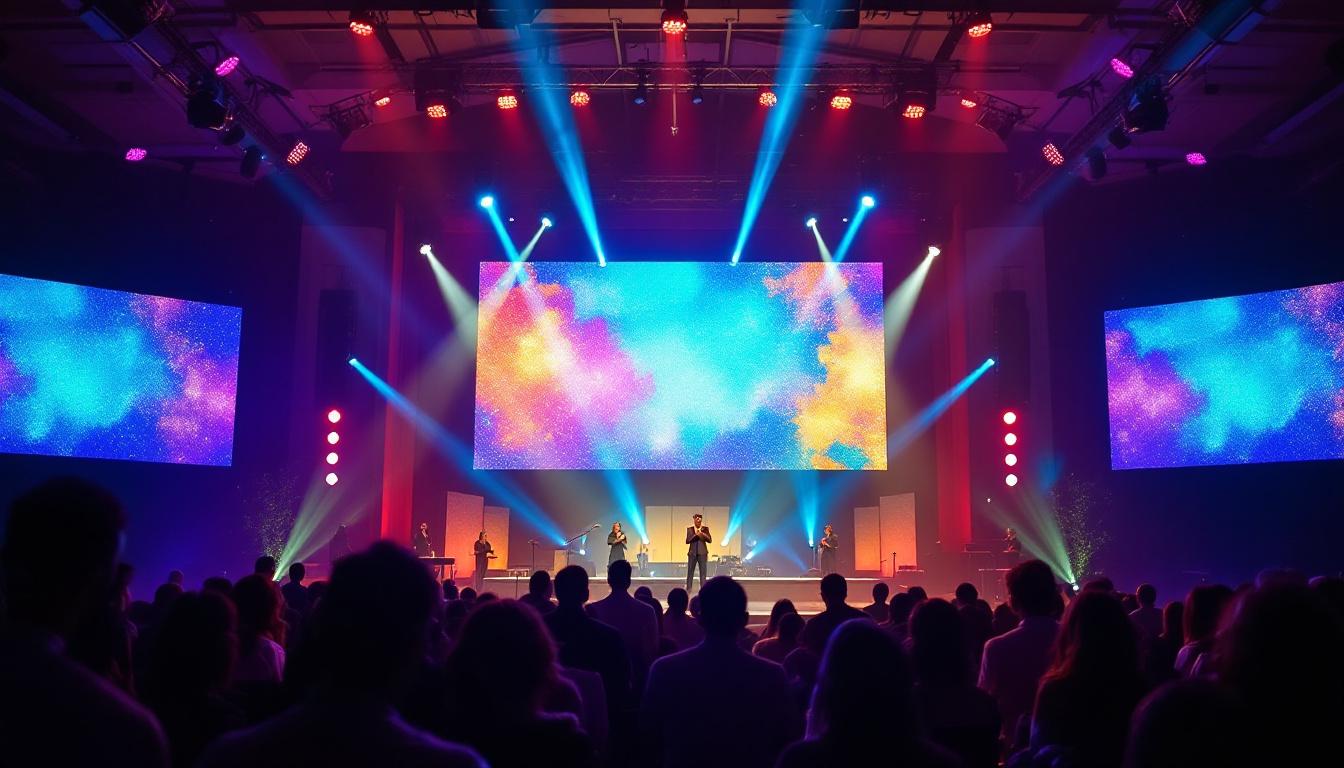
In sports arenas and concert venues, LED displays enhance the spectator experience by showing live footage, replays, scores, and interactive content. The ability to produce large-scale, high-resolution visuals makes LED screens indispensable for modern entertainment events.
Moreover, the flexibility of LED technology allows for creative stage designs and immersive environments, pushing the boundaries of live performance production.
Benefits of LED Displays Over Other Technologies
Brightness and Visibility
One of the standout features of LED displays is their superior brightness. Unlike LCD or projection-based systems, LEDs can achieve brightness levels that remain visible in direct sunlight, making them ideal for outdoor use. This high luminance ensures messages are seen clearly regardless of ambient lighting conditions.
Energy Efficiency and Longevity
LEDs are known for their energy efficiency compared to traditional lighting and display technologies. They consume less power while delivering brighter images, which translates into lower operating costs over time. Additionally, LED displays have a longer lifespan, often exceeding 100,000 hours of operation, reducing maintenance and replacement expenses.
Flexibility and Customization
LED displays can be manufactured in various shapes and sizes, including curved and flexible panels. This adaptability allows for innovative installations that can conform to architectural features or create immersive environments. Customizable pixel pitches and modular designs enable tailored solutions for different viewing distances and applications.
Challenges and Considerations
Initial Investment
While LED displays offer numerous advantages, the upfront cost can be significant, especially for large-scale or high-resolution installations. Businesses must carefully evaluate their budget and expected return on investment. However, the decreasing cost of LED technology and the potential for increased revenue through dynamic advertising often justify the initial expenditure.
Maintenance and Technical Expertise
Maintaining LED displays requires technical knowledge, particularly for troubleshooting and repairs. Ensuring proper ventilation and protection from environmental factors is essential to maximize lifespan. Partnering with experienced vendors and service providers can mitigate these challenges.
Content Management
Effective use of LED displays depends on compelling content and strategic scheduling. Organizations must invest in content creation and management tools to fully leverage the technology. Poorly designed or static content can reduce audience engagement and diminish the value of the display.
The Future of LED Displays
Advancements in MicroLED and MiniLED
Emerging technologies such as MicroLED and MiniLED promise to further enhance LED display performance. MicroLEDs are significantly smaller than traditional LEDs, allowing for even higher resolution and improved color accuracy. This technology is poised to compete with OLED displays in consumer electronics and professional applications.
Integration with Smart Technologies
LED displays are increasingly being integrated with Internet of Things (IoT) devices and artificial intelligence (AI). This integration enables real-time data-driven content updates, personalized advertising, and interactive experiences. For example, smart LED billboards can adjust content based on weather, traffic conditions, or audience demographics detected through sensors.
Sustainability and Environmental Impact
As sustainability becomes a priority, LED display manufacturers are focusing on eco-friendly materials and energy-saving designs. Advances in recycling and modular construction also contribute to reducing environmental impact, aligning with corporate social responsibility goals.
Conclusion
LED displays have become a transformative technology in digital signage, offering unparalleled brightness, flexibility, and efficiency. Their applications span advertising, public information, entertainment, and beyond, driving significant engagement and value for businesses and communities alike. While challenges such as initial investment and maintenance exist, ongoing technological advancements continue to enhance their appeal and accessibility.
Understanding the intricacies of LED display technology empowers organizations to make informed decisions and harness the full potential of digital signage. As the industry evolves, LED displays will undoubtedly remain at the forefront of visual communication, shaping the way messages are delivered in the digital age.
Discover LumenMatrix LED Display Solutions
Ready to elevate your visual communication strategy with cutting-edge LED technology? Look no further than LumenMatrix, a pioneer in crafting dynamic and energy-efficient LED display modules that captivate and engage. From the brilliance of an Indoor LED Wall Display to the robustness of Outdoor LED Wall Displays, and from the mobility of Vehicle LED Displays to the innovation of Transparent LED Displays, LumenMatrix offers a comprehensive range of solutions tailored to your needs. Embrace the future of digital signage and create unforgettable visual experiences with LumenMatrix. Check out LumenMatrix LED Display Solutions today and transform how you share your message with the world.