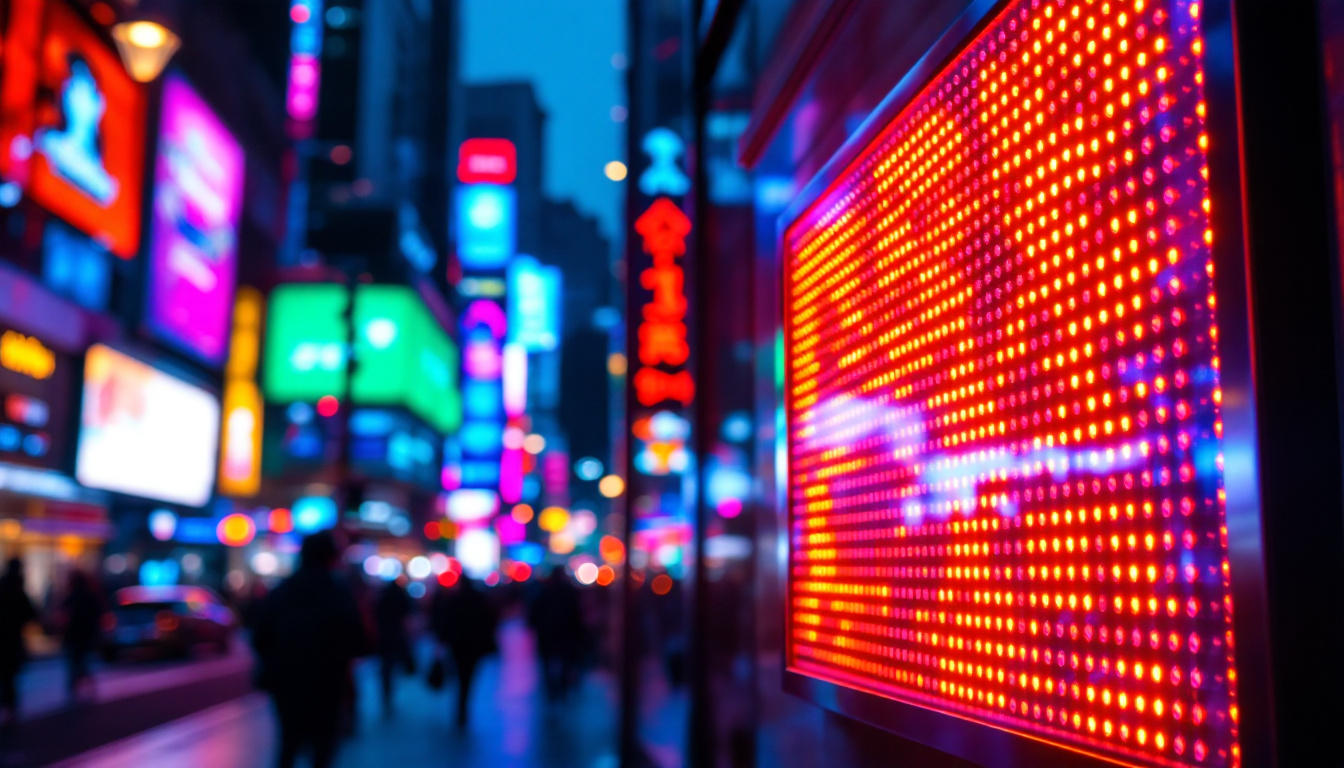
In the world of digital signage and visual communication, LED displays have become the cornerstone of dynamic advertising, information dissemination, and entertainment. The figure “53.6Kg” might seem like an arbitrary number at first glance, but it represents a significant aspect of LED display technology—specifically relating to the weight and portability of certain LED panels. This article delves deep into the intricacies of LED displays, exploring their design, functionality, and why weight metrics like 53.6Kg matter in practical applications.
Understanding LED Display Technology
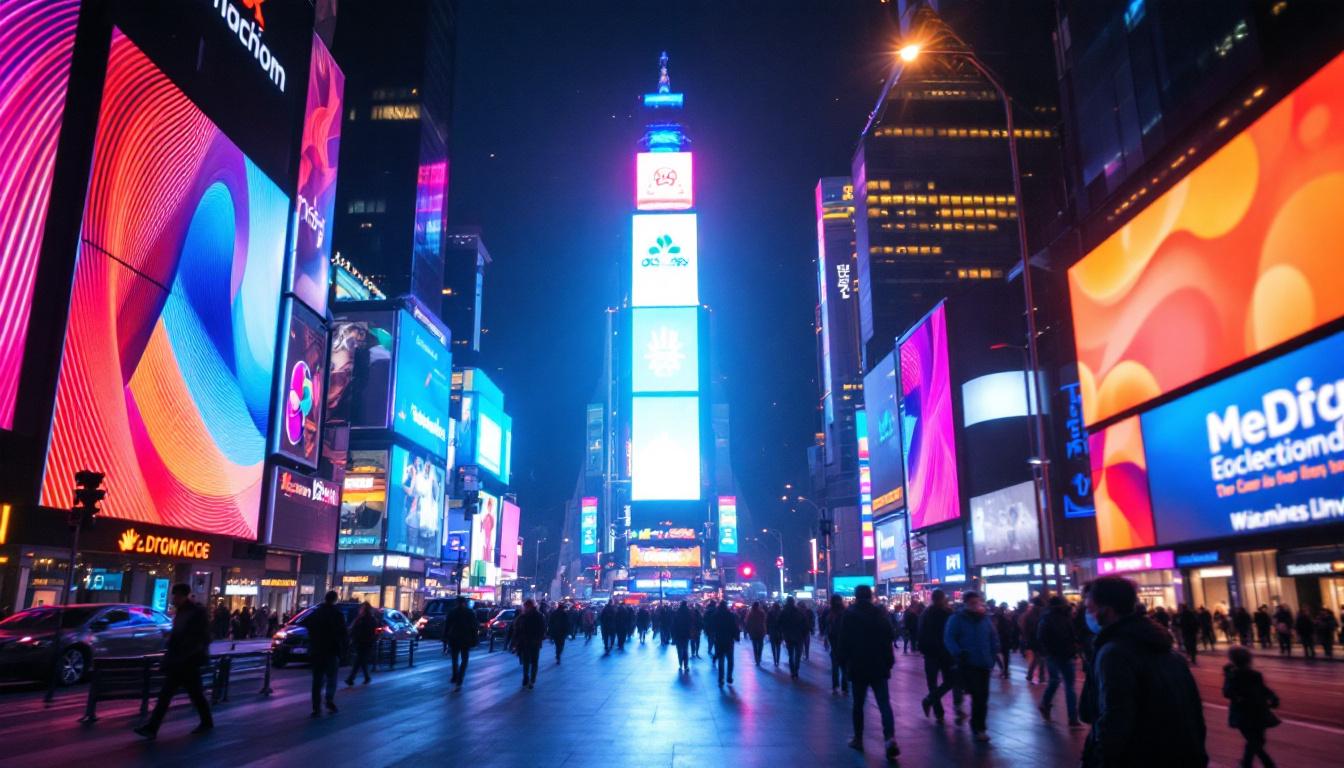
LED, or Light Emitting Diode, displays are composed of numerous tiny diodes that emit light when an electric current passes through them. Unlike traditional LCD or plasma screens, LED displays offer superior brightness, contrast, and energy efficiency. They are widely used in outdoor billboards, stadium screens, retail signage, and even indoor environments such as conference rooms and shopping malls. The versatility of LED technology has revolutionized the way visual information is presented, allowing for dynamic content that can be easily updated and tailored to specific audiences.
How LED Displays Work
Each LED display consists of a matrix of pixels, where each pixel is made up of red, green, and blue diodes. By varying the intensity of these diodes, the display can produce millions of colors and vibrant images. This pixel-based approach allows LED displays to be scalable, meaning they can be constructed in virtually any size by combining multiple panels seamlessly. The technology behind LED displays also incorporates advanced processing capabilities, enabling them to handle high-definition video and complex graphics with ease, making them a favorite for events and presentations.
One key advantage of LED technology is its ability to maintain high visibility even under direct sunlight, making it ideal for outdoor use. Additionally, LEDs have a longer lifespan and consume less power compared to other display technologies, which contributes to their growing popularity. The durability of LED displays also means they can withstand harsh weather conditions, making them a reliable choice for outdoor advertising and information dissemination in public spaces.
Types of LED Displays
LED displays come in various forms, primarily categorized by their pixel pitch, which is the distance between the centers of two adjacent pixels. Smaller pixel pitches (e.g., 1.2mm to 2.5mm) are used for indoor displays where viewers are close to the screen, ensuring high resolution and image clarity. Larger pixel pitches (e.g., 10mm or more) are common in outdoor displays where viewing distances are greater. This adaptability allows businesses to select the right display for their specific needs, whether it’s for a small retail shop or a large stadium.
Another classification is based on the LED packaging: surface-mounted device (SMD) LEDs, which are compact and suitable for indoor use, and through-hole LEDs, which are brighter and more durable, typically used outdoors. Furthermore, there are also flexible LED displays that can be bent or shaped to fit unique installations, providing creative solutions for artistic displays and architectural features. The continuous evolution of LED technology also includes innovations like transparent LED screens, which allow for stunning visuals without obstructing views, further expanding the possibilities for advertising and design.
The Significance of Weight in LED Displays: Why 53.6Kg Matters
When discussing LED displays, weight is a critical factor that influences installation, transportation, structural requirements, and overall cost. The figure 53.6Kg often refers to the weight of a standard LED display panel or module, especially in the context of large-format screens.
Weight and Portability
For event organizers, rental companies, and installers, the weight of LED panels directly impacts logistics. A 53.6Kg panel is considered moderately heavy, requiring careful handling and sometimes specialized equipment for mounting. Panels lighter than this facilitate easier transport and faster installation, which can reduce labor costs and downtime.
In contrast, heavier panels might offer enhanced durability or additional features such as integrated cooling systems or reinforced frames. Therefore, the weight must be balanced against performance and robustness requirements. Additionally, the portability of these panels can significantly affect the overall efficiency of an event setup. For instance, when organizing a concert or a trade show, the ability to quickly move and install lighter panels can lead to a more streamlined process, allowing for adjustments and reconfigurations on the fly without the need for extensive manpower or time-consuming logistics.
Structural and Safety Considerations
Large LED installations, especially those mounted on buildings or temporary structures, must comply with safety regulations concerning load-bearing capacity. Knowing the exact weight per panel, such as 53.6Kg, helps engineers design appropriate support frameworks and ensures the installation can withstand environmental factors like wind and vibration.
Moreover, weight influences the choice of mounting hardware and the feasibility of hanging or stacking panels in creative configurations. For example, a large stadium screen made up of hundreds of panels requires precise calculations to distribute weight evenly and prevent structural failures. Additionally, the integration of safety features such as safety cables and harnesses becomes paramount in installations involving heavier panels. These measures not only protect the equipment but also safeguard the audience and personnel working around the display, highlighting the importance of thorough planning and adherence to safety standards in the design and implementation of LED display systems.
Furthermore, the weight of LED panels can also influence the choice of transportation methods. For instance, a 53.6Kg panel may require specific vehicles equipped with proper suspension systems to ensure safe transit. This consideration is crucial for rental companies that frequently move equipment between events. The logistics of transporting heavier panels can lead to increased fuel costs and necessitate more careful route planning to avoid potential damage during transit. In contrast, lighter panels can be transported more flexibly, allowing for a wider range of vehicle options and potentially lowering overall operational costs.
Applications of LED Displays and the Role of Weight
LED displays are versatile and used across a wide range of industries. Understanding the implications of panel weight is essential for selecting the right product for each application.
Outdoor Advertising and Billboards
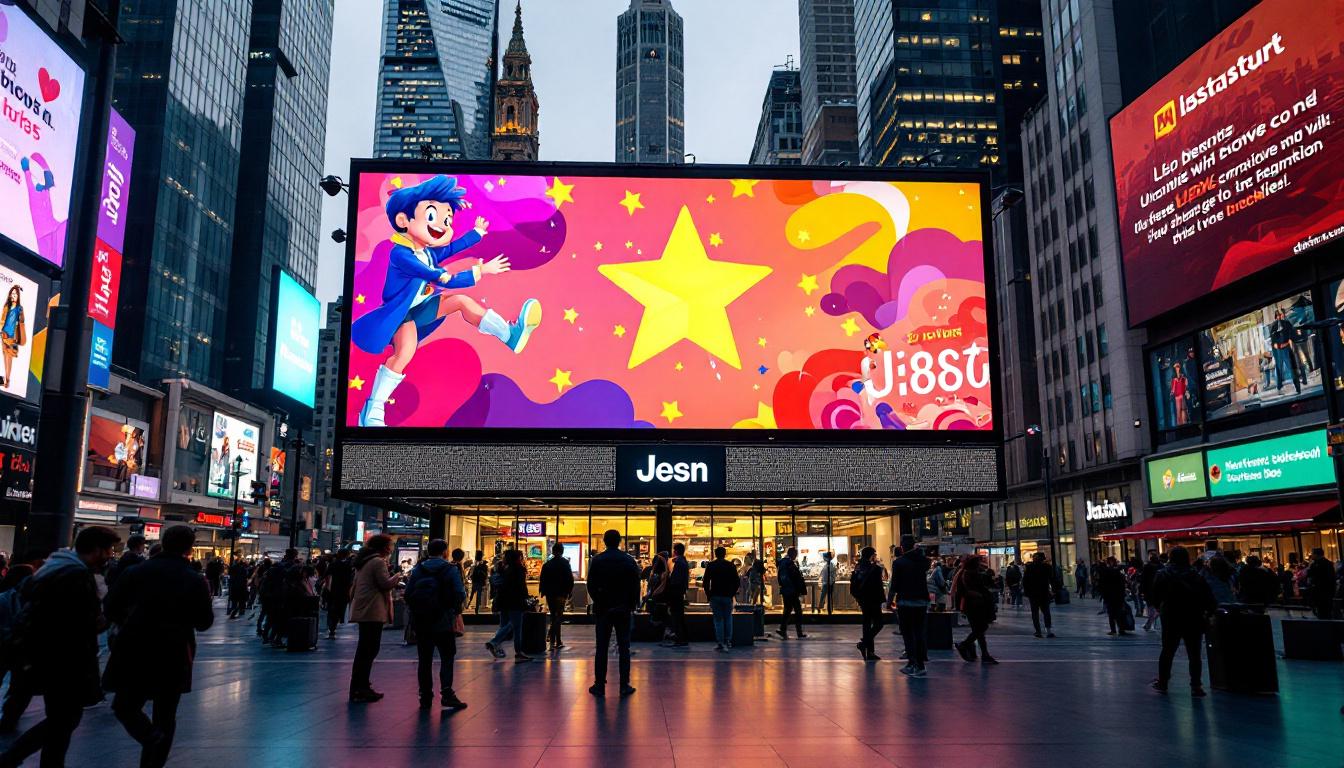
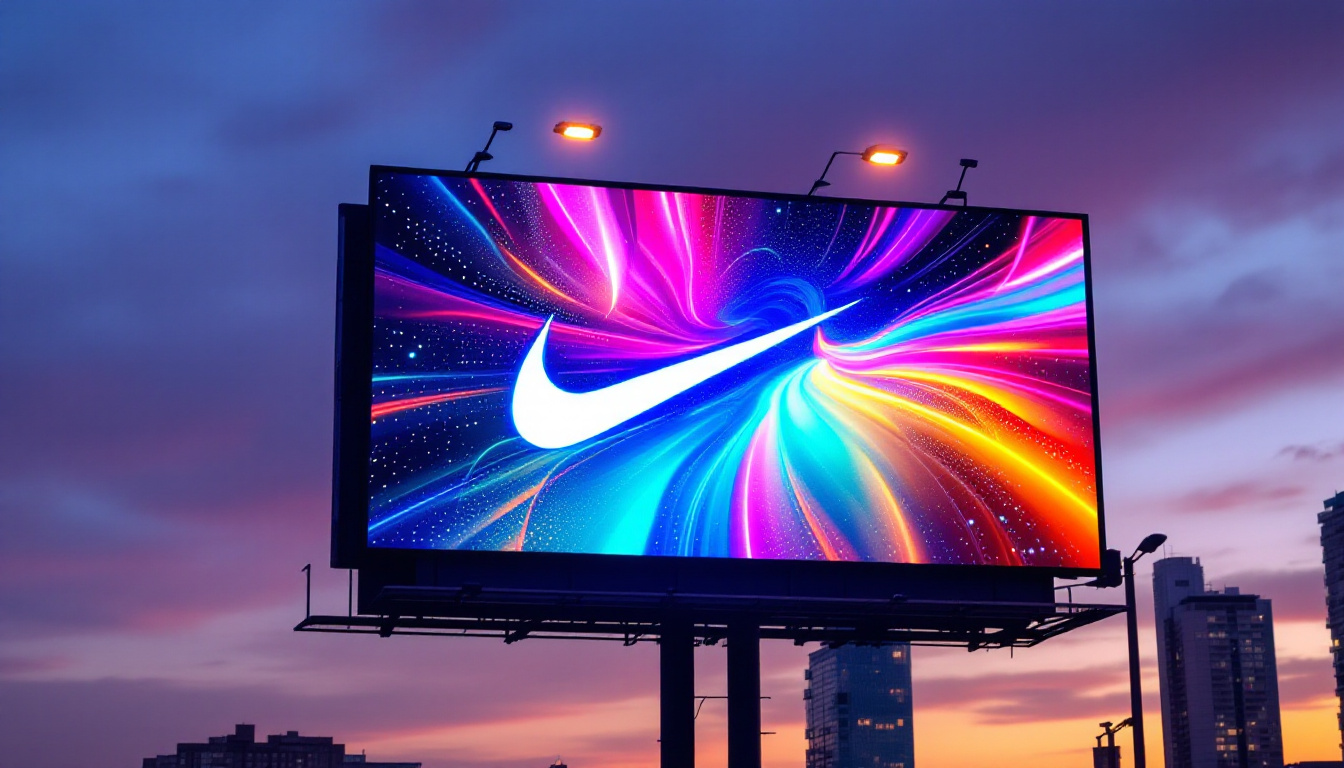
Outdoor LED billboards are among the most common uses of LED technology. These displays need to be weather-resistant, bright enough to combat sunlight, and structurally sound. Panels weighing around 53.6Kg strike a balance between durability and manageable installation.
For example, a 10m x 5m billboard might be composed of dozens of such panels, making the total weight a critical factor in foundation design and installation logistics. Lightweight panels could reduce the need for heavy-duty supports, but might compromise on brightness or weatherproofing.
Sports Arenas and Large Venues
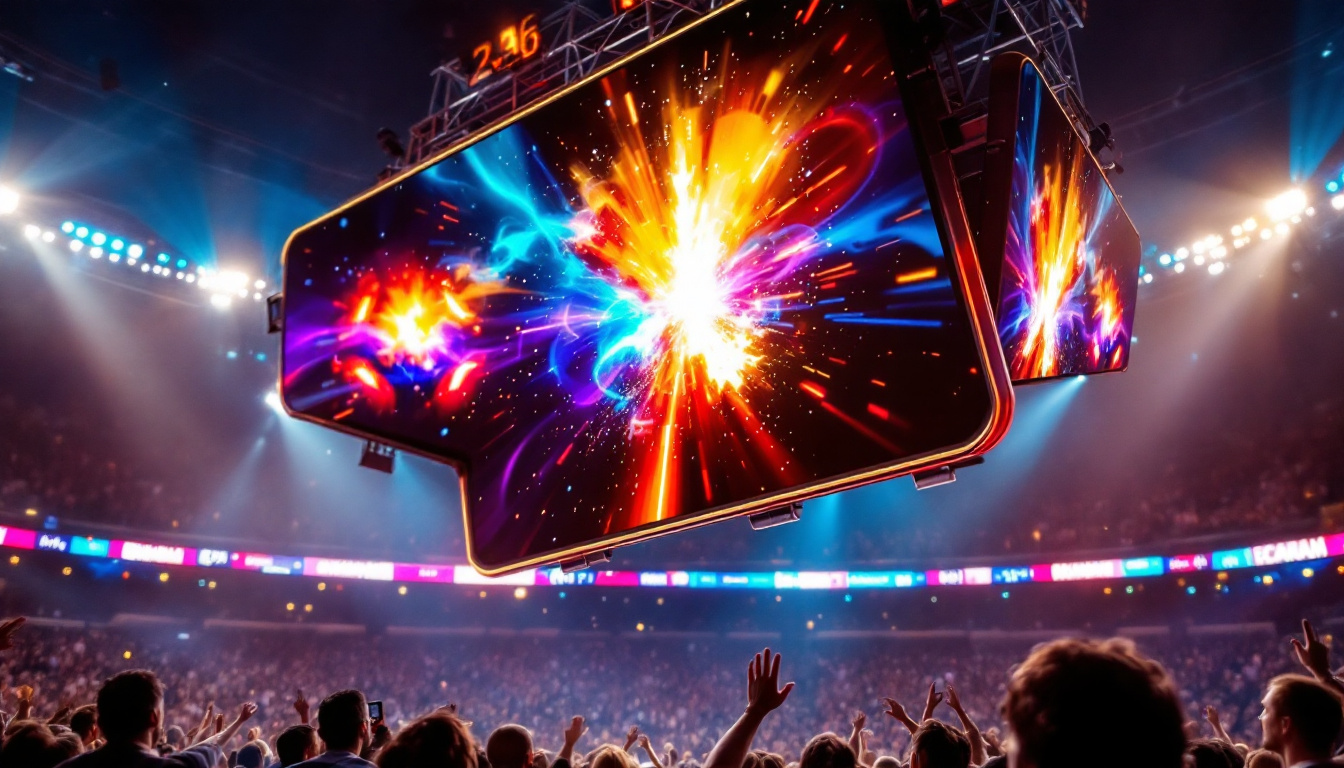
In stadiums and arenas, LED displays serve multiple purposes—from scoreboards to advertising and live video feeds. The weight of each panel affects how the screen is suspended or mounted. Panels around 53.6Kg are common in these settings, as they provide a good mix of robustness and manageable size.
Additionally, the ability to quickly replace or service panels is vital in such environments. Panels that are too heavy can complicate maintenance and increase downtime, which is costly during events.
Indoor Displays and Corporate Use
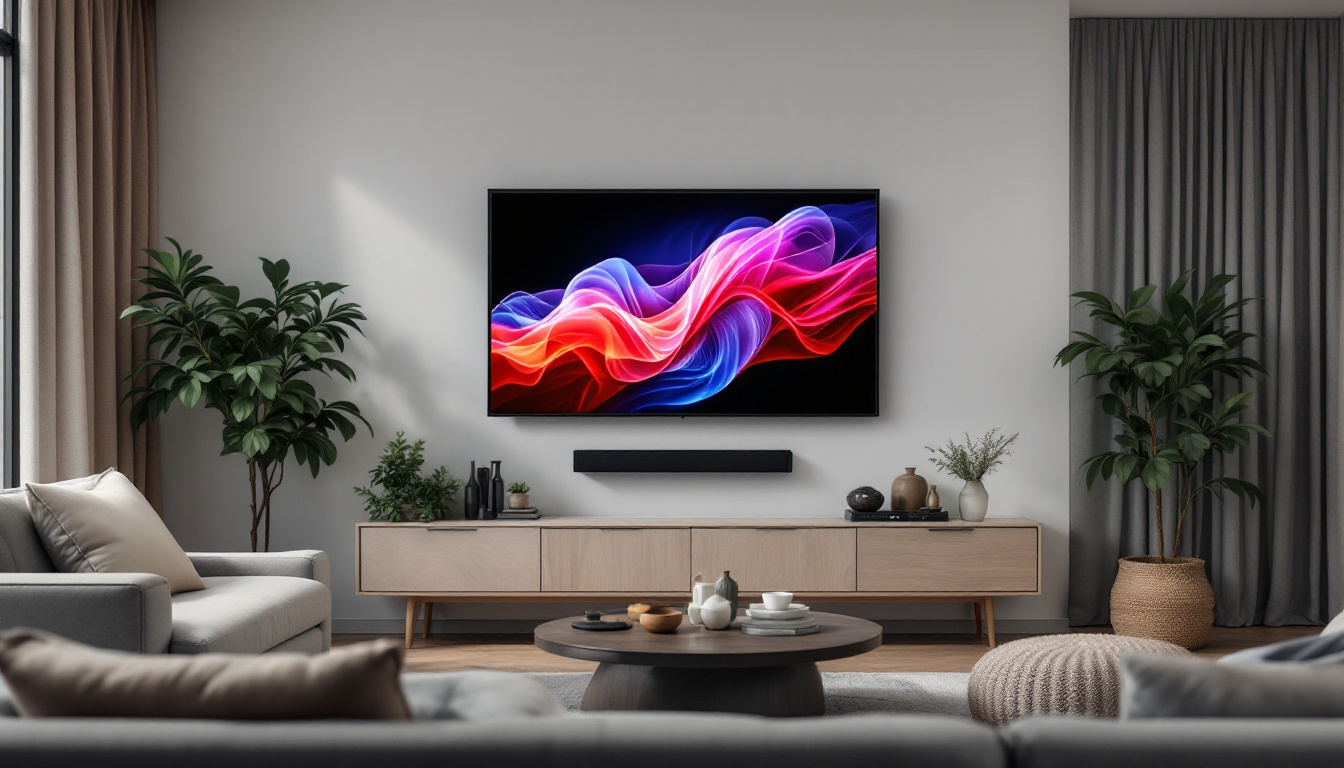
Indoor LED displays tend to have smaller pixel pitches and are generally lighter than outdoor counterparts. However, weight remains a consideration, especially for large video walls in conference centers or retail environments.
For indoor applications, panels lighter than 53.6Kg are preferred to facilitate wall mounting and reduce strain on building structures. Advances in materials and design have led to ultra-lightweight panels that do not sacrifice image quality.
Technological Advances Impacting LED Display Weight
Recent innovations in LED technology and materials science have influenced the weight and performance of LED displays.
Lightweight Materials and Frame Design
Manufacturers are increasingly using aluminum alloys and composite materials to reduce panel weight without compromising strength. These materials also improve heat dissipation, which is crucial for maintaining LED longevity and performance.
Innovative frame designs that integrate mounting hardware and cooling systems help streamline the overall structure, contributing to weight reduction and easier installation.
Integration of Modular Systems
Modular LED systems allow for flexible configurations and easier transportation. Panels designed with standardized dimensions and weight, such as those around 53.6Kg, enable quick assembly and disassembly, which is especially beneficial for rental and touring applications.
These modular designs often incorporate quick-lock mechanisms and lightweight connectors, further enhancing portability and reducing setup times.
Energy Efficiency and Heat Management
Energy-efficient LEDs generate less heat, reducing the need for heavy cooling components. This directly impacts the weight of the panels. Modern LED displays optimize power consumption through advanced driver ICs and intelligent brightness control, allowing for slimmer and lighter designs.
Choosing the Right LED Display: Balancing Weight, Performance, and Cost
When selecting an LED display, understanding the trade-offs between weight, image quality, durability, and price is essential.
Performance Metrics to Consider
Beyond weight, factors such as pixel pitch, brightness (measured in nits), refresh rate, and viewing angle determine the display’s effectiveness. For instance, a panel weighing 53.6Kg with a pixel pitch of 4mm might be ideal for mid-range outdoor advertising, delivering sharp images visible from a distance.
Conversely, ultra-high-resolution indoor displays with pixel pitches below 2mm tend to be lighter but more expensive due to the complexity of manufacturing.
Cost Implications of Weight
Heavier panels often incur higher shipping and installation costs. They may also require more robust infrastructure, increasing the overall project budget. However, these costs can be offset by longer lifespan and better durability, reducing maintenance expenses over time.
Lightweight panels might be cheaper to install but could have shorter lifespans or lower brightness, which might not meet all application needs.
Environmental and Sustainability Considerations
Reducing the weight of LED panels also contributes to lower carbon footprints during transportation and installation. Additionally, energy-efficient, lightweight panels often use recyclable materials, aligning with sustainable business practices.
Conclusion: The Importance of Understanding LED Display Weight
The figure 53.6Kg encapsulates more than just a number; it represents a critical parameter in the design, deployment, and operation of LED displays. Weight influences everything from logistics and safety to performance and cost-effectiveness.
Whether for outdoor advertising, sports arenas, or indoor corporate environments, selecting LED panels with an appropriate weight profile ensures smoother installation, better durability, and optimal viewing experiences. As technology advances, the trend toward lighter, more efficient LED displays will continue, offering greater flexibility and sustainability for users worldwide.
Discover the LumenMatrix Difference
Ready to elevate your visual communication with LED displays that embody the perfect balance of weight, performance, and innovation? LumenMatrix offers a comprehensive range of LED display solutions tailored to meet your unique needs. From captivating Indoor LED Wall Displays to dynamic Outdoor LED Wall Displays, and specialized options like Vehicle LED Displays, LED Sports Displays, and Custom LED Displays, we have the technology to bring your vision to life. Experience the future of digital signage with our All-in-One and Transparent LED Displays designed for maximum impact. Check out LumenMatrix LED Display Solutions today and transform your space into a visual spectacle.