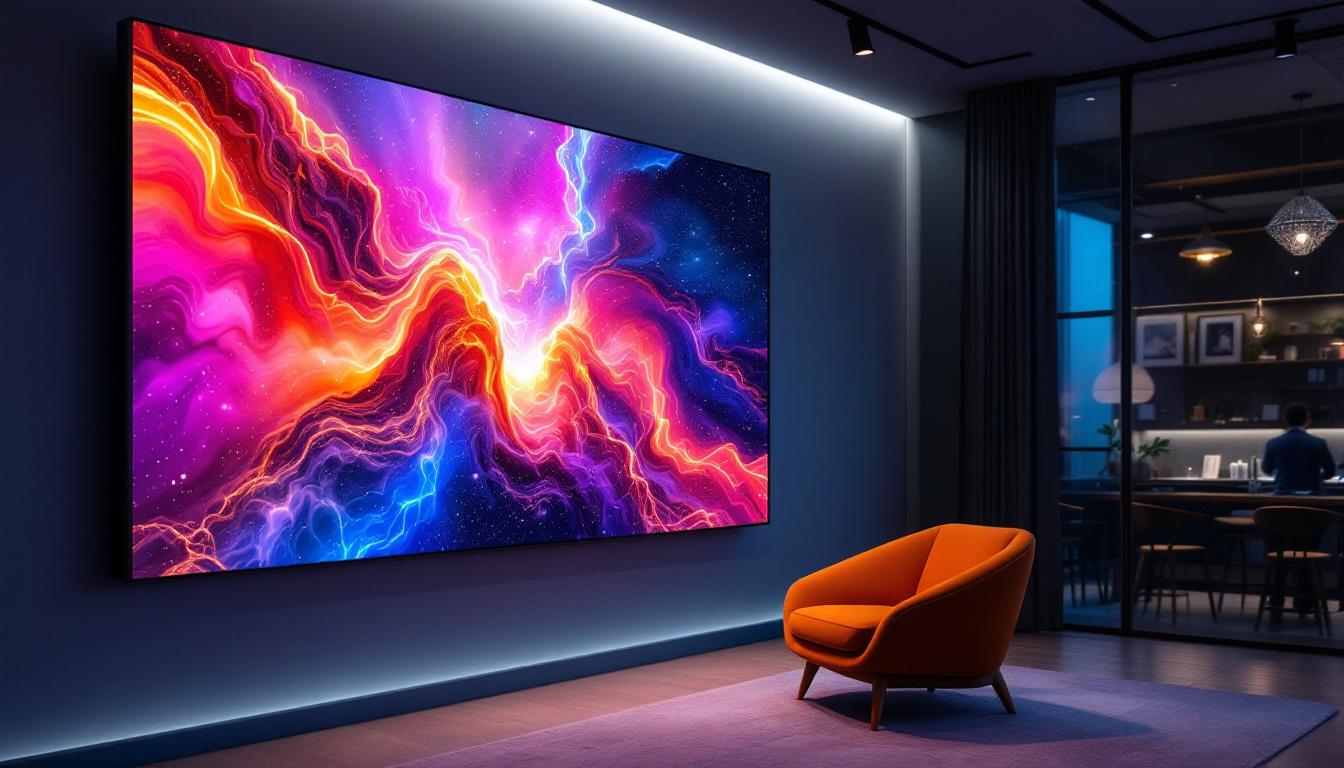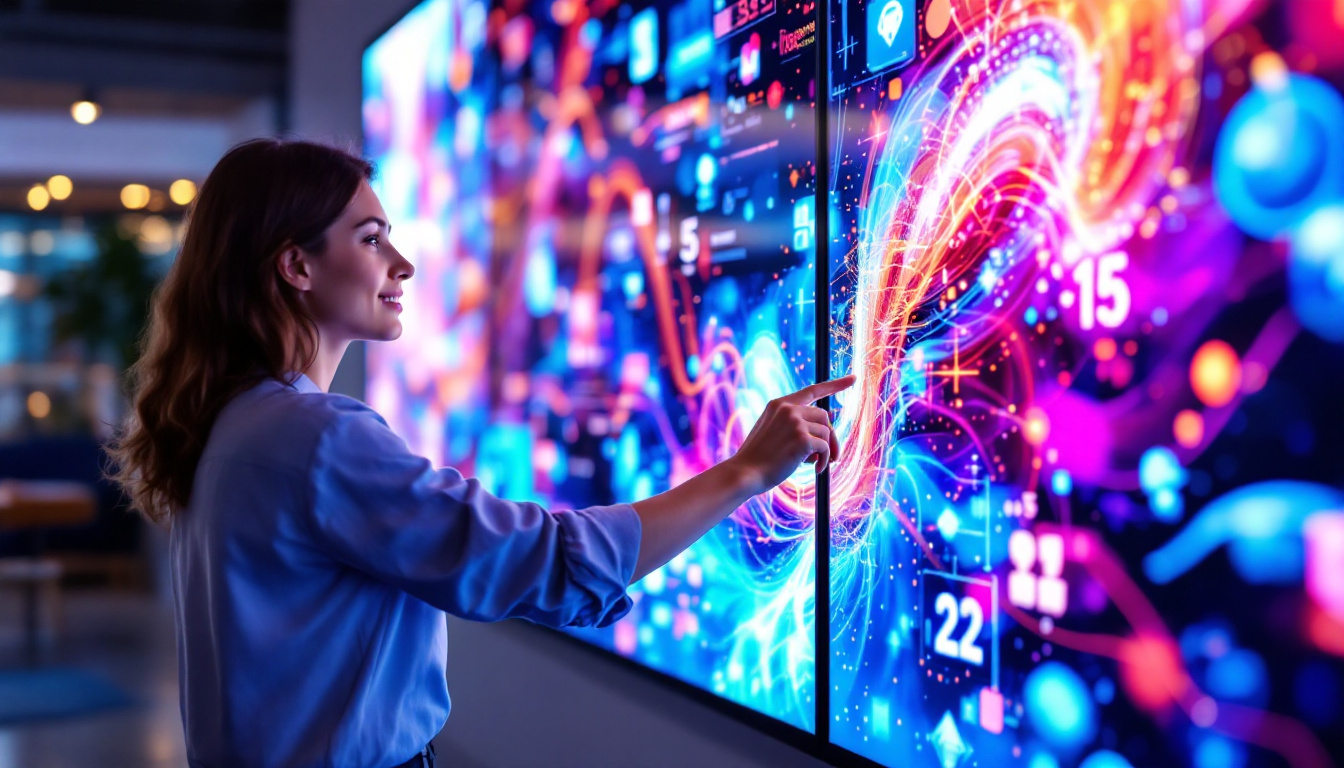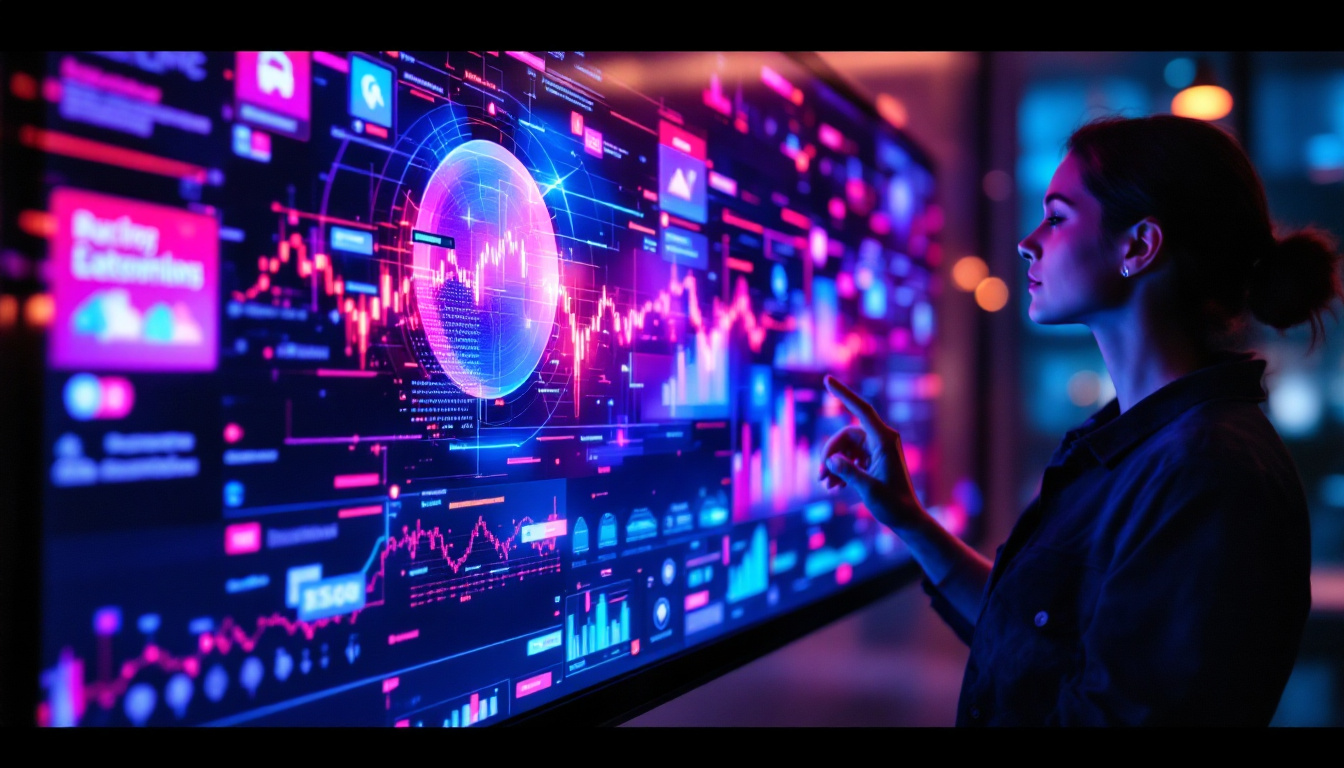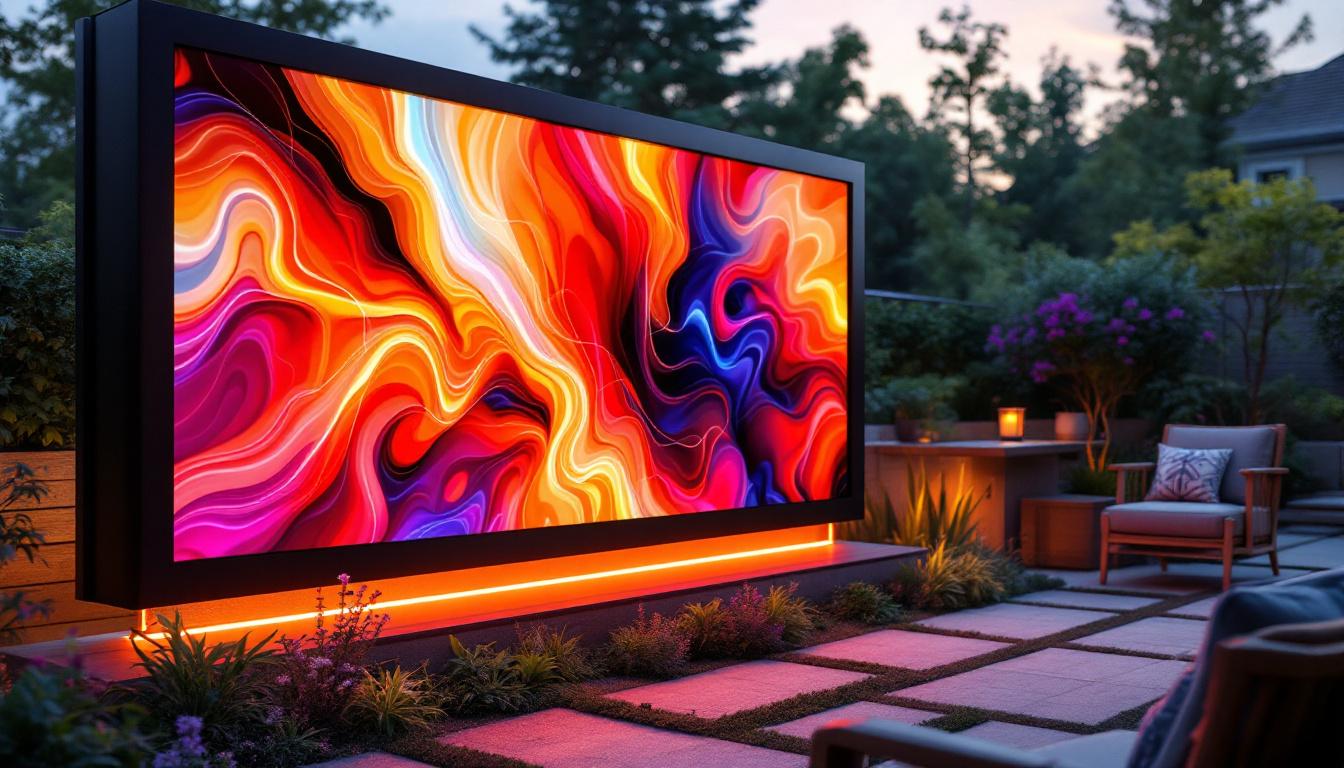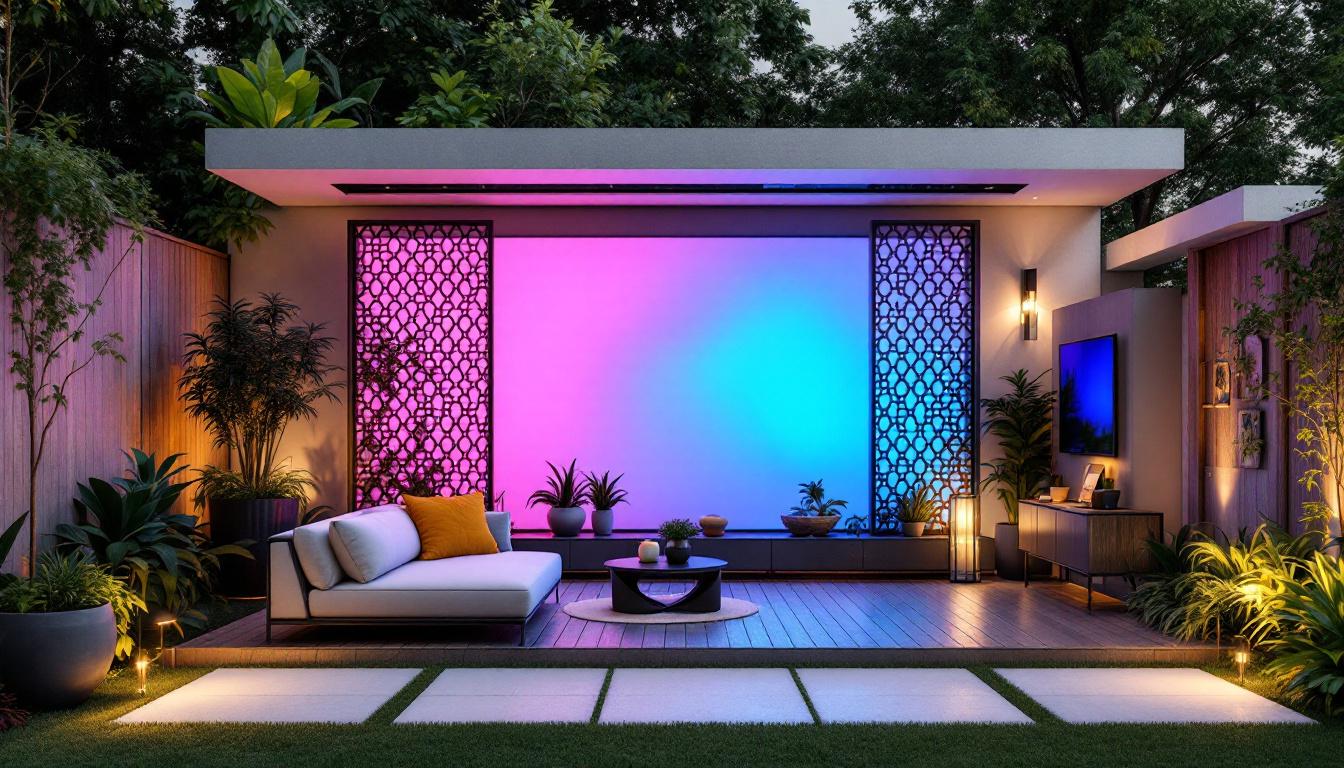
In modern architectural and design projects, privacy solutions have evolved far beyond traditional fences and walls. One innovative approach gaining traction is the use of lattice panels integrated with LED displays. This combination offers not only effective privacy screening but also dynamic visual appeal, transforming ordinary spaces into engaging environments. This article explores the concept of lattice panels for privacy, the role of LED displays in enhancing these structures, and practical considerations for their implementation.
Understanding Lattice Panels and Their Privacy Benefits
What Are Lattice Panels?
Lattice panels are decorative architectural elements composed of a crisscrossed pattern of strips, typically made from wood, metal, or synthetic materials. Originally used in garden trellises and fencing, lattice panels provide a semi-transparent barrier that balances openness with seclusion. Their design allows air and light to pass through while obstructing direct lines of sight, making them ideal for privacy screening in both residential and commercial settings. Beyond their functional attributes, lattice panels can also serve as a canvas for climbing plants, enhancing the aesthetic appeal of gardens and patios. This dual purpose not only beautifies outdoor spaces but also contributes to biodiversity by providing habitats for various species of insects and birds.
Privacy Advantages of Lattice Panels
The inherent design of lattice panels offers several privacy benefits. Unlike solid walls, lattice panels create a sense of enclosure without completely isolating spaces. This semi-open structure is particularly valuable in urban environments where maintaining airflow and natural light is essential. Moreover, lattice panels can be customized in terms of material, size, and pattern density to meet specific privacy requirements. For instance, tighter weaves or smaller openings can enhance seclusion, while larger gaps promote visibility and openness. Additionally, the versatility of lattice panels allows homeowners to incorporate them into various design styles, from traditional to modern, ensuring that they complement the overall aesthetic of the property.
According to a 2023 survey by the American Society of Landscape Architects, 68% of homeowners prefer lattice panels over solid fences for backyard privacy due to their aesthetic appeal and functional versatility. This trend reflects a growing demand for privacy solutions that integrate seamlessly with outdoor living spaces. Furthermore, lattice panels can be adorned with decorative elements such as fairy lights or hanging planters, transforming them into focal points that enhance the ambiance of outdoor gatherings. The ability to personalize these panels not only boosts their visual charm but also allows homeowners to express their individual style while enjoying the benefits of privacy and shelter from the elements.
The Integration of LED Displays with Lattice Panels
What Are LED Displays?
Light Emitting Diode (LED) displays are screens composed of numerous small light sources that emit bright, energy-efficient illumination. Widely used in advertising, entertainment, and architectural lighting, LED displays can showcase images, videos, and dynamic lighting effects. Their durability and adaptability make them suitable for both indoor and outdoor applications. The technology behind LED displays has evolved significantly over the years, leading to advancements in resolution, color accuracy, and brightness. This evolution has allowed for a more immersive viewing experience, whether in a bustling city square or a cozy indoor setting.
Why Combine LED Displays with Lattice Panels?
Integrating LED displays into lattice panels transforms a static privacy screen into an interactive and visually engaging feature. This fusion allows property owners to enjoy privacy while simultaneously enhancing the ambiance of their space with customizable lighting or digital content. For commercial venues such as restaurants, hotels, and retail stores, this combination can serve as an eye-catching branding or promotional tool. Imagine a restaurant patio where the lattice panels not only provide a sense of seclusion but also display vibrant images of seasonal dishes or special events, enticing passersby to step inside.
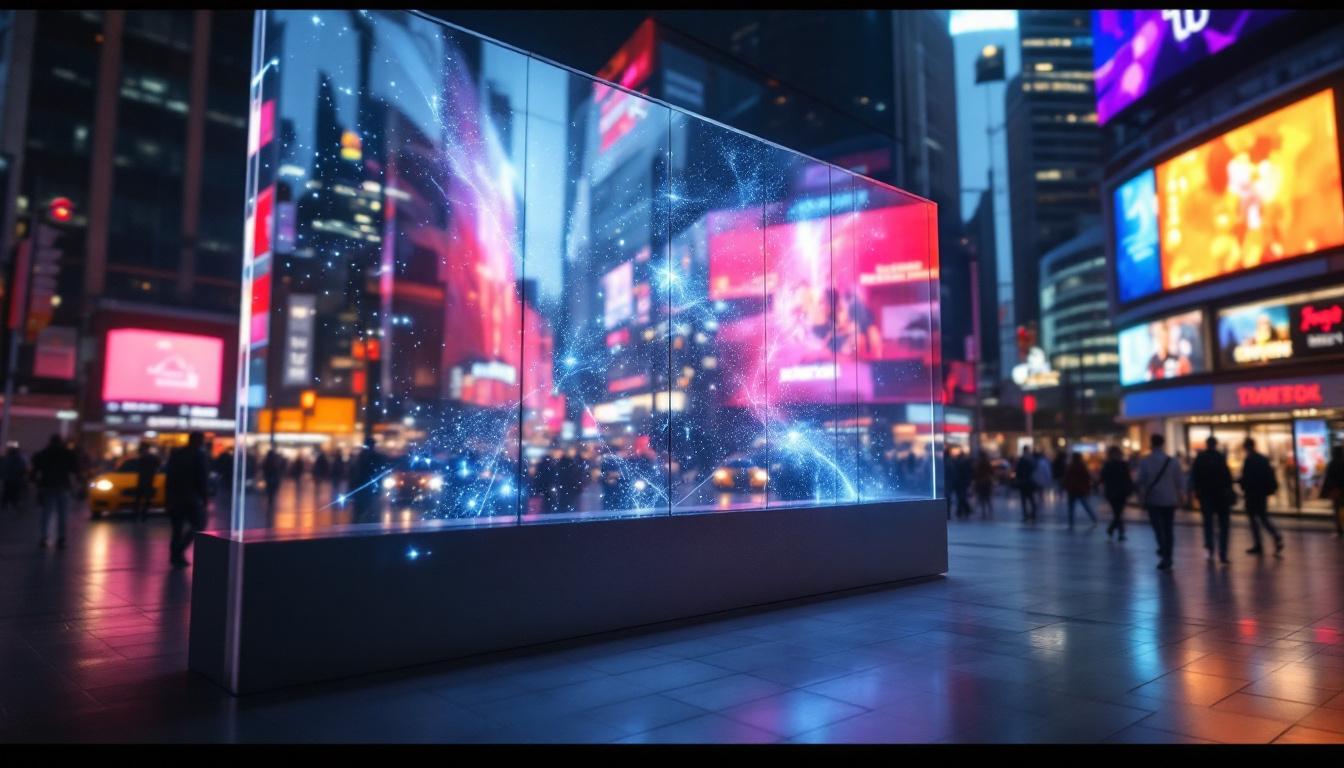
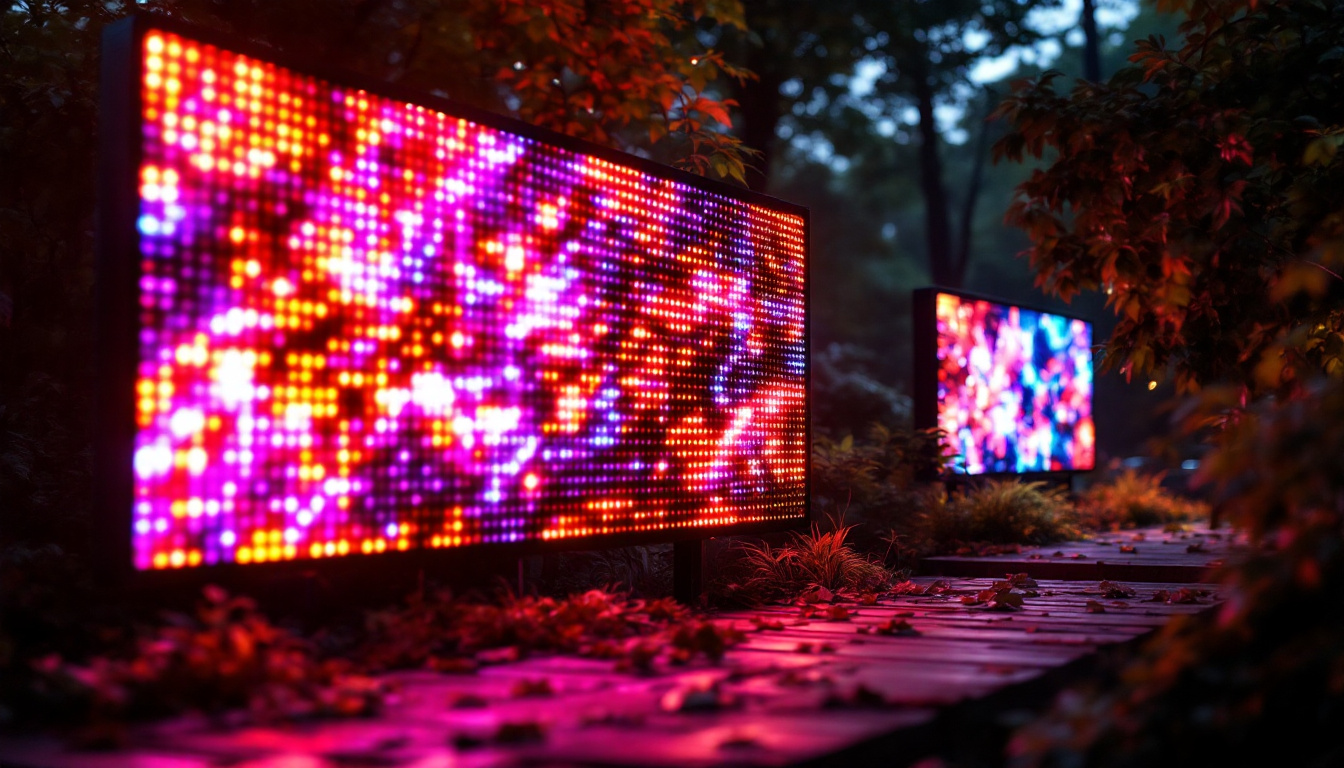
From a technical standpoint, LED lattice panels can be designed to maintain the semi-transparent quality of traditional lattice while embedding discrete LED modules. These modules can be programmed to display patterns, colors, or messages without compromising the panel’s primary function as a privacy barrier. The versatility of this design allows for a range of applications, from artistic installations that respond to music or movement to practical uses such as wayfinding in large venues. Additionally, the integration of smart technology can enable remote control and scheduling of content, making it easier for businesses to adapt their displays to different times of day or special occasions, thus maximizing engagement and impact.
Furthermore, the environmental benefits of LED technology cannot be overlooked. Compared to traditional lighting methods, LEDs consume significantly less energy and have a longer lifespan, reducing both operational costs and waste. This eco-friendly aspect aligns well with the growing trend of sustainable design in architecture and urban planning. As cities strive to become more energy-efficient, the incorporation of LED displays into lattice panels not only enhances aesthetic appeal but also contributes to a greener future. By choosing materials and technologies that prioritize sustainability, property owners can create spaces that are not only visually stunning but also environmentally responsible.
Applications and Benefits of LED-Enhanced Lattice Panels
Residential Uses
In residential settings, LED lattice panels offer homeowners a unique way to enhance outdoor privacy while adding an element of style. For example, a backyard deck enclosed with LED lattice panels can provide a cozy, private retreat that also serves as an ambient lighting source for evening gatherings. Homeowners can customize the lighting to reflect moods or seasonal themes, creating a dynamic environment that traditional fencing cannot match.
Additionally, LED lattice panels can be used to highlight landscaping features or pathways, improving safety and aesthetics simultaneously.
Commercial and Public Spaces
Businesses and public spaces benefit significantly from the multifunctionality of LED lattice panels. Restaurants and cafes can use these panels to create private dining areas that also display promotional content or artistic visuals. Hotels and resorts may incorporate LED lattice panels in outdoor lounges or pool areas to enhance guest experience with mood lighting and privacy.
Moreover, urban planners and architects are increasingly using LED lattice panels in public parks and plazas to provide privacy zones while integrating public art or informational displays. This approach enhances community engagement and adds value to public infrastructure.
Energy Efficiency and Sustainability
LED technology is renowned for its energy efficiency, consuming up to 75% less energy than traditional incandescent lighting. When integrated into lattice panels, LEDs provide a sustainable lighting solution that reduces electricity costs and environmental impact. Additionally, many LED systems are compatible with solar power, further enhancing their eco-friendliness.
Choosing durable materials for lattice panels, such as powder-coated aluminum or recycled plastics, complements the sustainability goals by ensuring longevity and minimizing maintenance.
Design Considerations for LED Lattice Panels
Material Selection
The choice of material significantly influences the durability, appearance, and functionality of LED lattice panels. Wood offers a natural aesthetic but requires regular maintenance and may not be ideal for embedding electronics. Metals like aluminum provide strength and corrosion resistance, making them suitable for outdoor LED integration. Synthetic materials, including high-density polyethylene (HDPE), offer weather resistance and flexibility in design.
LED Module Placement and Visibility
Strategic placement of LED modules within the lattice pattern is crucial to maintaining privacy while maximizing visual impact. Designers must balance the density of LEDs with the openness of the lattice to ensure the panel remains an effective privacy screen. Advanced LED technologies, such as micro-LEDs, allow for smaller, less obtrusive light sources, enhancing the seamless integration of lighting and lattice structure.
Control Systems and Customization
Modern LED lattice panels often include programmable control systems that enable users to customize lighting effects, schedules, and brightness levels. Integration with smart home or building automation systems allows for remote control and energy optimization. Some systems support interactive features, such as motion sensors or ambient light adjustments, providing an adaptive privacy and lighting solution.
Installation and Maintenance Insights
Installation Challenges and Solutions
Installing LED lattice panels requires careful planning to accommodate electrical wiring, weatherproofing, and structural support. Professional installation ensures that LED components are securely mounted and protected from environmental factors such as moisture and temperature fluctuations. Additionally, consideration must be given to power supply access and potential integration with existing lighting systems.
Maintenance Requirements
LED lattice panels generally require minimal maintenance compared to traditional lighting. Periodic cleaning to remove dust and debris helps maintain brightness and appearance. Inspecting electrical connections and LED modules ensures long-term functionality. Selecting high-quality, weather-resistant components reduces the likelihood of damage and extends the lifespan of the installation.
Future Trends and Innovations
Advancements in LED Technology
Emerging LED technologies, such as flexible and transparent LEDs, are poised to revolutionize lattice panel design. These innovations enable even more seamless integration of lighting with architectural elements, offering greater design freedom and enhanced privacy solutions. Transparent OLED displays, for instance, could allow lattice panels to switch between opaque and transparent states dynamically.
Smart Privacy Solutions
The integration of sensors, artificial intelligence, and IoT connectivity is leading to smarter privacy solutions. LED lattice panels may soon adapt in real-time to environmental conditions, user preferences, or security needs. For example, panels could increase opacity or brightness based on time of day or occupancy, providing a responsive and energy-efficient privacy system.
Conclusion
Lattice panels combined with LED displays represent a sophisticated approach to privacy that aligns with contemporary design and technological trends. They offer a versatile solution that balances seclusion, aesthetic appeal, and functional lighting. Whether for residential backyards, commercial venues, or public spaces, LED-enhanced lattice panels provide a unique way to redefine privacy while adding dynamic visual interest.
As LED technology continues to advance and design possibilities expand, these innovative panels are set to become a staple in modern privacy solutions, offering sustainable, customizable, and engaging environments for a wide range of applications.
Discover the Future of Privacy and Aesthetics with LumenMatrix
Ready to elevate your space with the perfect blend of privacy, innovation, and visual splendor? LumenMatrix is at the forefront of LED display technology, offering a diverse range of solutions tailored to your unique needs. From mesmerizing Indoor LED Walls to vibrant Outdoor Displays, and from sleek LED Posters to dynamic Sports and Floor Displays, we have everything to transform your environment. Embrace the future of architectural design and visit LumenMatrix LED Display Solutions to discover how our cutting-edge products can create an engaging, customizable, and sustainable experience for your audience.