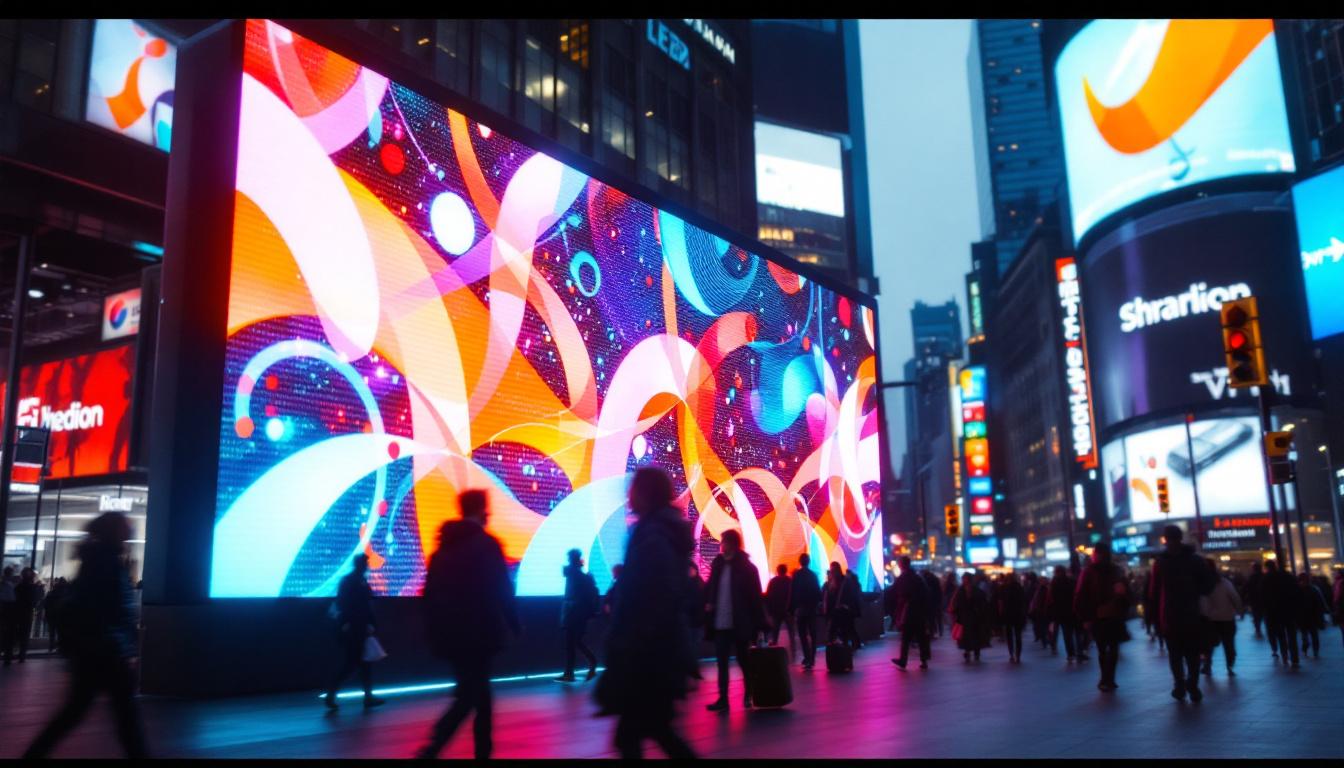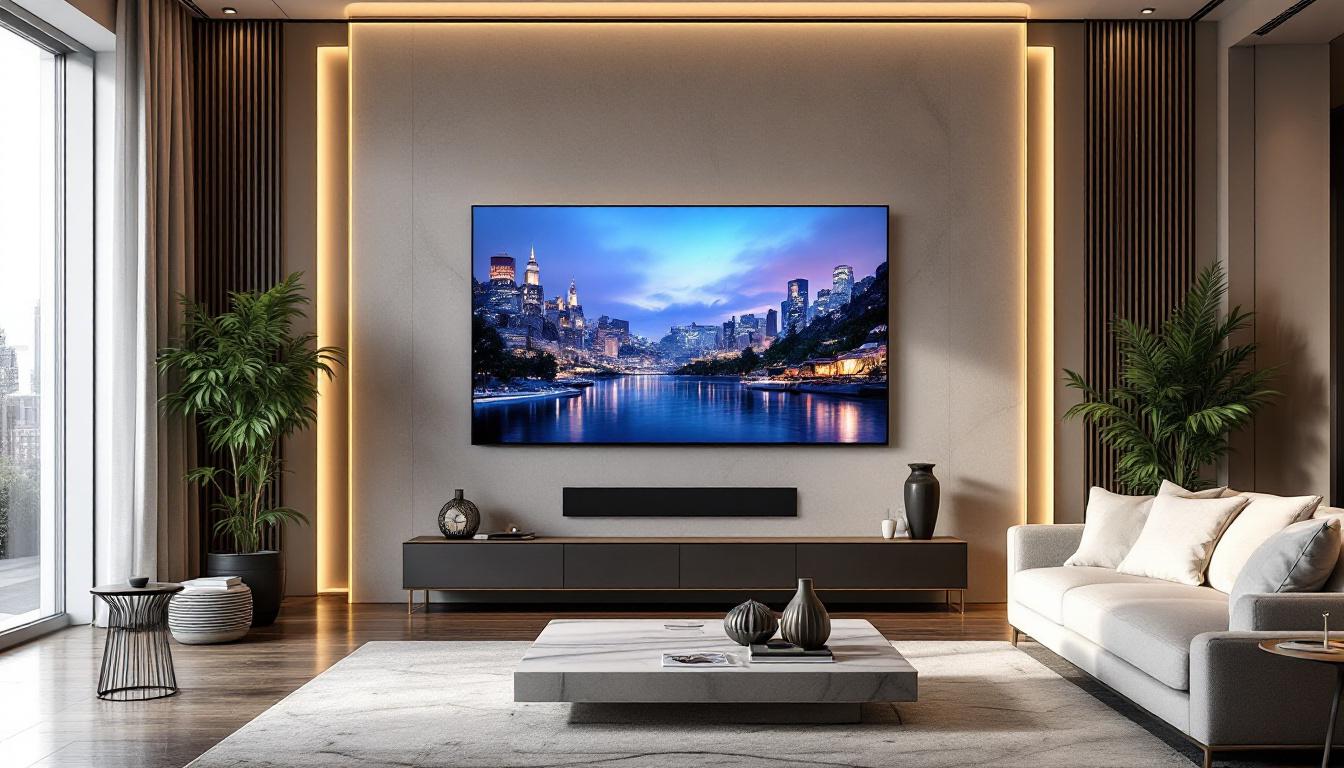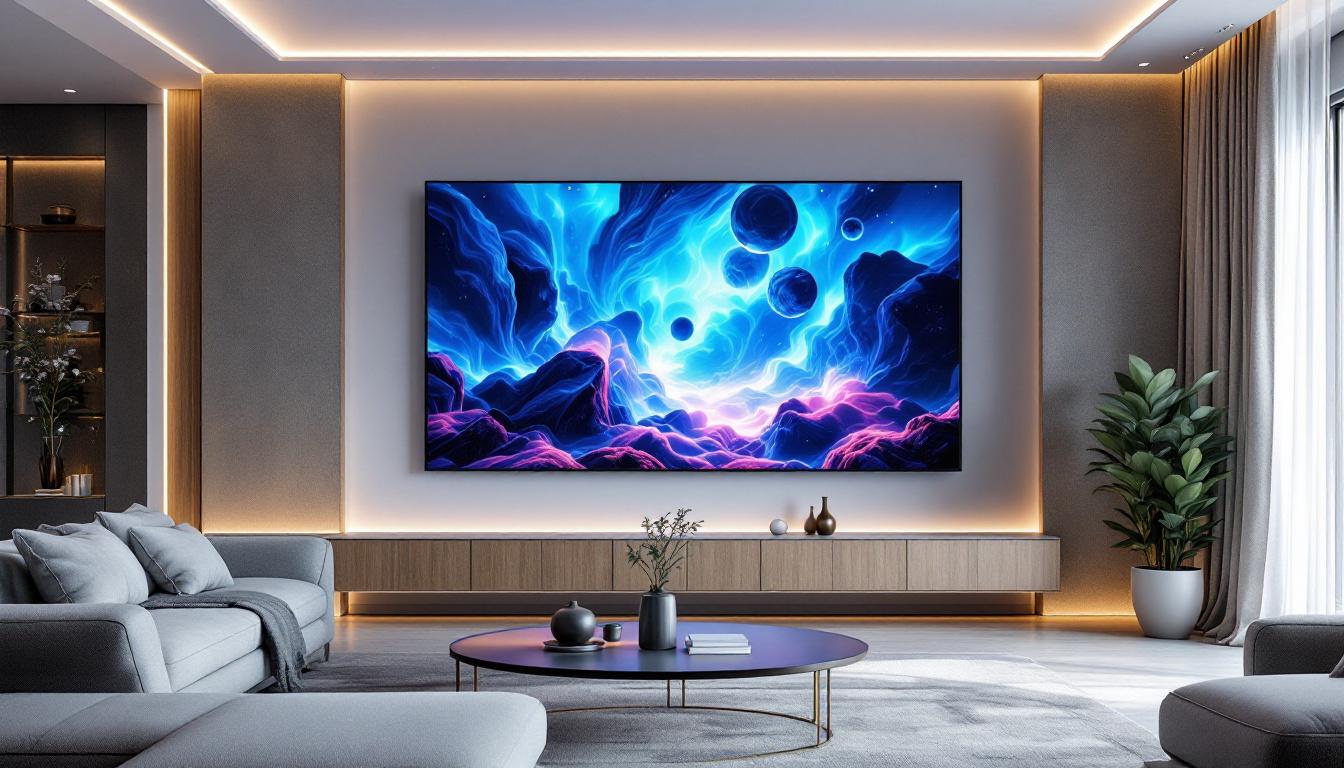
In recent years, the use of TV media walls featuring LED displays has transformed the way businesses, broadcasters, and public venues engage their audiences. These expansive, high-resolution screens combine multiple LED panels to create a seamless visual experience that captivates viewers with vibrant colors and sharp images. Whether installed in corporate lobbies, retail spaces, control rooms, or event venues, LED media walls offer unmatched flexibility and impact compared to traditional display technologies.
This article delves into the fundamentals of TV media walls powered by LED displays, exploring their technology, benefits, applications, and considerations for selecting the right solution. Understanding these elements will help organizations make informed decisions when investing in this dynamic visual communication tool.
Understanding LED Display Technology
What Are LED Displays?
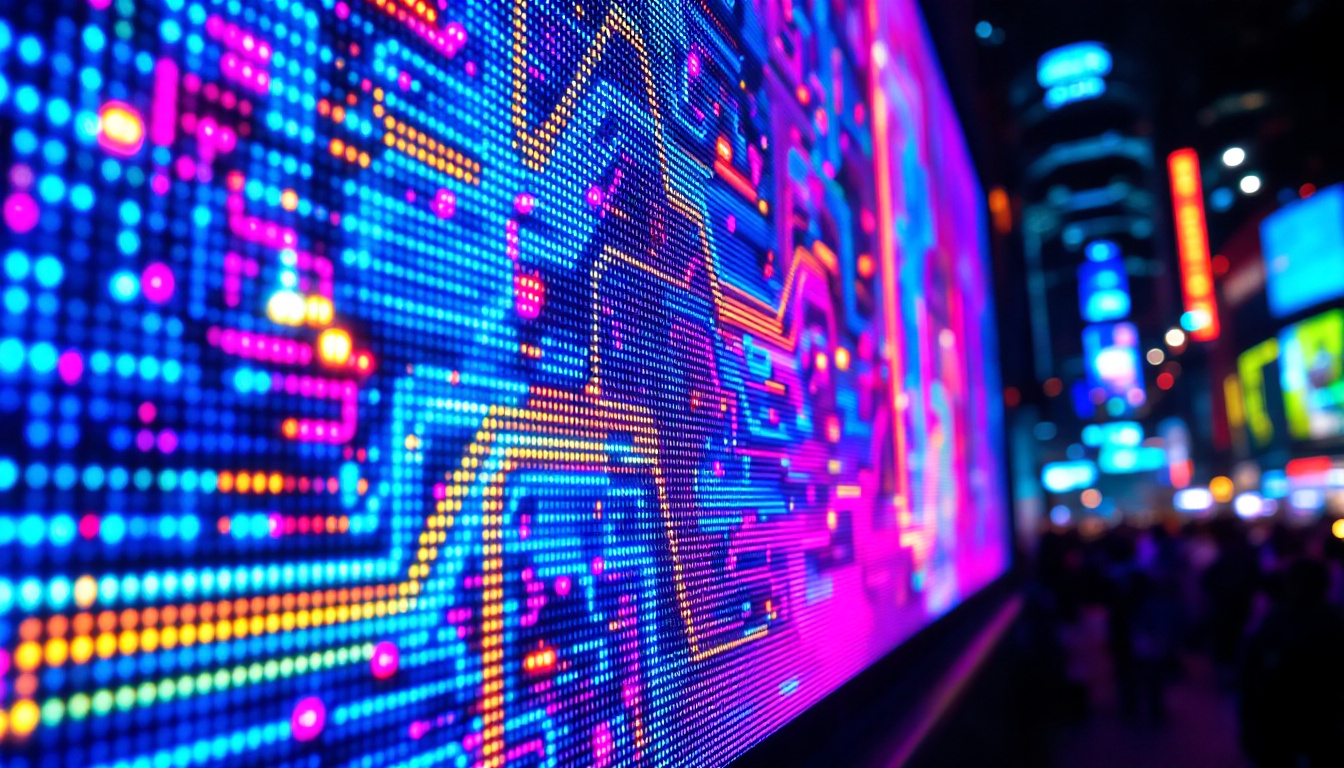
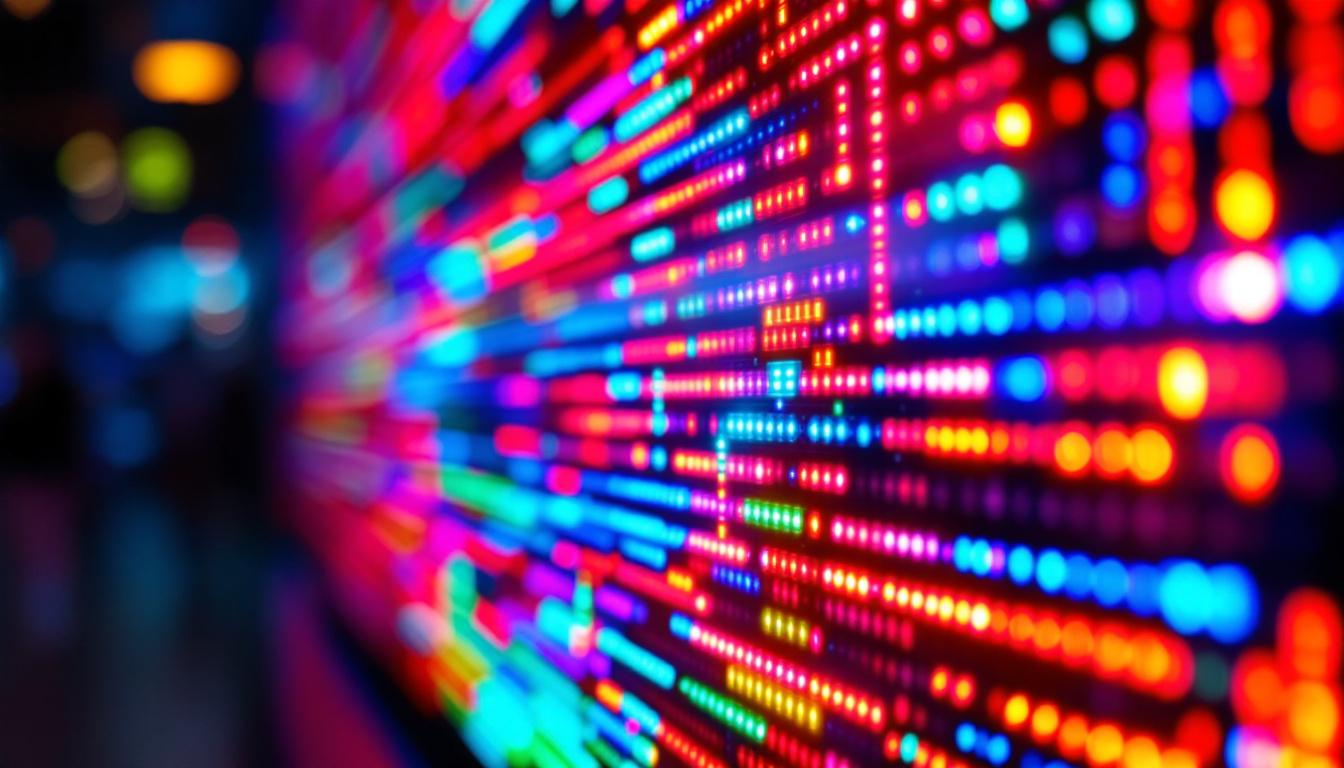
LED stands for Light Emitting Diode, a semiconductor device that emits light when an electric current passes through it. LED displays are composed of thousands or millions of these tiny diodes arranged in a grid to form pixels. Each pixel can produce different colors by combining red, green, and blue LEDs, allowing the display to render full-color images and videos.
Unlike LCD or projection-based displays, LED screens are self-illuminating, meaning each diode emits its own light. This characteristic enables LED displays to deliver superior brightness levels, contrast ratios, and color accuracy, making them ideal for environments with varying lighting conditions. Furthermore, the energy efficiency of LED technology is noteworthy; it consumes significantly less power compared to traditional display technologies, which not only reduces operational costs but also minimizes environmental impact. This efficiency is particularly beneficial for large installations, where energy consumption can be a major concern.
Types of LED Displays Used in Media Walls
LED media walls generally fall into two categories based on the LED packaging technology: SMD (Surface-Mount Device) and DIP (Dual In-line Package).
- SMD LED Displays: These use smaller, surface-mounted LEDs that combine red, green, and blue diodes into a single pixel unit. SMD technology allows for higher pixel density and closer viewing distances, making it suitable for indoor media walls where viewers are near the screen. The compact nature of SMD displays also enables more versatile designs, allowing for creative shapes and configurations that can enhance the visual experience in spaces like retail environments, exhibitions, and corporate settings.
- DIP LED Displays: Featuring larger, individual LEDs, DIP displays are typically brighter and more durable, making them ideal for outdoor or large-scale installations where visibility from a distance is critical. These displays are often used in stadiums, billboards, and other public venues where they need to withstand harsh weather conditions while maintaining high visibility and impact.
Choosing between SMD and DIP depends on the intended application, viewing distance, and environmental factors. Additionally, advancements in LED technology continue to evolve, leading to innovations such as flexible LED screens and transparent displays, which open up new possibilities for creative applications. These developments not only enhance the aesthetic appeal of installations but also provide functional benefits, such as improved sightlines and interactive capabilities, further enriching the viewer’s experience.
Key Advantages of LED Media Walls
Exceptional Image Quality and Brightness
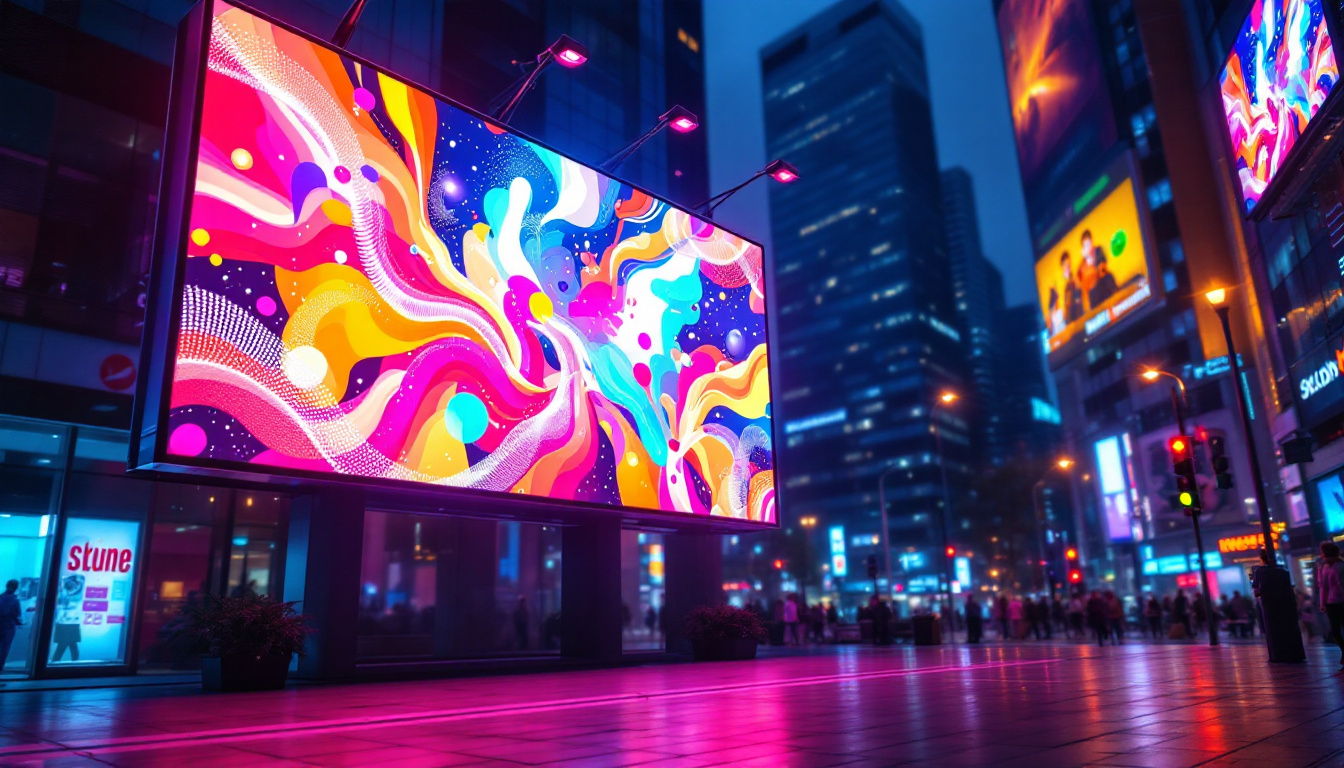
One of the primary reasons LED media walls have gained popularity is their outstanding image quality. With brightness levels often exceeding 1,000 nits, LED displays remain clearly visible even in brightly lit environments such as shopping malls or outdoor venues. The high contrast ratio, due to the self-emissive nature of LEDs, produces deep blacks and vivid colors, resulting in a visually striking presentation. This exceptional image quality is further enhanced by advanced technologies such as HDR (High Dynamic Range), which allows for a broader range of colors and improved detail in both the brightest and darkest areas of the image. As a result, viewers experience a more immersive and engaging visual experience, making LED media walls an ideal choice for advertising, entertainment, and information dissemination.
Scalability and Flexibility
LED media walls can be customized to virtually any size or shape by combining multiple panels. This modularity allows for creative designs that fit architectural constraints or branding requirements. Whether it’s a massive video wall spanning an entire building facade or a curved display in a corporate boardroom, LED technology adapts seamlessly. The ability to create unique configurations not only enhances the aesthetic appeal of a space but also allows for dynamic content presentation that can be tailored to specific events or themes. For instance, during a product launch, a company might opt for a large, immersive display that wraps around the audience, drawing them into the experience and leaving a lasting impression.
Additionally, LED displays offer flexible aspect ratios and resolutions. This adaptability is critical for delivering content that matches the specific needs of different venues and audiences. For example, a sports arena might utilize a wide aspect ratio for live game broadcasts, while a gallery could display high-resolution images in a more traditional format. This versatility ensures that LED media walls can effectively communicate a wide range of messages, from promotional content to artistic displays, making them a valuable asset in any setting.
Durability and Longevity
LED panels are known for their robustness and long operational lifespan, often exceeding 100,000 hours of use. Unlike other display technologies that degrade over time or require frequent maintenance, LED media walls maintain consistent performance with minimal upkeep. Many LED modules are designed to withstand harsh environmental conditions, including temperature fluctuations, humidity, and dust, making them suitable for both indoor and outdoor installations. This resilience not only reduces the total cost of ownership but also ensures that the display continues to perform at peak levels, even in challenging environments.
Moreover, advancements in LED technology have led to the development of energy-efficient models that consume less power while delivering the same high-quality visuals. This not only contributes to lower operating costs but also aligns with sustainability efforts, as businesses increasingly seek to reduce their carbon footprint. By investing in LED media walls, organizations can showcase their commitment to innovation and environmental responsibility while enjoying the long-term benefits of a reliable and visually stunning display solution.
Applications of TV Media Walls with LED Displays
Corporate and Commercial Spaces
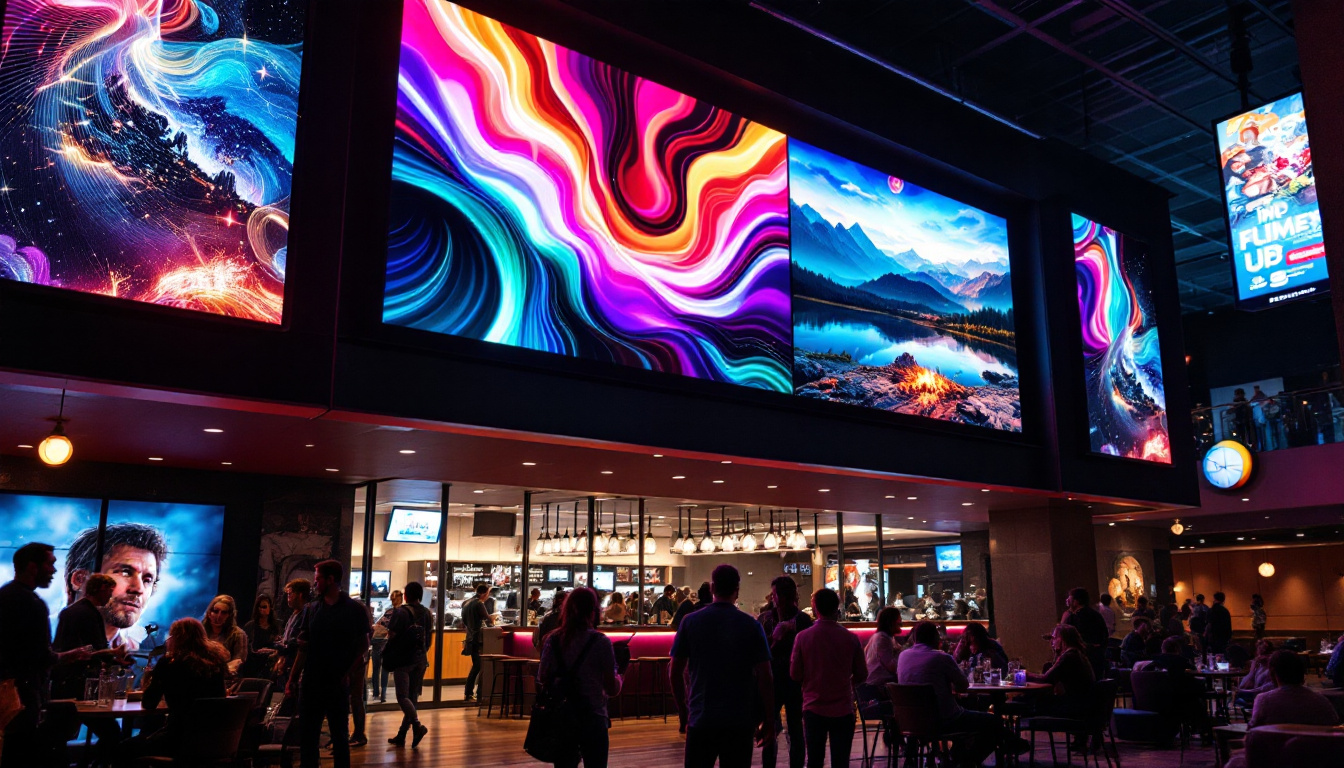
In corporate environments, LED media walls serve as powerful communication tools. They are commonly used in lobbies to showcase company branding, display real-time data, or stream corporate videos. Conference rooms benefit from large LED screens for presentations and video conferencing, enhancing collaboration and engagement.
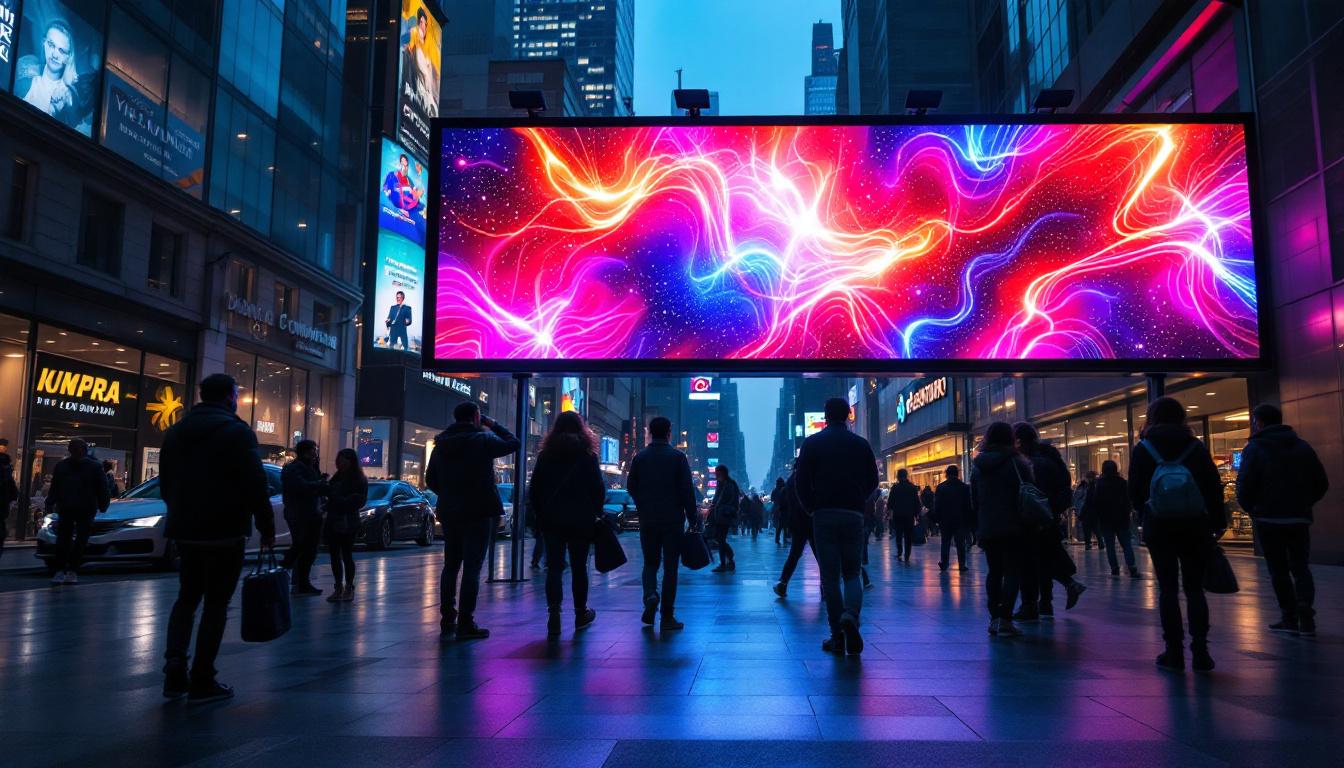
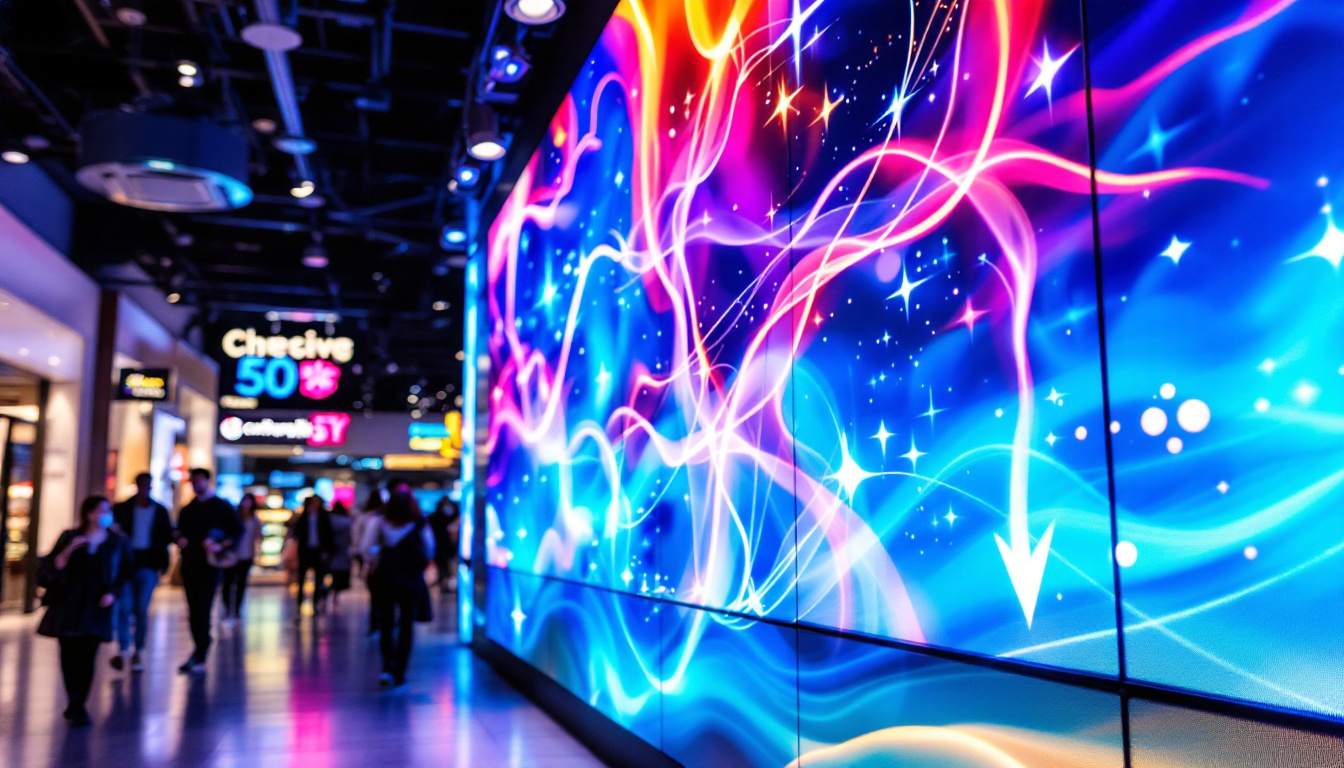
Retailers leverage LED media walls to create immersive shopping experiences, featuring dynamic advertisements, promotions, and interactive content that attract and retain customers.
Broadcast and Control Rooms
Broadcast studios rely on LED media walls to present live feeds, graphics, and news updates with impeccable clarity. The ability to customize the display layout and switch content dynamically is crucial for real-time broadcasting.
Similarly, control rooms in industries such as transportation, utilities, and emergency services use LED media walls to monitor multiple data streams simultaneously. The high resolution and brightness ensure critical information is visible at all times, supporting rapid decision-making.
Entertainment and Events
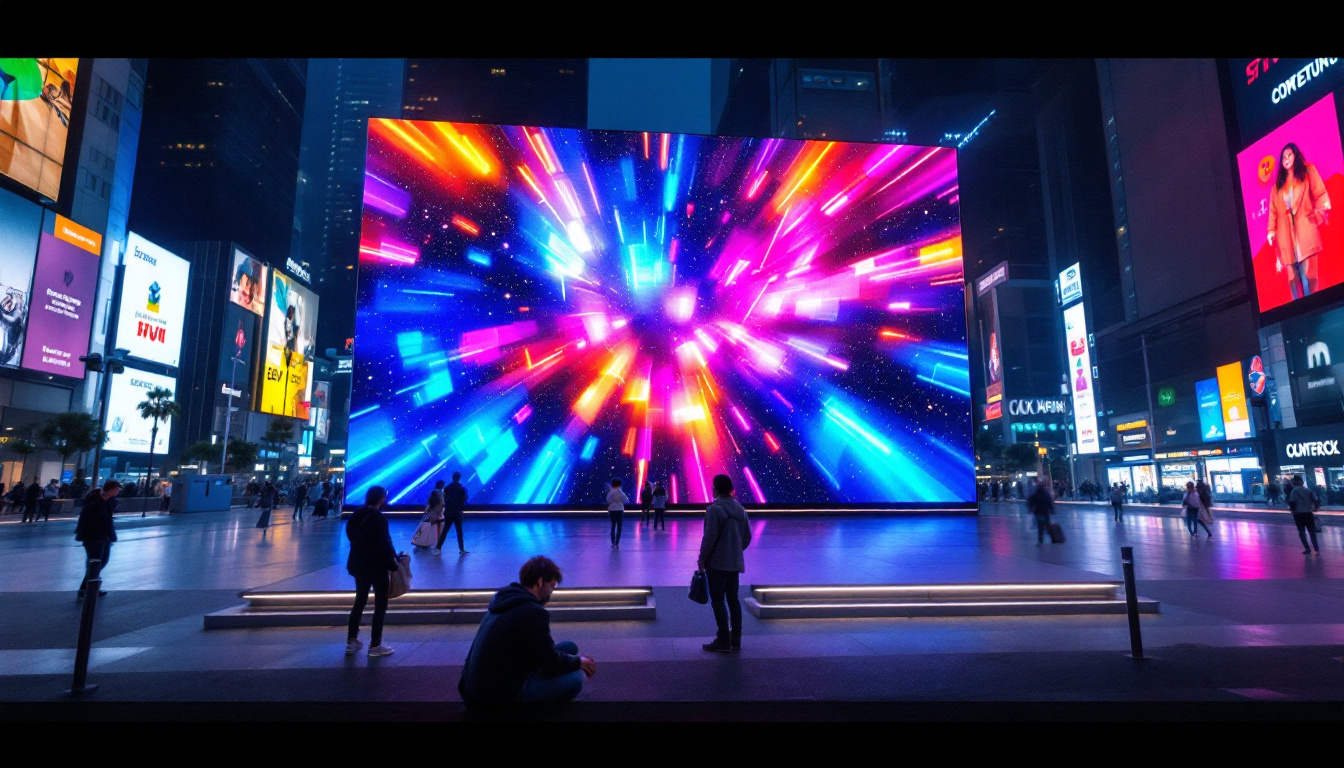
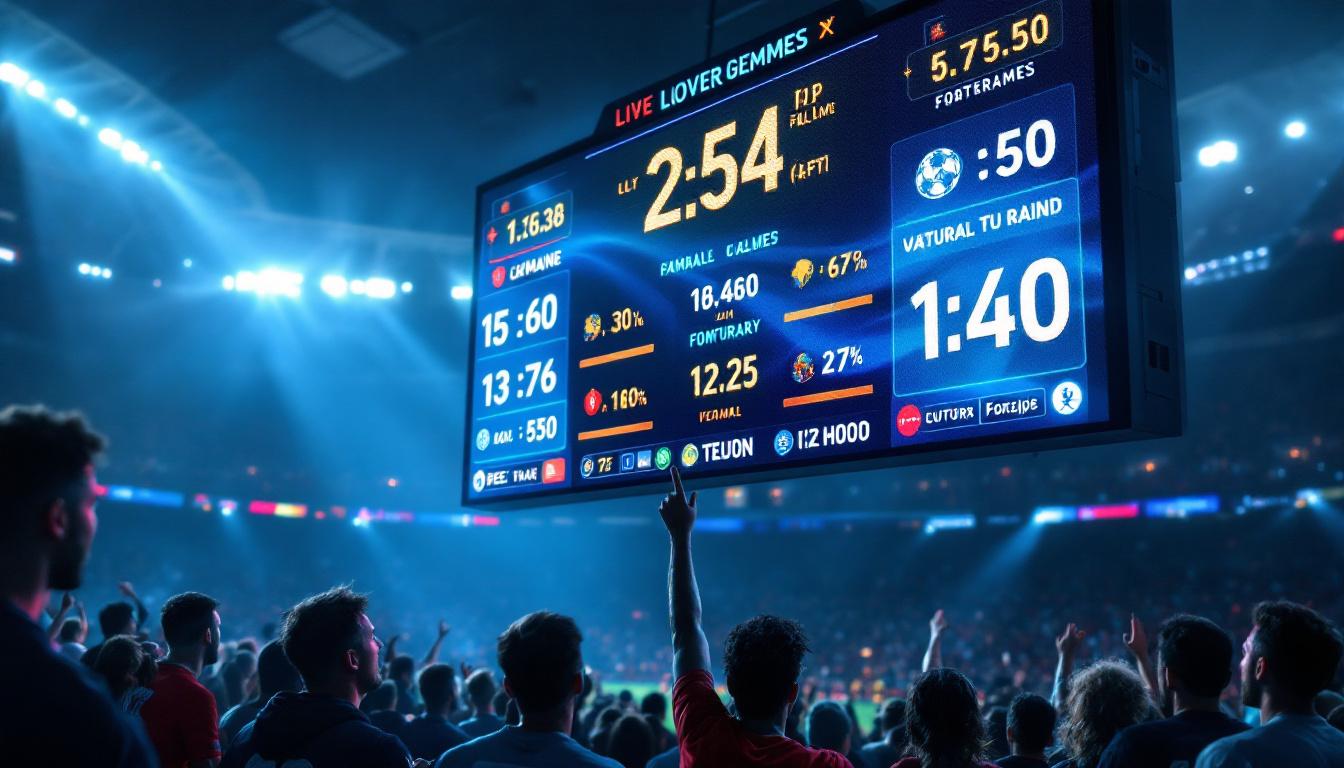
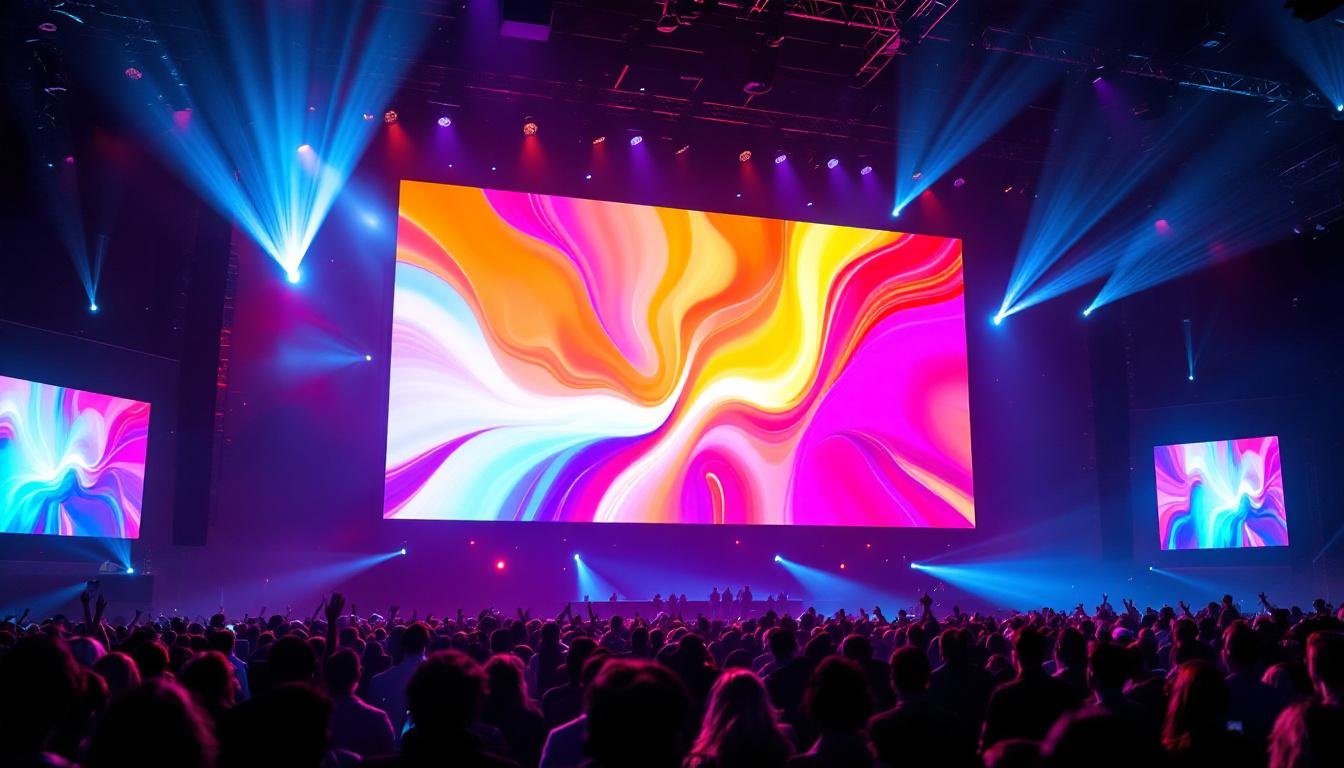
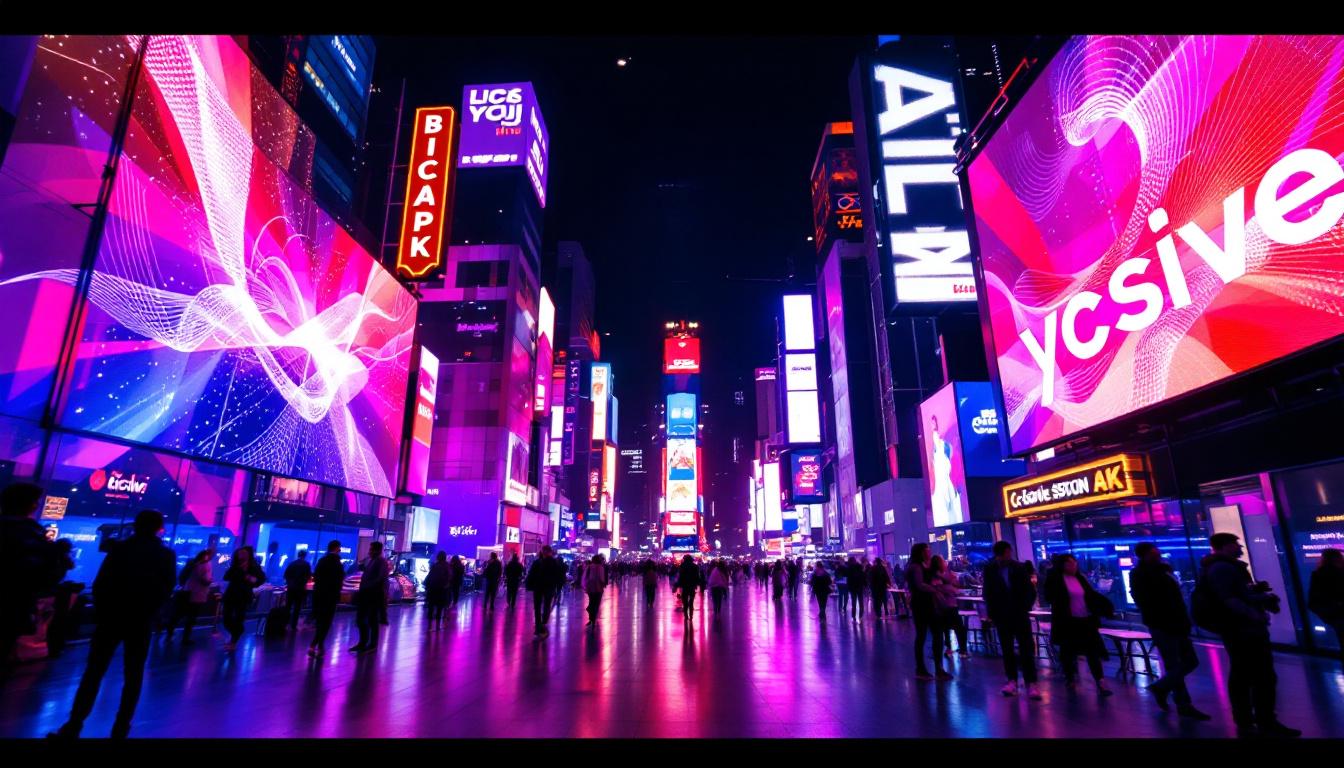
Concerts, sports arenas, and exhibition centers use large-scale LED media walls to engage audiences with live video, animations, and interactive content. The scalability of LED displays allows event organizers to create visually stunning backdrops and immersive environments.
In theaters and museums, LED media walls enhance storytelling by providing dynamic visual elements that complement performances or exhibits.
Choosing the Right LED Media Wall for Your Needs
Resolution and Pixel Pitch Considerations
Resolution is a critical factor in determining the clarity of an LED media wall. It is influenced by the pixel pitch—the distance between the centers of two adjacent pixels. Smaller pixel pitches result in higher resolution and finer image detail, suitable for close viewing distances.
For example, a pixel pitch of 1.5mm to 2.5mm is ideal for indoor environments where viewers are within a few meters of the screen. Larger pixel pitches, such as 4mm to 10mm, are better suited for outdoor or large venues where viewers are farther away.
Brightness and Viewing Environment
Assessing the ambient lighting conditions is essential when selecting an LED media wall. Indoor installations typically require brightness levels between 600 and 1,200 nits, whereas outdoor displays may demand brightness exceeding 5,000 nits to combat sunlight glare.
Additionally, consider the viewing angle to ensure consistent image quality from different perspectives. High viewing angles prevent color shifts and brightness loss when the audience is spread across a wide area.
Installation and Maintenance Factors
Modular LED panels simplify installation and future maintenance. Look for solutions that offer front and rear access options, depending on the mounting location. Front access allows maintenance without dismantling the entire wall, which is beneficial in tight spaces.
Energy efficiency is another consideration, as LED media walls can consume significant power. Choosing energy-efficient modules and incorporating smart power management can reduce operational costs.
Future Trends in LED Media Walls
Advancements in Mini-LED and Micro-LED Technologies
Emerging technologies such as Mini-LED and Micro-LED promise to push the boundaries of LED media walls even further. Mini-LEDs use thousands of tiny LEDs to improve contrast and HDR performance, while Micro-LEDs offer even higher pixel densities and energy efficiency.
These innovations are expected to deliver displays with better color accuracy, thinner profiles, and enhanced durability, opening new possibilities for immersive visual experiences.
Integration with Interactive and Smart Technologies
LED media walls are increasingly being integrated with interactive touch capabilities, sensors, and AI-driven content management systems. This integration enables personalized content delivery, real-time analytics, and seamless control across multiple screens.
Smart media walls can adapt content based on audience demographics, time of day, or environmental cues, maximizing engagement and return on investment.
Conclusion
TV media walls featuring LED displays represent a powerful and versatile solution for delivering high-impact visual communication across diverse industries. Their superior image quality, scalability, and durability make them an excellent choice for environments ranging from corporate offices to large-scale public events.
By understanding the underlying technology, key benefits, and application-specific considerations, organizations can select and implement LED media walls that effectively meet their communication goals and captivate their audiences for years to come.
Discover LumenMatrix LED Display Solutions
Ready to elevate your space with a high-impact LED media wall? LumenMatrix, a pioneer in LED display technology, offers an extensive range of innovative solutions tailored to your unique needs. From vibrant Indoor and Outdoor LED Wall Displays to dynamic Vehicle and Sports LED Displays, and even customizable options like Floor and Transparent LED Displays, LumenMatrix is committed to transforming your visual communication. Experience the difference with our All-in-One LED Display solutions and captivate your audience like never before. Check out LumenMatrix LED Display Solutions today and start creating unforgettable visual experiences.