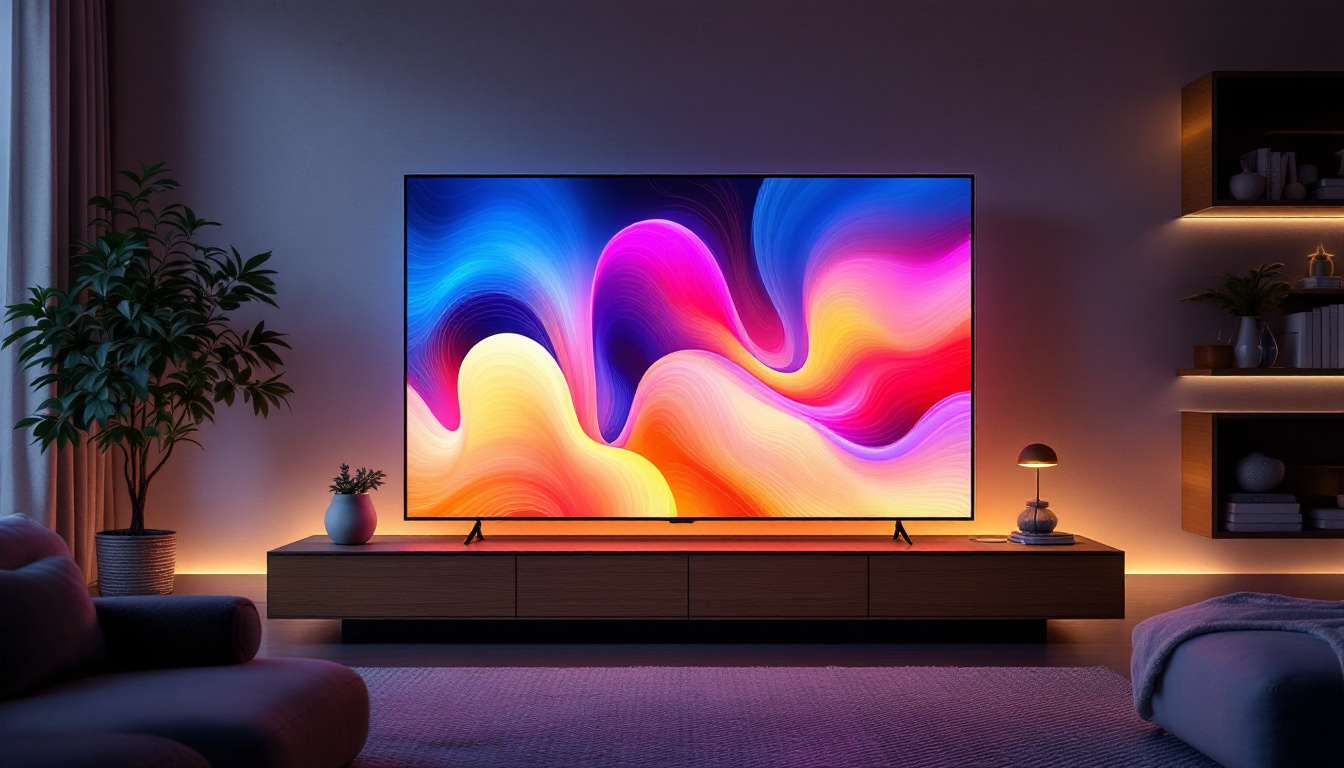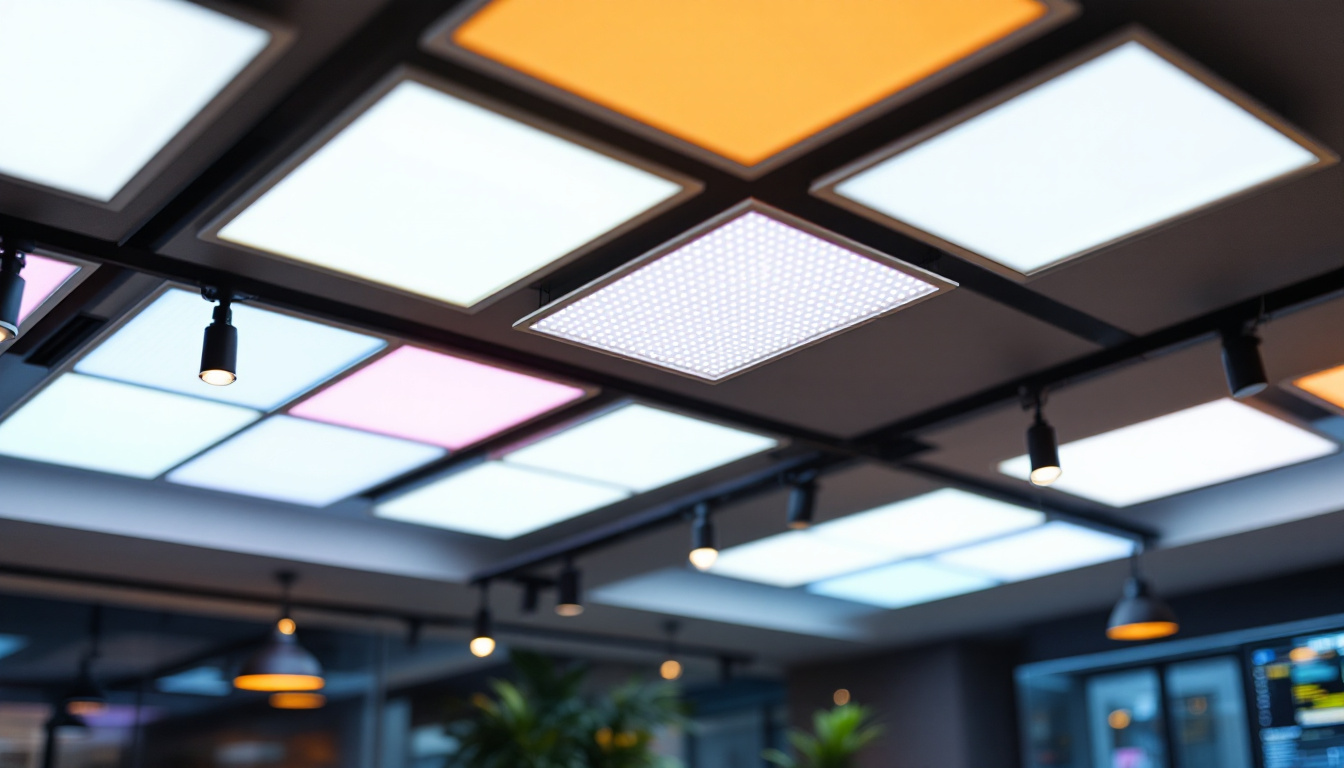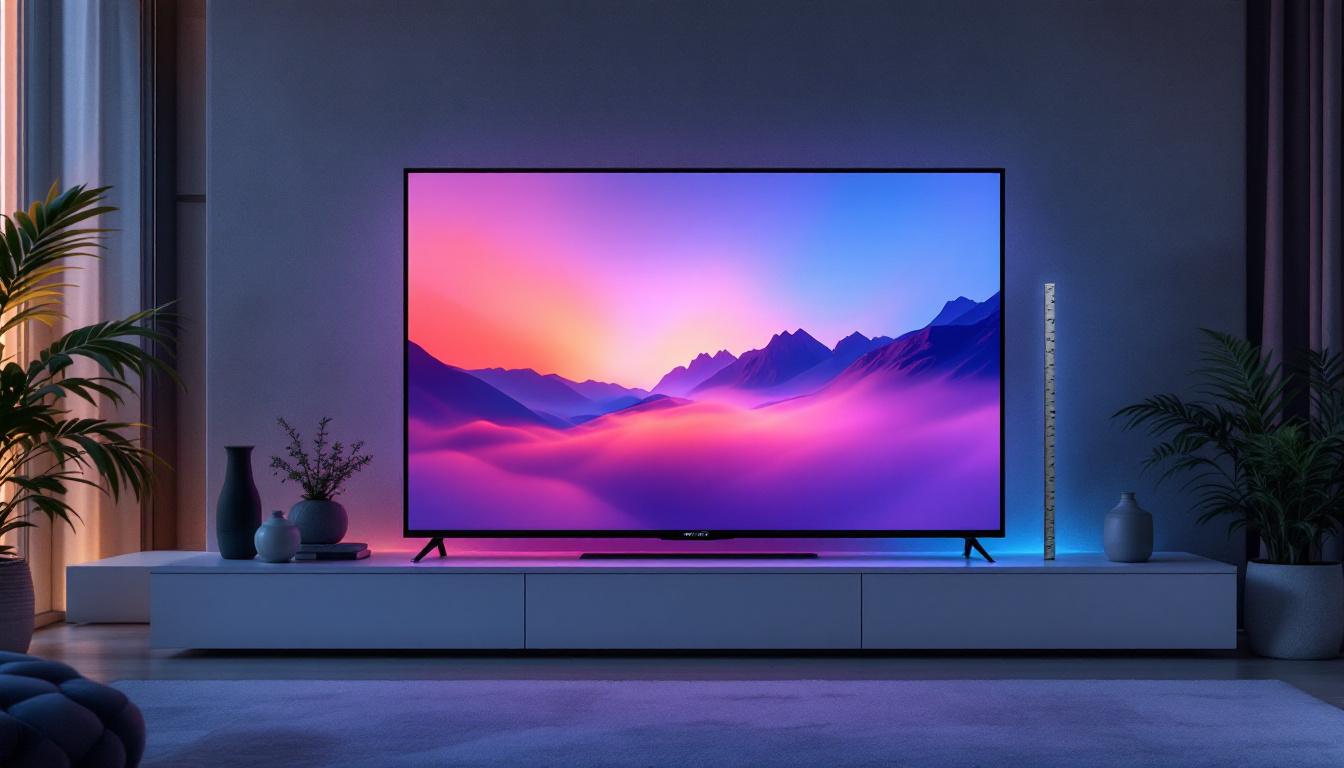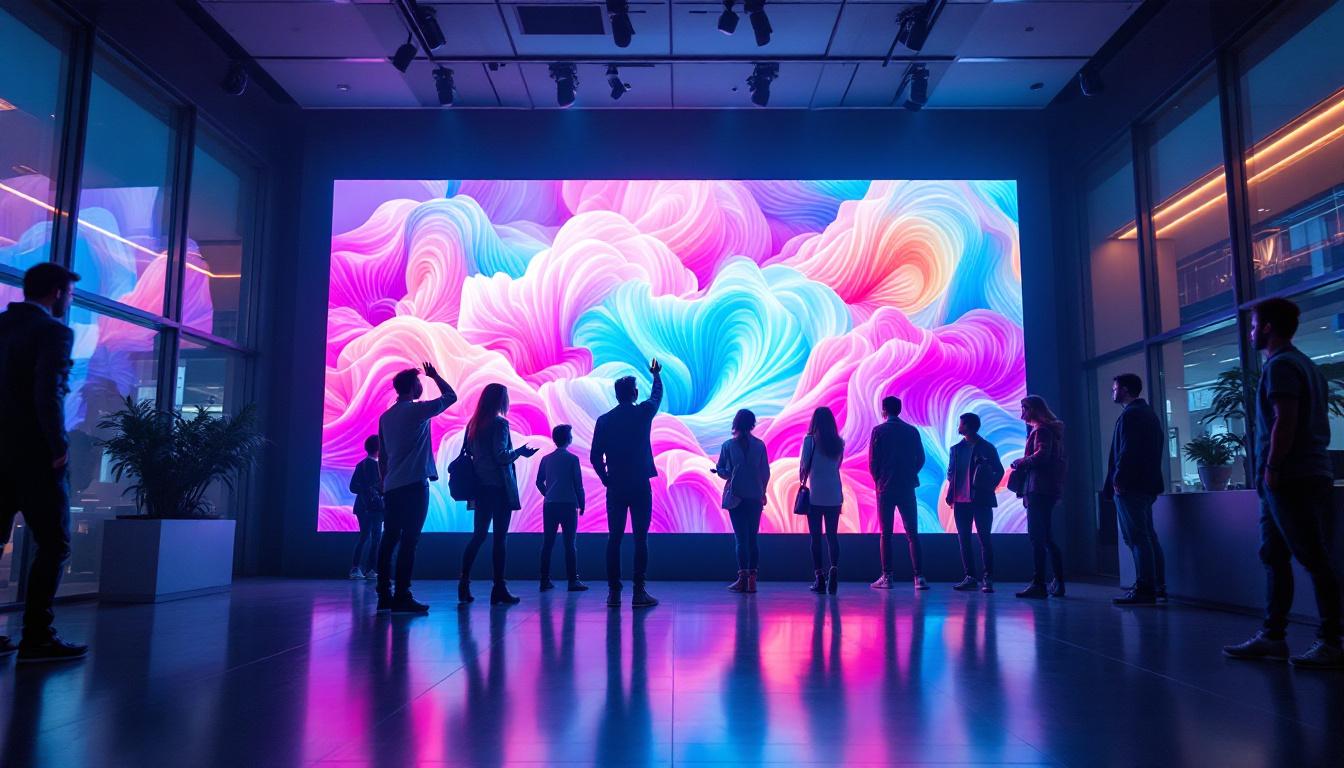
In today’s digital age, LED displays have become ubiquitous, from the giant screens in stadiums to the small panels on consumer electronics. Understanding how these displays work, their types, and their applications is essential for anyone involved in technology, marketing, or design. This article delves into the world of LED displays, explaining their technology, advantages, and the reasons behind their widespread adoption.
What is an LED Display?
LED stands for Light Emitting Diode, a semiconductor device that emits light when an electric current passes through it. An LED display is a flat panel that uses these diodes as pixels to produce images, videos, or text. Unlike traditional LCD or plasma screens, LED displays rely on tiny LEDs to create bright and vibrant visuals.
LED displays can range from small indicator lights to massive outdoor billboards. Their modular nature allows manufacturers to build screens of virtually any size and shape, making them incredibly versatile. The technology behind LED displays has evolved significantly over the past decade, leading to higher resolutions, better color accuracy, and improved energy efficiency.
How LED Displays Work
At the core of an LED display are thousands or millions of tiny LEDs arranged in a grid. Each LED acts as a pixel or part of a pixel. By controlling the intensity and color of each LED, the display can render complex images. For color displays, LEDs are typically grouped in clusters of red, green, and blue (RGB) diodes. By adjusting the brightness of each color, the display can produce a full spectrum of colors.
The control system behind the display sends signals to each LED, determining which ones light up and how brightly. This happens thousands of times per second, creating smooth video playback and dynamic content. The rapid refresh rate and high brightness levels make LED displays particularly suitable for outdoor environments and large venues.
Types of LED Displays
LED displays come in various forms, each optimized for specific applications. Understanding these types helps in selecting the right display for a given use case.
1. Direct View LED (DVLED) Displays
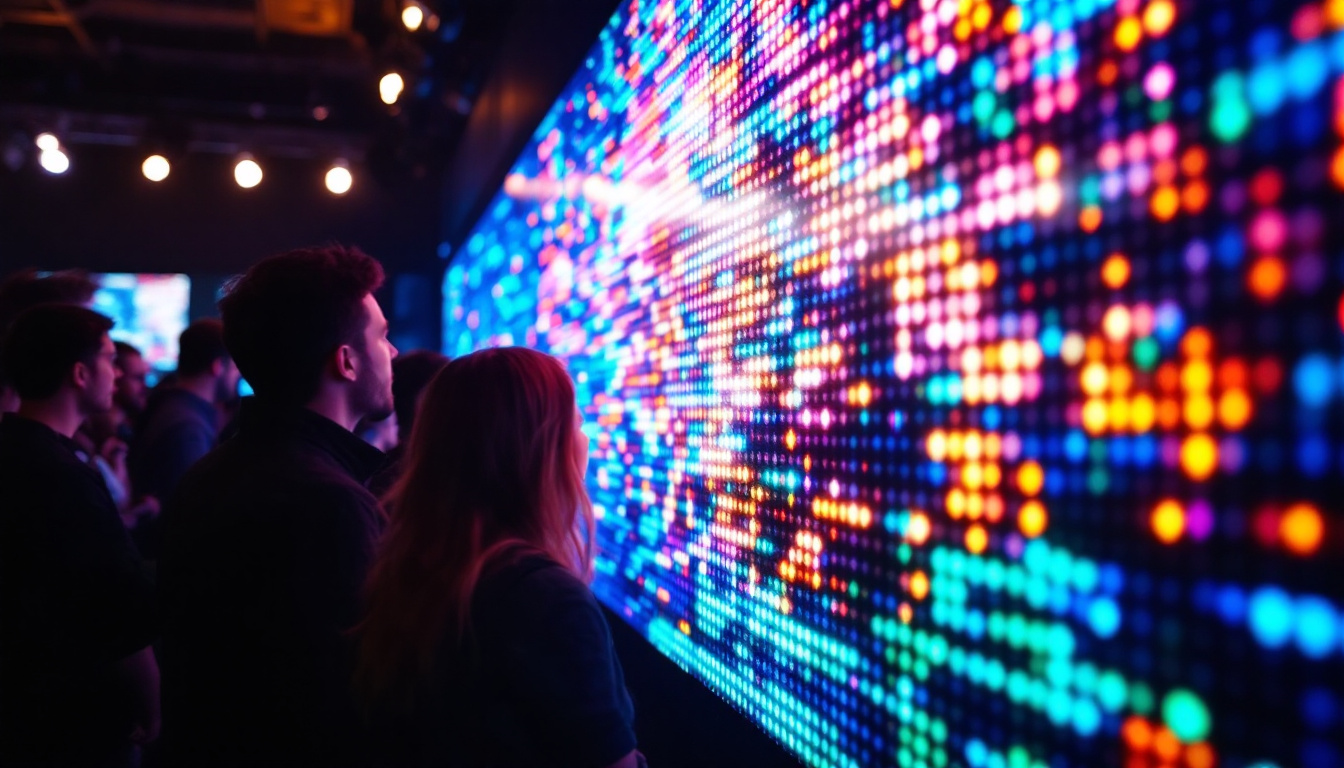
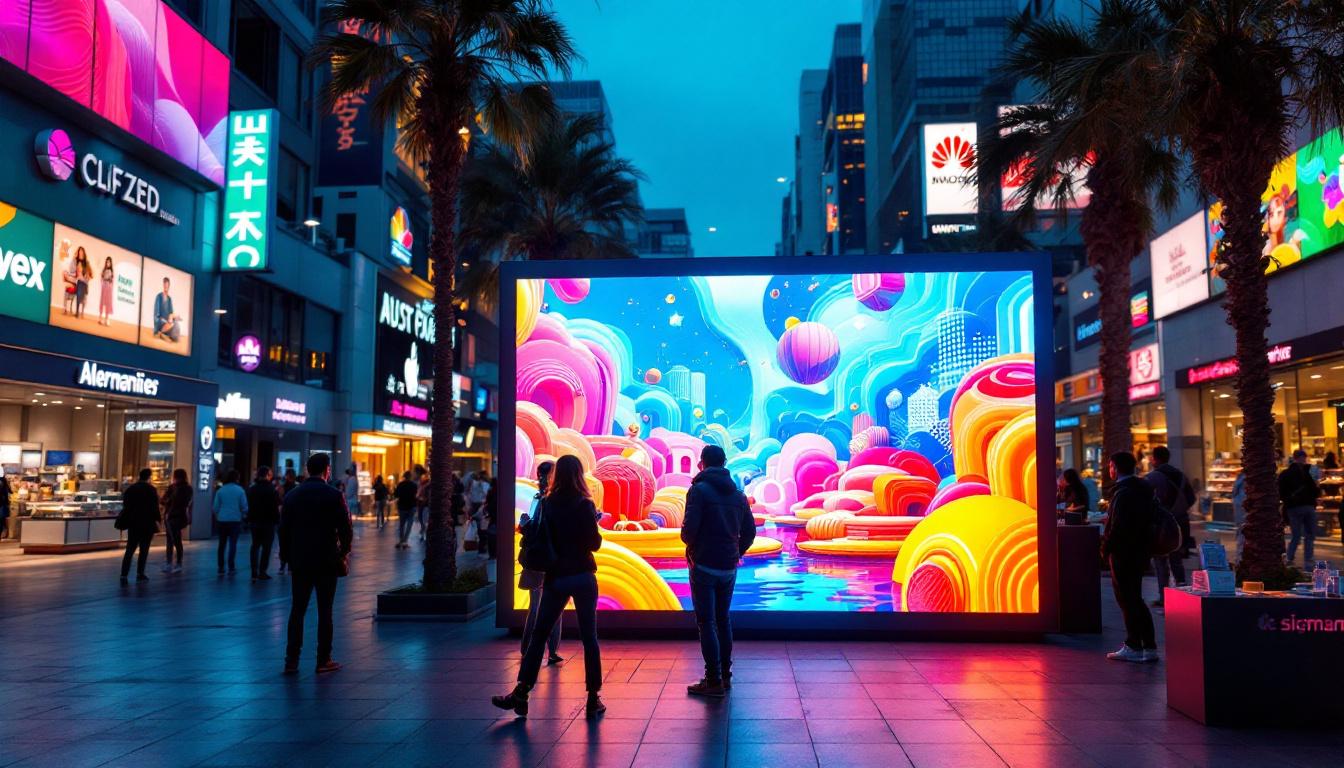
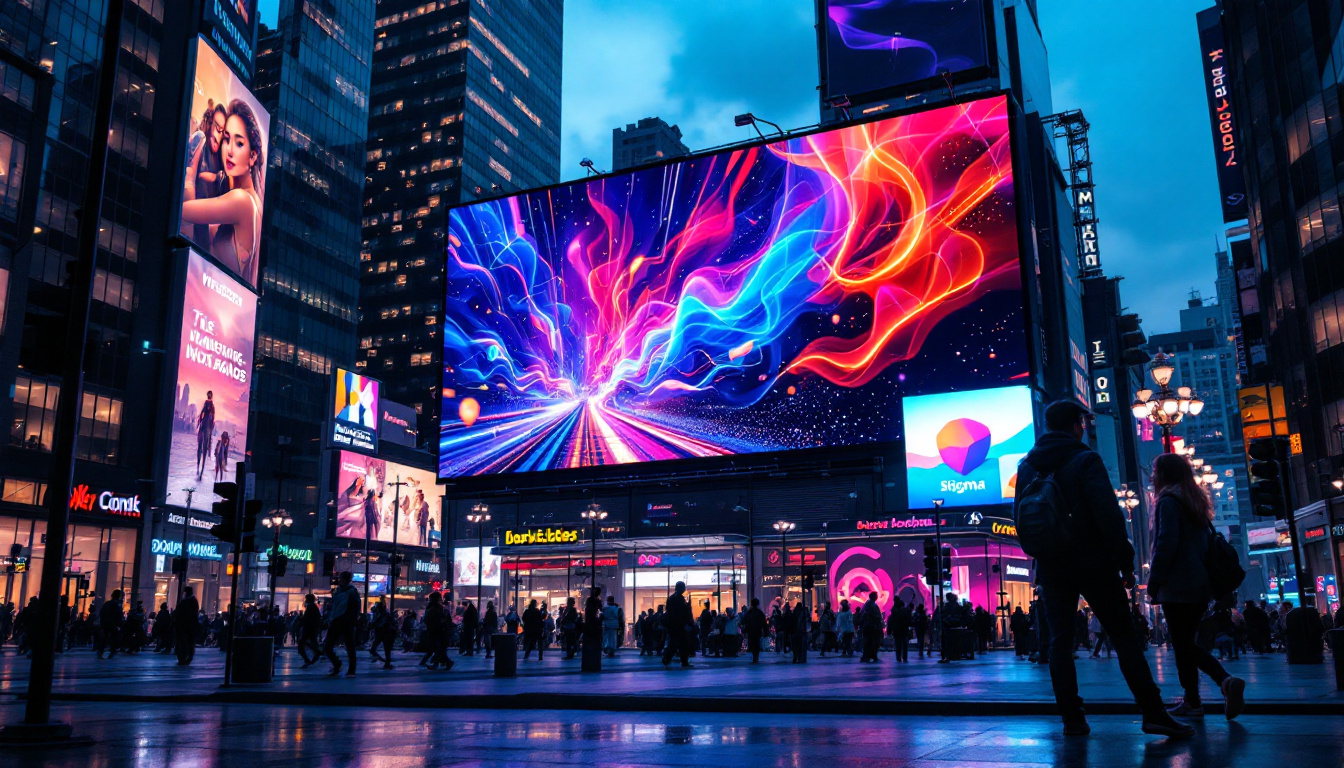
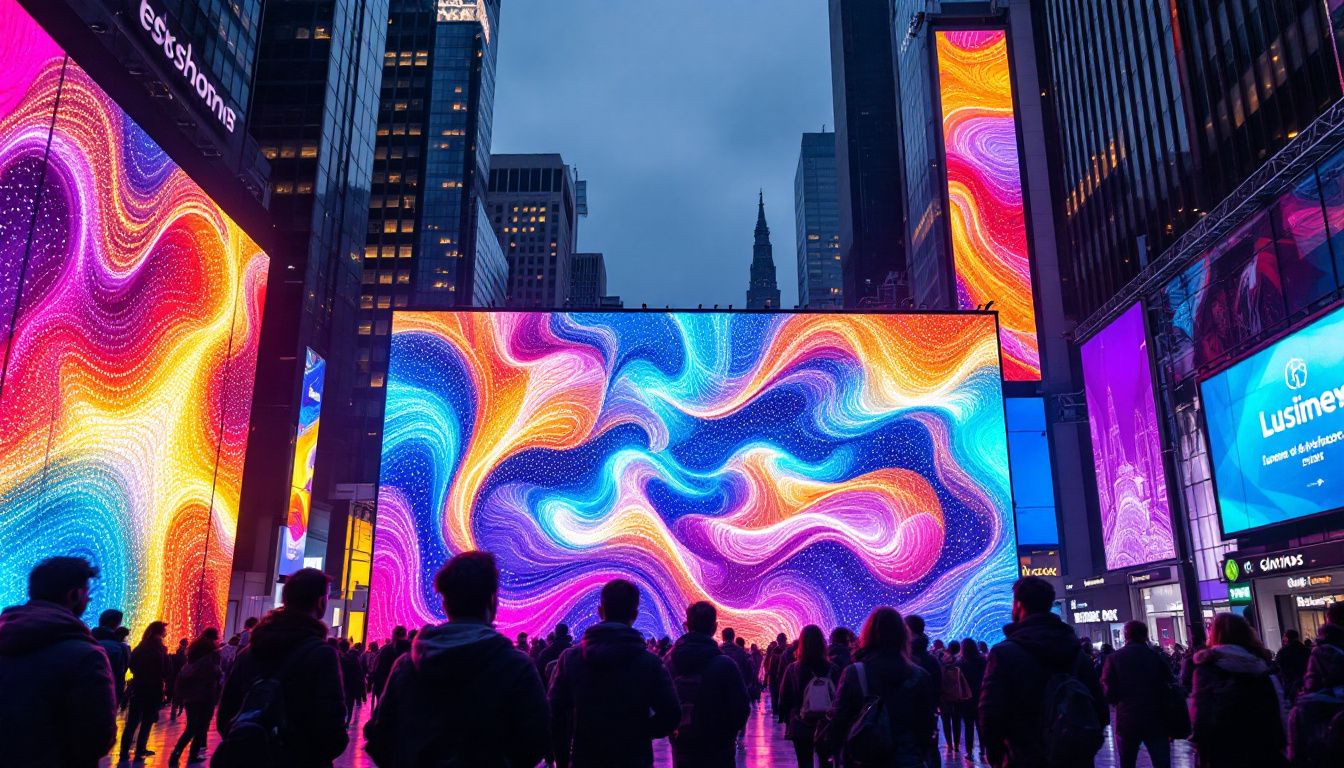
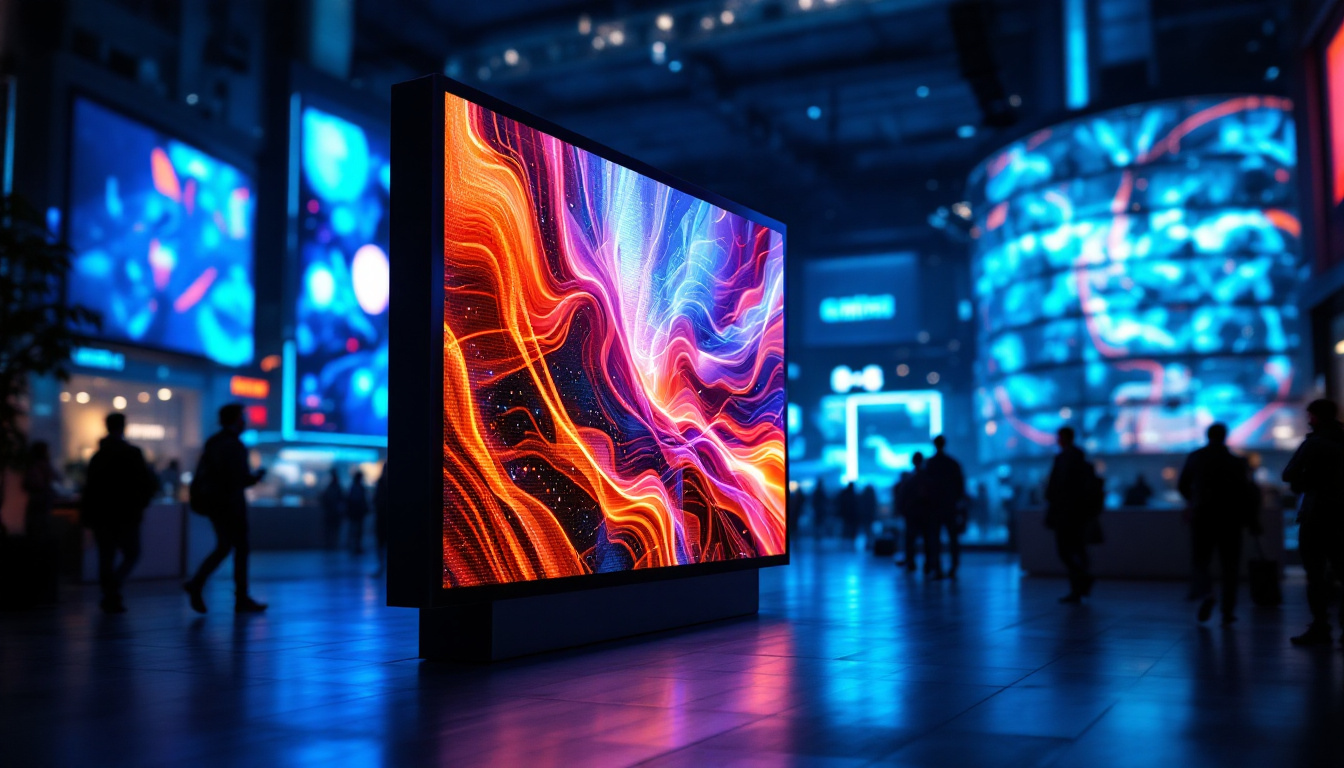
Direct View LED displays are composed of individual LEDs that are directly visible to the viewer. These are commonly used in large-scale applications such as stadium screens, digital billboards, and concert backdrops. DVLEDs offer exceptional brightness and contrast, making them ideal for outdoor use where sunlight can wash out other types of displays.
One of the key advantages of DVLEDs is their scalability. Panels can be combined seamlessly to create enormous screens without visible bezels. Additionally, their modular design allows for easy maintenance and replacement of faulty sections.
2. LED-Backlit LCD Displays
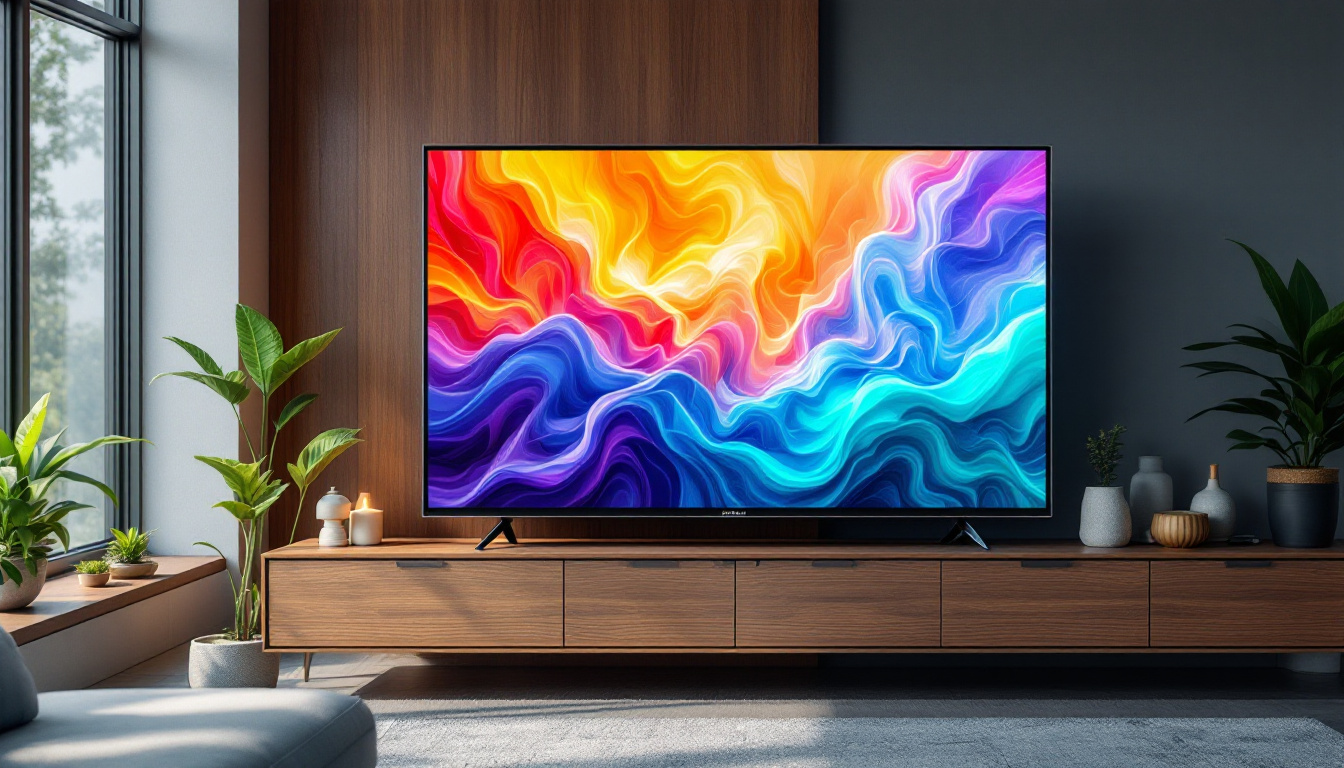
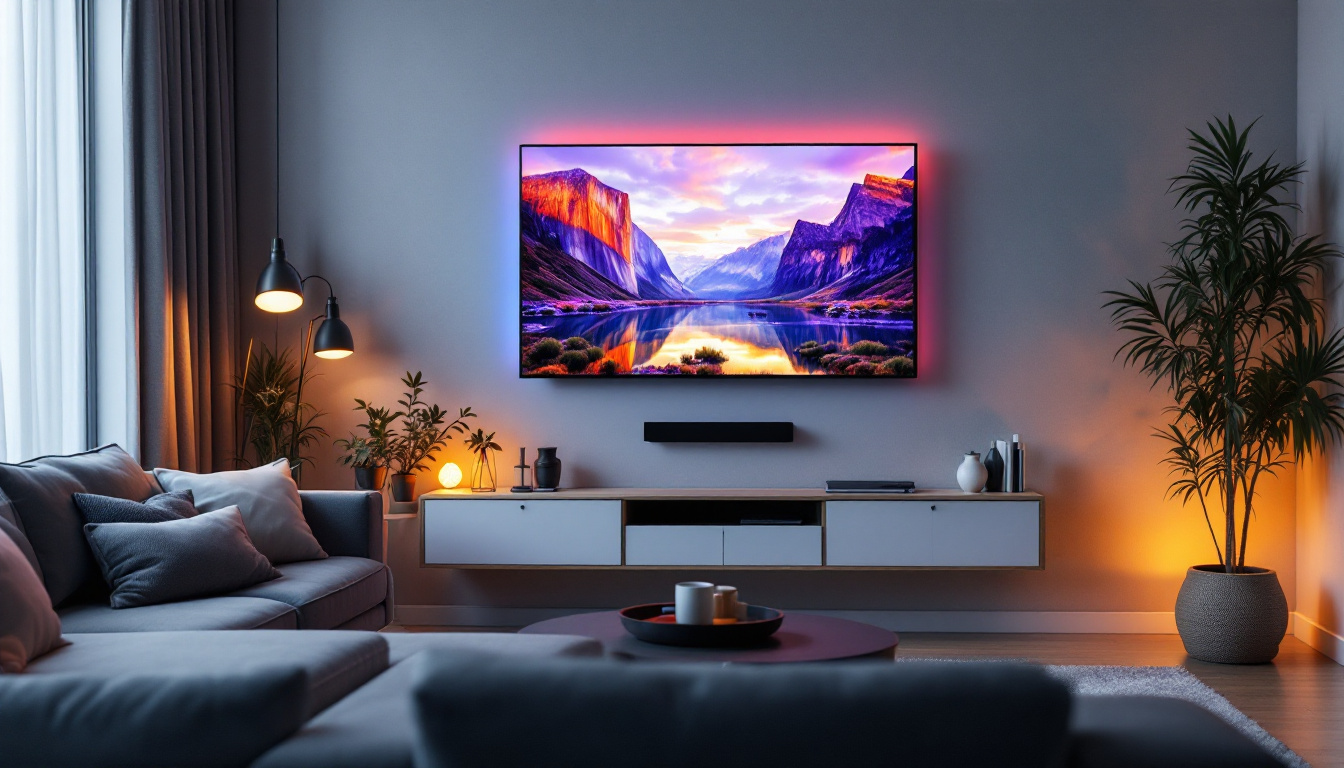
Many consumer electronics, including smartphones, laptops, and televisions, use LED backlighting behind an LCD panel. Here, the LEDs do not form the image directly but illuminate the liquid crystal display, which controls the image formation. This technology provides thinner and more energy-efficient screens compared to older fluorescent backlighting methods.
While LED-backlit LCDs offer excellent color reproduction and sharp images, they generally cannot match the contrast ratios and brightness levels of direct view LED displays. However, they remain the dominant technology for most consumer-grade screens due to their cost-effectiveness and versatility.
3. OLED vs. LED Displays
Organic Light Emitting Diode (OLED) displays are often compared with LED displays. OLEDs use organic compounds that emit light when energized, allowing each pixel to be individually lit without a backlight. This results in deeper blacks and better contrast ratios.
However, OLEDs are generally more expensive to produce and have limitations in brightness and lifespan compared to traditional LED displays. For large outdoor or high-brightness applications, LED displays remain the preferred choice, while OLEDs dominate in premium smartphones and televisions.
Advantages of LED Displays
LED displays offer several benefits that have driven their adoption across industries. These advantages make them a compelling choice for both commercial and consumer applications.
High Brightness and Visibility
One of the standout features of LED displays is their brightness. LEDs can produce light intensities far exceeding those of LCD or plasma screens, making them easily visible even in direct sunlight. This is particularly important for outdoor advertising, traffic signs, and public information displays.
High brightness also contributes to better color vibrancy and sharper images, enhancing the viewer’s experience. Modern LED displays can reach brightness levels of over 5,000 nits, compared to typical LCD screens that max out around 500 nits.
Energy Efficiency and Longevity
LED technology is inherently energy-efficient. LEDs convert a higher percentage of electrical energy into light rather than heat, reducing power consumption. This efficiency translates into lower operating costs, especially for large-scale installations that run continuously.
Additionally, LEDs have a long lifespan, often exceeding 50,000 hours of operation. This durability reduces maintenance requirements and replacement costs, making LED displays a cost-effective solution over time.
Flexibility and Customization
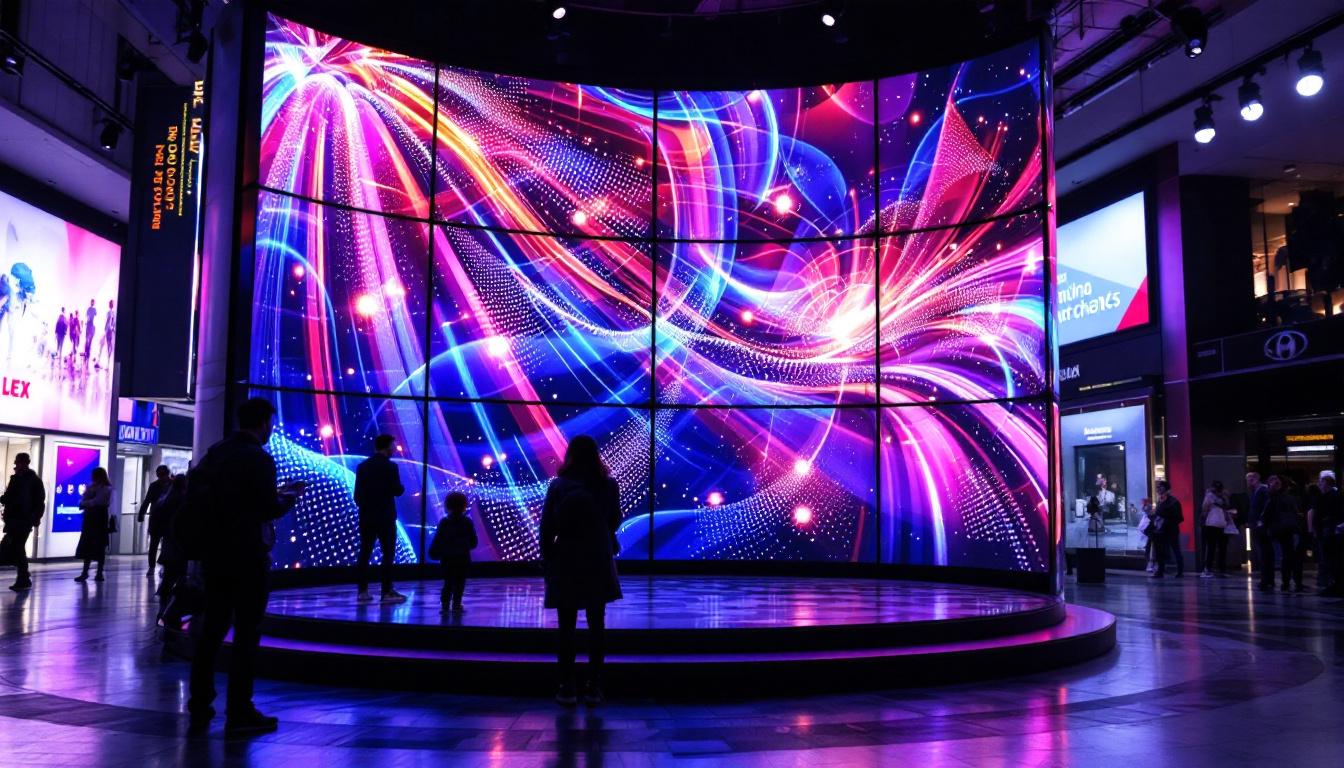
LED displays can be manufactured in various shapes and sizes, from curved screens to transparent panels. This flexibility allows designers and advertisers to create unique visual experiences that capture attention and engage audiences.
Modular construction also enables easy scaling and customization. Businesses can start with a smaller display and expand it as needed, or tailor the resolution and pixel pitch to match viewing distances and content requirements.
Applications of LED Displays
The versatility and performance of LED displays have led to their adoption across numerous sectors. Understanding these applications highlights the technology’s impact and potential.
Outdoor Advertising and Digital Billboards
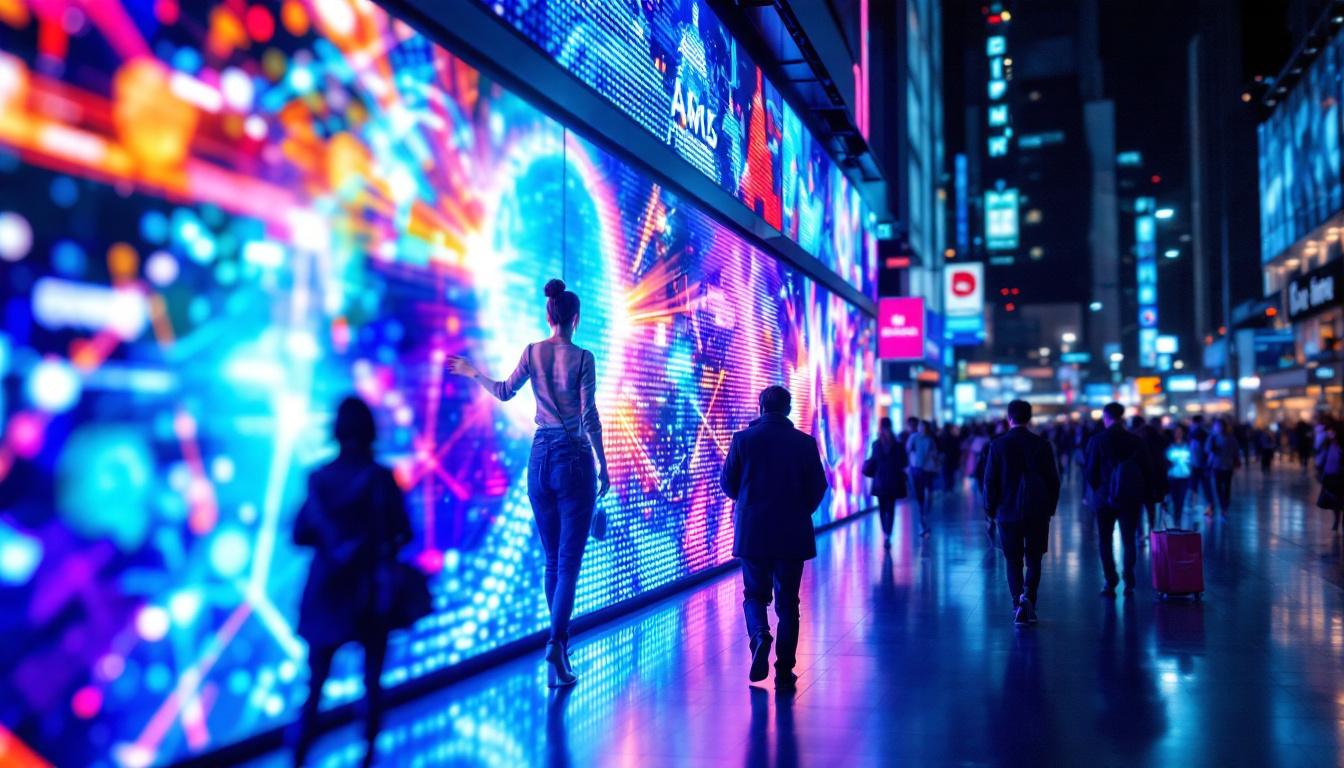
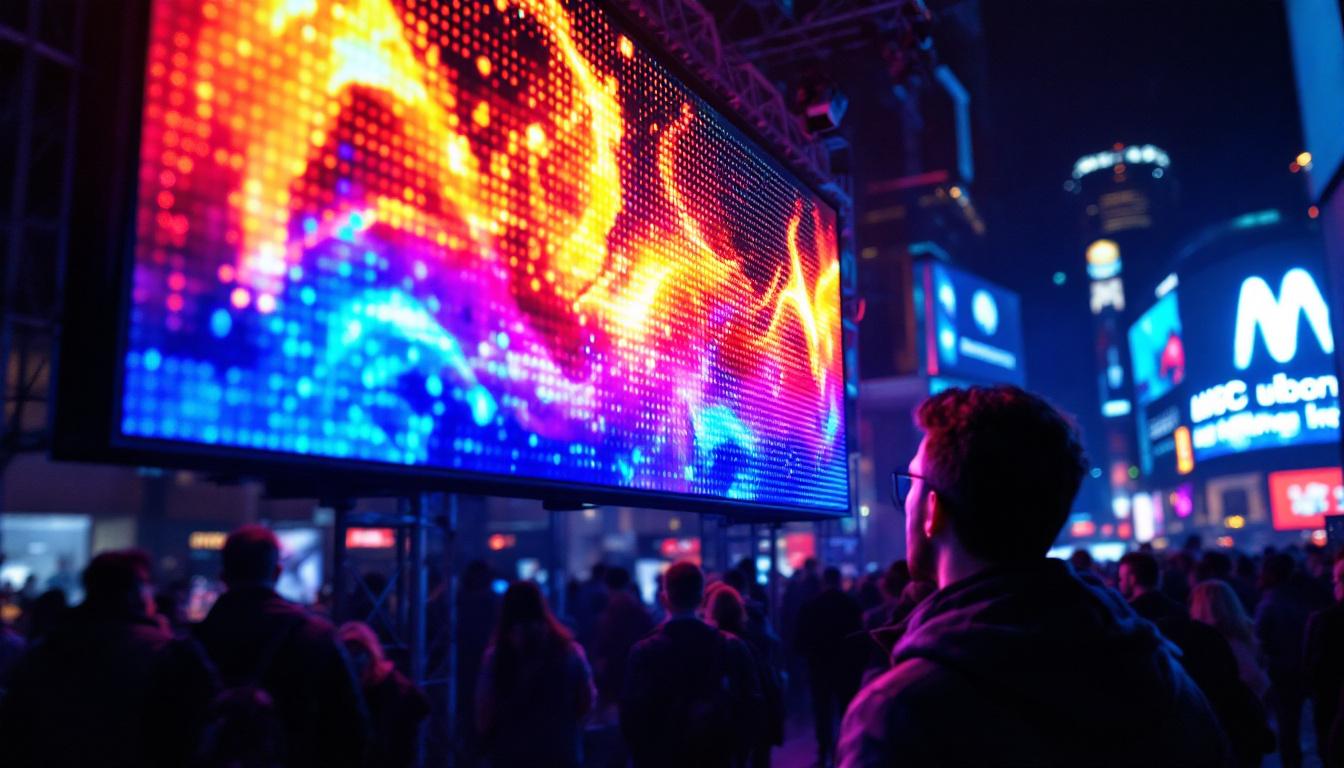
Digital billboards powered by LED technology have revolutionized outdoor advertising. Their brightness, dynamic content capabilities, and remote programmability allow advertisers to deliver timely and engaging messages to large audiences.
According to recent industry reports, the global digital out-of-home advertising market is expected to grow at a compound annual growth rate (CAGR) of over 10% through 2027, driven largely by LED display adoption. This trend underscores the importance of LED technology in modern marketing strategies.
Sports and Entertainment Venues
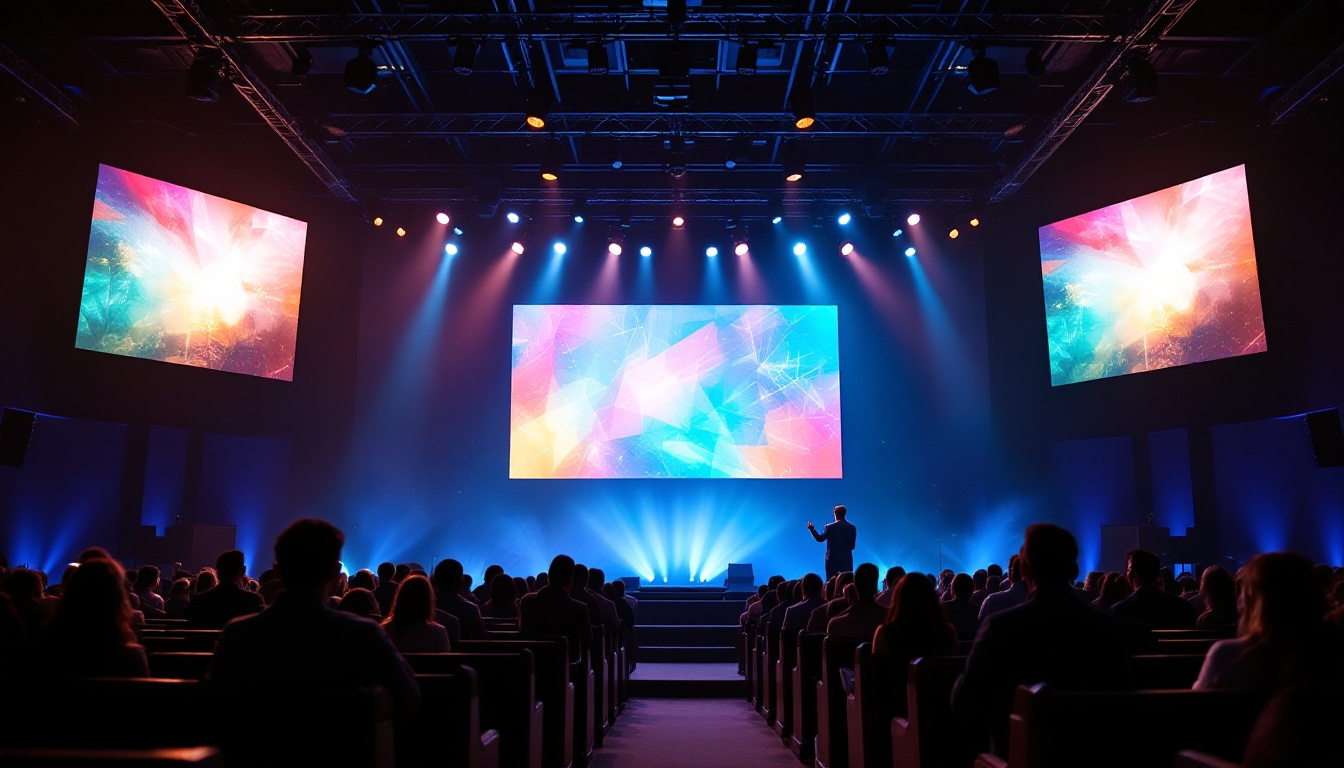
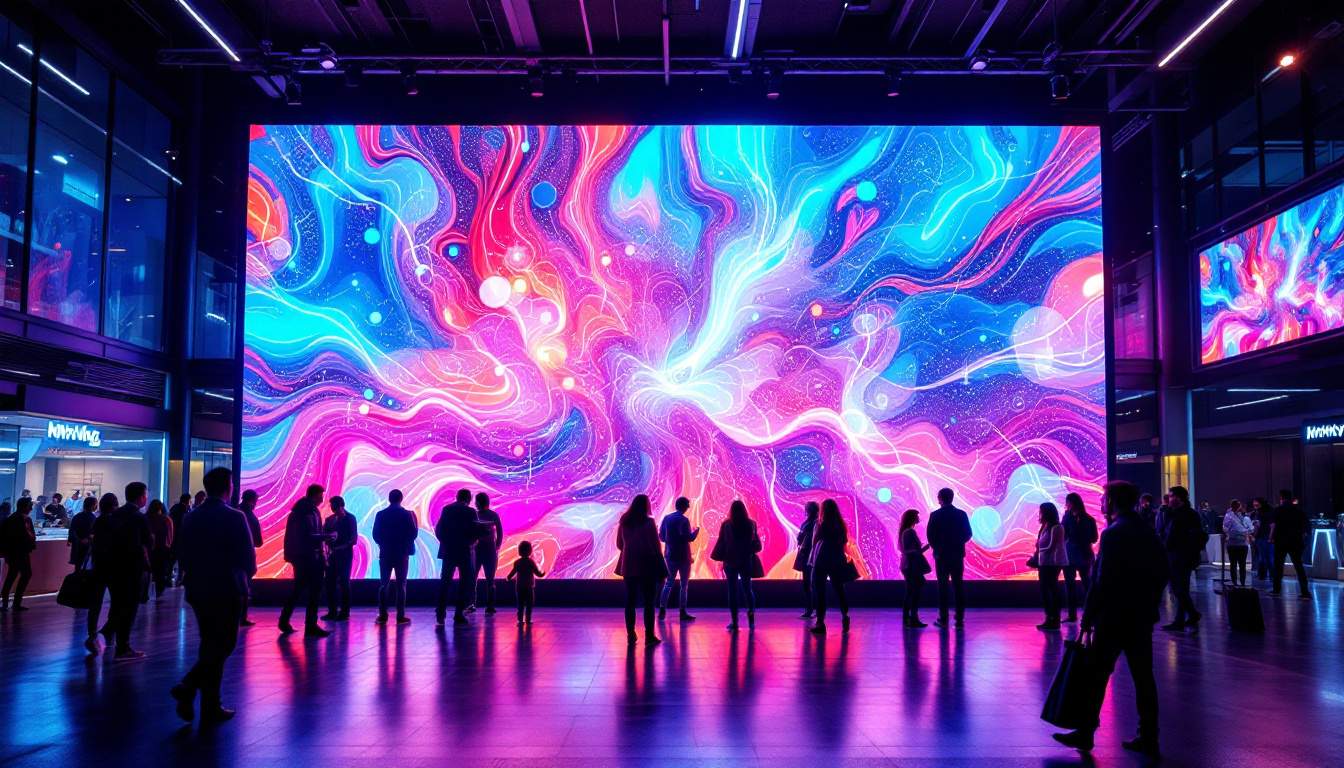
Stadiums and arenas rely heavily on large LED screens to enhance the spectator experience. These displays show live action replays, scores, advertisements, and interactive content, making events more immersive and engaging.
LED displays in these settings must deliver high resolution, fast refresh rates, and excellent color accuracy to keep up with fast-moving content. Their robustness and weather resistance also ensure reliable performance in outdoor environments.
Retail and Indoor Signage
Retailers use LED displays to attract customers and communicate promotions inside stores. The ability to display vibrant, dynamic content helps brands stand out in crowded marketplaces.
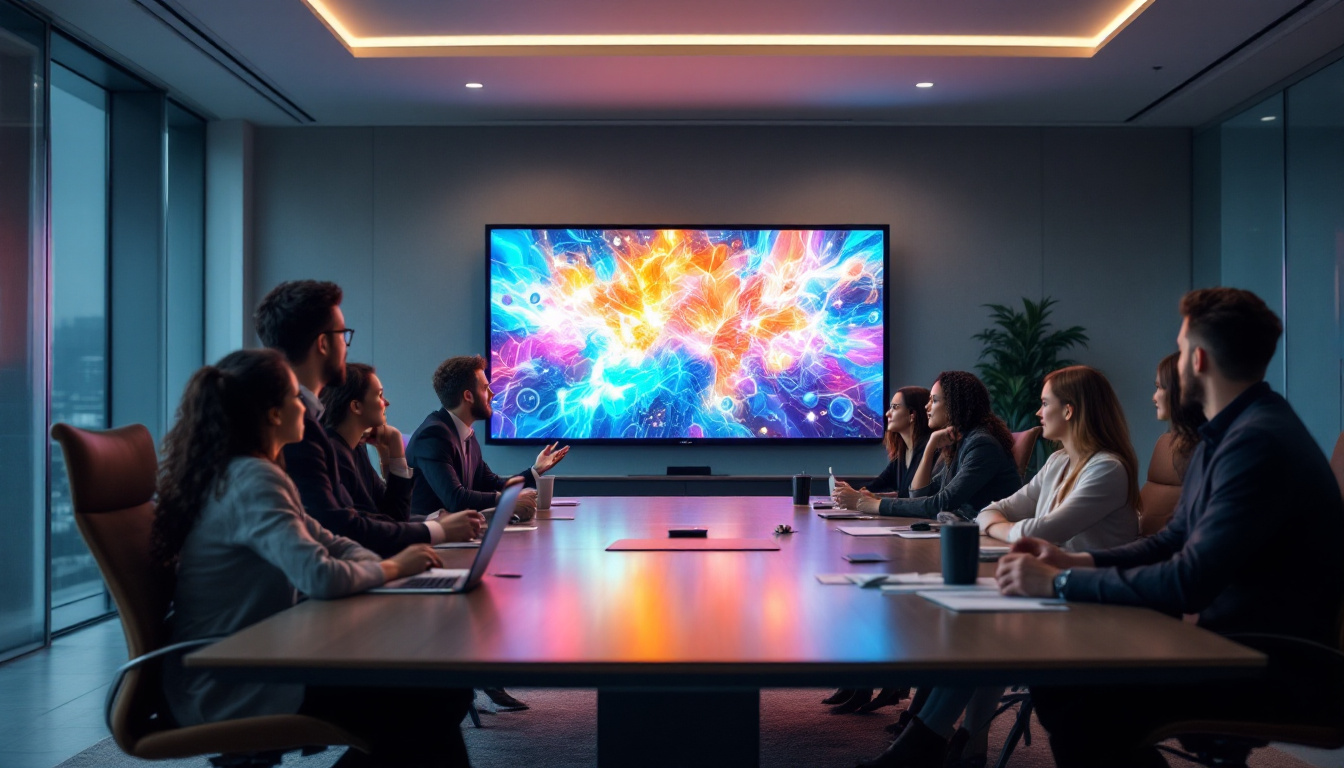
Indoor LED displays also find applications in corporate environments, transportation hubs, and museums, where they provide information and enhance ambiance.
Key Considerations When Choosing an LED Display
Selecting the right LED display involves evaluating several factors to ensure it meets the specific needs of the application.
Pixel Pitch and Resolution
Pixel pitch refers to the distance between the centers of adjacent LEDs and is typically measured in millimeters. A smaller pixel pitch means higher resolution and sharper images, which is crucial for close-viewing applications like retail displays or control rooms.
For large outdoor screens viewed from a distance, a larger pixel pitch is acceptable and more cost-effective. Understanding the viewing distance helps determine the optimal pixel pitch for a given installation.
Brightness and Contrast Ratio
The display’s brightness must be sufficient for the environment in which it will be used. Outdoor displays require higher brightness levels to combat sunlight, while indoor screens can operate at lower levels to reduce eye strain and power consumption.
Contrast ratio, the difference between the darkest and brightest parts of the image, affects image quality and readability. Higher contrast ratios improve the viewing experience, especially in varying lighting conditions.
Durability and Maintenance
LED displays exposed to outdoor elements must be weatherproof and resistant to dust, moisture, and temperature fluctuations. IP ratings indicate the level of protection, with higher numbers signifying better sealing.
Modular designs facilitate maintenance by allowing quick replacement of damaged sections without dismantling the entire display. Considering the ease of maintenance can reduce downtime and operational costs.
The Future of LED Display Technology
LED display technology continues to advance rapidly, driven by innovations in materials, manufacturing, and control systems. Emerging trends promise to enhance performance and open new possibilities.
MicroLED and MiniLED Innovations
MicroLED and MiniLED technologies represent the next generation of LED displays. MicroLEDs are tiny LEDs that can be individually controlled, offering superior brightness, contrast, and energy efficiency compared to traditional LEDs and OLEDs.
MiniLEDs use smaller LEDs for backlighting LCD panels, improving contrast and color accuracy. These technologies are expected to become mainstream in premium televisions, mobile devices, and professional displays within the next few years.
Flexible and Transparent LED Displays
Flexible LED displays can bend or curve, enabling new form factors such as wearable screens or curved architectural installations. Transparent LED displays allow light to pass through, making them ideal for storefront windows and augmented reality applications.
These innovations expand the creative possibilities for designers and advertisers, blending digital content seamlessly into physical environments.
Integration with Smart Technologies
LED displays are increasingly integrated with smart technologies, including sensors, AI-driven content management, and interactive features. This integration allows for personalized advertising, real-time data visualization, and enhanced user engagement.
As the Internet of Things (IoT) ecosystem grows, LED displays will play a crucial role in delivering contextual information and creating connected experiences across industries.
Conclusion
LED displays have transformed the way information and entertainment are delivered in both public and private spaces. Their brightness, energy efficiency, flexibility, and scalability make them indispensable in modern digital communication.
Whether used for advertising, entertainment, or information dissemination, understanding the technology behind LED displays helps businesses and consumers make informed decisions. As innovations continue to emerge, LED displays will remain at the forefront of visual technology, shaping the future of digital interaction.
Discover LumenMatrix’s Innovative LED Solutions
Ready to elevate your visual communication with the latest in LED technology? LumenMatrix is at the forefront of crafting immersive LED display modules tailored to your needs. From vibrant Indoor LED Wall Displays to dynamic Outdoor LED Wall Displays, and from mobile Vehicle LED Displays to interactive Floor LED Displays, our solutions are designed to captivate and engage. Embrace the future of digital signage with our Custom LED Displays, All-in-One LED Displays, and LED Transparent Displays. Check out LumenMatrix LED Display Solutions today and transform your space into a beacon of innovation and creativity.