In the realm of outdoor lighting, portfolio landscape lighting has become synonymous with innovation, durability, and aesthetic excellence. Among the many technologies propelling this industry forward, LED displays stand out as a transformative force. This manual aims to demystify LED displays within portfolio landscape lighting, providing a comprehensive understanding of their functionality, benefits, and best practices for installation and maintenance.
Understanding Portfolio Landscape Lighting
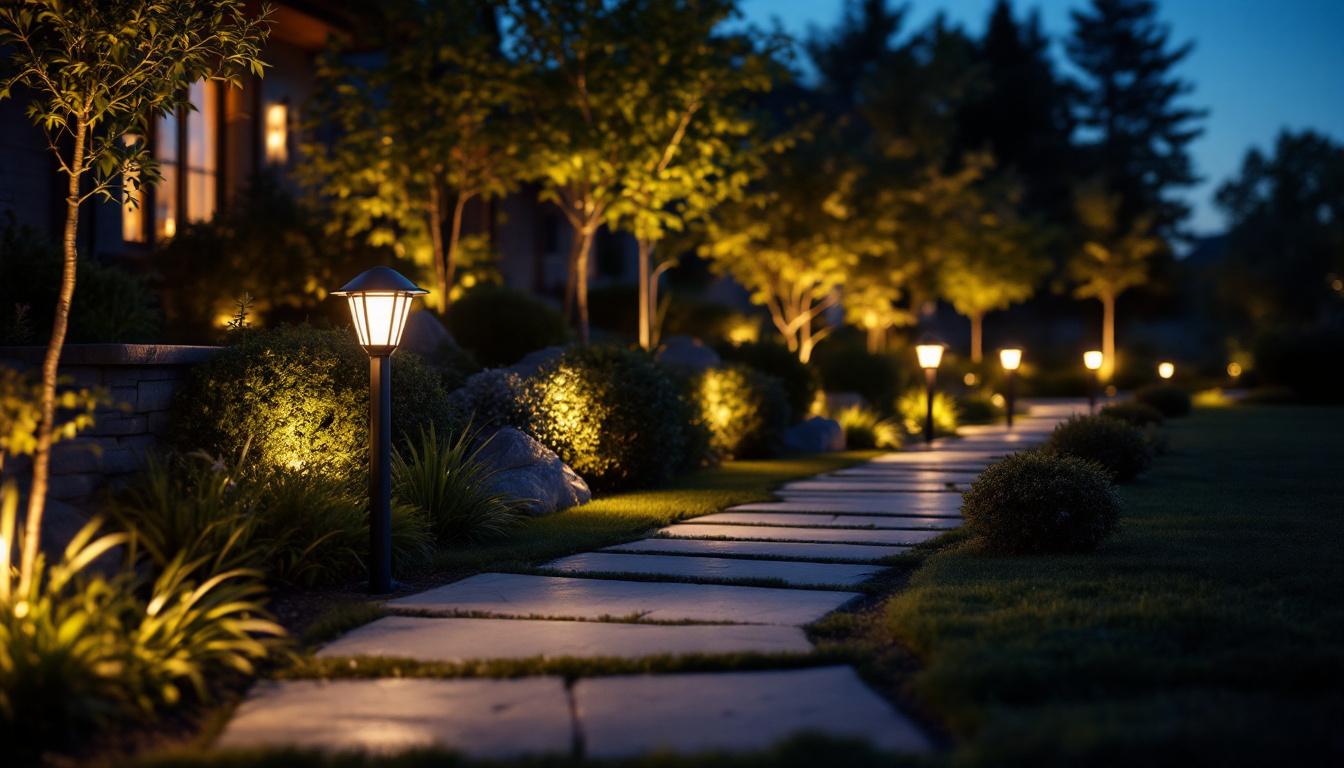
Portfolio landscape lighting refers to a curated collection of outdoor lighting fixtures designed to enhance the beauty, safety, and functionality of exterior spaces. These fixtures often include path lights, spotlights, floodlights, and accent lights, all engineered to withstand environmental challenges while delivering exceptional illumination. They not only serve practical purposes, such as illuminating walkways and highlighting architectural features, but also create inviting atmospheres for outdoor gatherings and relaxation.
With the increasing demand for energy efficiency and design flexibility, LED technology has become the cornerstone of modern portfolio landscape lighting. Unlike traditional incandescent or halogen bulbs, LEDs offer longer lifespans, lower energy consumption, and superior light quality, making them ideal for outdoor applications. Furthermore, the ability to integrate smart technology into LED fixtures allows homeowners to control their lighting remotely, adjust brightness levels, and even change colors to suit different occasions or moods.
The Evolution of Landscape Lighting Technology
Historically, landscape lighting relied heavily on incandescent bulbs, which, while effective, had significant limitations such as short lifespans and high energy use. The introduction of halogen bulbs improved brightness and color rendering but still fell short in efficiency. As outdoor lighting needs evolved, so did the technology, leading to a greater focus on sustainability and innovation.
The advent of LEDs revolutionized the industry. Early LED fixtures were limited by color options and brightness, but rapid advancements have led to highly versatile, bright, and color-accurate LED landscape lighting solutions. Today, portfolio landscape lighting leverages these advances to offer dynamic lighting schemes that can be customized for any outdoor setting. Additionally, the incorporation of solar-powered options has made it easier for homeowners to achieve energy independence while minimizing their carbon footprint. With the ability to harness the sun’s energy, solar landscape lights provide a sustainable and cost-effective solution for illuminating gardens, patios, and pathways without the need for extensive wiring or electrical installations.
What is an LED Display in Landscape Lighting?
In the context of portfolio landscape lighting, an LED display typically refers to the array or cluster of LED emitters integrated into a lighting fixture. These displays are designed to provide uniform illumination, color control, and energy efficiency.
Unlike traditional single-bulb fixtures, LED displays use multiple small diodes arranged strategically to produce a desired lighting effect. This modular approach allows for greater control over light distribution, intensity, and color temperature.
Key Components of an LED Display
- LED Emitters: The individual light-producing diodes that form the core of the display.
- Optics and Lenses: These shape and direct the light output, enabling precise beam angles and minimizing light pollution.
- Heat Sinks: Critical for dissipating heat generated by the LEDs, ensuring longevity and consistent performance.
- Driver Electronics: Components that regulate power to the LEDs, providing stable current and protecting against surges.
Each of these elements works in concert to deliver the high-quality lighting effects that portfolio landscape lighting is known for.
Benefits of LED Displays in Portfolio Landscape Lighting
LED displays offer a multitude of advantages that make them the preferred choice for landscape lighting professionals and homeowners alike. Understanding these benefits is crucial for making informed decisions when designing or upgrading outdoor lighting systems.
Energy Efficiency and Cost Savings
One of the most compelling reasons to choose LED displays is their remarkable energy efficiency. LEDs consume up to 75% less energy compared to incandescent bulbs and last up to 25 times longer. This translates into significant cost savings on electricity bills and reduced maintenance expenses.
For example, a typical LED landscape spotlight consuming 10 watts can replace a 50-watt halogen equivalent, providing the same brightness with a fraction of the energy use. Over the lifespan of the fixture, this efficiency can save hundreds of dollars, especially when multiple fixtures are installed.
Superior Light Quality and Customization
LED displays offer excellent color rendering capabilities, often achieving a Color Rendering Index (CRI) of 80 or higher. This means colors appear more natural and vibrant under LED illumination, enhancing the visual appeal of landscaping features such as plants, water elements, and architectural details.
Additionally, many LED displays support adjustable color temperatures ranging from warm white (2700K) to cool white (6000K), allowing users to tailor the ambiance to their preferences. Some advanced systems even incorporate RGB LEDs, enabling dynamic color changes for special occasions or mood lighting.
Durability and Weather Resistance
Portfolio landscape lighting fixtures with LED displays are engineered to withstand harsh outdoor conditions, including rain, snow, heat, and UV exposure. High-quality materials and sealed enclosures protect the sensitive LED components from moisture and debris, ensuring consistent performance year-round.
Moreover, LEDs are solid-state devices, meaning they are less susceptible to shock and vibration compared to filament-based bulbs. This robustness makes them ideal for outdoor environments where durability is paramount.
Designing with LED Displays: Best Practices
Effective use of LED displays in landscape lighting requires careful planning and design. The goal is to achieve a harmonious balance between functionality, aesthetics, and energy efficiency.
Assessing the Landscape and Lighting Needs
Before selecting LED fixtures, it’s essential to evaluate the outdoor space thoroughly. Consider the size of the area, the types of features to be highlighted, and the desired lighting effects. For instance, pathways benefit from low-level, evenly spaced lights, while trees and sculptures may require focused spotlights with adjustable beam angles.
Understanding the natural light patterns and potential sources of glare or shadow will also inform fixture placement and orientation.
Choosing the Right LED Display Configuration
Portfolio landscape lighting offers various LED display configurations, including single-emitter fixtures, multi-emitter arrays, and integrated RGB modules. The choice depends on the application:
- Path Lighting: Typically uses low-intensity, warm white LEDs arranged for uniform coverage.
- Accent Lighting: Employs focused beams with narrow optics to highlight specific features.
- Floodlighting: Utilizes broad-beam LED arrays for general illumination of large areas.
- Dynamic Lighting: Incorporates RGB or tunable white LEDs for color-changing effects.
Selecting the appropriate beam angle and lumen output ensures optimal visual impact without excessive energy use or light pollution.
Integration with Smart Controls
Modern portfolio landscape lighting systems often integrate LED displays with smart controls, enabling remote operation, scheduling, and scene setting. This technology enhances convenience and energy management.
For example, motion sensors can trigger lights only when needed, while dimmers allow for adjustable brightness levels. Smartphone apps and voice assistants provide intuitive interfaces for customizing lighting schemes, making outdoor spaces more versatile and enjoyable.
Installation and Maintenance of LED Display Landscape Lighting
Proper installation and maintenance are critical to maximizing the performance and lifespan of LED display landscape lighting.
Installation Guidelines
When installing LED fixtures, it is important to follow manufacturer recommendations and local electrical codes. Key considerations include:
- Power Supply: Use low-voltage transformers compatible with LED loads to ensure stable operation.
- Wiring: Employ waterproof connectors and buried cables rated for outdoor use to prevent damage and electrical hazards.
- Fixture Placement: Position lights to avoid glare and ensure even illumination, taking into account the beam angle and height.
Professional installation is often advisable to guarantee safety and compliance.
Routine Maintenance Practices
Although LEDs require less maintenance than traditional bulbs, periodic checks are necessary to sustain optimal performance. Maintenance tasks include:
- Cleaning lenses and fixtures to remove dirt and debris that can reduce light output.
- Inspecting wiring and connections for signs of wear or corrosion.
- Replacing damaged fixtures or components promptly to prevent system failures.
Additionally, monitoring lighting performance over time helps identify issues such as flickering or dimming, which may indicate driver or LED degradation.
Environmental and Economic Impact of LED Landscape Lighting
Beyond aesthetics and functionality, LED displays in portfolio landscape lighting contribute positively to environmental sustainability and economic efficiency.
Reducing Carbon Footprint
By consuming less electricity, LED landscape lighting significantly lowers greenhouse gas emissions associated with power generation. According to the U.S. Department of Energy, widespread adoption of LED lighting could reduce lighting energy use by nearly 50%, translating into substantial environmental benefits.
Furthermore, the extended lifespan of LEDs means fewer fixtures are manufactured and disposed of, reducing waste and resource consumption.
Enhancing Property Value and Safety
Well-designed landscape lighting enhances curb appeal and can increase property values by up to 15%, according to real estate studies. Additionally, illuminated outdoor spaces improve safety by deterring intruders and reducing the risk of accidents after dark.
Investing in high-quality LED displays ensures that these benefits are achieved with minimal ongoing costs and environmental impact.
Conclusion: Embracing LED Displays for Superior Landscape Lighting
Portfolio landscape lighting equipped with LED displays represents the pinnacle of outdoor illumination technology. Their energy efficiency, durability, and design versatility make them an indispensable tool for creating beautiful, functional, and sustainable outdoor environments.
By understanding the components, benefits, and best practices outlined in this manual, landscape designers, homeowners, and lighting professionals can make informed choices that maximize the impact and longevity of their lighting projects. As LED technology continues to evolve, embracing these advances will ensure outdoor spaces remain inviting and captivating for years to come.
Illuminate Your Space with LumenMatrix
Ready to elevate your outdoor environment with cutting-edge LED display technology? Discover LumenMatrix’s comprehensive range of LED display solutions, from captivating Indoor and Outdoor LED Wall Displays to dynamic Vehicle and Sports LED Displays. With our innovative LED Poster, Floor, and Custom Displays, as well as All-in-One and Transparent LED options, LumenMatrix is committed to revolutionizing your visual experience. Embrace the future of landscape lighting and check out LumenMatrix LED Display Solutions today to create an unforgettable impact in your outdoor spaces.