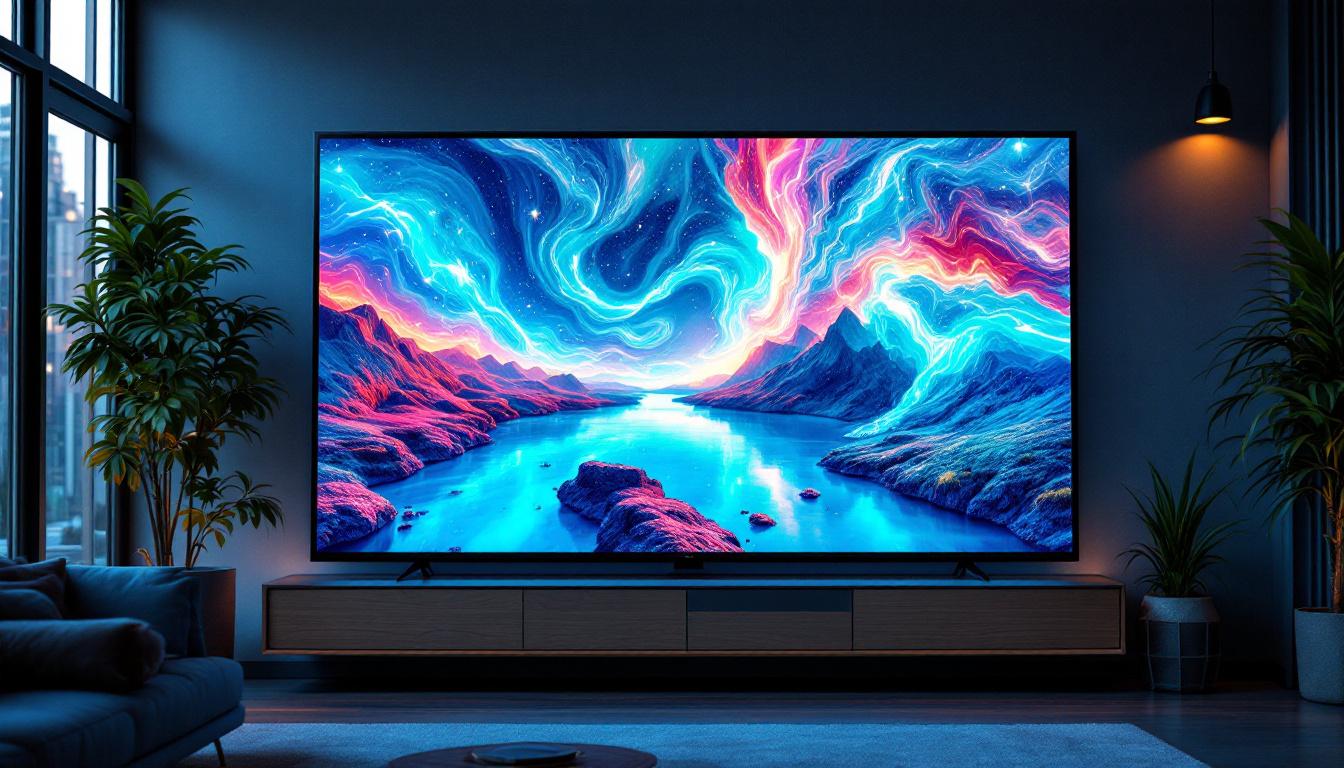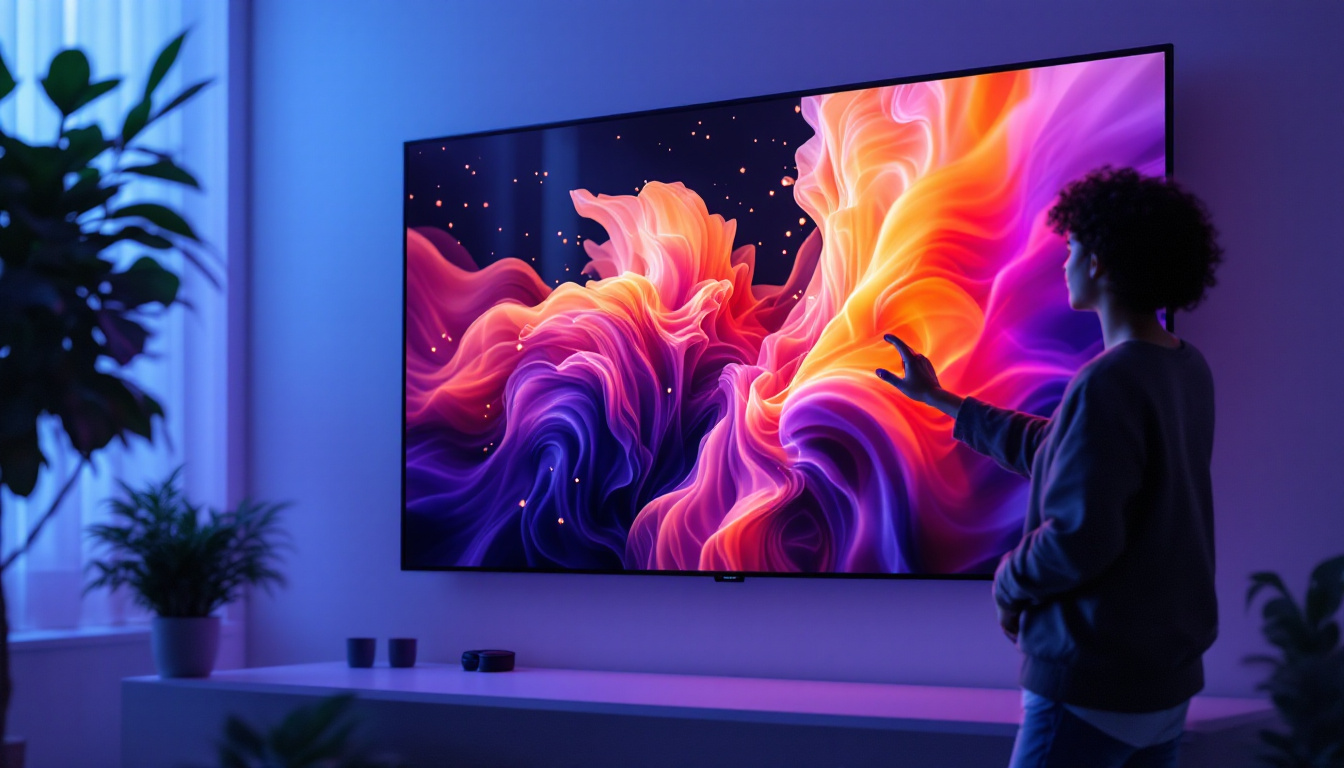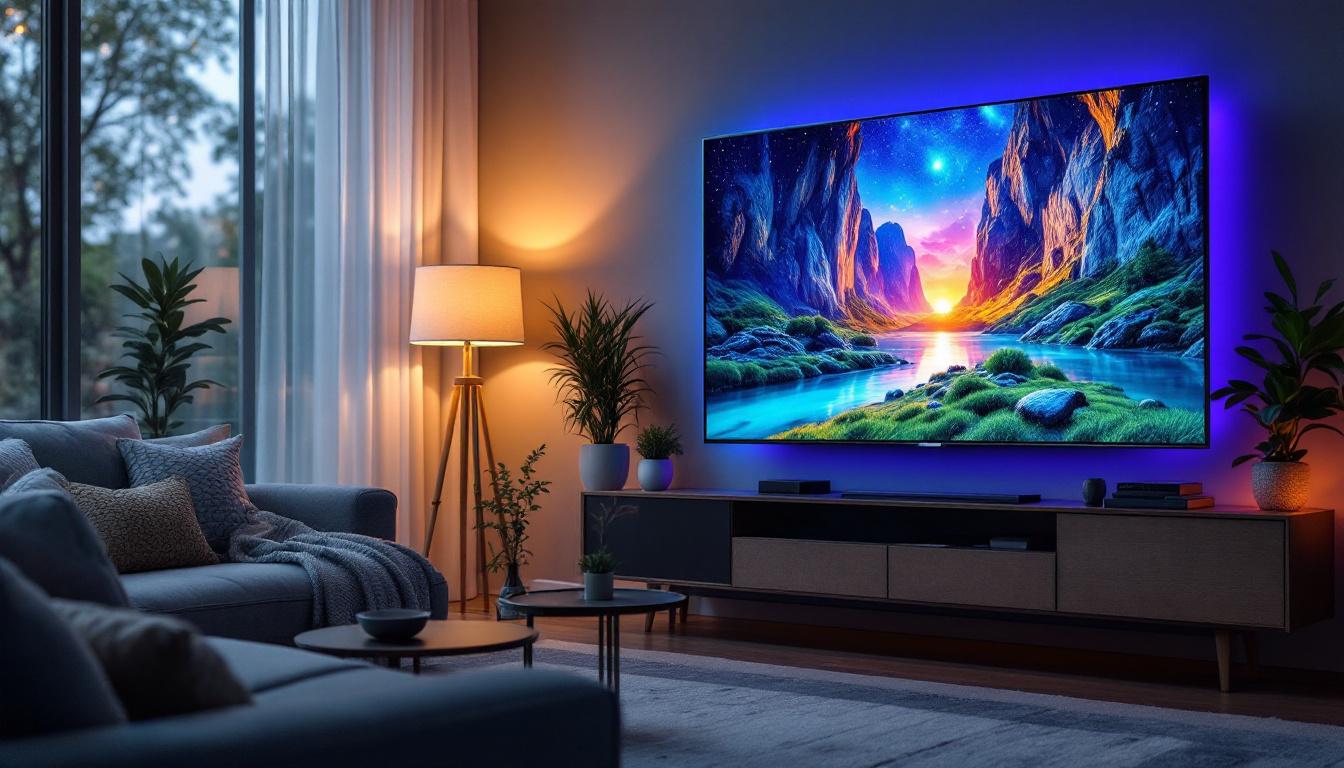
In recent years, television technology has evolved at a rapid pace, with manufacturers pushing the boundaries of design and display quality. One of the most sought-after features in modern TVs is the “bezel-less” design, especially in the popular 55-inch size category. This article delves into what a bezel-less TV truly means, why the 55-inch LED display is a favorite among consumers, and how LED technology enhances the viewing experience.
Understanding the Bezel-Less Design
What is a Bezel in TVs?
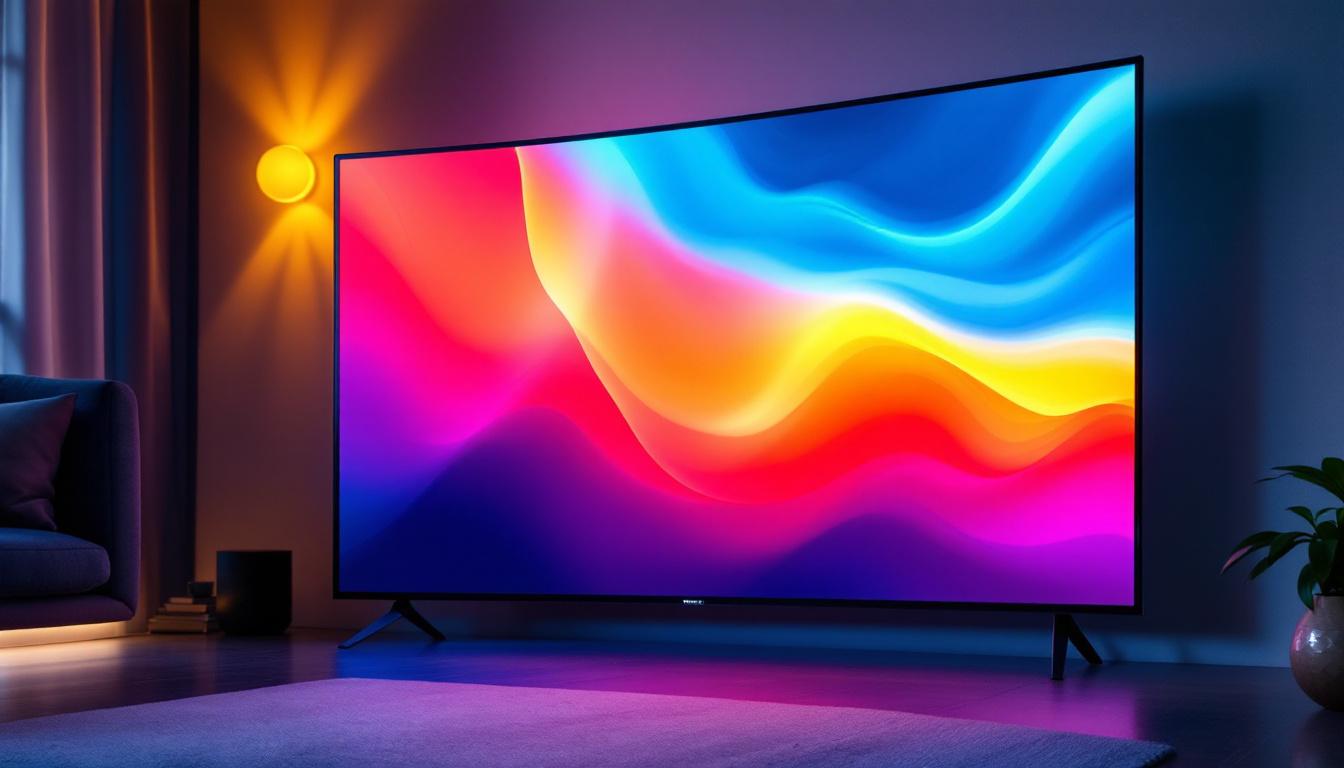
The bezel refers to the frame or border surrounding the screen of a television. Traditionally, TVs had thick bezels that housed essential components and protected the display panel. However, as technology advanced, manufacturers have been able to minimize this frame, leading to what is commonly called a “bezel-less” or “borderless” TV.
It’s important to note that “bezel-less” doesn’t mean the absence of a bezel entirely. Instead, it refers to extremely thin bezels that are almost invisible when the TV is turned on, creating an immersive viewing experience. This design trend has gained momentum because it allows for a larger screen area without increasing the overall size of the TV. Additionally, the reduction in bezel size has been made possible through advancements in display technology, such as OLED and QLED, which allow for thinner panels and more efficient use of space.
Why Are Bezel-Less TVs Popular?
Bezel-less TVs offer several advantages that appeal to modern consumers. First, the sleek and minimalist design fits seamlessly into contemporary home decor, making the TV not just a device but a centerpiece of the living room. The reduced bezel size also means less distraction, allowing viewers to focus entirely on the content. This is particularly advantageous for cinematic experiences, as the viewer can become fully engrossed in the film or show without the interruption of a bulky frame.
Moreover, bezel-less designs are particularly beneficial for multi-screen setups or video walls, where multiple TVs are placed side by side. Thin bezels minimize the gap between screens, creating a more cohesive and expansive display. This is especially popular in commercial settings, such as sports bars or retail environments, where a seamless visual experience can enhance engagement and draw in customers. Furthermore, the aesthetic appeal of bezel-less TVs can elevate the overall ambiance of a room, making it feel more spacious and modern, which is a significant factor for homeowners looking to create a stylish entertainment area.
In addition to their visual appeal, bezel-less TVs often come equipped with the latest smart technology features. Many models incorporate voice control, streaming capabilities, and integration with smart home systems, allowing users to enjoy a more connected and convenient viewing experience. As consumers increasingly prioritize functionality alongside aesthetics, bezel-less TVs stand out as a perfect blend of form and function, catering to the demands of the modern viewer.
The 55-Inch Screen Size: The Sweet Spot
Why 55 Inches?
The 55-inch TV size has emerged as the “sweet spot” for many households. It strikes a balance between screen size and viewing distance, offering a cinematic experience without overwhelming the room. According to a 2023 report by the Consumer Technology Association, 55-inch TVs accounted for nearly 30% of all TV sales in the United States, underscoring their widespread popularity.
This size is versatile enough for various room sizes, from medium-sized living rooms to larger bedrooms. It also fits comfortably on most TV stands and entertainment centers, making it a practical choice for many consumers.
Optimal Viewing Distance for 55-Inch TVs
For the best viewing experience, experts recommend sitting approximately 7 to 11.5 feet away from a 55-inch TV. This distance allows viewers to appreciate the screen’s resolution and detail without straining their eyes. The bezel-less design enhances this experience by maximizing the visible screen area, making the image feel larger and more immersive.
LED Display Technology Explained
What is LED?
LED stands for Light Emitting Diode, which is a type of backlighting used in modern LCD (Liquid Crystal Display) TVs. Unlike older CCFL (Cold Cathode Fluorescent Lamp) backlights, LEDs are more energy-efficient, provide better brightness, and allow for thinner TV designs.
In LED TVs, the screen itself is an LCD panel that controls the image, while the LEDs provide the light source behind or around the panel. This combination delivers vibrant colors, sharp images, and improved contrast compared to traditional LCD TVs.
Types of LED Backlighting
There are primarily two types of LED backlighting used in TVs: Edge-lit and Full-array.
- Edge-lit LED: LEDs are positioned along the edges of the screen, allowing for thinner TVs. However, this can sometimes cause uneven brightness or light bleed.
- Full-array LED: LEDs are spread evenly across the back of the screen, providing more uniform brightness and better local dimming capabilities. This results in deeper blacks and higher contrast ratios.
Many bezel-less 55-inch TVs use full-array LED backlighting to maximize picture quality while maintaining a slim profile.
Advantages of LED Displays in Bezel-Less TVs
LED technology complements bezel-less designs perfectly. Since LEDs are compact and efficient, they enable manufacturers to reduce the thickness of the TV and the bezel size without compromising on brightness or color accuracy.
Additionally, LED displays offer faster response times and better energy efficiency compared to older technologies. This means smoother motion handling for sports and action movies, as well as lower electricity consumption, which is a growing concern for environmentally conscious consumers.
Comparing LED with Other Display Technologies
LED vs. OLED
While LED TVs are widely popular, OLED (Organic Light Emitting Diode) technology has been gaining traction for its superior picture quality. OLED panels emit their own light, allowing for perfect blacks and infinite contrast ratios. However, OLED TVs tend to be more expensive and are sometimes prone to burn-in issues.
In contrast, LED TVs, especially those with full-array backlighting and local dimming, provide excellent brightness levels and are generally more affordable. For many consumers, a bezel-less 55-inch LED TV offers the best balance between price, performance, and design.
LED vs. QLED
QLED (Quantum Dot LED) is a variation of LED technology that uses quantum dots to enhance color accuracy and brightness. QLED TVs can achieve higher peak brightness than standard LEDs, making them ideal for bright rooms.
Many bezel-less 55-inch TVs incorporate QLED technology to deliver vibrant colors and sharp images. When choosing between a standard LED and QLED, consider your typical viewing environment and budget.
Key Features to Look for in a Bezel-Less 55-Inch LED TV
Resolution and HDR Support
Resolution is a critical factor in picture quality. Most bezel-less 55-inch TVs today come with 4K Ultra HD resolution, which offers four times the detail of Full HD. This ensures crisp images and sharp text, especially important for larger screens.
High Dynamic Range (HDR) support is another essential feature. HDR enhances the contrast and color range, making scenes appear more lifelike. Look for TVs that support popular HDR formats like HDR10, Dolby Vision, or HLG for the best experience.
Smart TV Capabilities
Modern bezel-less 55-inch LED TVs often come equipped with smart features, allowing users to stream content from platforms like Netflix, Amazon Prime, and Disney+. Integration with voice assistants such as Alexa or Google Assistant adds convenience by enabling hands-free control.
Ensure the TV’s operating system is user-friendly and receives regular updates to maintain security and add new features over time.
Connectivity Options
Multiple HDMI ports, USB inputs, and support for wireless connections like Wi-Fi and Bluetooth are important for connecting external devices such as gaming consoles, soundbars, and streaming sticks. A bezel-less design should not compromise accessibility to these ports.
Installation and Placement Considerations
Wall Mounting vs. Stand Placement
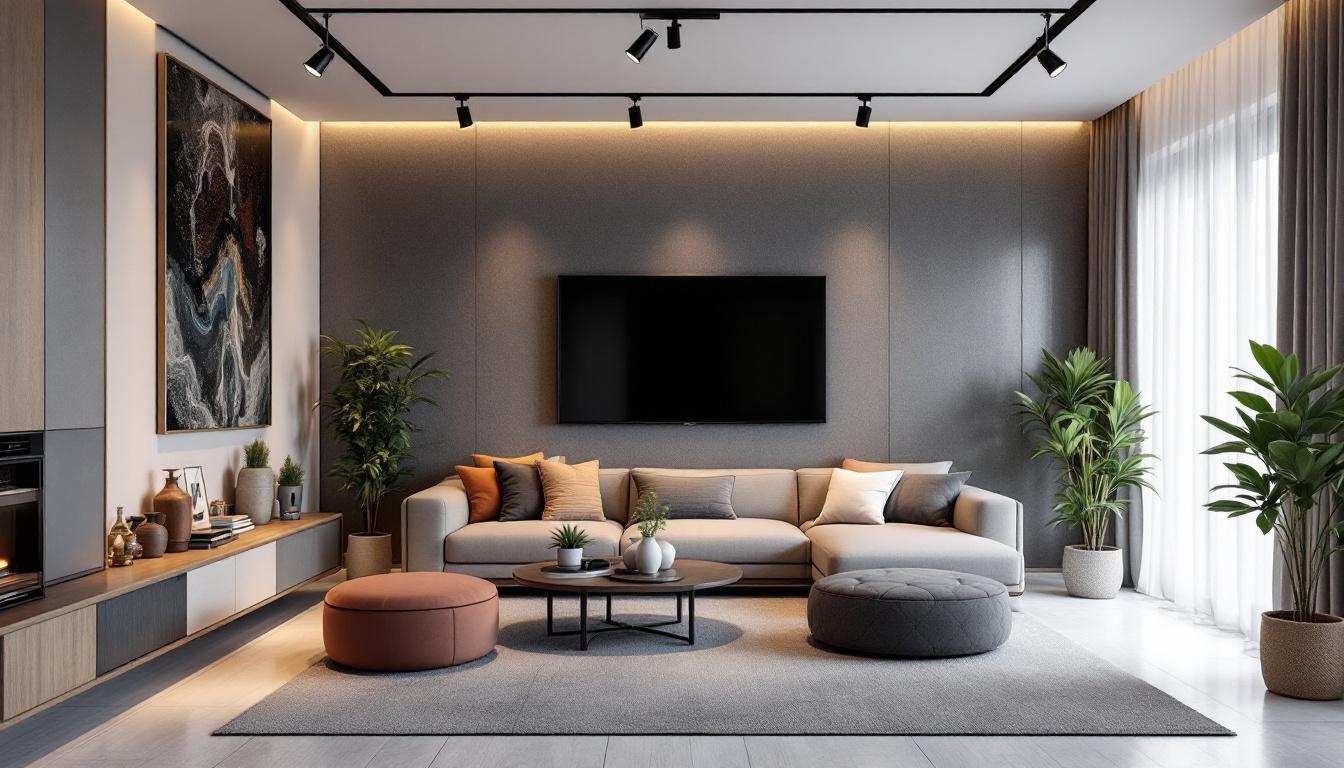
The sleek design of bezel-less TVs makes them ideal candidates for wall mounting, which enhances the minimalist aesthetic and saves space. Most 55-inch bezel-less TVs support VESA mounting standards, making it easy to find compatible wall mounts.
If placing the TV on a stand, ensure the furniture can support the TV’s weight and size. The thin bezels mean the TV might feel more fragile, so handle it with care during installation.
Lighting and Room Setup
To maximize the benefits of an LED display, consider the lighting in your room. LED TVs generally perform well in bright environments, but glare can still be an issue. Position the TV away from direct sunlight or use curtains to control ambient light.
Additionally, consider the viewing angle. Many bezel-less LED TVs offer wide viewing angles, but optimal placement ensures the best picture quality for all viewers.
Conclusion: Is a Bezel-Less 55-Inch LED TV Right for You?
Bezel-less 55-inch LED TVs represent a harmonious blend of modern design and advanced display technology. Their thin frames create an immersive viewing experience, while the 55-inch size suits a wide range of living spaces. LED technology ensures bright, vibrant images with energy efficiency and durability.
When selecting a bezel-less TV, consider factors such as resolution, HDR support, smart features, and connectivity to ensure the TV meets your entertainment needs. Whether for binge-watching favorite shows, gaming, or enjoying cinematic movies, a bezel-less 55-inch LED TV can elevate your home entertainment setup.
As technology continues to advance, these TVs will likely become even more refined, offering better picture quality and innovative features without sacrificing style. For now, investing in a bezel-less 55-inch LED TV is a smart choice for those seeking a premium viewing experience with a modern aesthetic.
Discover the Future of Viewing with LumenMatrix
Ready to transform your viewing experience with a bezel-less 55-inch LED TV that embodies sleek design and cutting-edge technology? Look no further than LumenMatrix, a pioneer in LED display innovation. Our extensive range of solutions, from Indoor and Outdoor LED Wall Displays to Custom and Transparent LED Displays, is designed to captivate and engage. Embrace the revolution in visual communication with LumenMatrix and see how our LED display modules can elevate your entertainment space. Check out LumenMatrix LED Display Solutions today and step into a world where clarity, vibrancy, and design converge.