What Is The Latest TV Screen Technology: LED Display Explained
In the rapidly evolving world of television technology, LED displays have become a cornerstone of modern viewing experiences. From the earliest cathode ray tube (CRT) models to today’s ultra-slim, high-definition screens, the journey of TV screen technology has been remarkable. This article delves deep into the latest advancements in LED display technology, explaining how it works, why it dominates the market, and what innovations are shaping the future of television.
Understanding LED Display Technology
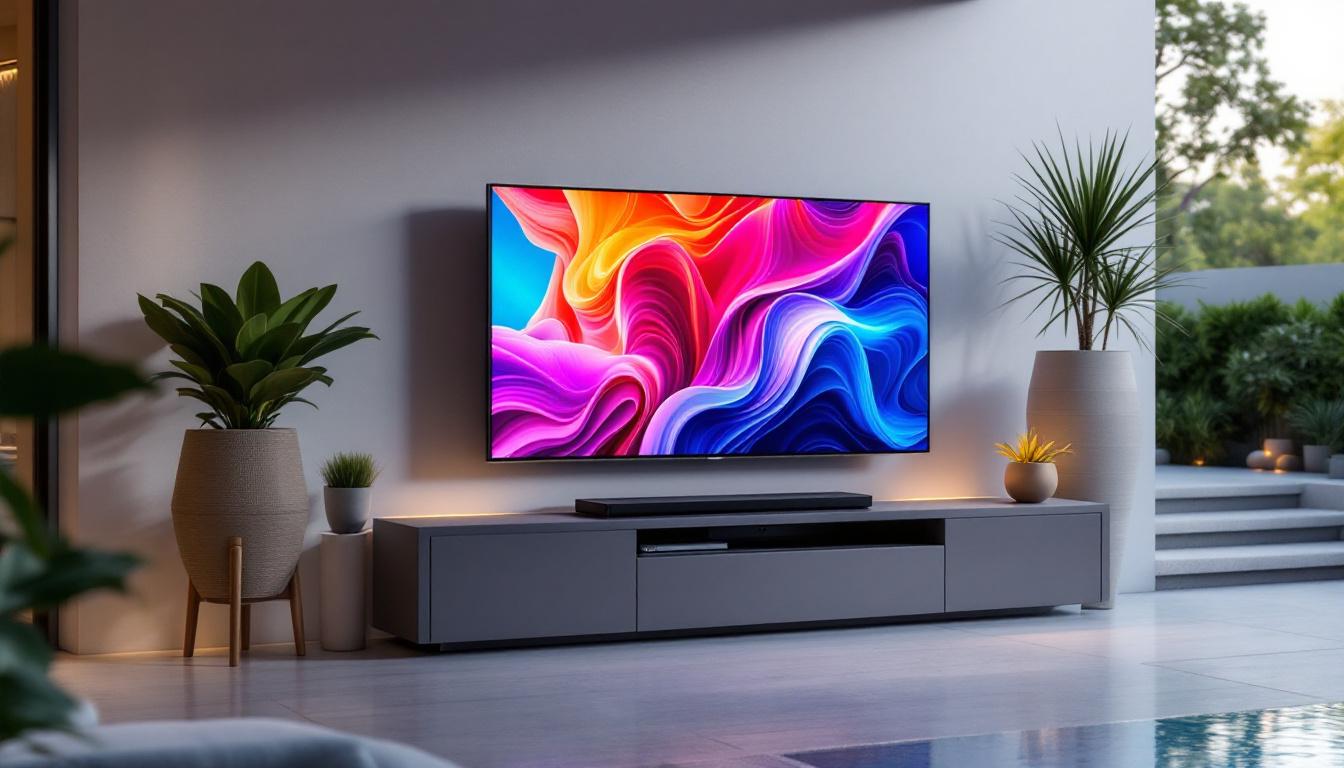
LED, or Light Emitting Diode, technology has revolutionized the way images are displayed on television screens. Unlike traditional LCD (Liquid Crystal Display) TVs that rely on fluorescent backlighting, LED TVs use tiny light-emitting diodes to illuminate the screen. This fundamental difference leads to better picture quality, improved energy efficiency, and slimmer designs.
To understand LED displays fully, it’s important to distinguish between the two main types: edge-lit and full-array LED TVs. Edge-lit LED TVs place LEDs around the edges of the screen, shining light across the display, which allows for thinner panels but sometimes compromises uniformity in brightness. Full-array LED TVs, on the other hand, have LEDs placed directly behind the entire screen, enabling more precise control of brightness and contrast through a process called local dimming.
How LED Displays Work
At the core of an LED TV is the LCD panel, which controls the pixels that form the image. The LEDs serve as the backlight source, shining light through the LCD layer. By adjusting the intensity of these LEDs, the TV can produce vibrant colors and deep blacks. This is especially true for full-array LED TVs with local dimming, where specific zones of LEDs can be dimmed or brightened independently to enhance contrast.
Modern LED TVs also incorporate quantum dot technology in many cases, which uses nanocrystals to improve color accuracy and brightness. This hybrid technology, often marketed as QLED (Quantum Dot LED), represents a significant step forward in LED display performance. Quantum dots can emit specific colors when exposed to light, allowing for a broader color spectrum and more lifelike images. This advancement has made QLED TVs particularly popular among consumers seeking high-quality viewing experiences, especially in bright rooms where traditional LED displays may struggle.
Additionally, LED technology has expanded beyond just televisions. It has found its way into various applications, including computer monitors, smartphones, and digital signage. The versatility of LED displays allows for innovative uses in advertising and public information systems, where dynamic content can be showcased in vibrant detail. Moreover, advancements in flexible LED technology have paved the way for curved and ultra-thin displays, further enhancing the aesthetic appeal and functionality of modern screens. As manufacturers continue to innovate, the future of LED technology promises even more exciting developments that could redefine how we interact with visual media.
Why LED TVs Are the Dominant Choice Today
The widespread adoption of LED technology in televisions is no accident. Several factors contribute to its dominance over other display technologies like OLED or plasma.
Energy Efficiency and Longevity
LED TVs consume less power compared to older technologies. According to the U.S. Department of Energy, LED-backlit LCD TVs can be up to 40% more energy-efficient than plasma TVs. This efficiency not only reduces electricity bills but also lessens environmental impact, an increasingly important consideration for consumers.
In addition, LEDs have a longer lifespan compared to plasma or OLED displays. While OLED screens can suffer from burn-in issues and typically have a lifespan of around 30,000 to 50,000 hours, LED TVs generally last longer without significant degradation, making them a reliable choice for long-term use. The durability of LED technology means fewer replacements over time, which not only saves money but also reduces electronic waste, aligning with the growing trend of sustainability in consumer electronics.
Cost-Effectiveness and Availability
LED TVs are generally more affordable than OLED models, especially in larger screen sizes. This affordability has made LED TVs accessible to a broader audience. Retailers report that LED TVs account for over 80% of global TV sales, reflecting their popularity.
Manufacturers have also optimized LED production lines, driving down costs further while improving quality. This has led to a wide range of options for consumers, from budget-friendly models to premium 8K displays. The competitive landscape among manufacturers has spurred innovation, resulting in features like smart TV capabilities, enhanced picture quality, and improved sound systems being integrated into LED models at various price points. As a result, consumers can enjoy a rich viewing experience without breaking the bank, making LED TVs an appealing choice for families and individuals alike.
Latest Innovations in LED TV Technology
While LED technology is well-established, it continues to evolve rapidly. Several cutting-edge innovations are pushing the boundaries of what LED TVs can deliver.
Mini-LED Backlighting
One of the most significant recent advancements is Mini-LED technology. Mini-LEDs are thousands of tiny LEDs, much smaller than traditional ones, densely packed behind the LCD panel. This allows for even more precise local dimming, resulting in better contrast ratios, deeper blacks, and less blooming around bright objects.
Mini-LED TVs offer performance that rivals OLED in many respects but without the risk of burn-in. Brands like Samsung, TCL, and LG have released Mini-LED models that have been praised for their brightness and color accuracy, making them an attractive option for home theater enthusiasts.
Quantum Dot Enhancement
Quantum dots are semiconductor nanocrystals that emit specific colors when illuminated by an LED backlight. Incorporating quantum dots into LED TVs enhances color volume and brightness. This technology enables displays to cover a wider color gamut, which is essential for HDR (High Dynamic Range) content.
QLED TVs, which combine quantum dots with LED backlighting, have become a popular choice for consumers seeking vibrant, lifelike images. These TVs excel in bright room environments, where OLEDs sometimes struggle due to their lower peak brightness.
8K Resolution and Beyond
Resolution continues to be a key selling point for LED TVs. While 4K has become the standard, 8K TVs are gaining traction, offering four times the pixels of 4K displays. LED technology, especially when combined with Mini-LED backlighting, supports these ultra-high resolutions with stunning clarity.
Although 8K content is still limited, upscaling algorithms have improved to make lower-resolution content look better on 8K screens. This future-proofs purchases as streaming services and broadcasters gradually adopt higher-resolution formats.
Comparing LED With Other TV Screen Technologies
To fully appreciate the strengths and limitations of LED displays, it’s helpful to compare them with other prevalent TV technologies.
LED vs OLED
OLED (Organic Light Emitting Diode) TVs differ fundamentally from LED TVs. Each pixel in an OLED screen emits its own light, allowing for perfect blacks and infinite contrast ratios. This makes OLEDs ideal for dark-room viewing and cinematic experiences.
However, OLEDs are generally more expensive and can suffer from burn-in, where static images leave a permanent mark on the screen. LED TVs, especially with Mini-LED backlighting, have closed much of the performance gap while offering higher brightness levels and better longevity.
LED vs QLED
QLED is essentially an LED TV enhanced with quantum dot technology. While both use LED backlighting, QLED TVs deliver superior color accuracy and brightness. This makes QLEDs particularly suitable for brightly lit rooms and HDR content.
In practice, the terms LED and QLED are sometimes used interchangeably, but QLED represents a premium tier within the LED category.
LED vs Plasma
Plasma TVs, once popular for their excellent color reproduction and wide viewing angles, have largely been phased out. They consume more power, are heavier, and have shorter lifespans compared to LED TVs. LED technology offers a better balance of performance, efficiency, and design flexibility, which explains why plasma is no longer mainstream.
What Consumers Should Consider When Choosing an LED TV
With so many options on the market, selecting the right LED TV can be overwhelming. Here are some key factors to keep in mind.
Screen Size and Resolution
Choosing the appropriate screen size depends on room dimensions and viewing distance. For most living rooms, a 55-65 inch screen is ideal. Resolution should be at least 4K to ensure sharp images, especially on larger screens.
Backlighting Type
Deciding between edge-lit, full-array, and Mini-LED backlighting affects picture quality and price. Full-array with local dimming offers better contrast, while Mini-LED provides the best performance currently available in LED TVs.
HDR Support and Color Accuracy
Look for TVs that support HDR formats like HDR10, Dolby Vision, or HLG to enjoy enhanced brightness and color depth. Quantum dot technology can improve color accuracy significantly.
Smart Features and Connectivity
Modern LED TVs come with integrated smart platforms, allowing access to streaming services and apps. Ensure the TV supports your preferred ecosystem and has sufficient HDMI ports for gaming consoles, Blu-ray players, and other devices.
The Future of LED TV Technology
As technology advances, LED TVs are poised to continue evolving. Researchers are exploring micro-LED displays, which use microscopic LEDs as individual pixels. This technology promises the perfect combination of OLED’s self-emissive qualities and LED’s brightness and durability.
Moreover, improvements in AI-driven image processing, higher dynamic range standards, and flexible screen designs will further enhance the viewing experience. The integration of 5G and cloud gaming capabilities will also influence how consumers interact with their TVs.
In conclusion, LED display technology remains at the forefront of television innovation. Its blend of affordability, performance, and versatility ensures it will be the primary choice for consumers in the foreseeable future. Understanding the nuances of LED technology empowers buyers to make informed decisions and enjoy the best possible home entertainment experience.
Discover the Future of Visual Experience with LumenMatrix
Ready to elevate your viewing experience with the latest LED display technology? LumenMatrix is at the forefront of innovation, offering a wide range of cutting-edge LED display solutions. From vibrant Indoor LED Walls to dynamic Outdoor LED Displays, and from sleek LED Posters to immersive LED Sports Displays, LumenMatrix has the perfect solution to captivate your audience. Embrace the future of visual communication today and check out LumenMatrix LED Display Solutions to see how we can transform your space with unparalleled clarity and impact.