Understanding measurements is essential in many aspects of daily life, from buying clothes to setting up technology. One common conversion that often arises is between centimeters and inches, especially when dealing with screen sizes, furniture dimensions, or personal height. This article will clarify the conversion of 173 centimeters to inches and explore how this measurement relates to LED displays, a technology widely used in various industries today.
Converting 173 Centimeters to Inches
The metric system and the imperial system are the two primary measurement systems used globally. Centimeters (cm) belong to the metric system, while inches are part of the imperial system. To convert centimeters to inches, the standard factor is that 1 inch equals 2.54 centimeters.
Using this conversion factor, the calculation for 173 cm is straightforward:
173 cm ÷ 2.54 cm/inch = 68.11 inches
Therefore, 173 centimeters is approximately 68.11 inches. This is a useful conversion for anyone needing to understand dimensions in a different measurement system, especially when dealing with international products or specifications.
Why This Conversion Matters
Understanding the conversion between centimeters and inches is crucial in many fields. For example, in the technology sector, screen sizes for devices like smartphones, monitors, and televisions are often listed in inches, while physical dimensions or user heights might be measured in centimeters. Being able to convert between these units ensures accurate communication and better decision-making.
Moreover, in the fashion industry, clothing sizes can vary significantly across different regions. For instance, a dress size that is labeled as a medium in one country may correspond to a large in another, depending on whether the measurements are taken in inches or centimeters. This discrepancy can lead to confusion when shopping online or when traveling, making it essential for consumers to be familiar with both measurement systems. Additionally, in the field of construction and architecture, precise measurements are critical, as even a small error can lead to significant issues in design and execution. Thus, mastering conversions not only aids in personal understanding but also enhances professional accuracy across various industries.
LED Displays: An Overview
LED displays have become ubiquitous in modern technology. From giant billboards to smartphone screens, LED (Light Emitting Diode) technology offers bright, energy-efficient, and versatile display solutions. Understanding the dimensions of these displays, often measured in inches, can help consumers and professionals make informed choices.
What Is an LED Display?
An LED display is a flat panel display that uses an array of light-emitting diodes as pixels for a video display. These diodes emit light when an electric current passes through them, creating bright and vivid images. LED displays can be found in various sizes, from small wearable devices to massive outdoor advertising screens.
The technology behind LED displays offers several advantages, including high brightness, long lifespan, and low power consumption. These features make LED displays a preferred choice in many applications, such as television screens, computer monitors, digital signage, and even automotive displays. Furthermore, advancements in LED technology have led to the development of OLED (Organic Light Emitting Diode) displays, which provide even deeper blacks and more vibrant colors, enhancing the viewing experience for consumers.
Measuring LED Displays: Inches vs. Centimeters
When purchasing or specifying LED displays, size is typically expressed in inches, referring to the diagonal length of the screen. For example, a 55-inch LED TV has a diagonal measurement of 55 inches from one corner of the screen to the opposite corner.
However, in many countries, especially those using the metric system, dimensions might also be provided in centimeters. Knowing how to convert these measurements is essential for understanding the actual size of the display and how it will fit into a space. Additionally, it’s important to consider the aspect ratio of the display, which affects not only the physical dimensions but also the viewing experience. Common aspect ratios include 16:9 for widescreen televisions and 4:3 for traditional displays, which can influence how content is presented and perceived.
Moreover, when selecting an LED display, consumers should also take into account the resolution, which is measured in pixels and can significantly impact image clarity and detail. Higher resolutions, such as 4K or even 8K, provide sharper images and are particularly beneficial for larger screens where pixel density becomes crucial. This aspect is especially relevant in professional settings, such as graphic design or video production, where precision and color accuracy are paramount.
Relating 173 cm to LED Display Sizes
To put 173 cm into perspective in the context of LED displays, consider that 173 cm is approximately 68.11 inches. This measurement is close to the diagonal size of many large LED screens used in home entertainment or commercial settings.
Examples of LED Displays Around 173 cm (68 Inches)
Large LED TVs and monitors commonly come in sizes close to 68 inches. For instance, a 65-inch LED TV, which is very popular among consumers, measures about 165 cm diagonally. A 70-inch LED display measures approximately 178 cm diagonally, slightly larger than 173 cm.
Therefore, a 173 cm diagonal LED display would fall between these two sizes, offering a substantial viewing area suitable for home theaters, conference rooms, or digital signage applications.
Practical Implications of Screen Size
Choosing the right screen size depends on the intended use and viewing distance. For example, a 68-inch LED display is ideal for a living room where viewers sit several feet away, providing an immersive experience without overwhelming the space.
In commercial settings, LED displays of this size can be used for presentations, advertising, or information dissemination, balancing visibility and space constraints effectively.
Moreover, the aspect ratio of the display can also influence the viewing experience. Most modern LED displays have a 16:9 aspect ratio, which is perfect for watching movies and playing video games, as it closely matches the cinematic format. This ratio allows for a wider field of view, making the experience more engaging. In contrast, for applications like digital signage, a 16:9 display can present information clearly and attractively, ensuring that viewers can easily read and comprehend the content from a distance.
Additionally, with advancements in display technology, features such as 4K resolution and HDR (High Dynamic Range) are becoming standard in larger screens. A 173 cm LED display equipped with these technologies can deliver stunning visuals with vibrant colors and sharp details, enhancing the overall viewing experience. This makes such displays not only suitable for entertainment but also for professional applications where image clarity is paramount, such as graphic design or video editing.
Understanding Pixel Density and Resolution in LED Displays
While size is an important factor, the quality of an LED display also depends on its resolution and pixel density. These aspects determine the sharpness and clarity of the images displayed.
What Is Pixel Density?
Pixel density, measured in pixels per inch (PPI), indicates how many pixels are packed into a linear inch of the display. Higher pixel density means more pixels in the same area, resulting in sharper images and finer detail.
For a 173 cm (68-inch) LED display, the pixel density will vary depending on the resolution. Common resolutions for large LED screens include Full HD (1920 x 1080 pixels) and 4K UHD (3840 x 2160 pixels).
Impact of Resolution on Viewing Experience
A 68-inch display with Full HD resolution has a lower pixel density compared to a 68-inch 4K display. This difference affects how clear and detailed the images appear, especially when viewed up close.
For users who prioritize image quality, opting for higher resolution displays is essential, particularly for large screens where pixelation can become noticeable.
Applications of 173 cm LED Displays
LED displays around 173 cm in size are versatile and can be found in various environments. Understanding their applications helps highlight why knowing the size conversion is practical.
Home Entertainment
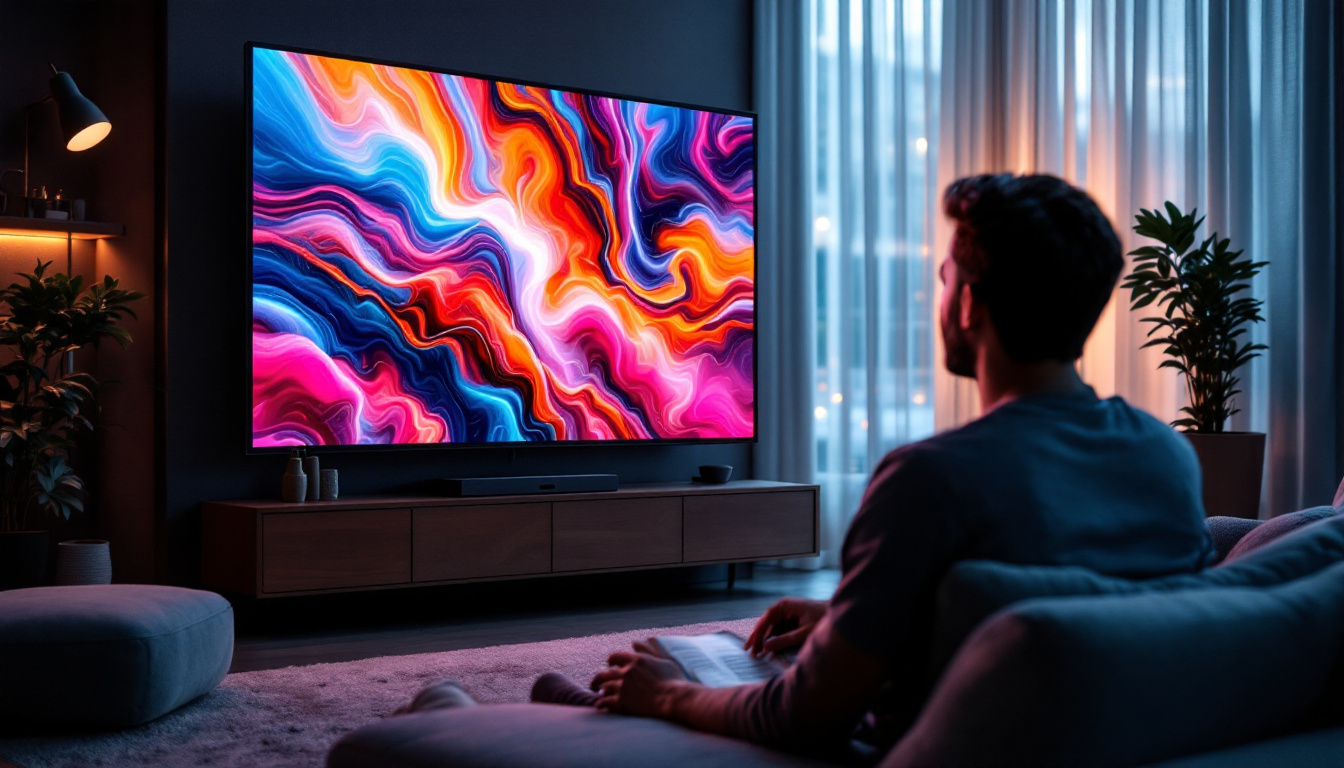
Large LED TVs measuring around 68 inches are popular for home theaters and living rooms. They provide a cinematic experience with vivid colors and deep contrast, enhancing movie watching, gaming, and streaming.
Consumers often compare sizes in inches but may need to convert dimensions from centimeters when shopping internationally or reading product specifications.
Commercial and Professional Use
In offices and conference rooms, LED displays of this size serve as presentation screens, video conferencing tools, and digital whiteboards. Their size allows clear visibility for groups without occupying excessive space.
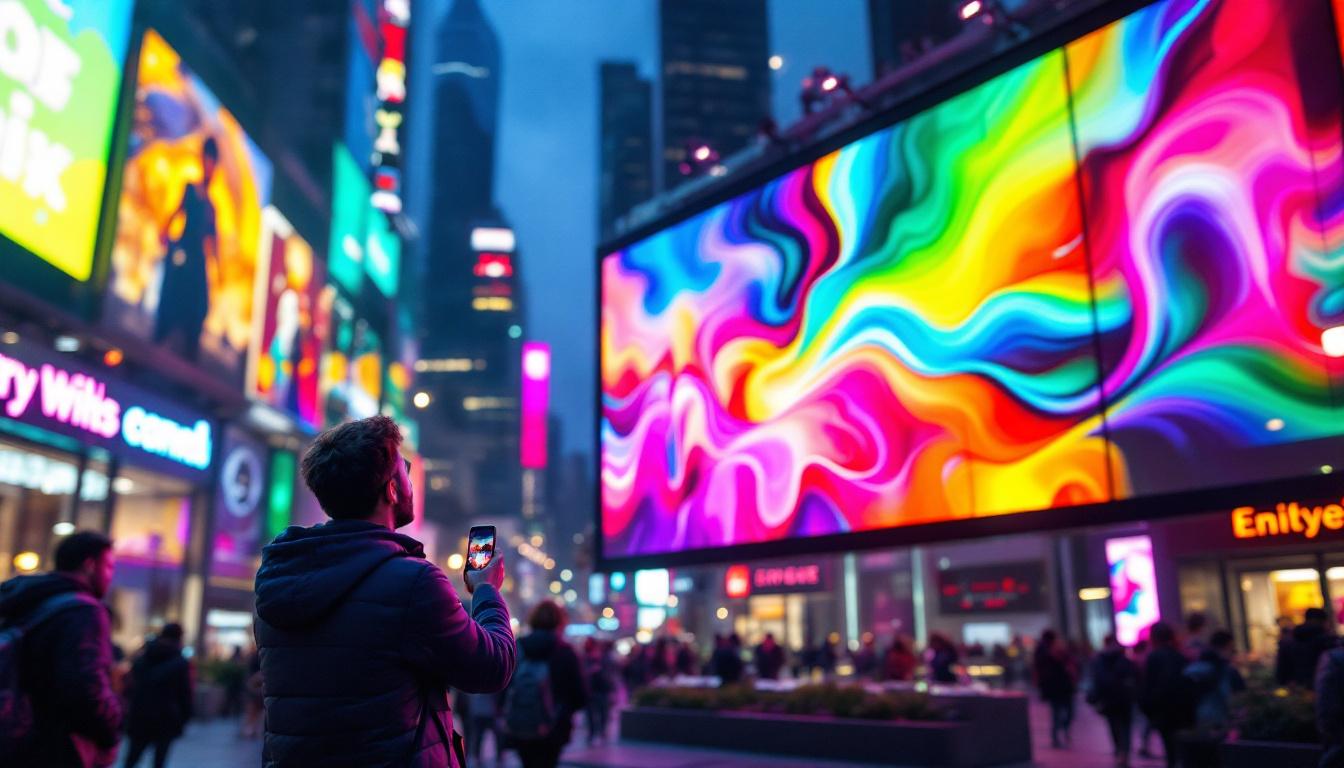
Retail and advertising sectors use similarly sized LED displays for digital signage, delivering dynamic content that attracts customer attention effectively.
Educational Settings
Schools and universities utilize large LED displays for lectures, interactive learning, and information sharing. A 173 cm diagonal screen offers enough space to display detailed content clearly to an audience.
Choosing the Right LED Display Size: Factors to Consider
When selecting an LED display, size is a critical factor, but it should be considered alongside other elements to ensure the best fit for the intended use.
Viewing Distance
The optimal viewing distance depends on the screen size and resolution. For a 68-inch display, the recommended viewing distance is typically between 8 to 12 feet (about 2.5 to 3.7 meters) for Full HD, and closer for 4K displays due to higher pixel density.
Room Size and Layout
Measure the available space to ensure the display fits comfortably without overwhelming the room. Consider wall mounting options or stands that accommodate the screen’s dimensions and weight.
Purpose and Content Type
Think about what content will be displayed. For detailed graphics or text-heavy presentations, higher resolution and appropriate size are crucial. For casual viewing, size and brightness might take precedence.
Conclusion
Converting 173 centimeters to inches reveals a measurement of approximately 68.11 inches, a size commonly associated with large LED displays used in various settings. Understanding this conversion helps consumers and professionals make informed decisions when selecting screens for entertainment, business, or educational purposes.
LED display technology continues to evolve, offering larger sizes, higher resolutions, and better energy efficiency. Knowing how to interpret size measurements and relate them to practical applications ensures that users choose the right display to meet their needs effectively.
Whether shopping for a new television, setting up a conference room, or designing digital signage, the ability to convert and understand measurements between centimeters and inches is an invaluable skill in today’s global marketplace.
Explore Cutting-Edge LED Display Solutions with LumenMatrix
Ready to elevate your visual experience with the latest in LED display technology? LumenMatrix offers a wide array of innovative solutions tailored to your needs, from Indoor and Outdoor LED Wall Displays to specialized options like Vehicle and Sports LED Displays. Embrace the future of visual communication with our Custom, All-in-One, and Transparent LED Displays, designed to captivate and engage your audience. Check out LumenMatrix LED Display Solutions today and transform your space with vibrant, energy-efficient displays that make a lasting impression.