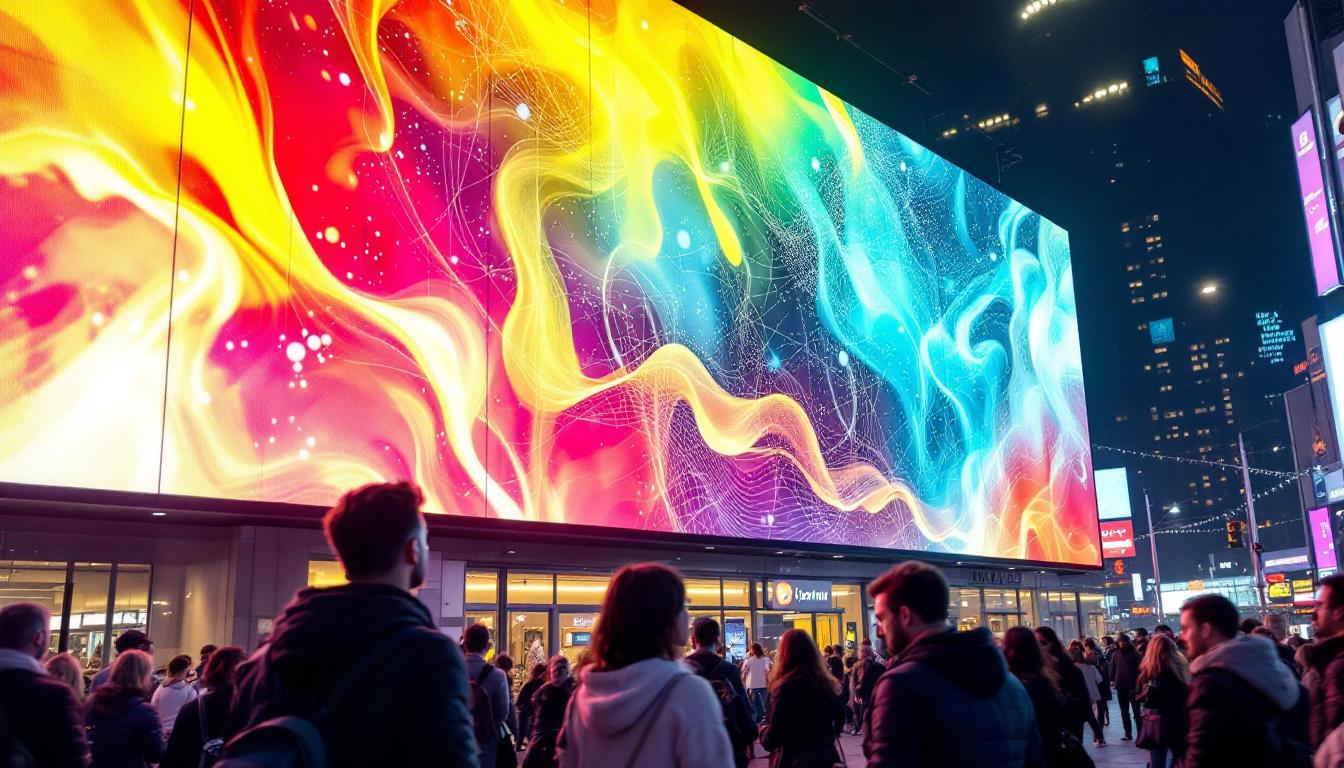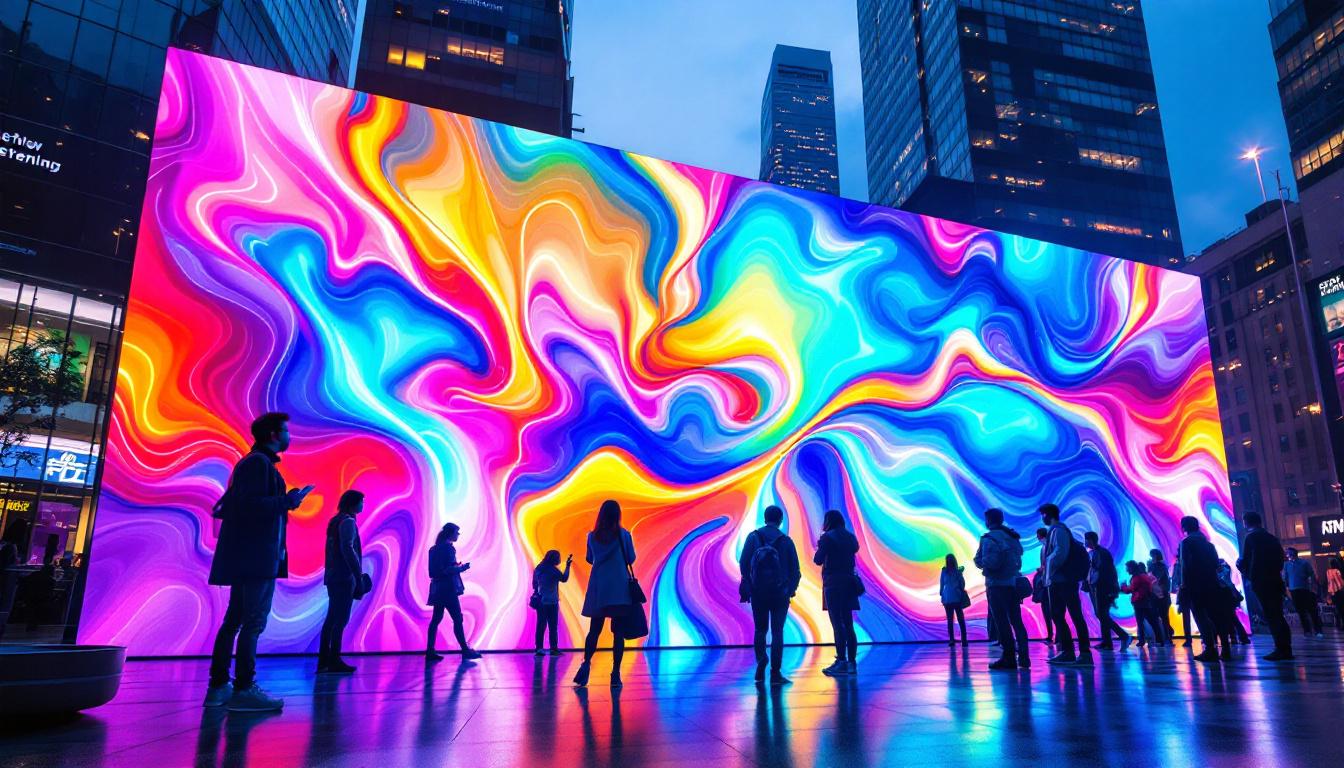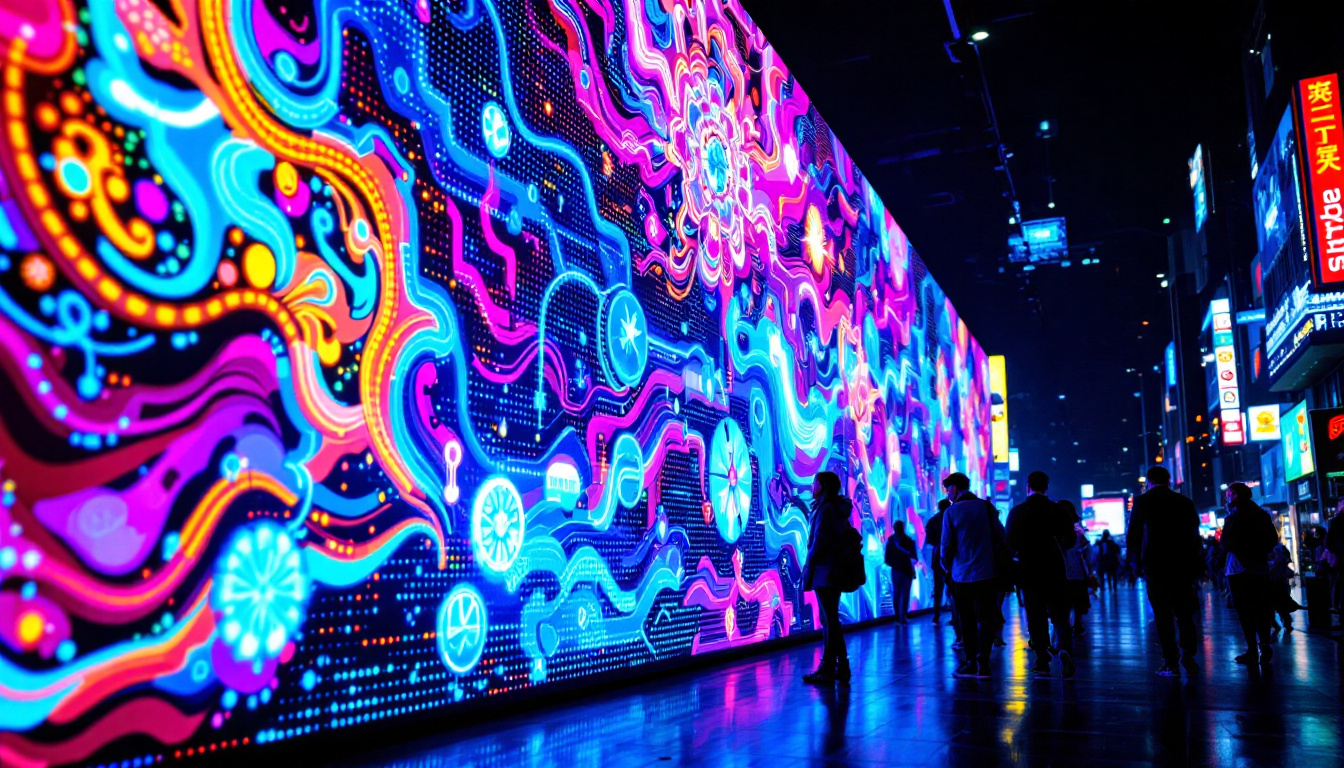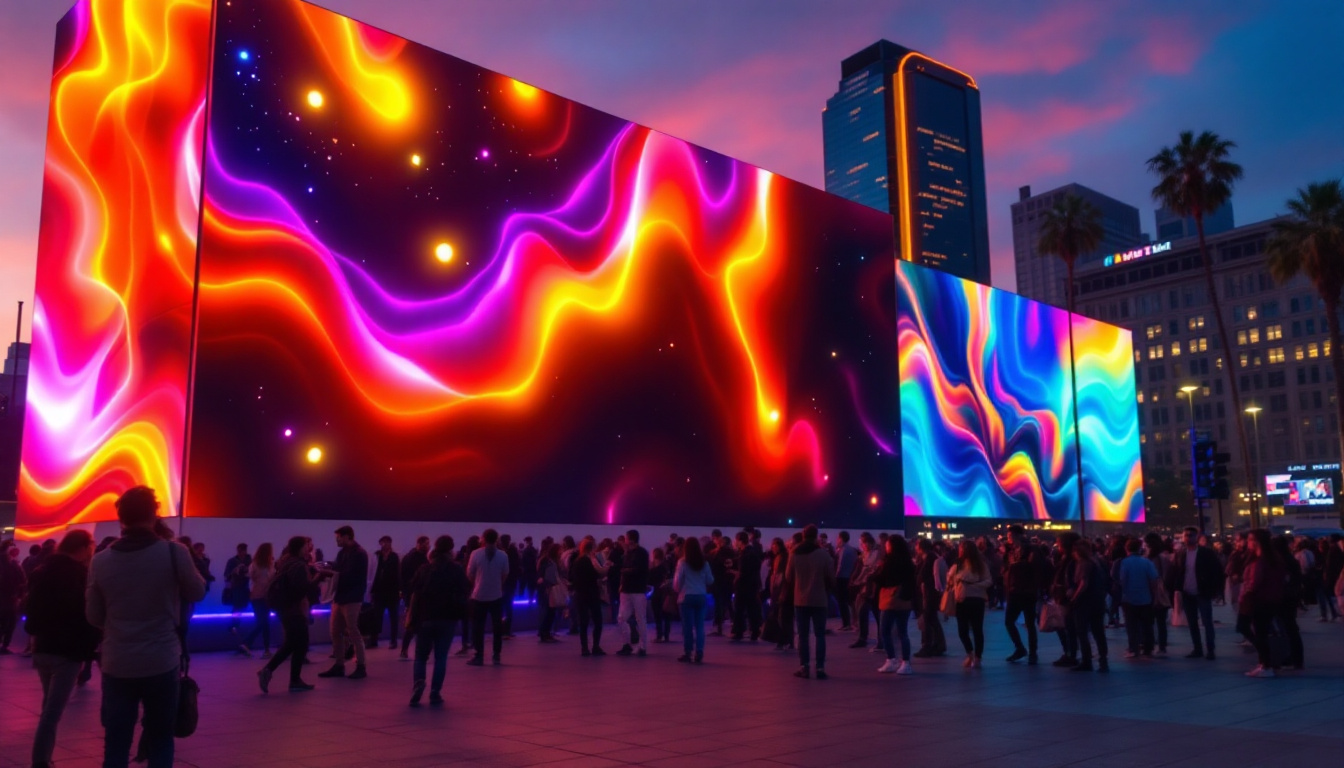
In today’s fast-paced retail and event environments, vendors face the challenge of capturing customer attention quickly and effectively. Display stands equipped with LED displays have become an essential tool for vendors aiming to enhance visibility, communicate dynamic content, and ultimately boost sales. This article explores the technology behind LED displays, their advantages for vendors, and practical considerations for selecting and using LED display stands.
Understanding LED Display Technology
What is an LED Display?
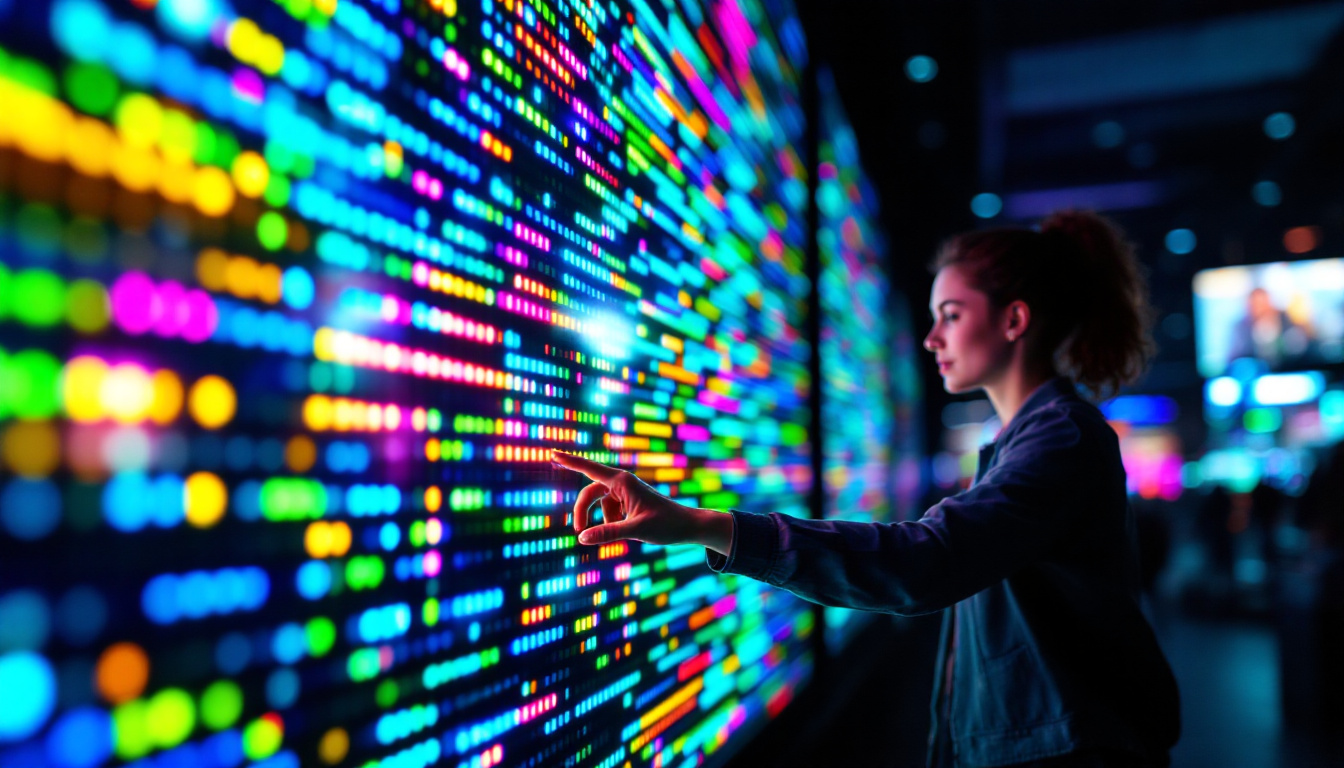
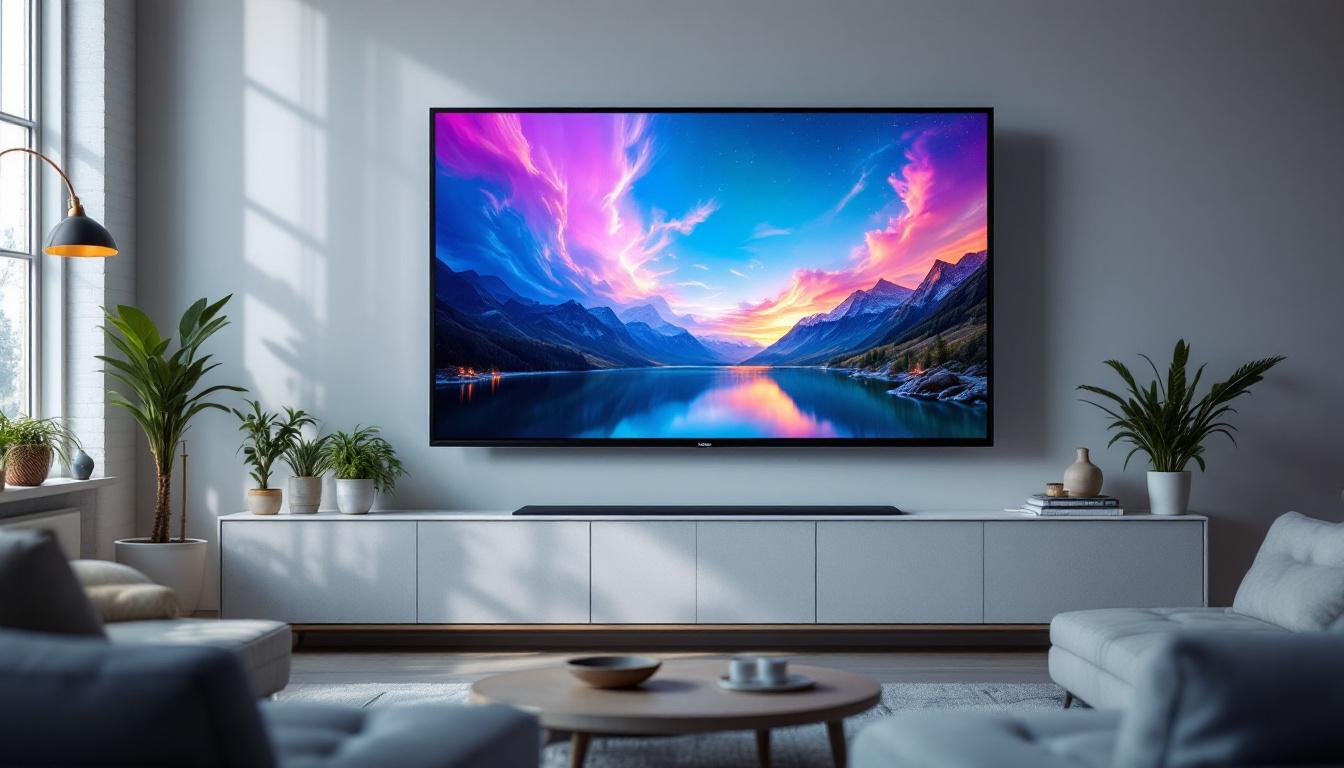
LED stands for Light Emitting Diode, a semiconductor device that emits light when an electric current passes through it. LED displays are screens made up of numerous tiny LEDs arranged in a matrix to produce images, videos, and text. Unlike traditional LCD or plasma screens, LED displays use these diodes as individual pixels, which allows for high brightness, vibrant colors, and excellent visibility even in direct sunlight.
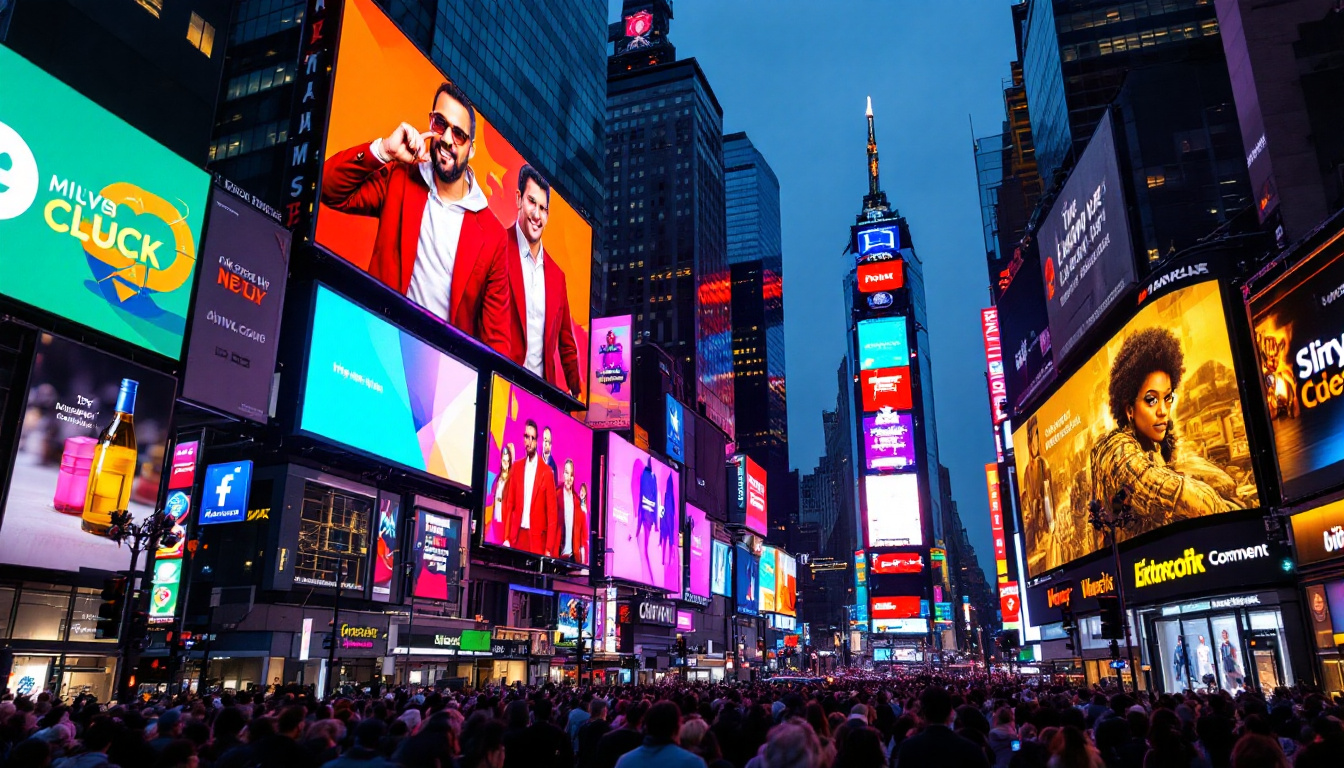
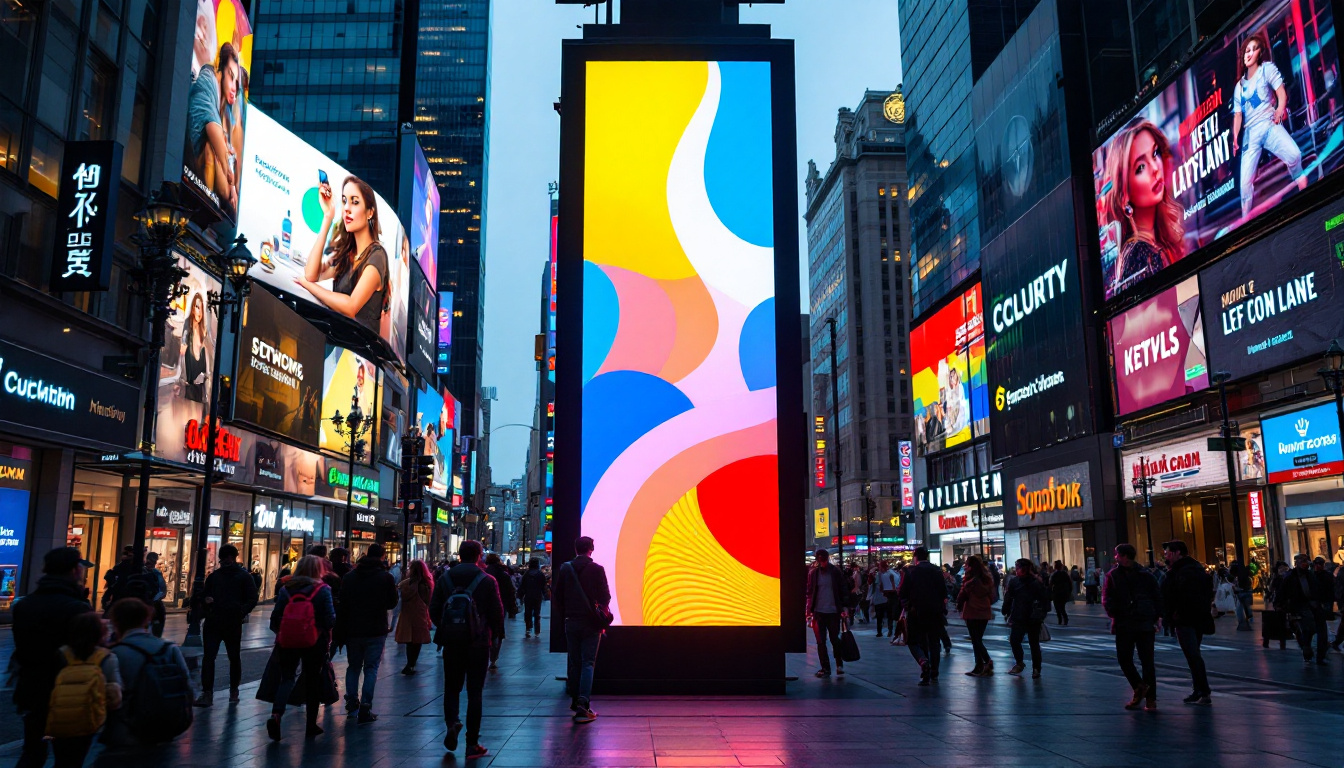
Modern LED displays can be configured in various sizes and resolutions, ranging from small, portable units suitable for vendor booths to large-scale video walls used in stadiums and outdoor advertising. The modular nature of LED panels means they can be customized to fit specific display stand dimensions, making them highly versatile for vendor applications.
Types of LED Displays Relevant to Vendors
There are primarily two types of LED displays vendors use: indoor and outdoor LED displays. Indoor LED displays typically have a higher pixel density, providing sharper images at close viewing distances, which is ideal for trade shows and retail environments. Outdoor LED displays are designed with higher brightness levels and weather-resistant features to withstand sunlight and environmental conditions, making them suitable for street markets, festivals, and outdoor events.
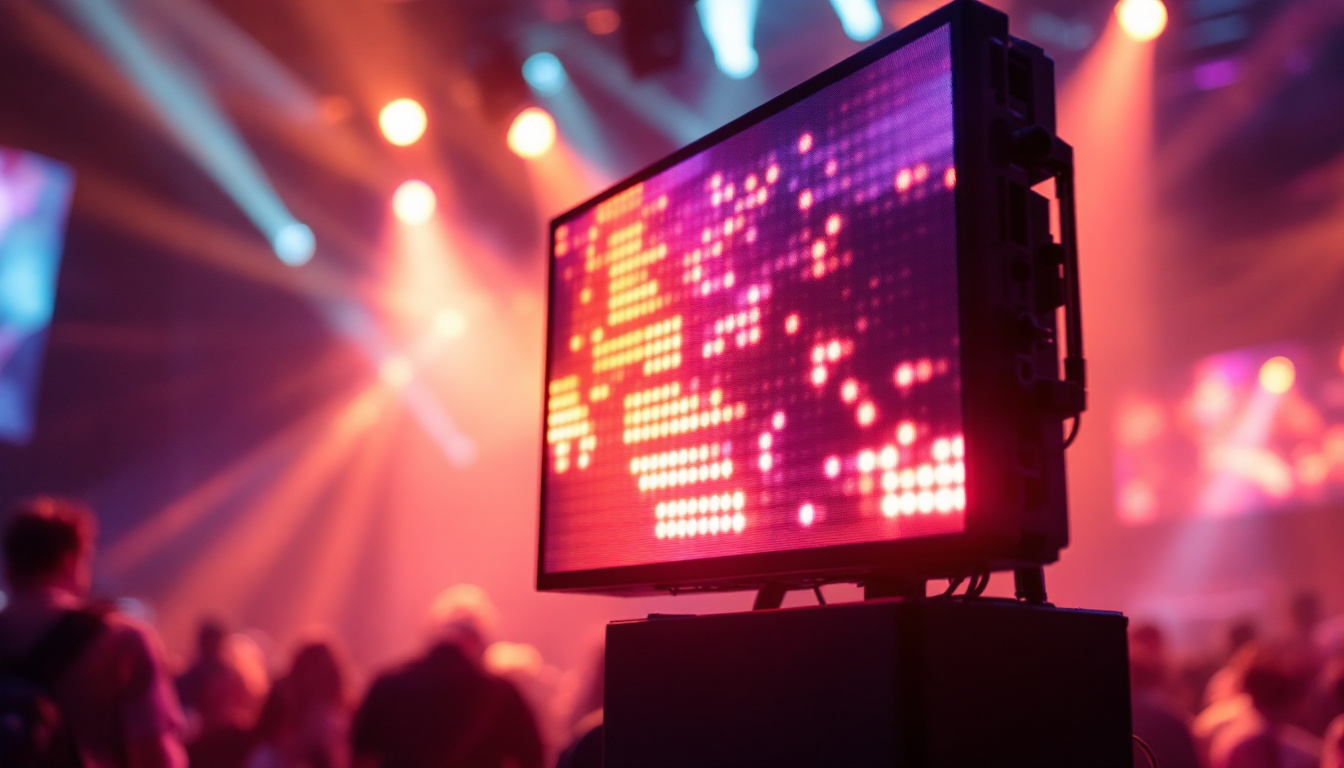
Another important distinction is between fixed-pixel pitch and flexible LED displays. Pixel pitch refers to the distance between individual LEDs; smaller pitches yield higher resolution and finer detail. Vendors should consider their typical viewing distance and content type when choosing the right LED display type to maximize impact.
Benefits of LED Display Stands for Vendors
Enhanced Visual Appeal and Engagement
One of the most significant advantages of LED display stands is their ability to attract attention through bright, dynamic visuals. Studies show that digital signage can increase customer engagement by up to 400% compared to static displays. LED displays offer vibrant colors, smooth animations, and video playback capabilities that static banners or posters cannot match.
For vendors, this means the ability to showcase products, promotions, and brand messages in a compelling way that draws customers closer to the stand. The dynamic nature of LED content also allows for real-time updates, enabling vendors to tailor messaging based on time of day, audience demographics, or inventory changes.
Improved Communication and Information Delivery
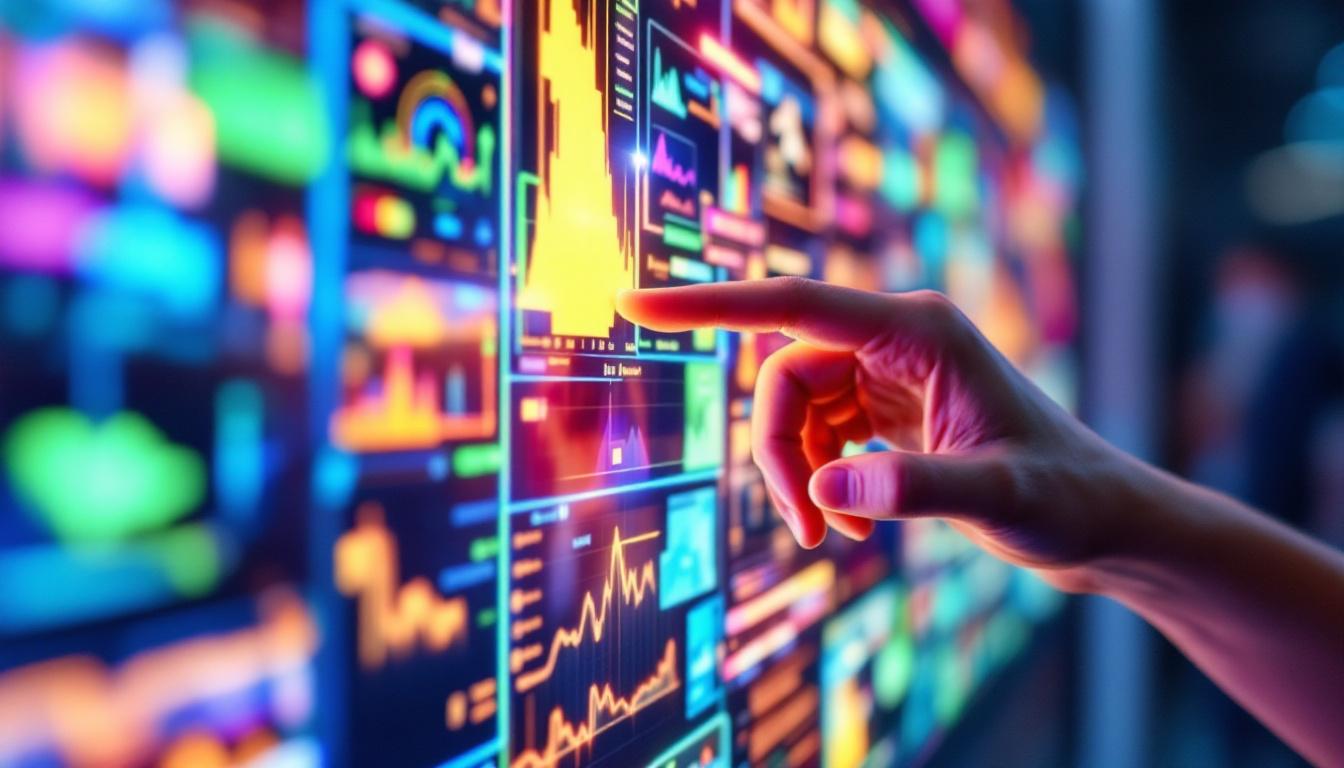
LED displays provide a versatile platform for delivering information clearly and effectively. Vendors can use scrolling text, video demonstrations, interactive menus, and live social media feeds to engage customers. This flexibility enhances the shopping experience by providing relevant information without the need for additional staff intervention.
For example, food vendors can display nutritional information, ingredient lists, or daily specials, while technology vendors might showcase product features and customer testimonials. The ability to update content remotely also reduces the cost and effort associated with printing new materials for every campaign or event.
Durability and Energy Efficiency
LED technology is known for its longevity and energy efficiency. LED display stands typically consume less power than equivalent LCD or plasma displays, which is an important consideration for vendors operating on tight budgets or in locations with limited electrical infrastructure.
Furthermore, LED displays are robust and resistant to shock and vibration, making them ideal for mobile vendors or those frequently setting up and dismantling booths. Many LED display stands are designed with weatherproofing features, ensuring reliable performance even in challenging outdoor conditions.
Choosing the Right LED Display Stand for Your Vendor Needs
Assessing Your Display Environment
Before selecting an LED display stand, vendors should carefully assess the environment where the display will be used. Indoor environments typically require displays with higher resolution and lower brightness, while outdoor environments demand higher brightness and weather resistance.
Consider factors such as ambient lighting, viewing distance, foot traffic patterns, and space constraints. For example, a vendor in a brightly lit mall may need a display with a brightness level of 800 to 1,200 nits to ensure visibility, whereas an outdoor vendor in direct sunlight might require 5,000 nits or more.
Size and Resolution Considerations
The size of the LED display should align with the vendor’s booth size and the typical distance of the audience. Larger displays are more visible from afar but may be impractical in small spaces. Resolution, determined by pixel pitch, affects image clarity; vendors should aim for a pixel pitch that balances sharpness with cost.
For instance, a pixel pitch of 2.5mm to 4mm is ideal for indoor displays viewed from 1 to 3 meters, while a 6mm to 10mm pitch may be sufficient for outdoor displays viewed from greater distances. It’s crucial to avoid overly large or high-resolution displays that exceed budget or logistical capabilities.
Content Management and Software Integration
Effective use of LED display stands depends on the ability to manage and update content easily. Vendors should look for display solutions that come with user-friendly content management systems (CMS) that support various media formats and scheduling options.
Some advanced LED displays offer integration with mobile apps or cloud-based platforms, enabling remote updates and real-time content changes. This capability is particularly valuable for vendors participating in multiple events or managing several locations simultaneously.
Practical Tips for Maximizing the Impact of LED Display Stands
Designing Compelling Content
Content is king when it comes to LED displays. Vendors should focus on creating visually appealing, concise, and relevant content that resonates with their target audience. Use bold colors, clear fonts, and high-quality images or videos to maximize impact.
Incorporate calls to action, such as “Visit Our Booth for a Free Sample” or “Limited-Time Offer,” to encourage immediate engagement. Rotating content can keep the display fresh and maintain customer interest throughout the event or sales period.
Positioning and Visibility
Strategic placement of the LED display stand is crucial for maximizing visibility and engagement. Position the display at eye level or slightly above to ensure it is easily seen by passersby. Avoid placing the display in areas with glare or obstructions that could diminish visibility.
Consider the flow of foot traffic and place the stand where it naturally captures attention, such as near entrances, checkout areas, or high-traffic aisles. For outdoor vendors, positioning the display facing the main pedestrian paths can significantly increase exposure.
Maintenance and Technical Support
Regular maintenance ensures the longevity and optimal performance of LED display stands. Vendors should schedule routine cleaning to remove dust and debris, check for dead pixels or color inconsistencies, and verify connectivity and power supply integrity.
Choosing LED displays from reputable manufacturers that offer reliable technical support and warranty services can save vendors from costly downtime. It’s also advisable to have basic troubleshooting knowledge or access to professional technicians during events.
Case Studies: Successful Use of LED Display Stands by Vendors
Food Vendor at a Music Festival
A popular food vendor at a large outdoor music festival utilized a high-brightness outdoor LED display stand to showcase their menu, daily specials, and live social media updates. The display’s vibrant visuals and dynamic content attracted festival-goers from across the venue, resulting in a 30% increase in sales compared to previous years using static signage.
The vendor also leveraged the display to announce flash deals and wait times, improving customer satisfaction and operational efficiency. The weatherproof design ensured uninterrupted performance despite rain and dust.
Technology Vendor at a Trade Show
At a major technology trade show, a vendor specializing in smart home devices employed a modular indoor LED display stand with a 2.5mm pixel pitch. The display featured product demos, customer testimonials, and interactive touchpoints that allowed attendees to explore features digitally.
This immersive experience helped the vendor stand out among hundreds of exhibitors, generating a 50% increase in qualified leads. The ability to update content remotely enabled the vendor to tailor messaging for different audience segments throughout the event.
Future Trends in LED Display Technology for Vendors
Integration with Augmented Reality and Interactivity
Emerging trends indicate that LED display stands will increasingly incorporate augmented reality (AR) and interactive features. Vendors can expect to engage customers through touch-sensitive displays, gesture controls, and AR overlays that blend digital content with the physical environment, creating memorable brand experiences.
Energy-Efficient and Sustainable Solutions
As sustainability becomes a priority, LED display manufacturers are developing more energy-efficient models with recyclable materials and lower carbon footprints. Vendors adopting these solutions can reduce operational costs and appeal to environmentally conscious consumers.
AI-Driven Content Personalization
Artificial intelligence (AI) is poised to revolutionize content delivery on LED displays by enabling real-time personalization based on customer demographics, behavior, and preferences. This technology will allow vendors to optimize messaging dynamically, improving engagement and conversion rates.
Conclusion
LED display stands represent a powerful tool for vendors seeking to enhance their visibility, communicate effectively, and engage customers in diverse environments. Understanding the technology, benefits, and practical considerations is essential for selecting the right display solution that fits specific vendor needs.
By investing in high-quality LED displays and leveraging compelling content strategies, vendors can create memorable brand experiences that drive sales and foster customer loyalty. As LED technology continues to evolve, staying informed about emerging trends will enable vendors to maintain a competitive edge in an increasingly digital marketplace.
Explore Cutting-Edge LED Display Solutions with LumenMatrix
Ready to elevate your vendor experience and captivate your audience with the most advanced LED display technology? Look no further than LumenMatrix, the leader in innovative LED solutions that transform visual communication. From the bustling floors of trade shows to the dynamic atmosphere of outdoor events, our range of products, including Indoor and Outdoor LED Wall Displays, Vehicle LED Displays, and more, are designed to make your brand shine. Discover how LumenMatrix can revolutionize your displays and help you create unforgettable visual experiences. Check out LumenMatrix LED Display Solutions today and take the first step towards enhancing your customer engagement.