Narrow Bezel TV: LED Display Explained
In recent years, televisions have undergone significant transformations, not just in terms of picture quality but also in design aesthetics. One of the most notable trends in TV design is the emergence of narrow bezel TVs, which provide a sleek, modern look and an immersive viewing experience. Coupled with advancements in LED display technology, these TVs are reshaping how consumers engage with visual content. This article delves into what narrow bezel TVs are, the technology behind LED displays, and why this combination is becoming the preferred choice for many households.
Understanding Narrow Bezel TVs
What Is a Narrow Bezel?
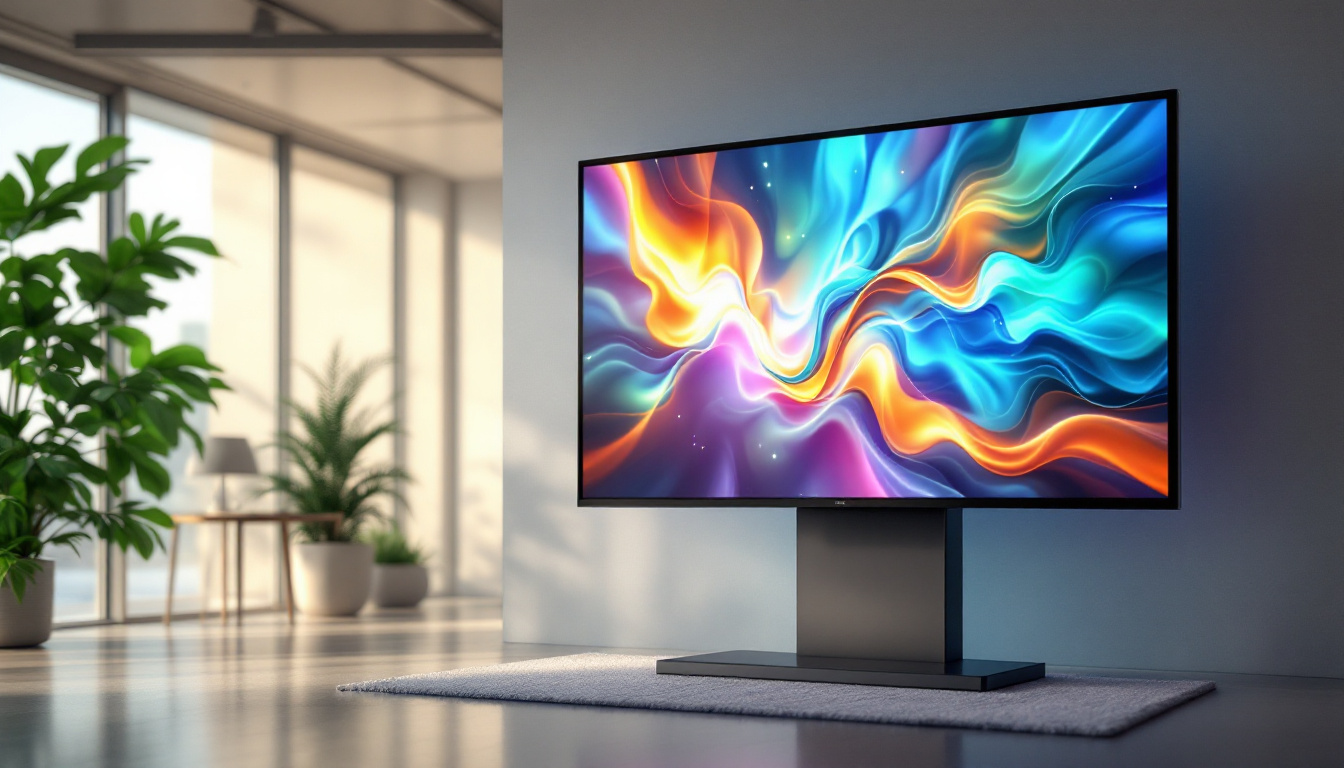
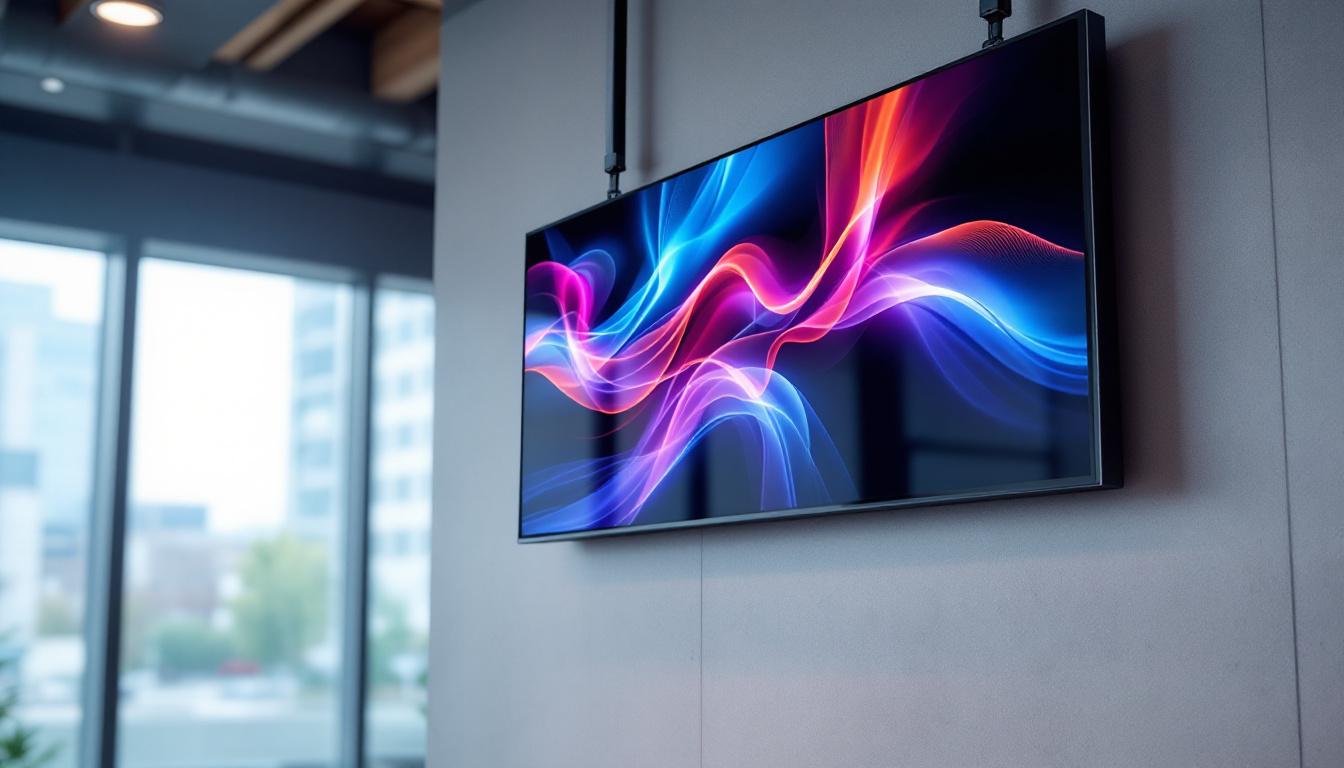
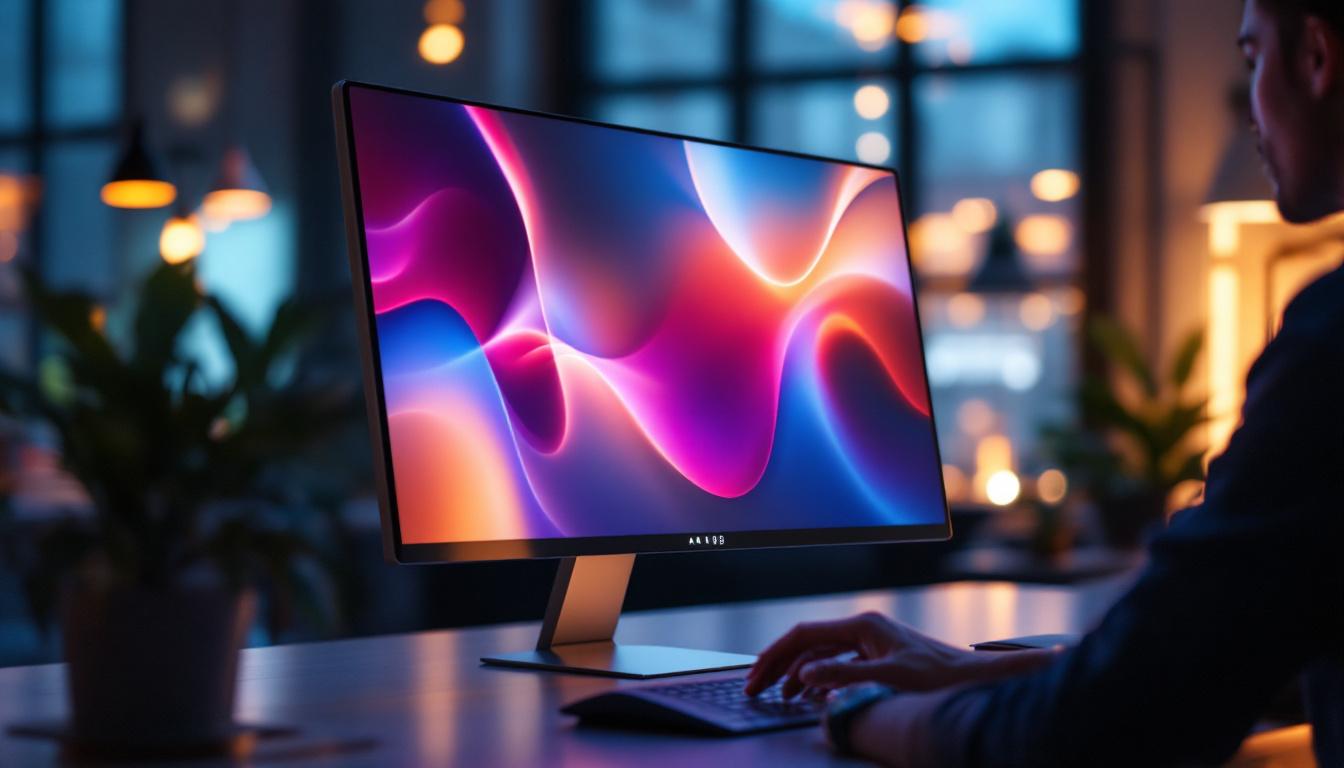
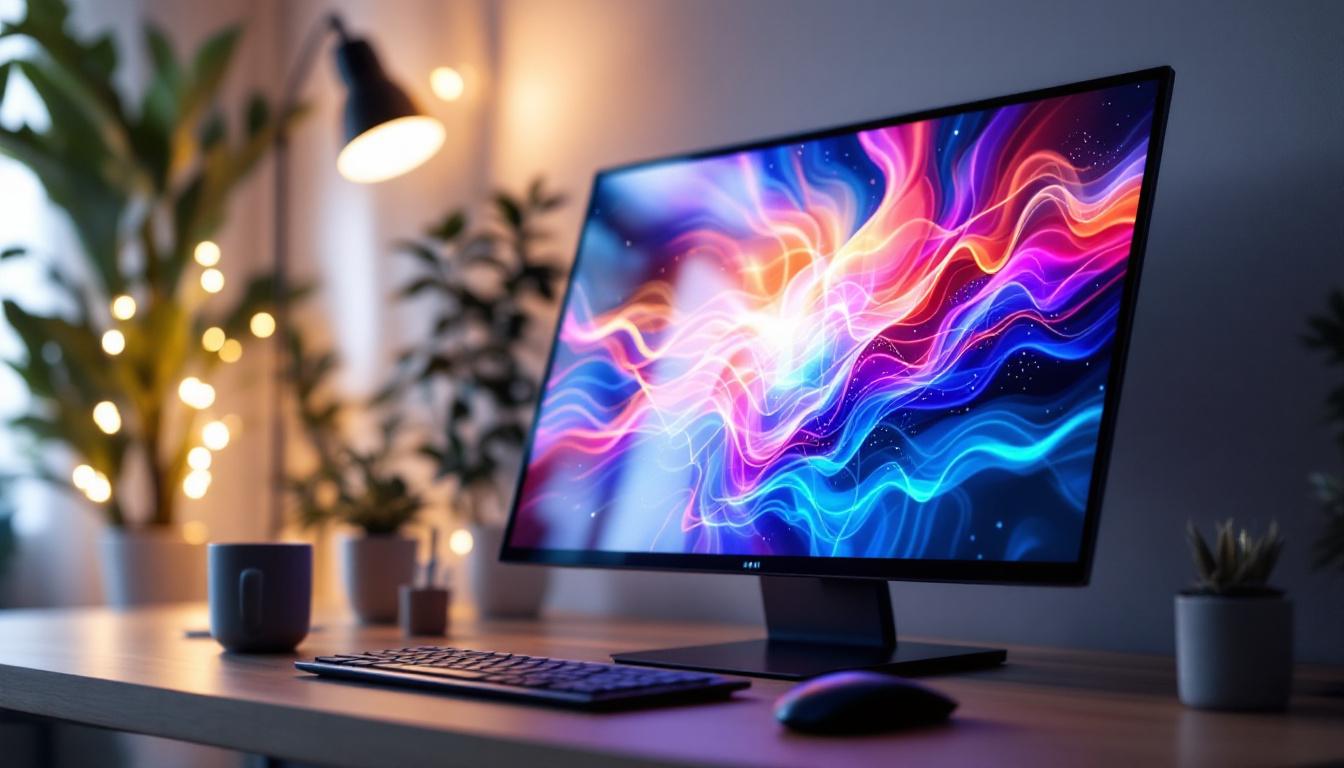
The bezel of a television refers to the frame or border surrounding the screen. Traditional TVs often had wide bezels that could be several centimeters thick, which not only added bulk but also distracted from the viewing experience. In contrast, narrow bezel TVs feature significantly thinner frames, sometimes just a few millimeters wide, maximizing the screen area visible to the viewer.
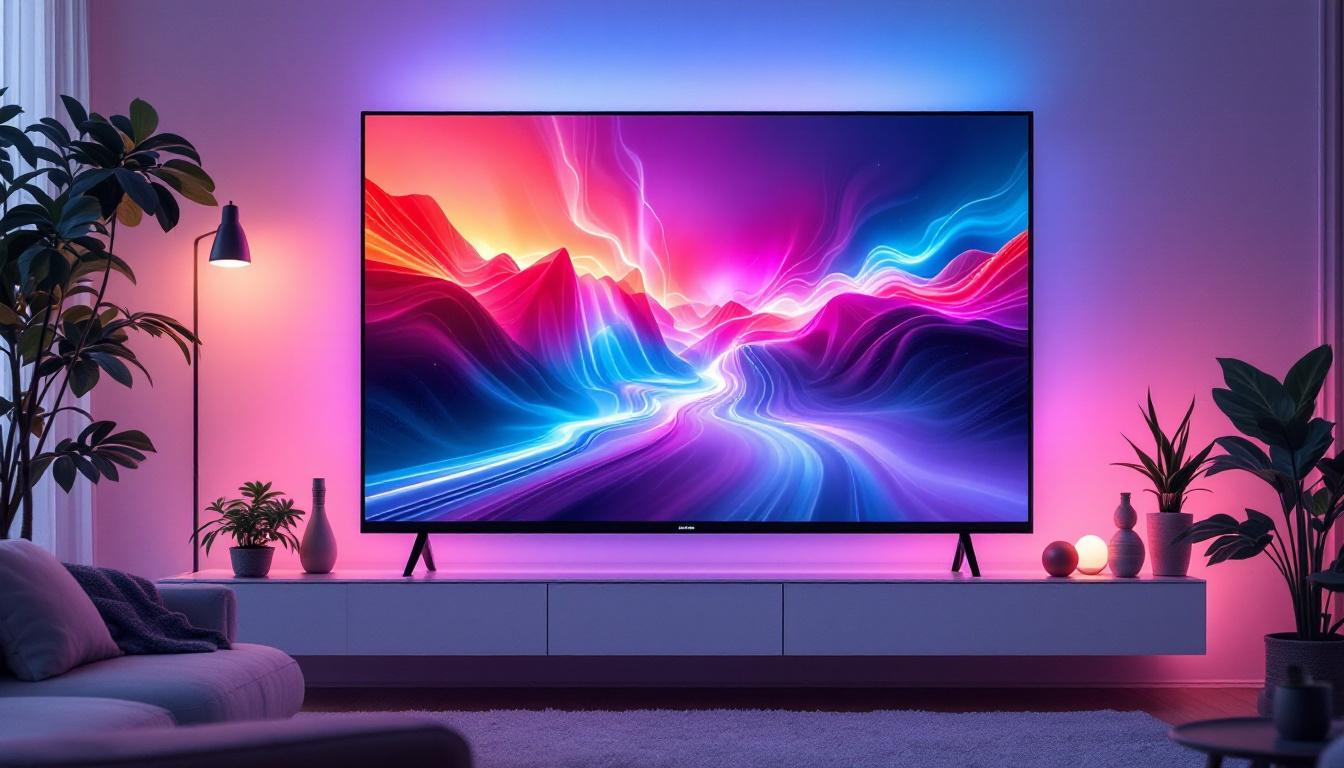
Manufacturers have been pushing the boundaries of bezel thinness to create TVs that look almost borderless. This design enhances the visual appeal and allows for larger screen sizes without increasing the overall dimensions of the TV. For consumers, this means a more immersive experience, especially when watching movies, playing video games, or using multi-screen setups. The aesthetic appeal of these designs often leads to a more modern and sophisticated look in home entertainment spaces, aligning well with contemporary interior design trends.
Additionally, the reduction in bezel size has been made possible by advancements in display technology, such as OLED and QLED screens, which allow for better picture quality and color accuracy. As a result, viewers can enjoy vibrant visuals that draw them into the content, making the experience not just about size but also about quality. The evolution of screen technology has also led to improved durability and energy efficiency, making narrow bezel TVs a smart investment for the future.
Why Narrow Bezels Matter
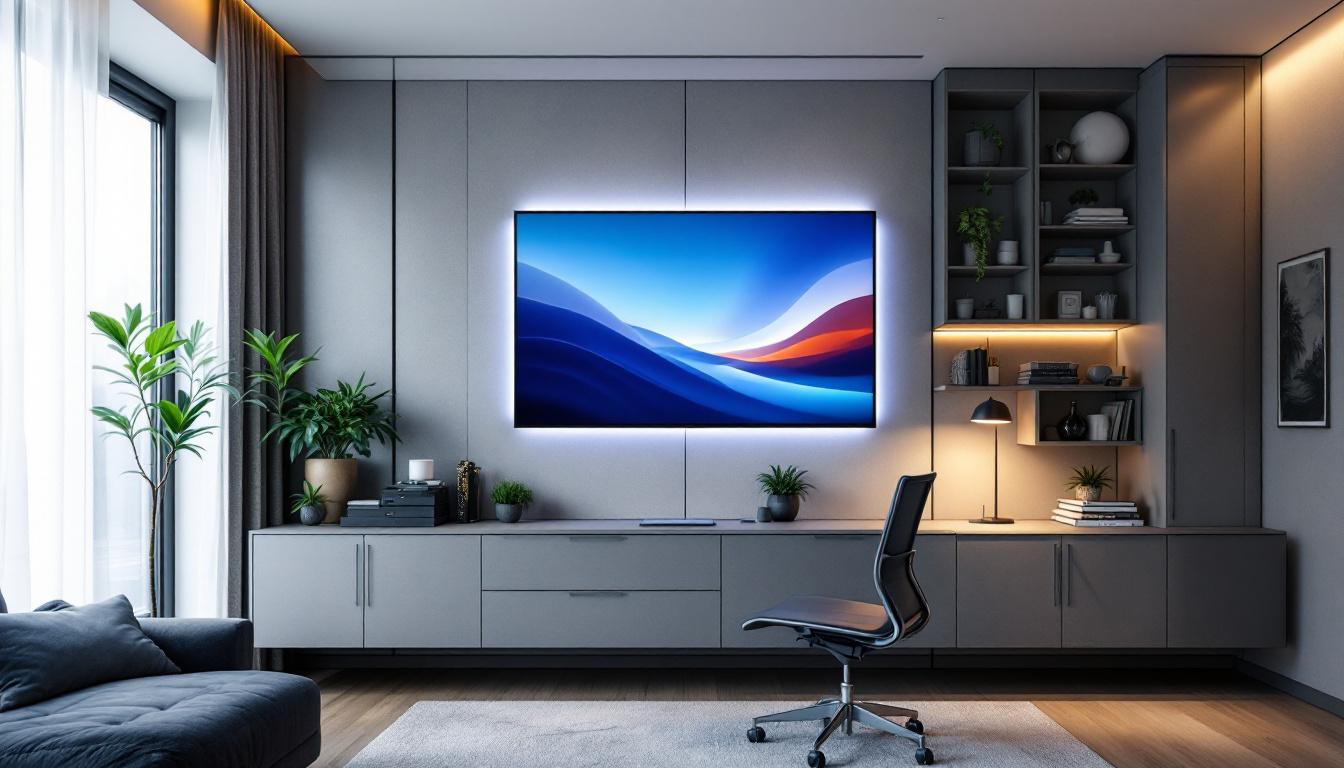
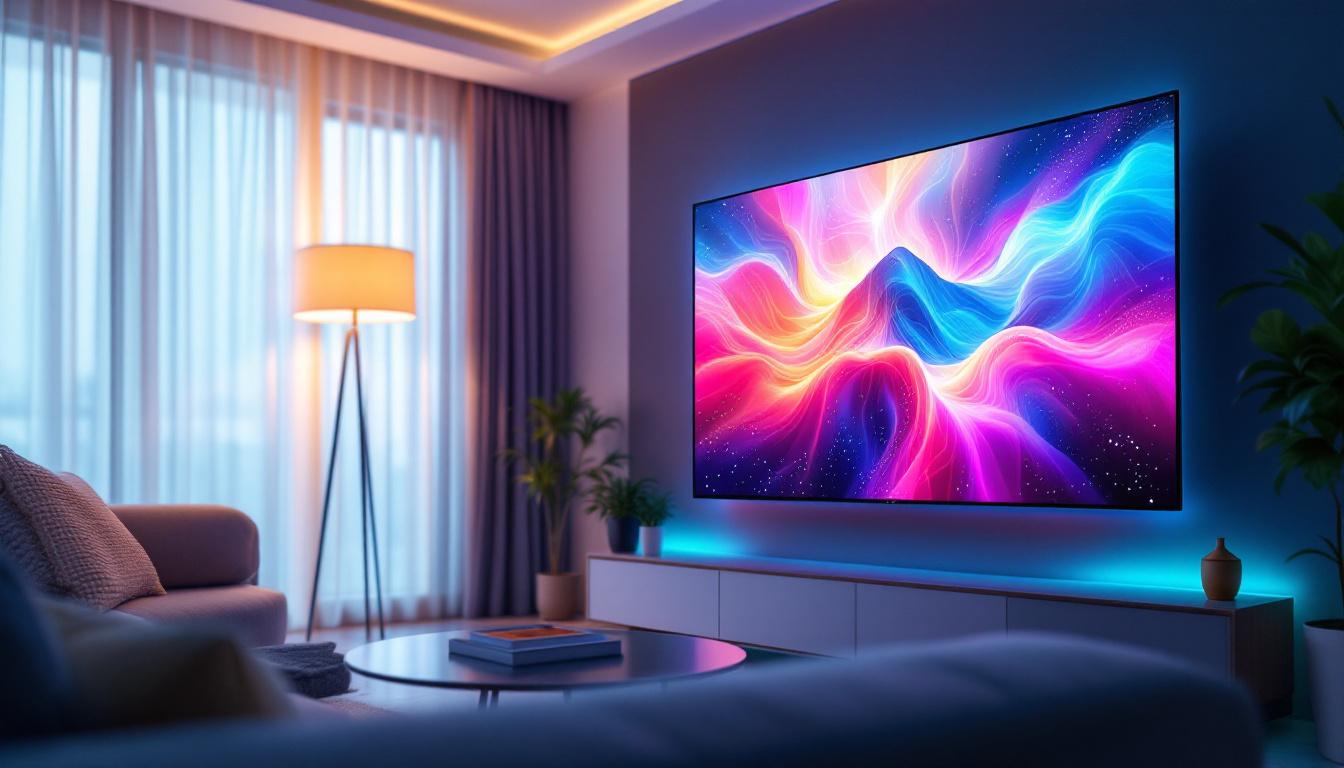
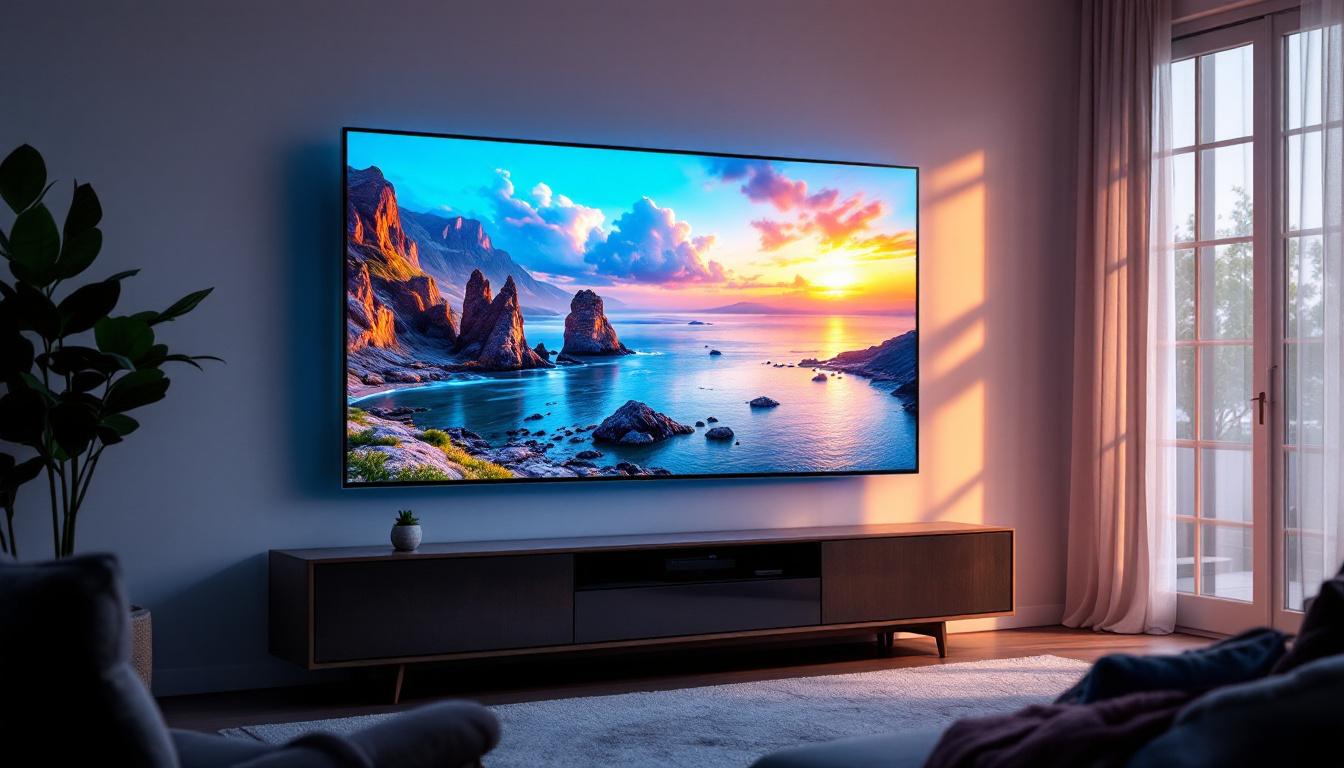
From a practical standpoint, narrow bezels help in optimizing space. In living rooms or bedrooms where space might be limited, a narrow bezel TV offers a larger display without requiring a bigger footprint. This is particularly beneficial for wall-mounted setups where the TV blends seamlessly with the wall, creating a minimalist and elegant look. The sleek design can complement various decor styles, from modern to rustic, allowing homeowners to integrate technology into their living spaces without overwhelming the aesthetic.
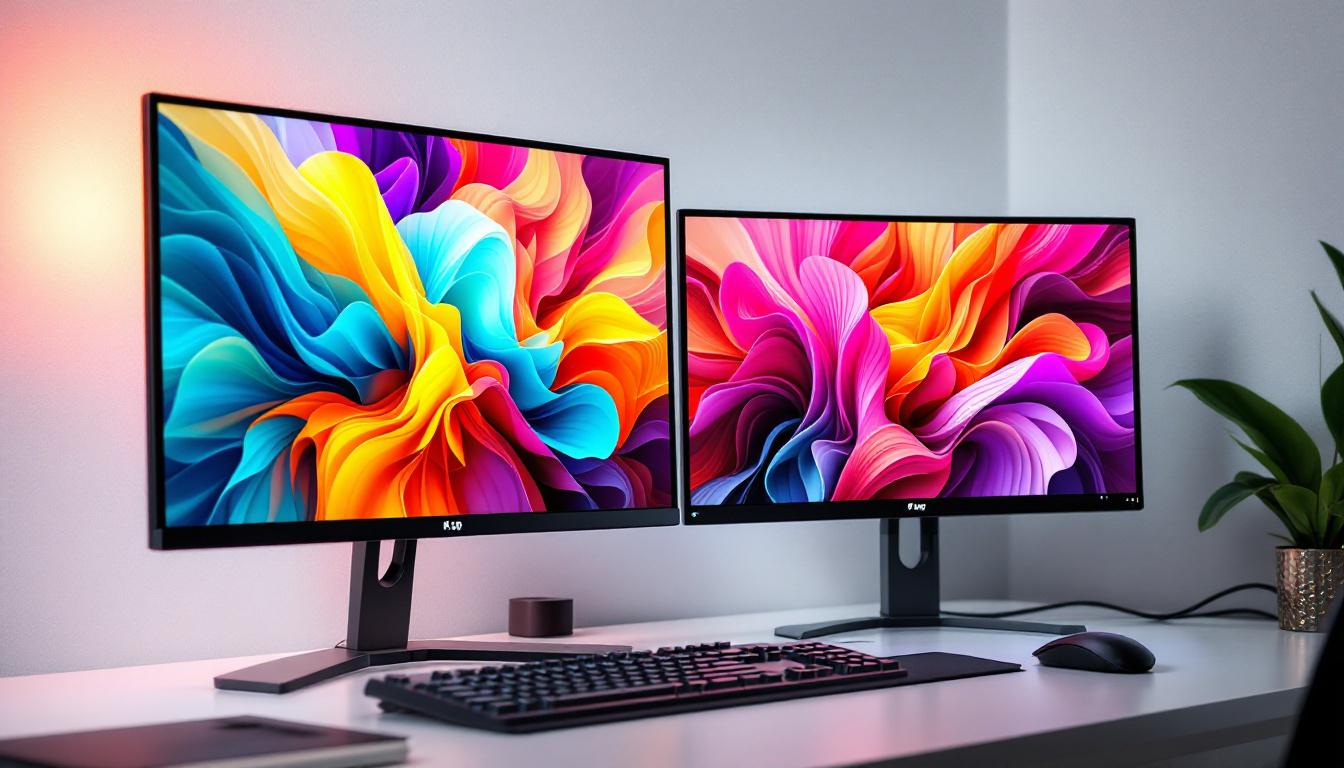
Moreover, narrow bezel designs are crucial for multi-display configurations, such as video walls used in professional settings or gaming setups. When multiple screens are placed side by side, thin bezels reduce the visual gap between displays, creating a more continuous and cohesive image. This is especially important in environments like control rooms, where information needs to be displayed clearly and without distraction, or in gaming, where immersion is key. The seamless transition between screens enhances the overall experience, making it feel like one large display rather than several separate units. Furthermore, the reduction of bezels can also minimize reflections and glare, allowing for a clearer view from various angles, which is essential in both professional and home entertainment scenarios.
The Technology Behind LED Displays
What is an LED Display?
LED stands for Light Emitting Diode, and LED displays utilize these diodes to illuminate the screen. In the context of televisions, LED technology refers to the backlighting method used for LCD (Liquid Crystal Display) panels. Unlike older CCFL (Cold Cathode Fluorescent Lamp) backlights, LEDs are more energy-efficient, provide better brightness, and allow for thinner screen designs.
LED TVs are essentially LCD TVs with LED backlighting. This distinction is important because it combines the color and image control of LCD panels with the efficiency and brightness of LED lights, resulting in superior picture quality. The advancements in LED technology have revolutionized the viewing experience, making it possible for consumers to enjoy vibrant colors and deep blacks that were previously unattainable with older display technologies. Additionally, the compact nature of LED diodes allows for sleek designs that can fit seamlessly into modern living spaces, catering to both aesthetic preferences and practical needs.
Types of LED Backlighting
There are primarily two types of LED backlighting used in TVs:
- Edge-lit LED: LEDs are placed around the edges of the screen, and light is distributed across the display using light guides. This allows for extremely thin TVs but can sometimes lead to uneven brightness or light bleeding.
- Full-array LED: LEDs are placed directly behind the screen in a grid pattern. This setup allows for local dimming, where specific zones of LEDs can be dimmed or brightened independently, enhancing contrast and black levels.
Full-array LED TVs generally offer better picture quality, especially in terms of contrast and uniformity, but they can be thicker and more expensive than edge-lit models. The choice between edge-lit and full-array can significantly impact the viewing experience, particularly in darker environments where the benefits of local dimming can be fully appreciated. Furthermore, as consumers become more discerning about picture quality, many manufacturers are focusing on optimizing full-array technology to provide an even more immersive experience, often incorporating advanced algorithms to enhance image processing and reduce artifacts.
Advancements in LED Technology
Recent innovations have further improved LED TV performance. Quantum Dot technology, for example, uses semiconductor nanocrystals to produce purer colors and higher brightness levels. TVs featuring Quantum Dot LEDs (often branded as QLED) provide a wider color gamut and improved energy efficiency. This technology not only enhances the viewing experience for movies and television shows but also makes these displays ideal for gaming, where vibrant colors and fast response times are crucial for an engaging experience.
Another advancement is Mini-LED technology, which uses thousands of tiny LEDs for backlighting. This allows for even more precise local dimming and better contrast ratios, rivaling OLED displays in some respects while maintaining the advantages of LED technology. Mini-LEDs enable manufacturers to create displays with finer control over brightness levels, resulting in stunning visuals that can adapt to various content types, from bright sports broadcasts to dark cinematic scenes. As the market continues to evolve, we can expect further developments that push the boundaries of what LED technology can achieve, potentially integrating features like AI-driven image enhancement and even greater energy efficiency.
Why Combine Narrow Bezels with LED Displays?
Enhancing Immersion and Aesthetics
The marriage of narrow bezel designs with LED display technology creates a TV that is not only visually stunning but also functionally superior. The thin bezels allow viewers to focus entirely on the screen without distractions, while the LED technology ensures vibrant colors, sharp images, and excellent contrast.
For users, this means a more immersive viewing experience. Whether watching a high-definition movie or playing a graphically intensive video game, the combination of a large, nearly borderless screen and bright, vivid LED images brings content to life in ways that older TVs cannot match.
Space Efficiency and Modern Living
Modern homes often prioritize clean, minimalist interiors. Narrow bezel LED TVs fit perfectly into this aesthetic, offering a sleek profile that complements contemporary decor. Their slim design also makes them easier to mount on walls or fit into entertainment centers without overwhelming the space.
Additionally, the energy efficiency of LED backlighting aligns with growing consumer awareness about sustainability. LED TVs consume less power than older models, reducing electricity bills and environmental impact.
Choosing the Right Narrow Bezel LED TV
Screen Size and Resolution
When selecting a narrow bezel LED TV, screen size is a critical consideration. Larger screens provide a more immersive experience but require appropriate viewing distances to avoid eye strain. For most living rooms, a screen size between 55 and 75 inches is popular, balancing size and comfort.
Resolution is equally important. 4K Ultra HD has become the standard for new TVs, offering four times the pixels of Full HD. This higher resolution ensures sharper images, especially on larger screens. Some high-end models now offer 8K resolution, though content availability remains limited.
Refresh Rate and HDR Support
A higher refresh rate (measured in Hertz) results in smoother motion, which is beneficial for fast-paced content like sports or gaming. Many narrow bezel LED TVs offer refresh rates of 120Hz or higher, reducing motion blur and enhancing clarity.
High Dynamic Range (HDR) support is another feature to look for. HDR increases the contrast between the brightest whites and the darkest blacks, enriching the overall picture quality. Popular HDR formats include HDR10, Dolby Vision, and HLG.
Smart Features and Connectivity
Modern TVs come equipped with smart platforms that allow streaming from popular services like Netflix, Amazon Prime, and Disney+. When choosing a narrow bezel LED TV, consider the operating system and app availability to ensure it meets your entertainment needs.
Connectivity options such as multiple HDMI ports, USB inputs, and support for Wi-Fi and Bluetooth are essential for connecting gaming consoles, soundbars, and other peripherals.
Conclusion: The Future of TV Design and Display
Narrow bezel LED TVs represent the convergence of cutting-edge display technology and elegant design. They offer consumers a viewing experience that is both immersive and visually appealing, without compromising on performance or energy efficiency. As LED technology continues to evolve, with innovations like Quantum Dot and Mini-LED, the quality and capabilities of these TVs will only improve.
For anyone in the market for a new television, understanding the benefits of narrow bezel designs combined with LED displays is crucial. This knowledge ensures a purchase that not only looks great in any living space but also delivers exceptional picture quality for years to come.
Discover the Future of Immersive Viewing with LumenMatrix
Ready to elevate your visual experience to new heights? LumenMatrix is at the forefront of LED display innovation, offering a wide array of solutions that transform any space into a dynamic environment. From the comfort of your home to the excitement of outdoor events, our Indoor and Outdoor LED Wall Displays, along with specialized options like Vehicle, Sports, and Floor LED Displays, ensure unparalleled picture quality and design. Embrace the sleek elegance of narrow bezel TVs and the brilliance of advanced LED technology with LumenMatrix. Check out LumenMatrix LED Display Solutions today and step into the future of television and display technology.