In today’s digital age, LED technology has revolutionized the way images and videos are displayed across various platforms. From smartphone screens to massive outdoor billboards, LED displays provide vibrant, energy-efficient, and durable solutions for visual communication. This article delves into the world of LED photo lights, explaining the technology behind LED displays, their applications, and why they have become the preferred choice for photo and video lighting in both professional and consumer settings.
Understanding LED Technology
What is an LED?
LED stands for Light Emitting Diode, a semiconductor device that emits light when an electric current passes through it. Unlike traditional incandescent bulbs that produce light by heating a filament, LEDs generate light through electroluminescence, making them more energy-efficient and longer-lasting. The light produced by an LED can vary in color depending on the materials used in its construction, allowing for a wide spectrum of colors without the need for filters. This versatility has made LEDs a popular choice not only for general lighting but also for decorative purposes, such as in holiday lights and architectural illumination.
Furthermore, the compact size of LEDs enables innovative design possibilities, allowing for thinner and more flexible lighting solutions. This has led to the development of LED strips, which can be easily integrated into various settings, from home interiors to commercial spaces. Additionally, advancements in LED technology have resulted in smart lighting systems that can be controlled remotely, offering users the ability to adjust brightness and color temperature to suit their preferences or mood, further enhancing the functionality of LED lighting in everyday life.
How LED Displays Work
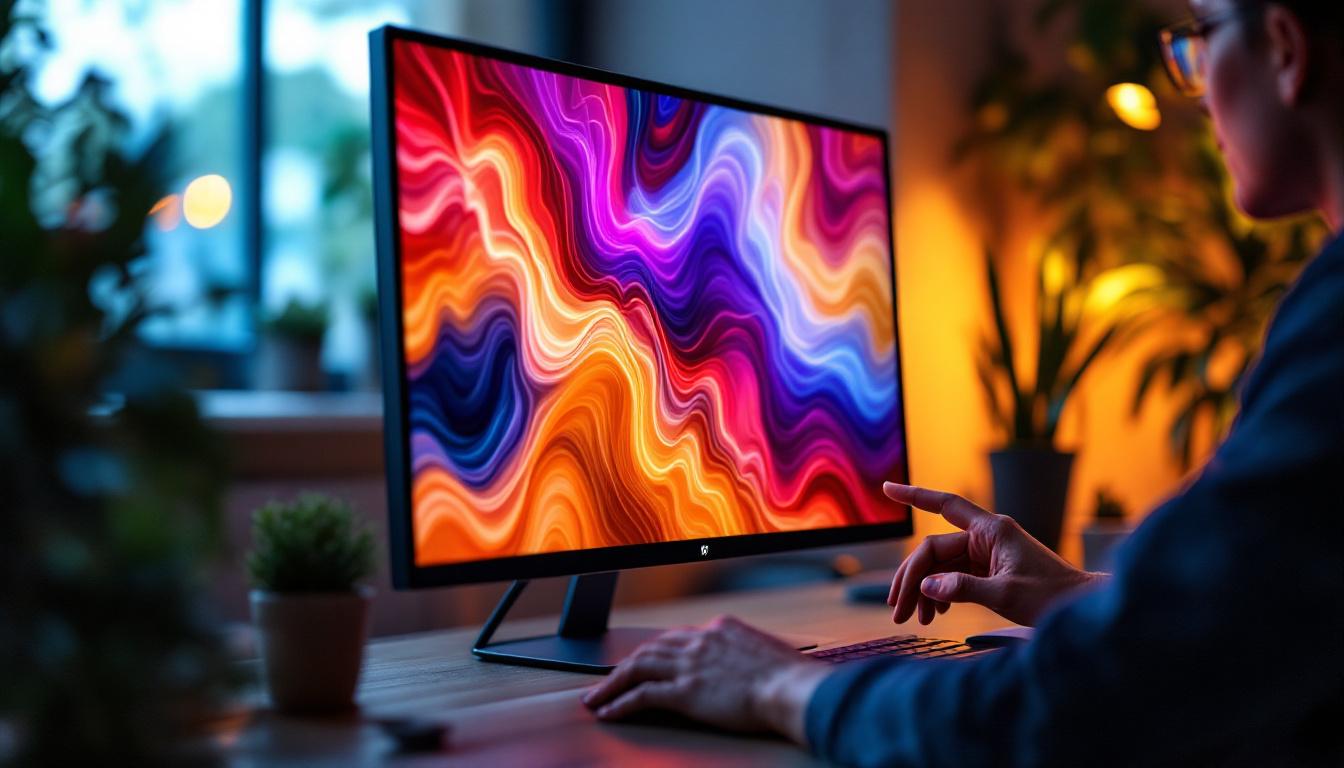
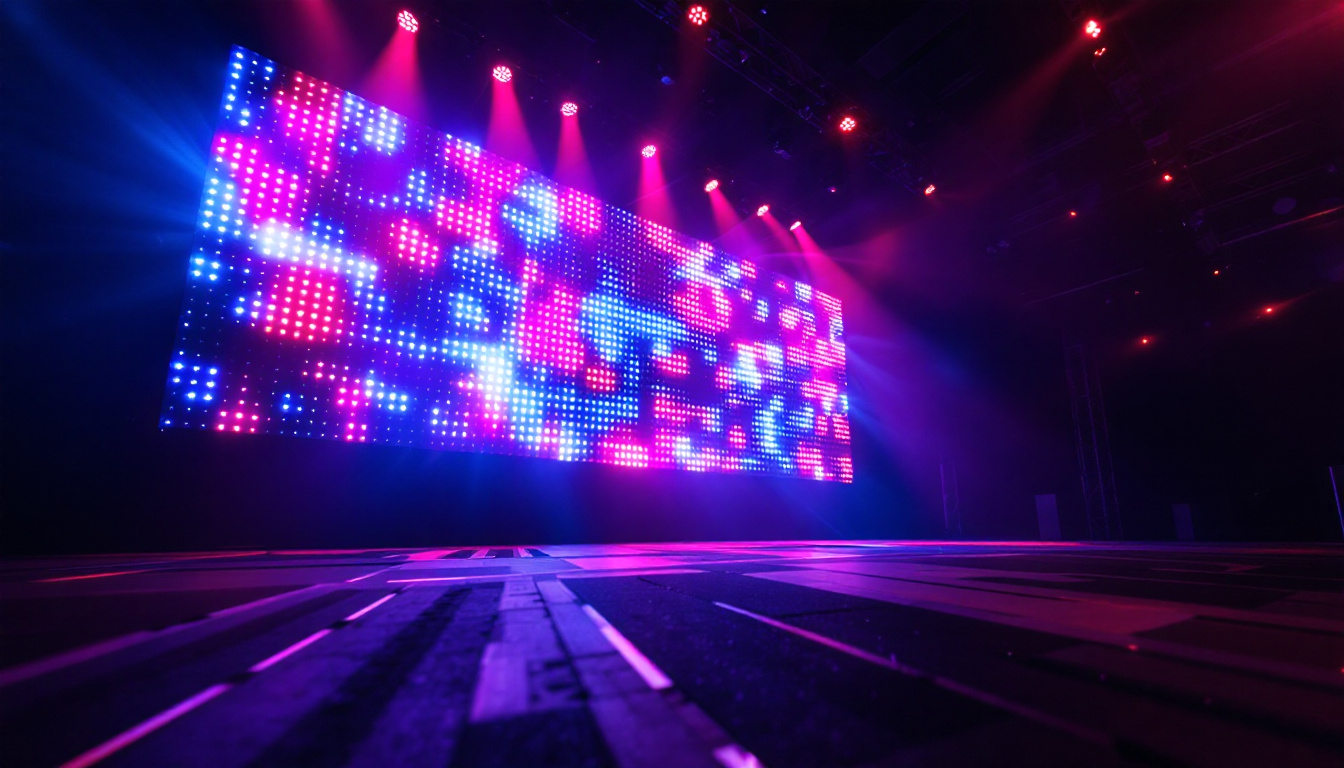
LED displays are composed of numerous tiny LEDs arranged in a grid to form pixels. Each pixel typically contains red, green, and blue LEDs, which combine to create a full range of colors through varying intensities. By controlling the brightness of each LED, the display can render images and videos with high precision and vivid colors. This capability is particularly advantageous in environments where visibility is crucial, such as in outdoor signage or during live events, where bright and dynamic visuals can capture attention and convey information effectively.
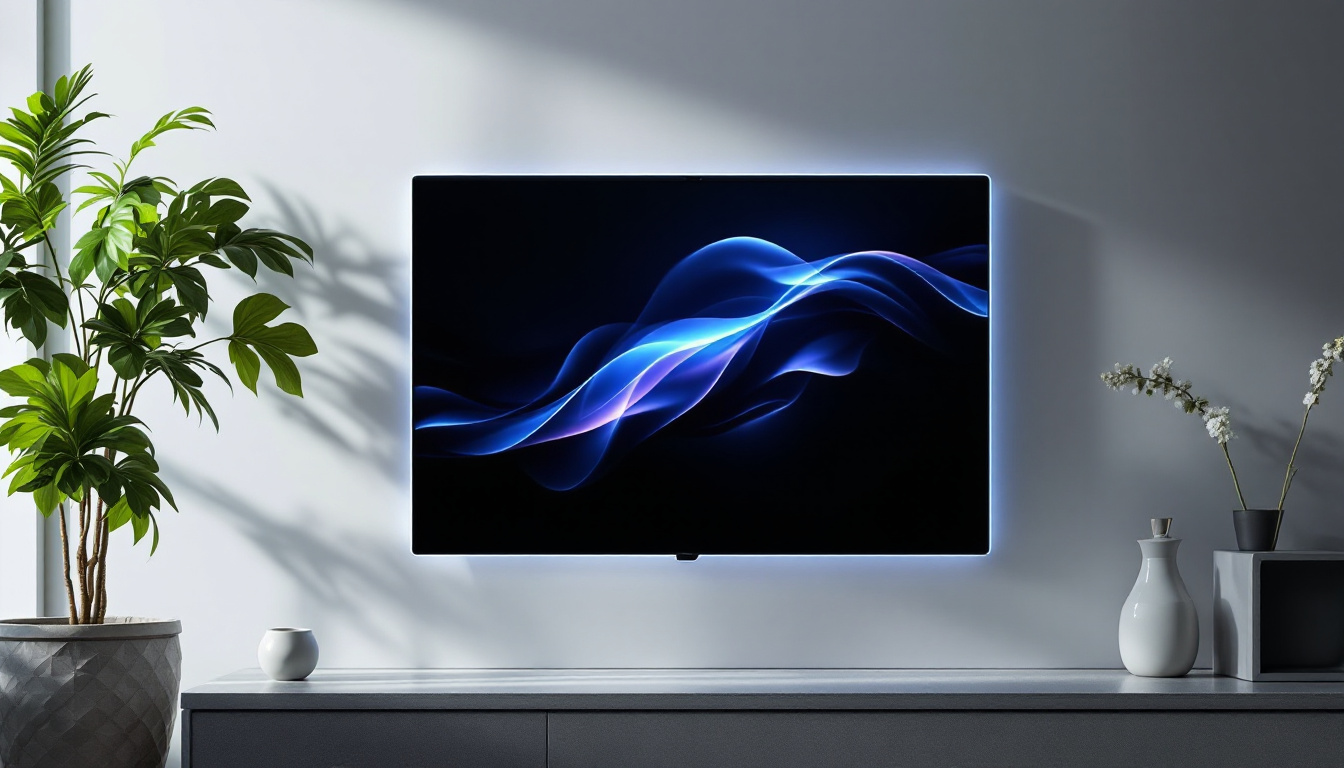
There are two primary types of LED displays: direct-view LED panels and LED-backlit LCDs. Direct-view LED panels use LEDs as the actual pixels, making them suitable for large-scale displays such as stadium screens and outdoor billboards. LED-backlit LCDs, on the other hand, use LEDs as a backlight source behind an LCD panel, commonly found in televisions, computer monitors, and smartphone screens. The evolution of LED technology has also led to the emergence of OLED (Organic Light Emitting Diode) displays, which offer even greater contrast ratios and flexibility in design, as each pixel emits its own light, allowing for deeper blacks and more vibrant colors. This innovation is paving the way for the next generation of display technology, enhancing the viewing experience across various devices.
The Role of LED Photo Lights in Imaging
What Are LED Photo Lights?
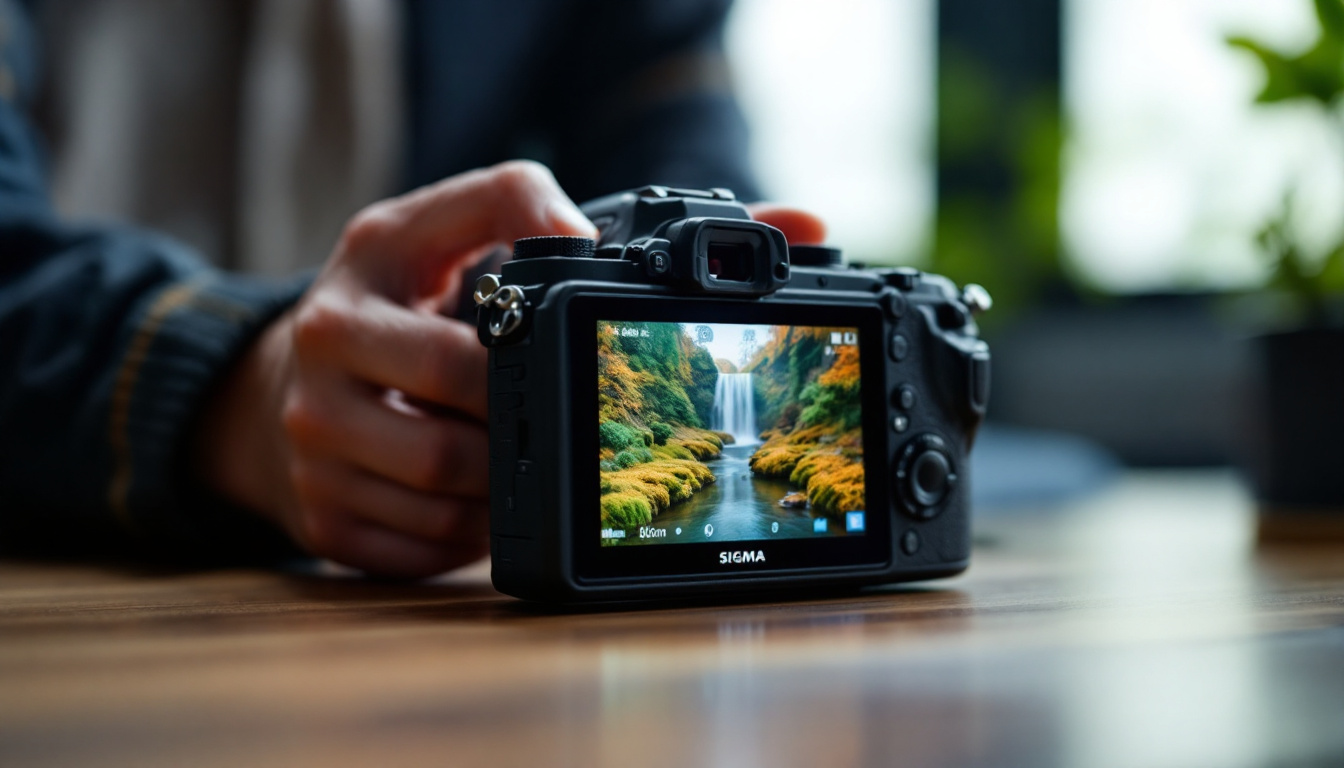
LED photo lights are specialized lighting devices that use LEDs to illuminate subjects for photography and videography. Unlike traditional lighting equipment, LED photo lights offer adjustable brightness, color temperature control, and low heat emission, making them ideal for both studio and on-location shoots.
These lights come in various forms, including panels, ring lights, and portable handheld units. Their compact size and energy efficiency allow photographers and videographers to work longer without the need for bulky power sources or frequent bulb replacements. The portability of LED photo lights is particularly beneficial for outdoor shoots, where carrying heavy equipment can be cumbersome. With advancements in technology, many LED lights now come with built-in batteries, further enhancing their usability in remote locations.
Advantages of LED Photo Lights
One of the key benefits of LED photo lights is their ability to produce consistent and flicker-free illumination. This is crucial for capturing high-quality images and videos, especially when shooting at high frame rates or under varying lighting conditions. Additionally, LED lights offer excellent color rendering, ensuring that the colors in the final image are accurate and true to life. This is particularly important for product photography, where color fidelity can significantly impact a buyer’s perception of a product.
Another advantage is their versatility. Many LED photo lights feature adjustable color temperatures, typically ranging from 3200K (warm light) to 5600K (daylight), allowing users to match ambient lighting or create specific moods. This flexibility enhances creative control and helps achieve professional results without extensive post-processing. Moreover, some models come equipped with filters and diffusers, enabling photographers to soften harsh light or add creative effects, further expanding the range of artistic possibilities. The ability to easily modify the light’s characteristics empowers creators to experiment with different styles, making LED photo lights an essential tool in any photographer’s arsenal.
Applications of LED Displays and Photo Lights
Professional Photography and Videography
In professional studios, LED photo lights have become indispensable tools. Their precise control over light intensity and color temperature enables photographers to highlight subjects effectively, reduce shadows, and create depth. Videographers benefit from the continuous lighting that LEDs provide, which is essential for maintaining consistent exposure throughout a scene.
Moreover, LED panels can be easily integrated with other lighting equipment and accessories, such as softboxes and diffusers, to further refine the quality of light. This adaptability makes LED photo lights suitable for portrait photography, product shoots, interviews, and cinematic productions. The ability to adjust the color temperature allows photographers to match ambient light conditions seamlessly, which is particularly useful for outdoor shoots or in locations with mixed lighting sources. Additionally, the low heat output of LED lights means that subjects remain comfortable during long shooting sessions, reducing the need for frequent breaks and enhancing productivity.
Consumer Electronics and Displays
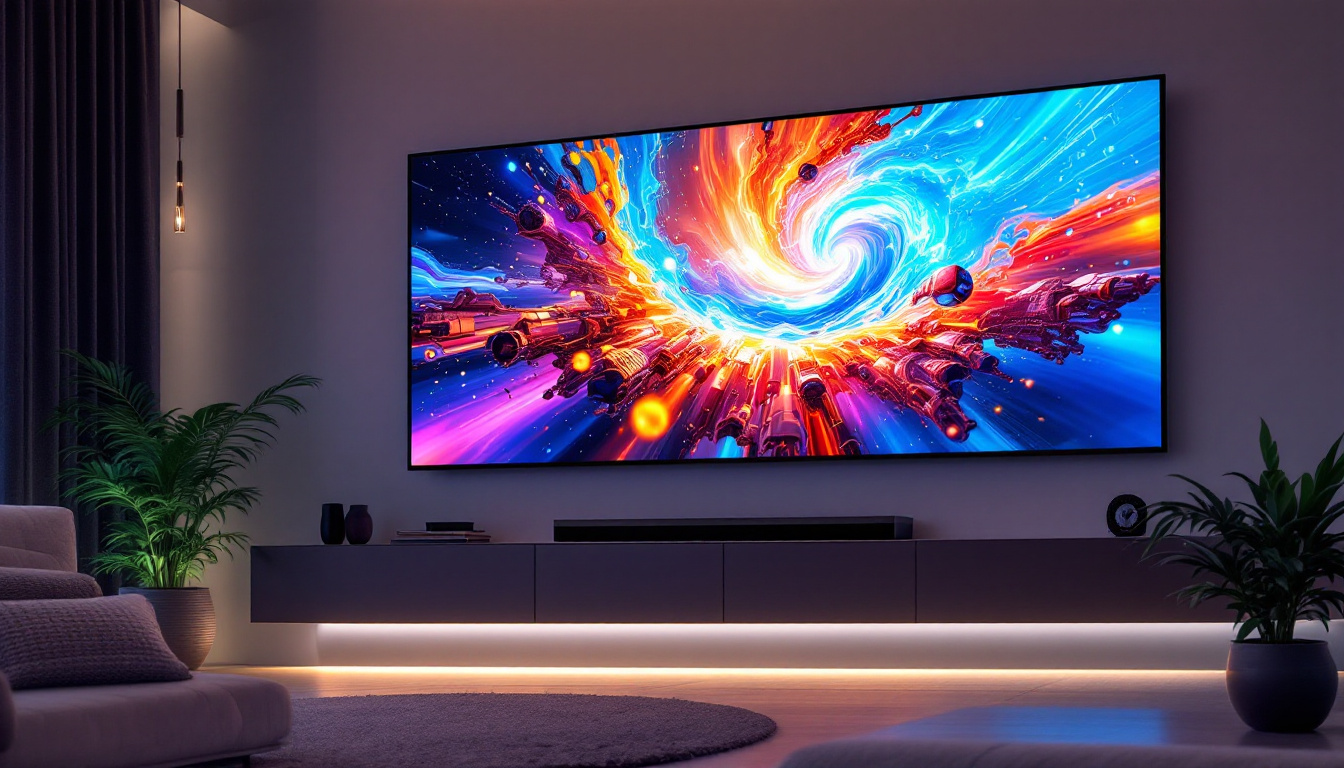
LED technology is ubiquitous in consumer electronics. Smartphones, tablets, laptops, and televisions rely on LED displays for their bright, sharp, and energy-efficient screens. The ability to render high-definition images with vivid colors enhances user experience, whether for gaming, streaming, or everyday use.
Furthermore, the development of OLED (Organic LED) displays, which are a variant of LED technology, has pushed the boundaries of display quality by offering deeper blacks and higher contrast ratios. This innovation continues to shape the future of visual media consumption. As manufacturers strive to create even thinner and more flexible displays, the potential for new applications in wearable technology and augmented reality is becoming increasingly apparent. The combination of OLED with advancements in touch technology is paving the way for interactive displays that can transform how users engage with their devices, making experiences more immersive and intuitive.
Advertising and Public Displays
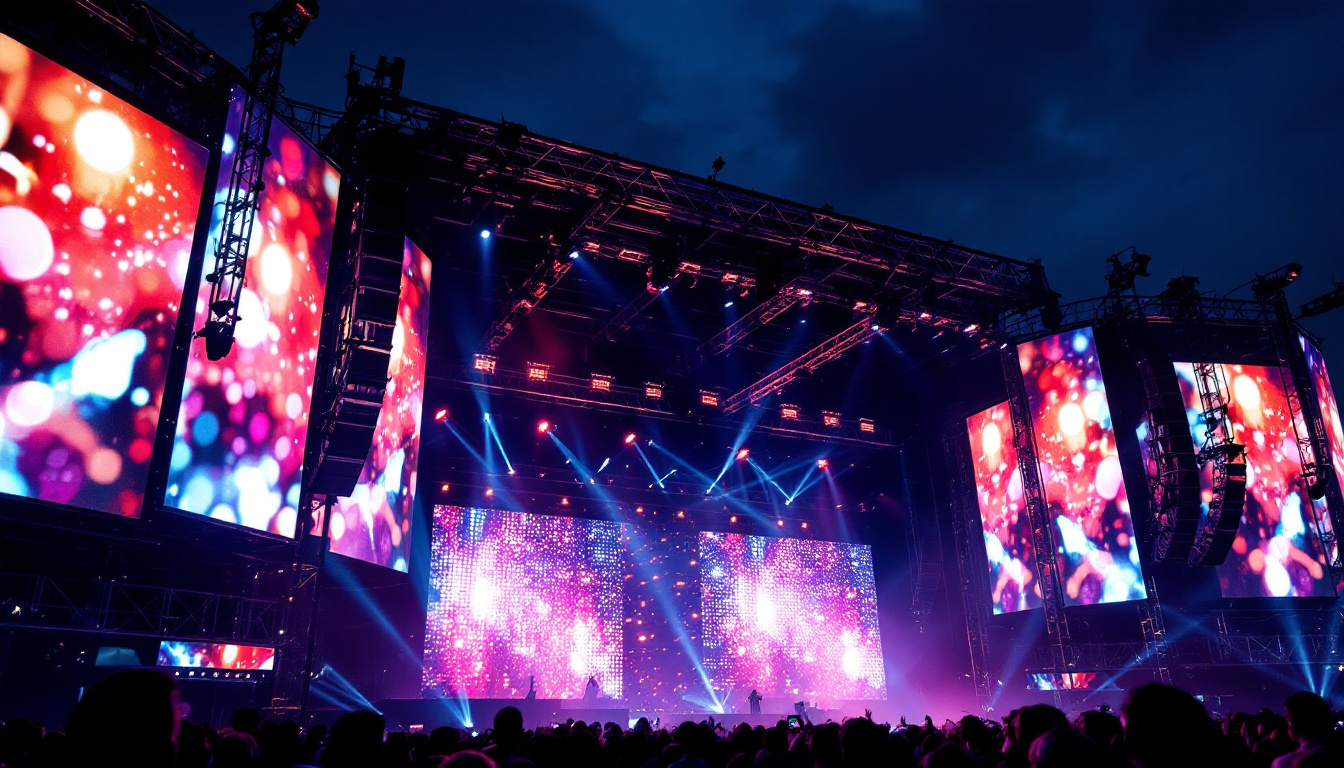
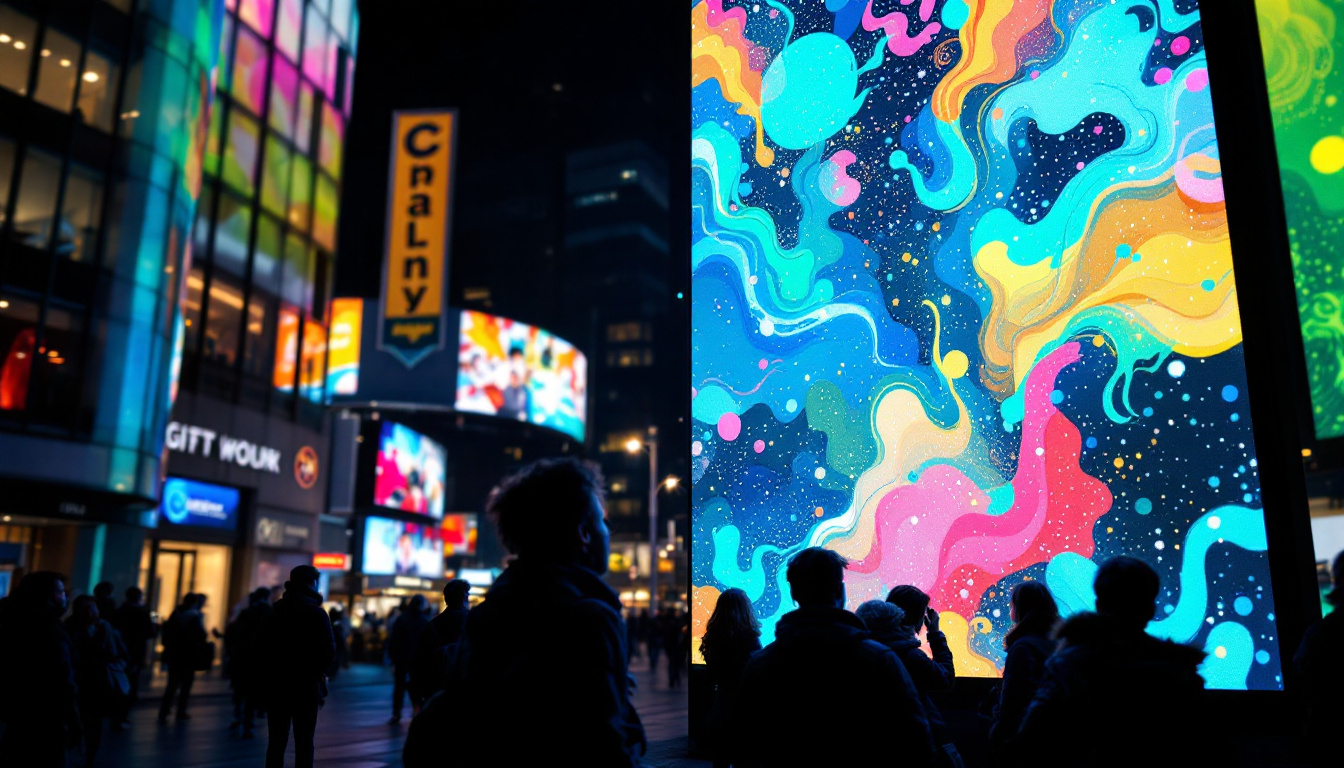
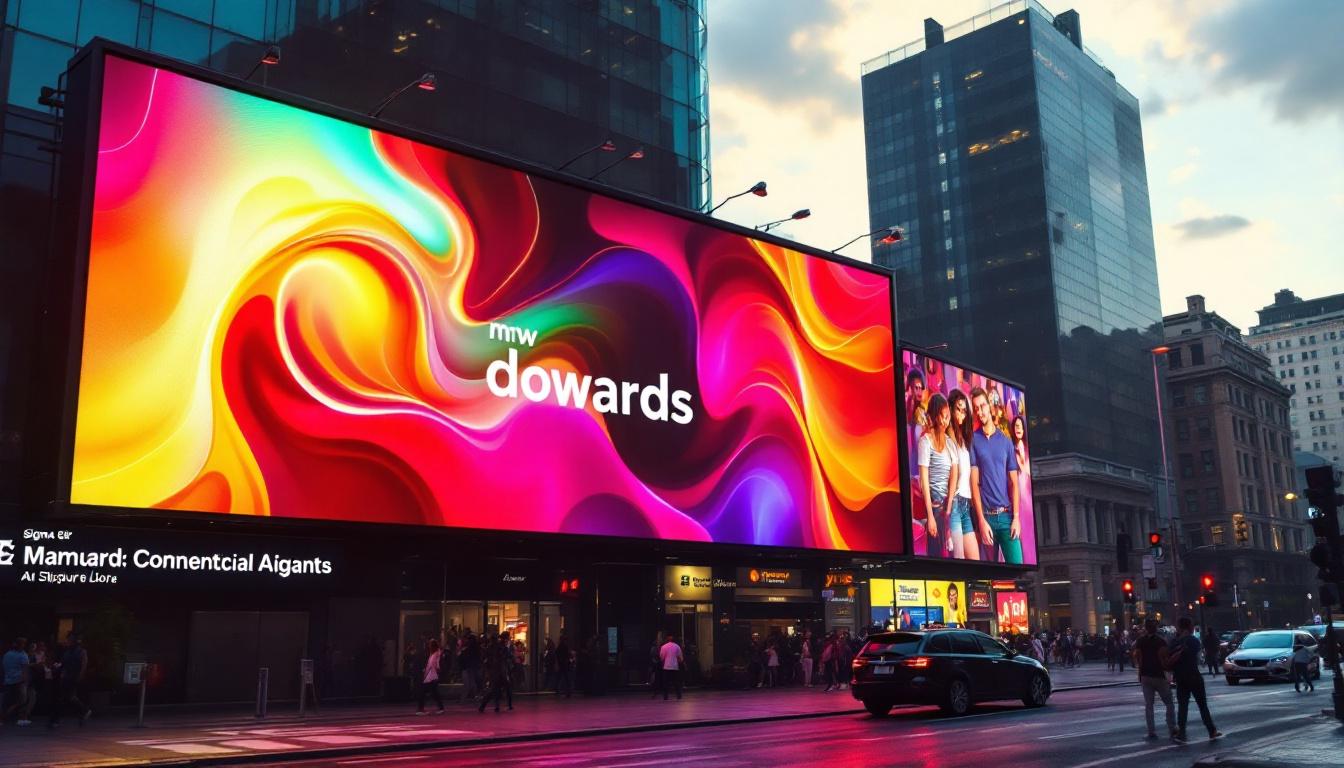
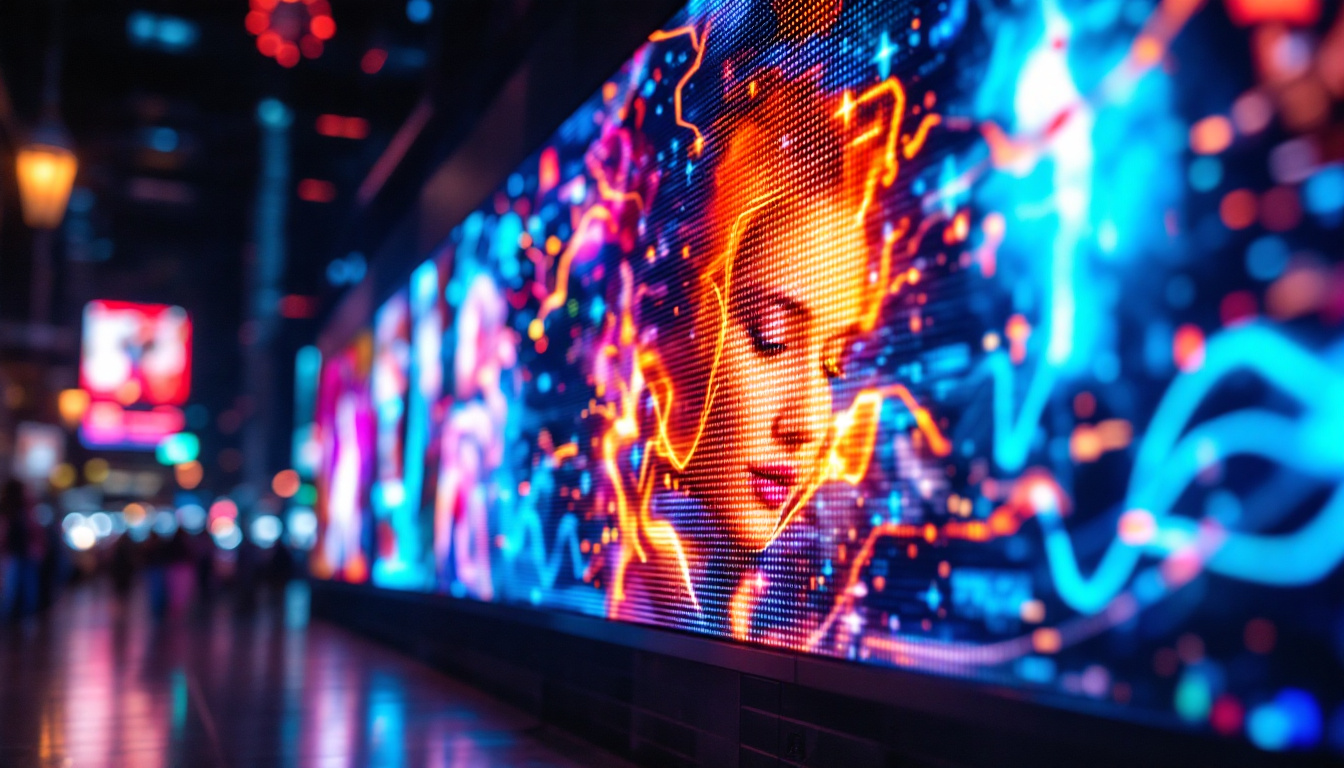
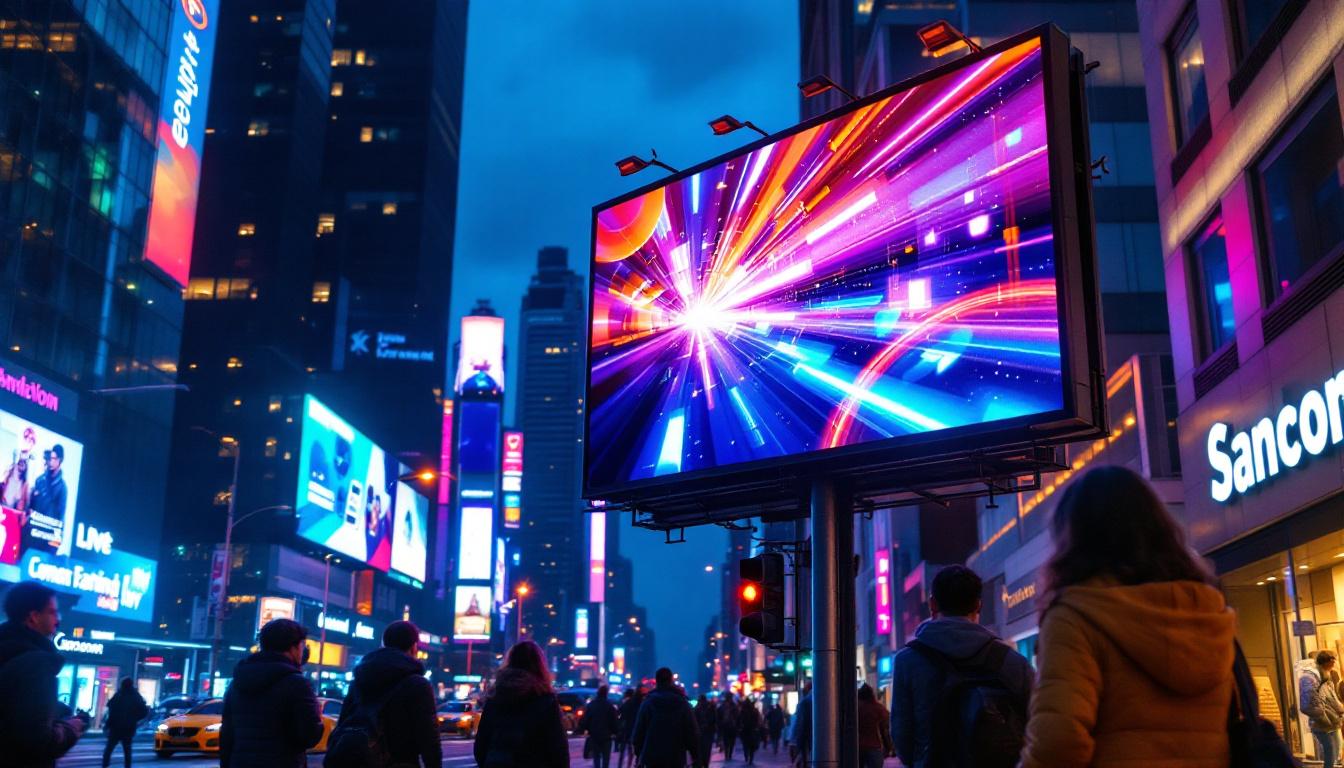
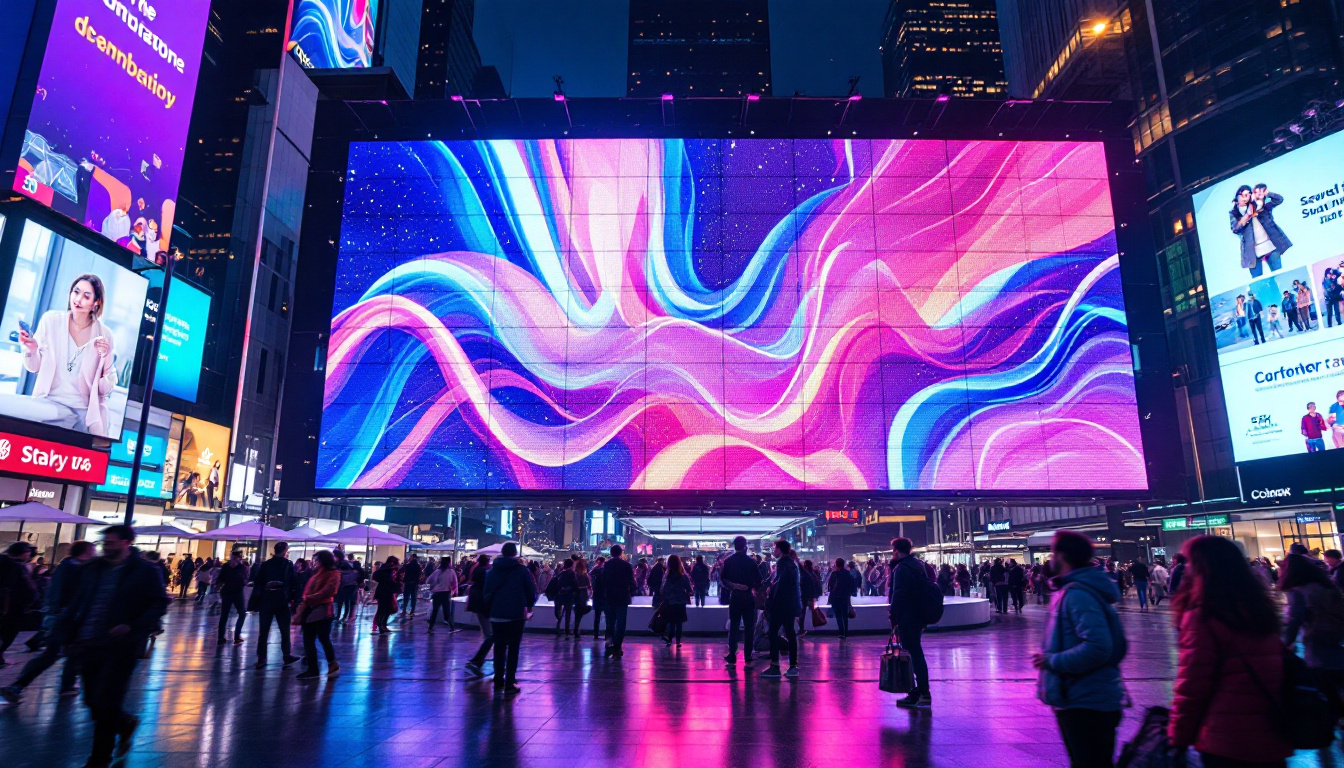
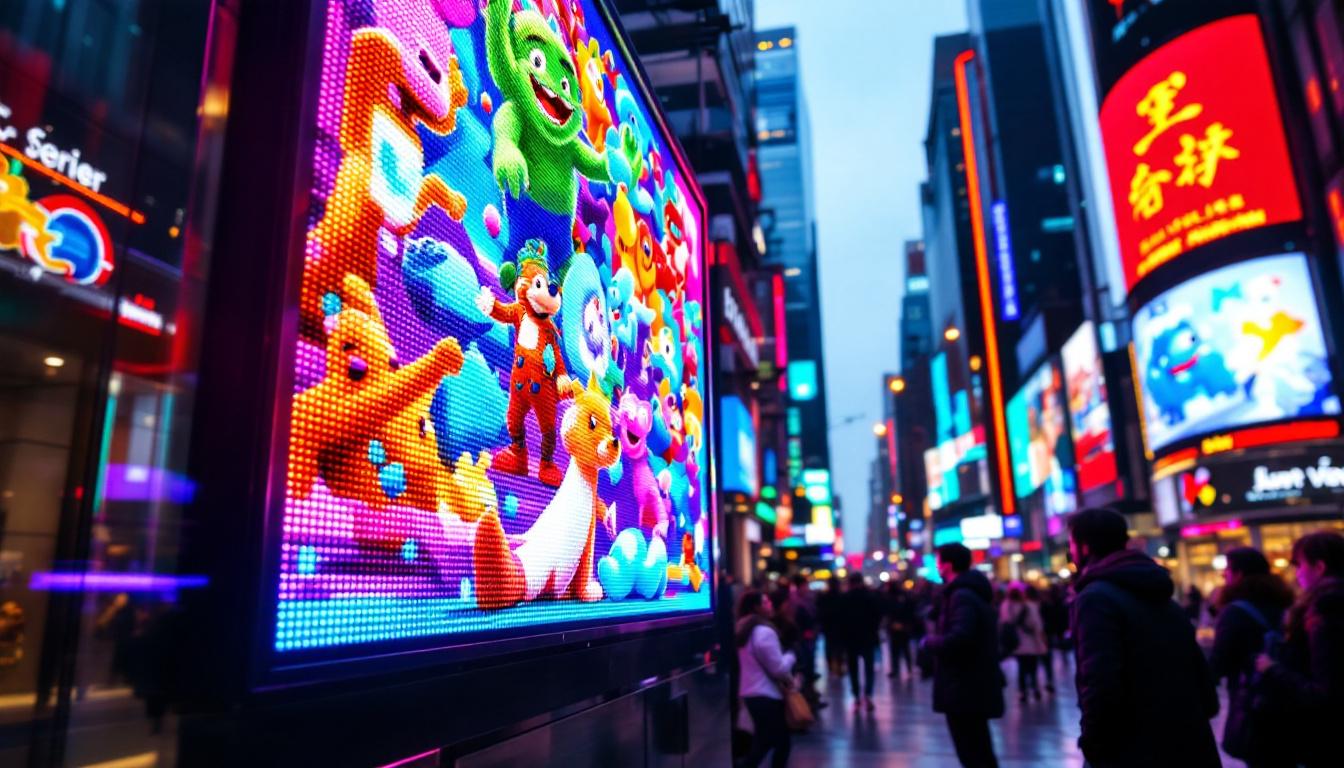
Large-scale LED displays are a staple in advertising, especially in urban environments. Times Square in New York City, Piccadilly Circus in London, and Shibuya Crossing in Tokyo are famous examples where massive LED billboards captivate millions of viewers daily. These displays offer dynamic content that can be updated in real-time, providing advertisers with unparalleled flexibility and reach.
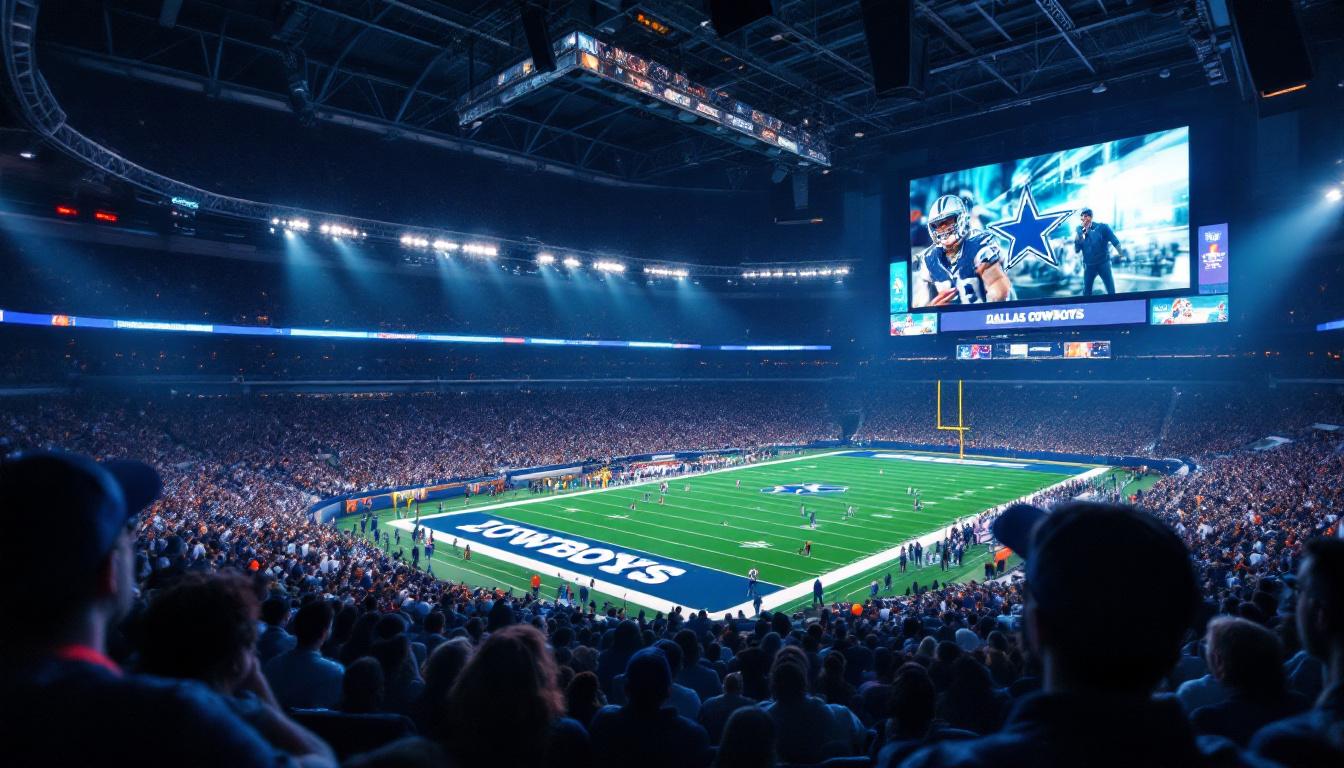
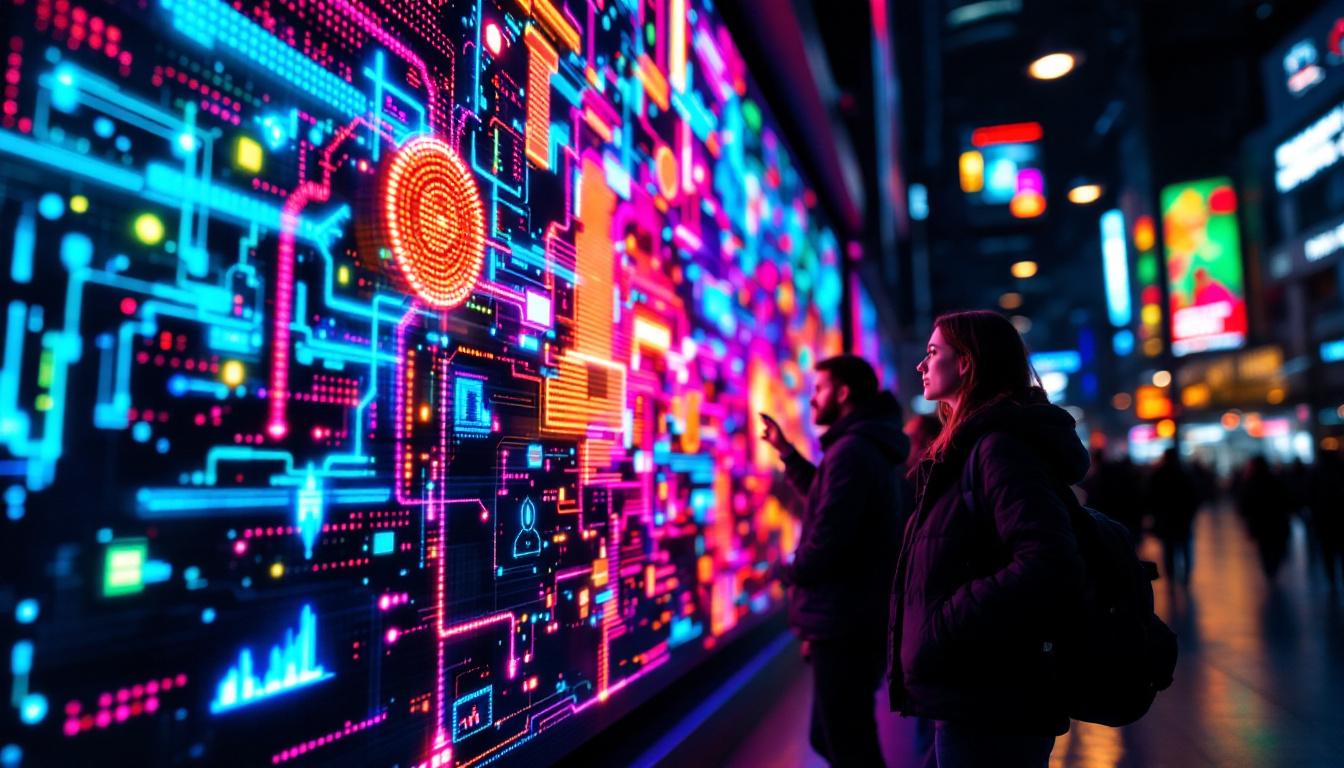
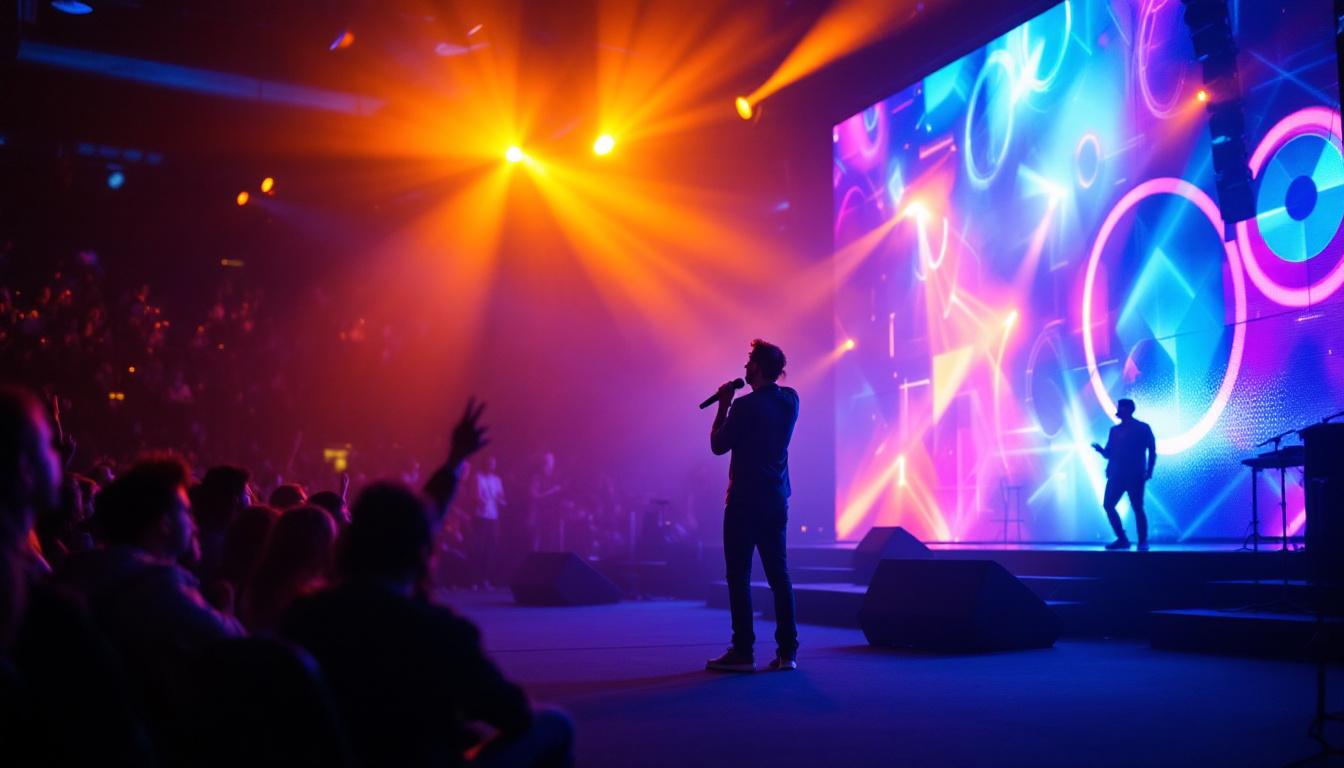
LED displays are also used for informational purposes in transportation hubs, sports arenas, and public events. Their brightness and visibility under various lighting conditions ensure that messages are conveyed clearly and effectively. Beyond traditional advertising, LED technology is being harnessed for artistic installations and interactive exhibits, where viewers can engage with the content in novel ways. The integration of sensors and responsive technology allows for displays that change based on audience interaction, creating a more personalized experience. This trend is not only revolutionizing advertising but also enhancing public art, making it more accessible and engaging for diverse audiences.
Technical Considerations When Choosing LED Photo Lights
Brightness and Power Consumption
Brightness in LED photo lights is measured in lumens or lux. Depending on the shooting environment and subject distance, different brightness levels are required. Higher brightness LEDs consume more power but provide stronger illumination, which is beneficial for large setups or outdoor shoots.
Energy efficiency remains a critical factor. Modern LED photo lights are designed to maximize brightness while minimizing power draw, extending battery life for portable units and reducing electricity costs in studios.
Color Temperature and CRI
Color temperature, expressed in Kelvins (K), affects the warmth or coolness of the light. Adjustable color temperature allows photographers to simulate natural lighting conditions or create artistic effects. A light source with a range from 3200K to 5600K covers most professional needs.
The Color Rendering Index (CRI) measures how accurately a light source reveals the colors of objects compared to natural light. A CRI of 90 or above is generally recommended for photography and videography to ensure color fidelity.
Portability and Build Quality
For photographers and videographers who work on location, portability is essential. LED photo lights that are lightweight, compact, and equipped with rechargeable batteries offer greater flexibility. Durable construction and weather resistance are also important for outdoor use, ensuring the equipment withstands various environmental conditions.
Future Trends in LED Display and Lighting Technology
Mini-LED and Micro-LED Innovations
Emerging technologies such as Mini-LED and Micro-LED are set to redefine display quality. Mini-LEDs use thousands of tiny LEDs for backlighting, improving contrast and brightness in LCD screens. Micro-LEDs go a step further by using microscopic LEDs as individual pixels, offering superior color accuracy, brightness, and energy efficiency.
These advancements promise thinner, brighter, and more durable displays that could revolutionize smartphones, televisions, and professional monitors in the coming years.
Smart and Adaptive Lighting
Integration of smart technology into LED photo lights is becoming increasingly common. Features such as wireless control via smartphones, programmable lighting scenes, and adaptive brightness adjustments based on ambient light levels enhance user convenience and creative possibilities.
Additionally, advances in AI-driven lighting systems may soon allow automatic optimization of lighting conditions for different shooting scenarios, streamlining workflows for professionals and enthusiasts alike.
Conclusion
LED photo lights and displays represent a significant leap forward in lighting and visual technology. Their energy efficiency, versatility, and superior performance have made them the cornerstone of modern photography, videography, consumer electronics, and advertising. Understanding the fundamentals of LED technology and its practical applications empowers users to make informed decisions, whether selecting lighting equipment or choosing display devices.
As LED technology continues to evolve, it will undoubtedly open new horizons for creativity and communication, making it an essential component in the future of digital imaging and display solutions.
Explore Cutting-Edge LED Display Solutions with LumenMatrix
As you embrace the future of digital imaging and display technology, consider the innovative solutions offered by LumenMatrix. With a commitment to revolutionizing visual communication, LumenMatrix provides an array of LED display modules designed to elevate brand visibility and create immersive visual experiences. From Indoor and Outdoor LED Wall Displays to specialized solutions like Vehicle, Sports, and Floor LED Displays, as well as Custom and All-in-One options, LumenMatrix has the perfect LED solution to captivate your audience. Experience the transformative power of LED technology and check out LumenMatrix LED Display Solutions today to share your message with unparalleled impact and clarity.