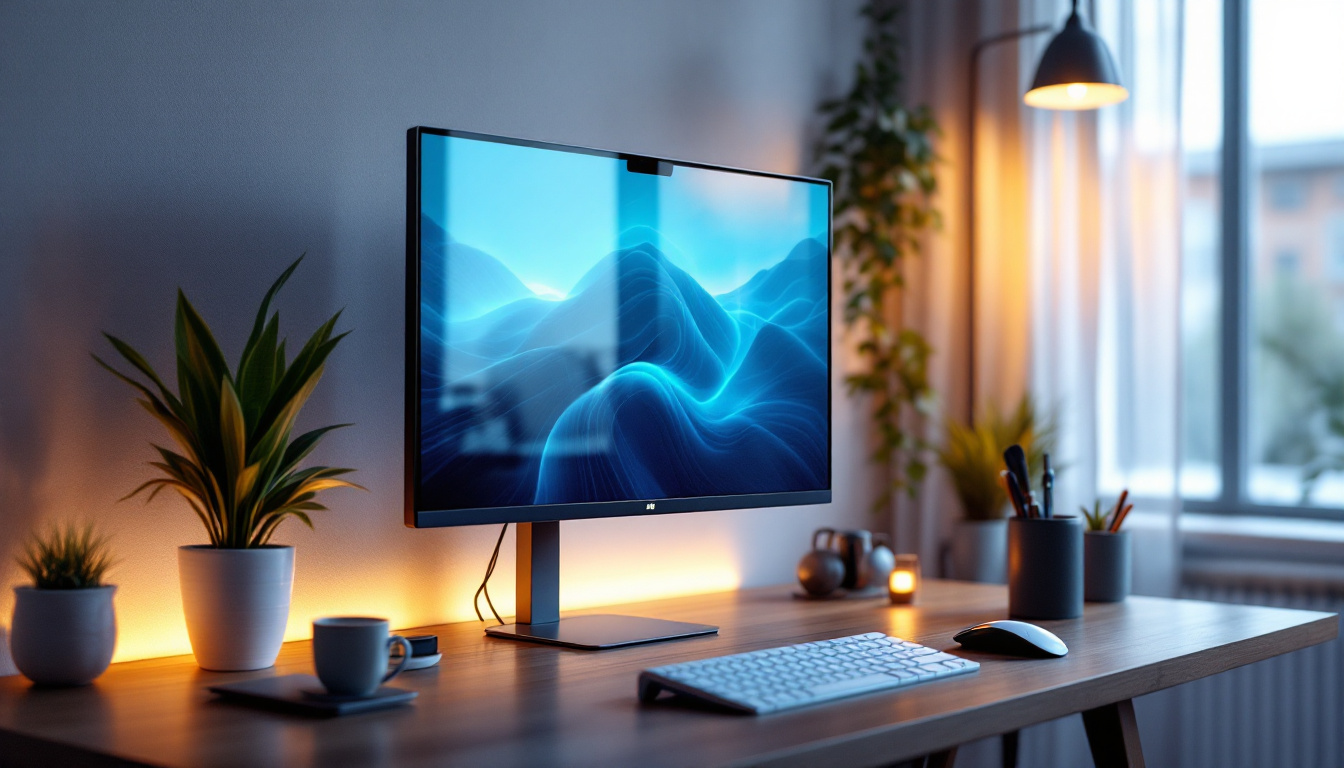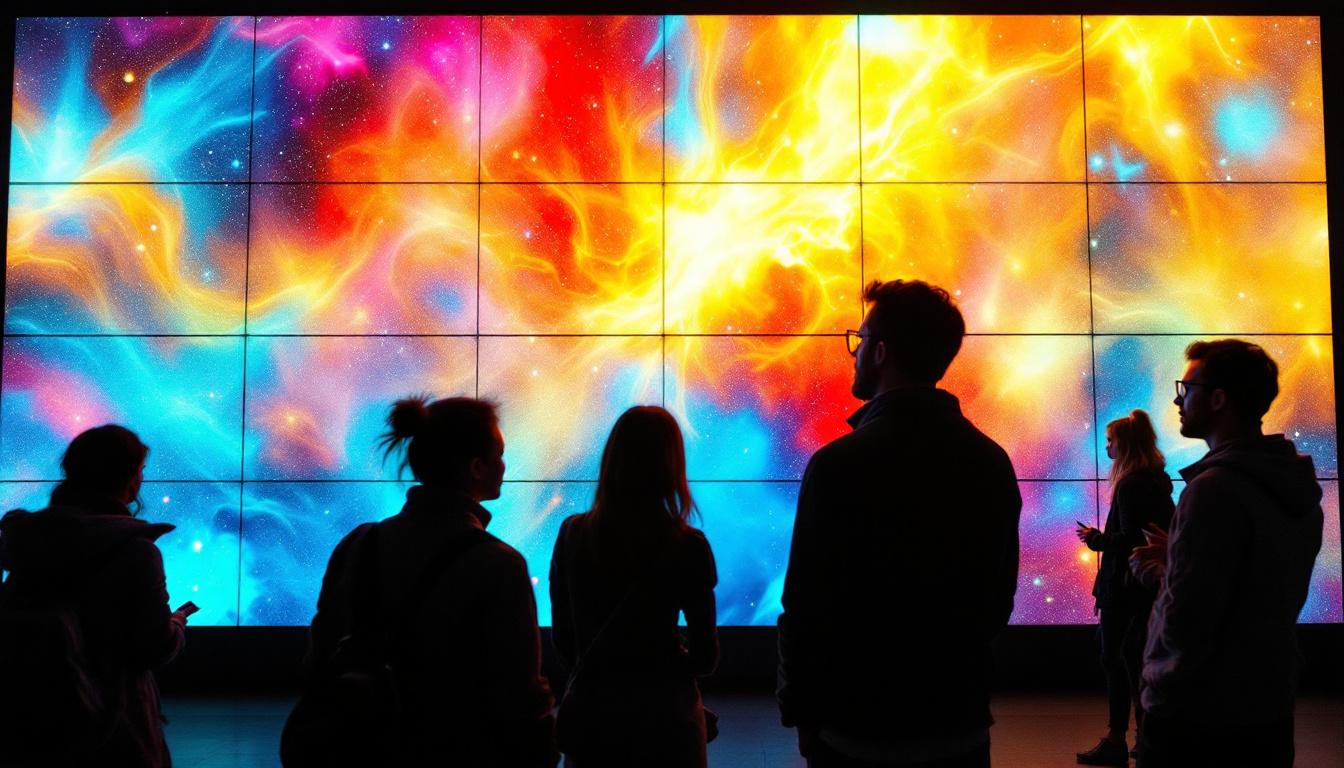
In the evolving world of television technology, the term “No Edge TV” has gained significant attention, especially in relation to LED displays. As consumers demand more immersive viewing experiences with sleek designs, manufacturers have responded by innovating display technologies that minimize or eliminate the traditional bezel or edge around screens. This article delves into the concept of No Edge TVs, focusing on LED display technology, its benefits, challenges, and why it matters to modern viewers.
Understanding No Edge TV: What Does It Mean?
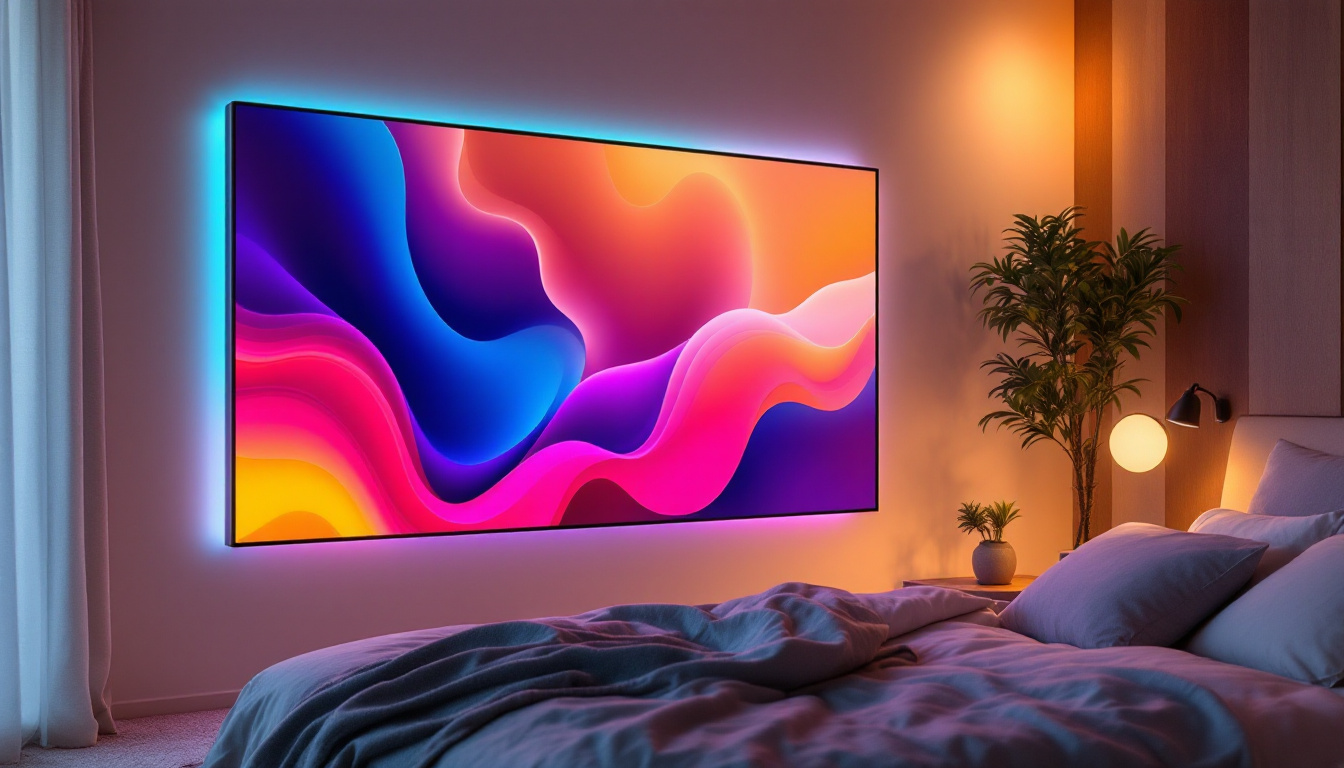
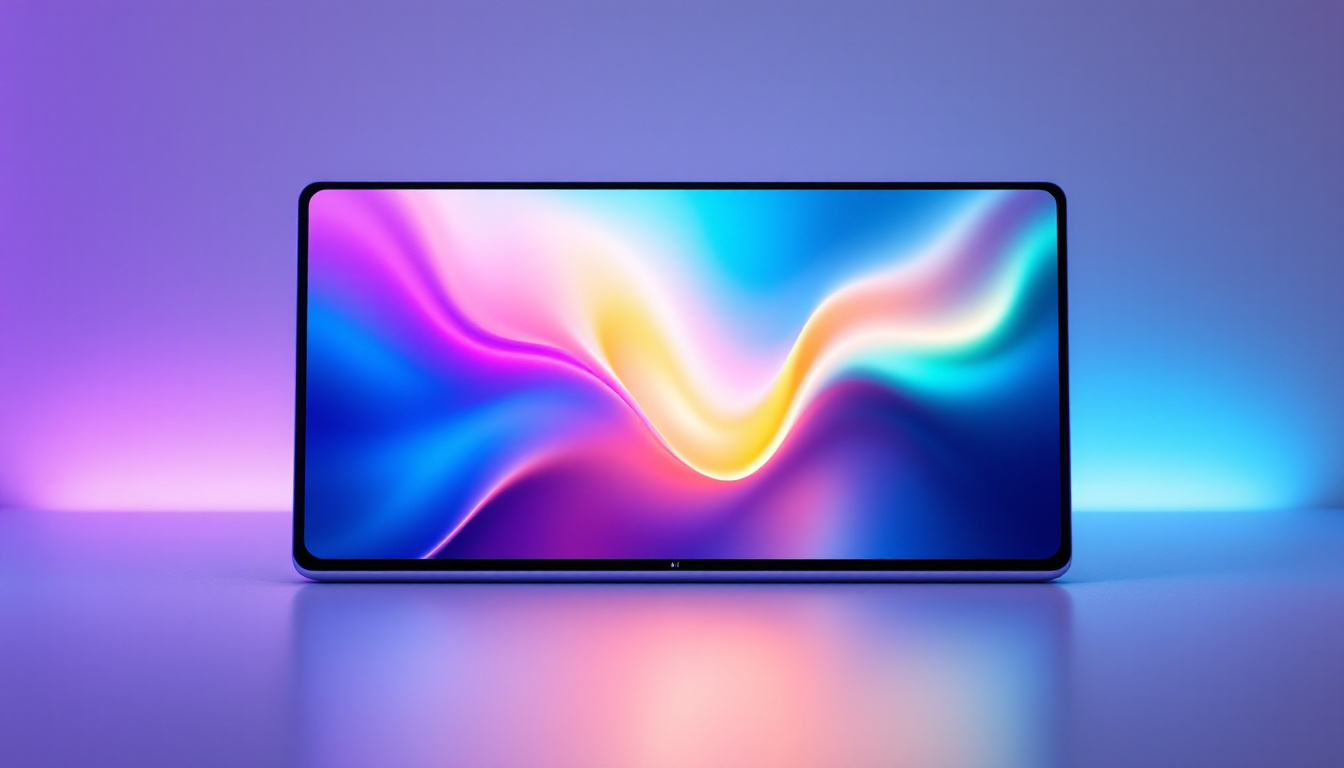
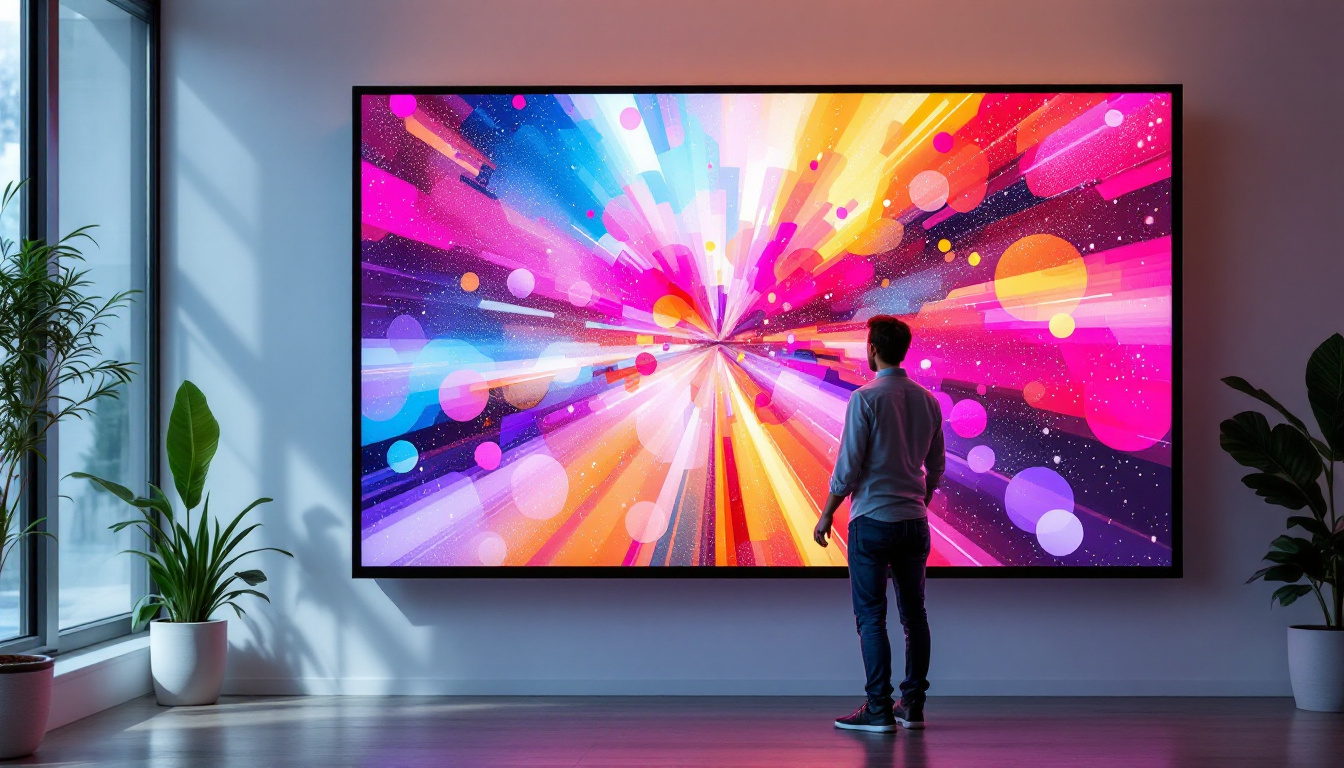
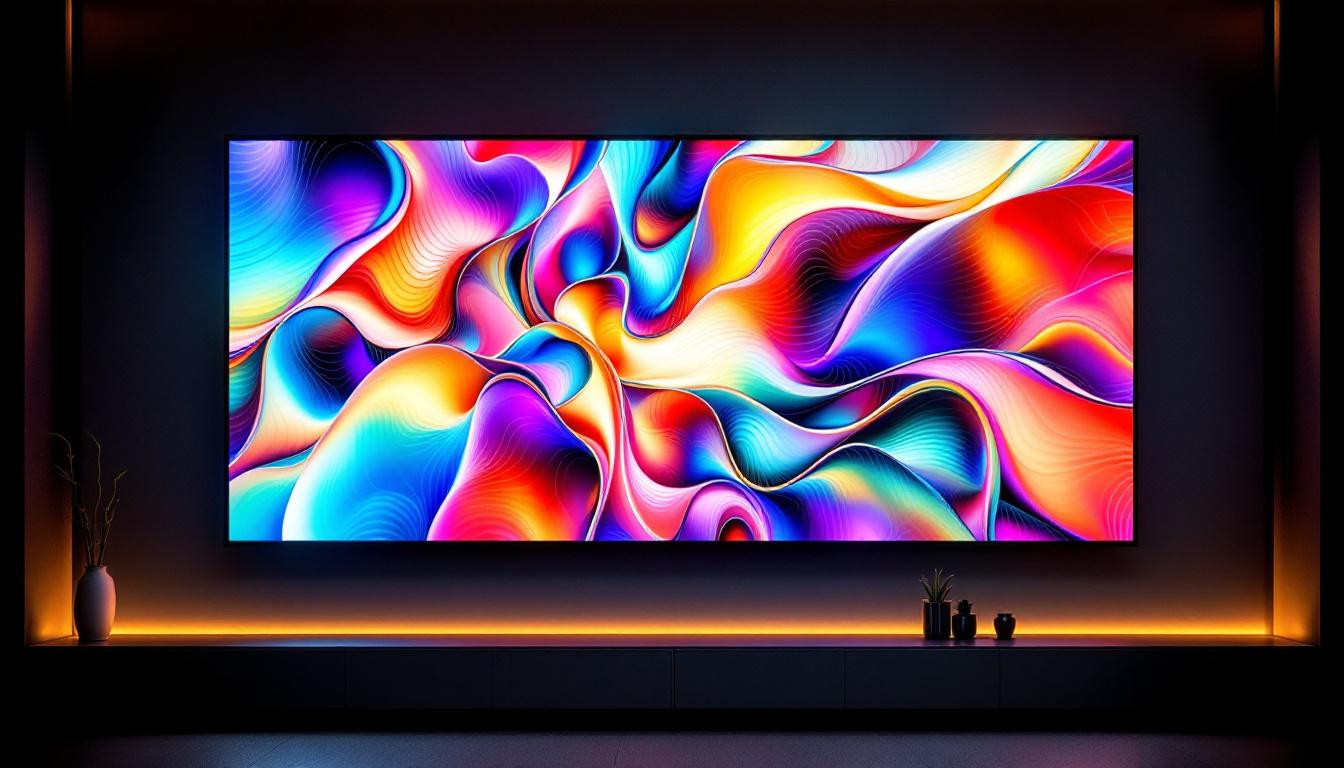
The phrase “No Edge TV” refers to televisions designed with either extremely thin bezels or virtually no visible frame around the screen. This design approach aims to maximize the display area, creating a seamless viewing experience that draws the viewer’s attention directly to the content rather than the device’s borders.
Traditionally, TVs have noticeable bezels—plastic or metal frames that encase the screen. While these frames protect the display and house internal components, they also impose a visual boundary that can detract from immersion. No Edge TVs seek to reduce or eliminate this boundary, often by using advanced manufacturing techniques and materials.
In practical terms, a No Edge TV might feature a bezel measuring just a few millimeters or employ a “borderless” design where the screen extends to the very edges of the chassis. This design philosophy aligns with current trends in consumer electronics, where minimalism and maximal screen real estate are highly valued.
Beyond aesthetics, the No Edge design has implications for the overall viewing experience. With fewer distractions around the screen, viewers can become more engrossed in movies, sports, or video games, as the content appears to float in space. This effect is particularly pronounced in larger screen sizes, where the absence of a bezel creates an almost cinematic atmosphere. Additionally, many No Edge TVs incorporate advanced display technologies, such as OLED or QLED, which further enhance color accuracy and contrast, making the viewing experience even more captivating.
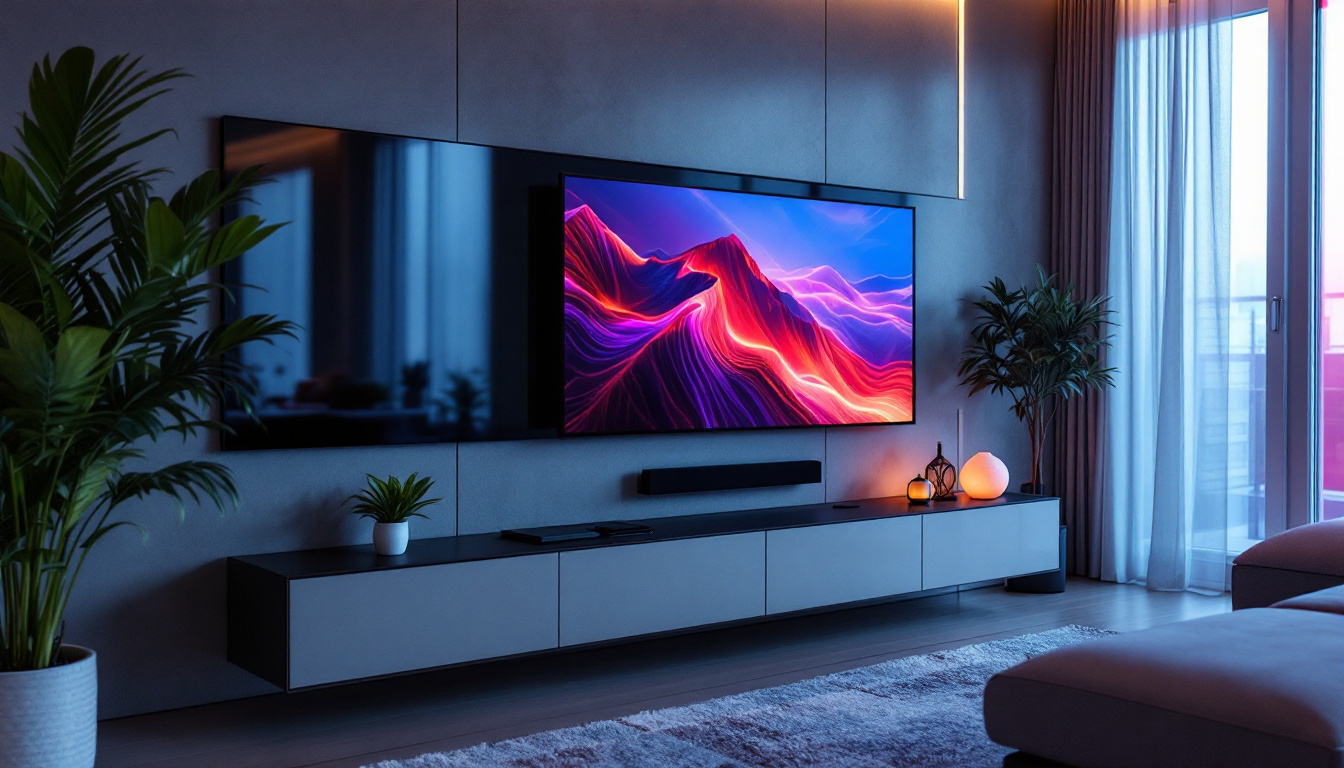
Moreover, the design of No Edge TVs is not just about looks; it also reflects a shift in how we integrate technology into our living spaces. As homes become more open and modern, these sleek televisions blend seamlessly with contemporary decor, often mounted on walls like pieces of art. This integration encourages a more cohesive aesthetic, allowing homeowners to showcase their style while enjoying cutting-edge technology. Furthermore, many manufacturers are now exploring eco-friendly materials and energy-efficient technologies in their No Edge models, appealing to environmentally conscious consumers who prioritize sustainability alongside style.
The Role of LED Displays in No Edge TVs
LED (Light Emitting Diode) technology is the backbone of many modern television displays, including those marketed as No Edge TVs. Understanding how LED displays work is crucial to appreciating why they are well-suited for edge-less designs.
How LED Displays Work
LED TVs are essentially LCD (Liquid Crystal Display) screens that use LED backlighting instead of traditional fluorescent lamps. The LED backlight illuminates the liquid crystals, which modulate light to produce images. This technology enables thinner panels, better brightness, and improved energy efficiency compared to older LCD models.
There are two main types of LED backlighting: edge-lit and direct-lit (or full-array). Edge-lit LED TVs place LEDs along the edges of the screen, allowing for thinner designs but sometimes at the cost of uniform brightness. Direct-lit LED TVs have LEDs spread across the back panel, offering better contrast and brightness control but typically resulting in thicker screens.
Why LED Technology Supports No Edge Designs
LED displays are particularly conducive to No Edge designs for several reasons:
- Thin Panels: LED backlighting allows manufacturers to create thinner screens compared to older LCD technologies, making it easier to minimize bezels.
- Flexible Backlighting: Edge-lit LED designs enable the LEDs to be placed along the screen’s perimeter, which naturally supports thinner edges and smaller bezels.
- Durability and Weight: LED panels are lighter and more robust, allowing for slim, sleek frames without compromising structural integrity.
These factors collectively make LED displays an ideal choice for achieving the No Edge aesthetic without sacrificing performance.
Benefits of No Edge LED TVs
The appeal of No Edge LED TVs goes beyond aesthetics. While the minimalist look is certainly attractive, several practical benefits make these televisions a compelling choice for consumers.
Enhanced Immersion and Viewing Experience
One of the most significant advantages of a No Edge TV is the immersive viewing experience it offers. By eliminating or drastically reducing the bezel, the screen appears larger and more expansive, drawing viewers into the content. This is particularly beneficial for cinematic experiences, gaming, and sports broadcasts where peripheral distractions can detract from enjoyment.
Seamless Multi-Screen Setups
For professional environments or home theaters that use multiple screens side-by-side, No Edge TVs provide a near-continuous display surface. This is valuable for video walls, digital signage, or multi-monitor gaming setups where minimizing gaps between screens is essential for a cohesive visual output.
Modern Aesthetic and Space Efficiency
Minimal bezels contribute to a sleek, modern aesthetic that complements contemporary interior design. Additionally, thinner edges and panels often translate to lighter, more compact TVs that take up less space, making them easier to mount on walls or fit into tight spaces.
Challenges and Considerations with No Edge LED TVs
Despite their advantages, No Edge LED TVs come with certain challenges and trade-offs that consumers should consider before making a purchase.
Durability and Structural Integrity
Reducing the bezel size can compromise the structural strength of the TV frame. Bezels often provide protection against impacts and help house internal components securely. Manufacturers must balance the desire for minimal edges with the need for durability, which sometimes results in higher production costs or the use of specialized materials.
Cost Implications
Producing No Edge TVs, especially those with ultra-thin bezels, requires advanced manufacturing techniques and higher-quality materials. As a result, these models often carry a premium price compared to traditional TVs with wider bezels. Consumers should weigh the aesthetic and immersive benefits against their budget constraints.
Potential for Screen Damage
With less bezel protection, the screen edges may be more vulnerable to damage from accidental knocks or drops. This vulnerability necessitates careful handling and, in some cases, investment in protective accessories such as screen guards or specialized mounts.
Reflection and Glare Issues
Some No Edge LED TVs use glass that extends to the edges, which can increase reflection and glare under certain lighting conditions. This can affect viewing comfort, especially in brightly lit rooms. Anti-reflective coatings and careful placement can mitigate these issues but may add to the overall cost.
Current Market Trends and Examples of No Edge LED TVs
The consumer electronics market has seen a surge in No Edge TV models, driven by both consumer demand and advancements in display technology. Leading manufacturers have introduced flagship models that showcase the possibilities of bezel-less design combined with LED technology.
Notable Models and Innovations
Brands such as Samsung, LG, Sony, and TCL have released No Edge or near-borderless LED TVs that push the boundaries of design and performance. For example:
- Samsung’s “Infinity Screen” Series: These TVs feature ultra-thin bezels that create an almost uninterrupted viewing surface, combined with QLED (Quantum Dot LED) technology for enhanced color and brightness.
- LG’s OLED and NanoCell Hybrid Designs: LG blends OLED and LED technologies to offer edge-to-edge displays with exceptional picture quality and minimal bezel presence.
- Sony’s Bravia Line: Sony’s premium models incorporate edge-less designs with LED backlighting and advanced processing to deliver vivid, lifelike images.
Consumer Adoption and Feedback
Market research indicates that consumers increasingly prioritize screen size and design aesthetics when purchasing new TVs. According to a 2023 survey by the Consumer Technology Association, over 60% of buyers considered bezel size an important factor, with many willing to pay a premium for No Edge or ultra-thin bezel models.
However, some users report concerns about screen fragility and glare, underscoring the importance of balancing design with practical usability.
Future Outlook: The Evolution of No Edge LED Displays
The future of No Edge TVs is closely tied to ongoing advancements in display technology and manufacturing processes. Several trends and innovations are likely to shape the next generation of bezel-less LED displays.
Micro-LED and Mini-LED Technologies
Emerging technologies such as Micro-LED and Mini-LED promise to further enhance the No Edge experience. Micro-LED displays consist of microscopic LEDs that can be individually controlled, offering superior brightness, contrast, and color accuracy without the need for traditional backlighting. This technology enables even thinner panels with virtually no bezel.
Mini-LED technology, which uses thousands of tiny LEDs for backlighting, improves local dimming and contrast while supporting slim designs. Both technologies are expected to become more affordable and widespread in the coming years.
Flexible and Rollable Displays
Research into flexible OLED and LED displays could revolutionize the concept of No Edge TVs by enabling screens that curve or roll up, eliminating the need for rigid frames altogether. Although still in early stages, such innovations could redefine how consumers interact with television screens.
Integration with Smart Home Ecosystems
As smart home technology advances, No Edge TVs are increasingly integrated with voice assistants, IoT devices, and advanced user interfaces. The sleek design complements modern smart homes, where technology is meant to blend seamlessly into living spaces.
Conclusion: Is a No Edge LED TV Right for You?
No Edge LED TVs represent a significant step forward in television design, combining aesthetic appeal with technological innovation. By minimizing bezels, these TVs offer immersive viewing experiences, modern styling, and enhanced flexibility for multi-screen setups.
However, potential buyers should consider factors such as cost, durability, and environmental lighting conditions before investing. For those who value cutting-edge design and are willing to invest in premium technology, No Edge LED TVs offer an exciting glimpse into the future of home entertainment.
As LED display technology continues to evolve, the line between screen and environment will blur further, bringing viewers closer to the content than ever before.
Discover the Future of Viewing with LumenMatrix
Ready to elevate your viewing experience with the sleek design and immersive technology of No Edge LED TVs? LumenMatrix is at the forefront of LED display innovation, offering a wide array of solutions that transform any space into a dynamic visual spectacle. From Indoor LED Wall Displays to Custom LED Displays, our products are designed to captivate and engage. Embrace the future of visual communication and check out LumenMatrix LED Display Solutions today to see how we can enhance your brand visibility and create unforgettable visual experiences.