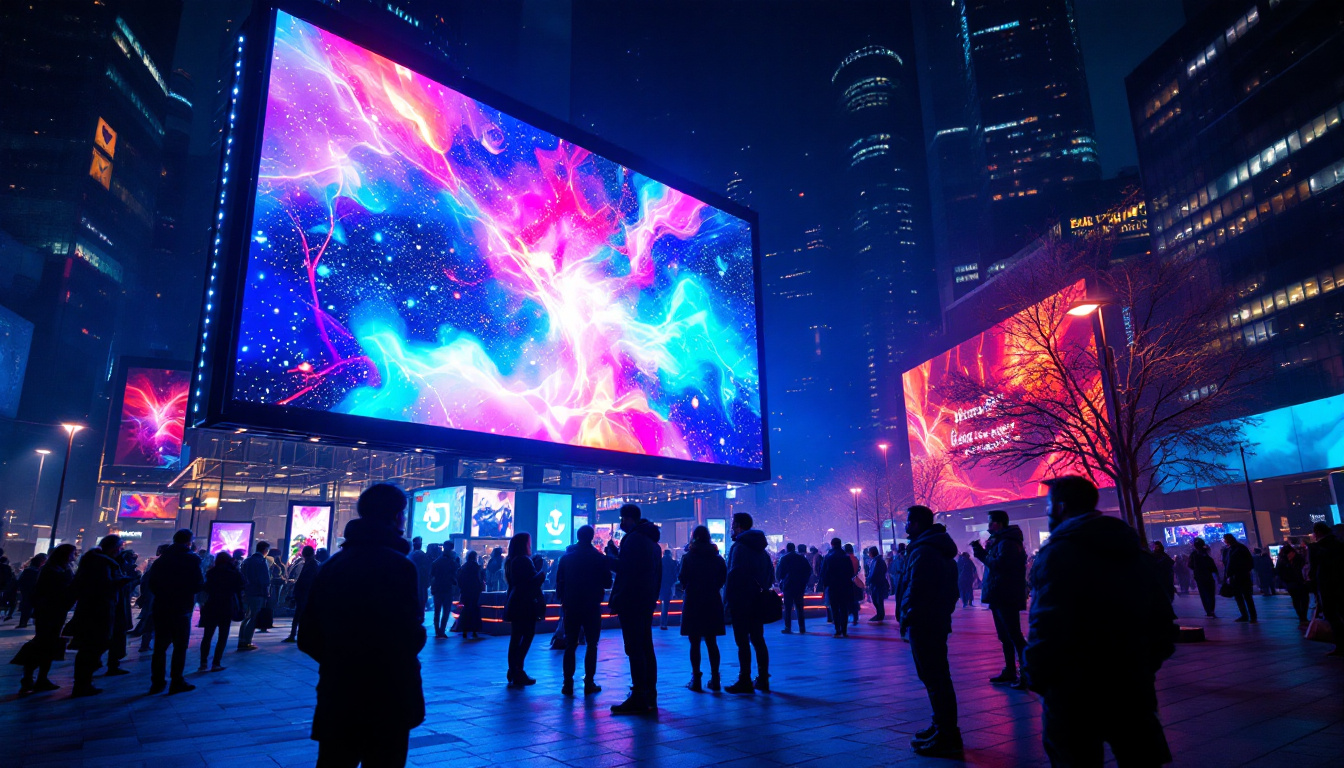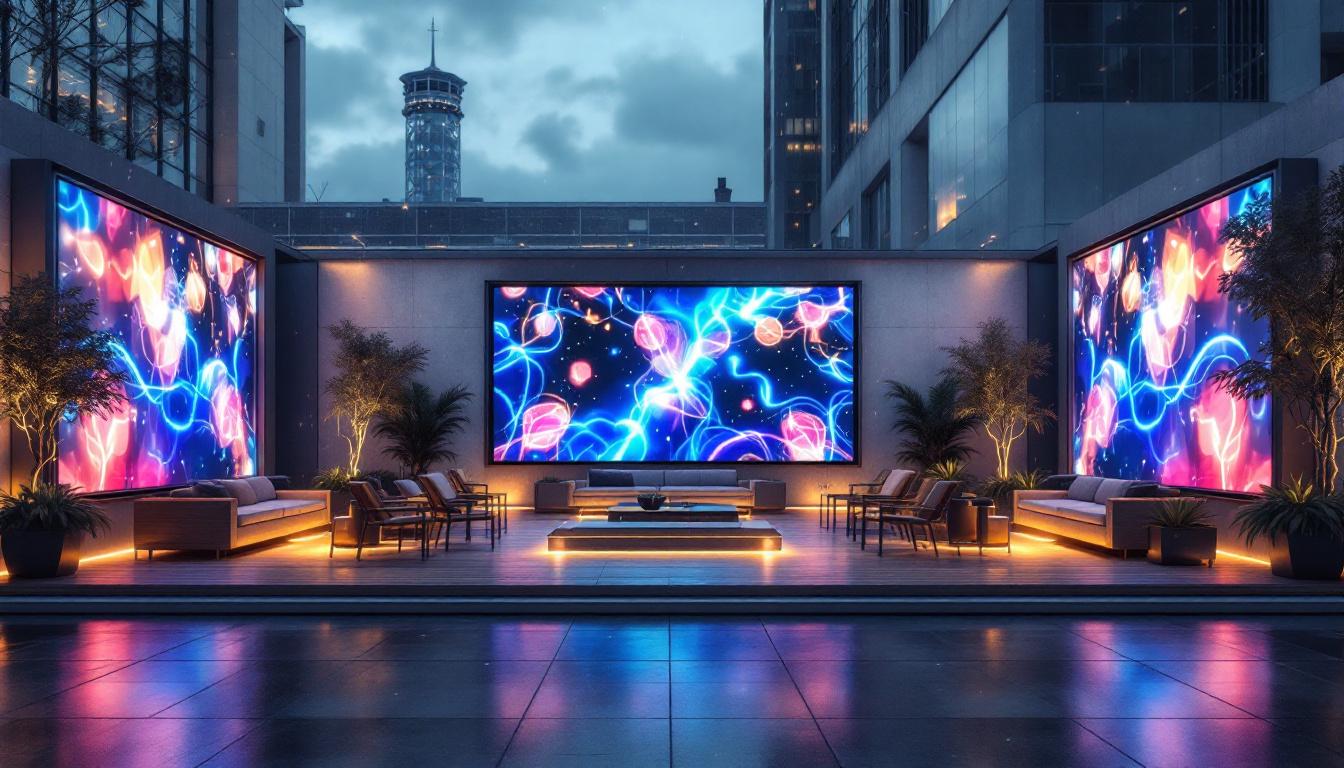
In today’s fast-paced world, outdoor advertising and information display have evolved dramatically. Businesses, municipalities, and event organizers increasingly rely on LED display panels to communicate effectively with their audiences. However, the challenge of maintaining visibility and durability in varying weather conditions has led to the development of weatherproof outdoor wall panels. This article explores the technology behind these robust LED displays, their advantages, and key considerations for selecting the right solution.
Understanding Weatherproof Outdoor LED Wall Panels
What Are Outdoor LED Wall Panels?
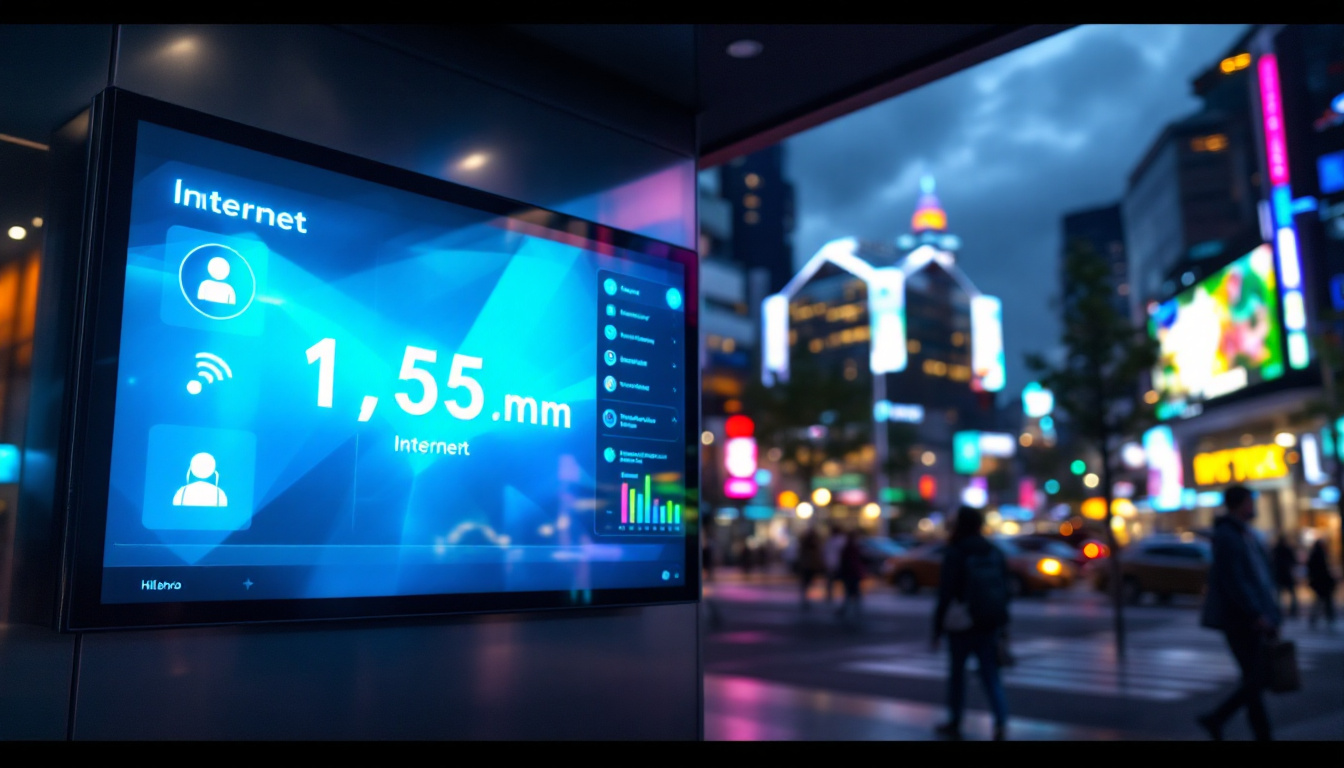
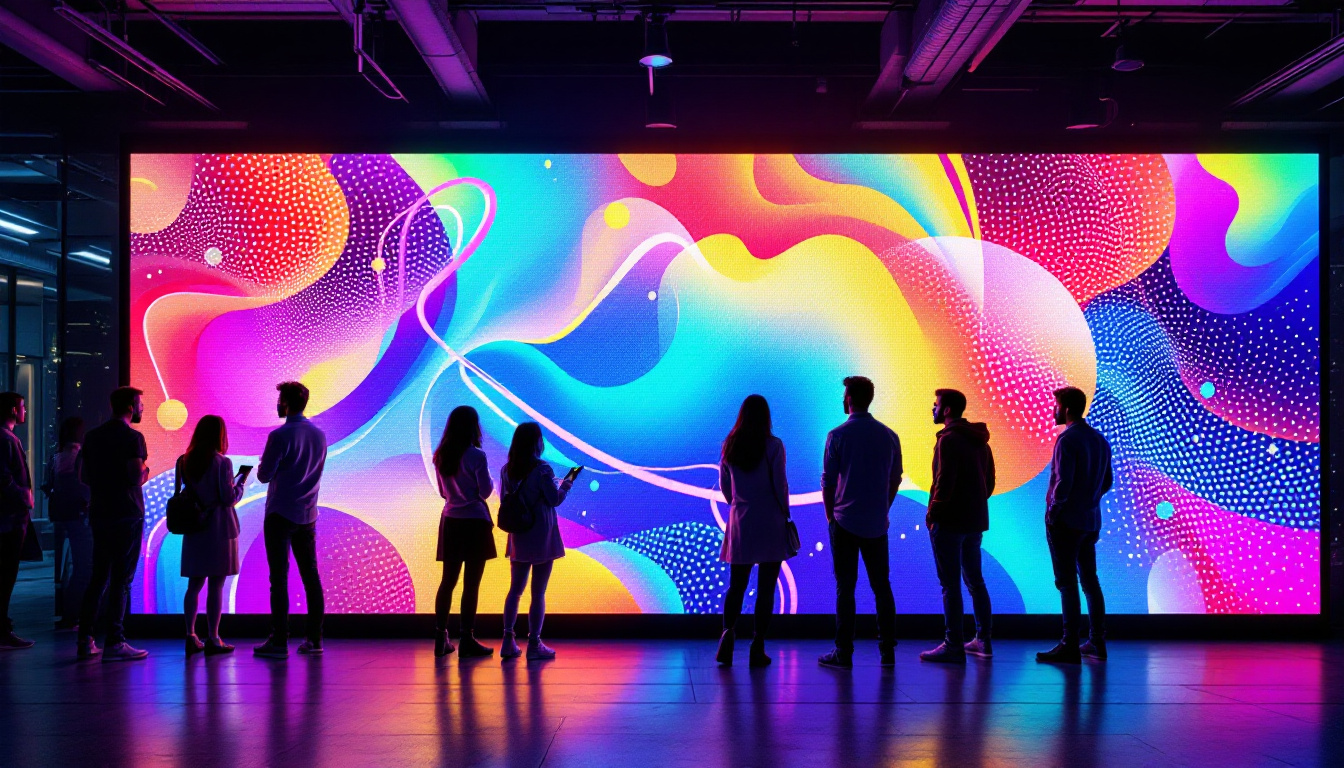
Outdoor LED wall panels are large-format display screens composed of numerous light-emitting diodes (LEDs) arranged in a matrix. These panels are designed to present dynamic content such as advertisements, event information, public announcements, and live video feeds. Unlike indoor LED displays, outdoor panels are engineered to withstand environmental stressors including rain, wind, dust, and extreme temperatures.
The term “weatherproof” refers to the panel’s ability to resist water ingress, dust penetration, and other environmental hazards that could impair functionality. This is typically achieved through specialized casing, sealing techniques, and protective coatings that meet industry standards such as IP65 or higher. Additionally, many outdoor LED wall panels are equipped with thermal management systems to dissipate heat effectively, ensuring that the internal components remain cool and operational even under direct sunlight or high temperatures.
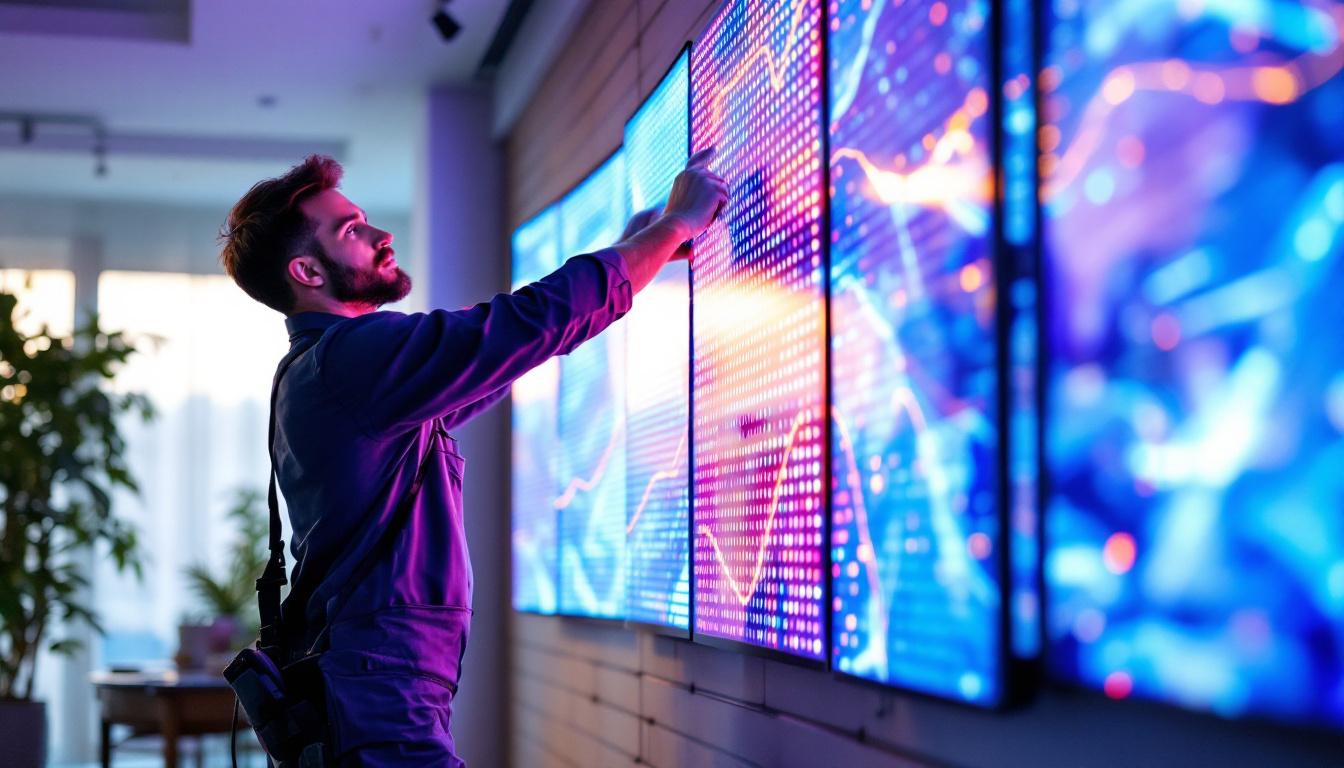
These panels are not just robust; they also offer versatility in installation. They can be mounted on walls, suspended from ceilings, or even placed on mobile structures for events and promotions. This adaptability makes them ideal for a variety of settings, from bustling urban centers to remote outdoor venues, allowing businesses and organizations to reach their audience wherever they are.
How Do LED Displays Work?
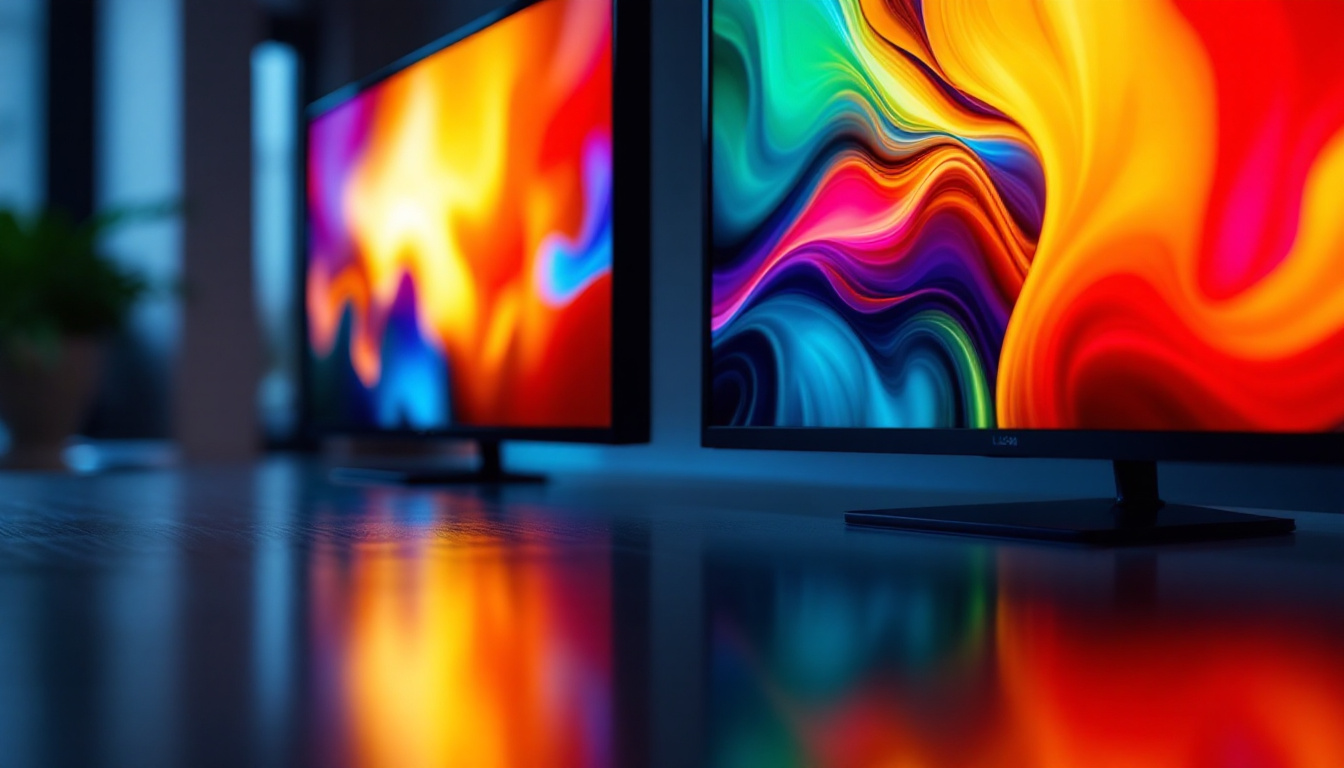
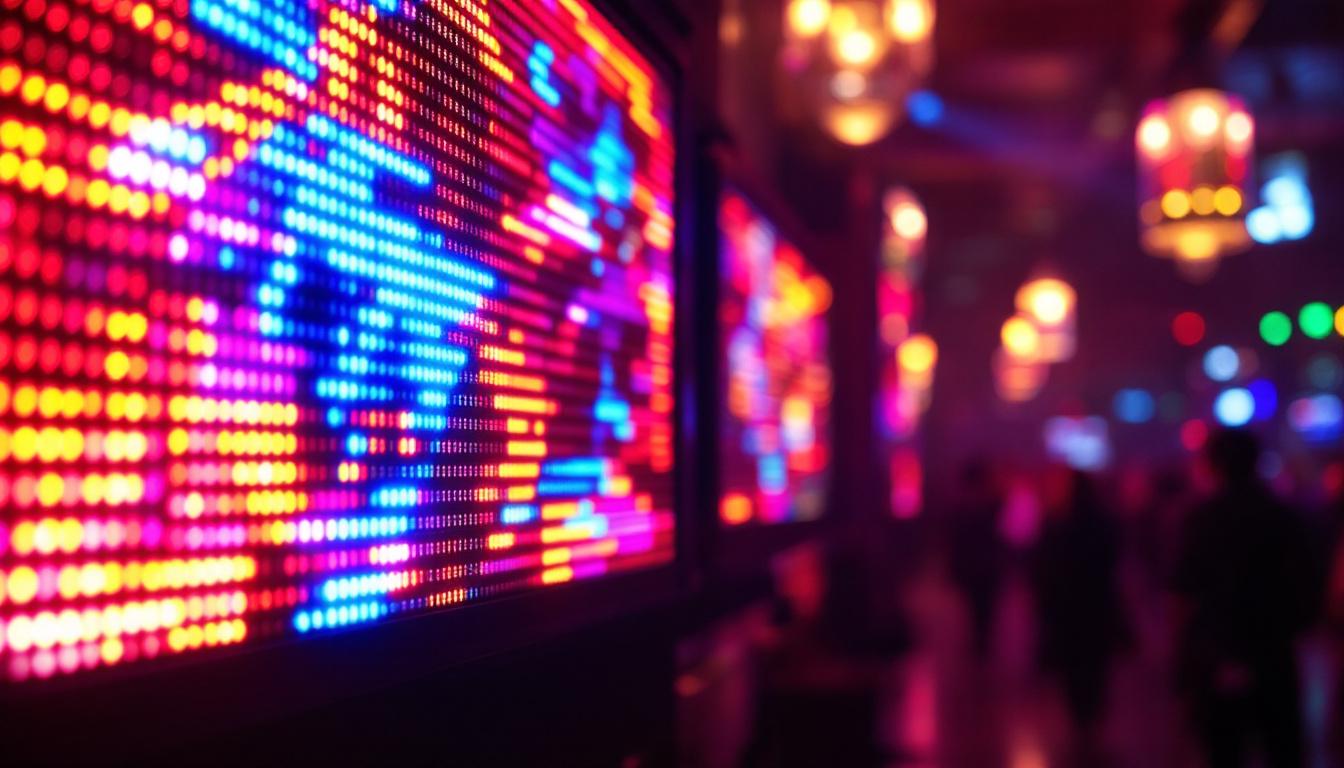
At the core of these panels are LEDs, tiny semiconductor devices that emit light when an electrical current passes through them. Each LED can produce red, green, or blue light, and by combining these colors at varying intensities, the panel can display a full spectrum of colors. This capability allows for vibrant, eye-catching images and videos that attract attention even in bright daylight.
The panels are controlled by sophisticated software that manages brightness, color calibration, and content scheduling. Modern outdoor LED panels also incorporate sensors to automatically adjust brightness based on ambient light, ensuring optimal visibility while conserving energy. Furthermore, many systems allow for remote management, enabling operators to update content and monitor performance from anywhere, which is particularly beneficial for advertising agencies and event coordinators who need to make real-time adjustments.
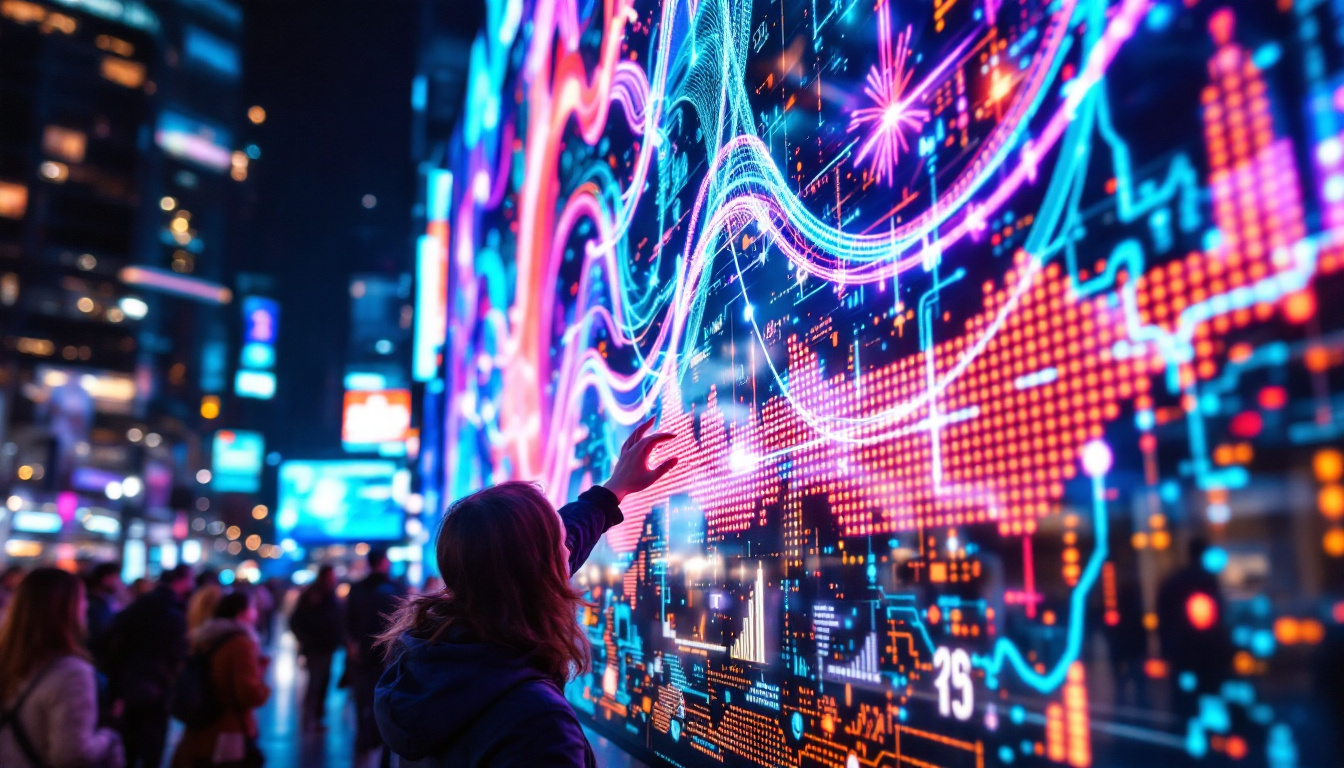
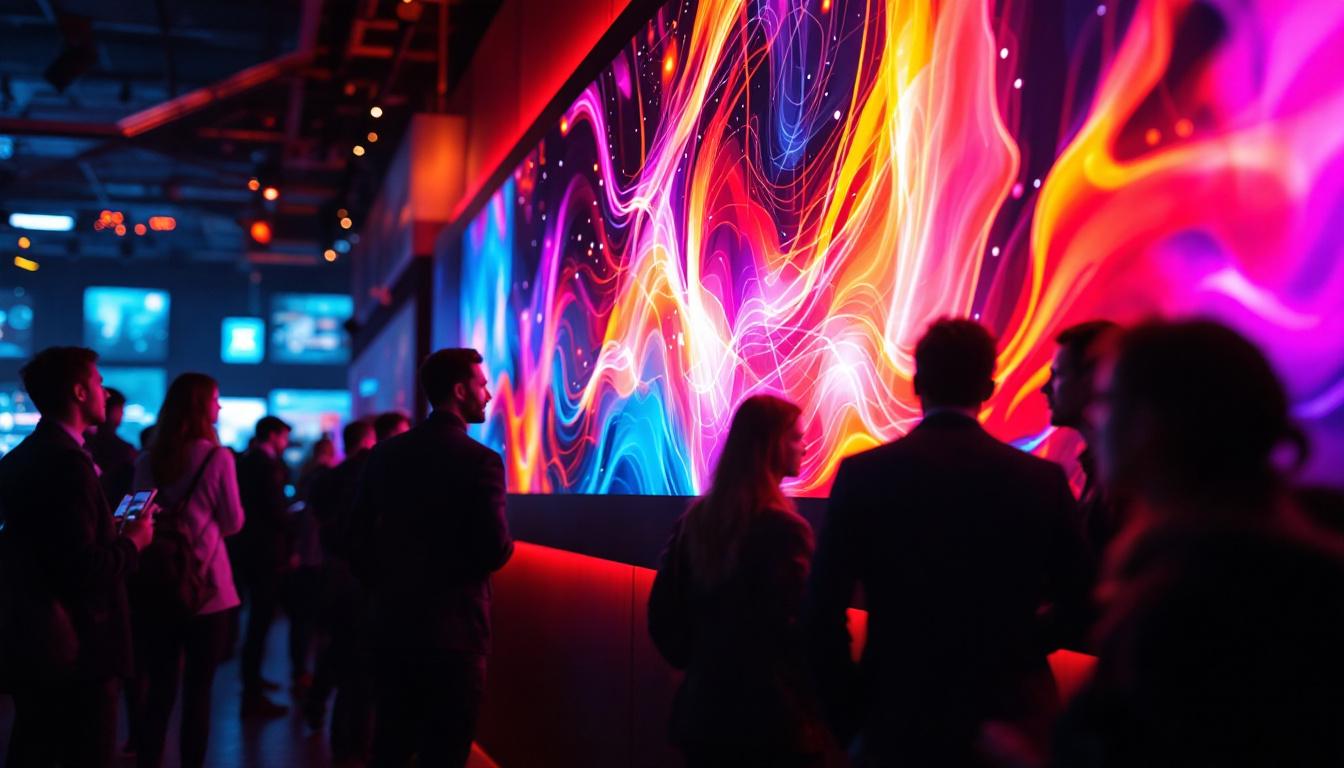
Beyond their visual appeal, outdoor LED wall panels can also enhance audience engagement through interactive features. Some models are equipped with touch-sensitive technology or can connect to social media platforms, allowing viewers to interact with the displayed content. This interactivity not only captivates audiences but also fosters a sense of community, as people can see their contributions featured live on the screen, making these panels a dynamic tool for communication and marketing.
Key Features of Weatherproof Outdoor LED Panels
Durability and Protection Standards
One of the most critical aspects of outdoor LED panels is their durability. These panels must endure rain, snow, dust, and temperature fluctuations without degradation. The Ingress Protection (IP) rating system is the industry standard for measuring this resistance. For outdoor use, panels typically have an IP65 rating or higher, meaning they are dust-tight and protected against water jets from any direction.
Materials used in the construction of the panels are also selected for resilience. Aluminum or stainless steel frames provide structural strength, while tempered glass or polycarbonate covers protect the LEDs from physical damage and UV radiation. Furthermore, many manufacturers incorporate corrosion-resistant coatings to enhance longevity, particularly in coastal areas where saltwater exposure can be detrimental. This attention to material selection not only extends the lifespan of the panels but also ensures consistent performance in harsh environments.
Brightness and Visibility
Outdoor environments demand high brightness levels to ensure the display remains visible under direct sunlight. Typical indoor LED panels operate at brightness levels around 800 to 1,200 nits, but outdoor panels often exceed 5,000 nits. This high luminance ensures that content is clear and legible even on the brightest days. In addition to brightness, color accuracy is crucial; advanced LED technology allows for a wide color gamut, ensuring that images and videos are vibrant and true to life.
Additionally, weatherproof LED panels often feature anti-glare coatings and wide viewing angles, allowing content to be seen clearly from various perspectives and distances. This is particularly important in urban settings where viewers may be positioned at different angles due to foot traffic or vehicular movement. Some models even incorporate adaptive brightness sensors that adjust the display’s luminance based on ambient light conditions, optimizing visibility while conserving energy.
Energy Efficiency and Maintenance
Energy consumption is a significant consideration for large outdoor displays. Advances in LED technology have improved energy efficiency, allowing panels to deliver bright images with lower power usage. Features such as automatic brightness adjustment and power-saving modes help reduce operational costs. Moreover, many outdoor LED panels are designed to operate on renewable energy sources, such as solar power, making them an environmentally friendly choice for businesses looking to reduce their carbon footprint.
Maintenance is simplified through modular designs, where individual LED modules or components can be replaced without dismantling the entire panel. This modularity reduces downtime and maintenance expenses, making weatherproof LED panels a cost-effective long-term investment. Additionally, many modern panels come equipped with remote monitoring capabilities, allowing operators to track performance metrics and receive alerts for potential issues. This proactive approach to maintenance not only enhances reliability but also ensures that displays remain operational and effective in delivering their intended messages.
Applications of Weatherproof Outdoor LED Wall Panels
Advertising and Marketing
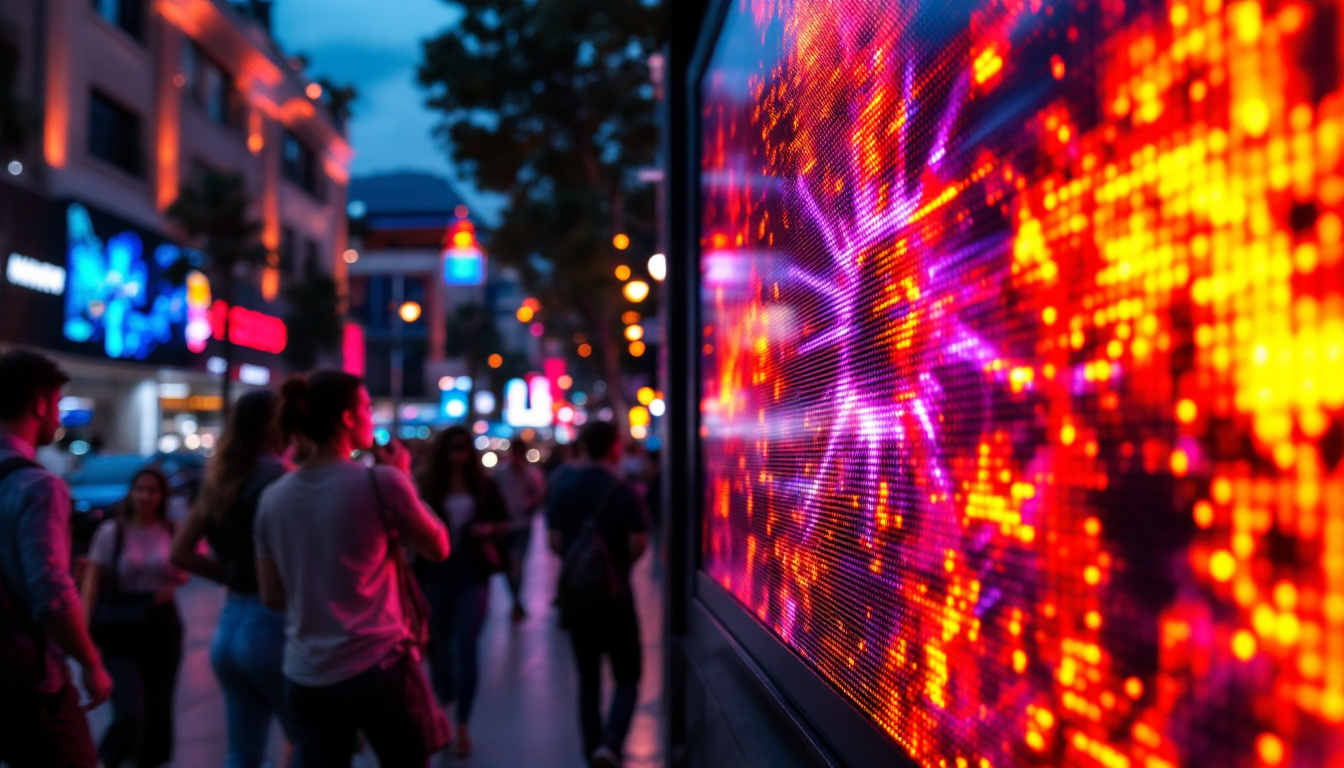
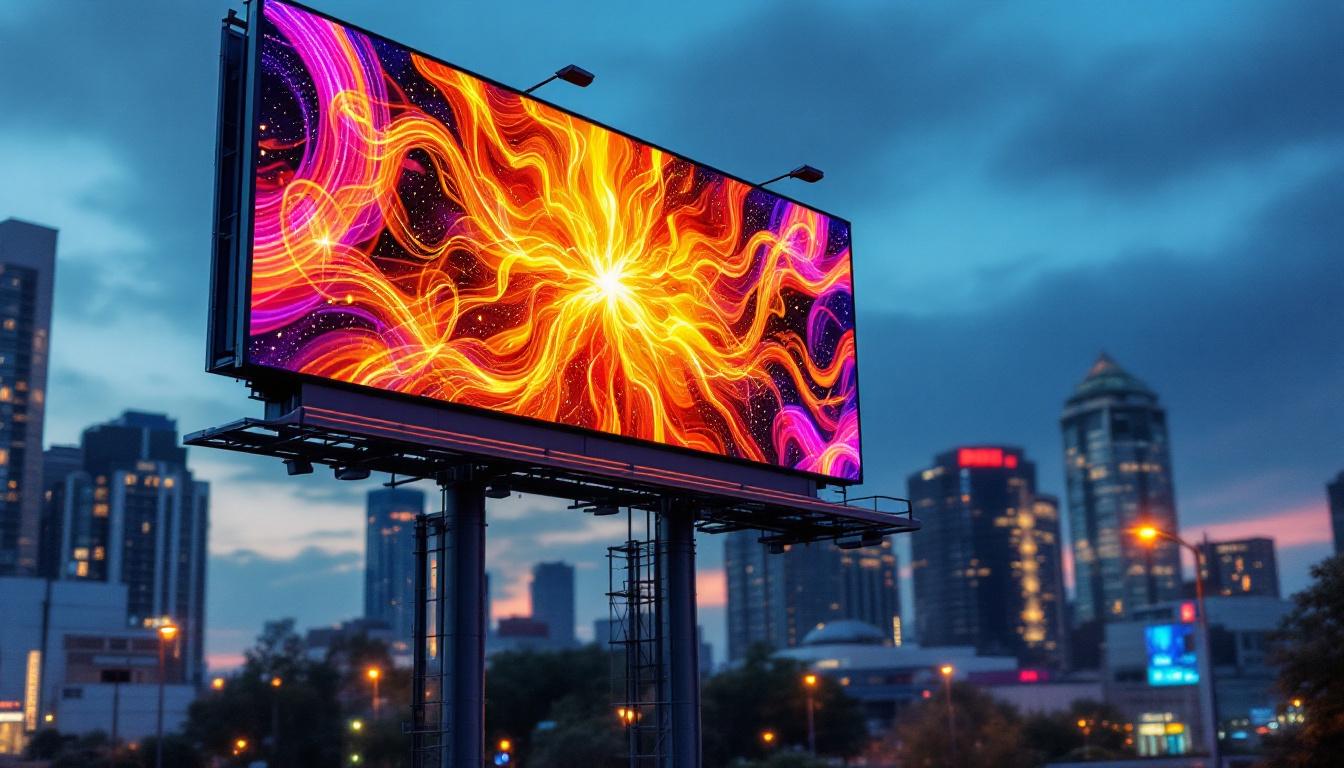
One of the most prevalent uses of outdoor LED panels is in advertising. Retailers, shopping centers, and transit hubs utilize these displays to showcase promotions, new products, and brand messages. The ability to change content dynamically allows marketers to tailor messages to different times of day or special events, increasing engagement and conversion rates.
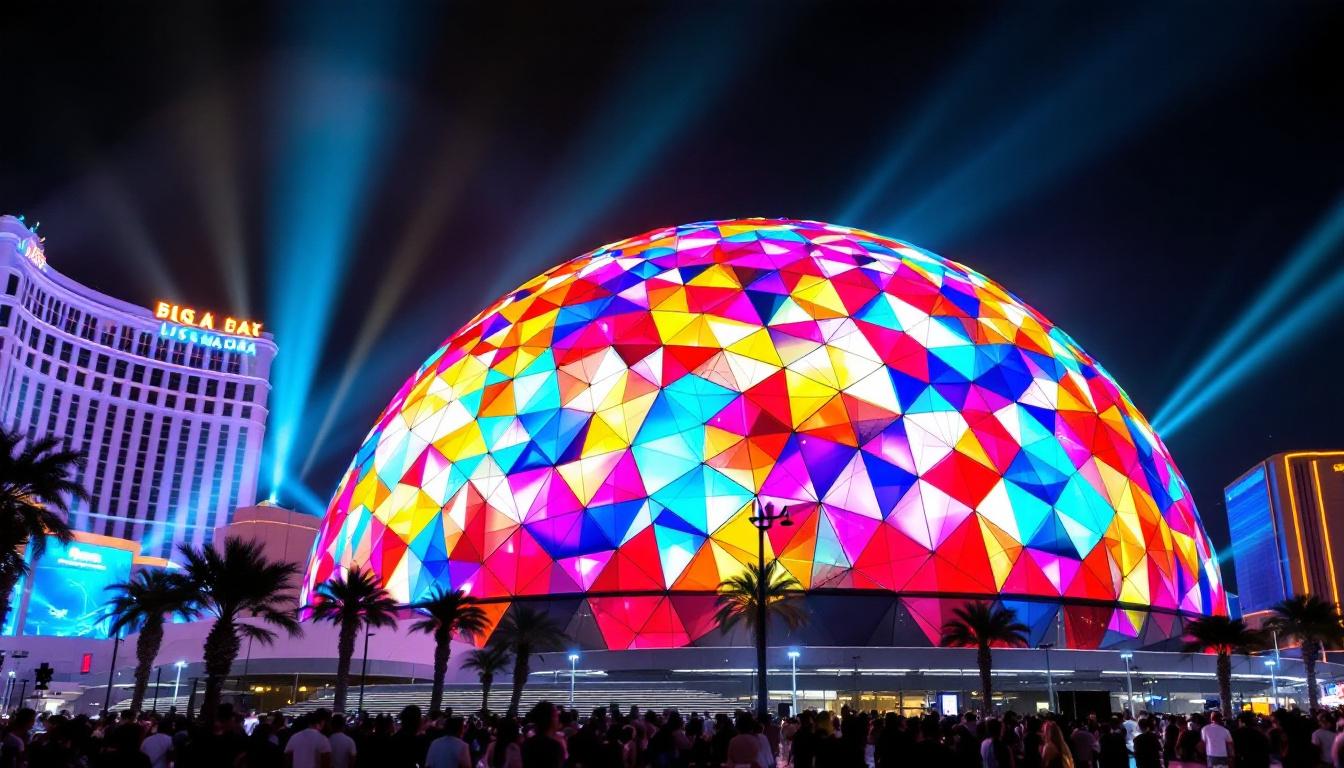
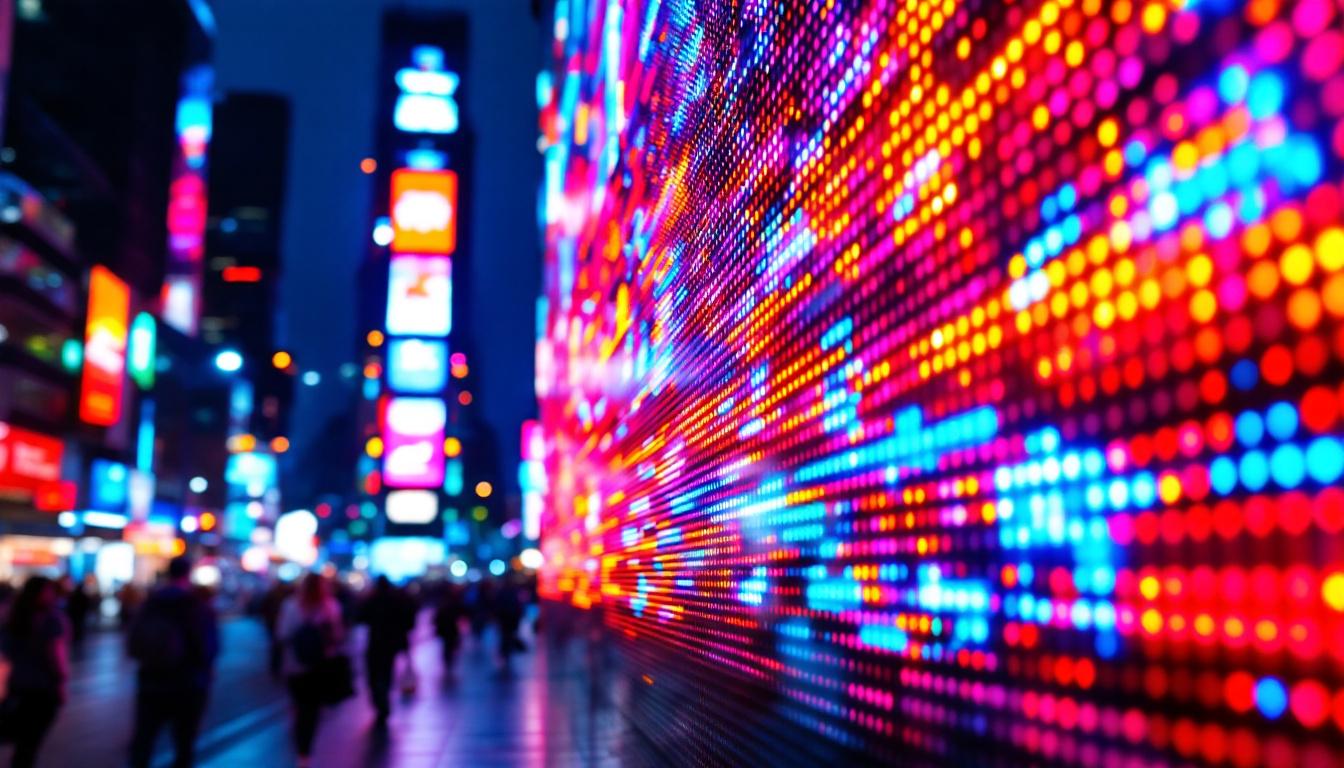
For example, Times Square in New York City features some of the world’s most iconic outdoor LED displays, attracting millions of viewers daily. These displays must operate continuously and withstand harsh weather, demonstrating the importance of weatherproof technology.
Public Information and Safety
Municipalities employ weatherproof LED panels to disseminate critical information such as traffic updates, emergency alerts, and community announcements. In situations like severe weather warnings or public safety campaigns, the ability to communicate quickly and clearly can save lives.
Transportation systems also benefit from these displays by providing real-time schedules and service updates at bus stops, train stations, and airports.
Sports and Entertainment Venues
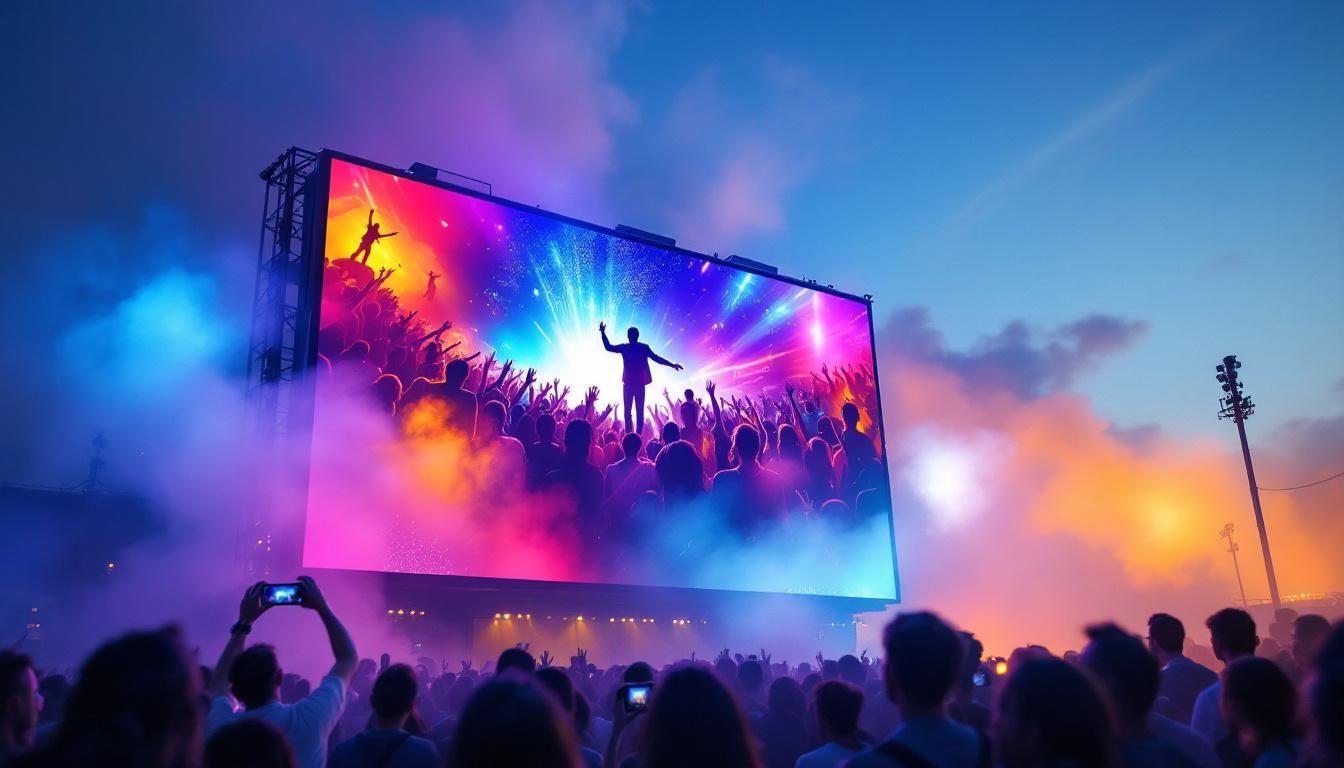
Outdoor sports arenas and entertainment venues use LED wall panels to enhance the spectator experience. These displays show live game footage, scores, advertisements, and interactive content. Weatherproofing ensures uninterrupted operation regardless of rain or temperature changes, maintaining audience engagement throughout events.
Choosing the Right Weatherproof Outdoor LED Panel
Assessing Environmental Conditions
Before selecting an outdoor LED panel, it is vital to evaluate the specific environmental conditions of the installation site. Factors such as local climate, exposure to direct sunlight, wind loads, and potential vandalism should influence the choice of panel specifications and protective features.
For instance, coastal areas with salty air may require corrosion-resistant materials, while regions with heavy snowfall might need reinforced structural designs to handle additional weight.
Resolution and Pixel Pitch
Resolution and pixel pitch determine the clarity and detail of the displayed content. Pixel pitch refers to the distance between individual LEDs, measured in millimeters. Smaller pixel pitches produce higher resolution images but are more expensive and typically used for closer viewing distances.
For large-scale outdoor displays viewed from a distance, a pixel pitch of 10mm to 20mm is common. However, for installations where viewers are closer, such as outdoor retail displays or interactive kiosks, finer pixel pitches provide sharper images.
Installation and Maintenance Considerations
Proper installation is crucial to ensure the longevity and performance of outdoor LED panels. This includes secure mounting to withstand wind and vibration, adequate ventilation to prevent overheating, and easy access for maintenance.
Choosing suppliers and installers with experience in weatherproof LED technology can prevent common pitfalls such as water ingress or electrical failures. Additionally, understanding the warranty and support services available is essential for long-term peace of mind.
Future Trends in Weatherproof Outdoor LED Displays
Advancements in LED Technology
Emerging technologies continue to enhance the capabilities of outdoor LED panels. Mini-LED and micro-LED innovations promise even higher brightness, better color accuracy, and improved energy efficiency. These advances will enable more immersive and visually stunning outdoor displays.
Furthermore, integration with Internet of Things (IoT) devices allows for smarter displays that can adapt content based on real-time data such as weather conditions, audience demographics, or traffic patterns.
Sustainability and Environmental Impact
As sustainability becomes a priority, manufacturers are developing LED panels with eco-friendly materials and energy-saving features. Solar-powered outdoor LED displays are gaining traction, particularly in remote or off-grid locations, reducing reliance on traditional power sources.
Recyclability and reduced hazardous materials in panel construction also contribute to minimizing environmental impact over the product lifecycle.
Conclusion
Weatherproof outdoor wall panels with LED display technology have revolutionized the way information and advertising are communicated in public spaces. Their durability, brightness, and versatility make them indispensable tools for businesses, governments, and event organizers worldwide. By understanding the technology, key features, and application considerations, stakeholders can make informed decisions to maximize the impact and longevity of their outdoor displays.
As LED technology continues to evolve, the future holds exciting possibilities for even more dynamic, efficient, and sustainable outdoor display solutions.
Explore Cutting-Edge LED Display Solutions with LumenMatrix
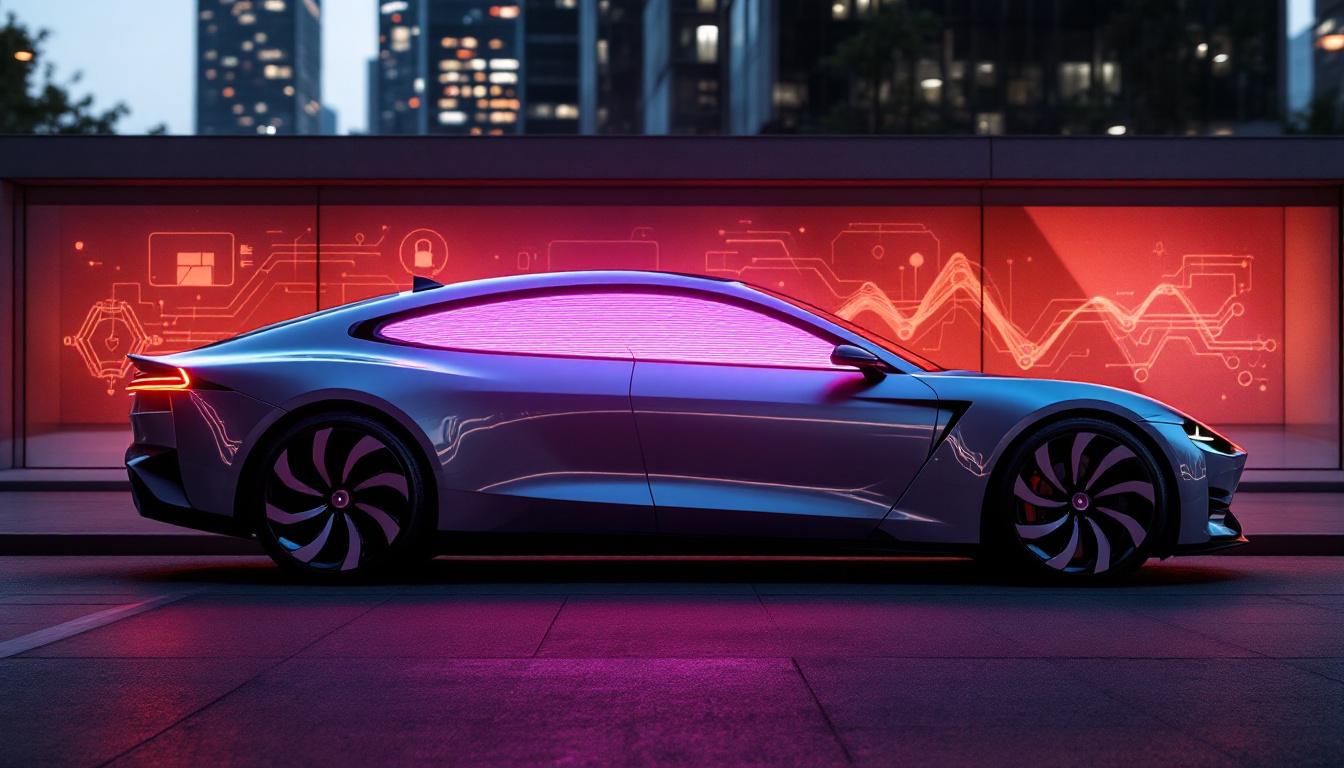
Ready to elevate your outdoor advertising and information dissemination? Discover LumenMatrix’s innovative LED display technology, designed to captivate and engage your audience in any weather condition. From vibrant Outdoor LED Wall Displays to versatile Vehicle LED Displays and beyond, LumenMatrix offers a comprehensive range of solutions tailored to your unique needs. Embrace the future of visual communication with our state-of-the-art LED displays that promise durability, energy efficiency, and unparalleled clarity. Check out LumenMatrix LED Display Solutions today and transform your public space into a dynamic visual experience.