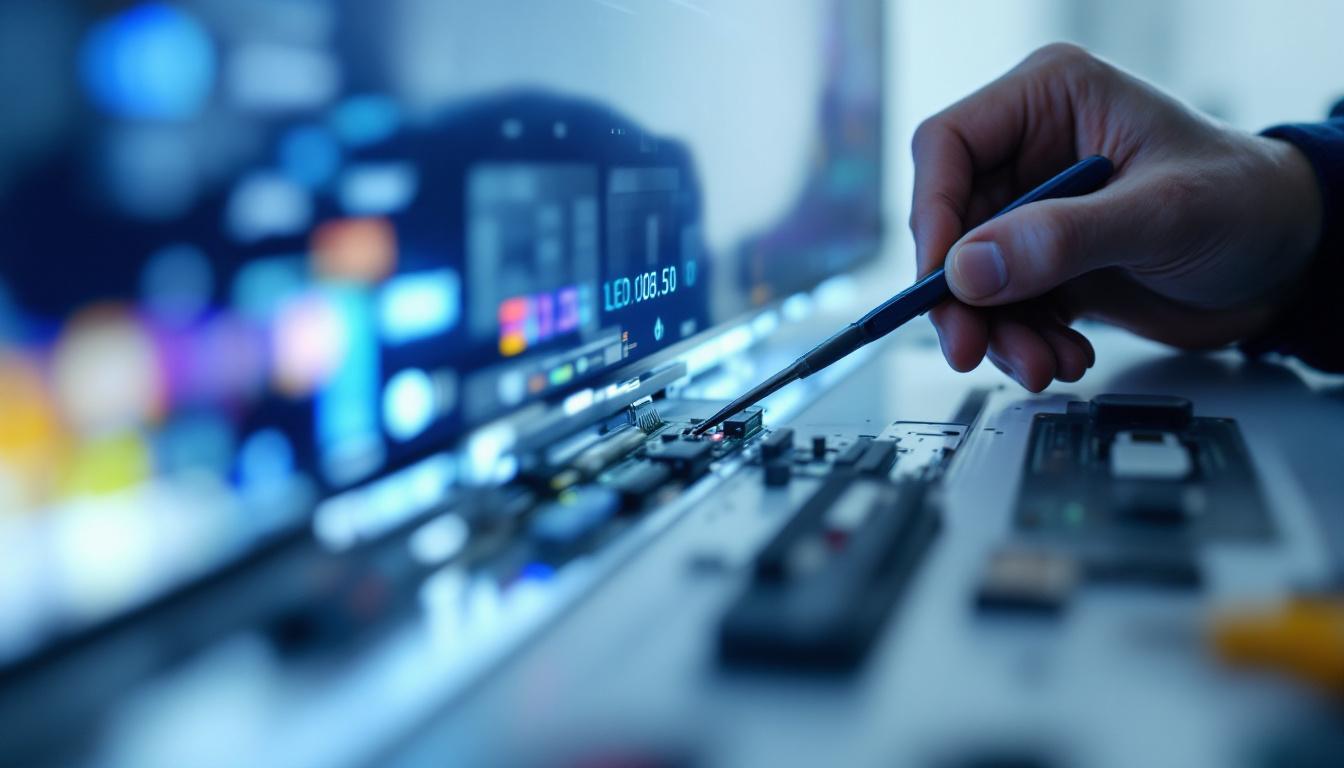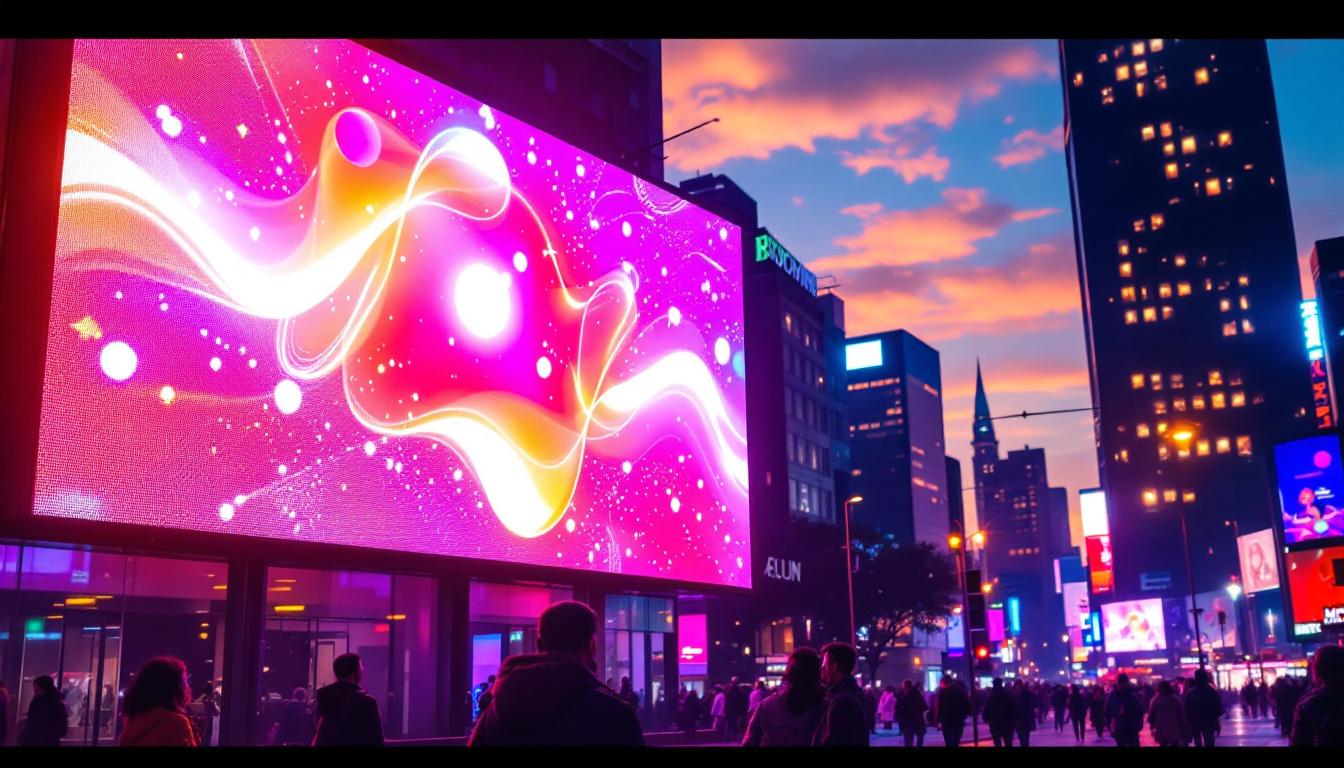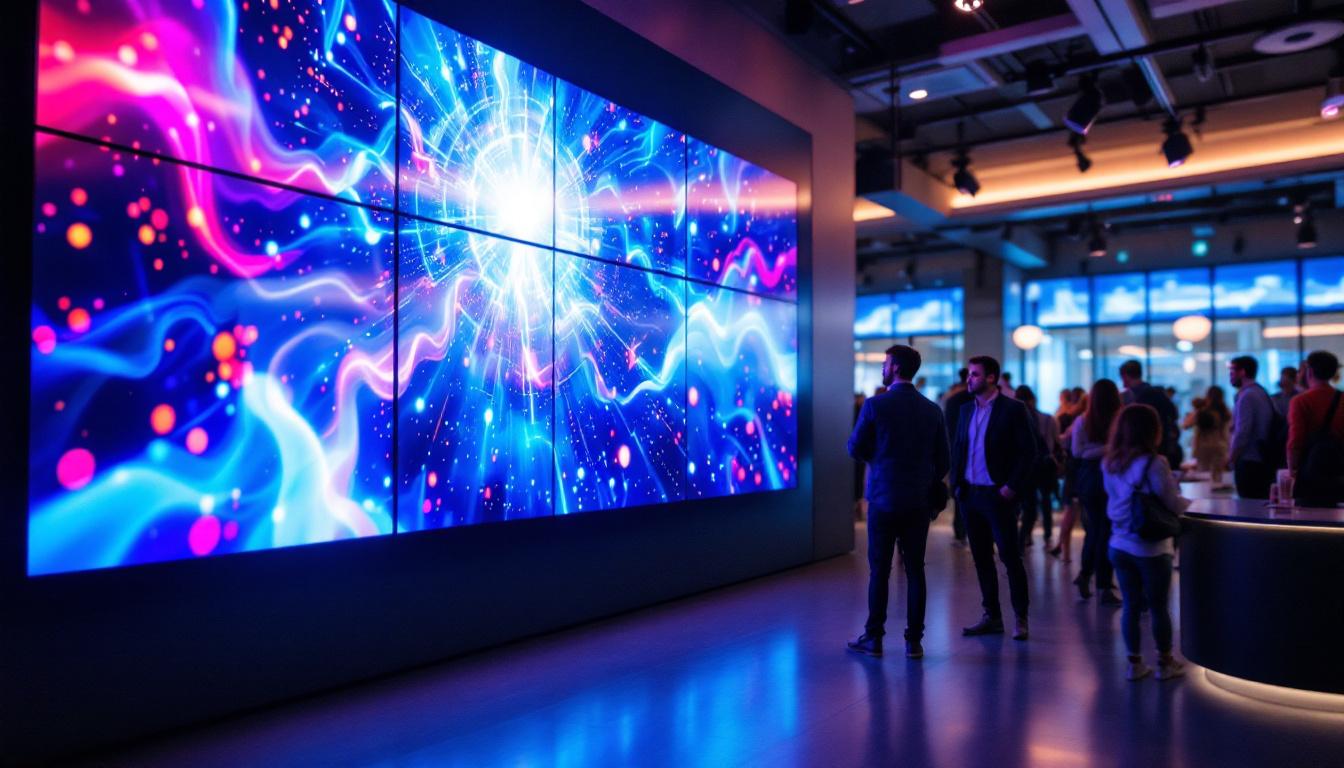
In today’s digital age, large-scale visual displays have become an integral part of various environments—from corporate boardrooms and control centers to retail spaces and public venues. At the heart of these impressive setups lies the video wall processor, a critical component that ensures seamless, high-quality visuals across multiple screens. This article delves into the essentials of video wall processors, particularly in the context of LED displays, providing a comprehensive understanding for professionals and enthusiasts alike.
Understanding Video Wall Processors
A video wall processor is a specialized device designed to manage and distribute video signals across multiple display panels, creating one cohesive visual experience. Unlike traditional single-screen setups, video walls combine several screens to form a larger, unified display surface. The processor’s role is to ensure that the content is split, scaled, and synchronized perfectly across all panels. This technology is particularly useful in environments such as control rooms, retail spaces, and large events, where impactful visuals are crucial for communication and engagement.
Modern video wall processors support a variety of input sources, including HDMI, DisplayPort, DVI, and even IP streams, making them versatile for different applications. They also handle complex tasks such as image rotation, bezel compensation, and multi-window display, which are essential for maintaining visual integrity on large video walls. With advancements in technology, many processors now offer features like 4K and even 8K support, allowing for ultra-high-definition content that captivates viewers and enhances the overall experience.
Key Functions of a Video Wall Processor
At its core, a video wall processor performs several vital functions:
- Signal Processing: Converts and processes incoming video signals to match the resolution and format of the video wall.
- Scaling and Splitting: Adjusts the size of the input content and splits it across multiple screens seamlessly.
- Bezel Compensation: Accounts for the physical borders between screens to ensure the image appears continuous.
- Multi-Window Management: Allows for displaying multiple sources simultaneously on different sections of the video wall.
- Synchronization: Ensures all screens refresh and display content in perfect harmony to avoid visual lag or tearing.
In addition to these core functions, many video wall processors come equipped with advanced features like remote management capabilities, which allow operators to control and monitor the system from a distance. This is particularly beneficial in large installations where physical access to the equipment may be limited. Furthermore, some processors include built-in content management systems, enabling users to schedule and automate content playback, ensuring that the right message reaches the audience at the right time. As a result, organizations can leverage video walls not just for display purposes, but also as dynamic communication tools that adapt to various scenarios and audience needs.
LED Displays in Video Walls: Why They Matter
LED (Light Emitting Diode) displays have revolutionized video walls with their superior brightness, color accuracy, and energy efficiency. Unlike LCD panels, LED displays use tiny light-emitting diodes as pixels, which can be individually controlled for brightness and color, resulting in vivid and dynamic images.
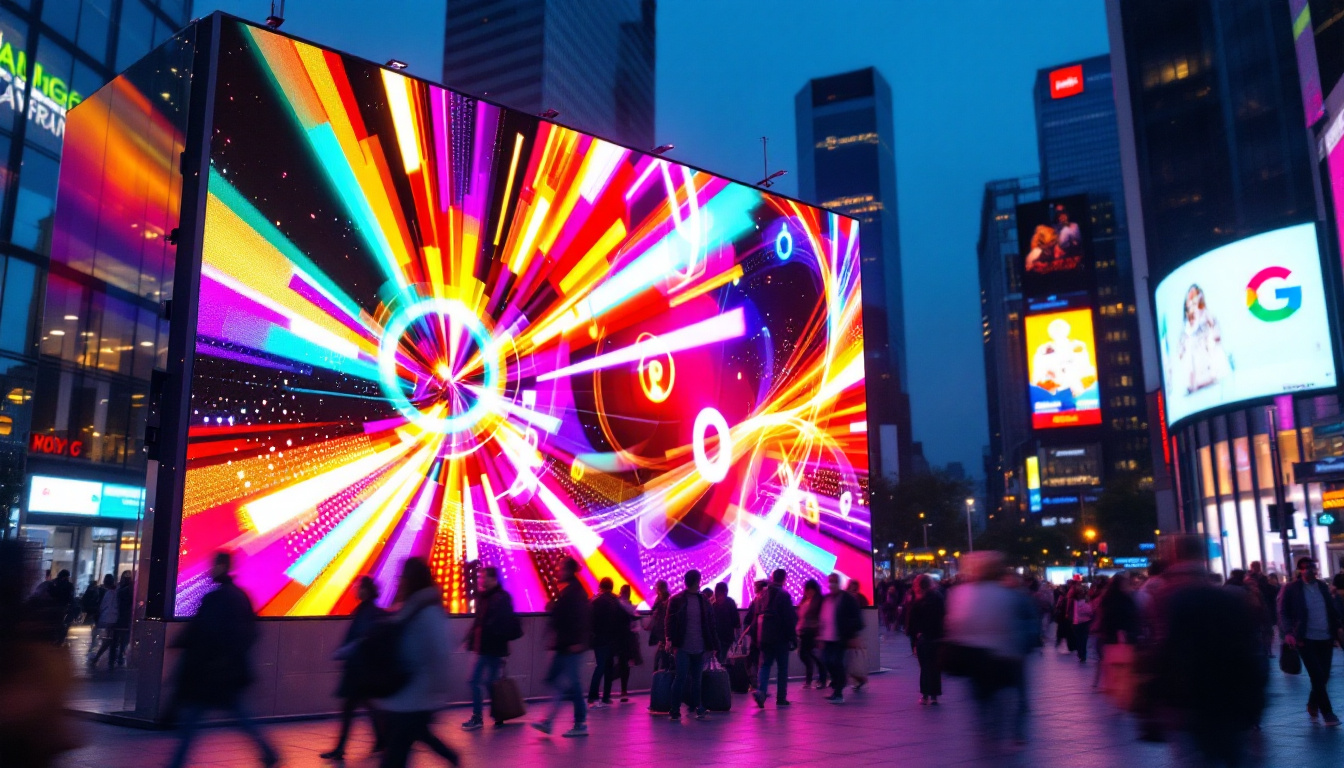
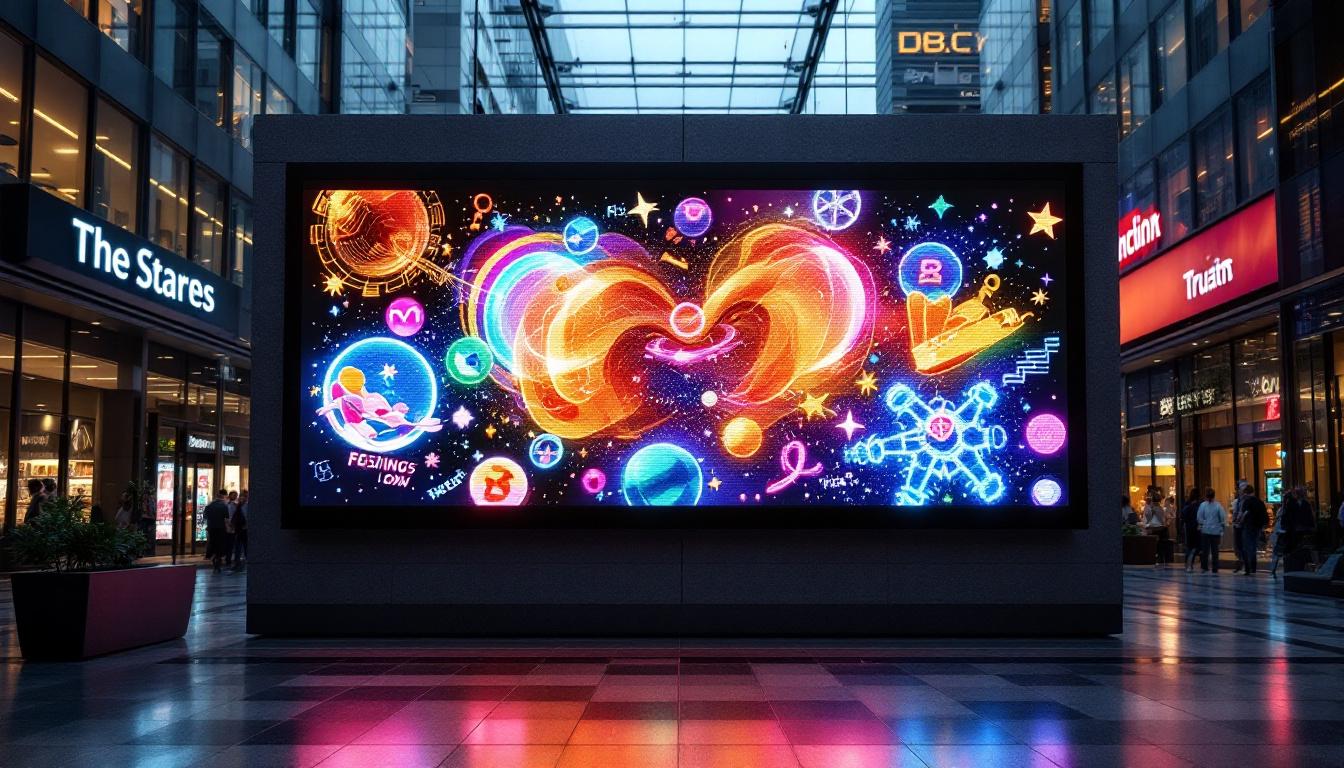
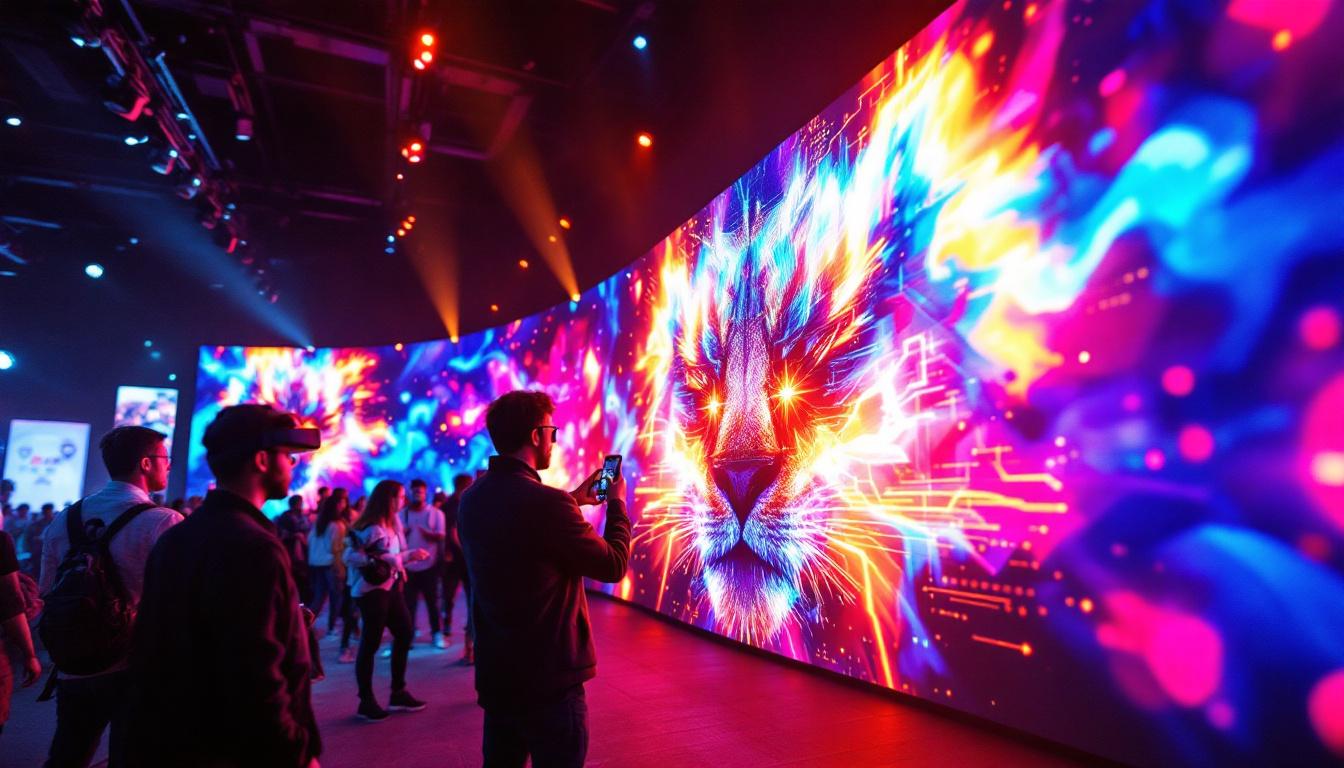
LED video walls are particularly favored for environments where high visibility is crucial, such as outdoor advertising, stadiums, and transportation hubs. Their ability to maintain clarity under direct sunlight and wide viewing angles makes them ideal for these demanding settings. Furthermore, the seamless integration of multiple LED panels creates a unified visual experience, allowing for large-scale displays that can captivate audiences and convey messages effectively.
In addition to their visual prowess, LED video walls also offer advanced features such as real-time content management and interactivity. This allows businesses to tailor their messaging based on audience engagement, time of day, or even current events, making them a versatile tool for marketing and communication strategies.
Advantages of LED Video Walls
There are several reasons why LED displays are often the preferred choice for video walls:
- Brightness and Visibility: LED walls typically offer brightness levels ranging from 1,000 to over 5,000 nits, far surpassing traditional LCDs, which usually max out around 500-700 nits. This makes LED walls easily viewable in bright environments.
- Color Accuracy and Contrast: LEDs provide deeper blacks and more vibrant colors, enhancing the overall image quality.
- Durability: LED panels are more robust and have longer lifespans, often exceeding 100,000 hours of operation.
- Scalability: LED modules can be configured in virtually any size or shape, offering flexibility in design.
- Energy Efficiency: Despite their brightness, LEDs consume less power compared to other display technologies, reducing operational costs.
Moreover, the low maintenance requirements of LED video walls contribute to their appeal. With fewer components that can fail and the ability to replace individual modules rather than entire panels, organizations can save both time and money on upkeep. This reliability is particularly important in high-traffic areas where downtime can lead to lost revenue and diminished customer engagement.
Pixel Pitch and Its Impact
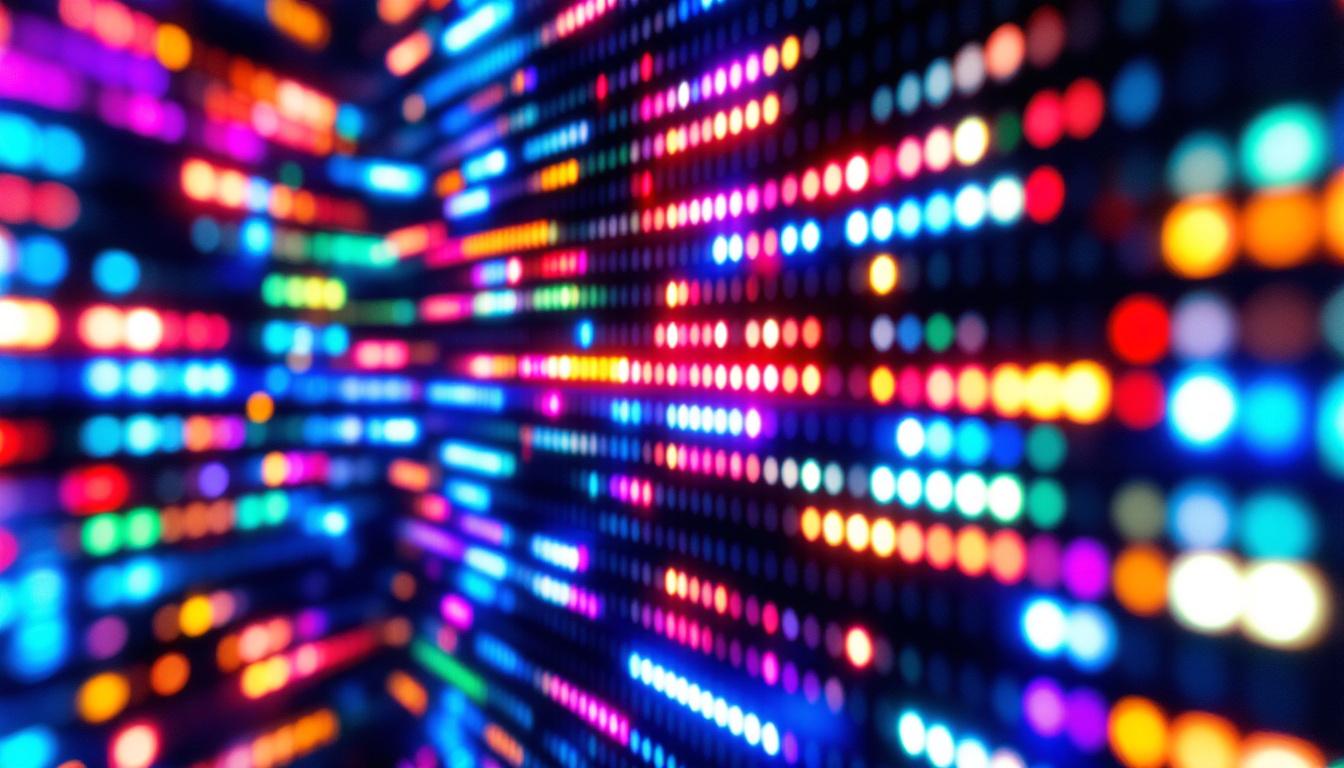
One of the critical specifications in LED video walls is pixel pitch, which refers to the distance between the centers of two adjacent pixels. Pixel pitch is measured in millimeters and directly affects the resolution and viewing distance of the display.
A smaller pixel pitch means higher resolution and sharper images, suitable for close-up viewing environments like control rooms or retail displays. Conversely, larger pixel pitches are more cost-effective for large outdoor displays where viewers are farther away.
For example, a 1.5mm pixel pitch LED wall is ideal for indoor use with close viewing distances, while a 10mm pixel pitch might be used for outdoor billboards viewed from hundreds of feet away. Additionally, advancements in pixel technology have led to the development of ultra-fine pixel pitch displays, which are becoming increasingly popular in high-end applications such as broadcasting studios and luxury retail environments, where every detail matters.
As technology continues to evolve, the importance of pixel pitch will only grow, influencing not just the aesthetic quality of the display but also the overall user experience. This makes understanding pixel pitch a vital consideration for anyone looking to invest in LED video walls, ensuring they select the right configuration for their specific needs and viewing conditions.
How Video Wall Processors Work with LED Displays
Integrating a video wall processor with an LED display involves several technical considerations to ensure optimal performance. The processor must be capable of handling the unique characteristics of LED technology, including resolution, refresh rates, and color calibration.
Resolution and Scaling
LED video walls often have custom resolutions based on the number of modules and pixel pitch. The video wall processor must scale input signals to match this resolution precisely. Advanced processors support ultra-high-definition (UHD) content and can handle multiple inputs simultaneously, allowing for versatile content management.
Synchronization and Refresh Rates
LED displays typically operate at high refresh rates, often 1920Hz or higher, to eliminate flicker and ensure smooth motion. The video wall processor must synchronize output signals to match these refresh rates, preventing visual artifacts such as tearing or ghosting.
Color Calibration and Uniformity
Maintaining consistent color and brightness across all LED modules is essential for a seamless image. Video wall processors often include calibration tools or integrate with third-party calibration systems to adjust color balance and brightness, compensating for variations in individual LED modules.
Applications of Video Wall Processors and LED Displays
The combination of video wall processors and LED displays has found applications across diverse industries, each leveraging the technology’s strengths to meet specific needs.
Corporate and Control Rooms
In corporate environments, video walls are used for presentations, data visualization, and collaborative workspaces. Control rooms for utilities, transportation, and emergency services rely on video walls to monitor multiple information streams simultaneously. The ability to display multiple inputs and scale content dynamically is critical in these settings.
Retail and Advertising
Retailers use LED video walls to create immersive brand experiences and dynamic advertising displays. The high brightness and vibrant colors of LED walls attract attention and enhance customer engagement. Video wall processors enable content scheduling, multi-source display, and real-time updates, making these installations highly versatile.
Entertainment and Events
Concerts, sports arenas, and public events utilize large LED video walls for live broadcasts, visual effects, and audience engagement. The scalability and robustness of LED displays, combined with powerful video wall processors, allow for spectacular visual experiences that can be tailored to any venue size or layout.
Transportation Hubs and Public Spaces
Airports, train stations, and city squares employ LED video walls for information dissemination, advertising, and public art installations. The durability and visibility of LED technology make it ideal for these high-traffic, often outdoor environments.
Choosing the Right Video Wall Processor for LED Displays
Selecting the appropriate video wall processor depends on several factors, including the size and resolution of the LED display, the number and type of input sources, and the specific application requirements.
Considerations for Selection
- Input Compatibility: Ensure the processor supports all intended input formats, such as HDMI 2.1 for 4K content or IP streaming for network-based sources.
- Processing Power: Higher resolutions and multiple simultaneous inputs require more robust processing capabilities.
- Control and Management Features: Look for processors with intuitive control software, remote management, and integration options with existing AV infrastructure.
- Scalability: Choose a processor that can accommodate future expansion or changes in display configuration.
- Latency: Low latency is crucial for live events and interactive applications.
Emerging Trends in Video Wall Processing
Recent advancements include AI-powered content optimization, cloud-based management platforms, and enhanced support for 8K and beyond resolutions. These innovations are making video wall systems more intelligent, flexible, and easier to operate.
Maintenance and Best Practices
Proper maintenance of video wall processors and LED displays ensures longevity and consistent performance. Regular calibration, firmware updates, and environmental controls (such as temperature and humidity management) are essential.
Additionally, training for operators on the use of control software and troubleshooting common issues can minimize downtime and improve the overall user experience.
Conclusion
Video wall processors and LED displays together create powerful visual platforms that transform how information and content are presented in various settings. Understanding the technical aspects, benefits, and applications of these technologies is crucial for making informed decisions when designing or upgrading video wall systems.
As LED technology and video processing continue to evolve, the potential for more immersive, flexible, and impactful visual experiences will only grow, making video walls an indispensable tool in the modern visual communication landscape.
Discover LumenMatrix’s Advanced LED Display Solutions
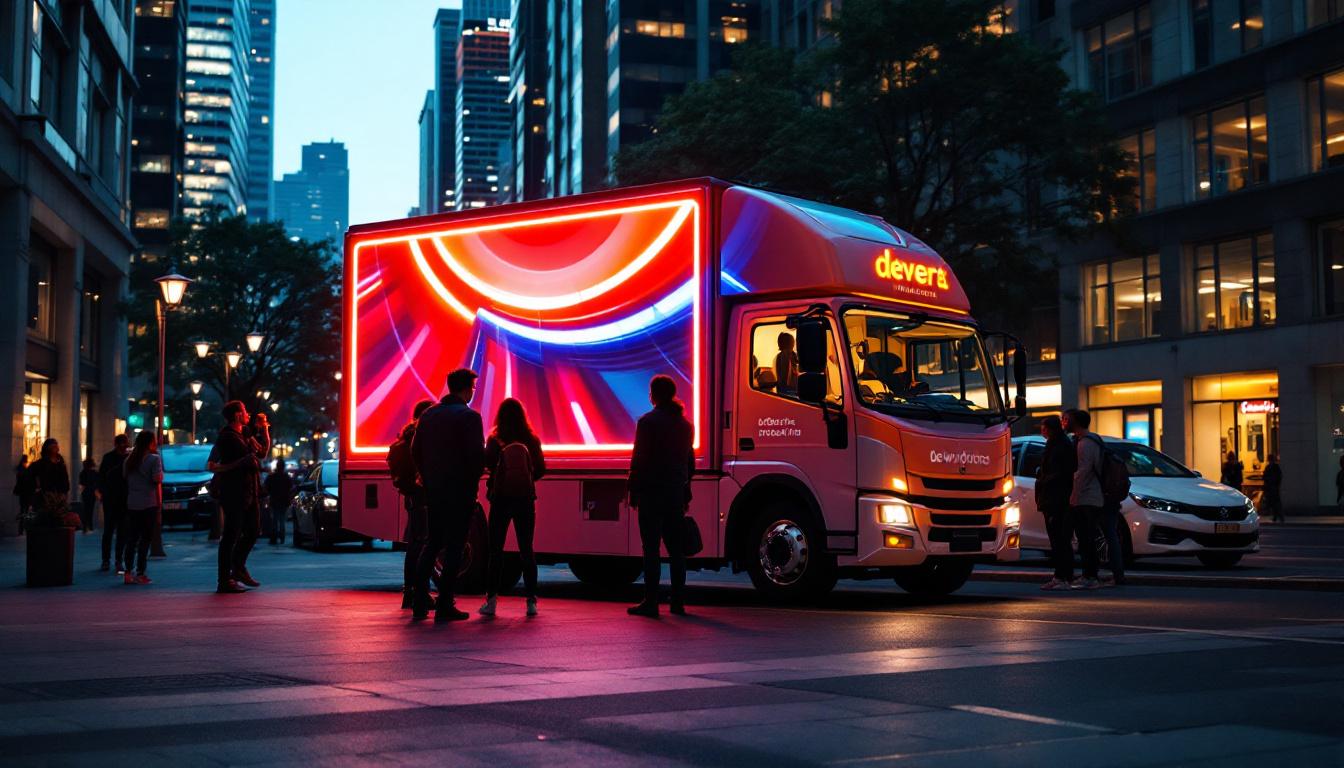
Ready to elevate your visual communication with cutting-edge technology? LumenMatrix offers a comprehensive range of LED display solutions tailored to meet your specific needs. From vibrant Indoor and Outdoor LED Wall Displays to innovative options like Vehicle LED Displays, LED Posters, and Custom LED configurations, our products are designed to captivate your audience and amplify your message. Experience the future of visual engagement with LumenMatrix’s LED display modules. Check out LumenMatrix LED Display Solutions today and transform your space into a dynamic visual experience.