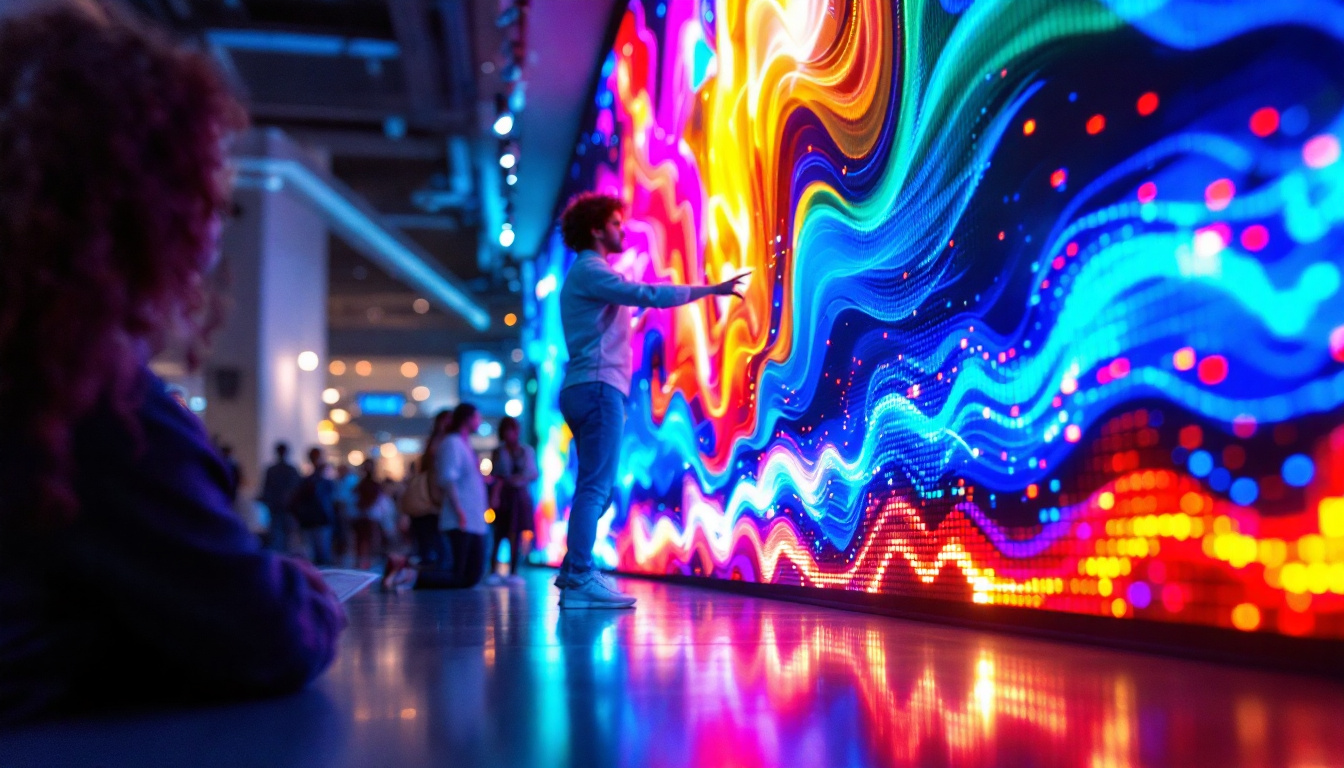
In today’s fast-paced, visually-driven world, digital signage has become an essential tool for businesses, retailers, and public spaces to communicate effectively with their audiences. Among the various technologies powering digital signage, LED displays combined with touch screen capabilities stand out as particularly dynamic and engaging solutions. This article explores the fundamentals of digital signage touch screen LED displays, their advantages, applications, and what to consider when integrating them into your environment.
Understanding Digital Signage and LED Displays
What is Digital Signage?
Digital signage refers to the use of digital screens to display content such as advertisements, information, wayfinding, or entertainment. Unlike traditional static signs, digital signage can be updated in real-time, offering flexibility and interactivity. This technology is widely used in retail stores, airports, corporate offices, healthcare facilities, and outdoor advertising.
The core benefit of digital signage lies in its ability to capture attention through vibrant visuals and dynamic content, which can be tailored to specific audiences or times of day. According to a report by Grand View Research, the global digital signage market is expected to reach $31.71 billion by 2028, growing at a compound annual growth rate (CAGR) of 7.5% from 2021 to 2028, highlighting its increasing adoption worldwide.
One of the most exciting aspects of digital signage is its capability for interactivity. Touch screens and motion sensors can transform a passive viewing experience into an engaging interaction, allowing users to navigate through information or promotions at their own pace. This level of engagement not only enhances the customer experience but also provides valuable data to businesses about consumer behavior and preferences. For instance, retailers can analyze which products attract the most attention based on viewer interactions, enabling them to refine their marketing strategies effectively.
Moreover, digital signage can serve as a powerful tool for communication during emergencies. In critical situations, such as natural disasters or urgent announcements, digital screens can be updated instantly to convey vital information to the public, ensuring that messages are disseminated quickly and efficiently. This adaptability makes digital signage an invaluable asset in various sectors, enhancing both marketing efforts and public safety.
What is an LED Display?
LED, or Light Emitting Diode, displays are a type of digital screen technology that uses tiny light-emitting diodes to create images. These displays are known for their brightness, energy efficiency, and long lifespan compared to other display technologies like LCD or plasma.
LED displays come in various forms, including direct view LED panels and LED-backlit LCDs. For digital signage, direct view LED displays are often preferred because they offer superior brightness and contrast, making them ideal for both indoor and outdoor environments. Their modular design allows for large-scale installations with seamless image quality.
Additionally, LED technology has evolved significantly, leading to advancements such as fine-pitch LED displays, which offer higher pixel density and improved resolution. This is particularly beneficial for close-up viewing scenarios, such as in retail environments where customers might be just a few feet away from the screen. Furthermore, the versatility of LED displays extends to their ability to function in various lighting conditions, maintaining visibility even in direct sunlight, which is a critical factor for outdoor advertising. As a result, businesses can ensure their messages are seen at any time of day, maximizing the impact of their advertising efforts.
Another noteworthy feature of LED displays is their environmental sustainability. Many modern LED displays are designed with energy-efficient components that consume less power, contributing to lower operational costs and a reduced carbon footprint. This focus on sustainability is increasingly important for companies looking to enhance their corporate social responsibility initiatives. By choosing LED technology, businesses not only benefit from cutting-edge display capabilities but also align themselves with eco-friendly practices that resonate with today’s environmentally conscious consumers.
The Role of Touch Screen Technology in Digital Signage
Enhancing User Interaction
Adding touch screen capabilities to digital signage transforms passive displays into interactive experiences. Users can engage directly with the content, navigating menus, accessing detailed information, or even completing transactions. This interactivity increases engagement, dwell time, and ultimately, the effectiveness of the signage.
For example, in retail settings, touch screen digital signage can allow customers to browse product catalogs, check inventory, or customize products. In public spaces, interactive wayfinding kiosks help visitors find their destinations quickly and intuitively.
Types of Touch Technologies Used in LED Displays
There are several touch technologies integrated into LED digital signage, each with its own advantages:
- Capacitive Touch: The most common technology found in smartphones and tablets. It offers high accuracy and multi-touch support but requires direct contact with a conductive object like a finger.
- Infrared Touch: Uses an array of IR LEDs and photodetectors around the screen edges. It supports multi-touch and works with any object, including gloved hands or styluses.
- Surface Acoustic Wave (SAW): Uses ultrasonic waves on the screen surface. It provides excellent image clarity but can be affected by dirt or water on the screen.
Choosing the right touch technology depends on the environment, user interaction needs, and budget.
Advantages of Digital Signage Touch Screen LED Displays
Vivid Visuals and Visibility
LED displays are renowned for their brightness and color accuracy. They can produce vivid images even in direct sunlight, making them ideal for outdoor signage. The high contrast ratios and wide viewing angles ensure that content is clear and attractive from multiple perspectives.
When combined with touch screen functionality, these displays not only attract attention but also invite interaction, creating a more memorable user experience.
Durability and Energy Efficiency
LED technology is highly energy-efficient compared to traditional lighting and display technologies. This efficiency translates into lower operating costs, especially for large or 24/7 installations. Additionally, LED displays are robust and can withstand harsh environmental conditions, which is critical for outdoor digital signage.
Content Flexibility and Real-Time Updates
Digital signage with touch screens allows for dynamic content that can be updated remotely and in real-time. Businesses can tailor messages based on time of day, audience demographics, or special events. Interactive content can be personalized, providing a more engaging and relevant experience for users.
Improved Customer Engagement and Data Collection
Interactive digital signage provides valuable insights into customer behavior. By tracking touch interactions, businesses can gather data on popular content, navigation patterns, and user preferences. This information can inform marketing strategies and improve customer service.
Key Applications of Digital Signage Touch Screen LED Displays
Retail and Shopping Centers
Retailers use interactive LED digital signage to enhance the shopping experience. Touch screens enable customers to search for products, view promotions, and even place orders. This technology helps bridge the gap between online and in-store shopping, offering convenience and engagement.
For example, fashion retailers often deploy interactive kiosks where shoppers can browse entire collections, check sizes, and receive personalized recommendations, increasing the likelihood of purchase.
Transportation Hubs
Airports, train stations, and bus terminals utilize touch screen LED displays for wayfinding, ticketing, and real-time updates. The high visibility of LED screens ensures that information is accessible even in bright or crowded environments. Interactive elements reduce the need for staff assistance, streamlining passenger flow.
Corporate and Educational Environments
In offices and campuses, digital signage touch screens serve multiple purposes, from meeting room scheduling and visitor check-in to interactive directories and news feeds. These displays improve communication and foster collaboration among employees and students.
Healthcare Facilities
Hospitals and clinics use interactive digital signage for patient check-in, wayfinding, and health education. Touch screen LED displays help reduce wait times and improve patient satisfaction by providing clear, accessible information.
Considerations When Choosing Digital Signage Touch Screen LED Displays
Screen Size and Resolution
The size of the display should match the viewing distance and environment. Larger screens are suitable for spacious areas or outdoor use, while smaller screens are better for close-up interaction. Resolution is equally important to ensure crisp, clear images, especially for detailed content.
Environmental Factors
For outdoor installations, the display must be weatherproof and capable of operating under varying temperatures and lighting conditions. High brightness levels are essential for visibility in sunlight. Indoor environments may prioritize aesthetics and integration with existing decor.
Touch Technology Suitability
Choosing the right touch technology depends on user interaction patterns and environmental conditions. For example, infrared touch screens are preferred in environments where users may wear gloves, such as warehouses or hospitals.
Content Management Systems (CMS)
A robust CMS is critical for managing and scheduling content across multiple displays. It should support easy updates, real-time monitoring, and analytics to maximize the effectiveness of the digital signage network.
Budget and Total Cost of Ownership
While LED touch screen displays may have a higher upfront cost compared to traditional signage, their durability, energy efficiency, and engagement benefits often result in a favorable return on investment. It’s important to consider installation, maintenance, and content creation costs when budgeting.
Future Trends in Digital Signage Touch Screen LED Displays
Integration with Artificial Intelligence (AI)
AI-powered digital signage is becoming more prevalent, enabling personalized content delivery based on audience demographics, behavior, and preferences. Facial recognition and gesture control technologies are enhancing interactivity beyond traditional touch.
Augmented Reality (AR) and Mixed Reality
Combining LED digital signage with AR and mixed reality offers immersive experiences. For instance, retail customers can virtually try on products or visualize furniture in their homes through interactive displays.
5G Connectivity and IoT Integration
Faster connectivity through 5G networks allows for seamless content streaming and real-time updates. Integration with Internet of Things (IoT) devices enables smart environments where digital signage responds dynamically to environmental sensors and user interactions.
Conclusion
Digital signage touch screen LED displays represent a powerful convergence of visual impact and interactive technology. Their ability to deliver vibrant, engaging content that users can control makes them invaluable across a wide range of industries. By understanding the technology, benefits, and applications, businesses can leverage these displays to enhance communication, improve customer experiences, and drive measurable results.
As technology continues to evolve, the potential for digital signage to create immersive, personalized, and intelligent interactions will only grow, making it a critical component of modern communication strategies.
Discover Cutting-Edge LED Display Solutions with LumenMatrix
Ready to elevate your visual communication strategy with the latest in LED display technology? LumenMatrix offers a comprehensive range of innovative solutions tailored to your needs. From Indoor and Outdoor LED Wall Displays to specialized options like Vehicle, Sports, and Floor LED Displays, our products are designed to captivate and engage your audience. Experience the transformative power of Custom, All-in-One, and Transparent LED Displays and see how our commitment to excellence can revolutionize your brand’s presence. Check out LumenMatrix LED Display Solutions today and step into the future of digital signage.