The rise of digital entertainment has transformed the way audiences consume content, and one of the most significant technological advancements driving this change is the LED display. From vibrant visuals to immersive viewing experiences, LED displays have become the cornerstone of modern digital media. This article delves into the world of LED displays, explaining their technology, applications, and why they are essential in showcasing some of the best series, including those produced by The Viral Fever (TVF).
Understanding LED Display Technology
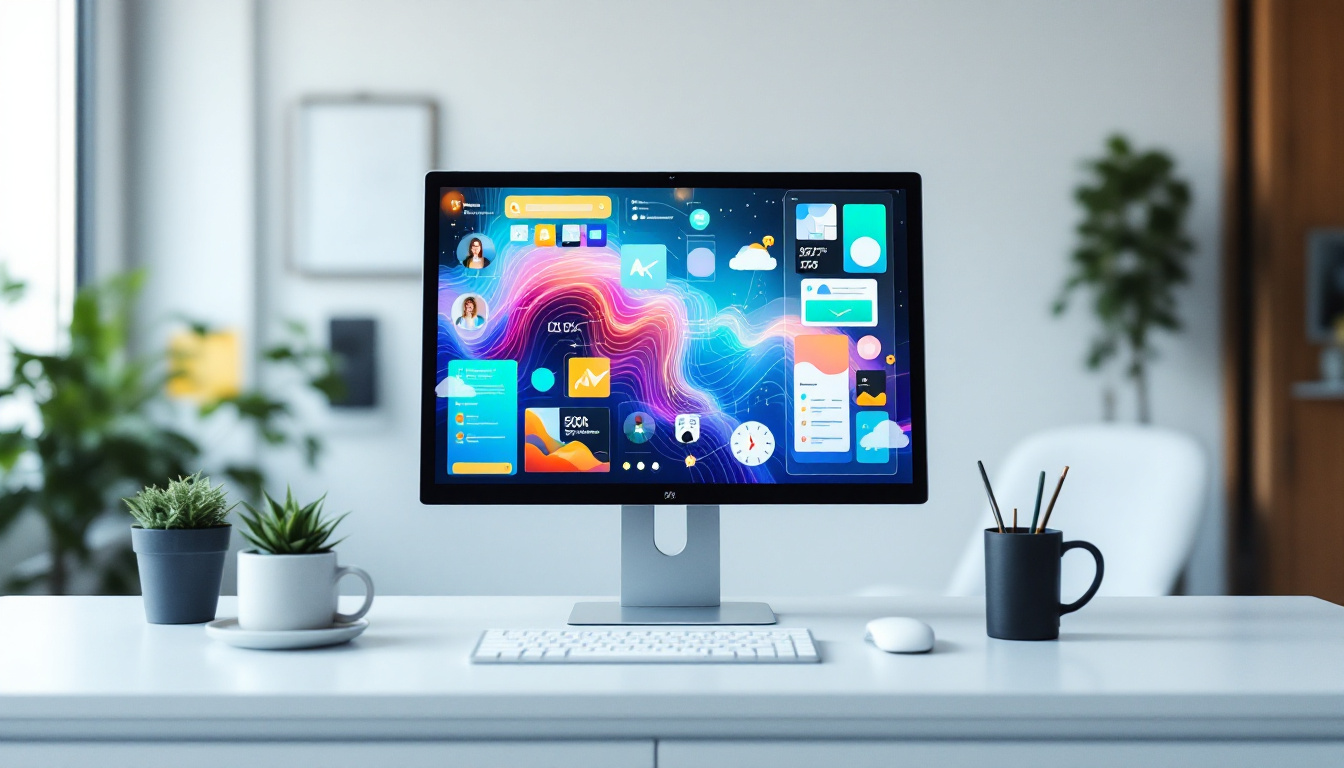
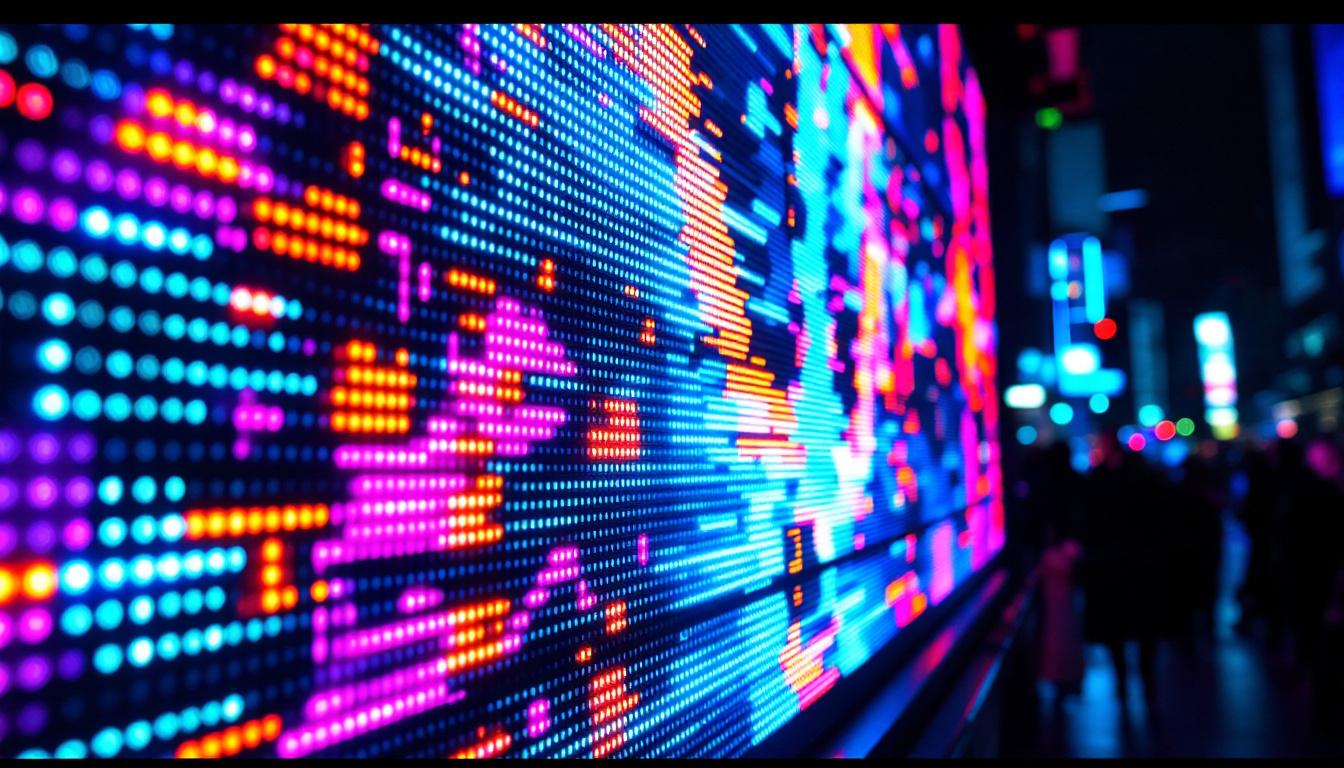
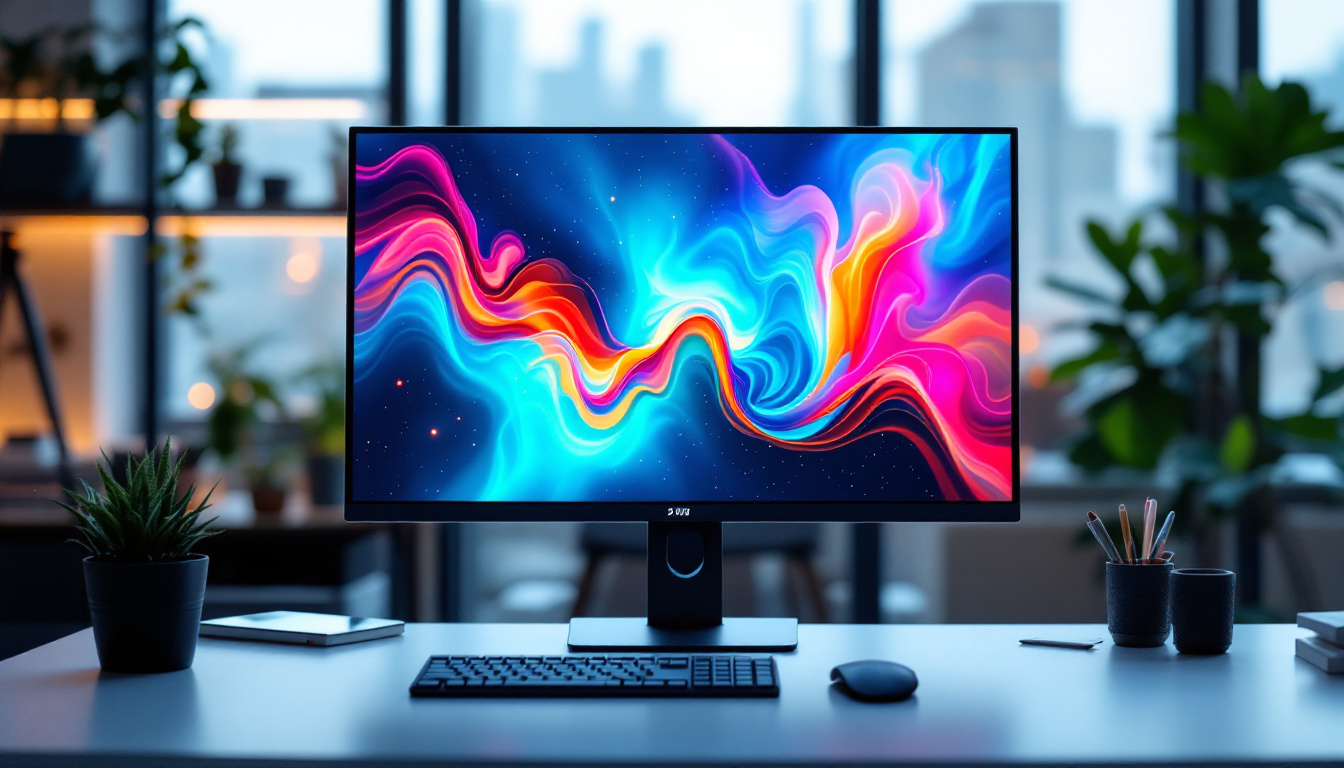
LED, or Light Emitting Diode, technology has revolutionized display systems by offering brighter, more energy-efficient, and longer-lasting screens compared to traditional display technologies like LCD or plasma. At its core, an LED display consists of numerous tiny diodes that emit light when an electric current passes through them. These diodes are arranged in a matrix to form images, videos, or text with exceptional clarity and color accuracy. The advancements in LED technology have made it possible to create displays that not only enhance visual experiences but also cater to a wide range of applications, from consumer electronics to large-scale advertising installations.
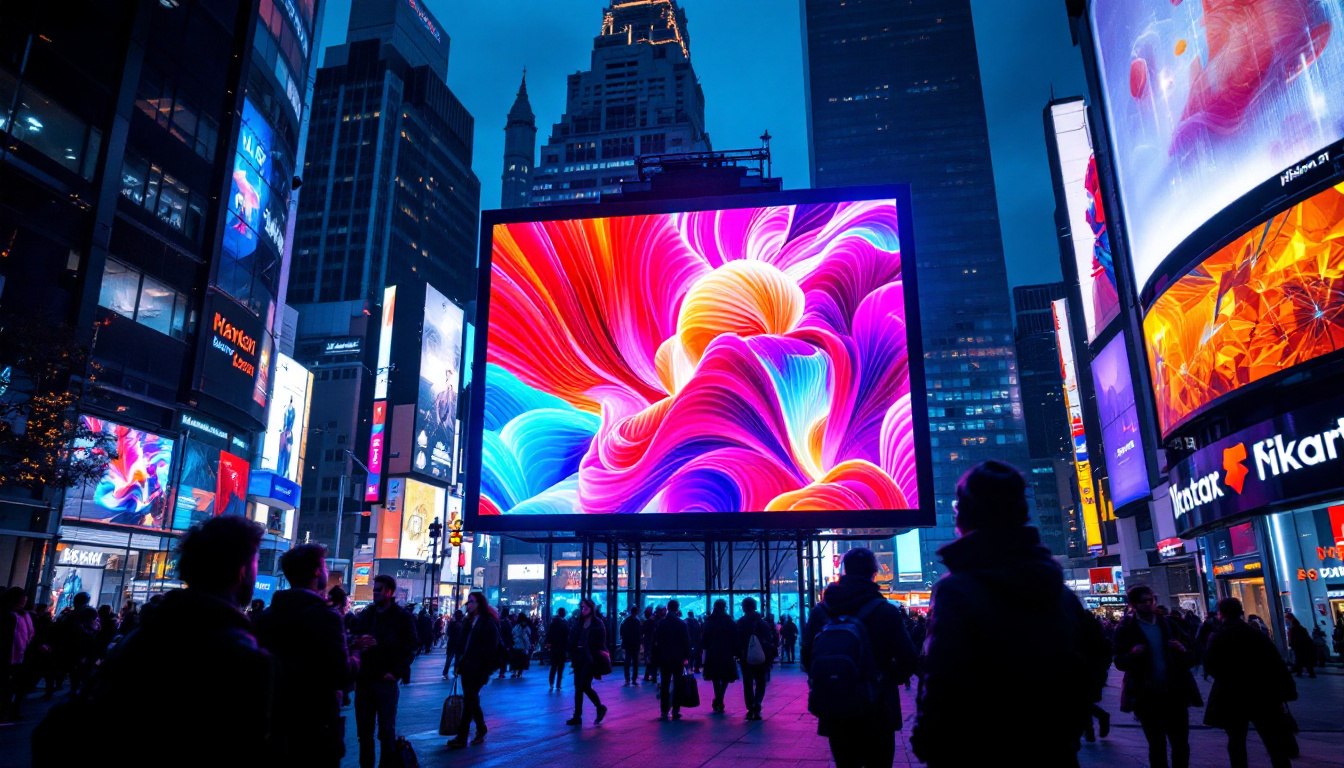
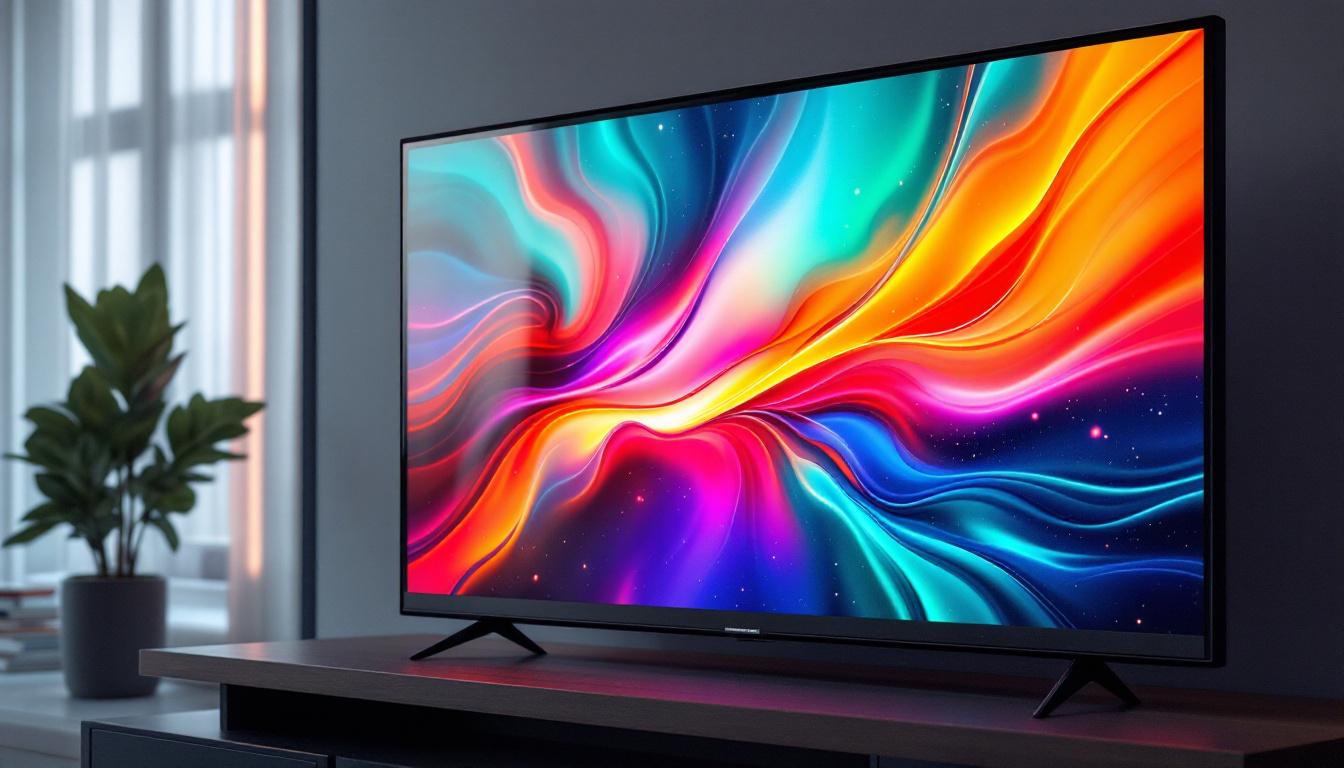
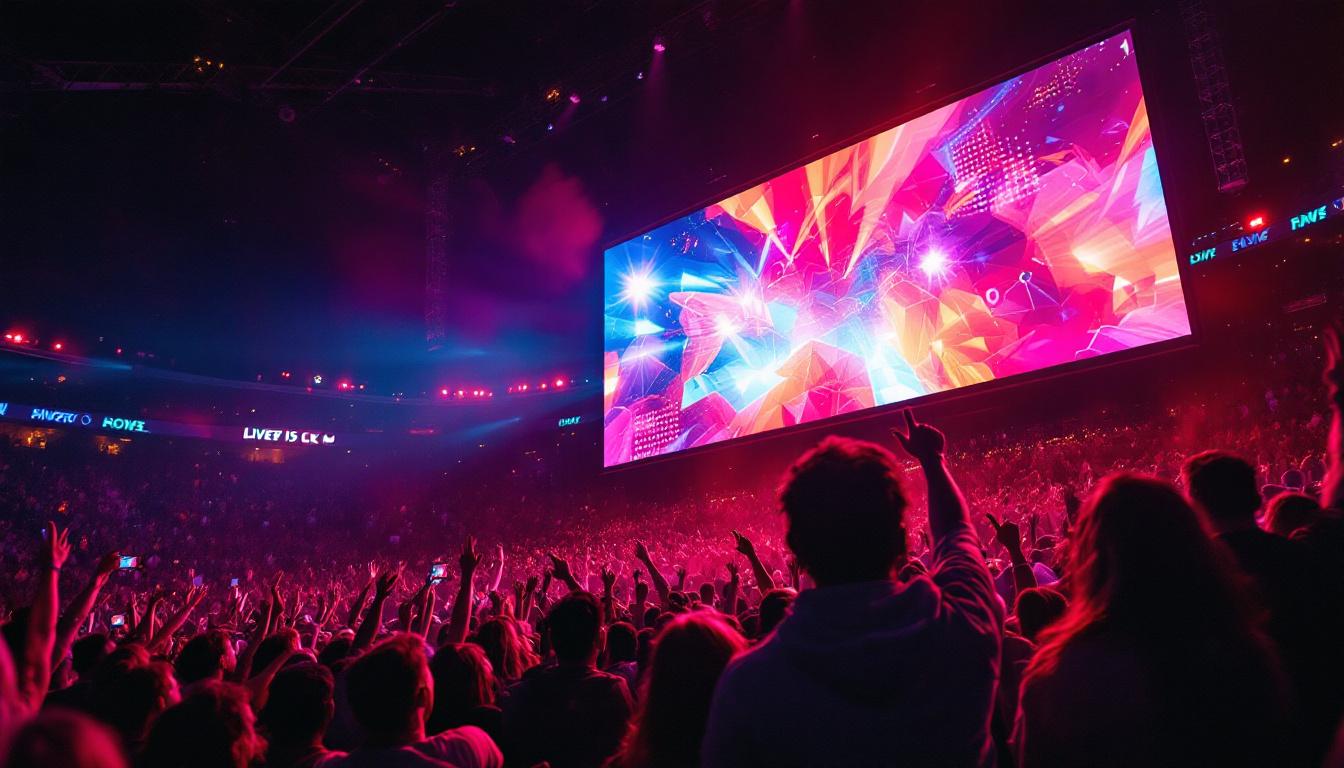
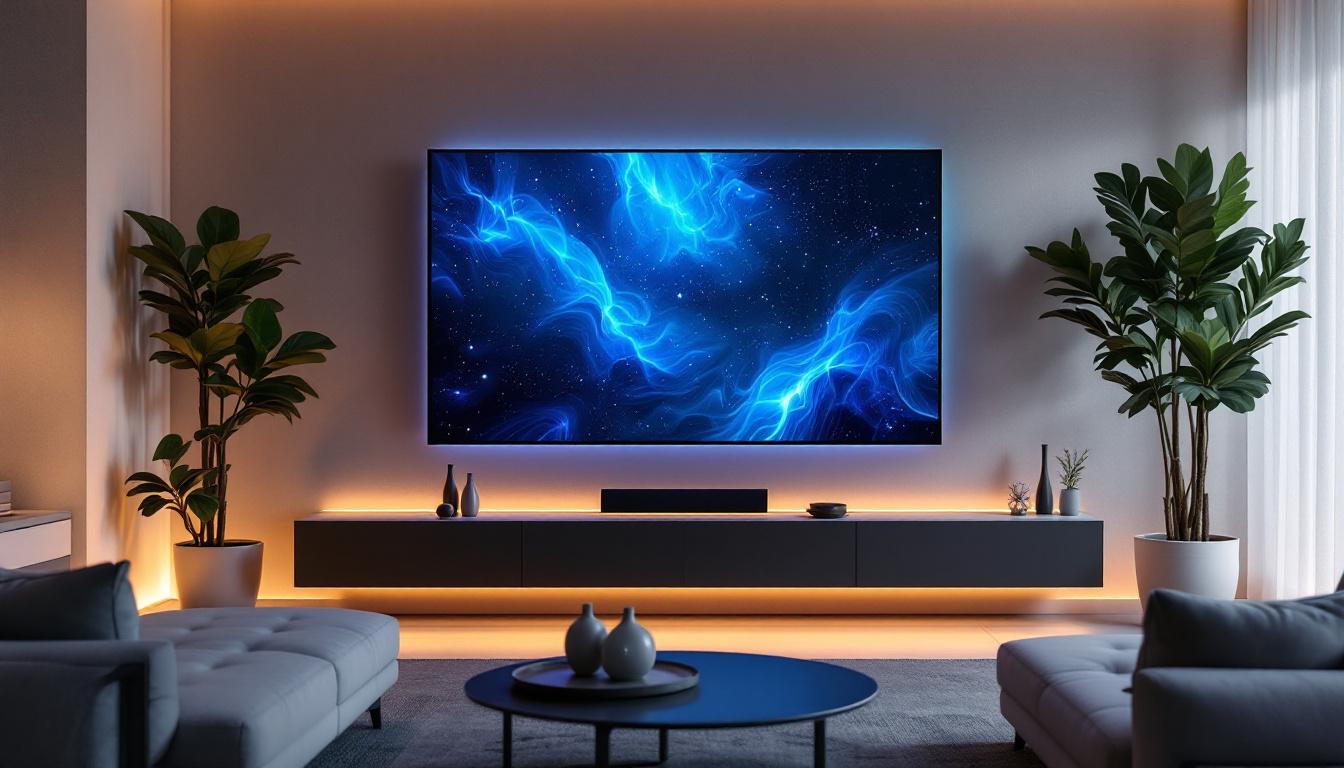
Modern LED displays are categorized mainly into two types: Direct View LED (DVLED) and LED-backlit LCDs. DVLED displays use LEDs as the actual pixels, making them ideal for large-scale screens such as billboards, stadium displays, and high-end televisions. LED-backlit LCDs, on the other hand, use LEDs to illuminate an LCD panel, improving brightness and contrast. This distinction is crucial for consumers and businesses alike, as it influences the choice of display technology based on specific needs, such as viewing distance, ambient light conditions, and desired image quality.
Key Advantages of LED Displays
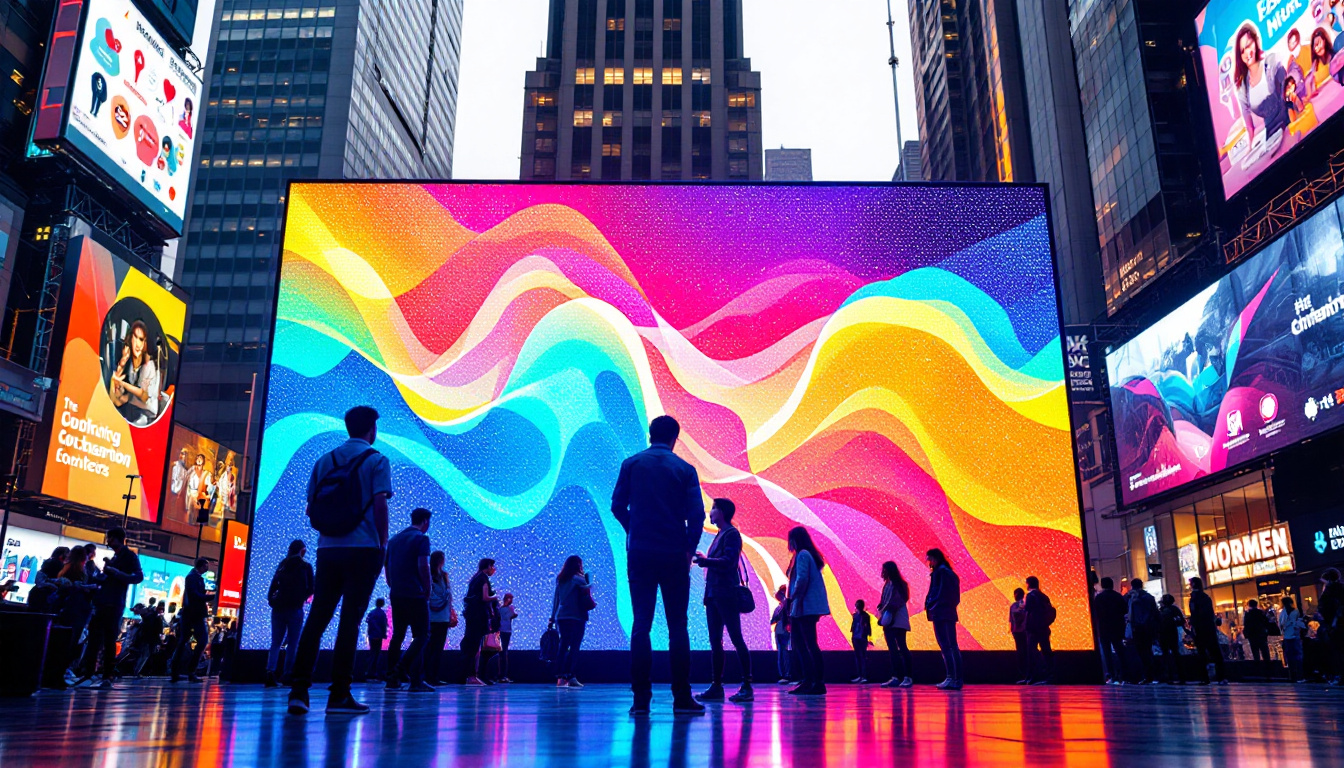
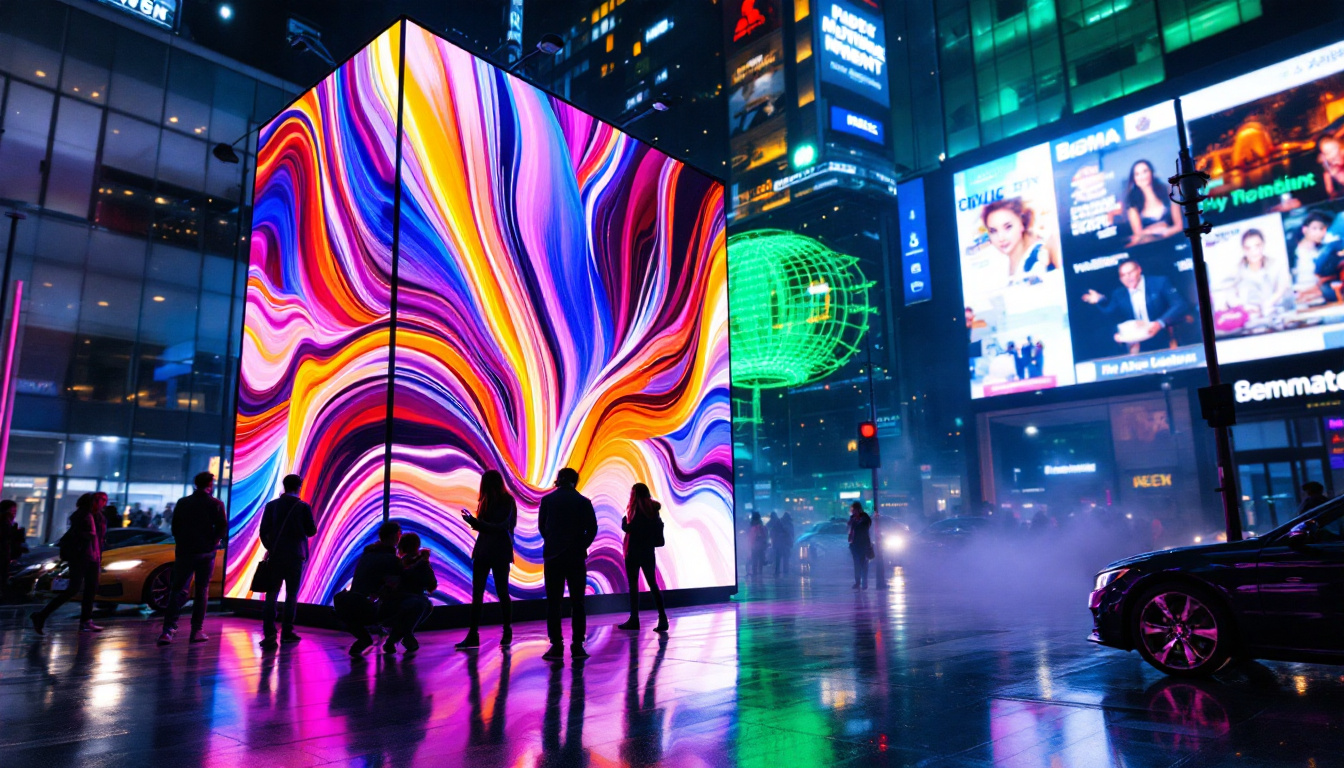
One of the most compelling reasons for the widespread adoption of LED displays is their superior brightness. Unlike LCDs, which rely on backlighting, LEDs emit their own light, allowing for better visibility even in bright ambient light conditions. This feature is particularly important for outdoor advertising and public viewing events. Additionally, the ability to produce vibrant colors and deep blacks enhances the overall viewing experience, making LED displays a popular choice for cinemas, art galleries, and retail environments where visual appeal is paramount.
Energy efficiency is another critical advantage. LED displays consume significantly less power than traditional display technologies, reducing operational costs and environmental impact. Additionally, LEDs have a longer lifespan, often exceeding 100,000 hours, which translates to lower maintenance and replacement expenses. This longevity not only benefits businesses by minimizing downtime but also contributes to sustainability efforts, as fewer displays need to be manufactured and disposed of over time. Furthermore, the advancements in LED technology have led to innovations such as organic LEDs (OLEDs), which offer even greater flexibility in design and application, paving the way for future developments in display technology.
LED Displays in the Entertainment Industry
The entertainment industry has embraced LED technology to enhance viewer engagement and deliver visually stunning content. Streaming platforms, television networks, and production houses utilize LED displays for various purposes, from set design to advertising and content delivery.
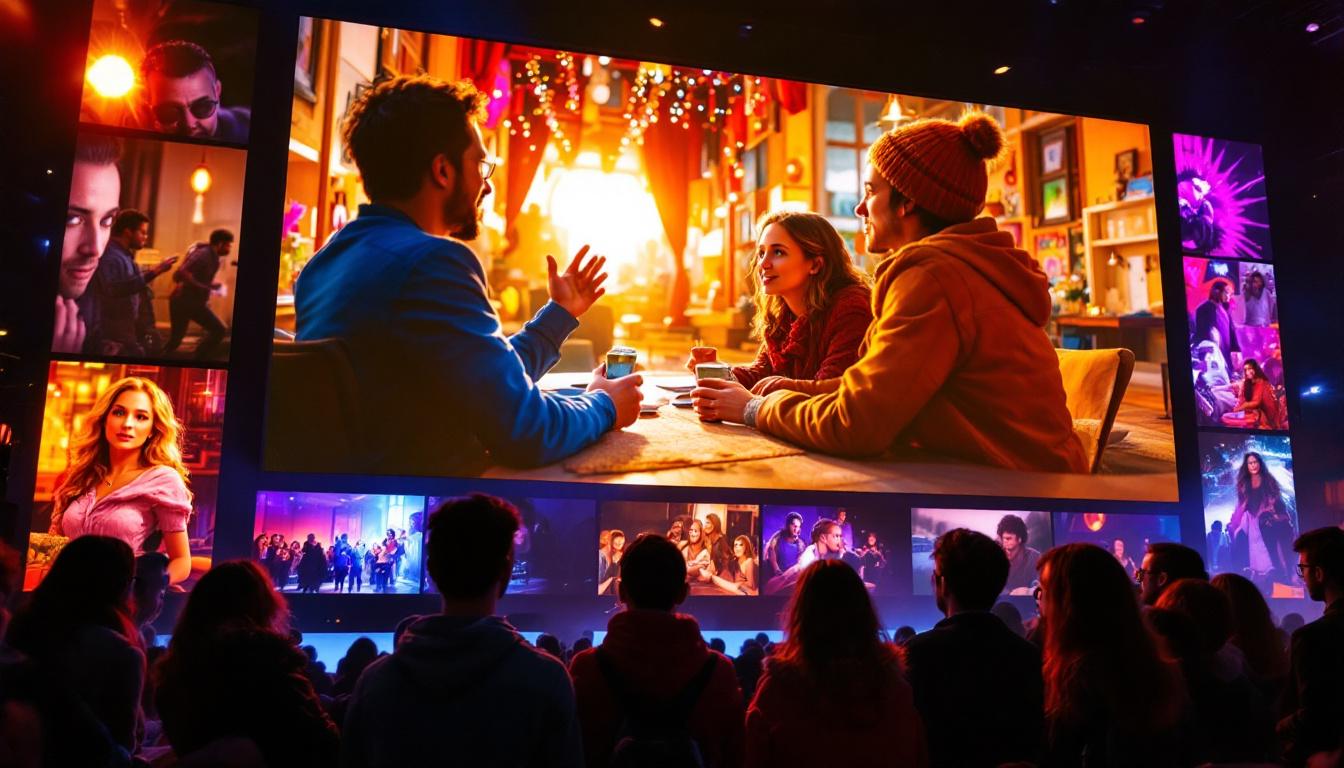
For series like those produced by TVF, which have gained immense popularity for their relatable storytelling and innovative formats, LED displays play a crucial role in marketing and audience interaction. High-quality LED screens are used in promotional events, digital billboards, and even in the production process to preview scenes with accurate color grading and lighting effects.
Impact on Viewer Experience
LED displays contribute significantly to the immersive experience that modern viewers expect. The vibrant colors, high contrast ratios, and wide viewing angles ensure that audiences can enjoy content as intended by the creators. This is especially important for web series and digital content where visual storytelling is paramount.
Moreover, the flexibility of LED displays allows for creative set designs and dynamic backgrounds, which can be changed in real time to suit different scenes or themes. This adaptability not only enhances production quality but also reduces costs associated with physical set changes.
In addition to their aesthetic benefits, LED displays also facilitate interactive viewer experiences. For instance, during live events or award shows, LED screens can be used to display real-time social media feeds, audience polls, or even augmented reality elements that engage viewers both in the venue and at home. This interactivity fosters a deeper connection between the audience and the content, making them feel like active participants rather than passive viewers.
Furthermore, the use of LED technology in the entertainment sector is not limited to traditional media. Video games and virtual reality experiences have also harnessed the power of LED displays to create captivating environments that transport players into fantastical worlds. The ability to produce high-definition graphics with minimal latency ensures that gamers can fully immerse themselves in the experience, enhancing both enjoyment and engagement.
Case Study: TVF’s Use of LED Displays in Popular Series
The Viral Fever (TVF) has been a pioneer in the Indian digital content space, producing some of the most beloved web series that resonate with young audiences. Their success is partly attributed to leveraging cutting-edge technology, including LED displays, to elevate their storytelling.
In series like “Kota Factory,” “TVF Pitchers,” and “Permanent Roommates,” LED displays have been used effectively to create authentic environments and engaging promotional campaigns. For example, “Kota Factory,” known for its black-and-white aesthetic, utilized LED screens during post-production to fine-tune lighting and contrast, ensuring the final output maintained the show’s unique visual identity.
Promotional Strategies Using LED Displays
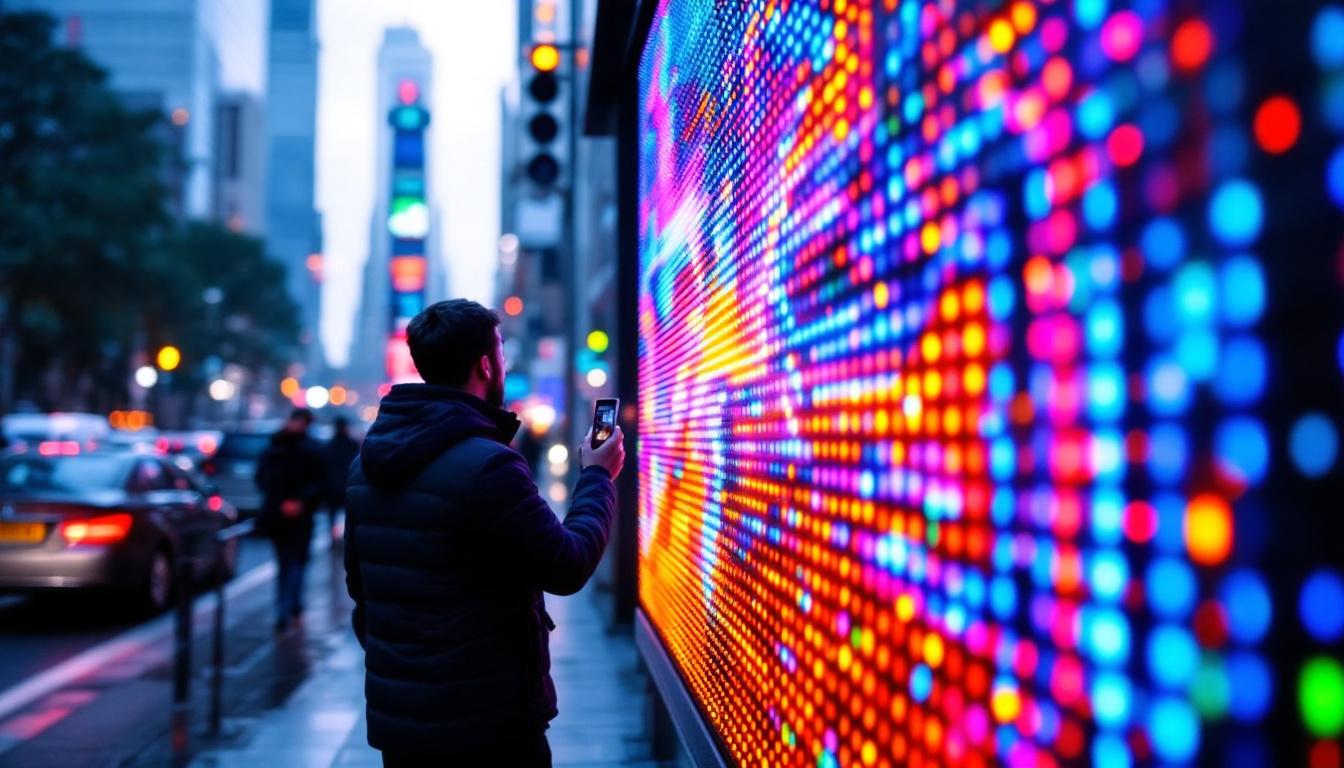
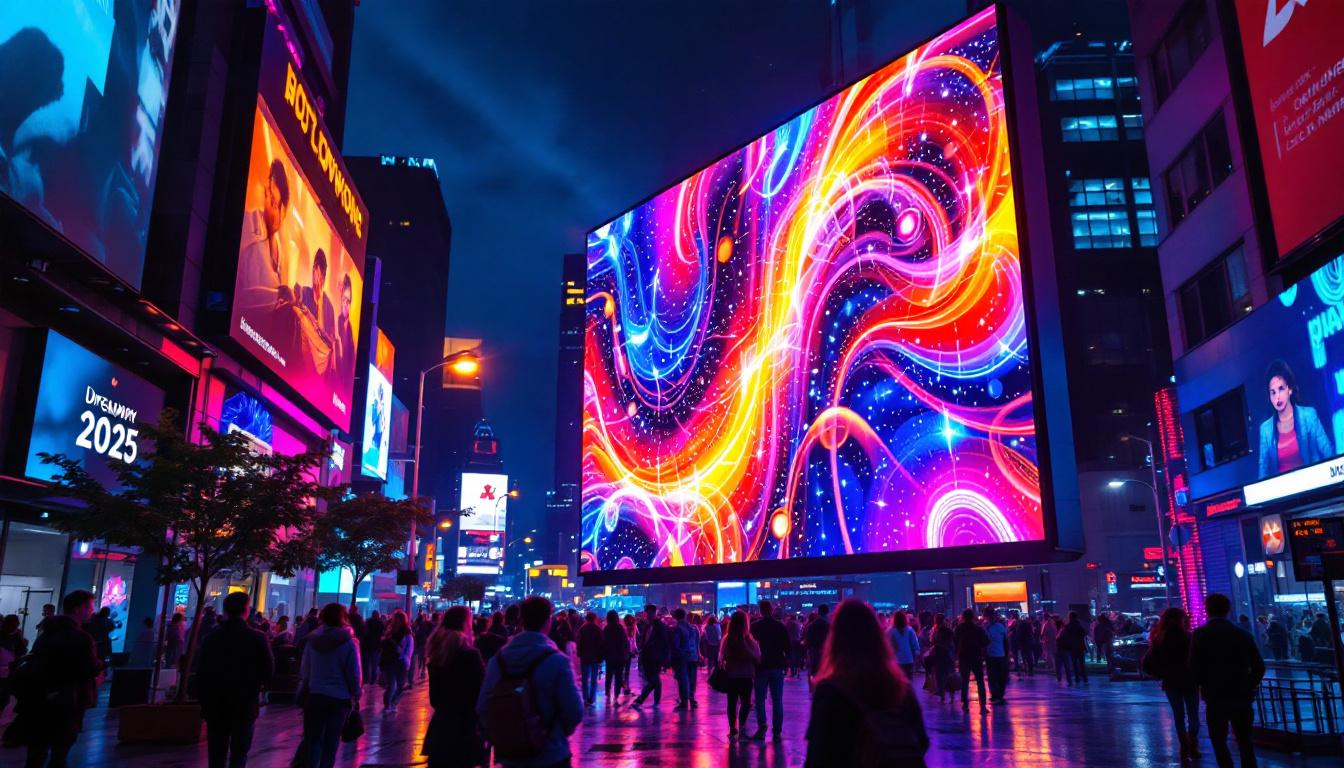
TVF’s marketing campaigns often feature LED billboards in major cities, showcasing trailers, teasers, and interactive content. These high-impact visuals attract attention and generate buzz among potential viewers. The ability to update content quickly on LED screens allows TVF to maintain relevance and respond to audience feedback in real time.
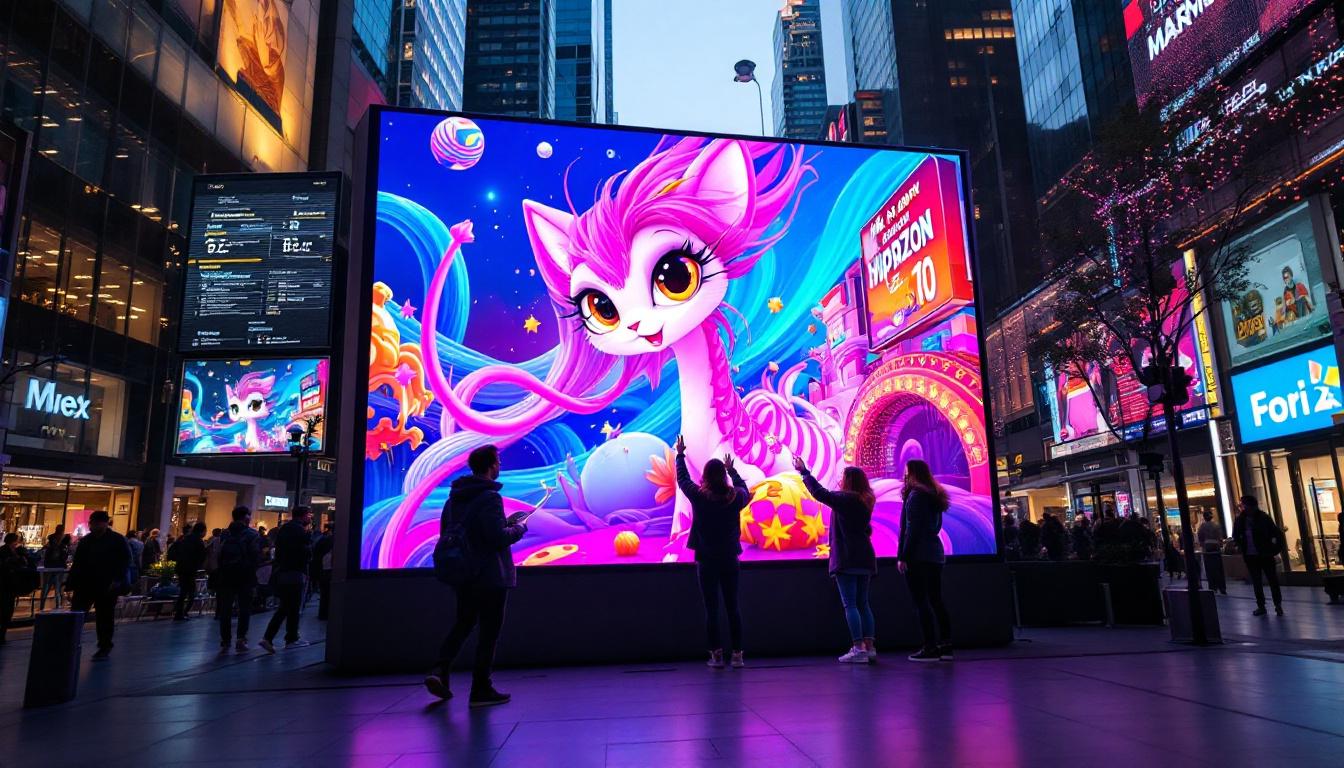
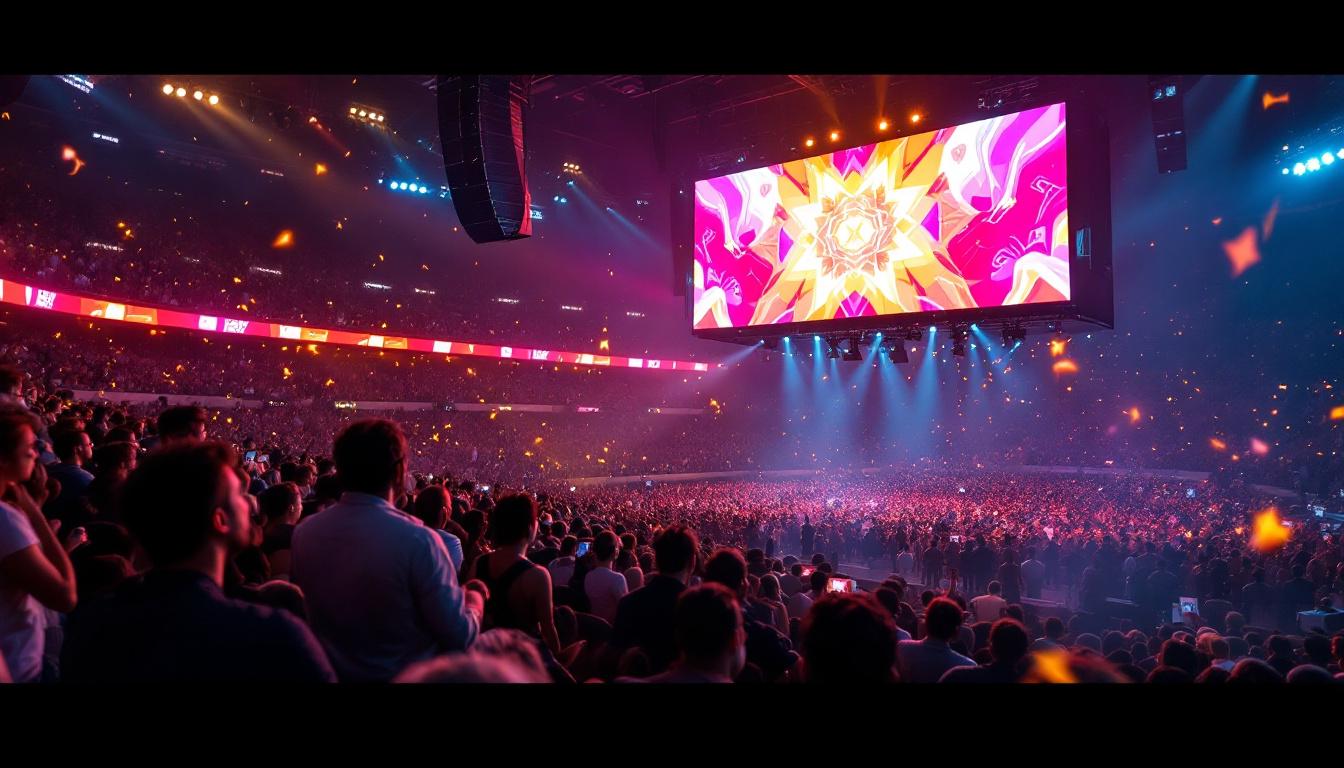
Additionally, at live events and fan meet-ups, LED displays are used to create immersive environments that deepen viewer engagement. These setups often include interactive elements powered by LED technology, such as touch-sensitive screens and dynamic light shows, enhancing the overall fan experience. The incorporation of LED displays in these settings not only captivates the audience but also encourages social media sharing, as fans are eager to document their experiences and share them with their networks.
Moreover, TVF has also explored the potential of LED displays in their storytelling by integrating them into the narrative itself. In “Permanent Roommates,” for instance, the characters often interact with digital screens that display messages, images, or even social media feeds, reflecting the contemporary digital landscape. This clever use of technology not only adds depth to the characters’ interactions but also mirrors the real-world experiences of the audience, making the content feel more relatable and engaging. By weaving LED technology into the fabric of their storytelling, TVF enhances the viewer’s connection to the characters and the storyline, showcasing the versatility of LED displays beyond mere promotional tools.
Future Trends in LED Display Technology
The evolution of LED displays continues at a rapid pace, with innovations aimed at improving resolution, flexibility, and interactivity. MicroLED technology, for instance, promises even higher brightness levels and better color accuracy by using microscopic LEDs as individual pixels. This advancement could redefine home entertainment and professional content production, allowing for stunning visuals that were previously unattainable. As manufacturers push the boundaries of pixel density, we may soon witness displays that offer 8K resolution or beyond, creating an almost lifelike viewing experience that immerses audiences in a way that traditional displays cannot.
Flexible and transparent LED displays are also gaining traction, enabling new applications in augmented reality (AR), wearable devices, and automotive displays. These developments will likely influence how series like those from TVF are produced and consumed, offering more immersive and personalized viewing experiences. Imagine a world where your car’s windshield could display navigation information seamlessly integrated into your field of vision, or where your clothing could feature customizable designs that change based on your mood or environment. Such innovations not only enhance aesthetics but also pave the way for practical applications that can revolutionize everyday interactions with technology.
Integration with Artificial Intelligence
Artificial Intelligence (AI) is beginning to play a role in optimizing LED display performance. AI algorithms can adjust brightness, contrast, and color settings dynamically based on ambient conditions and content type, ensuring optimal viewing quality at all times. This means that whether you are watching a movie during the day or a presentation in a dimly lit room, the display will automatically adapt to provide the best possible experience. Furthermore, AI can analyze viewer engagement metrics in real-time, allowing for further fine-tuning of content delivery to maximize audience retention and satisfaction.
Furthermore, AI-driven content management systems can automate the scheduling and updating of advertisements and promotional materials on LED billboards, increasing efficiency and targeting precision. For content creators and marketers, this means more effective audience engagement and better return on investment. By leveraging machine learning, these systems can predict which ads will resonate most with specific demographics based on historical data, optimizing ad placements and reducing wasted impressions. As a result, brands can achieve a more personalized approach to advertising, enhancing the relevance of their messages and fostering a deeper connection with consumers.
Conclusion
LED display technology has become an indispensable element in the digital entertainment landscape, enhancing both content creation and consumption. For production houses like TVF, leveraging LED displays not only improves the visual appeal of their series but also strengthens their connection with audiences through innovative marketing and immersive experiences.
As LED technology continues to advance, it will unlock new possibilities for storytelling and viewer interaction, making it an exciting area to watch for content creators, marketers, and audiences alike. Understanding the fundamentals and potential of LED displays is essential for anyone involved in the media and entertainment industry today.
Explore the Future of Visual Storytelling with LumenMatrix
As you’ve seen, LED display technology is reshaping the way we experience digital content, from the most compelling TVF series to the largest live events. If you’re ready to elevate your visual storytelling and captivate your audience like never before, it’s time to explore LumenMatrix’s innovative LED display solutions. With offerings that range from Indoor and Outdoor LED Wall Displays to Custom and All-in-One LED Displays, LumenMatrix is at the forefront of revolutionizing visual communication. Check out LumenMatrix LED Display Solutions today and see how they can transform your brand’s visibility and audience engagement.