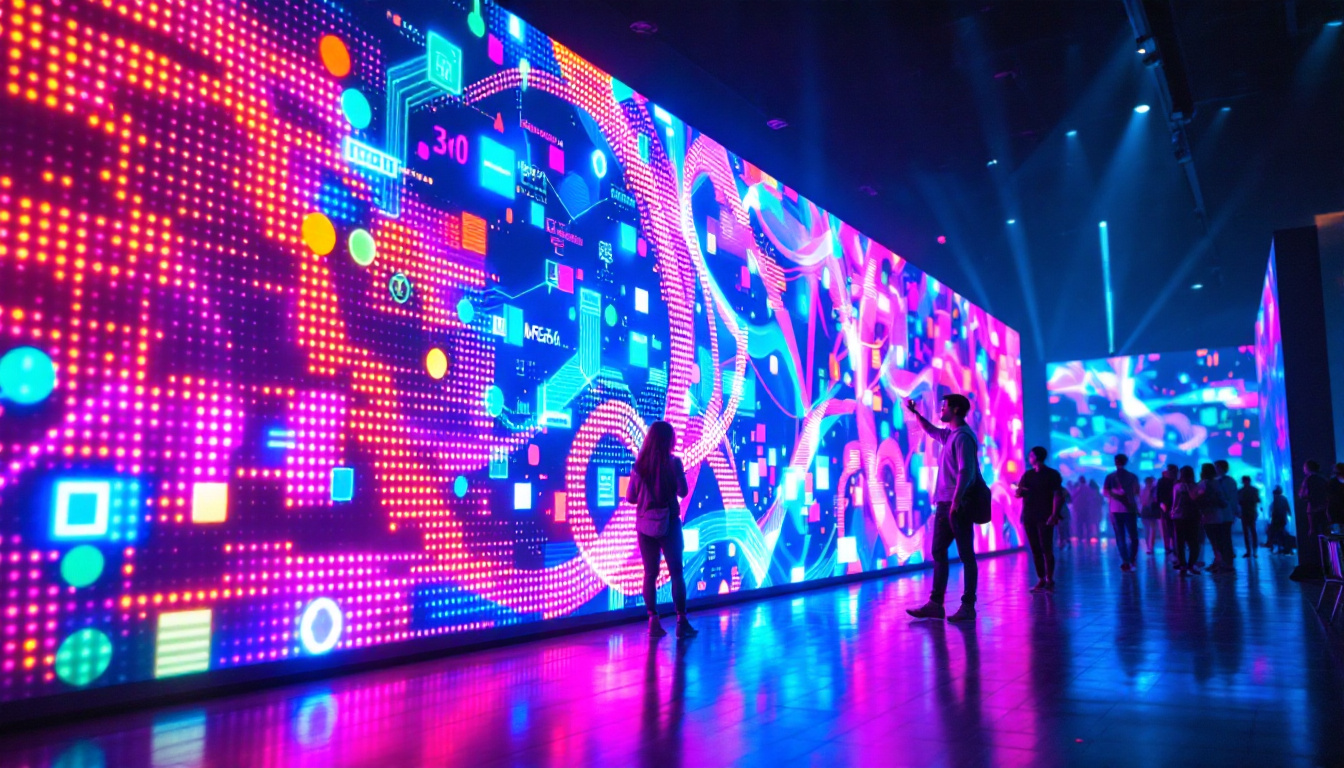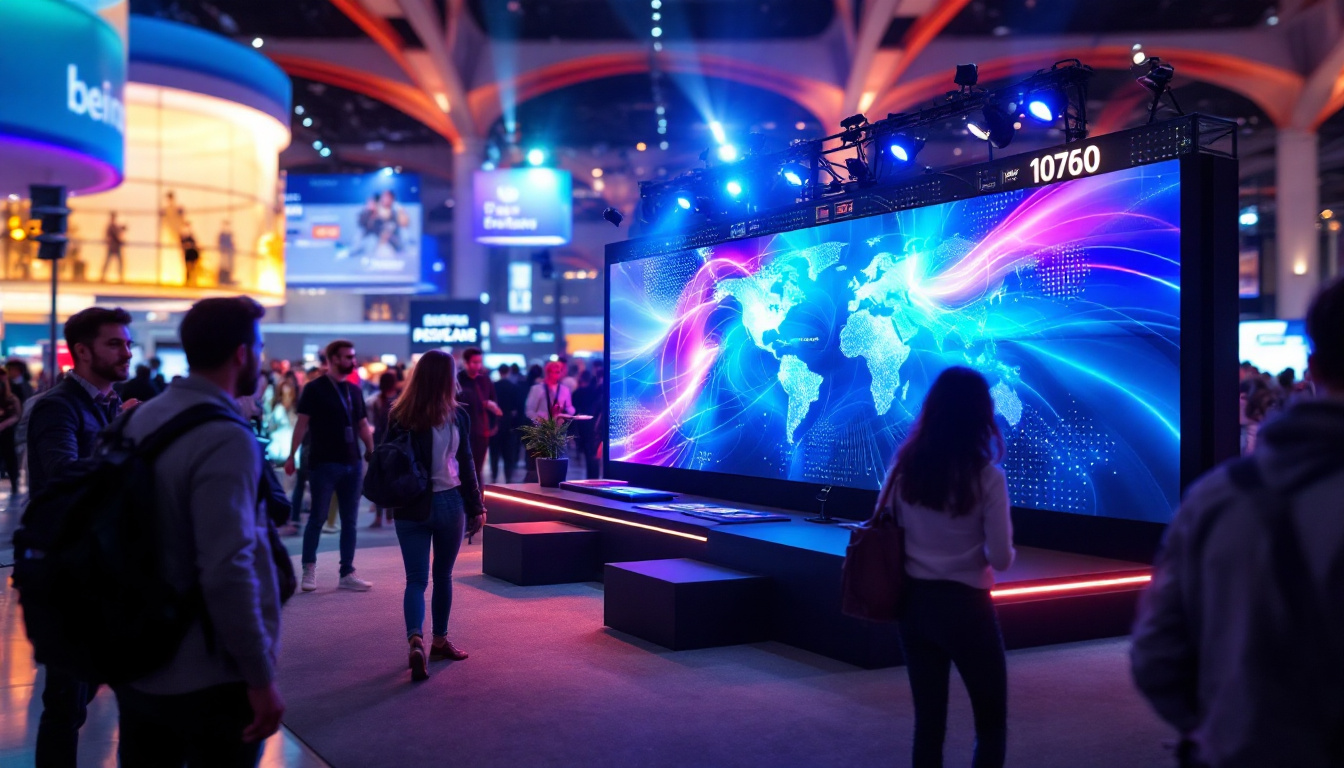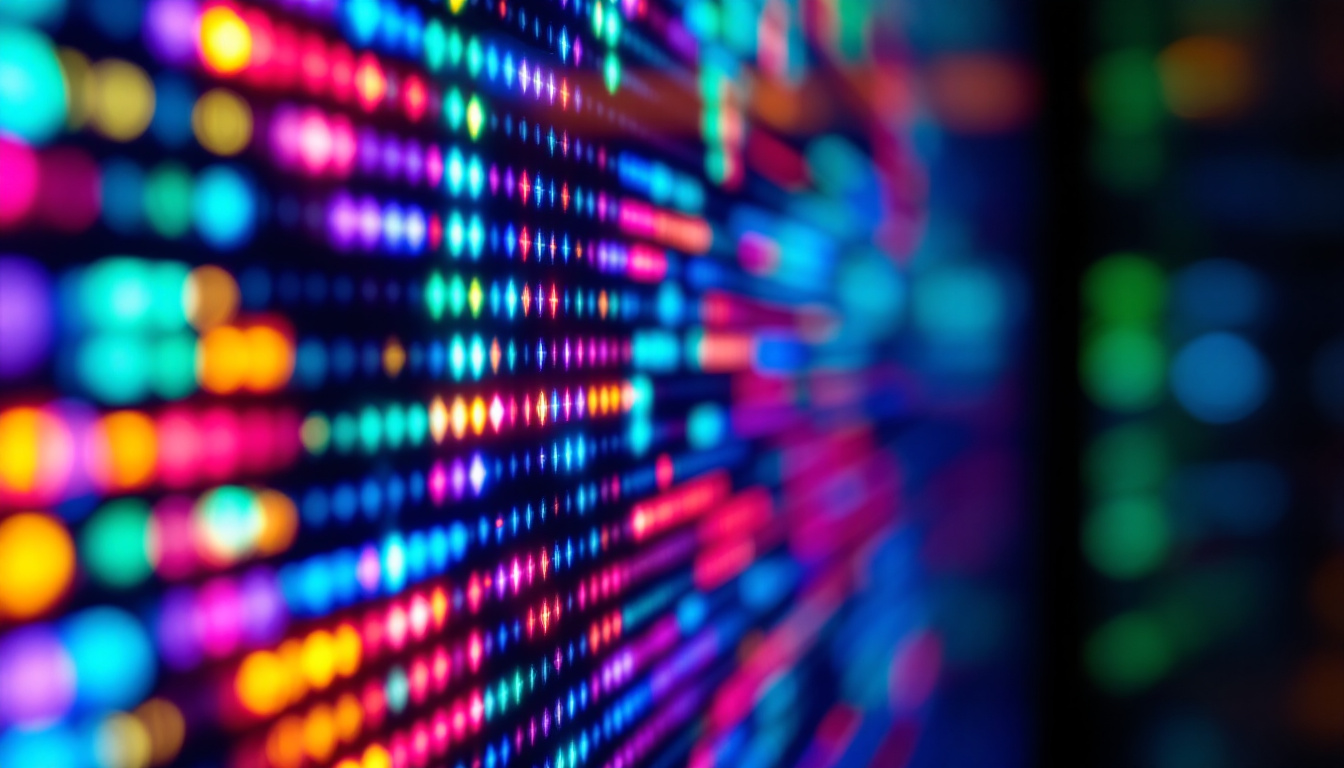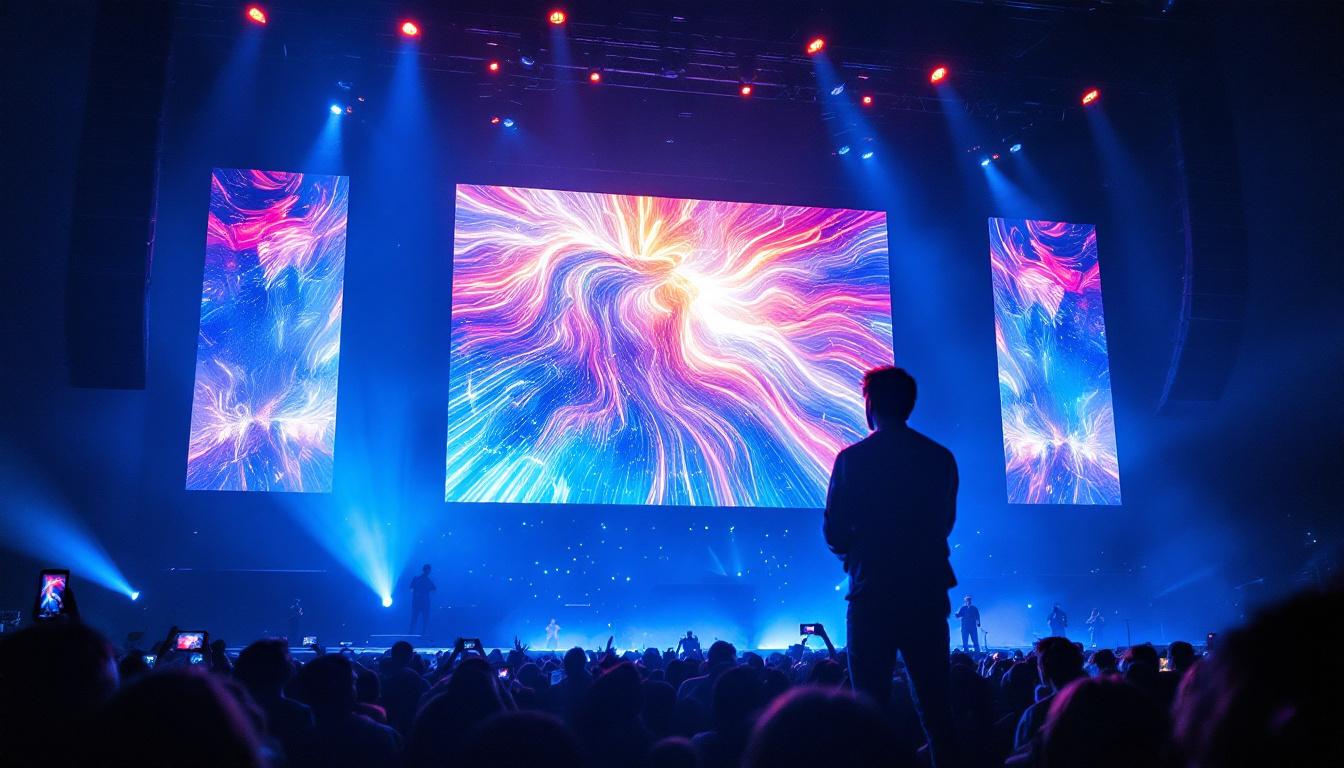
In recent years, LED screens have revolutionized the way live events are presented, transforming stages into immersive visual experiences. From concerts and theater productions to corporate events and festivals, LED displays have become an essential tool for enhancing audience engagement and delivering dynamic content. This article explores the technology behind LED screens for stage use, their benefits, types, and practical considerations for event planners and production teams.
Understanding LED Display Technology
LED, or Light Emitting Diode, technology is the foundation of modern display screens used in stage productions. Unlike traditional projection systems, LED displays consist of thousands of tiny diodes that emit light individually, creating bright, vivid images that can be seen clearly even in brightly lit environments.
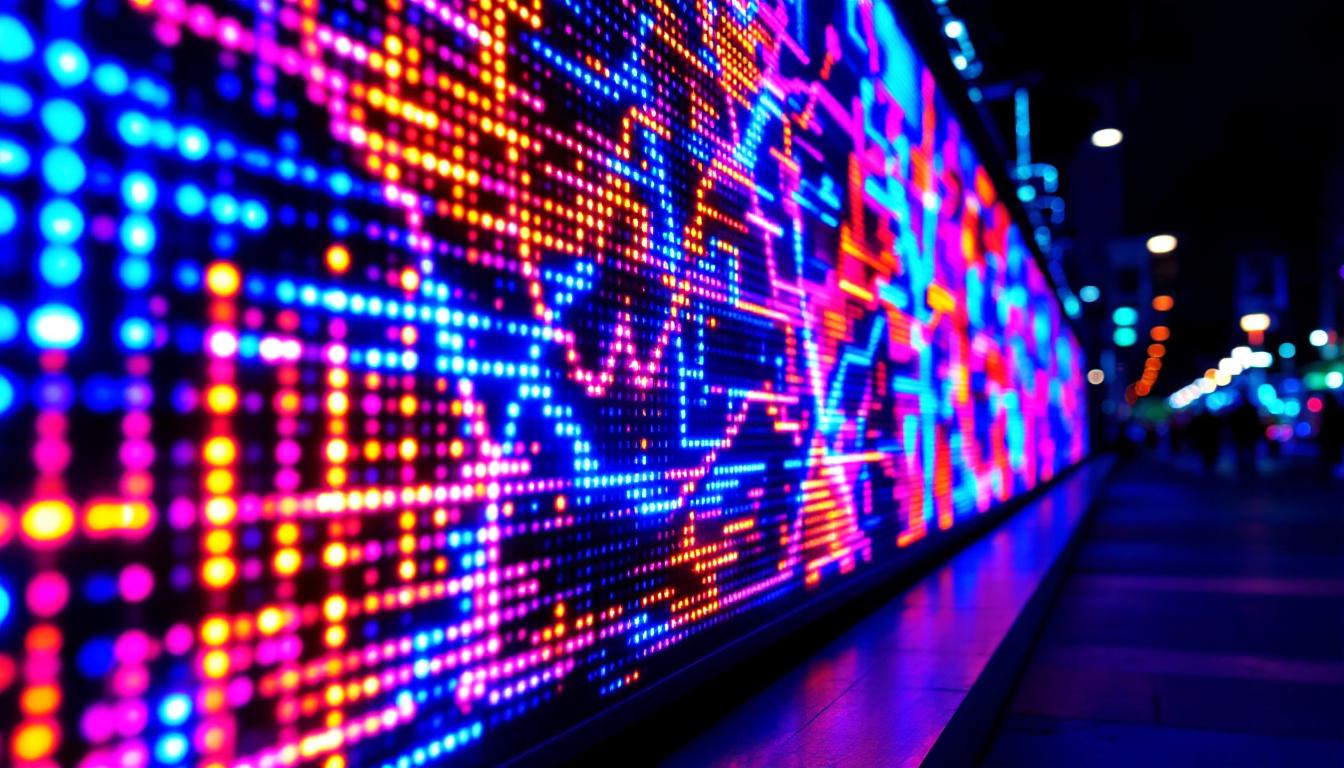
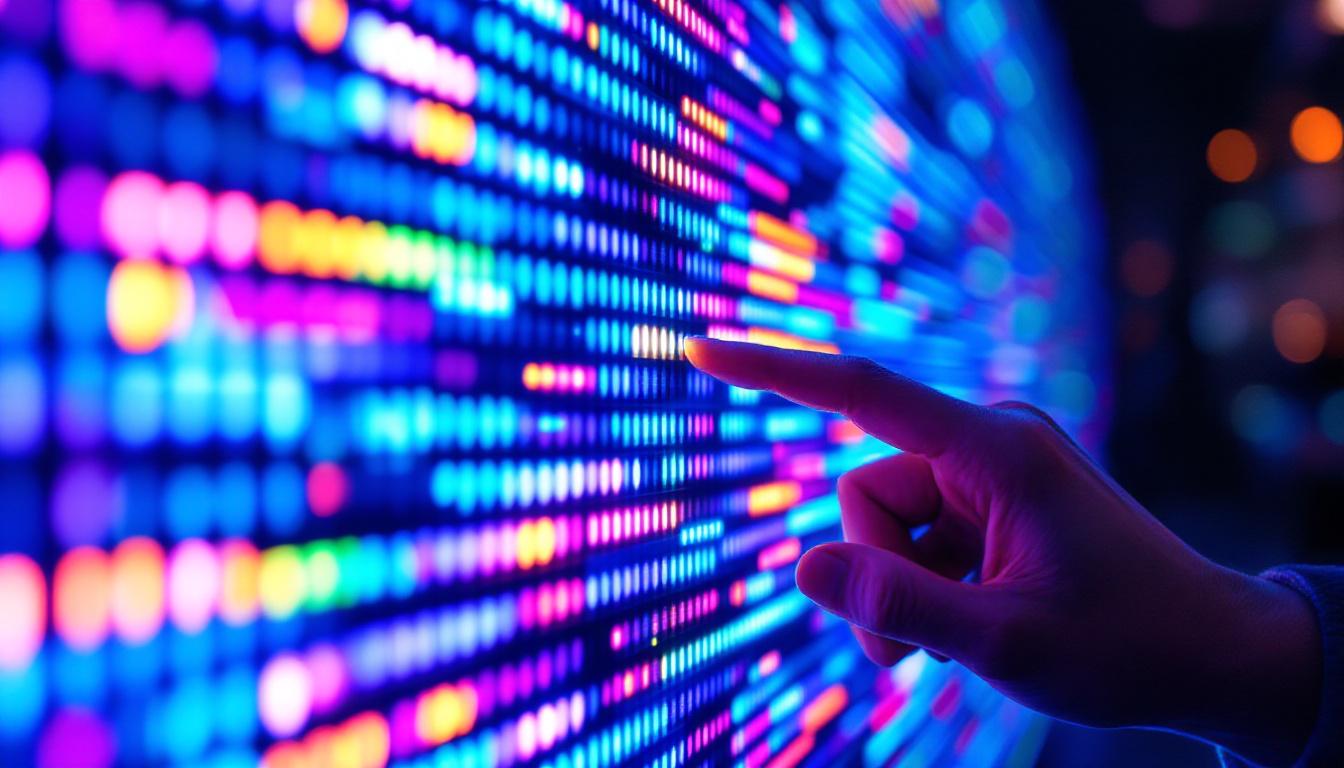
Each LED acts as a pixel, and by controlling the intensity and color of each diode, the screen can produce high-resolution images, videos, and animations. This direct emission of light allows LED screens to offer superior contrast ratios and color accuracy compared to other display technologies.
How LED Screens Work
LED screens are made up of multiple modules, each containing a grid of LEDs. These modules are assembled to form a large seamless display. The screen is controlled by a video processor that sends signals to each module, dictating which LEDs should light up and at what brightness and color.
The most common LED types used in stage displays are SMD (Surface-Mounted Device) LEDs, which combine red, green, and blue diodes into a single package. This configuration allows for smooth color blending and wide viewing angles, essential for audience members spread across large venues.
Pixel Pitch and Resolution
One critical specification for LED screens is the pixel pitch, which is the distance between the centers of two adjacent pixels. Pixel pitch is usually measured in millimeters, and it directly affects the screen’s resolution and viewing distance.
For stage applications, pixel pitches typically range from 1.5mm to 10mm. Smaller pixel pitches provide higher resolution and are suitable for close-up viewing, such as in theaters or indoor concerts. Larger pixel pitches are more cost-effective for outdoor festivals or large arenas where viewers are farther away.
Advantages of Using LED Screens on Stage
LED screens offer numerous benefits that make them the preferred choice for stage productions. Their versatility, brightness, and reliability contribute to creating captivating visual environments that enhance storytelling and audience engagement.
High Brightness and Visibility
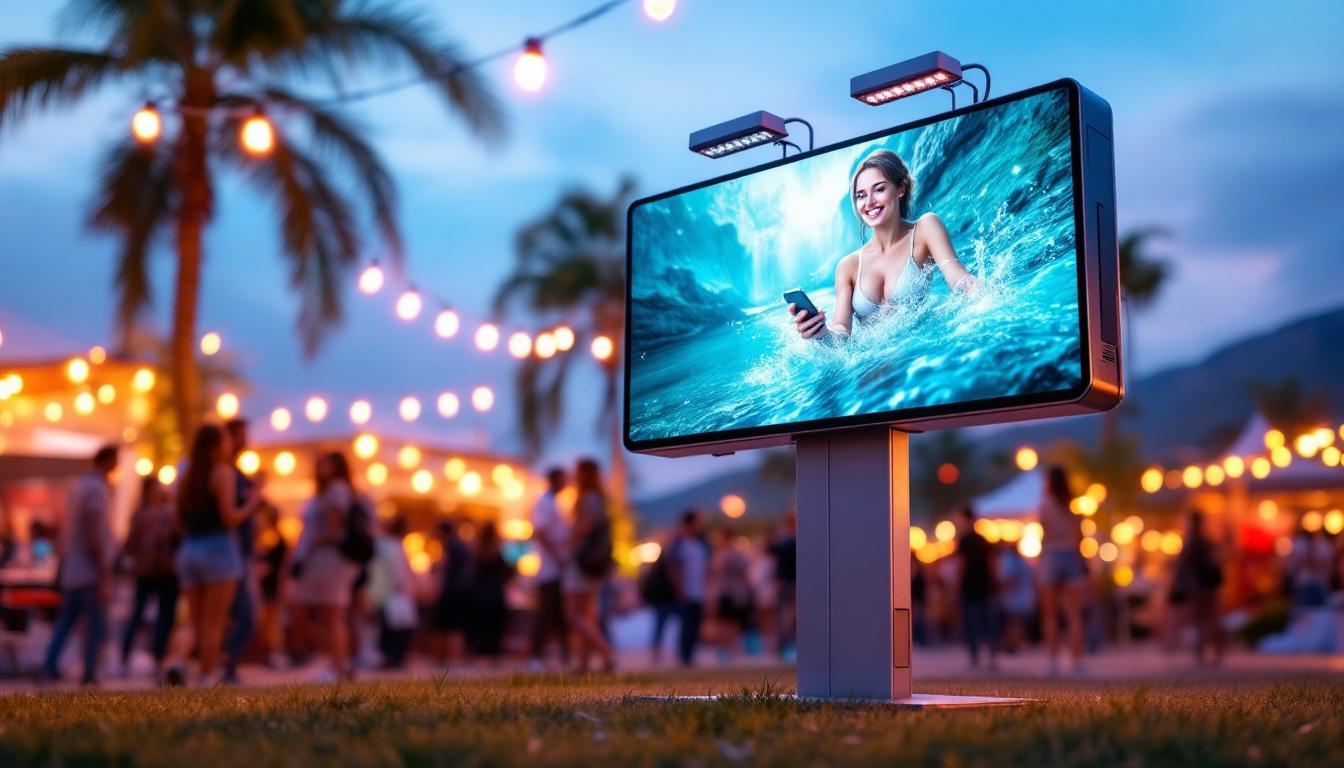
One of the standout advantages of LED displays is their exceptional brightness. Unlike projectors that rely on ambient light conditions, LED screens emit their own light, making them visible even under direct sunlight or powerful stage lighting. This characteristic is particularly valuable for outdoor events and daytime performances.
With brightness levels often exceeding 1,000 nits (a unit of luminance), LED screens ensure that visuals remain clear and vibrant regardless of environmental lighting conditions.
Flexibility and Customization
LED screens can be manufactured in various shapes and sizes, allowing event designers to create unique stage backdrops and immersive environments. Curved, circular, or irregularly shaped LED panels are increasingly popular for adding a creative edge to performances.
Modular design means screens can be scaled up or down to fit the venue’s dimensions. This adaptability also facilitates quick assembly and disassembly, which is crucial for touring productions or multi-day festivals.
Durability and Longevity
LED technology is known for its robustness and long lifespan. High-quality LED panels can operate continuously for tens of thousands of hours with minimal maintenance. This reliability reduces downtime and replacement costs, making LED screens a cost-effective investment over time.
Additionally, many LED displays are designed to be weather-resistant, enabling their use in outdoor settings without fear of damage from rain, dust, or temperature fluctuations.
Types of LED Screens for Stage Use
There are several types of LED screens tailored to different stage requirements. Understanding these options helps production teams select the right display for their specific needs.
Indoor LED Screens
Indoor LED screens are optimized for controlled lighting environments such as theaters, concert halls, and conference centers. They typically feature a smaller pixel pitch (1.5mm to 4mm) to provide high resolution and sharp images at close viewing distances.
These screens are lighter and thinner than their outdoor counterparts, making them easier to rig and integrate into stage designs. Indoor LED panels also prioritize color accuracy and uniformity, crucial for detailed video content and live camera feeds.
Outdoor LED Screens
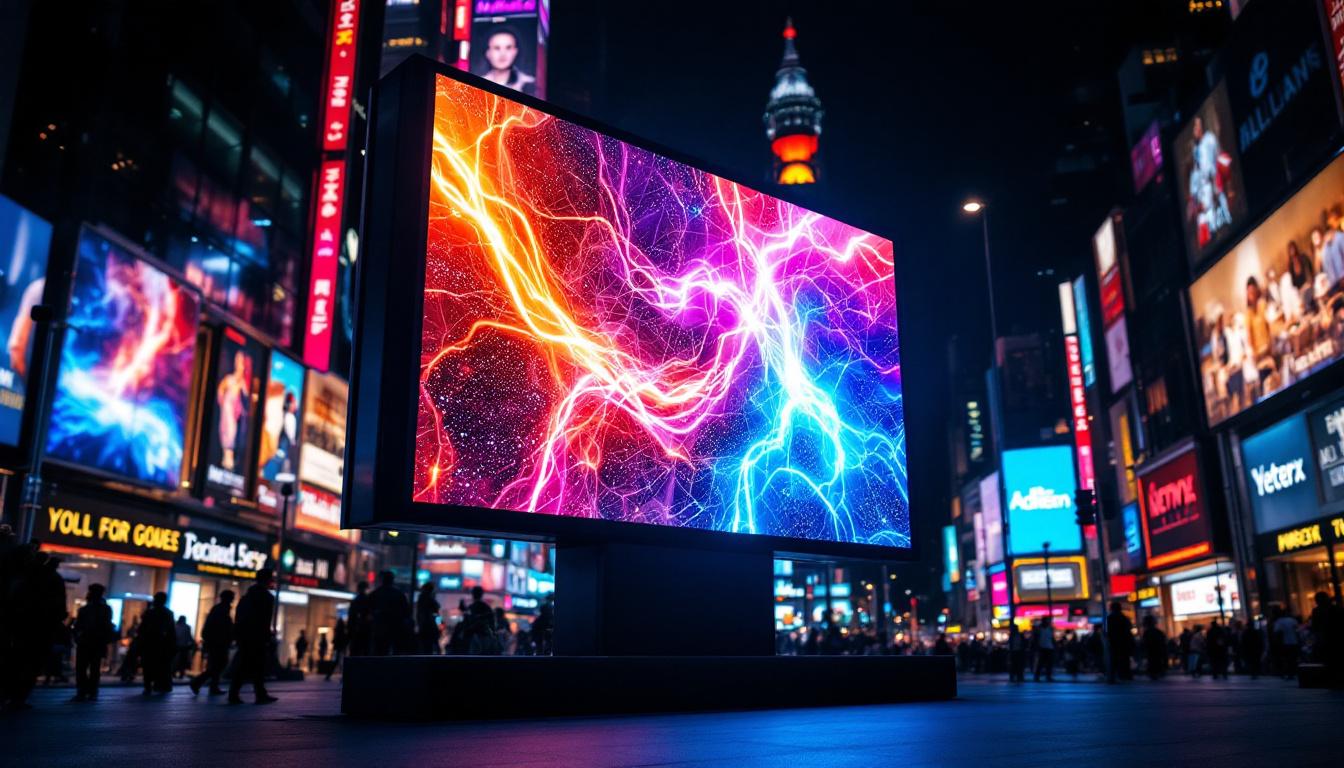
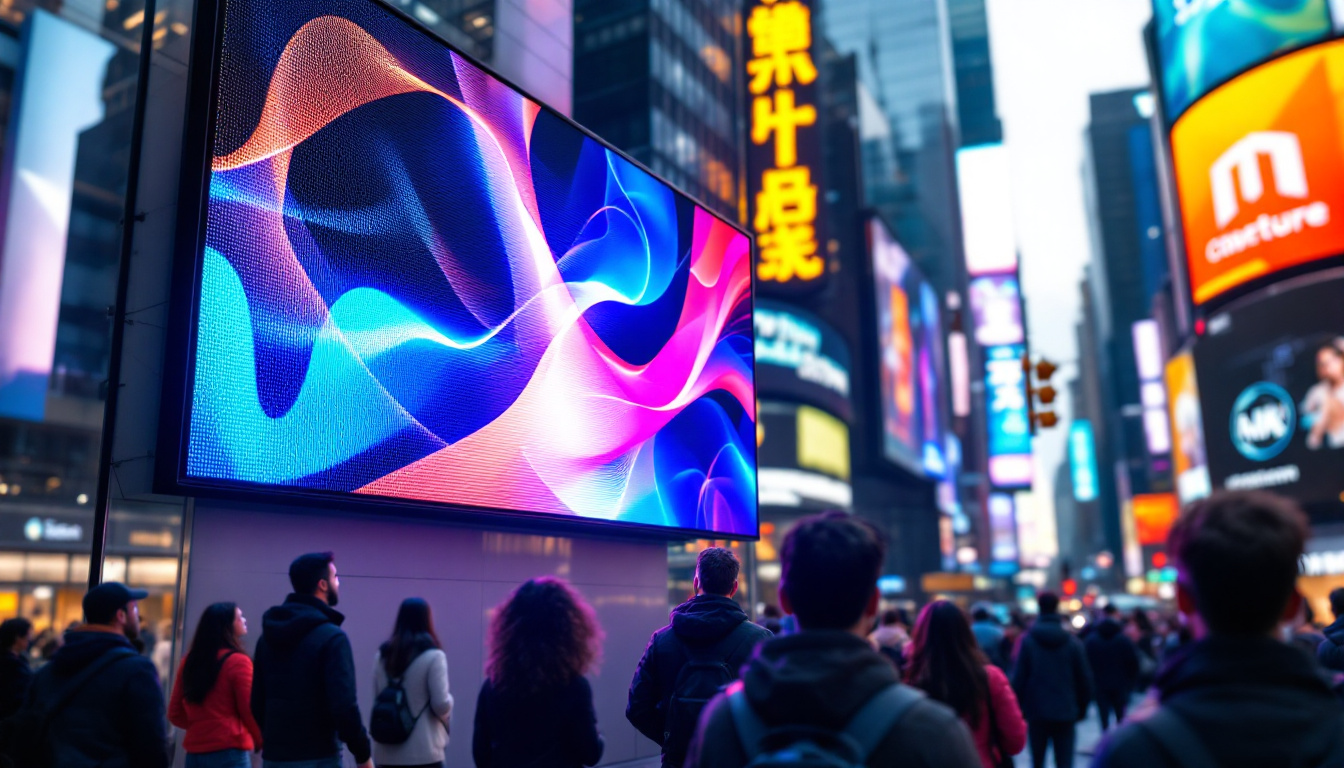
Outdoor LED screens are built to withstand harsh weather conditions and high ambient light levels. They usually have a larger pixel pitch (4mm to 10mm) because viewers tend to be farther from the screen in open-air venues.
These displays feature higher brightness levels, often exceeding 5,000 nits, to combat sunlight glare. Their rugged construction includes waterproof and dustproof casings, ensuring reliable performance during festivals, sports events, and public gatherings.
Transparent LED Screens
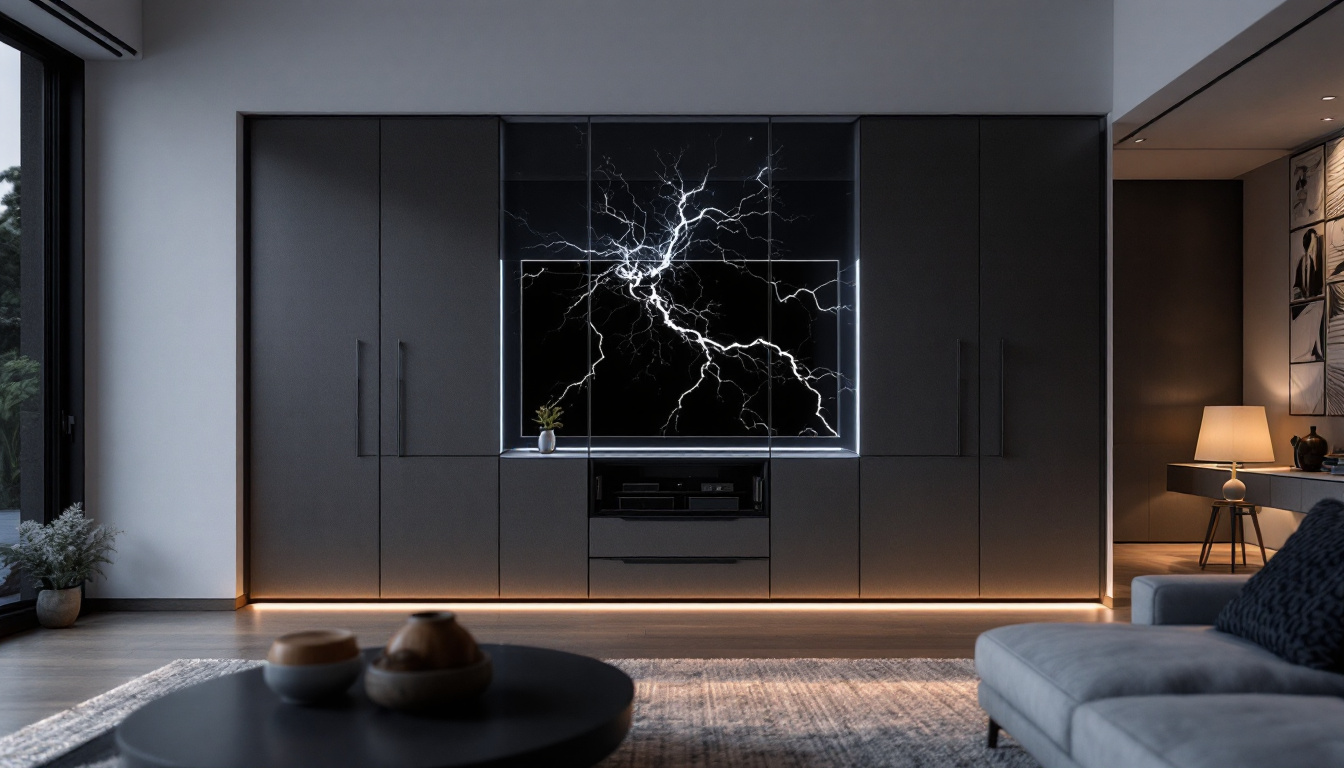
Transparent LED screens are an innovative option that combines LED technology with see-through materials. These screens allow light to pass through, making them ideal for glass walls, windows, or stage setups where maintaining visibility behind the screen is important.
While their pixel pitch tends to be larger and resolution lower than traditional LED screens, transparent displays create striking visual effects and can be used for layering digital content over physical stage elements.
Flexible and Curved LED Screens
Flexible LED panels can bend and curve, enabling designers to create immersive 3D stage environments and dynamic backdrops. These screens are particularly useful for concerts and theatrical performances that demand innovative visual storytelling.
Curved LED walls enhance viewing angles and add depth to visuals, making the audience feel more connected to the performance. Advances in flexible LED technology continue to expand creative possibilities for stage design.
Practical Considerations for Using LED Screens on Stage
While LED screens offer many advantages, successful implementation requires careful planning and technical expertise. Several factors influence the choice, setup, and operation of LED displays for stage use.
Content Creation and Management
High-quality content is essential to maximize the impact of LED screens. Visuals must be designed with the screen’s resolution and aspect ratio in mind. Motion graphics, video feeds, and interactive elements can all be integrated to create engaging experiences.
Content management systems (CMS) and media servers are used to control what appears on the screens in real time. These tools allow seamless switching between visuals, live camera feeds, and special effects, giving directors full creative control during performances.
Power and Connectivity Requirements
LED screens require stable power sources and robust data connections to operate smoothly. Large LED walls consume significant electricity, so power distribution must be planned to avoid outages or fluctuations that could damage equipment.
Data cables, often using ethernet or fiber optic technology, transmit video signals from the control room to the LED modules. Ensuring low latency and high bandwidth is critical to maintain synchronization and image quality.
Installation and Rigging
Proper installation is vital for safety and optimal performance. LED panels are typically mounted on trusses, scaffolding, or custom frames designed to support their weight and allow for ventilation.
Experienced rigging professionals ensure that screens are securely fastened and aligned. For touring productions, quick assembly and disassembly procedures are developed to minimize setup time between venues.
Budget and Cost Factors
While LED screen prices have decreased over the past decade, they still represent a significant investment. Costs vary based on screen size, pixel pitch, brightness, and additional features such as transparency or flexibility.
Event organizers must balance visual quality with budget constraints, often opting for rental solutions for one-time events or investing in permanent installations for recurring productions.
The Future of LED Screens in Stage Productions
As LED technology continues to evolve, its applications in stage productions are expanding rapidly. Innovations such as microLED, higher refresh rates, and improved energy efficiency promise even more immersive and sustainable visual experiences.
Integration with augmented reality (AR) and virtual reality (VR) is also on the horizon, enabling performers and audiences to interact with digital content in unprecedented ways. The convergence of LED displays with artificial intelligence and real-time data analytics will further personalize and enhance live events.
MicroLED and MiniLED Technologies
MicroLED and MiniLED represent the next generation of LED display technology. MicroLEDs are significantly smaller than traditional LEDs, allowing for ultra-high resolution and brightness with lower power consumption. This technology is expected to deliver even sharper images and more vibrant colors on stage.
MiniLEDs, while larger than microLEDs, still offer improved contrast and local dimming capabilities compared to conventional LED screens. Both technologies are beginning to appear in premium stage setups and are poised to become mainstream in the coming years.
Environmental Sustainability
With growing awareness of environmental impact, LED screen manufacturers and event planners are focusing on sustainability. LED displays are inherently more energy-efficient than traditional lighting and projection systems, but ongoing improvements aim to reduce power consumption further.
Recyclable materials, modular designs for easy repair, and smart power management systems contribute to lowering the carbon footprint of stage productions. Sustainable practices are becoming a key consideration in event planning and production design.
Conclusion
LED screens have transformed stage productions by providing bright, flexible, and reliable visual displays that captivate audiences and enhance storytelling. Understanding the technology, types, and practical considerations involved in using LED displays is essential for event professionals aiming to create memorable live experiences.
As LED technology advances, its role in live entertainment will only grow, offering new creative possibilities and more sustainable solutions for the industry. Whether for an intimate theater performance or a massive outdoor festival, LED screens are an indispensable element of modern stage design.
Discover LumenMatrix LED Display Solutions
Ready to elevate your stage production with the latest in LED display technology? LumenMatrix is at the forefront of crafting immersive visual experiences that will leave your audience in awe. From Indoor and Outdoor LED Wall Displays to innovative solutions like Vehicle, Sports, and Floor LED Displays, LumenMatrix offers a wide range of products to meet your event’s unique needs. Embrace the future of live entertainment with our Custom, All-in-One, and Transparent LED Displays, designed to revolutionize visual communication and storytelling. Check out LumenMatrix LED Display Solutions today and transform your stage into a dynamic and unforgettable spectacle.