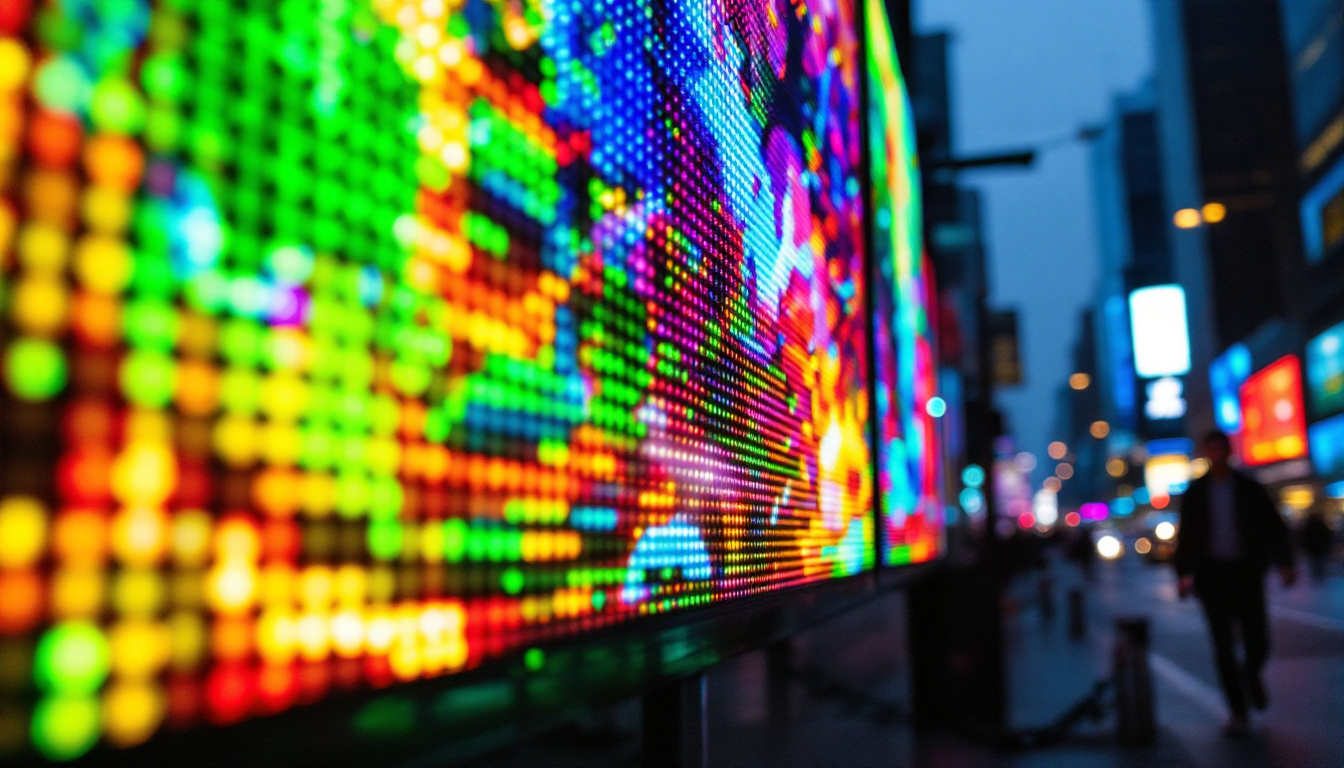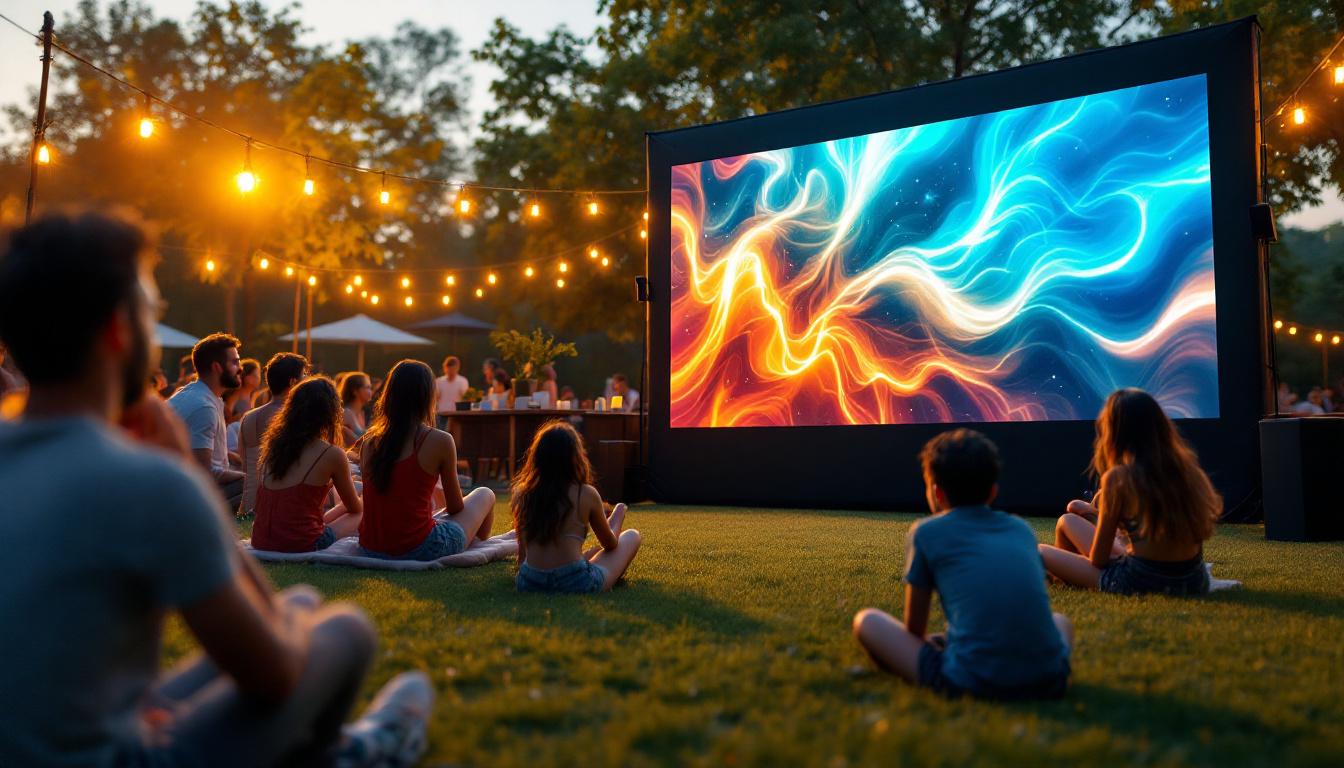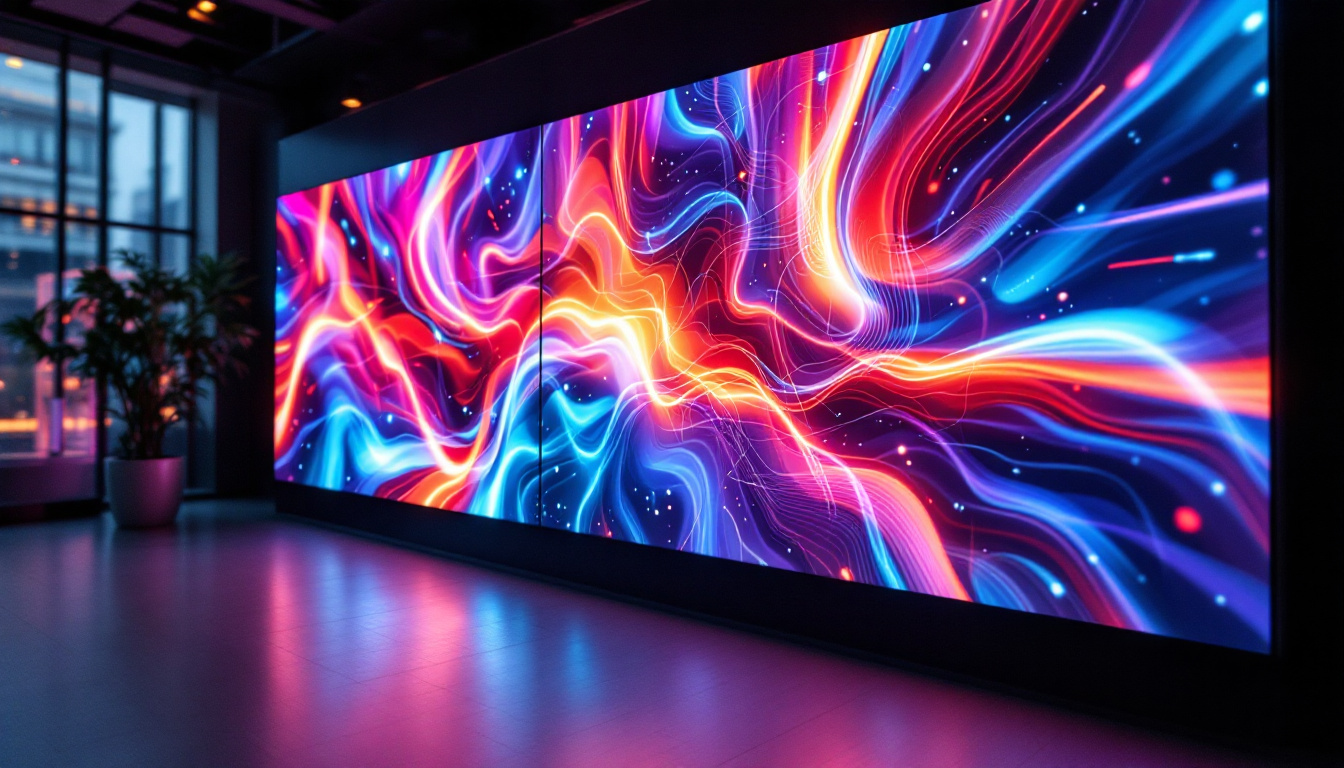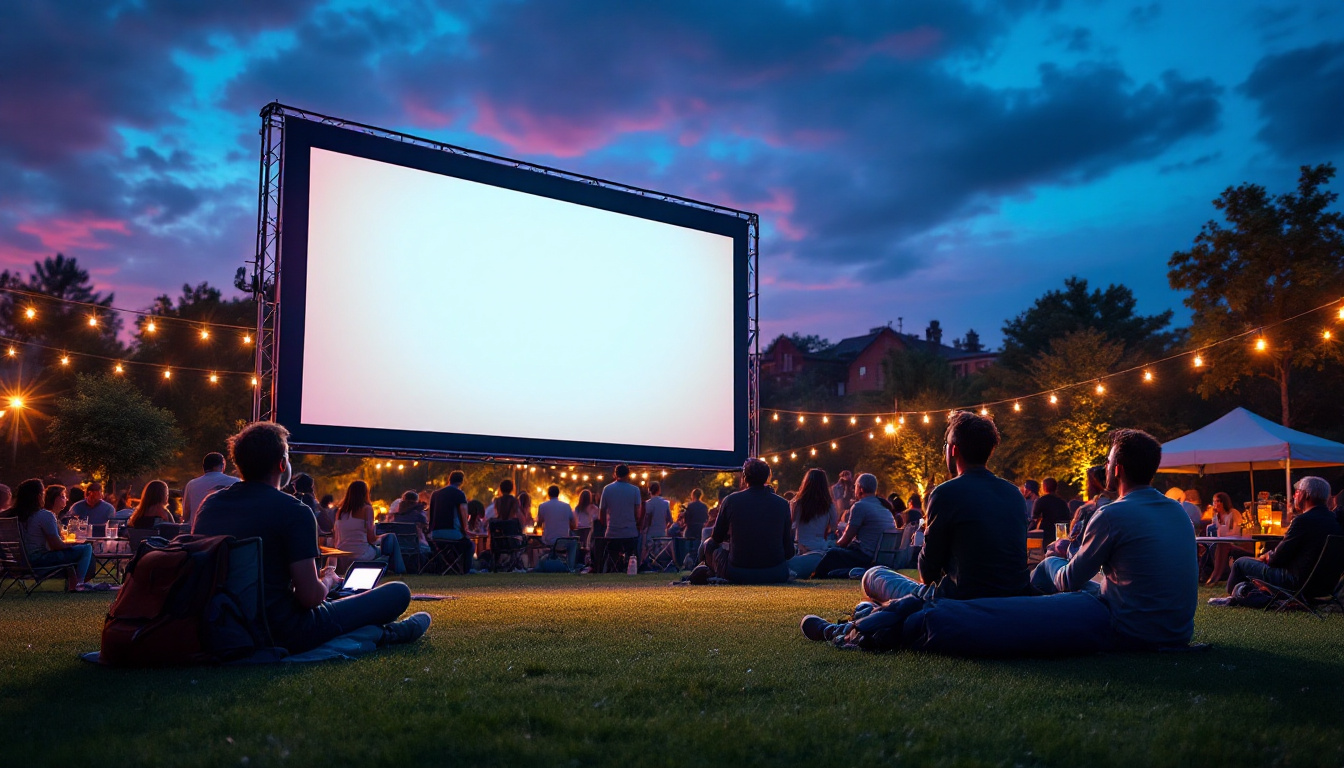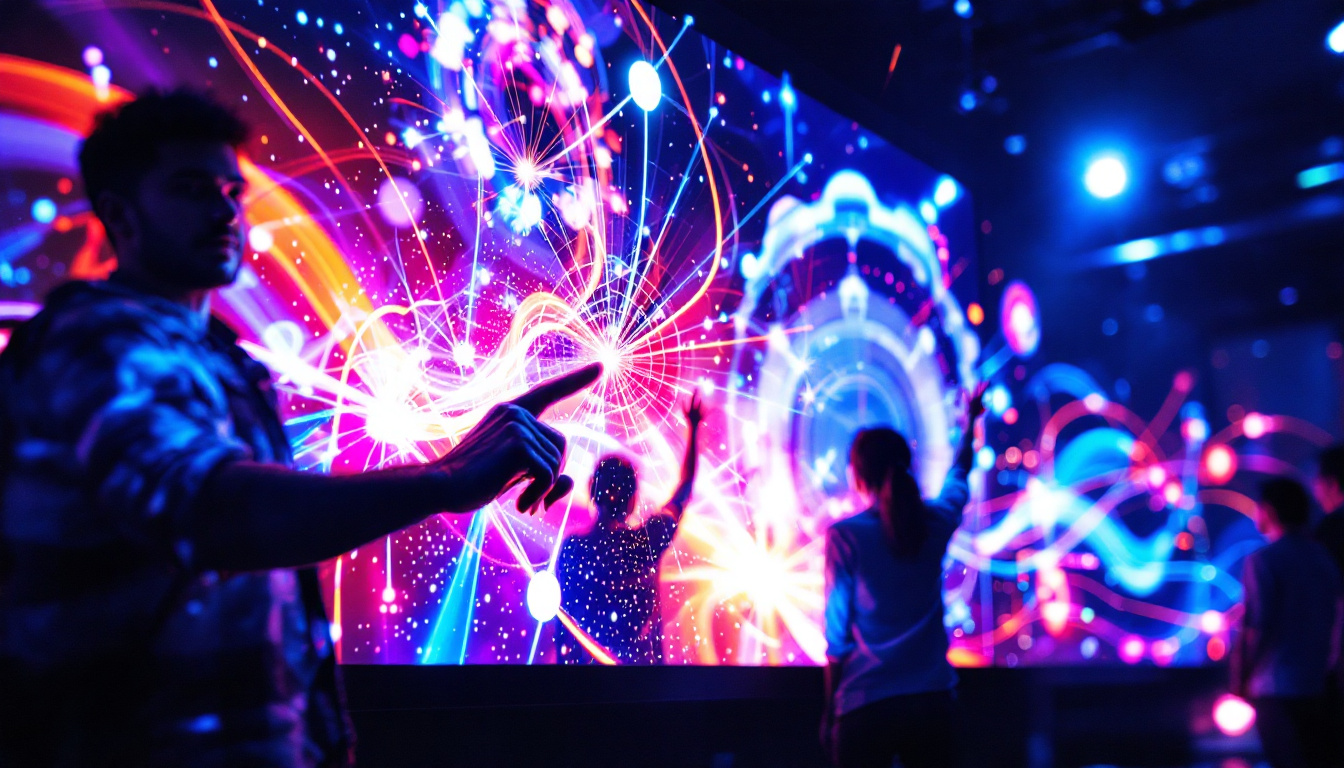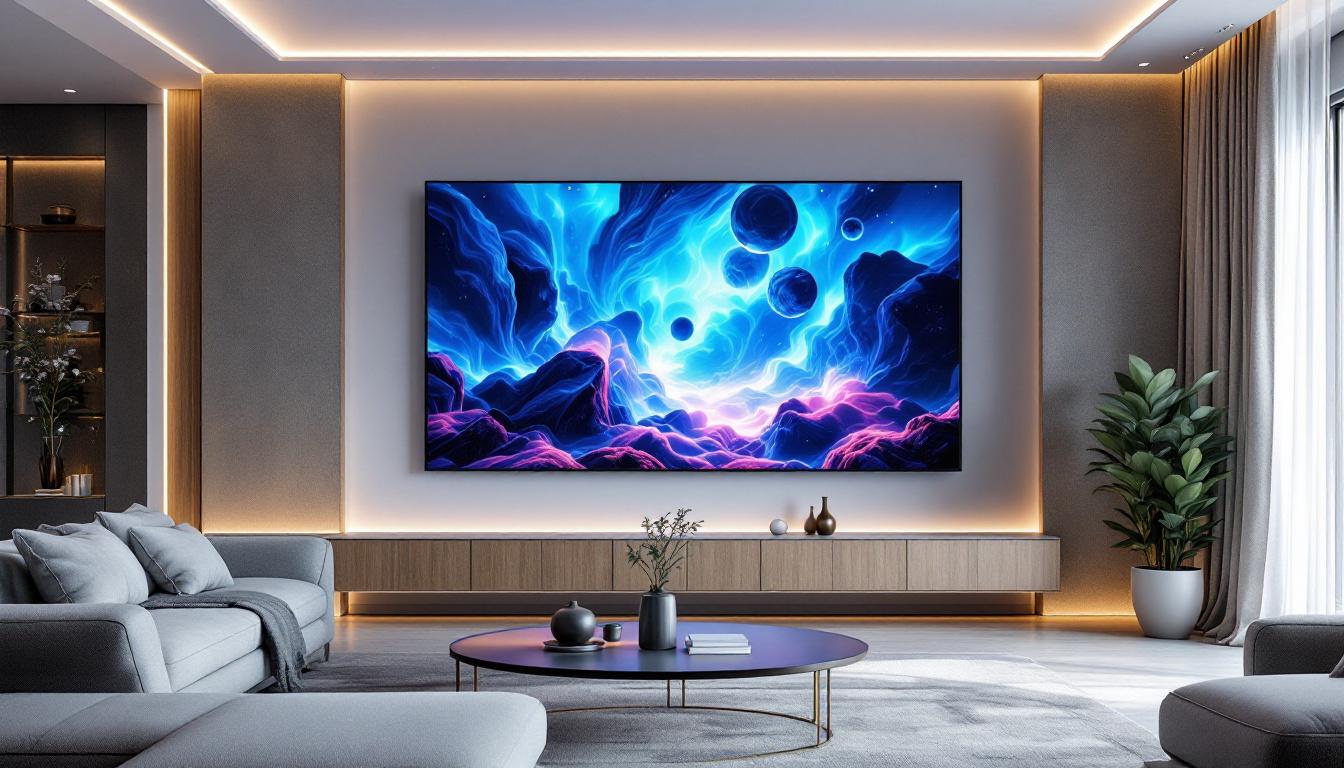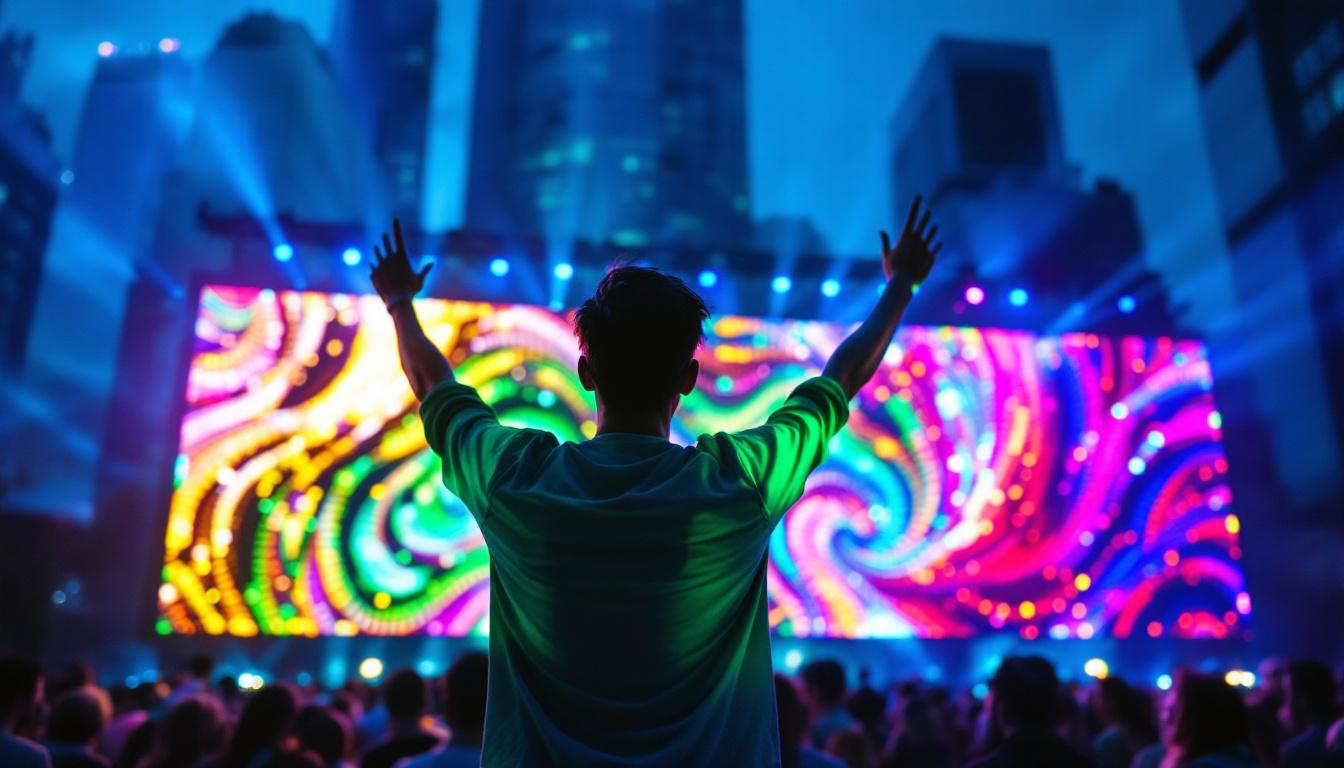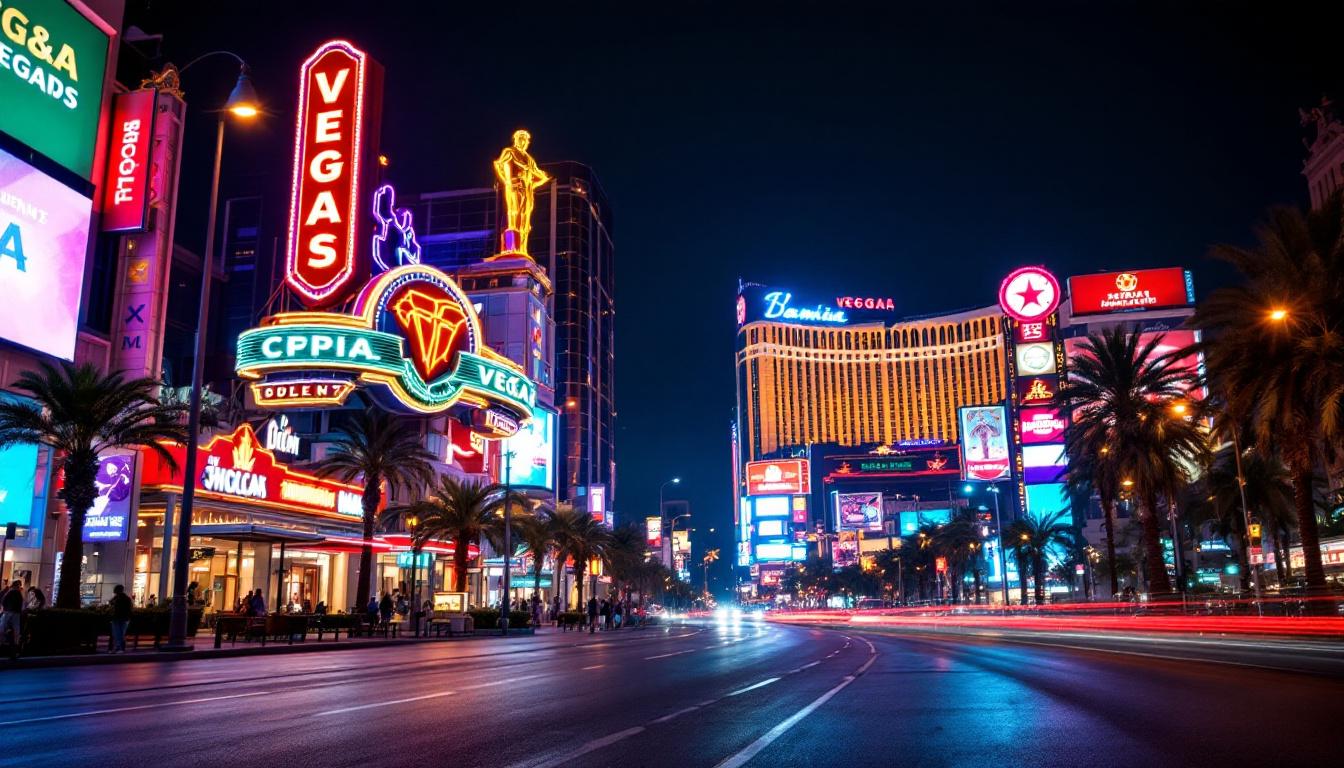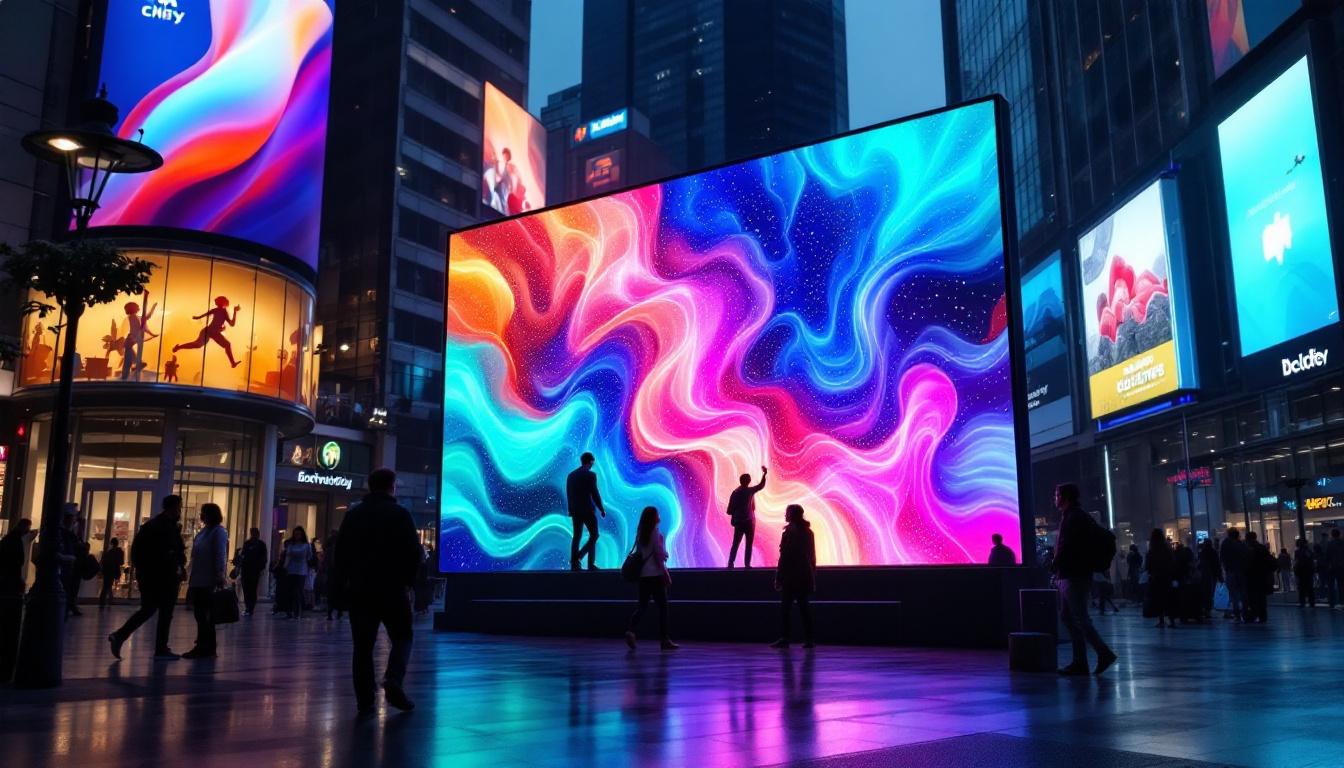
In an era dominated by digital screens, LED displays have become an integral part of how information and visuals are communicated worldwide. From the vibrant billboards lighting up Times Square to the sleek television screens in homes, LED technology is at the heart of modern display solutions. This article delves into the fundamentals of LED displays, exploring their technology, applications, advantages, and future trends to provide a comprehensive understanding of this ubiquitous technology.
Understanding LED Display Technology
What is an LED Display?
LED stands for Light Emitting Diode, a semiconductor device that emits light when an electric current passes through it. An LED display is essentially a flat panel that uses an array of these tiny LEDs to produce images, videos, and text. Unlike traditional LCD screens that rely on backlighting, LED displays generate their own light, resulting in brighter and more vivid visuals.
LED displays come in various forms, including direct-view LED screens, which are composed of individual LED pixels, and LED-backlit LCDs, where LEDs serve as the backlight source behind an LCD panel. The direct-view LED displays are commonly used in large-scale applications, such as stadium screens and outdoor billboards, while LED-backlit LCDs are prevalent in consumer electronics like televisions and monitors. The versatility of LED technology has also led to its adoption in innovative applications such as flexible displays and transparent screens, expanding the possibilities for creative design in advertising and entertainment.
How Do LED Displays Work?
At the core of an LED display is a matrix of tiny LEDs arranged in a grid. Each LED acts as a pixel or a sub-pixel, depending on the display’s resolution and color configuration. By controlling the intensity and color of each LED, the display can render complex images and videos.
Color in LED displays is typically achieved using red, green, and blue LEDs (RGB). By varying the brightness of these three colors at each pixel, the display can produce a broad spectrum of colors through additive color mixing. This process enables the creation of sharp, vibrant images with high contrast ratios. Additionally, advancements in technology have led to the development of full-color LED displays that incorporate white LEDs to enhance brightness and improve color accuracy, making them suitable for a wider range of environments and lighting conditions. Furthermore, the integration of smart technology allows for dynamic content management, enabling displays to adjust their brightness based on ambient light and deliver targeted messages in real-time, enhancing user engagement and experience.
Types of LED Displays and Their Applications
Indoor vs. Outdoor LED Displays
LED displays are broadly categorized into indoor and outdoor types, each designed to meet specific environmental and performance requirements. Indoor LED displays are optimized for close viewing distances and controlled lighting conditions. They feature smaller pixel pitches, which means the LEDs are packed more closely together, resulting in higher resolution and finer image detail. This makes them perfect for applications such as retail environments, where vibrant colors and sharp images can attract customers and enhance the shopping experience. Additionally, indoor displays often incorporate advanced technologies like high dynamic range (HDR) to deliver stunning visuals that captivate audiences.
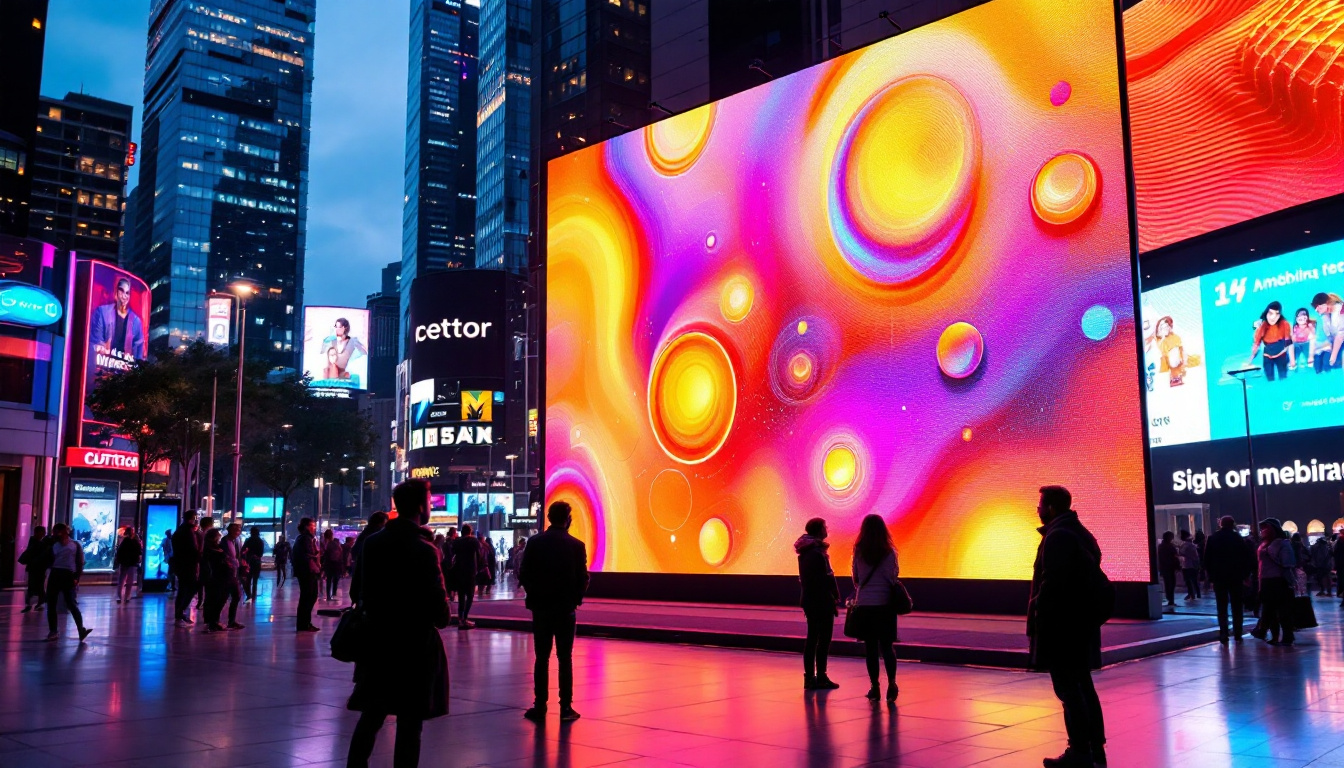
Outdoor LED displays, on the other hand, are built to withstand harsh weather conditions such as rain, wind, and extreme temperatures. They have larger pixel pitches to ensure visibility from greater distances and higher brightness levels to combat sunlight glare. These displays are commonly used for advertising billboards, traffic signs, and public information boards. The durability of outdoor LED displays is often enhanced with protective coatings and robust enclosures, ensuring they remain operational in adverse conditions. Moreover, many outdoor displays are equipped with intelligent brightness adjustment systems that automatically adapt to changing light levels, ensuring optimal visibility at all times.
Specialized LED Display Types
Beyond the standard indoor and outdoor classifications, several specialized LED display types cater to unique applications:
- Transparent LED Displays: These displays allow light to pass through, making them ideal for storefront windows and architectural installations where maintaining visibility is important. They provide a modern aesthetic while still delivering dynamic content, allowing businesses to showcase their products without obstructing the view of the interior.
- Flexible LED Displays: Utilizing bendable substrates, these displays can conform to curved surfaces, opening new possibilities in design and advertising. Their versatility allows for creative installations in unconventional spaces, such as curved walls or even vehicles, enabling brands to engage consumers in innovative ways.
- MicroLED Displays: An emerging technology where microscopic LEDs serve as individual pixels, offering superior brightness, contrast, and energy efficiency compared to traditional LEDs. MicroLEDs are particularly promising for high-definition applications, such as large-scale video walls and premium televisions, where image quality is paramount.
In addition to these specialized types, LED displays are increasingly being integrated with interactive technologies, such as touch capabilities and augmented reality features. This evolution allows users to engage with the content in a more immersive manner, transforming passive viewing into an interactive experience. For instance, retail environments can utilize interactive LED displays to allow customers to browse products or access promotions simply by touching the screen, enhancing customer engagement and driving sales.
Furthermore, the rise of smart technology has led to the development of LED displays that can communicate with other devices and systems. This connectivity enables real-time content updates and data-driven advertising, where the display can change its messaging based on factors like audience demographics or current weather conditions. As the technology continues to advance, the potential applications for LED displays are expanding, making them an integral part of modern communication and advertising strategies.
Advantages of LED Displays
Brightness and Visibility
One of the most significant advantages of LED displays is their exceptional brightness. LEDs can achieve luminance levels exceeding 5,000 nits, far surpassing most LCD and OLED screens. This brightness ensures clear visibility even in direct sunlight, making LED displays ideal for outdoor advertising and public information systems.
Energy Efficiency and Longevity
LEDs are inherently energy-efficient compared to traditional lighting technologies. They convert a higher percentage of electrical energy into visible light, reducing power consumption. For example, LED displays typically consume 30-50% less energy than comparable LCD displays with fluorescent backlighting.
Moreover, LEDs have a long operational lifespan, often exceeding 100,000 hours. This durability translates into lower maintenance costs and less frequent replacements, which is particularly valuable for large-scale installations.
Color Accuracy and Contrast
LED displays offer excellent color reproduction and contrast ratios. Because each LED emits light independently, these displays can achieve true blacks by turning off individual LEDs, unlike LCDs that rely on backlighting and can suffer from light bleed. This capability results in deeper blacks and more vibrant colors, enhancing the overall viewing experience.
Common Uses of LED Displays in Various Industries
Advertising and Marketing
LED displays have revolutionized the advertising industry by enabling dynamic, eye-catching content that can be updated in real-time. Digital billboards can display multiple advertisements in rotation, incorporate animations, and even interact with viewers through sensors and cameras.
According to recent market research, the global digital signage market, heavily driven by LED display adoption, is expected to grow at a compound annual growth rate (CAGR) of over 8% through 2027. This growth underscores the increasing reliance on LED technology for effective marketing strategies.
Sports and Entertainment Venues
Stadiums and arenas utilize massive LED screens to enhance the spectator experience. These displays provide live game footage, instant replays, scores, and interactive content. The ability to deliver high-resolution images visible from hundreds of feet away makes LED displays indispensable in these settings.
Transportation and Public Information
LED displays are widely used in transportation hubs such as airports, train stations, and bus terminals to provide real-time schedules, alerts, and wayfinding information. Their high visibility and reliability are crucial for keeping travelers informed and safe.
Retail and Hospitality
Retail stores and hotels use LED displays for digital signage, promotions, and ambiance creation. Transparent and flexible LED displays, in particular, allow for innovative design elements that attract customers and enhance brand presence.
Technological Innovations and Future Trends
MicroLED and MiniLED Technologies
MicroLED technology represents a significant leap forward in display performance. By using microscopic LEDs as individual pixels, MicroLED displays offer unparalleled brightness, contrast, and energy efficiency. They also avoid issues like burn-in, common in OLED displays.
MiniLED technology, which uses thousands of tiny LEDs as backlighting for LCD panels, improves contrast and local dimming capabilities, bridging the gap between traditional LED and MicroLED displays. Both technologies are poised to redefine the future of high-end displays in consumer electronics and professional applications.
Integration with IoT and Smart Systems
Modern LED displays are increasingly integrated with Internet of Things (IoT) platforms and smart technologies. This integration enables remote content management, real-time data display, and interactive features powered by artificial intelligence. For example, smart LED billboards can adjust content based on weather conditions, traffic patterns, or audience demographics.
Sustainability and Environmental Impact
As sustainability becomes a priority, LED display manufacturers are focusing on eco-friendly materials, energy-efficient designs, and recyclability. Innovations in LED technology are helping reduce the carbon footprint of digital signage, aligning with global efforts to combat climate change.
Choosing the Right LED Display: Key Considerations
Pixel Pitch and Resolution
Pixel pitch—the distance between the centers of adjacent LEDs—is a critical factor in determining display resolution and viewing distance. Smaller pixel pitches offer higher resolution and are suitable for close-up viewing, such as indoor displays. Larger pixel pitches are ideal for outdoor displays where viewers are farther away.
Brightness and Contrast Requirements
Understanding the ambient lighting conditions where the display will be installed is essential. Outdoor displays require higher brightness levels to remain visible in daylight, while indoor displays can prioritize contrast and color accuracy.
Durability and Maintenance
For outdoor and high-usage environments, durability against weather, dust, and physical impact is crucial. Additionally, ease of maintenance and availability of support services can significantly affect the total cost of ownership.
Budget and Total Cost of Ownership
While initial costs are important, considering the total cost of ownership—including energy consumption, maintenance, and lifespan—provides a more accurate picture of investment value. LED displays, despite sometimes higher upfront costs, often prove cost-effective over time due to their efficiency and longevity.
Conclusion
LED displays have transformed the way visual information is presented across countless industries. Their superior brightness, energy efficiency, and versatility make them indispensable in today’s digital landscape. Understanding the technology behind LED displays and their various types enables businesses and consumers to make informed decisions tailored to their specific needs.
As innovations like MicroLED and smart integration continue to evolve, the future of LED displays promises even greater performance and adaptability. Whether for advertising, entertainment, transportation, or retail, LED technology remains at the forefront of visual communication, illuminating the world with clarity and brilliance.
Illuminate Your Space with LumenMatrix
Ready to elevate your visual presence and captivate your audience with unparalleled clarity? LumenMatrix is at the vanguard of LED display innovation, offering a diverse range of solutions tailored to your unique needs. From Indoor and Outdoor LED Walls to specialized displays for vehicles, sports, and custom applications, we bring your vision to life. Embrace the future of visual communication with our cutting-edge technology. Check out LumenMatrix LED Display Solutions today and transform your space into a beacon of engagement.