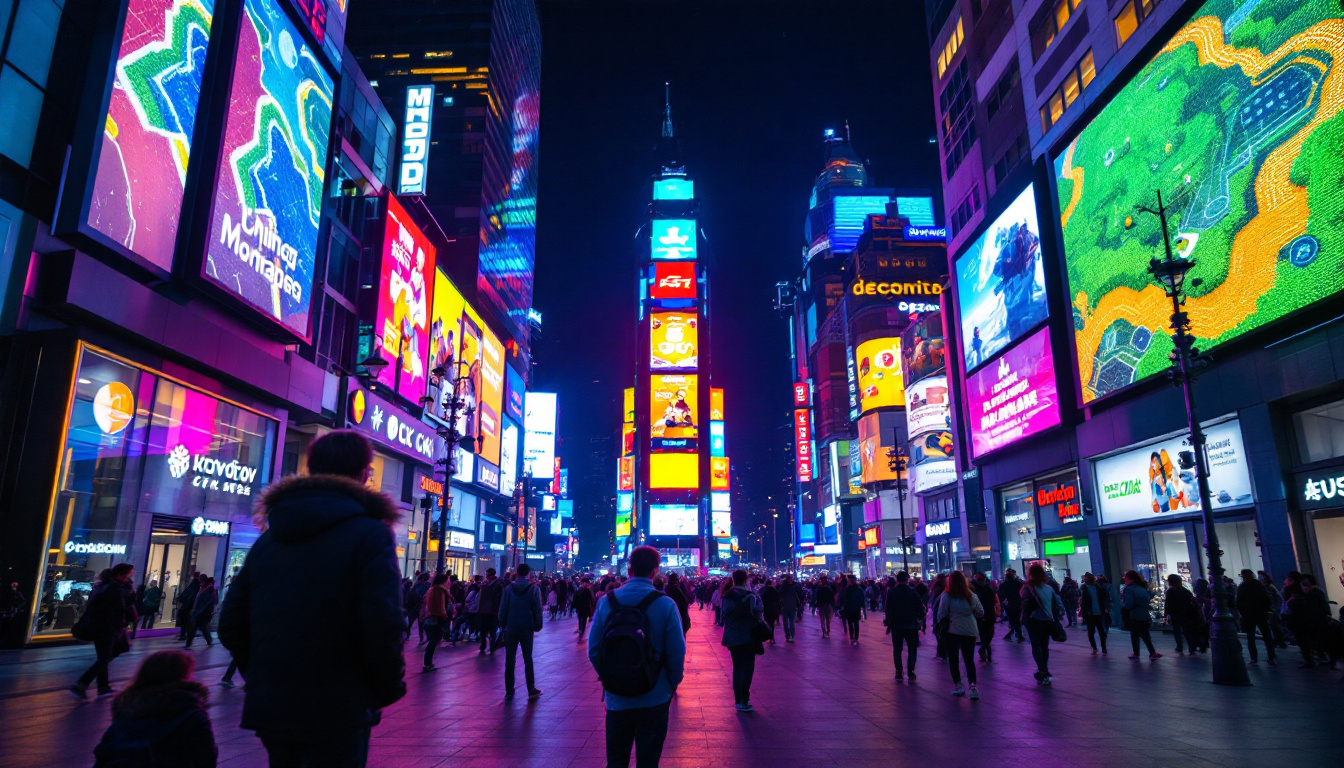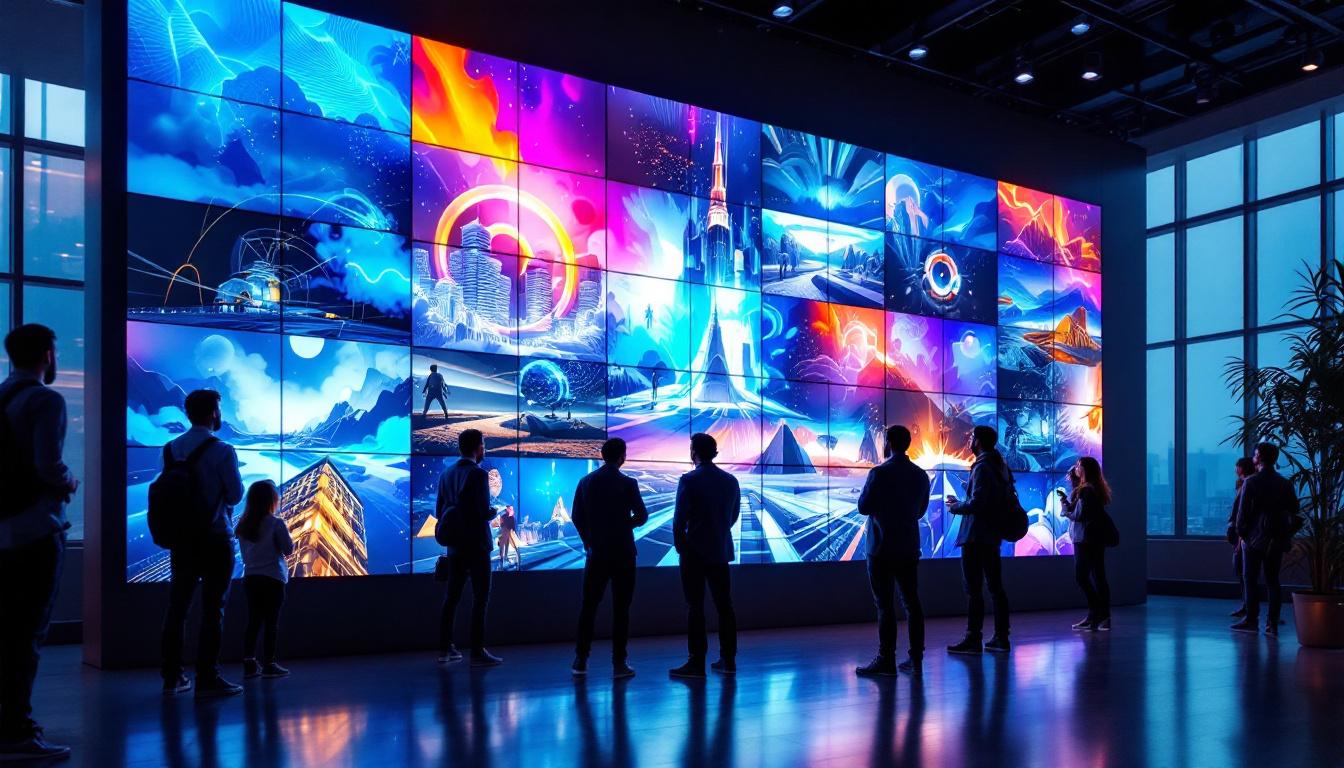
In the rapidly evolving world of digital signage and display technology, LED video walls have emerged as a dominant force. From sprawling advertising billboards in Times Square to immersive control rooms and corporate lobbies, LED video walls offer unparalleled brightness, flexibility, and visual impact. But what exactly is a video wall program, and how do LED displays work within this context? This article dives deep into the technology, applications, and advantages of LED video walls, providing a comprehensive guide for businesses, event organizers, and technology enthusiasts alike.
Understanding LED Video Walls: The Basics
What Is an LED Video Wall?
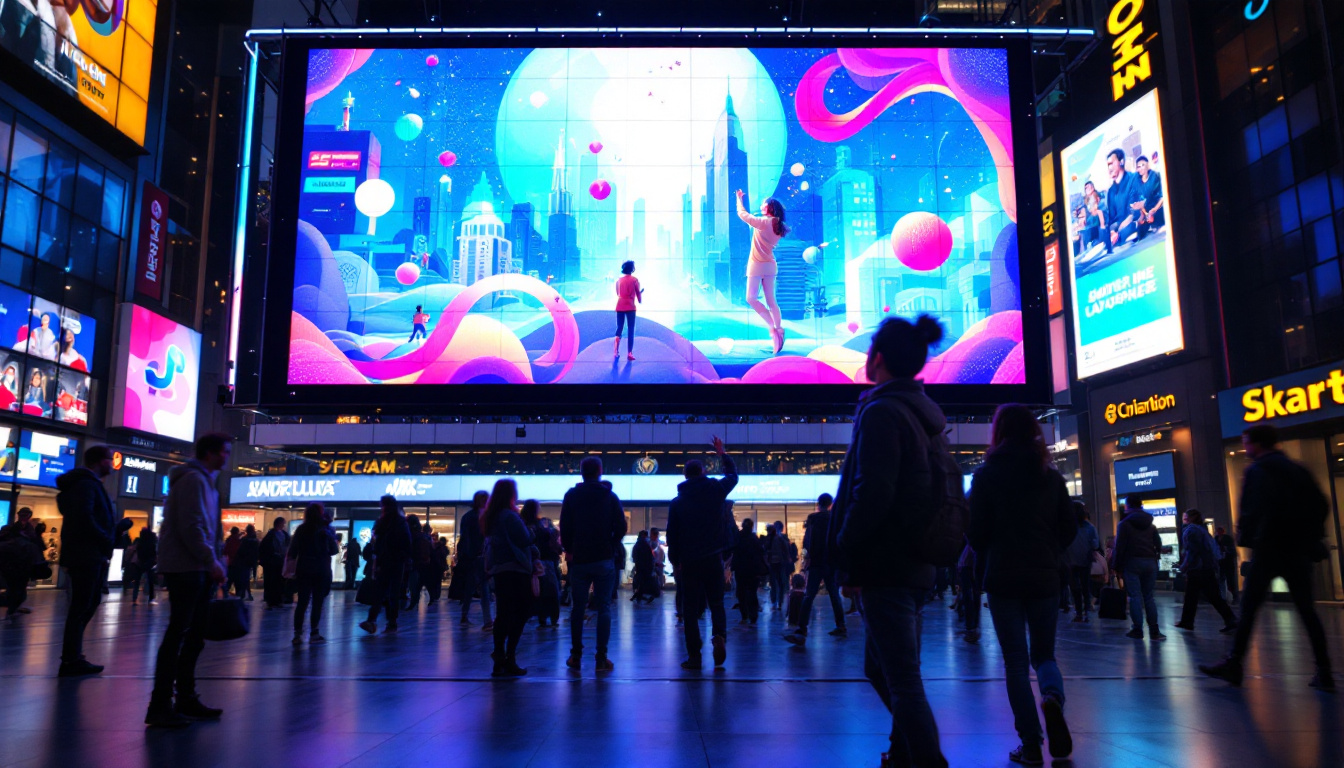
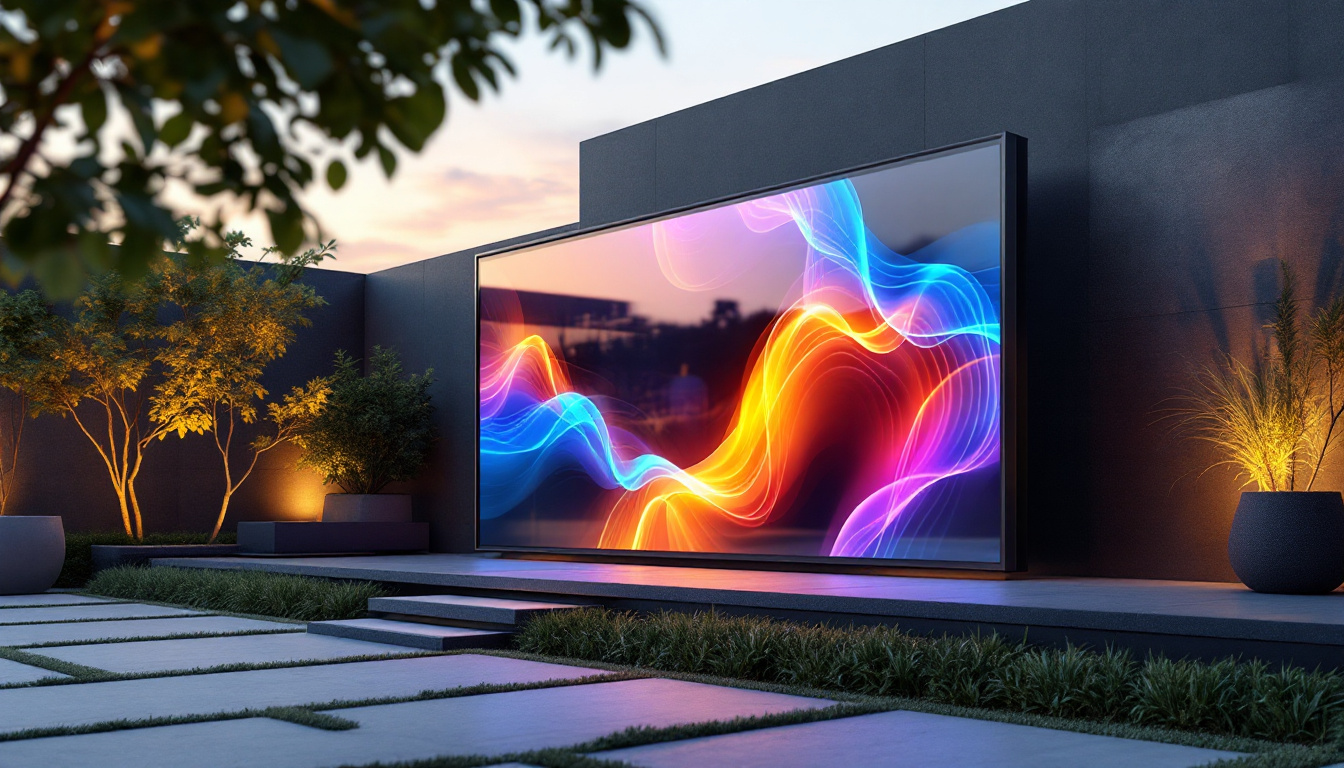
An LED video wall is a large-scale display composed of multiple LED panels seamlessly tiled together to create one continuous screen. Unlike traditional LCD or projection-based displays, LED walls use light-emitting diodes (LEDs) as their pixels, which emit their own light rather than relying on backlighting. This fundamental difference allows LED video walls to deliver higher brightness, better contrast, and superior color accuracy.
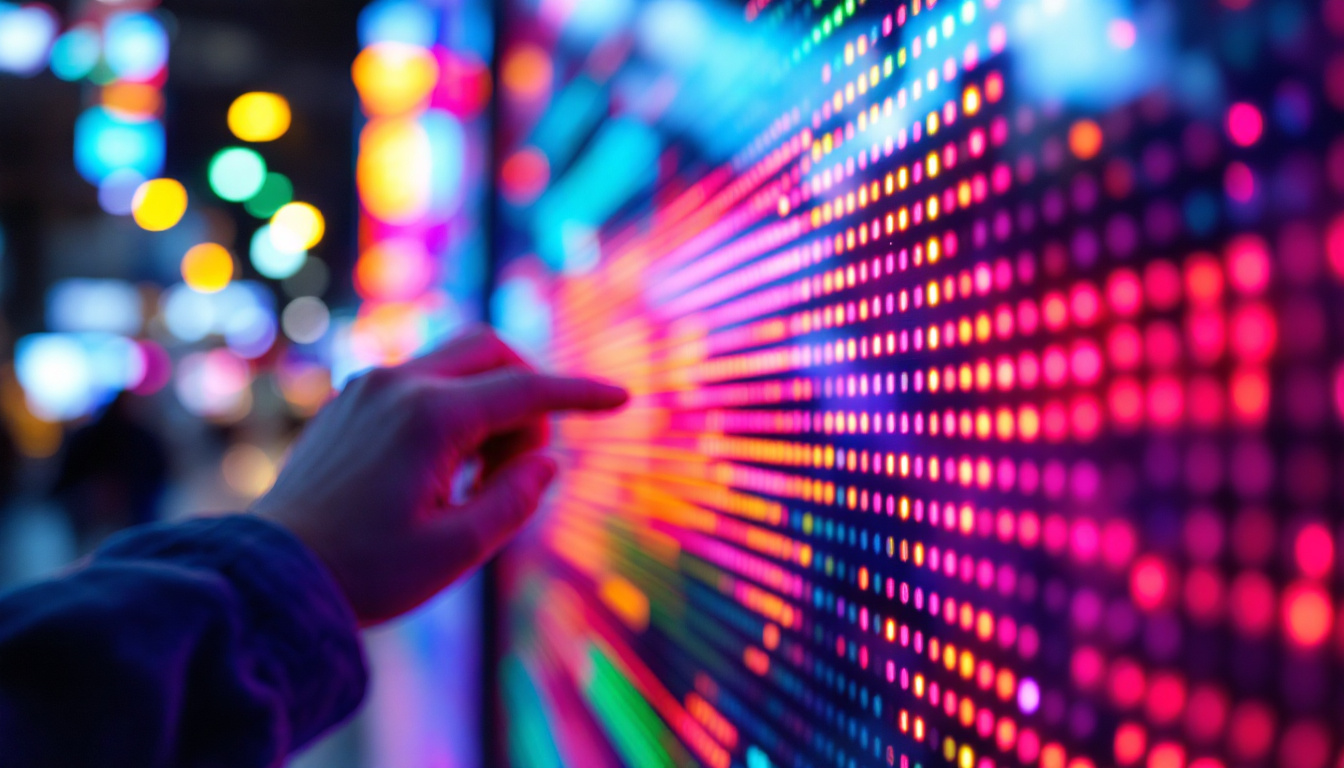
Each panel in an LED video wall contains thousands of tiny LEDs arranged in a grid. These LEDs can be red, green, and blue, which combine to produce a full spectrum of colors. When controlled by a video wall program, these panels synchronize to display dynamic video content, images, or live feeds across the entire surface without visible seams. The modular nature of LED panels also allows for flexibility in design, enabling installations that can be curved, shaped, or configured to fit unique spaces, making them a popular choice for both indoor and outdoor applications.
In addition to their visual prowess, LED video walls are known for their durability and longevity. Unlike traditional displays that may suffer from burn-in or require frequent maintenance, LED technology is designed to withstand the rigors of constant use, making them ideal for high-traffic environments such as airports, shopping malls, and concert venues. Moreover, advancements in energy efficiency mean that these displays consume less power than their predecessors, contributing to a more sustainable approach to large-scale visual communication.
How Does a Video Wall Program Work?
A video wall program is the software that manages and controls the content displayed on the LED video wall. It handles tasks such as splitting video signals, scaling content, synchronizing multiple screens, and scheduling playback. This software is crucial because it ensures that the content appears cohesive and visually stunning across the entire display.
Modern video wall programs support a wide range of content types, including live video streams, static images, animations, and interactive applications. They often come with user-friendly interfaces, allowing operators to customize layouts, switch between content sources, and adjust settings in real time. Integration with other systems, such as cameras or data feeds, is also common, enabling dynamic and context-aware displays. Additionally, many video wall programs now incorporate advanced features such as real-time analytics, allowing operators to gauge viewer engagement and optimize content accordingly. This data-driven approach enhances the effectiveness of advertising campaigns and event presentations, making it easier to tailor messages to specific audiences.
Furthermore, the rise of cloud-based video wall solutions has revolutionized how content is managed and delivered. With cloud integration, operators can remotely access and control their video walls from anywhere, facilitating quick updates and changes without the need for on-site intervention. This flexibility is particularly beneficial for businesses with multiple locations or those that require frequent content updates, as it streamlines operations and reduces downtime. As technology continues to evolve, the capabilities of video wall programs are expected to expand, offering even more innovative ways to captivate audiences and enhance visual storytelling.
Key Components of an LED Video Wall System
LED Panels and Pixel Pitch
The LED panel is the fundamental building block of any LED video wall. Panels come in various sizes and resolutions, and one of the most important specifications to consider is the pixel pitch. Pixel pitch refers to the distance between the centers of two adjacent LEDs, measured in millimeters. The smaller the pixel pitch, the higher the resolution and the closer the optimal viewing distance.
For example, a video wall with a 1.5mm pixel pitch is ideal for indoor environments where viewers are close to the screen, such as retail stores or control rooms. Conversely, outdoor advertising billboards might use panels with a 10mm or larger pixel pitch, since viewers are typically farther away.
Processing Hardware and Controllers
To display content seamlessly across multiple LED panels, video wall systems rely on powerful processing hardware. Video wall controllers receive input signals from various sources—such as computers, media players, or cameras—and split, scale, and route the video to the appropriate panels.
Advanced controllers support 4K and even 8K resolutions, enabling crystal-clear visuals on massive displays. They also facilitate features like bezel compensation, which adjusts the image to account for the physical gaps between panels, ensuring a smooth and continuous picture.
Mounting and Structural Considerations
Proper installation is critical for the performance and longevity of an LED video wall. Mounting systems must be sturdy and precise to align panels perfectly and prevent misalignment over time. For indoor applications, walls or custom frames are common mounting solutions, while outdoor installations often require weatherproof enclosures and reinforced structures to withstand environmental conditions.
Applications of LED Video Walls
Advertising and Digital Out-of-Home (DOOH) Displays
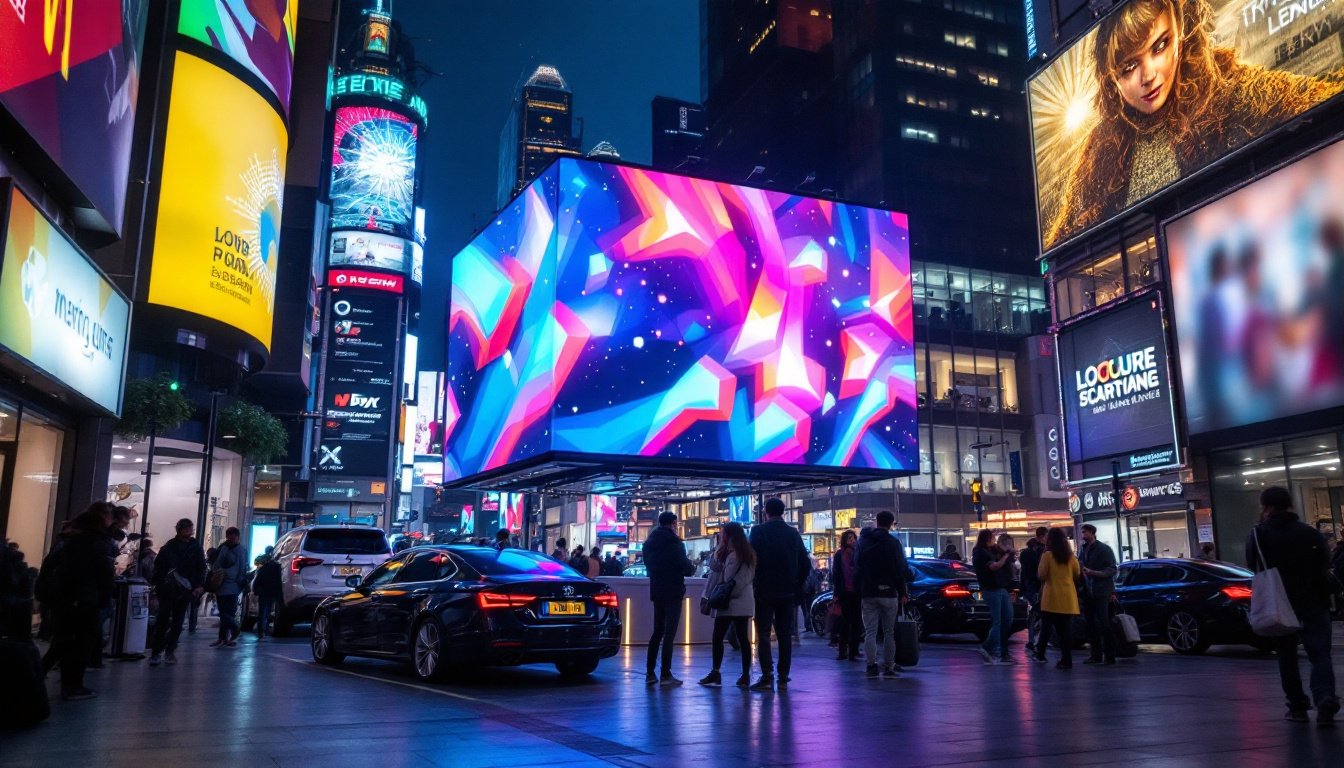
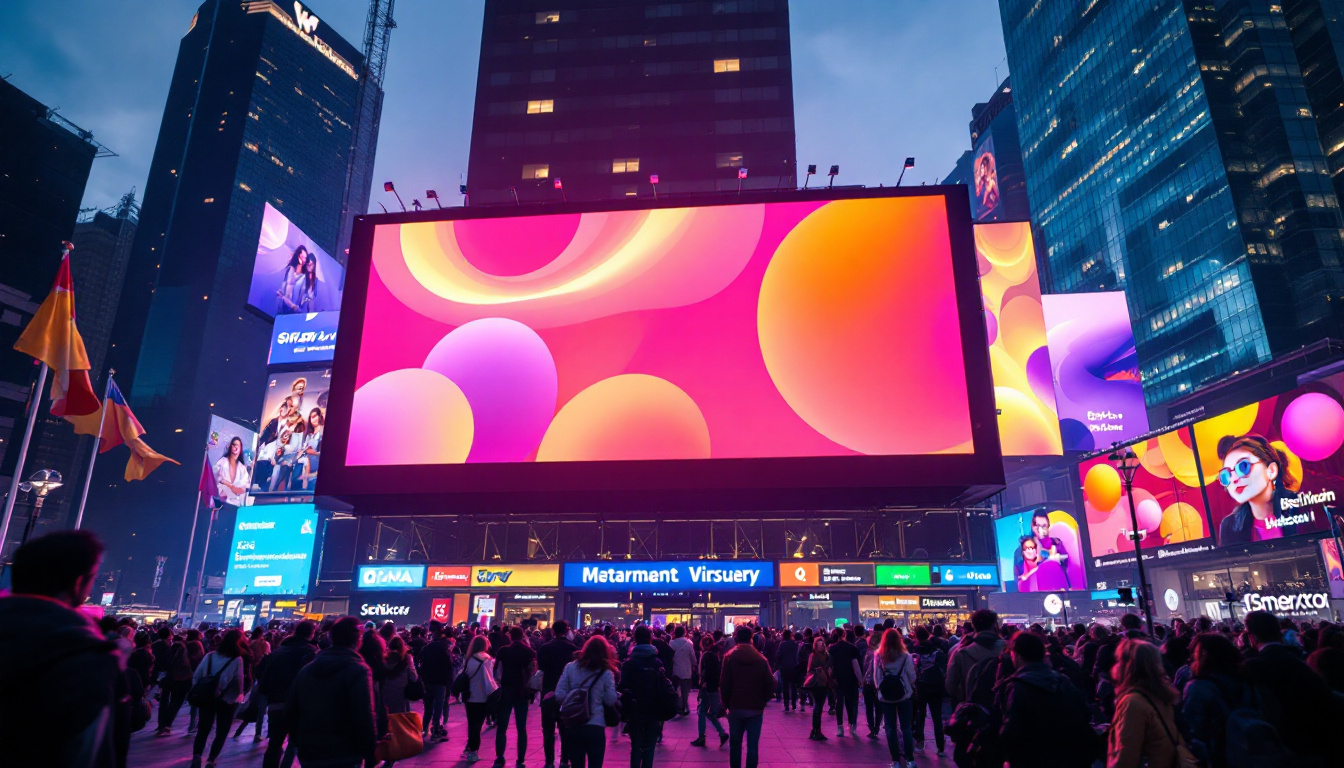
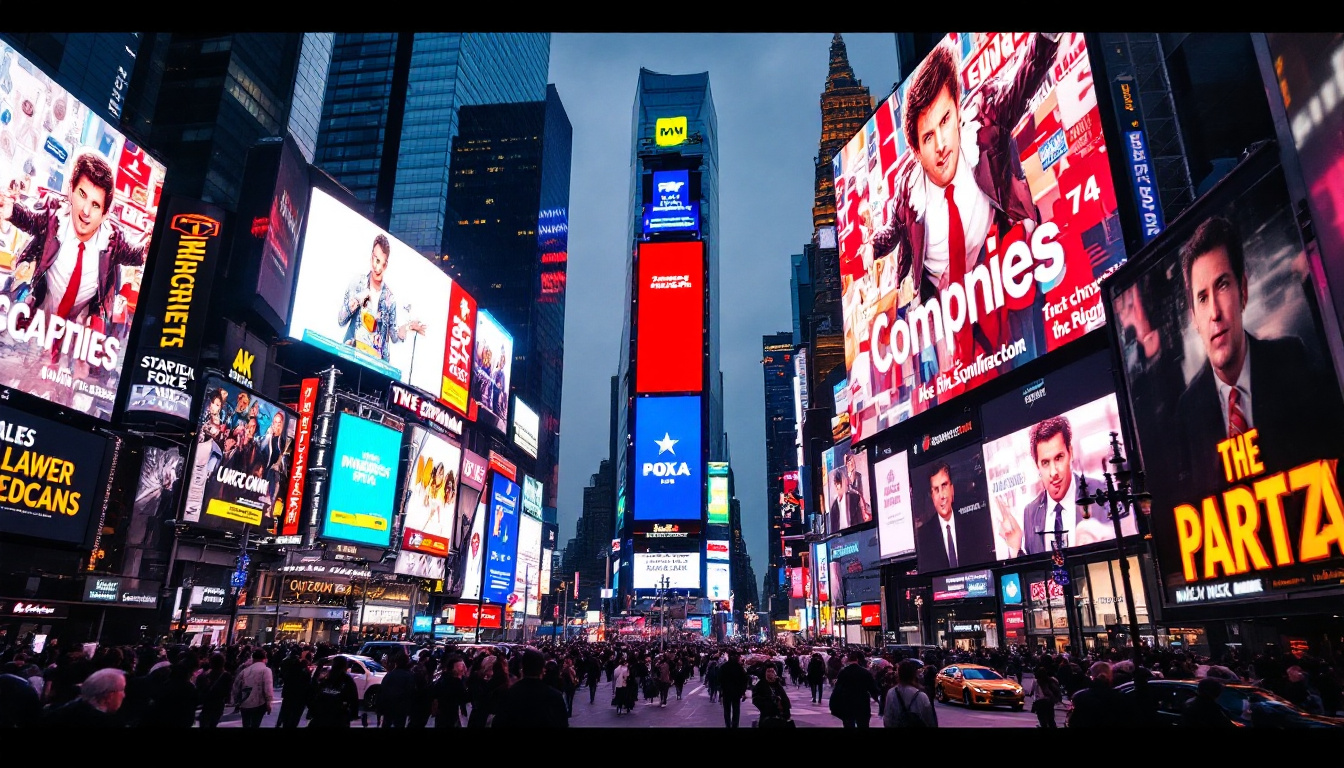
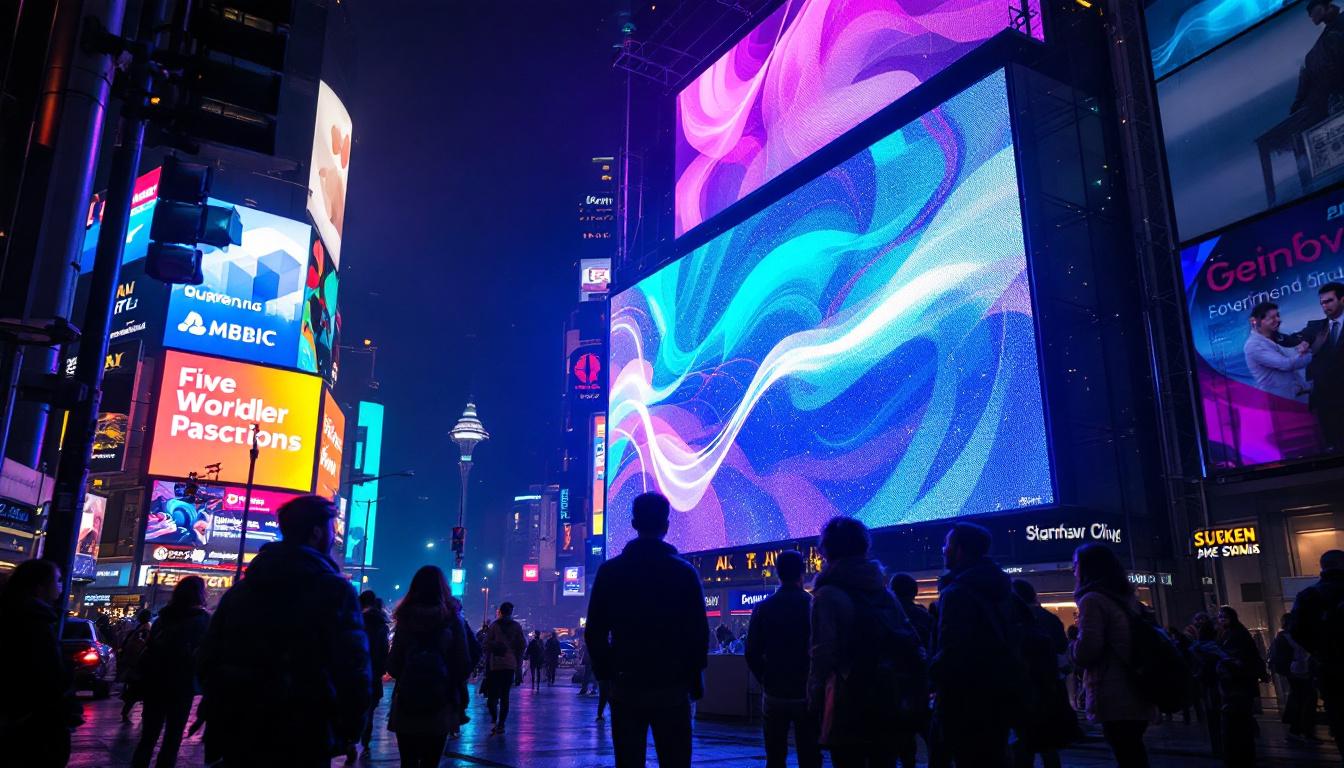
One of the most visible uses of LED video walls is in advertising and DOOH media. LED billboards and large-format displays attract attention with their brightness and dynamic content, making them highly effective for brand messaging and promotions. According to industry reports, the global digital signage market is expected to grow at a compound annual growth rate (CAGR) of over 8% through 2028, driven largely by the adoption of LED video walls.
Locations such as shopping malls, airports, sports arenas, and urban centers leverage LED walls to reach large audiences with vibrant, eye-catching visuals that outperform traditional static billboards.
Corporate and Control Room Environments
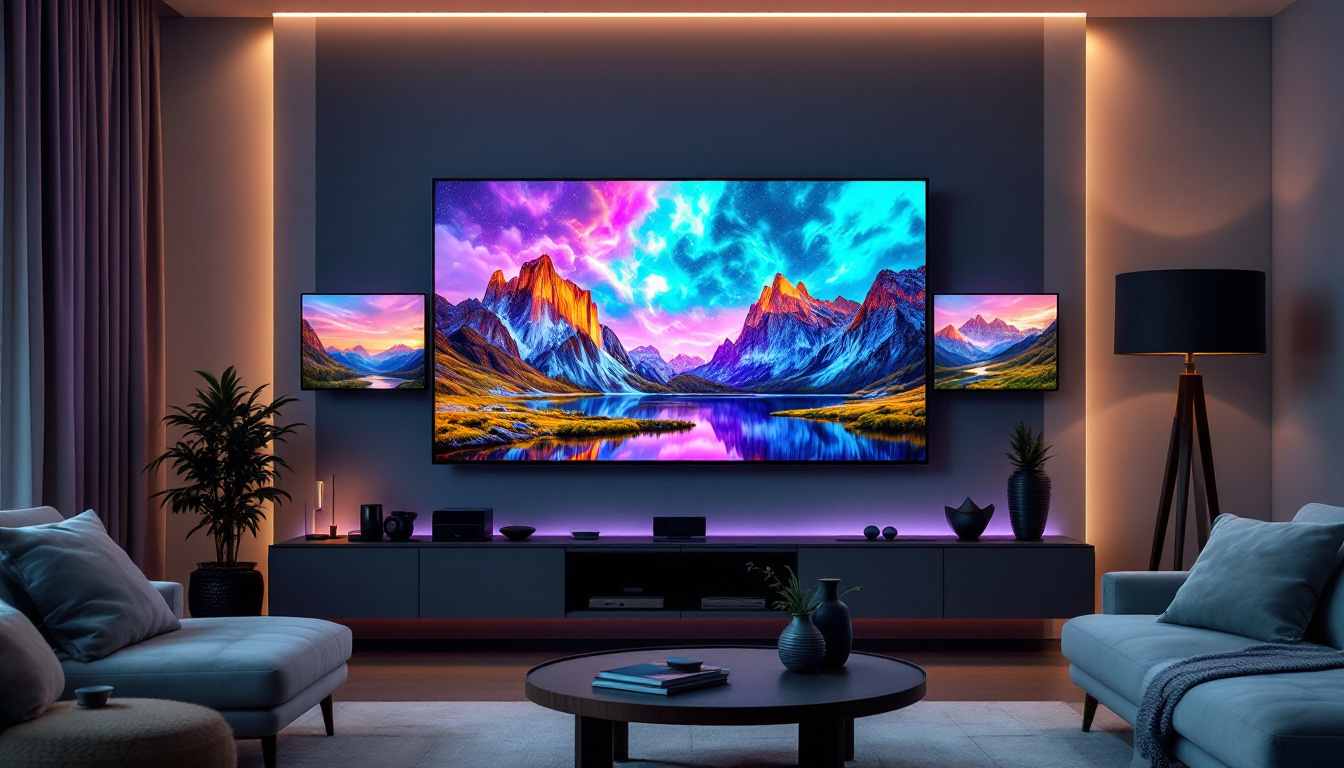
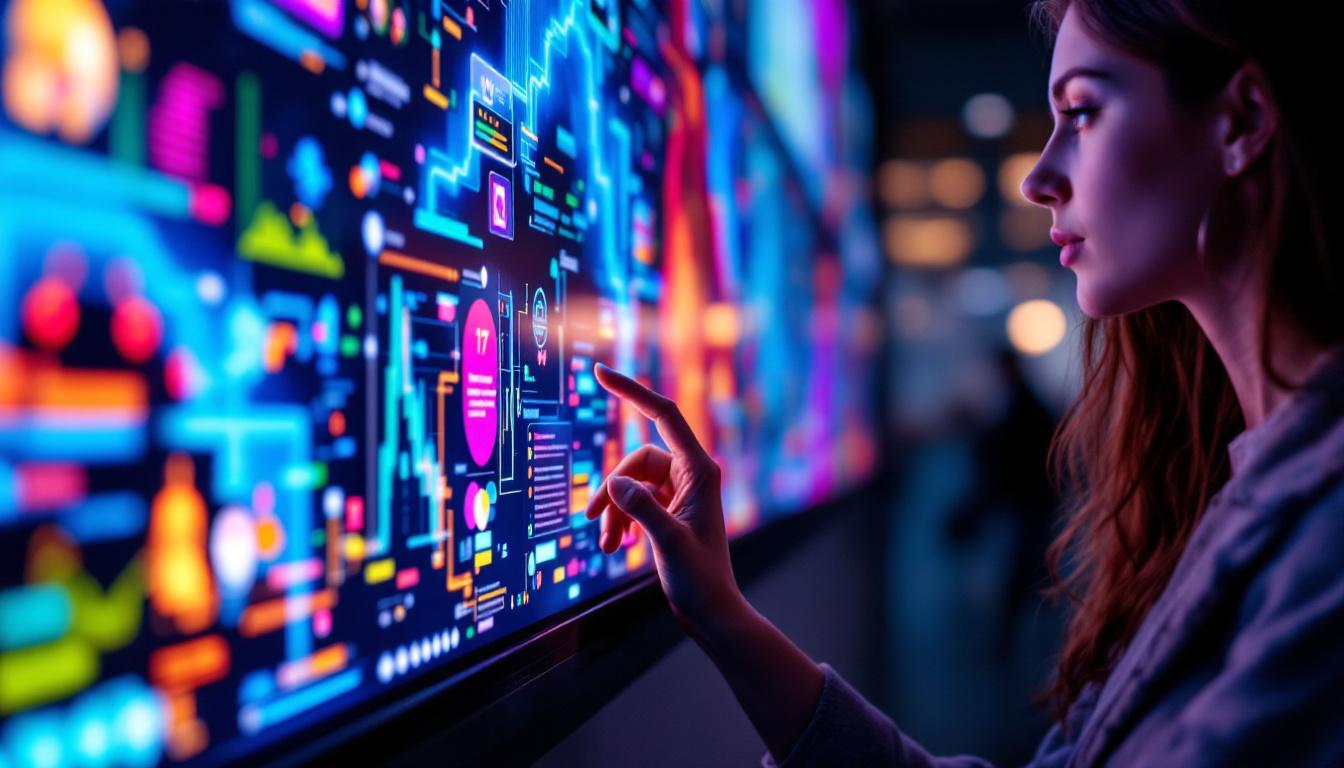
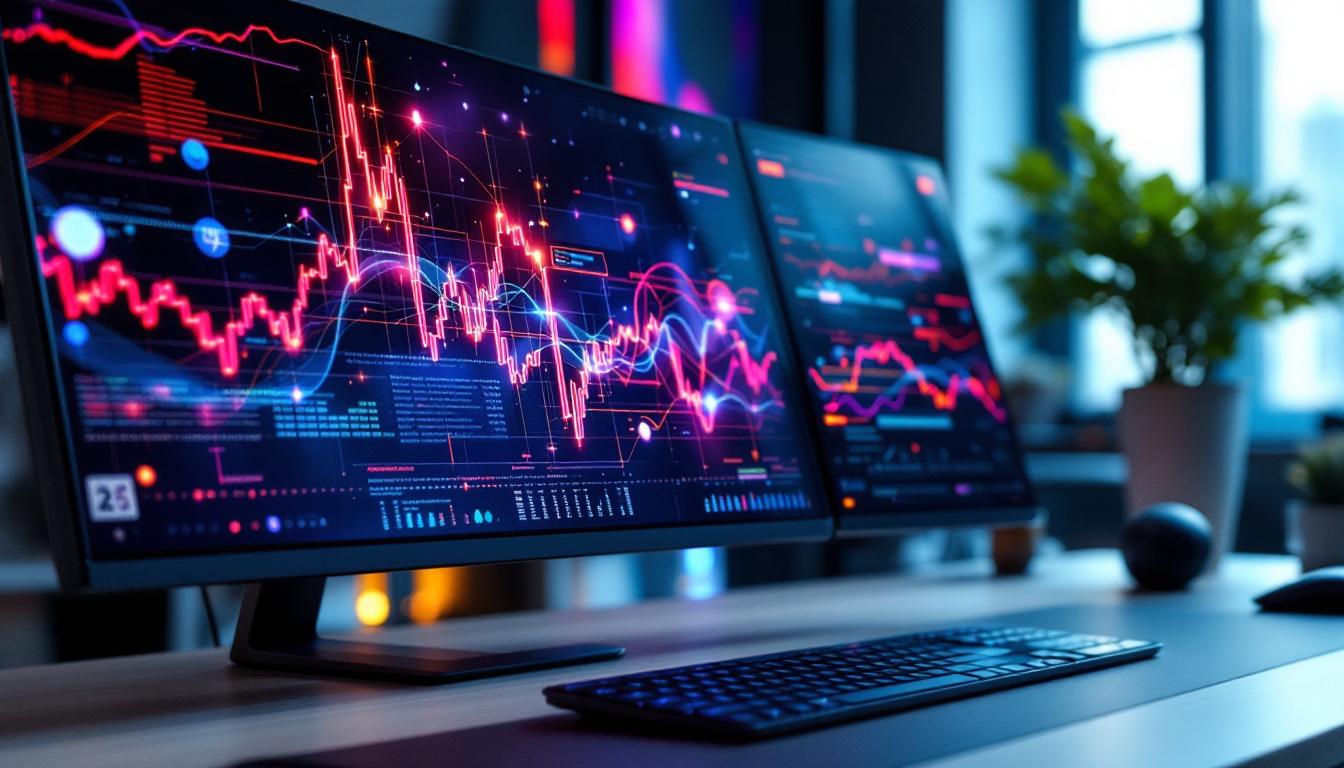
In corporate settings, LED video walls serve as powerful tools for presentations, data visualization, and collaboration. Boardrooms and lobbies use them to display company branding, live data feeds, or multimedia content. More critically, control rooms in industries like transportation, utilities, and emergency services rely on LED video walls for real-time monitoring and decision-making.
The ability to display multiple data streams simultaneously and switch layouts quickly enhances situational awareness and operational efficiency. For instance, a traffic management center might display live camera feeds, maps, and incident reports all at once, enabling faster response times.
Entertainment and Events
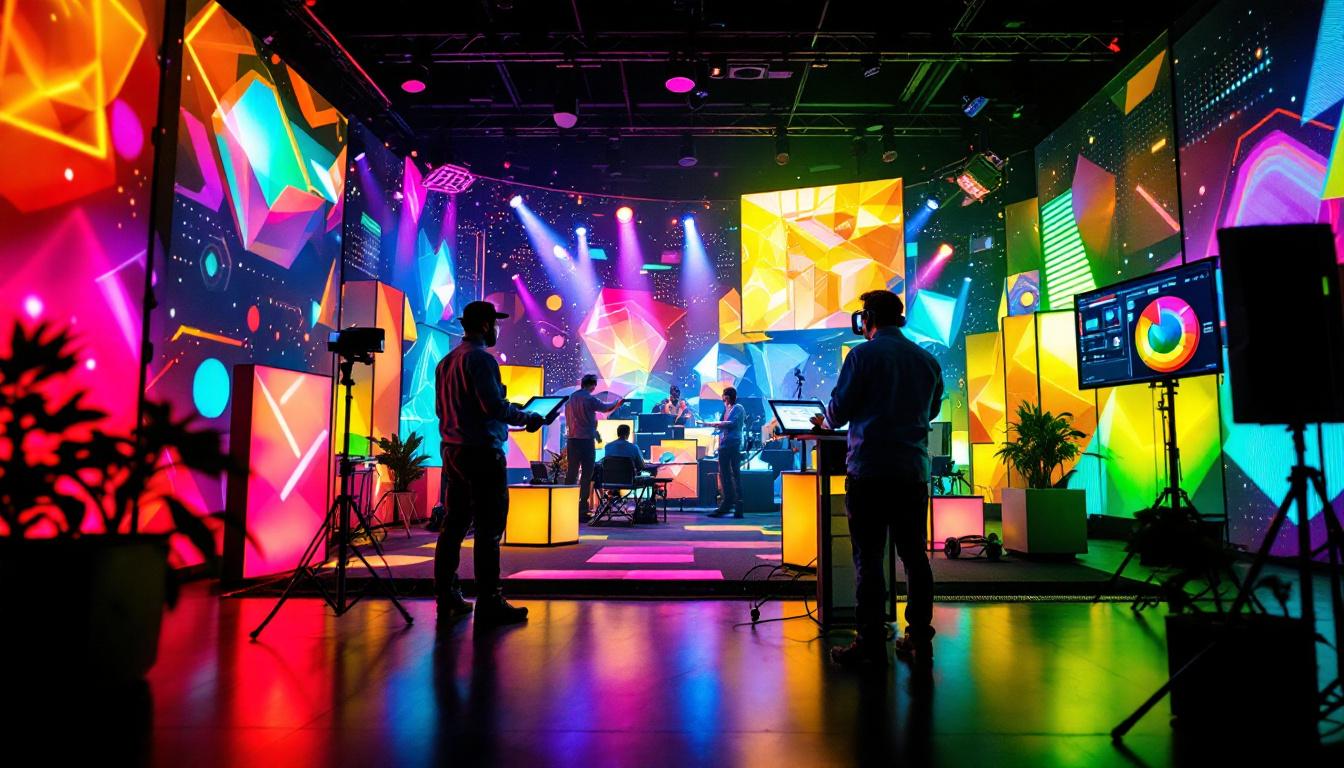
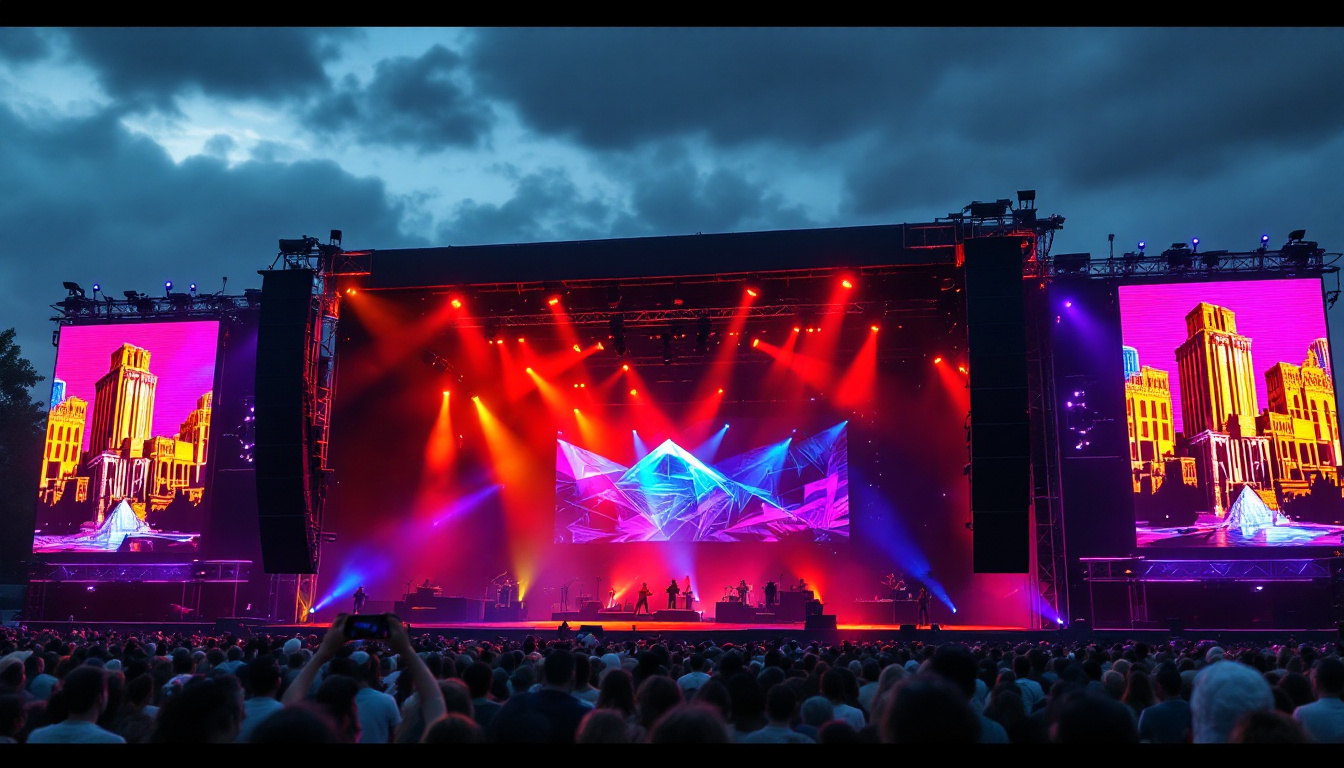
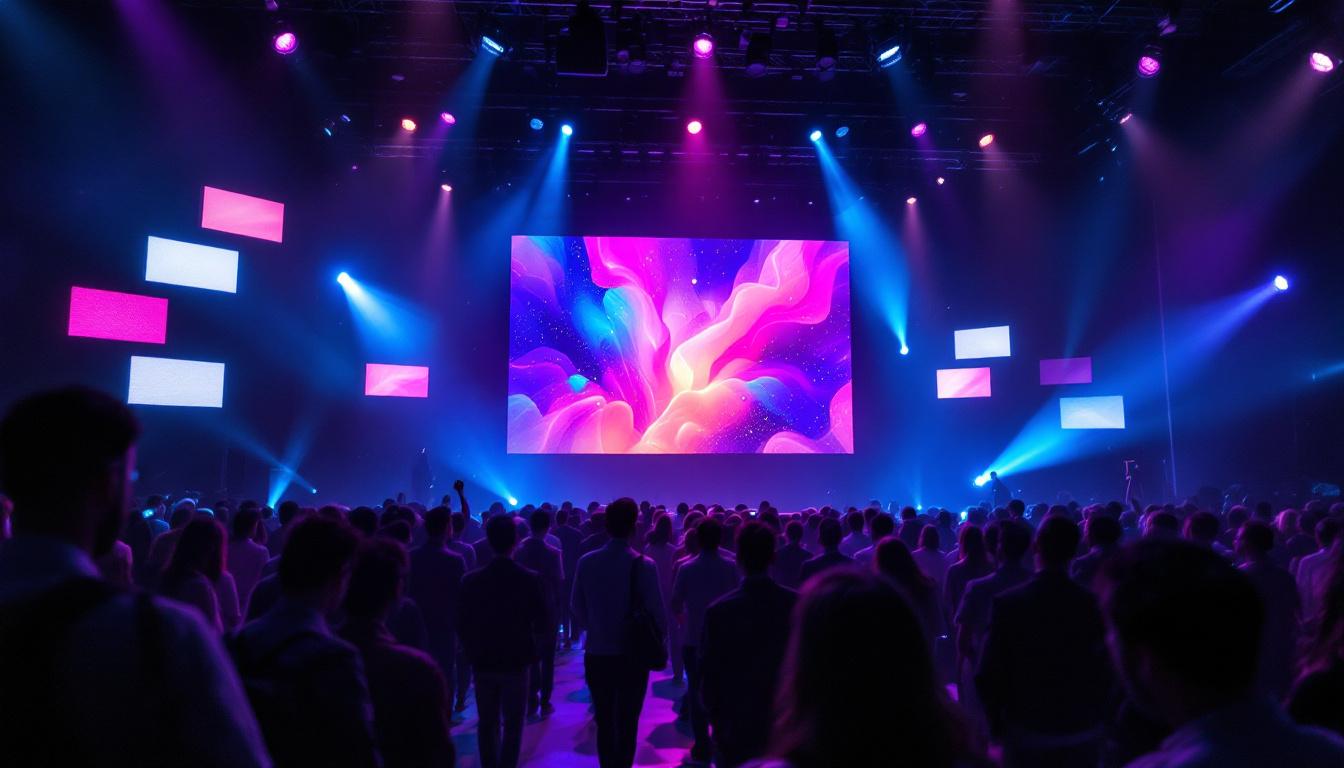
Concerts, trade shows, and sporting events frequently incorporate LED video walls to create immersive experiences. Their scalability and flexibility allow event organizers to customize screen sizes and shapes to fit unique venues and themes. High refresh rates and vivid colors make LED walls ideal for live video, animations, and interactive content that engage audiences.
Moreover, the durability and brightness of LED technology ensure visibility even in challenging lighting conditions, such as outdoor festivals or stadiums during daylight.
Advantages of LED Video Walls Over Other Technologies
Brightness and Visibility
LED video walls are renowned for their superior brightness levels, often exceeding 1,000 nits for indoor displays and reaching up to 5,000 nits or more outdoors. This makes them easily visible in direct sunlight, unlike LCD or projection systems which can struggle in bright environments.
Color Accuracy and Contrast
Because each LED emits its own light, LED video walls offer exceptional contrast ratios and vibrant colors. True blacks are achievable by turning off individual LEDs, resulting in deeper and more accurate color reproduction. This capability enhances the viewing experience, especially for video content and high-definition images.
Scalability and Flexibility
LED video walls can be scaled to virtually any size, from small indoor displays to massive outdoor installations spanning hundreds of square meters. Their modular design allows for custom shapes and configurations, including curved or angled walls, which are difficult to achieve with other display technologies.
Longevity and Maintenance
LED technology boasts a long lifespan, often rated at 50,000 to 100,000 hours of operation. Additionally, individual panels can be serviced or replaced without dismantling the entire wall, reducing downtime and maintenance costs. Many LED panels are also designed to be weather-resistant, making them suitable for outdoor use.
Choosing the Right LED Video Wall Program
Evaluating Software Features
Selecting the right video wall program is as important as choosing the hardware. Key features to consider include multi-source input support, real-time content management, user-friendly interfaces, and compatibility with existing systems. Integration capabilities with third-party software, such as analytics platforms or interactive tools, can further enhance functionality.
Some programs offer cloud-based management, allowing remote control and content updates from anywhere, which is particularly useful for networks of video walls spread across multiple locations.
Content Strategy and Management
A successful LED video wall deployment requires a well-planned content strategy. The video wall program should facilitate easy scheduling, content rotation, and dynamic updates to keep the display fresh and engaging. For advertising purposes, the ability to target specific audiences with tailored content can maximize impact and return on investment.
Technical Support and Training
Comprehensive technical support and training are essential to ensure smooth operation. Many vendors offer onboarding sessions, troubleshooting assistance, and software updates. Investing in training for staff who will manage the video wall program can prevent common issues and optimize content delivery.
Future Trends in LED Video Walls and Video Wall Programs
Higher Resolutions and Smaller Pixel Pitch
As LED manufacturing technology advances, pixel pitches continue to shrink, enabling ultra-high-definition displays even at close viewing distances. This trend is opening new possibilities for applications in retail, museums, and corporate environments where detail and clarity are paramount.
Artificial Intelligence and Automation
Emerging video wall programs are incorporating AI-driven features such as automated content optimization based on audience demographics or environmental conditions. For example, AI can adjust brightness levels automatically or select content that resonates best with the current viewers, enhancing engagement and efficiency.
Interactive and Immersive Experiences
Integration with sensors, gesture recognition, and augmented reality is transforming LED video walls into interactive platforms. These innovations enable users to engage directly with content, creating memorable experiences in retail, education, and entertainment sectors.
Conclusion
LED video walls represent a powerful combination of cutting-edge hardware and sophisticated video wall programs that together deliver stunning visual experiences across a wide range of applications. Their brightness, flexibility, and scalability make them ideal for advertising, corporate environments, control rooms, and events. As technology continues to evolve, LED video walls will become even more immersive and intelligent, offering new opportunities for engagement and communication.
For organizations considering an LED video wall, understanding the underlying technology, selecting the right software, and planning content strategically are key steps to unlocking the full potential of this dynamic display medium.
Discover LumenMatrix’s Innovative LED Display Solutions
Ready to elevate your visual communication with the most advanced LED display technology? Look no further than LumenMatrix. Our comprehensive range of solutions, from Indoor and Outdoor LED Wall Displays to specialized options like Vehicle, Sports, and Floor LED Displays, is designed to captivate your audience and amplify your message. Embrace the future of digital signage with our Custom, All-in-One, and Transparent LED Displays. Experience the transformative power of LumenMatrix and bring your brand to life in vivid detail. Check out LumenMatrix LED Display Solutions today and see the difference innovation can make.