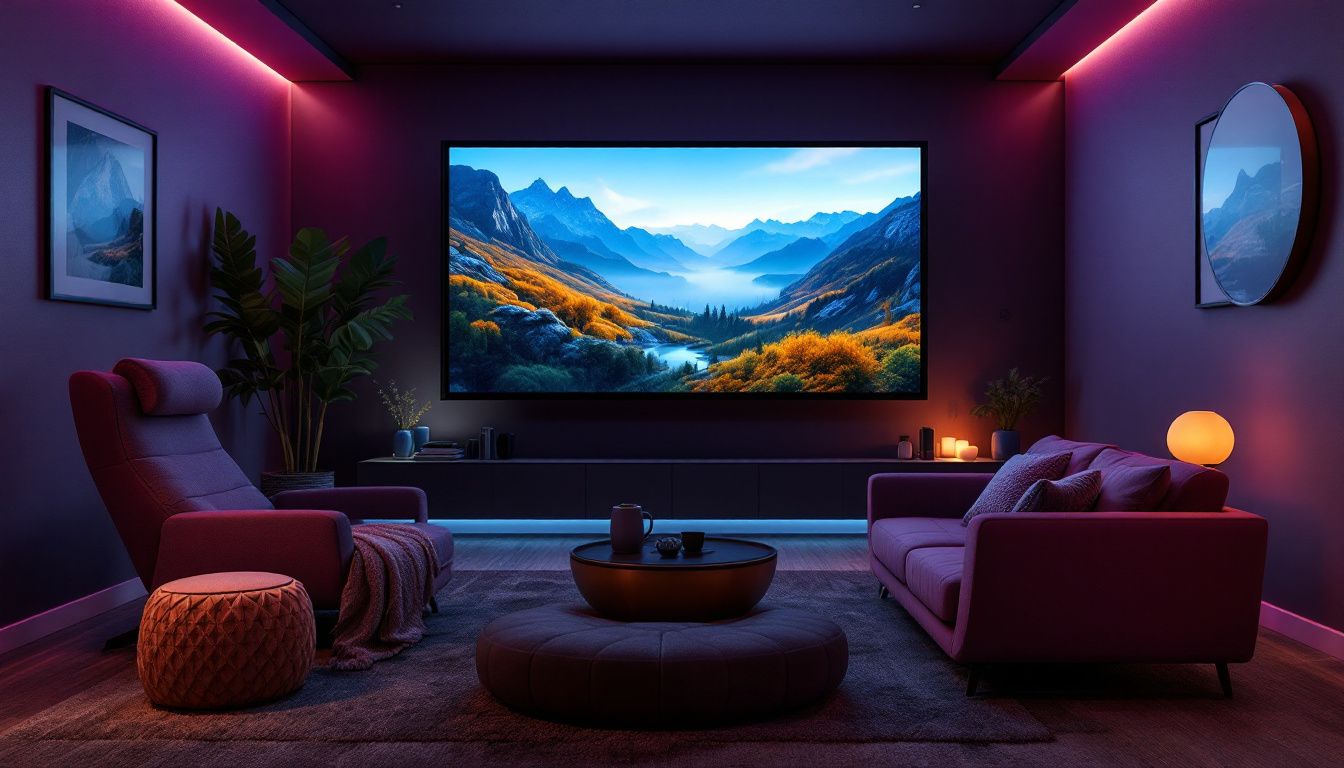
In the modern era of home entertainment, the smart TV has become a central fixture in living rooms, bedrooms, and even kitchens. Among the various types of smart TVs available, those featuring LED displays have gained significant popularity due to their superior image quality, energy efficiency, and sleek designs. When mounting a smart TV on the wall, understanding the technology behind LED displays is crucial to making an informed purchase that enhances your viewing experience while complementing your living space.
This article delves into the essentials of LED display technology in smart TVs, exploring how it works, its benefits and drawbacks, and practical considerations for wall mounting. Whether you are upgrading your home theater or installing a new smart TV for the first time, this comprehensive guide will help you navigate the technical details and design choices with confidence.
Understanding LED Display Technology
What is an LED Display?
LED stands for Light Emitting Diode, a semiconductor device that emits light when an electric current passes through it. In the context of smart TVs, LED displays refer to LCD (Liquid Crystal Display) panels that use LEDs as a backlighting source. This is a significant evolution from older LCD TVs that relied on cold cathode fluorescent lamps (CCFL) for backlighting.
LED backlighting allows for thinner panels, improved brightness, and better energy efficiency. The LEDs illuminate the liquid crystal layer, which controls the passage of light to create the images you see on the screen. This combination results in vibrant colors, sharp contrasts, and high-definition visuals that enhance the overall viewing experience. Furthermore, the advancements in LED technology have also led to innovations such as HDR (High Dynamic Range), which significantly improves the range of colors and brightness levels, making images more lifelike and immersive. As a result, viewers can enjoy a cinematic experience right in their living rooms, with details that pop and shadows that are rich and nuanced.
Types of LED Backlighting
Not all LED displays are created equal. The placement and control of the LED backlights significantly affect picture quality. The two primary types of LED backlighting are:
- Edge-Lit LED: LEDs are positioned along the edges of the screen, and light is distributed across the panel using light guides. This design allows for ultra-thin TVs and is generally more affordable. However, it may result in less uniform brightness and contrast compared to other types.
- Full-Array LED: LEDs are spread evenly behind the entire screen. This setup often includes local dimming zones that can be turned off or dimmed independently to enhance contrast and black levels. Full-array LED TVs tend to offer superior picture quality but at a higher price point.
Understanding these distinctions helps consumers choose a smart TV that matches their preferences for image quality and budget. Additionally, there are advanced variations like Mini-LED and MicroLED technologies that push the boundaries of LED display capabilities even further. Mini-LED uses thousands of tiny LEDs for backlighting, resulting in finer control over brightness and contrast, while MicroLED technology eliminates the need for a backlight altogether, allowing each pixel to emit its own light. This not only enhances color accuracy but also provides deeper blacks and a wider viewing angle, making it an exciting frontier in display technology.
Benefits of LED Smart TVs for Wall Mounting
Slim Profile and Aesthetic Appeal
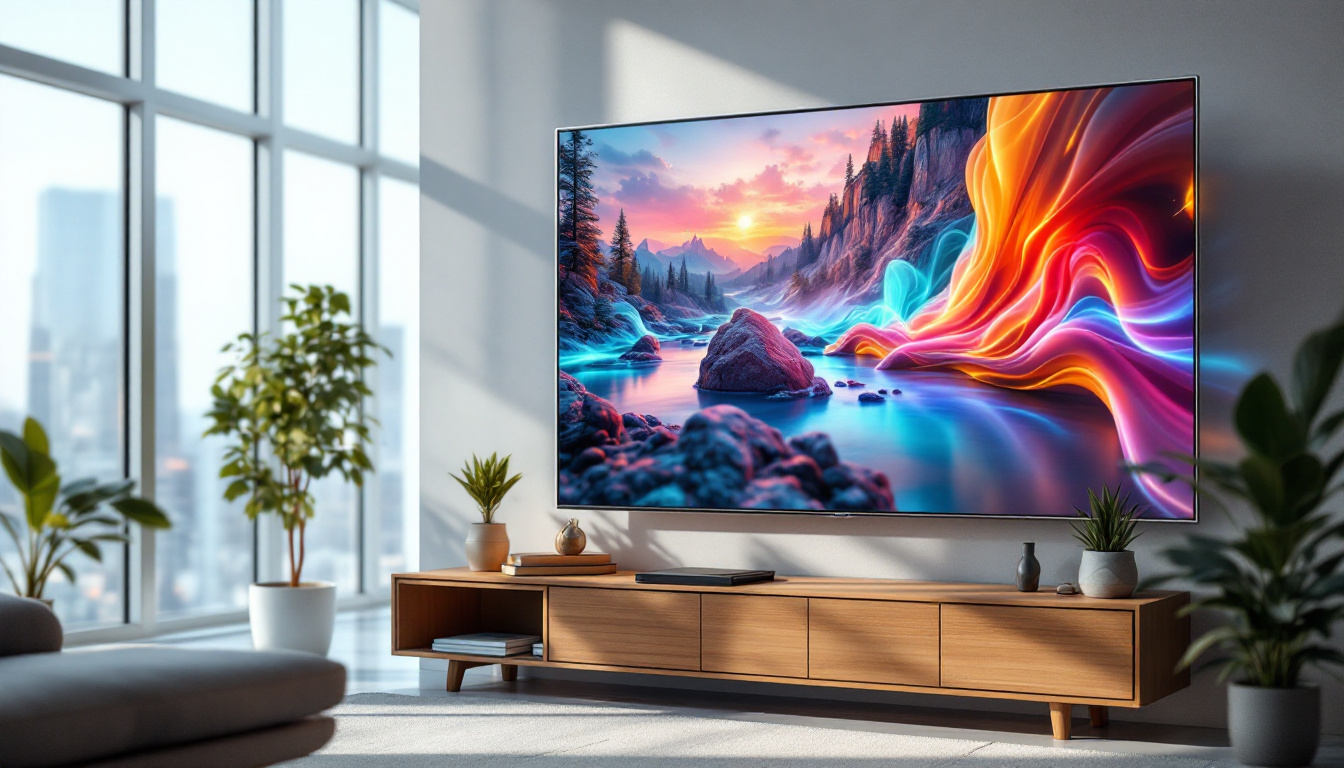
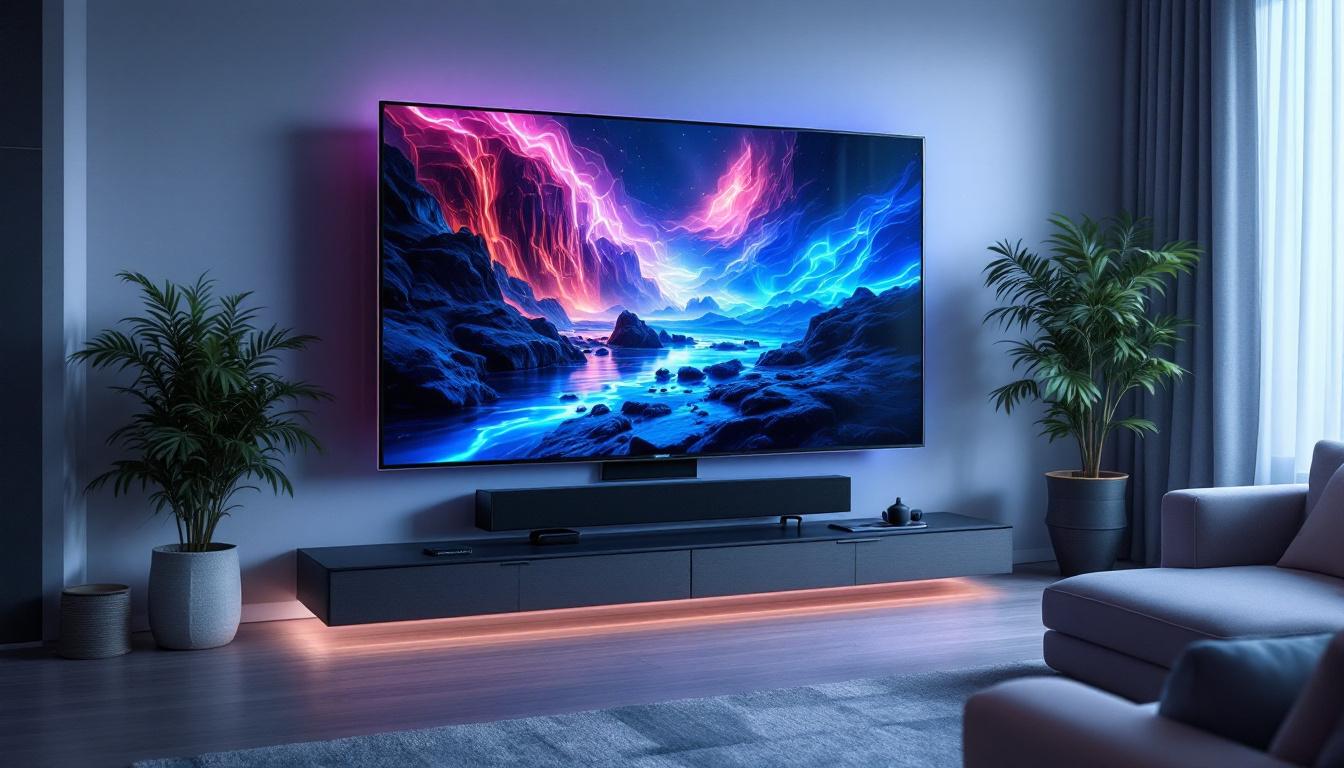
One of the most significant advantages of LED smart TVs is their slim design, which makes them ideal for wall mounting. Unlike older CRT or plasma TVs, LED TVs can be mounted flush against the wall, creating a sleek, modern look that blends seamlessly with contemporary interiors.
This slim profile not only saves space but also reduces clutter by eliminating the need for bulky stands or cabinets. Many manufacturers design their LED TVs with minimal bezels, further enhancing the visual appeal when mounted on a wall. This design feature allows for a more immersive viewing experience, as the screen appears to float in the room, drawing viewers into the action without the distraction of surrounding furniture. Additionally, wall-mounted TVs can be strategically placed at eye level, ensuring optimal viewing angles and comfort.
Energy Efficiency and Longevity
LED technology is known for its energy efficiency. According to the U.S. Department of Energy, LED-backlit LCD TVs consume approximately 30-40% less power than CCFL-backlit LCD TVs. This reduction in energy consumption translates to lower electricity bills and a smaller environmental footprint.
Additionally, LEDs have a longer lifespan compared to other backlighting technologies. Most LED TVs can last upwards of 60,000 hours of viewing, which means you can enjoy your smart TV for many years without worrying about backlight degradation affecting picture quality. This longevity not only makes LED TVs a cost-effective choice over time but also reduces the frequency of electronic waste, contributing to a more sustainable environment. With advancements in technology, many newer models are also designed with recyclable materials, further enhancing their eco-friendly appeal.
Enhanced Picture Quality
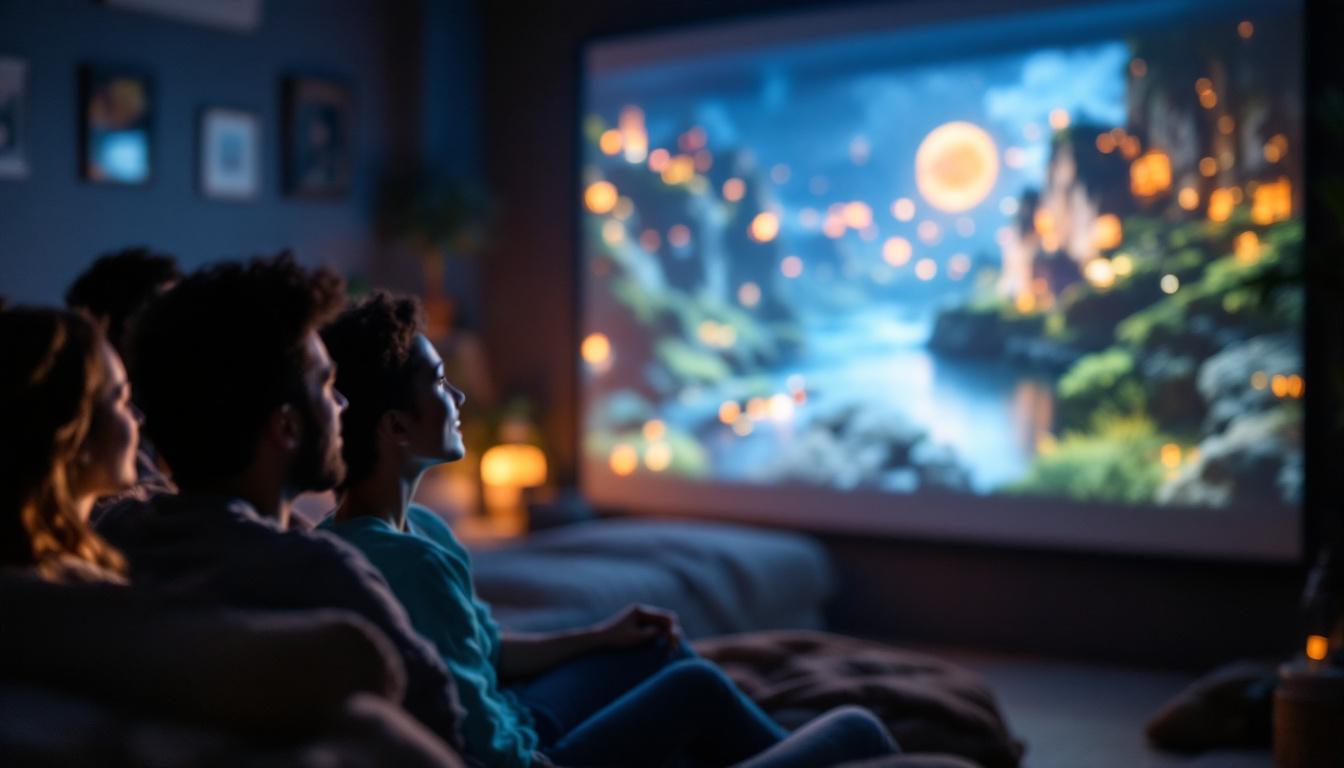
LED smart TVs deliver bright, vivid images with excellent color accuracy and contrast ratios. Full-array LED TVs with local dimming can achieve deeper blacks and more dynamic scenes, which is particularly beneficial for watching movies, sports, or playing video games.
Moreover, many LED smart TVs support high dynamic range (HDR) content, which further improves the viewing experience by expanding the range of colors and brightness levels displayed on the screen. This capability allows for a more lifelike representation of images, making scenes more engaging and realistic. Additionally, advancements in technology such as quantum dot displays have further enhanced color reproduction, allowing viewers to experience a wider spectrum of colors that were previously unattainable in standard displays. As a result, whether you are binge-watching your favorite series or enjoying a cinematic masterpiece, the visual experience is nothing short of breathtaking.
Considerations When Choosing an LED Smart TV for Wall Mounting
Screen Size and Viewing Distance
Choosing the right screen size is critical to maximizing the benefits of an LED smart TV on your wall. The ideal size depends on the viewing distance and the room layout. For example, a 55-inch TV is suitable for a viewing distance of about 7 to 9 feet, while larger rooms may benefit from 65-inch or even 75-inch models.
Experts recommend a viewing distance of approximately 1.5 to 2.5 times the diagonal size of the TV for optimal comfort and immersion. Measuring your space before purchasing ensures the TV fits well without overwhelming the room or causing eye strain.
Wall Mount Compatibility and Installation
Not all TVs are compatible with every wall mount. It’s essential to verify the VESA (Video Electronics Standards Association) mounting pattern of the TV, which specifies the distance between mounting holes on the back of the unit. Common VESA sizes include 200×200 mm, 400×400 mm, and 600×400 mm.
Additionally, consider the weight of the TV and ensure your wall mount and wall structure can safely support it. For drywall installations, using anchors or mounting into studs is necessary for stability. Professional installation is recommended for larger TVs to avoid damage and ensure safety.
Connectivity and Smart Features
Since the TV will be mounted on the wall, accessibility to ports and cables should be considered. Many LED smart TVs come with multiple HDMI ports, USB inputs, and audio outputs. Planning cable management solutions such as in-wall cable routing or cable covers can maintain a clean appearance.
Smart features such as built-in streaming apps, voice control compatibility, and integration with smart home devices add convenience and enhance usability. Ensure the TV’s operating system supports the apps and services you use most frequently.
Comparing LED TVs with Other Display Technologies
LED vs. OLED
While LED TVs use LED backlighting behind an LCD panel, OLED (Organic Light Emitting Diode) TVs feature self-emissive pixels that produce their own light. This fundamental difference gives OLED TVs superior contrast ratios and perfect blacks since individual pixels can be turned off completely.
However, OLED TVs are generally more expensive and may have concerns regarding image retention or burn-in with static content. LED TVs, especially full-array models with local dimming, offer a more affordable option with excellent brightness and color performance suitable for most users.
LED vs. QLED
QLED (Quantum Dot LED) TVs are a subset of LED TVs that use quantum dot technology to enhance color accuracy and brightness. They typically deliver more vibrant colors and higher peak brightness than standard LED TVs, making them excellent for bright rooms and HDR content.
QLED TVs maintain the same advantages of LED technology, such as energy efficiency and slim design, while offering a premium viewing experience. They are often positioned as a middle ground between traditional LED and OLED TVs in terms of price and performance.
Maintaining Your Wall-Mounted LED Smart TV
Cleaning and Care Tips
Keeping your LED smart TV clean is essential for maintaining picture quality and prolonging its lifespan. Use a soft, lint-free microfiber cloth to gently wipe the screen, avoiding abrasive materials that could scratch the surface.
For stubborn smudges, slightly dampen the cloth with distilled water or a screen-safe cleaner specifically designed for electronics. Never spray liquids directly onto the screen to prevent damage to internal components.
Optimizing Picture Settings
After installation, take time to adjust the TV’s picture settings according to your room’s lighting conditions. Many LED smart TVs come with preset modes such as Cinema, Sports, or Vivid. Experimenting with brightness, contrast, color temperature, and sharpness can significantly improve your viewing experience.
Some models also feature automatic brightness adjustment based on ambient light, which helps reduce eye strain and conserve energy.
Conclusion
LED smart TVs represent a versatile and popular choice for wall-mounted home entertainment systems. Their combination of slim design, energy efficiency, and impressive picture quality makes them well-suited for a variety of living spaces and viewing preferences.
Understanding the nuances of LED display technology, including backlighting types and smart features, empowers consumers to select the right TV that fits both their technical requirements and aesthetic desires. By considering factors such as screen size, mounting compatibility, and connectivity, users can create a seamless and immersive viewing environment that enhances everyday entertainment.
As display technology continues to evolve, LED smart TVs remain a reliable and accessible option, offering excellent value and performance for years to come.
Discover the Future of Home Entertainment with LumenMatrix
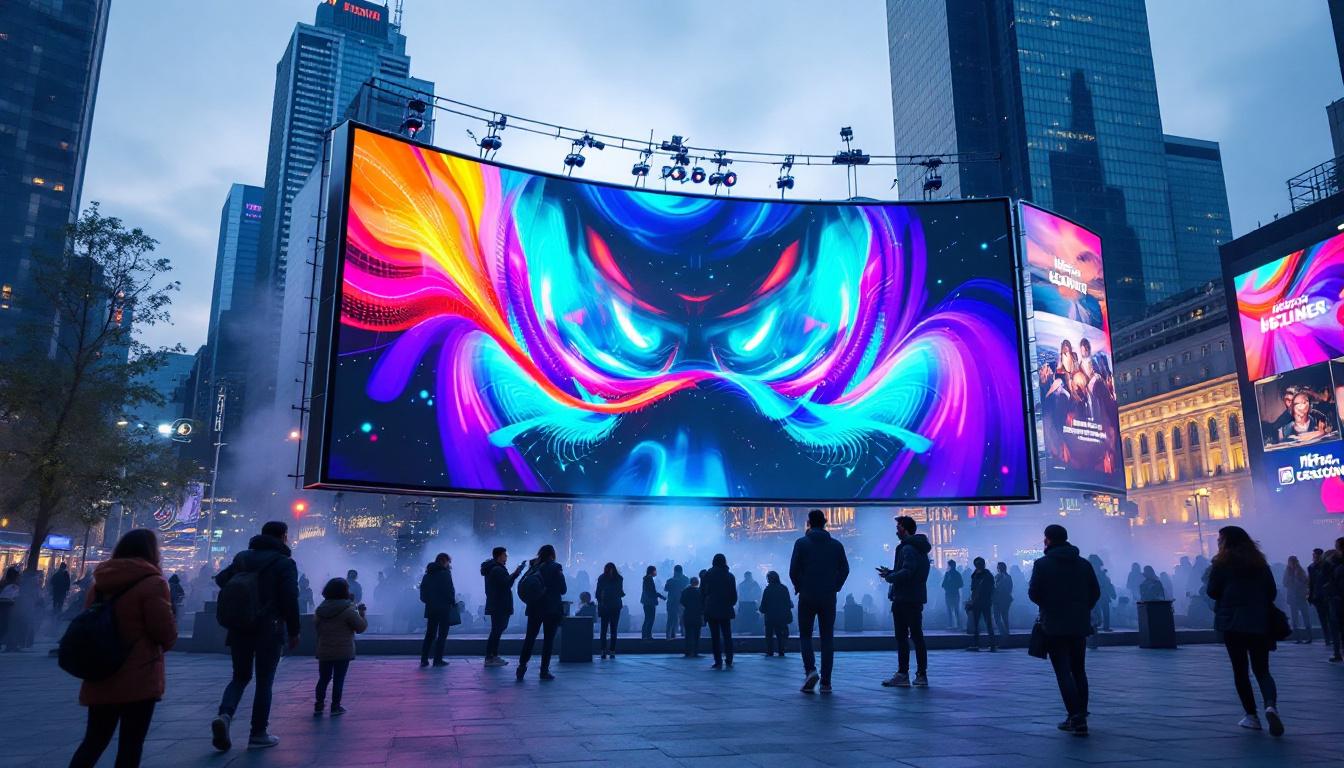
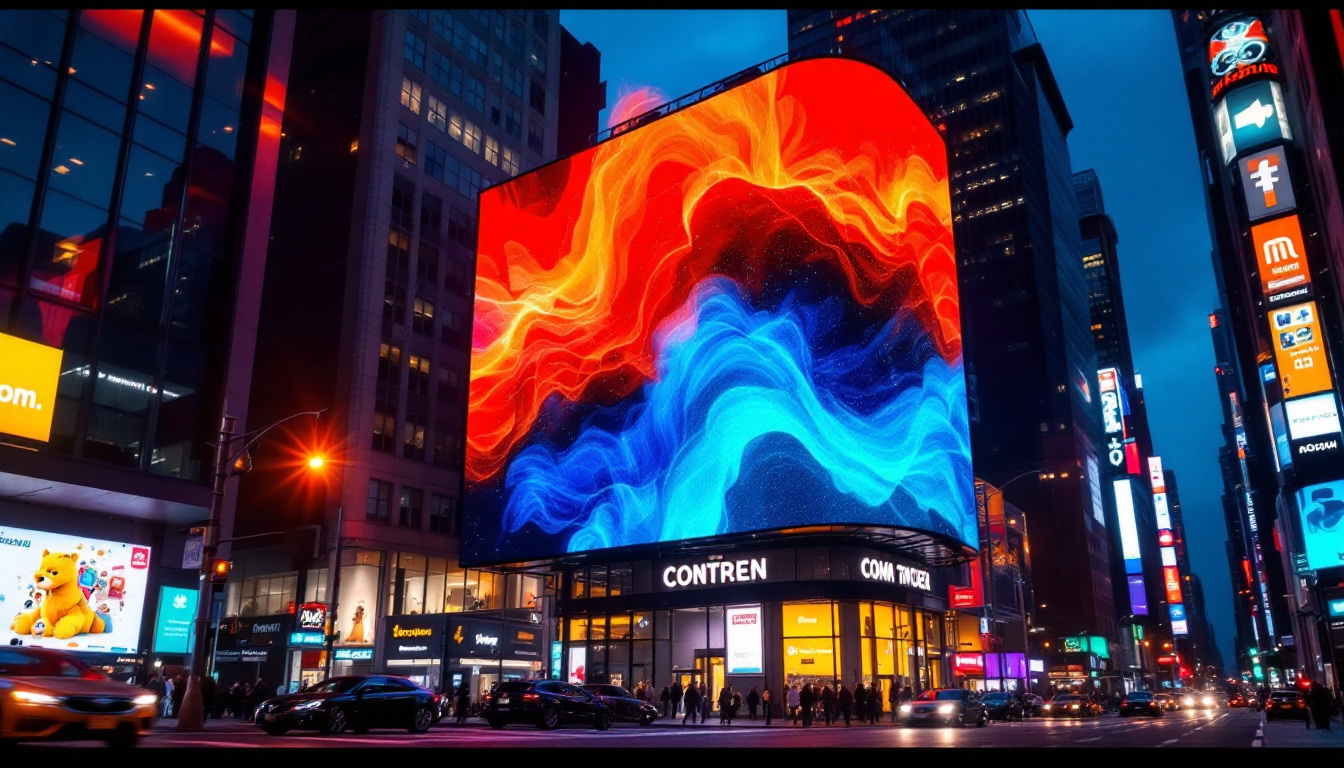
Ready to elevate your home entertainment experience with the latest in LED display technology? LumenMatrix is at the forefront of innovation, offering a wide range of LED display solutions that bring your favorite content to life. From the comfort of your living room to the excitement of outdoor gatherings, our Indoor and Outdoor LED Wall Displays, along with specialized options like Vehicle LED Displays and LED Sports Displays, ensure that you enjoy unparalleled brightness, clarity, and color accuracy. Embrace the future of visual engagement and check out LumenMatrix LED Display Solutions today to transform the way you watch, play, and interact.