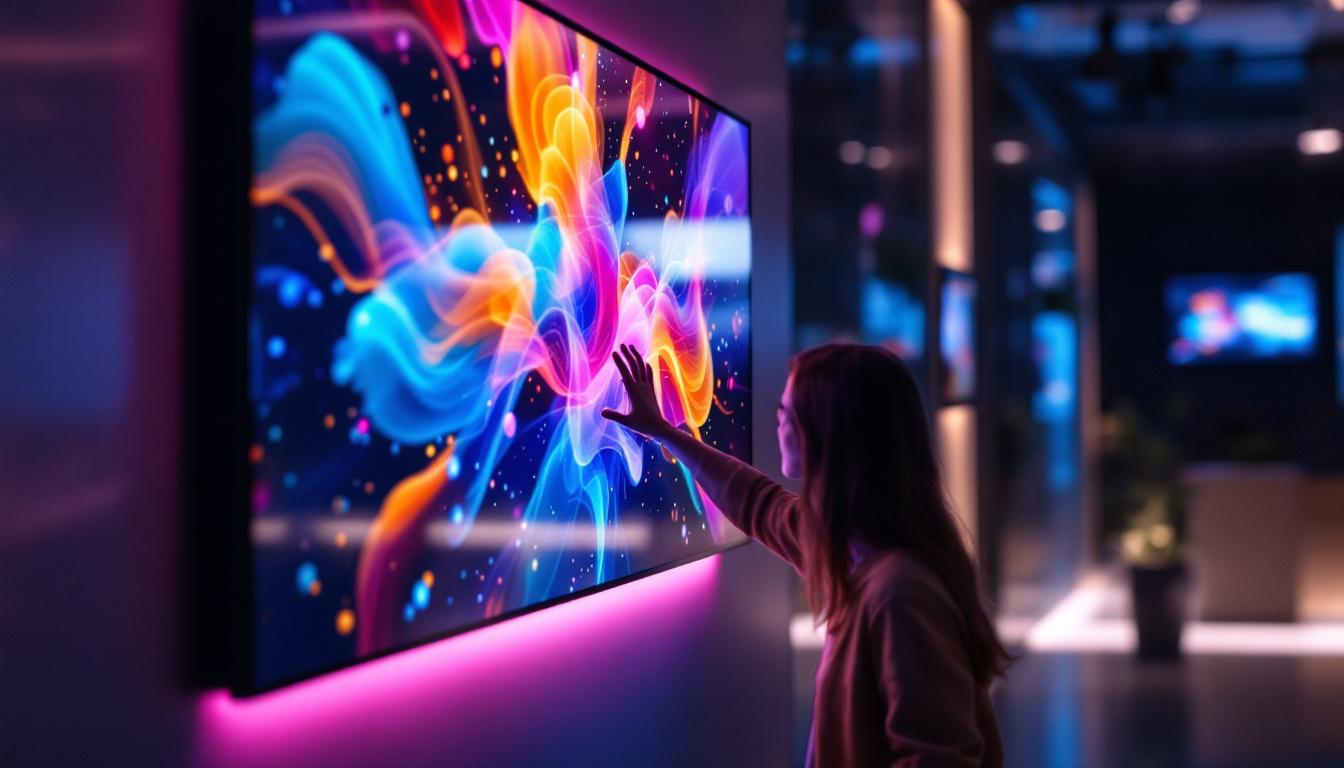
In the rapidly evolving world of display technology, terms like NQED and LED often come up, sometimes causing confusion among consumers and professionals alike. One common question is whether an NQED device includes a light panel and how it compares to LED displays. This article aims to clarify these concepts, providing a comprehensive understanding of NQED technology, the role of light panels, and how LED displays function.
Understanding NQED Technology
The term “NQED” is often misunderstood or misrepresented in various contexts. While not a widely standardized acronym in mainstream display technology, NQED is sometimes used to describe a specific type of display technology or a proprietary system involving advanced light modulation techniques. To address the question accurately, it is essential to break down what NQED implies and how it relates to light panels.
What Does NQED Stand For?
NQED is occasionally interpreted as “Nano Quantum Emitting Diode” or similar variations, suggesting a next-generation display technology that leverages quantum dots or nano-scale light emitters. These technologies aim to enhance brightness, color accuracy, and energy efficiency beyond traditional LED or OLED displays. However, the term is not universally adopted or standardized, which can lead to confusion.
In some niche applications, NQED might refer to a hybrid display system combining quantum dot technology with LED backlighting or direct emission. The key takeaway is that NQED generally implies a display system that involves some form of light emission or modulation at the nano or quantum scale.
Does NQED Have a Light Panel?
Since NQED technology centers around emitting or modulating light at a very small scale, it inherently involves some form of light panel or light-emitting surface. The “panel” in this context refers to the physical substrate or layer where the light emission occurs. Unlike traditional LCDs that rely on external backlighting, NQED displays typically integrate the light source within the panel itself, often through arrays of nano-emitters or quantum dots.
Therefore, if a device is truly based on NQED technology, it would indeed have a light panel, but this panel is fundamentally different from conventional LED backlight panels. Instead of merely illuminating pixels from behind, the NQED panel actively emits light at the pixel level, enabling superior contrast and color performance.
This innovative approach not only enhances the visual experience but also opens up new possibilities for display design. For instance, because the light is emitted directly from the panel, manufacturers can create thinner and more flexible displays, which are ideal for applications such as wearable technology or curved screens. Additionally, the integration of quantum dots allows for a wider color gamut, making NQED displays particularly appealing for high-end televisions and professional monitors where color fidelity is paramount.
Moreover, the energy efficiency of NQED technology is noteworthy. By utilizing nano-scale emitters, these displays can achieve higher brightness levels without consuming excessive power, which is a critical factor in today’s eco-conscious market. This efficiency not only reduces operational costs for consumers but also contributes to a lower environmental impact, aligning with global efforts to promote sustainable technology solutions. As research and development in this field continue to advance, we may see even more groundbreaking applications of NQED technology across various industries.
LED Displays: The Industry Standard
To understand the significance of NQED and its light panel, it’s important to first grasp the fundamentals of LED displays, which dominate the market today.
How LED Displays Work
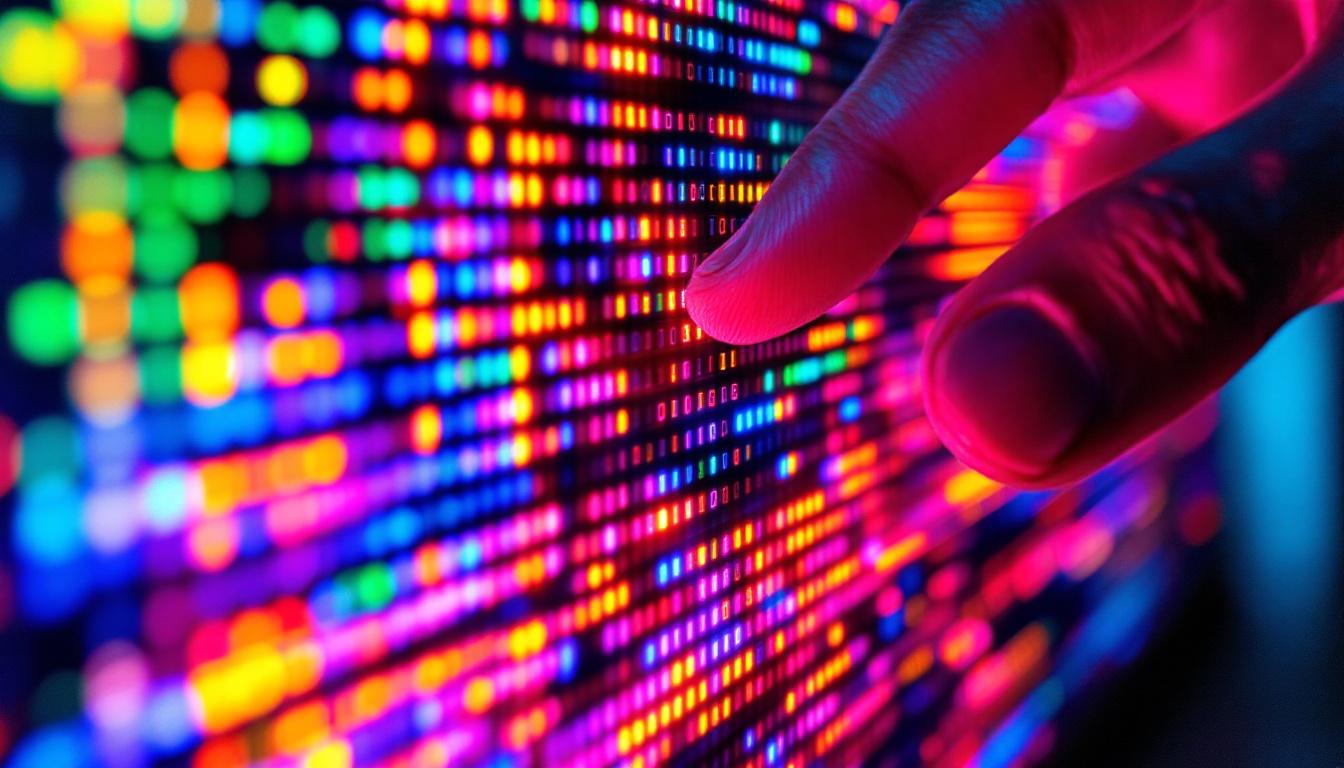
LED, or Light Emitting Diode, displays use an array of tiny light-emitting diodes to produce images. There are two primary types of LED displays:
- Direct-LED (or LED TV): These displays use LEDs as the primary light source behind an LCD panel. The LEDs illuminate the liquid crystal display, which modulates the light to create images.
- MicroLED: A newer technology where each pixel is a microscopic LED that emits its own light, similar to OLED but with inorganic materials, offering higher brightness and longer lifespan.
In both cases, the light panel is a crucial component. For traditional LED TVs, the light panel is the backlight layer composed of LEDs, while in MicroLEDs, the light panel is the actual pixel array. The ability of MicroLEDs to provide individual pixel illumination allows for deeper blacks and a more dynamic contrast ratio, which enhances the viewing experience significantly. This technology is paving the way for future innovations in display quality and design.
Advantages of LED Light Panels
LED light panels offer several benefits that have made them the preferred choice for displays:
- Energy Efficiency: LEDs consume less power compared to older technologies like CCFL backlights.
- Brightness: LED panels can achieve high brightness levels, making them suitable for bright environments.
- Color Accuracy: With advancements like quantum dots, LED displays can produce vibrant and accurate colors.
- Thin Design: LED backlights are compact, allowing for sleek and thin display designs.
Moreover, LED displays are increasingly being recognized for their environmental benefits. The longevity of LED technology means that fewer replacements are needed over time, which reduces waste and the demand for new materials. Additionally, many manufacturers are now focusing on sustainable practices, such as using recyclable materials in their production processes. This shift not only appeals to environmentally conscious consumers but also aligns with global efforts to reduce carbon footprints and promote sustainability in technology.
Furthermore, the versatility of LED displays extends beyond just televisions and monitors. They are widely used in various applications, from large-scale outdoor billboards to intricate digital signage in retail environments. This adaptability makes LED technology a cornerstone of modern visual communication, allowing businesses to engage customers through dynamic and eye-catching displays. As the demand for high-quality visual content continues to grow, the role of LED displays in shaping our viewing experiences will only become more pronounced.
Comparing NQED and LED Displays
With a basic understanding of both NQED and LED technologies, it’s useful to compare their characteristics, especially regarding their light panels and display performance.
Light Panel Structure and Function
Traditional LED displays rely on a backlight panel composed of LEDs that illuminate an LCD layer. This means the light source and the image modulation layer are separate. In contrast, NQED technology integrates the light emission and image formation into a single panel, often at the nano or quantum level.
This integration allows NQED displays to achieve:
- Higher Contrast Ratios: Because each pixel can emit light independently and be turned off completely, blacks are deeper and contrast is enhanced.
- Improved Color Gamut: Quantum dots or nano emitters can produce purer colors, expanding the display’s color range.
- Better Energy Efficiency: By eliminating the need for a separate backlight, power consumption can be reduced.
Current Market Availability
While LED displays are ubiquitous in televisions, monitors, smartphones, and digital signage, NQED technology is still emerging. Some companies are investing in research and development of quantum dot and nano-emitter displays, but widespread commercial adoption remains limited.
MicroLED, a related technology, is gaining traction and shares many benefits attributed to NQED concepts. However, production challenges and high costs currently restrict MicroLED’s availability to premium markets.
Why Understanding Light Panels Matters for Consumers and Professionals
Whether purchasing a new television, designing digital signage, or developing advanced display systems, understanding the role of light panels and display technologies is crucial for making informed decisions.
Impact on Image Quality
The type of light panel directly influences image quality, including brightness, contrast, color accuracy, and viewing angles. For instance, a display with an integrated light-emitting panel like NQED or MicroLED can deliver superior performance compared to traditional LED-backlit LCDs.
Energy Consumption and Environmental Considerations
Displays with efficient light panels consume less energy, contributing to lower electricity bills and reduced environmental impact. Technologies that integrate light emission at the pixel level tend to be more energy-efficient, an important factor for both consumers and businesses.
Longevity and Durability
Light panels based on inorganic materials, such as LEDs and potentially NQED nano-emitters, generally have longer lifespans and better resistance to burn-in compared to organic alternatives like OLED. This makes them suitable for applications requiring long-term reliability.
The Future of Display Technology: Where Does NQED Fit?
As display technology continues to evolve, the integration of nano-scale light emitters and quantum dot materials promises exciting advancements. NQED, whether as a distinct technology or a conceptual framework, represents a step toward more efficient, brighter, and more color-accurate displays.
Research and Development Trends
Leading electronics manufacturers and research institutions are investing heavily in quantum dot and nano-emitter technologies. These efforts aim to overcome current limitations such as manufacturing complexity and cost, paving the way for mass-market adoption.
Potential Applications
NQED and similar technologies could revolutionize various fields:
- Consumer Electronics: Ultra-high-definition televisions and mobile devices with unparalleled image quality.
- Medical Imaging: Displays with precise color and contrast for diagnostic accuracy.
- Augmented and Virtual Reality: Lightweight, high-brightness displays for immersive experiences.
- Automotive Displays: Durable, energy-efficient panels for dashboards and heads-up displays.
Conclusion
To answer the question directly: yes, an NQED display would have a light panel, though it differs significantly from conventional LED backlight panels. NQED technology integrates light emission at the nano or quantum level within the panel itself, offering potential advantages in brightness, color accuracy, and energy efficiency.
While LED displays remain the industry standard today, emerging technologies like NQED and MicroLED are poised to redefine the future of visual displays. Understanding these technologies and their light panels helps consumers and professionals make better choices and appreciate the innovations shaping the screens of tomorrow.
Explore Cutting-Edge LED Displays with LumenMatrix
As you consider the future of display technology and the exciting advancements that NQED and MicroLED offer, LumenMatrix stands at the forefront of these innovations. Our commitment to enhancing visual communication drives us to provide a wide array of LED display solutions, from Indoor and Outdoor LED Walls to specialized formats like Vehicle and Sports Displays. Experience the transformative power of our LED displays and see how they can amplify your brand’s message with unparalleled clarity and impact. Check out LumenMatrix LED Display Solutions and join us in shaping the future of digital signage.