In the rapidly evolving world of digital signage and large-scale displays, LED technology continues to lead the way with innovative solutions that combine visibility, flexibility, and energy efficiency. Among these innovations, LED mesh stands out as a transformative display technology that is reshaping how brands, event organizers, and architects approach visual communication. This article delves into the fundamentals of LED mesh, its unique advantages, practical applications, and key considerations for those looking to integrate this technology into their projects.
What is LED Mesh?
LED mesh is a type of LED display technology characterized by its lightweight, semi-transparent structure. Unlike traditional LED panels that are solid and opaque, LED mesh consists of a grid of LED nodes connected by thin, flexible wiring. This design allows light to pass through the display, creating a see-through effect that is both visually striking and functionally versatile. The ability to blend seamlessly with architectural elements makes LED mesh an ideal choice for modern design aesthetics, enhancing the visual appeal of buildings and installations.
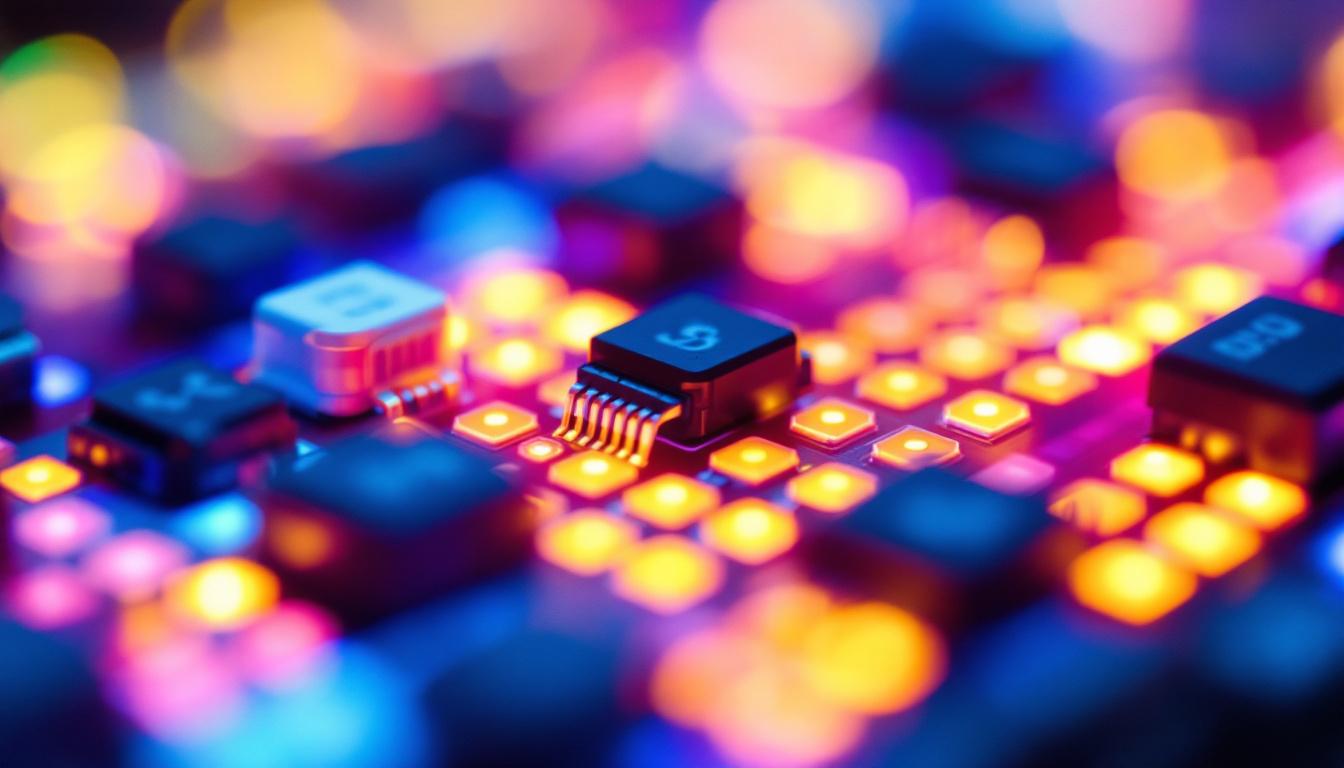
The mesh is typically made from durable materials such as aluminum or high-strength plastic, ensuring robustness while maintaining flexibility. The LED nodes are spaced at regular intervals, which can vary depending on the pixel pitch—the distance between individual LEDs—allowing for customization based on viewing distance and resolution requirements. This adaptability means that LED mesh can be tailored to suit a wide range of environments, from large outdoor advertising displays to intimate indoor installations, effectively meeting the needs of diverse applications.
How LED Mesh Differs from Traditional LED Displays
Traditional LED displays are generally rigid and heavy, making installation on unconventional surfaces challenging. They also block light and visibility completely, which can be a disadvantage in certain architectural or retail environments. LED mesh, by contrast, offers:
- Transparency: With up to 70% transparency, LED mesh can be installed on glass facades or windows without obstructing natural light or views.
- Lightweight Construction: The mesh structure significantly reduces weight, easing installation on delicate surfaces and reducing structural load.
- Flexibility: Its flexible design allows it to conform to curved surfaces and irregular shapes, expanding creative possibilities.
These features make LED mesh particularly attractive for applications where aesthetics and environmental integration are critical. Beyond just visual appeal, LED mesh displays can also serve functional purposes, such as providing information in retail environments or enhancing the ambiance of public spaces. For instance, in a shopping mall, an LED mesh display can showcase vibrant advertisements while still allowing shoppers to see through to the store displays behind it, creating a dynamic and engaging shopping experience. Additionally, the technology can be utilized for artistic installations, where the interplay of light and transparency can evoke emotions and provoke thought, making it a powerful tool for artists and designers alike.
Key Advantages of LED Mesh Displays
Energy Efficiency and Brightness
One of the standout benefits of LED mesh technology is its energy efficiency. Because the display consists of spaced-out LED nodes rather than a solid panel, it consumes less power while still delivering high brightness levels. This is especially important for outdoor installations where displays must compete with sunlight. Modern LED mesh systems can achieve brightness levels exceeding 5,000 nits, ensuring clear visibility even in direct sunlight.
Additionally, the reduced power consumption translates to lower operational costs and a smaller environmental footprint, aligning well with sustainability goals increasingly prioritized by businesses and municipalities. This energy efficiency not only benefits the bottom line but also supports a broader commitment to reducing greenhouse gas emissions. As more organizations seek to enhance their green credentials, the use of LED mesh displays can be a significant step toward achieving those objectives, making them an attractive option for environmentally conscious companies.
Enhanced Visual Impact with Transparency
The semi-transparent nature of LED mesh allows for a unique visual impact that traditional displays cannot replicate. By blending digital content with the environment behind the screen, LED mesh can create immersive experiences that feel integrated rather than intrusive. This is particularly effective in architectural applications where preserving the building’s original design and natural light is essential.
For example, a retail store can use LED mesh on its glass storefront to display dynamic advertisements without blocking the view inside, maintaining an inviting atmosphere while attracting attention. Furthermore, the ability to customize content in real-time means that businesses can adapt their messaging to suit different times of day or special events, enhancing engagement with passersby. This adaptability not only captures attention but also fosters a deeper connection between the brand and its audience, making LED mesh displays a powerful tool for storytelling and brand promotion.
Ease of Installation and Maintenance
LED mesh panels are modular and lightweight, which simplifies transportation, handling, and installation. They can be mounted on various surfaces including glass, metal frames, and even curved structures. This flexibility reduces installation time and labor costs. The modular design also allows for easy scalability; businesses can start with a smaller installation and expand as needed without significant redesign or structural changes.
Maintenance is also more straightforward compared to traditional LED walls. Individual mesh panels can be replaced or serviced without dismantling the entire display, minimizing downtime and associated costs. Moreover, many LED mesh systems come equipped with remote monitoring capabilities, allowing operators to diagnose issues and perform preventive maintenance from afar. This proactive approach not only extends the lifespan of the displays but also ensures that the content remains vibrant and engaging, ultimately enhancing the overall user experience.
Applications of LED Mesh in Various Industries
Architectural and Building Facades
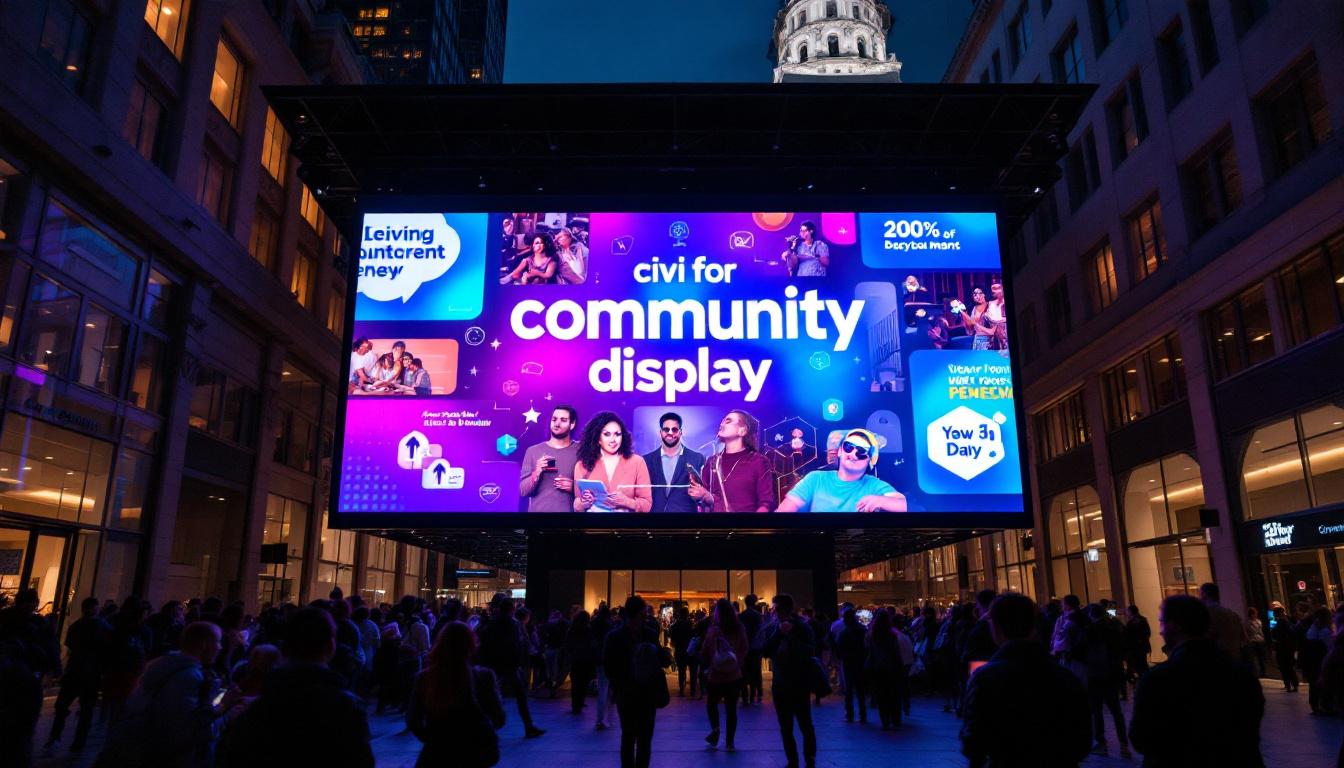
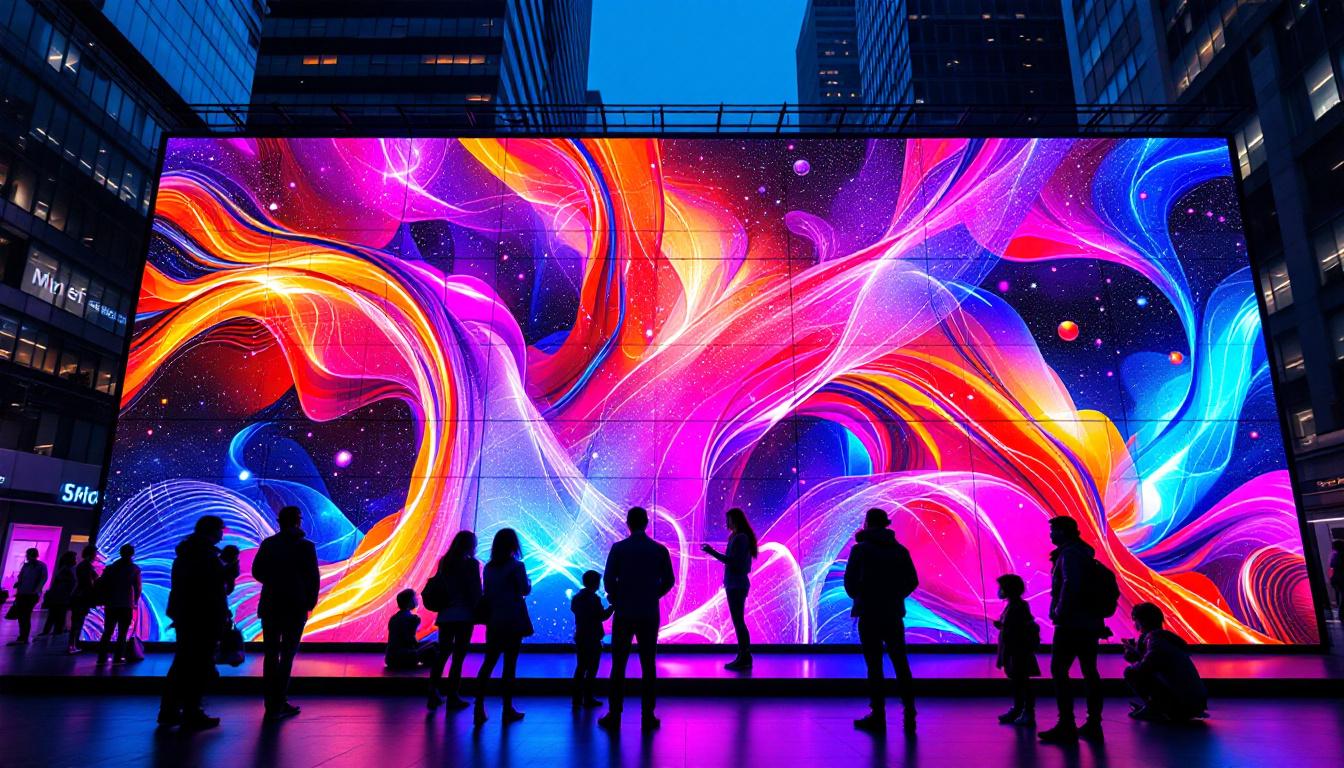
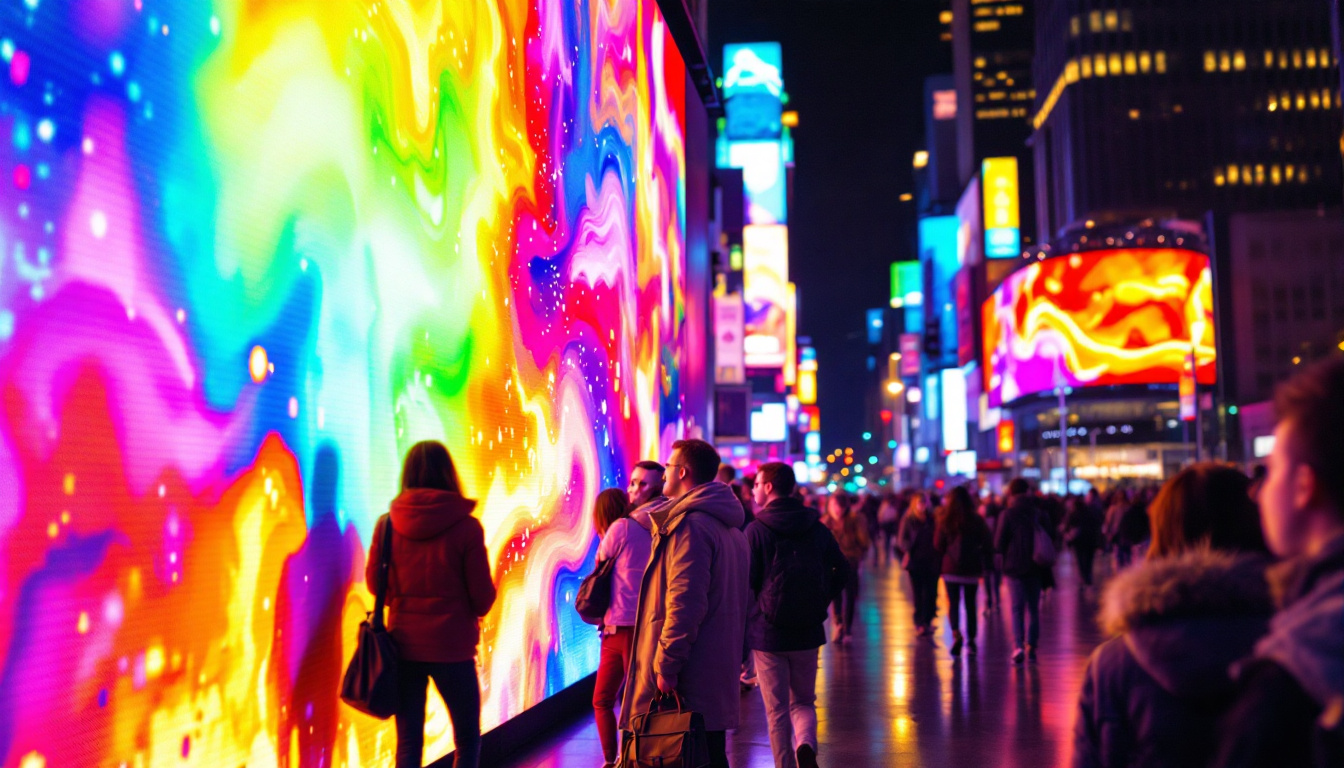
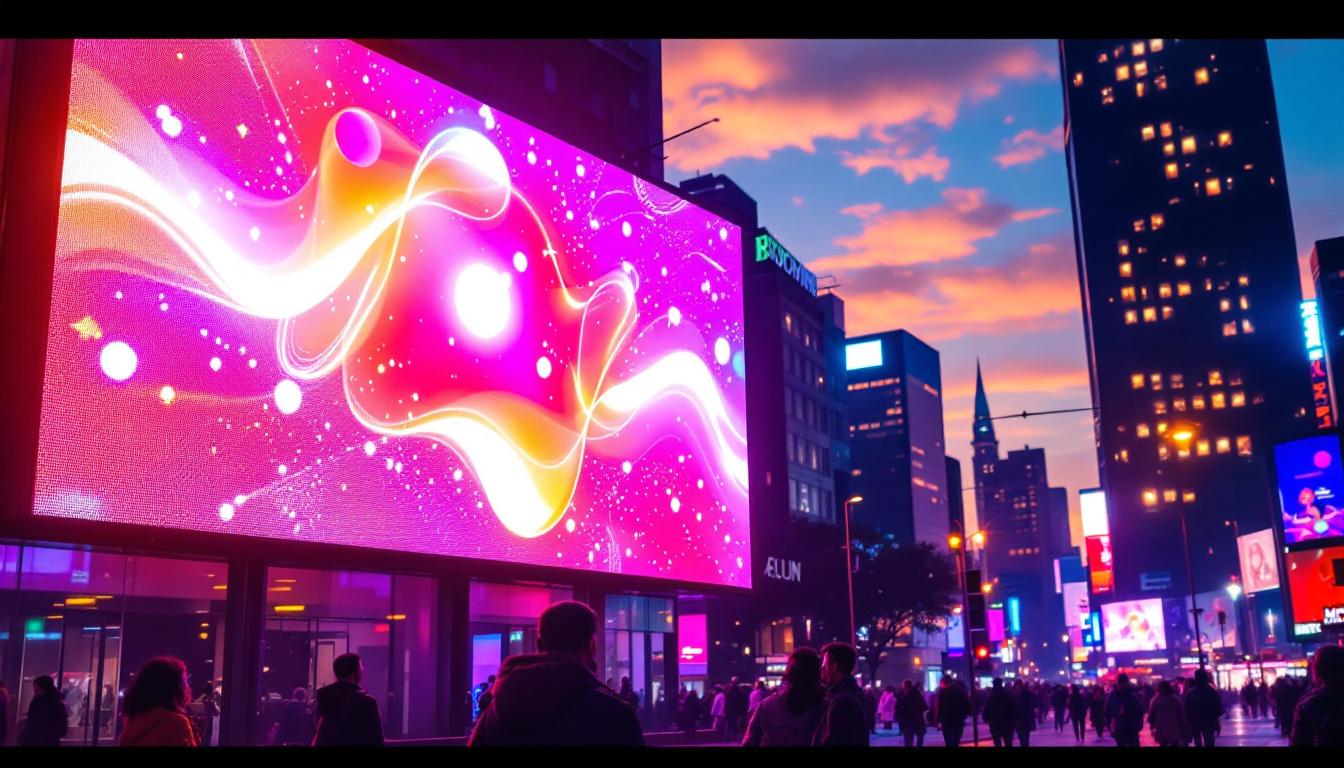
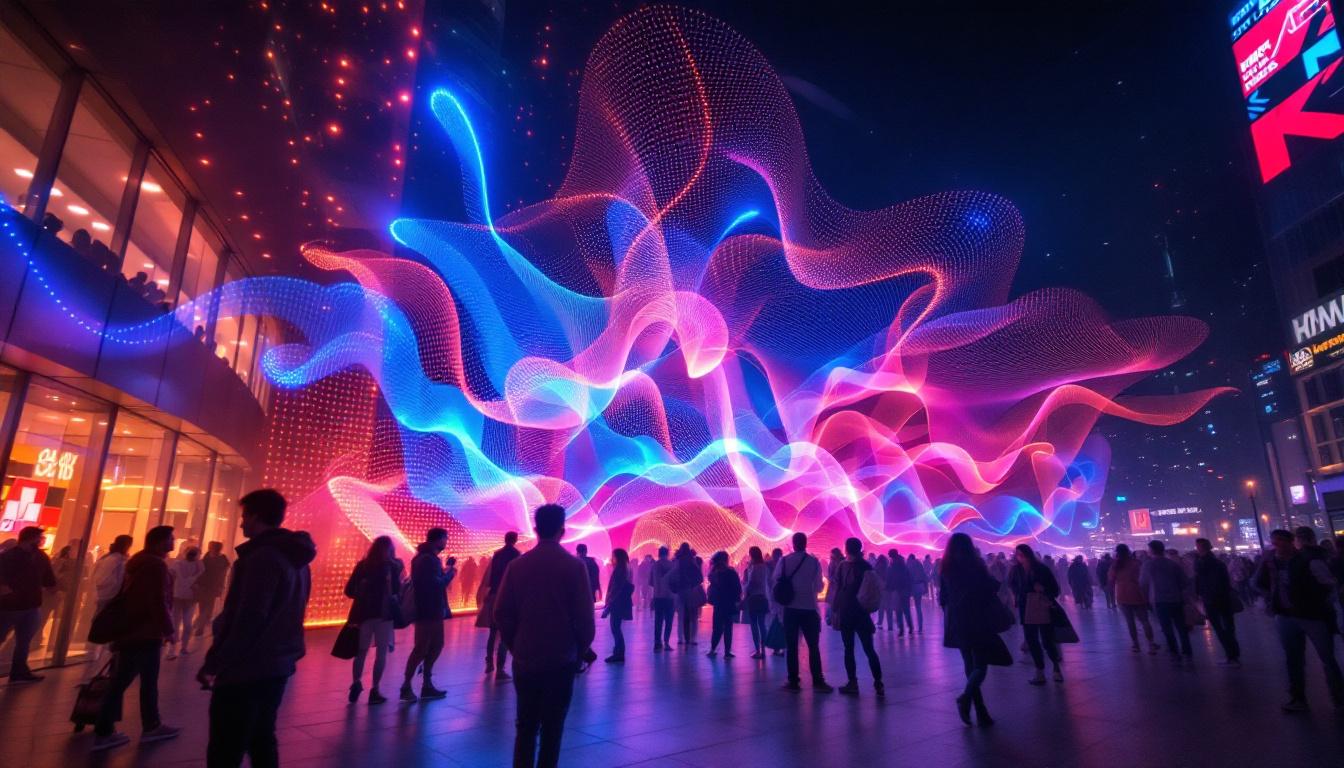
LED mesh has become a popular choice for enhancing building facades, especially in urban environments where digital displays are used to convey branding, announcements, or artistic installations. Its transparency allows buildings to maintain their architectural integrity while adding a dynamic digital layer.
For instance, skyscrapers in cities like New York and Shanghai have incorporated LED mesh to create large-scale, animated facades that captivate viewers without compromising natural light inside the building.
Retail and Advertising
Retailers benefit from LED mesh by transforming storefronts and windows into engaging advertising spaces. The ability to display vibrant, moving images while preserving visibility into the store helps attract customers without sacrificing the shopping experience.
Brands can update content in real-time, tailoring promotions to time of day, weather, or special events, which enhances marketing effectiveness and customer engagement.
Events and Entertainment
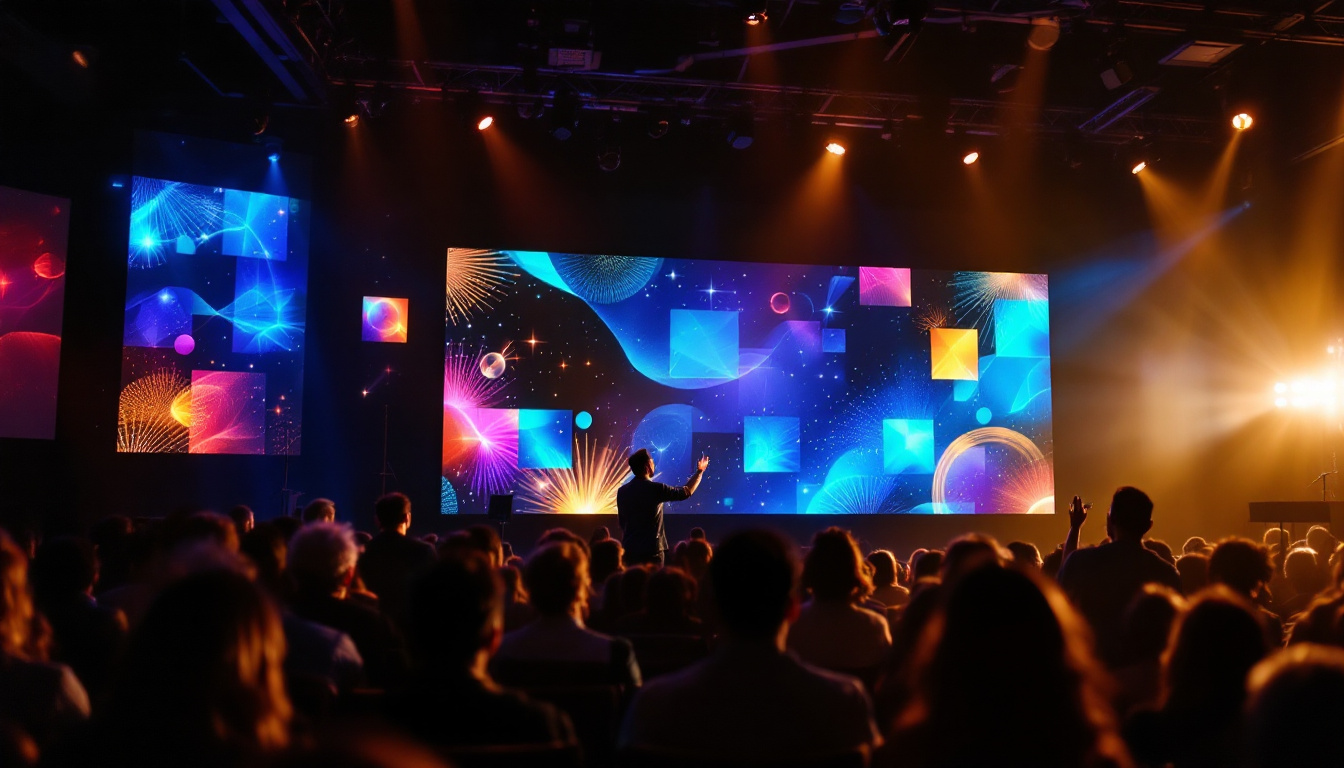
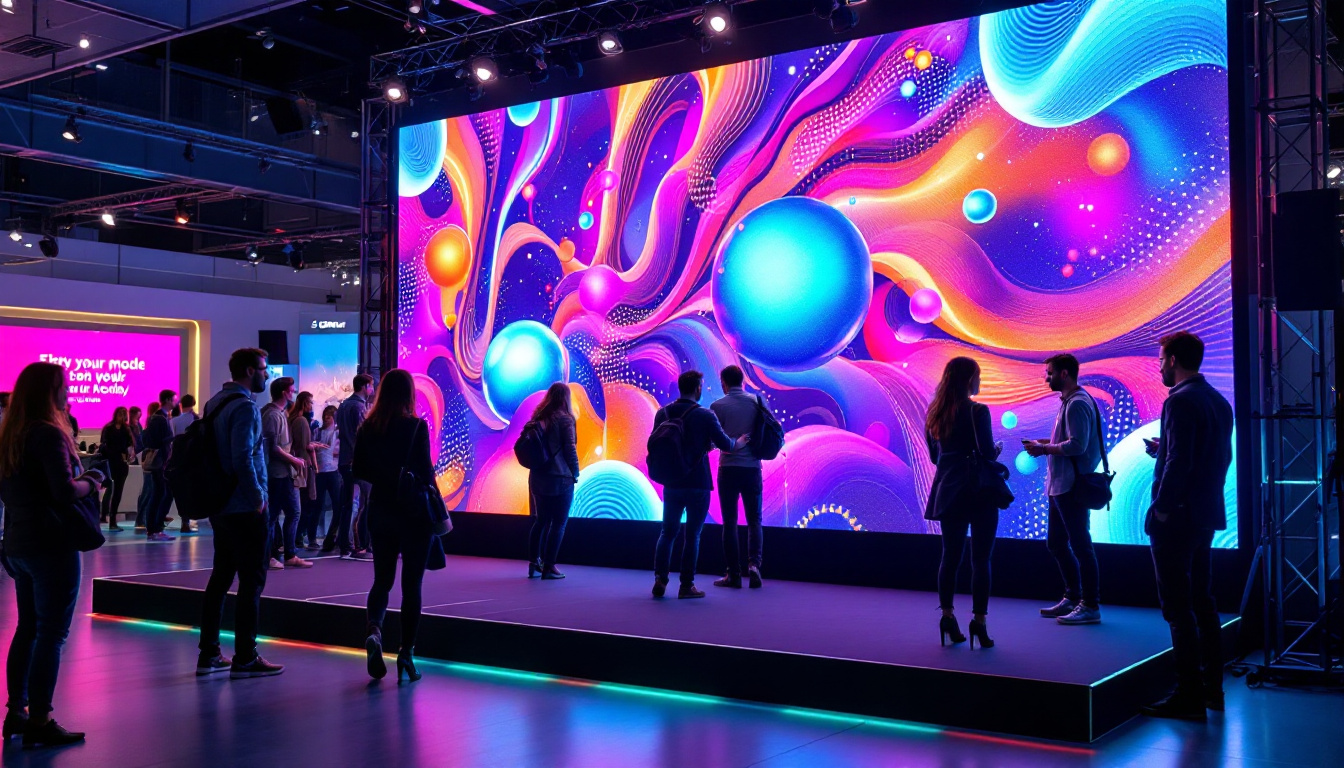
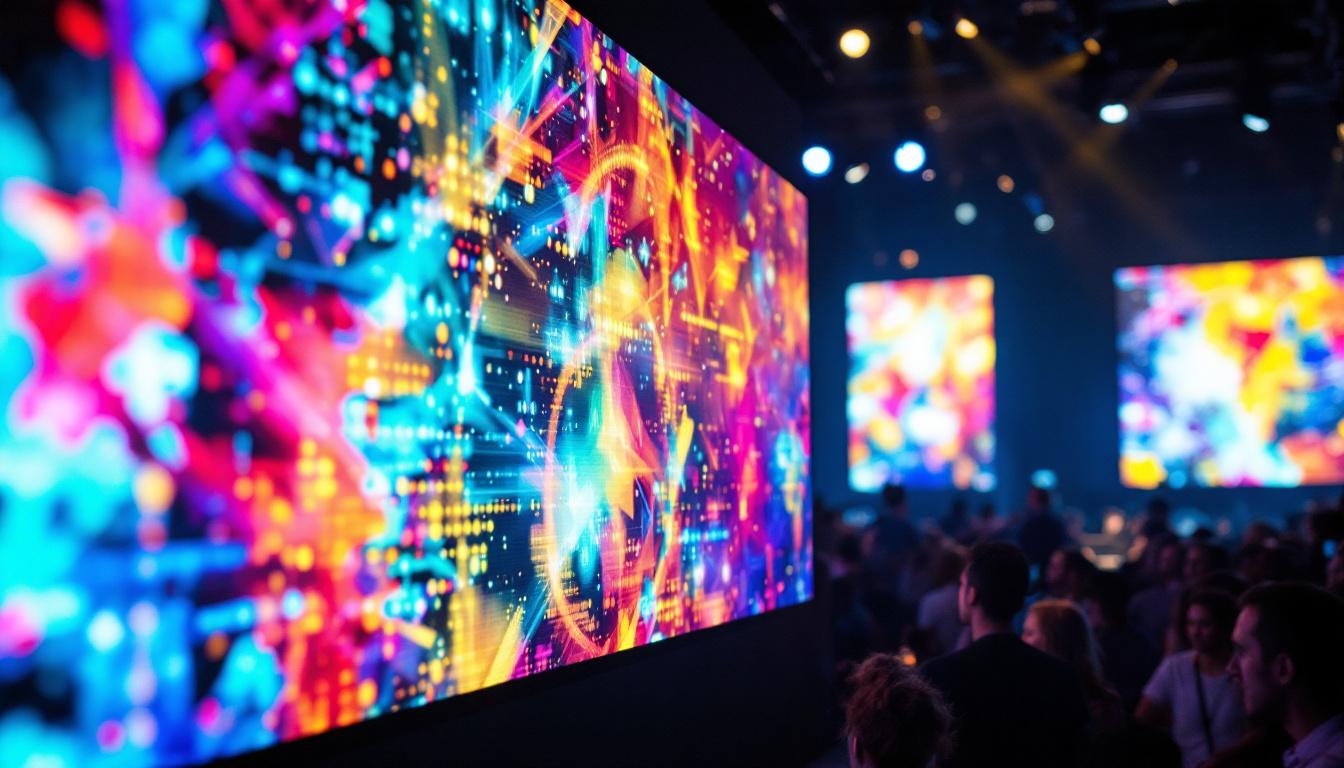
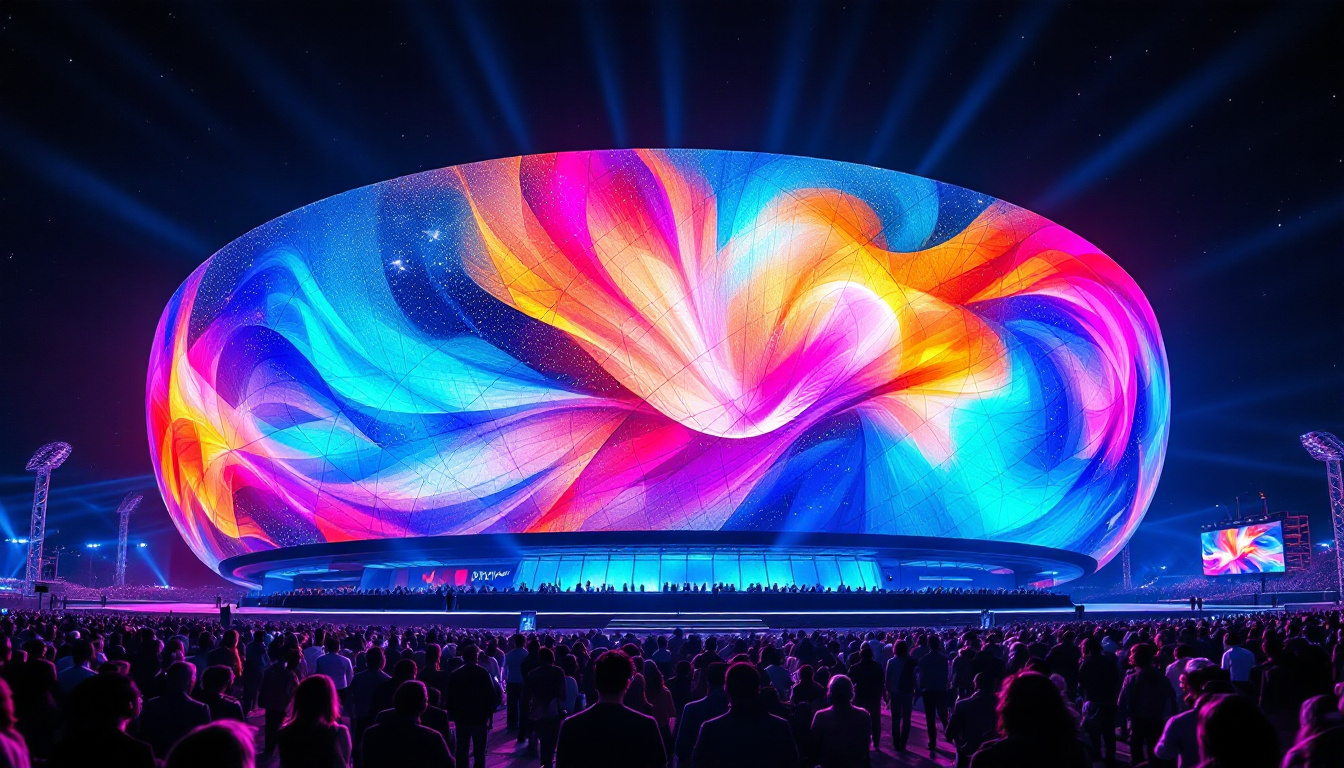
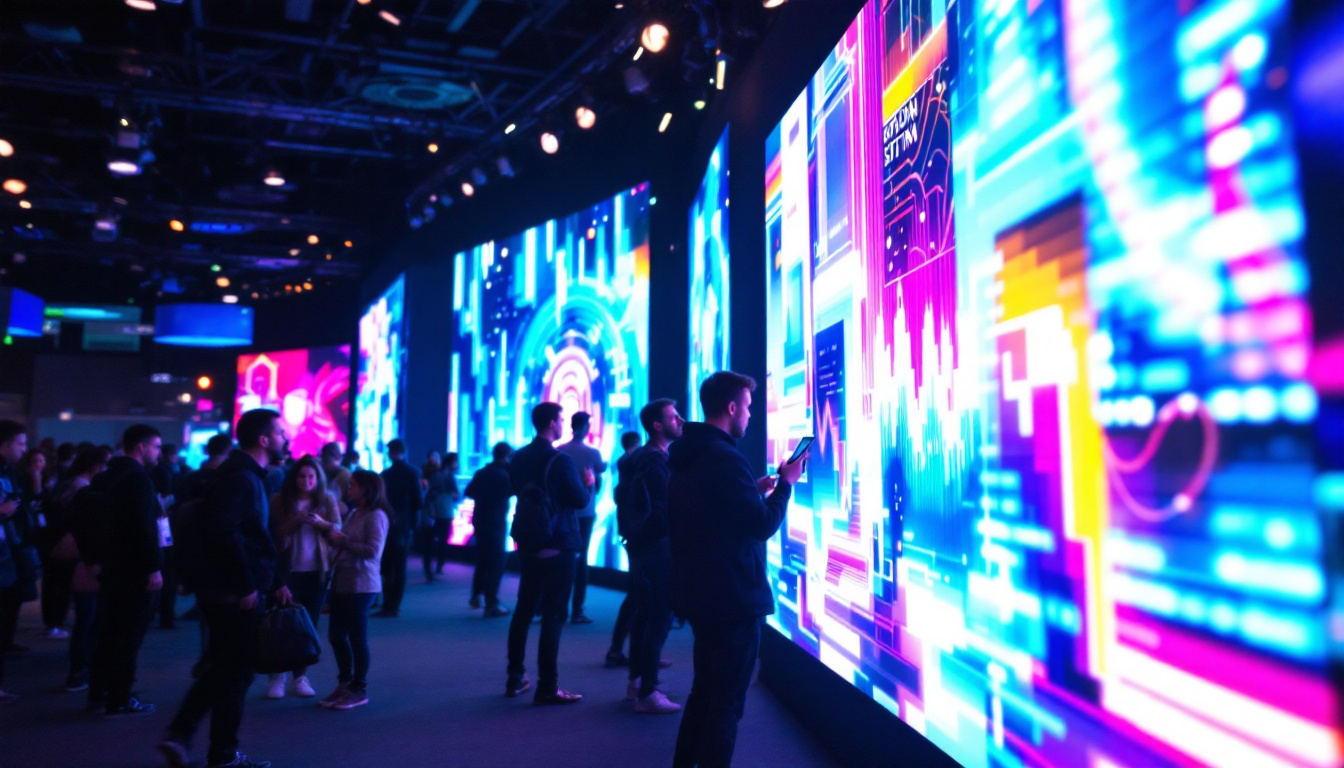
In the events industry, LED mesh is prized for its portability and adaptability. Concerts, exhibitions, and trade shows use LED mesh screens as backdrops or stage elements that can be quickly assembled and disassembled. Their lightweight design reduces transportation costs and setup time, while the transparency allows for creative lighting and stage effects.
Moreover, LED mesh can be used outdoors for festivals and sports events, providing high-impact visuals that are visible from a distance without obstructing views behind the screen.
Technical Considerations When Choosing LED Mesh
Pixel Pitch and Resolution
The pixel pitch of an LED mesh display directly affects its resolution and optimal viewing distance. Smaller pixel pitches (e.g., 6mm to 10mm) offer higher resolution and are suitable for close-up viewing, such as indoor retail or event spaces. Larger pixel pitches (e.g., 16mm to 25mm) are more appropriate for outdoor applications where viewers are farther away.
Choosing the right pixel pitch ensures that the displayed content is sharp and legible, maximizing the effectiveness of the display.
Transparency Rate
Transparency rates vary between LED mesh products, typically ranging from 40% to 80%. Higher transparency is desirable for applications where preserving natural light and visibility is critical, such as glass facades or windows. However, higher transparency often means fewer LEDs per square meter, which can reduce image density and brightness.
Balancing transparency with image quality is essential and depends on the specific use case and environmental conditions.
Durability and Weather Resistance
For outdoor installations, LED mesh must withstand harsh weather conditions including rain, wind, dust, and temperature fluctuations. Look for products with high IP (Ingress Protection) ratings, typically IP65 or higher, to ensure protection against water and dust ingress.
Additionally, UV resistance and corrosion-resistant materials extend the lifespan of the display, reducing maintenance and replacement costs.
Future Trends in LED Mesh Technology
As LED technology continues to advance, LED mesh is evolving with improvements in resolution, flexibility, and integration capabilities. Emerging trends include:
- Higher Resolution Mesh: Advances in miniaturization allow for smaller pixel pitches, enabling LED mesh to deliver near-retina quality images suitable for closer viewing distances.
- Flexible and Curved Displays: Innovations in materials are enhancing the flexibility of LED mesh, allowing it to wrap around complex architectural forms and create immersive environments.
- Smart Integration: Integration with IoT and AI technologies is enabling LED mesh displays to become interactive, responsive to environmental cues, and capable of personalized content delivery.
These developments promise to expand the applications of LED mesh and deepen its impact across industries.
Conclusion
LED mesh represents a significant leap forward in LED display technology, offering a unique combination of transparency, flexibility, and energy efficiency. Its ability to blend digital content with physical environments opens new creative possibilities for architects, advertisers, and event organizers alike.
Understanding the technical aspects such as pixel pitch, transparency, and durability is crucial for selecting the right LED mesh solution tailored to specific needs. As the technology continues to advance, LED mesh is poised to become a staple in digital signage and architectural design, driving more engaging and sustainable visual experiences.
Discover the Future of LED Displays with LumenMatrix
Ready to elevate your visual communication with the cutting-edge technology of LED mesh? LumenMatrix is at the forefront of LED display innovation, offering a diverse range of solutions tailored to your unique needs. From captivating Indoor LED Walls to dynamic Outdoor Displays and beyond, our products are designed to transform your space and engage your audience. Experience the difference with LumenMatrix and take the first step towards a more engaging, sustainable visual experience. Check out LumenMatrix LED Display Solutions today and see your vision come to life.