In the world of live performances, concerts, theater productions, and corporate events, stage set designs play a crucial role in creating immersive and memorable experiences. Among the many tools available to designers and producers, LED displays have emerged as a transformative technology that redefines how audiences engage with visual storytelling. This article delves into the fundamentals of LED displays in stage set design, exploring their technology, applications, benefits, and future trends.
Understanding LED Displays: The Technology Behind the Glow
LED, or Light Emitting Diode, displays are digital screens composed of numerous tiny light sources that emit bright, vibrant colors. Unlike traditional projection or LCD screens, LED displays generate their own light, allowing for superior brightness and contrast, which is essential in dynamic stage environments. This self-illuminating feature not only enhances visibility but also provides a wider color gamut, making it possible to create stunning visual effects that captivate audiences.
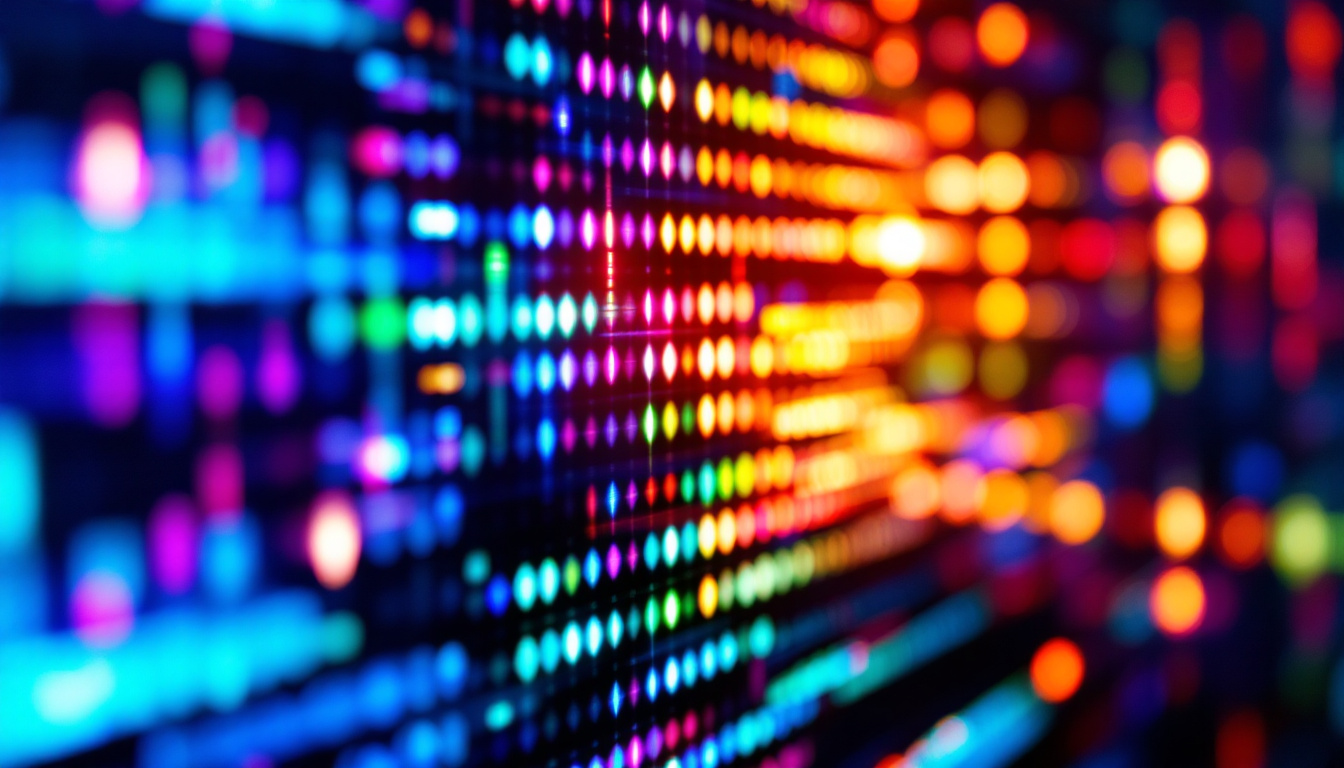
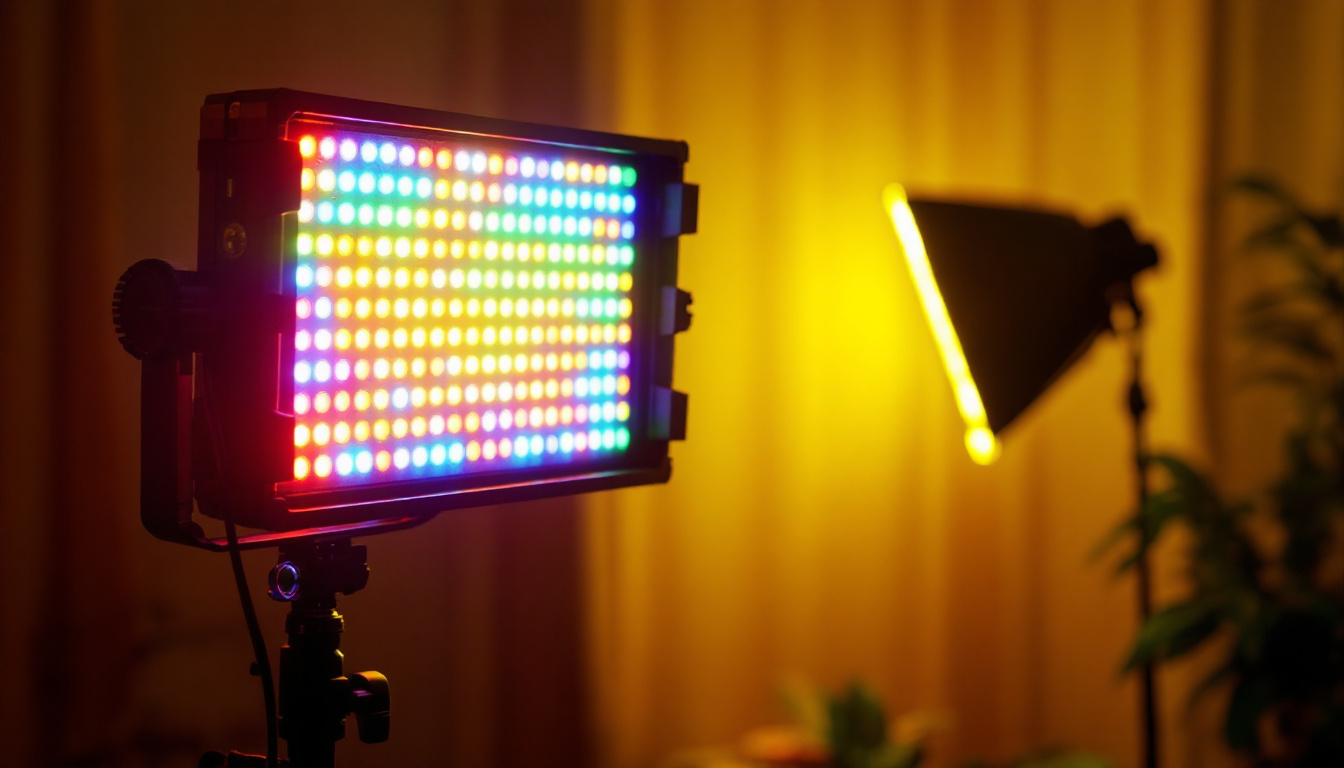
The core component of an LED display is the pixel, made up of red, green, and blue diodes. By varying the intensity of these diodes, the display can produce a full spectrum of colors. Modern LED panels are modular, enabling designers to assemble screens of virtually any size and shape to fit the unique demands of a stage set. This modularity allows for seamless integration into various design elements, ensuring that the visual experience is cohesive and immersive.
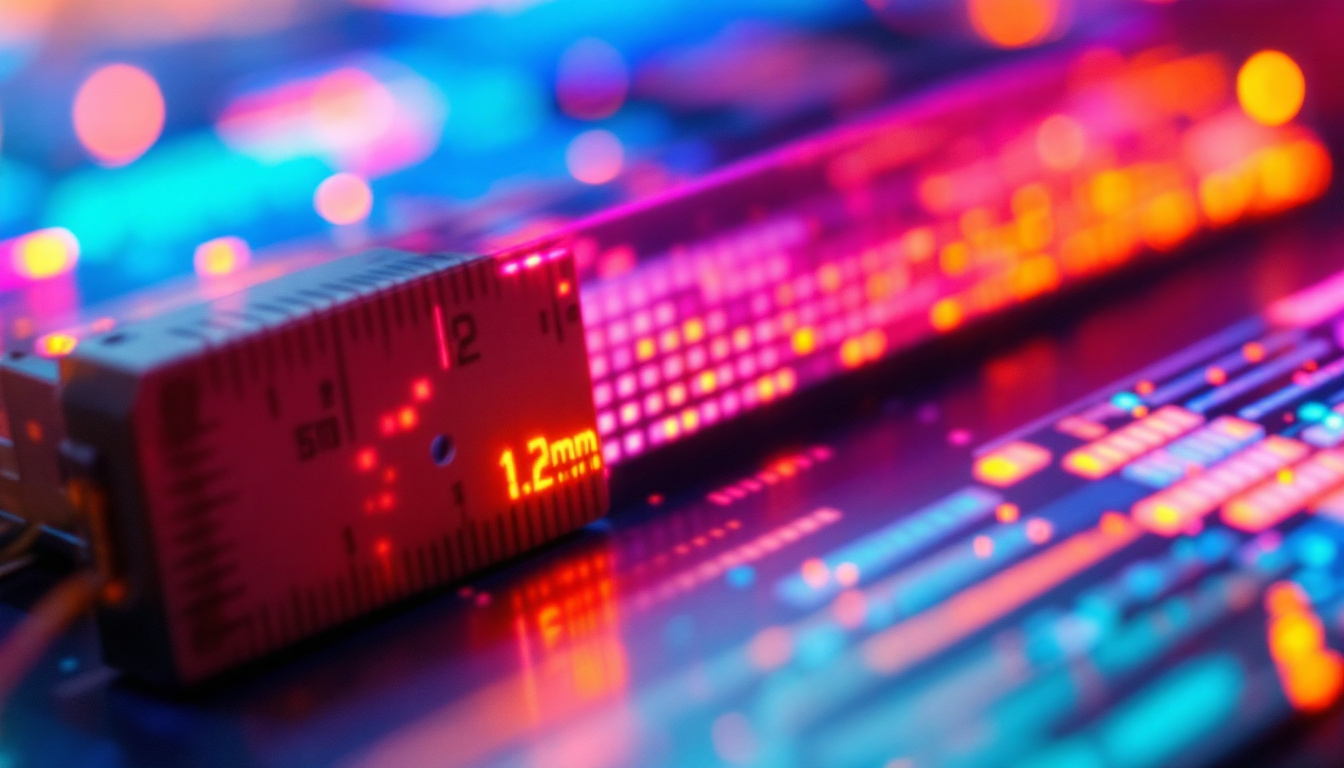
Advancements in LED technology have led to higher pixel densities, meaning the images are sharper and more detailed even when viewed up close. This is particularly important in theater and live events where audiences are seated at varying distances from the stage. Furthermore, the development of HDR (High Dynamic Range) capabilities in LED displays has allowed for deeper blacks and brighter whites, enhancing the overall visual experience and making performances more engaging.
Types of LED Displays Used in Stage Set Designs
There are several types of LED displays commonly used in stage design, each with its own advantages:
- Indoor LED Screens: Designed for controlled lighting environments, these displays have high resolution and pixel density, making them ideal for theater and corporate events. Their ability to render intricate details and vibrant colors ensures that every nuance of the performance is captured and conveyed to the audience.
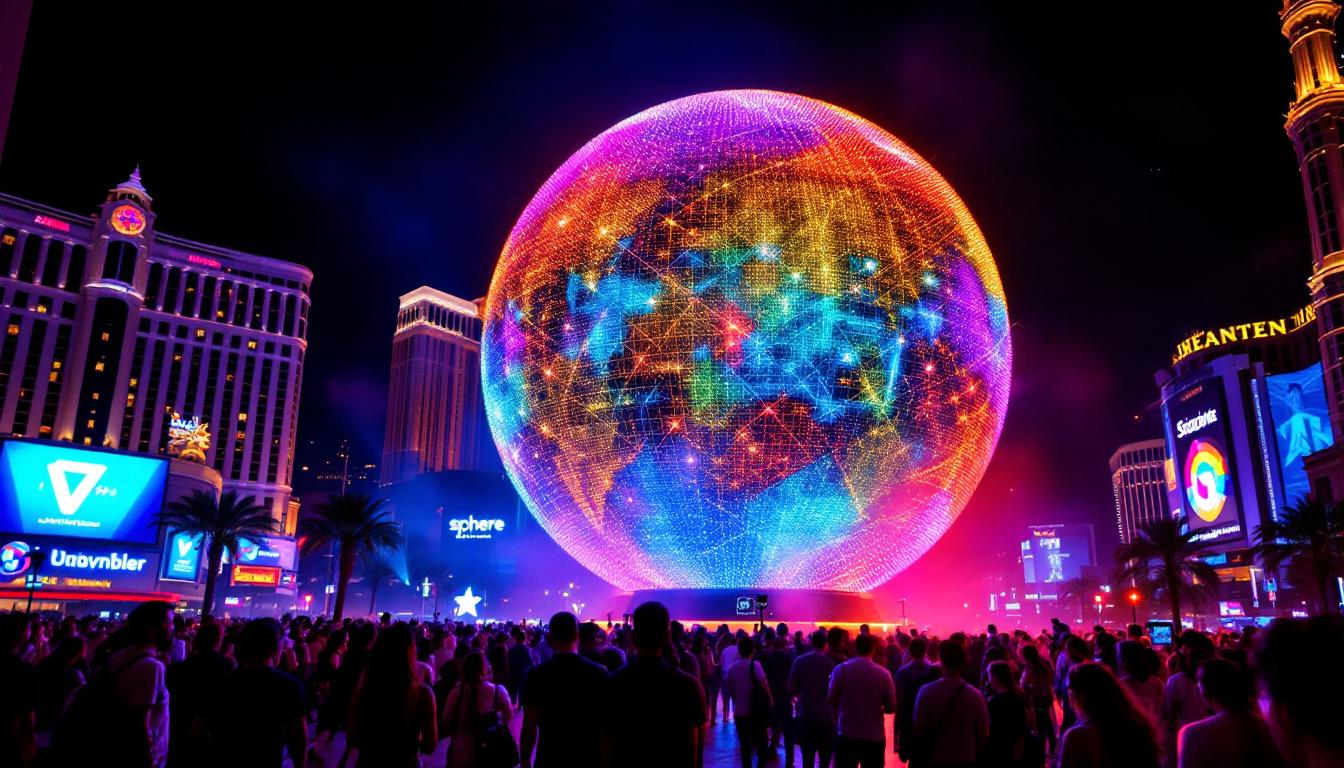
- Outdoor LED Screens: Built to withstand weather conditions, these are used for large concerts and festivals where brightness must compete with daylight. Equipped with protective coatings and robust housings, outdoor screens maintain their performance even in harsh conditions, ensuring that the show goes on regardless of the weather.
- Flexible and Transparent LED Panels: These innovative panels allow for creative applications such as curved screens or see-through displays, expanding the possibilities for stage aesthetics. Their versatility enables designers to create stunning visual backdrops that can morph and adapt throughout a performance, adding layers of depth and intrigue to the overall presentation.
In addition to these types, there are also specialized LED solutions like pixel-mapping technology, which allows for the synchronization of video content with lighting effects. This technology enhances the storytelling aspect of performances by creating a dynamic interplay between visuals and stage lighting, drawing the audience deeper into the narrative. Moreover, with the rise of virtual and augmented reality, LED displays are increasingly being integrated into immersive environments, providing a multi-dimensional experience that blurs the lines between reality and digital artistry.
Applications of LED Displays in Stage Set Design
LED displays have revolutionized how designers approach stage visuals, offering unprecedented flexibility and creativity. Here are some of the most impactful applications:
Dynamic Backdrops and Scenic Elements
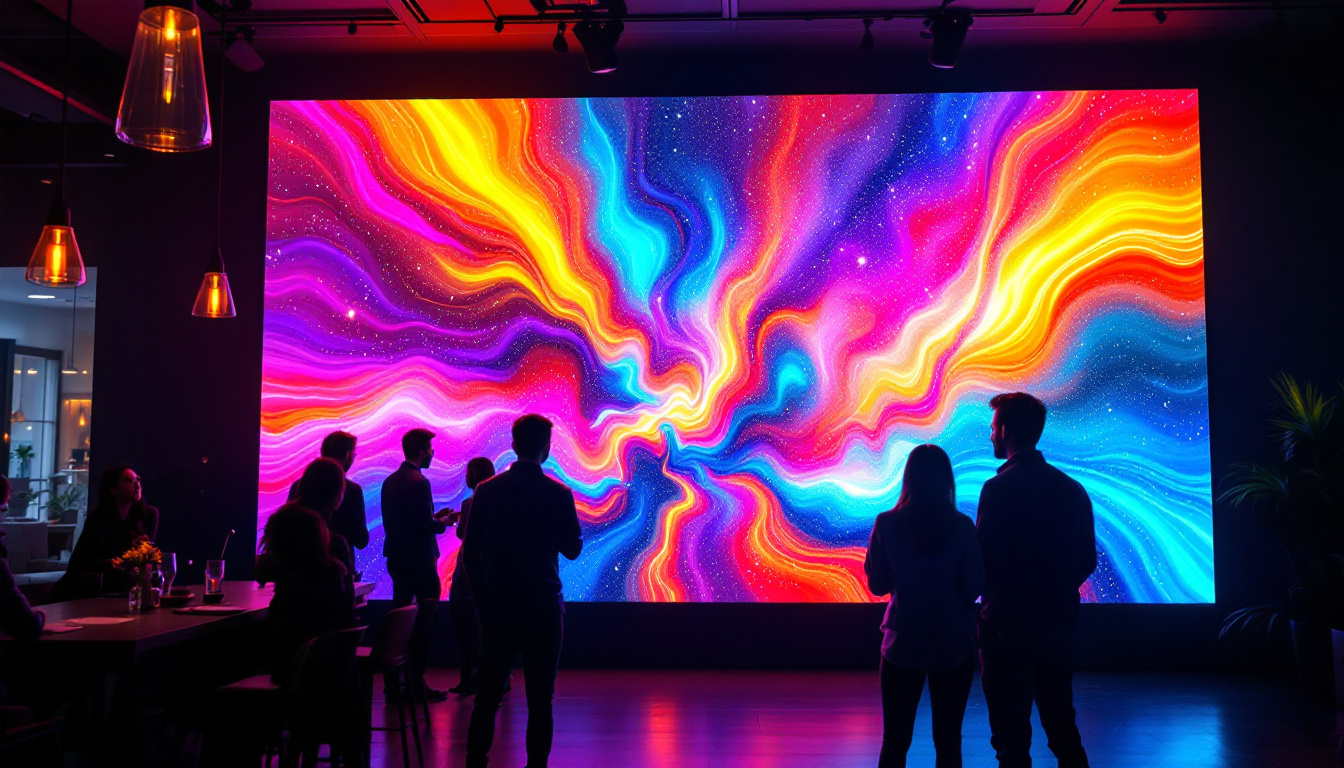
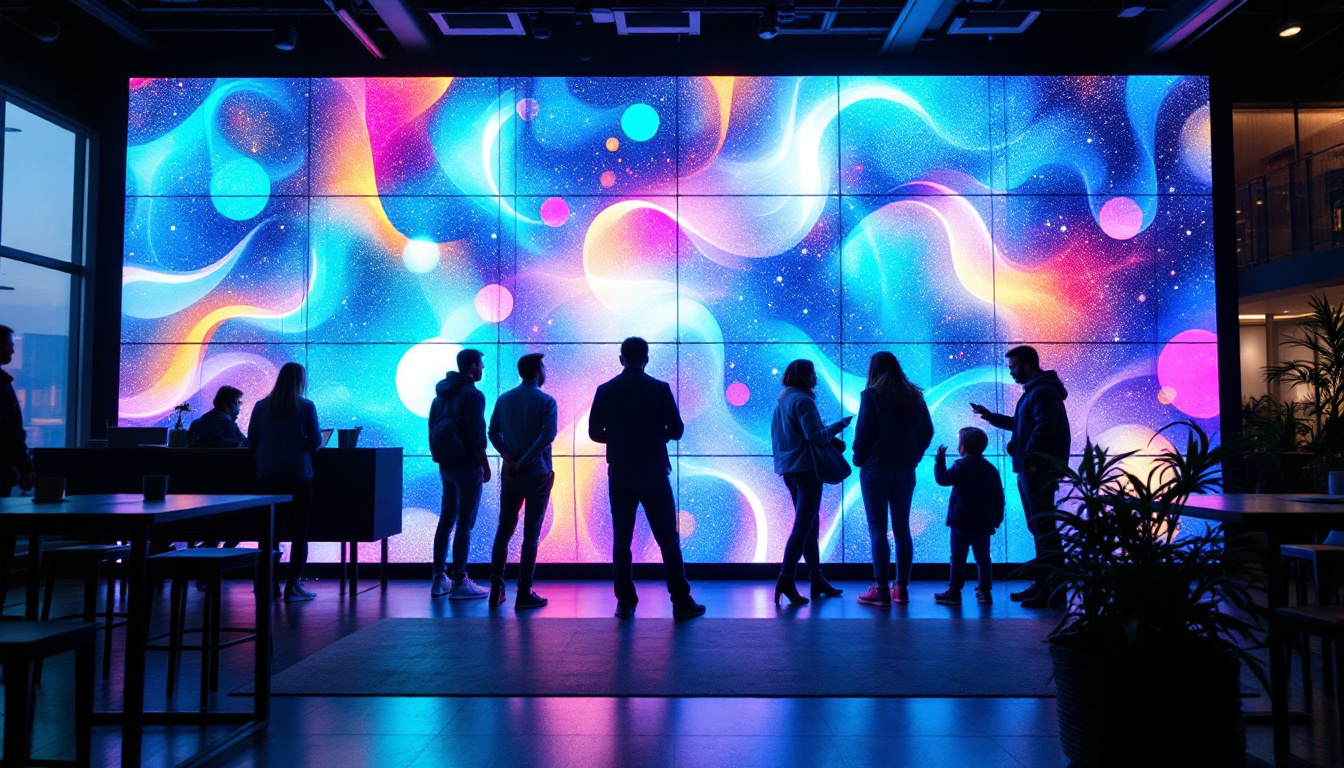
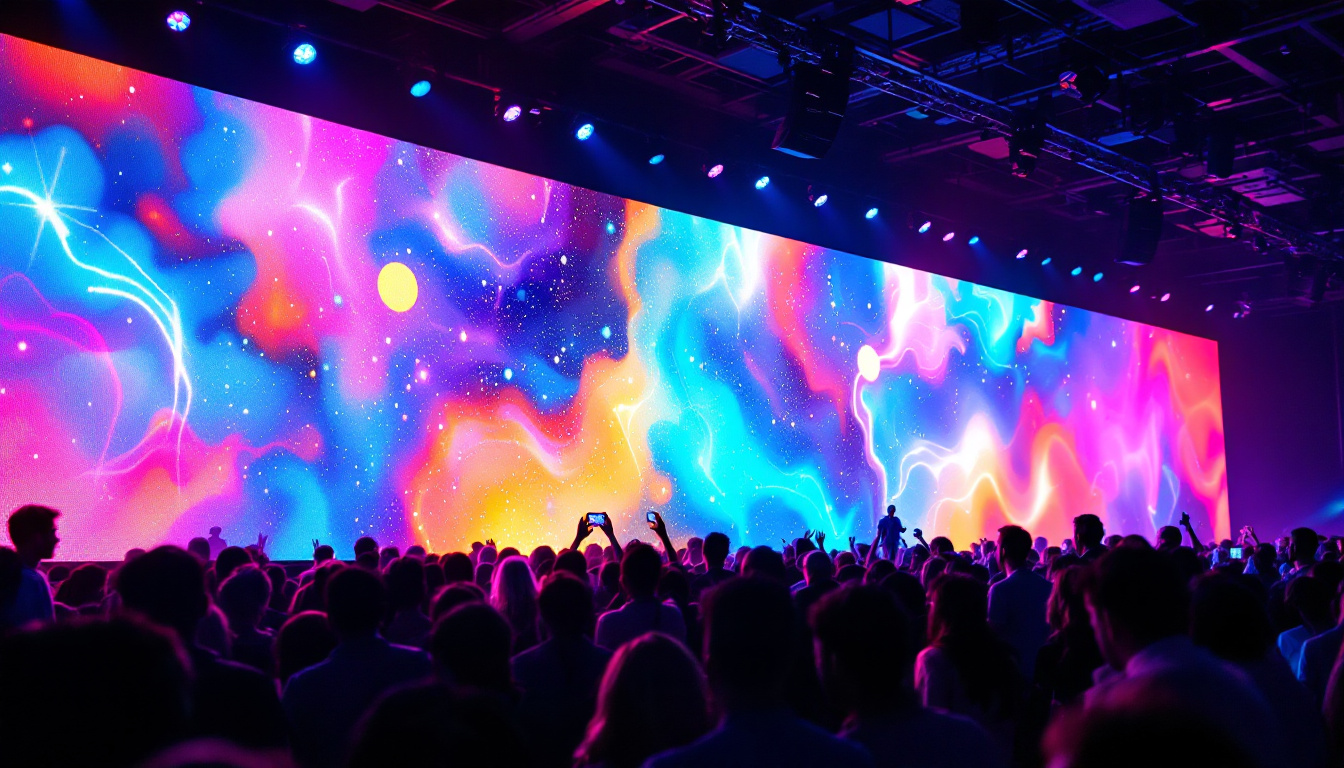
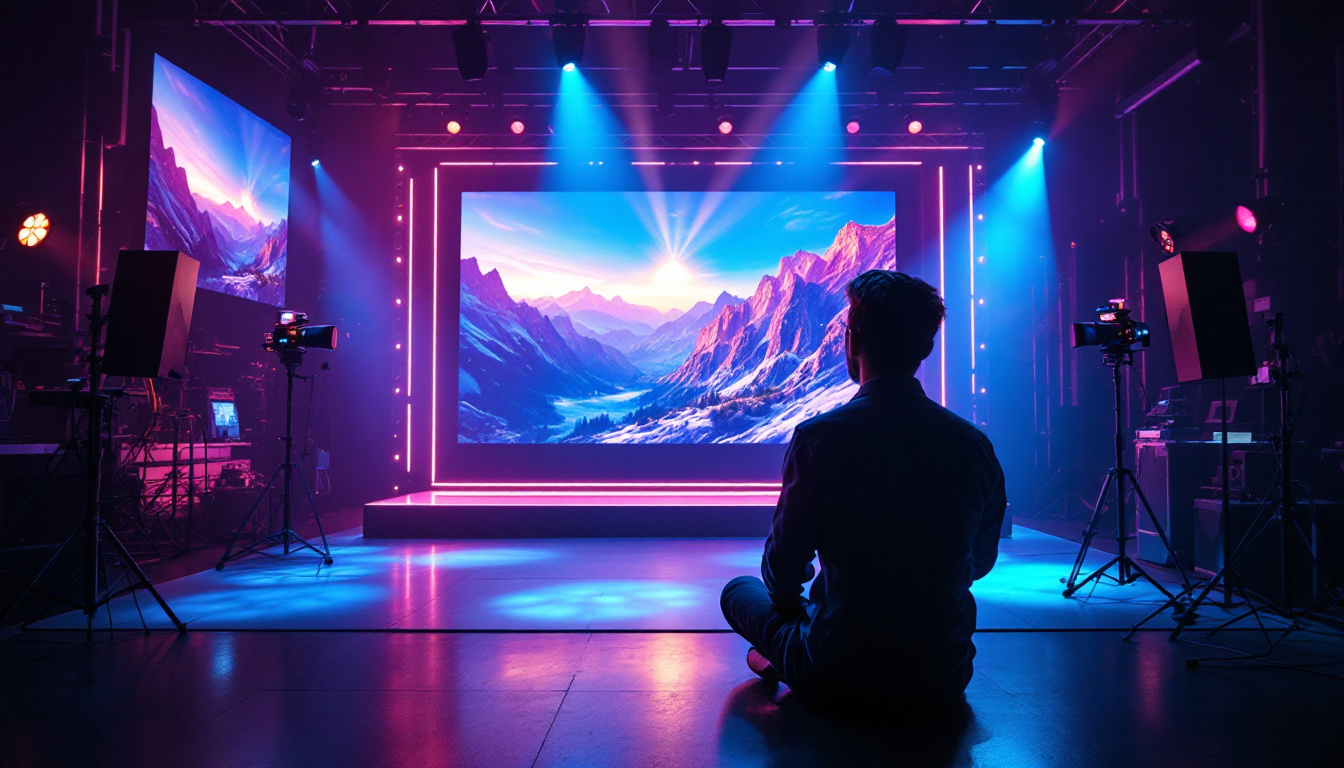
Traditionally, stage backdrops were static painted canvases or printed materials. LED displays enable dynamic, changeable backgrounds that can transform instantly to suit different scenes or moods. For example, a concert can shift from a serene forest scene to a vibrant cityscape within seconds, enhancing storytelling and audience engagement.
Moreover, LED panels can be integrated into scenic elements such as walls, floors, and props, creating interactive environments that respond to performers’ movements or music cues. This integration allows for a more cohesive design, where the visuals and the physical elements of the stage work in harmony. Designers can also utilize advanced projection mapping techniques on these LED surfaces, adding layers of depth and dimension that were previously unattainable, turning a simple stage into a multi-faceted visual experience.
Interactive and Immersive Experiences
With the integration of motion sensors and real-time content control, LED displays enable interactive stage designs. Performers can trigger visual effects or animations through their movements, creating a seamless blend of live action and digital imagery. This immersive approach captivates audiences and elevates the overall production value. For instance, in theatrical performances, actors can interact with animated characters or environments projected onto the LED screens, blurring the lines between reality and fantasy.
Additionally, incorporating augmented reality (AR) elements with LED displays can further enhance the experience. Audiences equipped with AR glasses or apps can see additional layers of content that complement the live performance, making the experience even more engaging. This technology not only captivates viewers but also opens up new avenues for storytelling, allowing for narratives that evolve in real-time based on audience reactions.
Branding and Corporate Events
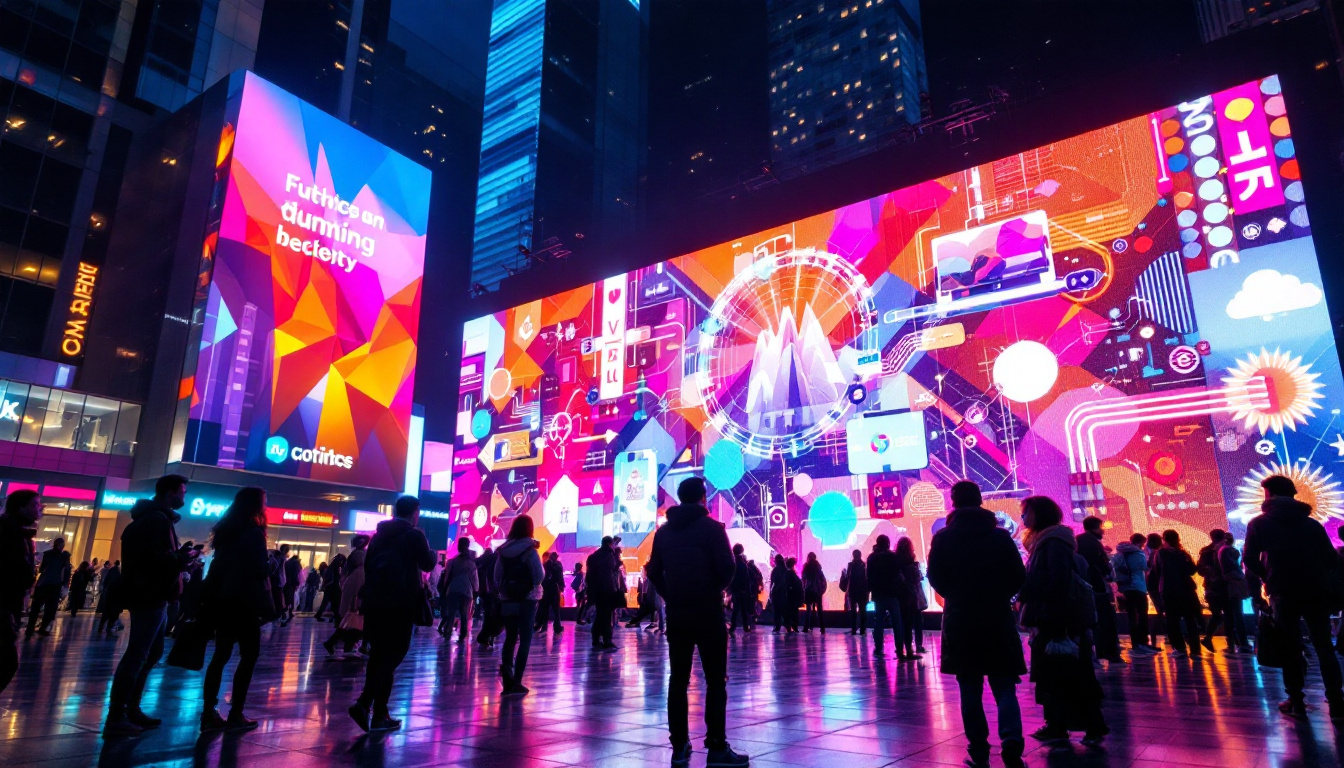
In corporate settings, LED displays are invaluable for showcasing logos, product videos, and live feeds. Their high brightness and clarity ensure that branding elements are visible from all angles, even in large venues. The ability to quickly switch content also allows for versatile presentations during conferences and trade shows. Furthermore, the use of LED displays can enhance brand storytelling by integrating video testimonials, interactive polls, or social media feeds that encourage audience participation and engagement.
Moreover, LED displays can be customized to fit the theme of the event, allowing companies to create a unique atmosphere that aligns with their brand identity. From sleek, modern designs for tech launches to vibrant, colorful displays for entertainment events, the adaptability of LED technology ensures that every corporate event can leave a lasting impression. The ability to incorporate live data feeds, such as stock prices or social media mentions, can also keep attendees informed and engaged, making the experience more dynamic and relevant.
Benefits of Using LED Displays in Stage Set Designs
The adoption of LED technology in stage design offers multiple advantages that contribute to both artistic expression and operational efficiency.
Superior Visual Quality
LED displays deliver vibrant colors, deep blacks, and high contrast ratios that outperform many traditional display technologies. This visual quality enhances the audience’s experience, making performances more engaging and memorable.
Flexibility and Customization
The modular nature of LED panels allows designers to create custom shapes and sizes tailored to the specific needs of a production. Whether it’s a massive video wall or a small, intricate display integrated into a prop, LED technology adapts to diverse creative visions.
Energy Efficiency and Durability
Compared to other lighting and display options, LEDs consume less power and generate less heat, which is beneficial for both environmental sustainability and the comfort of performers. Additionally, LED panels are durable and designed to withstand the rigors of touring and frequent setup and teardown.
Ease of Installation and Maintenance
Modern LED displays are designed for quick assembly and disassembly, which is critical in live event environments where time is limited. Maintenance is also simplified due to modular components that can be replaced individually without dismantling entire screens.
Challenges and Considerations When Using LED Displays
While LED displays offer numerous benefits, there are also challenges that production teams must address to maximize their effectiveness.
Cost Implications
High-quality LED displays represent a significant investment. The initial purchase or rental costs can be substantial, especially for large-scale productions. However, the long-term benefits in terms of versatility and visual impact often justify the expense.
Technical Expertise Required
Operating LED displays requires specialized knowledge in content creation, signal processing, and hardware management. Productions must ensure they have skilled technicians to handle setup, calibration, and real-time control to avoid technical issues during performances.
Content Creation and Management
Creating content that fully leverages the capabilities of LED displays demands creativity and technical skill. Content must be designed with the display’s resolution, aspect ratio, and viewing angles in mind. Additionally, synchronization with lighting, sound, and stage cues is essential for a cohesive experience.
Future Trends in LED Stage Set Designs
The field of LED technology is rapidly evolving, and several trends are shaping the future of stage set designs.
Higher Resolution and Miniaturization
As pixel sizes continue to shrink, LED displays will offer even higher resolutions, enabling ultra-realistic visuals. This miniaturization allows for seamless integration into smaller stage elements, expanding creative possibilities.
Augmented Reality (AR) and Mixed Reality Integration
Combining LED displays with AR and mixed reality technologies promises to create hybrid environments where digital and physical elements coexist interactively. This will open new dimensions in storytelling and audience engagement.
Energy-Efficient and Sustainable Solutions
With growing emphasis on sustainability, manufacturers are developing LED panels that consume less power and use eco-friendly materials. This aligns with the entertainment industry’s broader goals of reducing environmental impact.
Wireless and Remote Control Systems
Advancements in wireless technology will simplify the control and synchronization of LED displays, allowing for more fluid and adaptive stage designs. Remote management will also enhance safety and efficiency during live events.
Conclusion
LED displays have become indispensable in modern stage set designs, offering unparalleled visual quality, flexibility, and creative potential. Their ability to transform static environments into dynamic, immersive experiences has redefined audience expectations across entertainment and corporate sectors. While challenges such as cost and technical complexity exist, ongoing innovations continue to make LED technology more accessible and impactful. As the technology advances, LED displays will undoubtedly remain at the forefront of stage design, enabling ever more spectacular and engaging productions.
Illuminate Your Stage with LumenMatrix
Ready to elevate your stage set design to new heights of innovation and audience engagement? LumenMatrix is at the forefront of LED display technology, offering a diverse range of solutions tailored to your creative needs. From Indoor and Outdoor LED Wall Displays to immersive Floor and Custom LED Displays, our products are designed to captivate and mesmerize audiences. Discover how our cutting-edge LED display modules can transform your visual storytelling and enhance your brand’s presence. Check out LumenMatrix LED Display Solutions today and step into the future of stage design.