In the modern era of entertainment, advertising, and public information, the jumbotron has become a symbol of grandeur and technological prowess. These massive LED displays captivate audiences with their vivid visuals and dynamic content, transforming ordinary spaces into immersive experiences. But what exactly makes a jumbotron the “largest,” and how do these colossal LED displays work? This article delves into the fascinating world of the largest jumbotron in the world, exploring its technology, applications, and the future of LED display innovation.
Understanding the Jumbotron: Origins and Evolution
The term “jumbotron” was originally coined by Sony in the 1980s to describe their large-scale video display technology. Since then, the concept has evolved dramatically, moving from bulky cathode-ray tube (CRT) displays to sleek, energy-efficient LED panels. Today, jumbotrons are synonymous with massive LED screens used in stadiums, public squares, and entertainment venues worldwide.
Early jumbotrons were primarily used to enhance the spectator experience at sports events, allowing fans to see replays, scores, and live footage from various angles. Over time, their use expanded to concerts, advertising billboards, and public information systems. The evolution of LED technology has been central to this transformation, enabling higher resolution, brighter displays, and greater durability.
The Shift from CRT to LED
CRT jumbotrons, while revolutionary in their time, were limited by their size, weight, and energy consumption. LED (Light Emitting Diode) technology brought about a paradigm shift. LEDs are smaller, more energy-efficient, and capable of producing brighter images with better color accuracy. This transition allowed for the creation of much larger displays without the prohibitive costs and logistical challenges associated with CRTs.
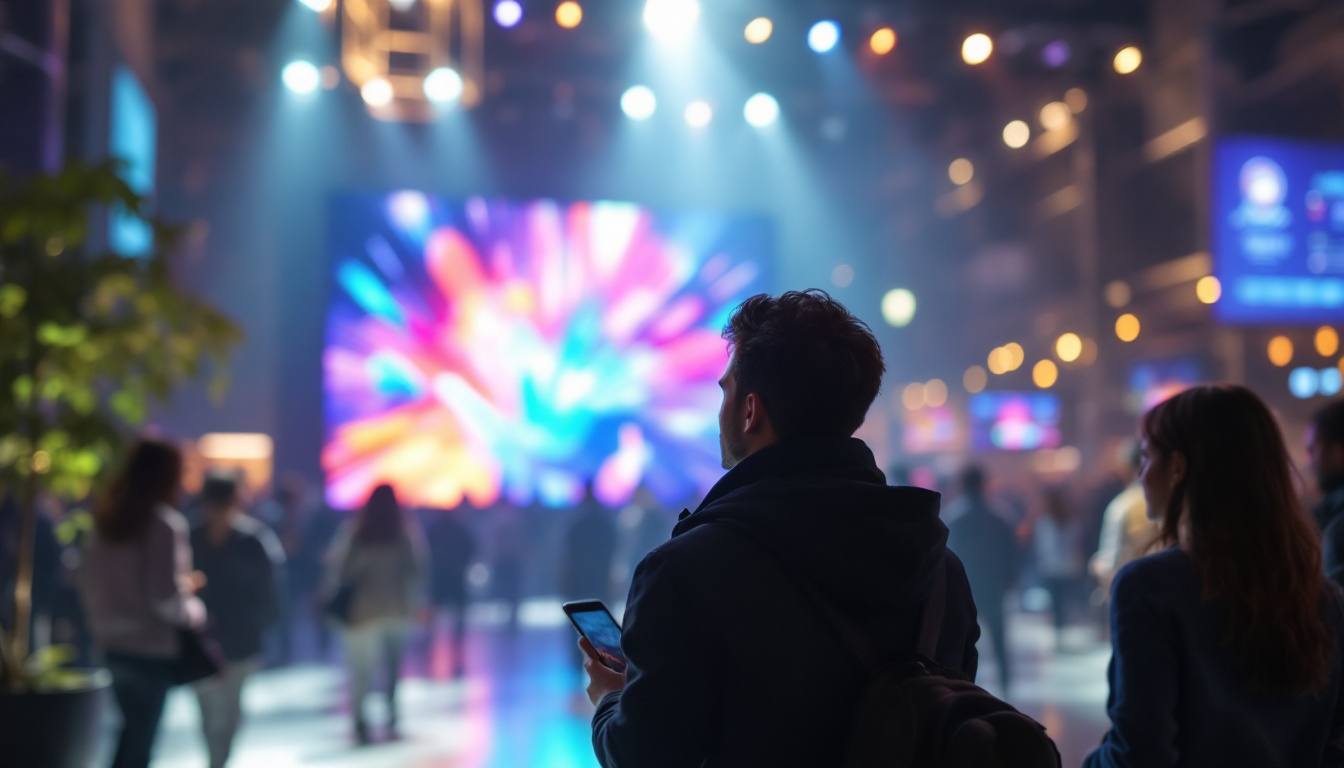
Moreover, the shift to LED technology has not only improved the visual experience but also enhanced the versatility of jumbotrons. These displays can now be used in a variety of settings beyond traditional sports arenas, including urban centers where they serve as dynamic canvases for art installations, public announcements, and interactive experiences. The ability to integrate jumbotrons with mobile technology has also opened new avenues for engagement, allowing viewers to interact with the content displayed in real-time through social media and mobile apps.
What Defines the “Largest” Jumbotron?
When discussing the largest jumbotron in the world, several factors come into play: physical dimensions (height and width), total screen area, pixel density, and resolution. The largest jumbotron isn’t just about sheer size; it’s also about the quality of the display and its ability to deliver clear, vibrant images at a massive scale. Pixel pitch—the distance between individual LED pixels—is a critical metric, as smaller pixel pitches yield higher resolution and sharper images.
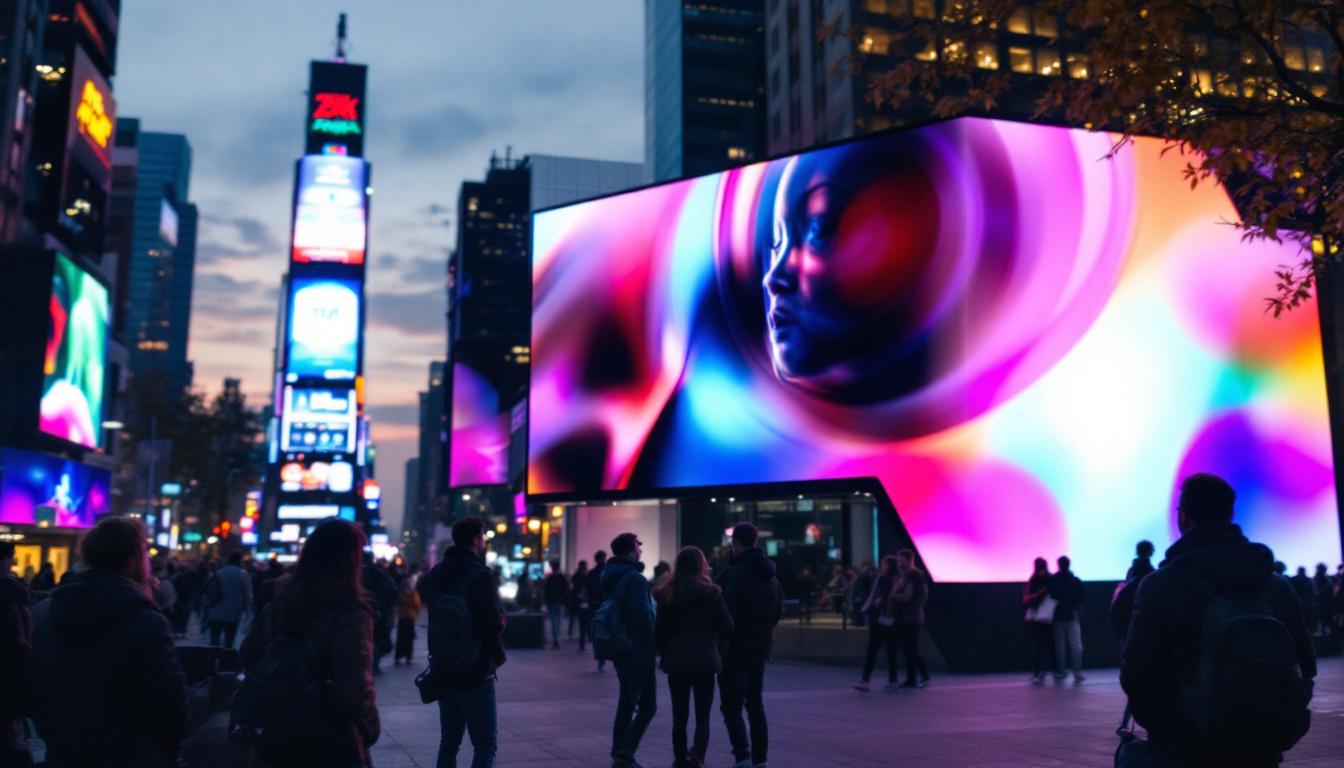
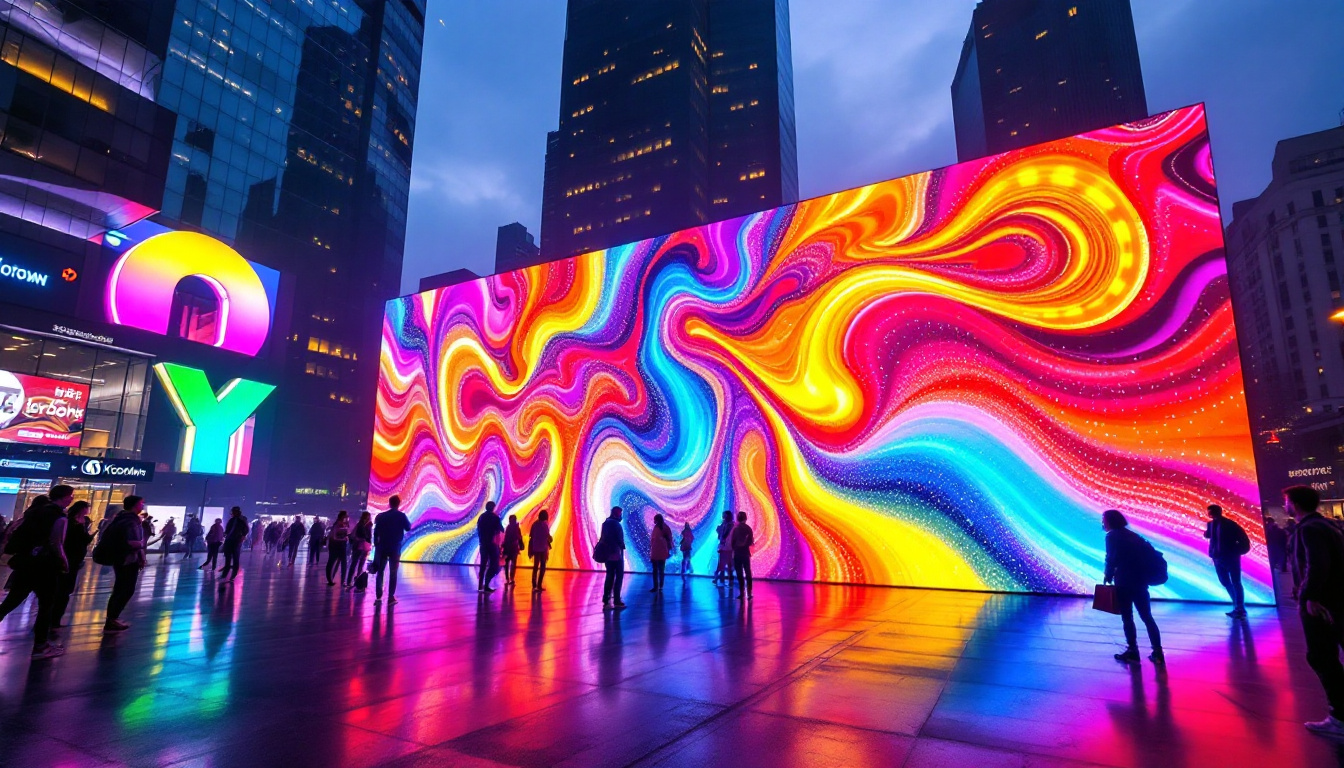
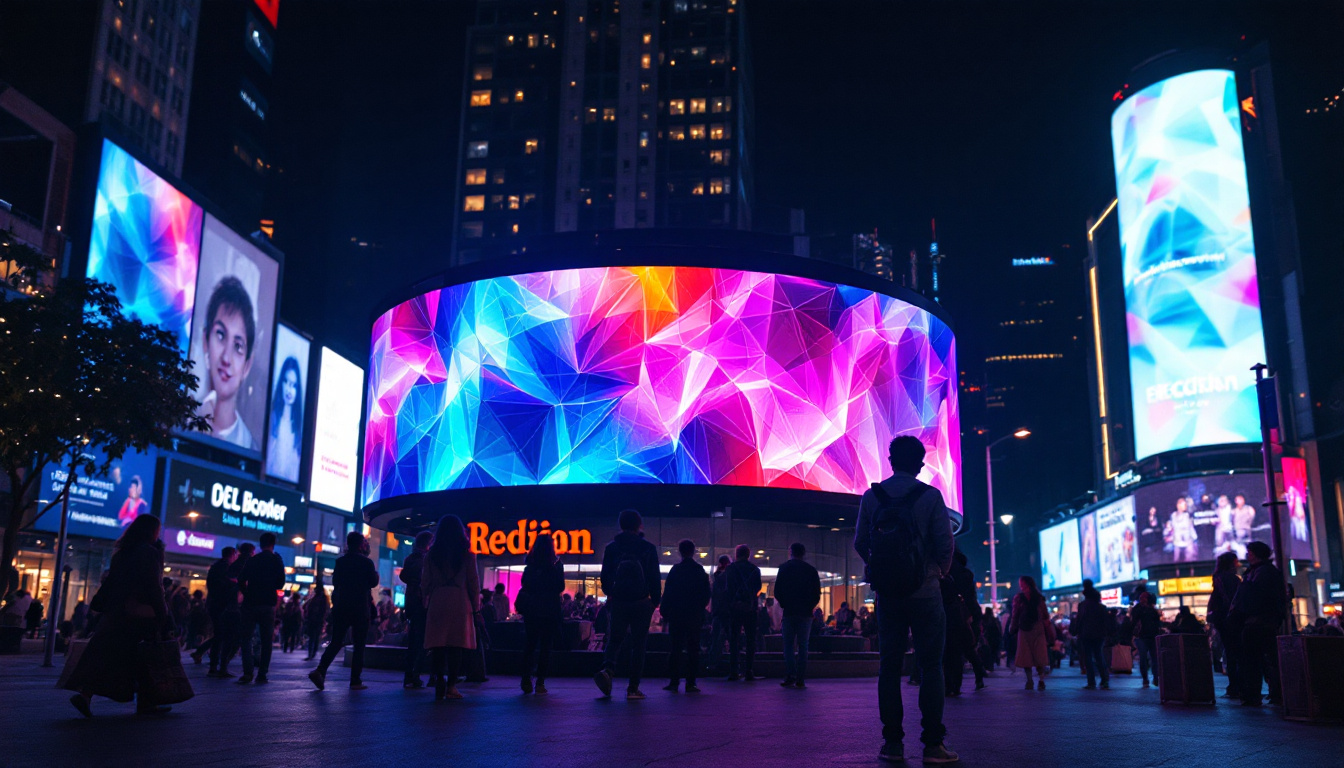
In addition to these technical specifications, the context in which a jumbotron is used can greatly influence its perceived size and impact. For instance, a jumbotron in a packed stadium can create an electrifying atmosphere, amplifying the excitement of live events. Conversely, a jumbotron in a bustling city square can transform the urban landscape, turning public spaces into vibrant hubs of activity. This adaptability has made jumbotrons a staple in modern architecture and urban design, reshaping how we experience public spaces and events.
The Largest Jumbotron in the World: A Closer Look
As of 2024, the largest jumbotron in the world is the LED display installed at the Suzhou Olympic Sports Centre in Suzhou, China. This colossal screen measures approximately 1,200 square meters (around 12,917 square feet), dwarfing other large-scale displays globally. It is a testament to how LED technology has pushed the boundaries of what’s possible in visual display engineering.
Technical Specifications and Features
The Suzhou Olympic Sports Centre jumbotron boasts an ultra-fine pixel pitch of 2.5mm, which is exceptionally small for a screen of its size. This pixel density ensures that even viewers sitting hundreds of meters away can enjoy crisp, detailed images. The display uses over 20 million individual LEDs, arranged meticulously to provide seamless visuals without any visible gaps.
Brightness is another standout feature, with the screen capable of reaching up to 6,000 nits. This level of brightness ensures excellent visibility even in direct sunlight, a crucial factor for outdoor installations. Additionally, the display supports a wide color gamut, enabling vivid and lifelike color reproduction that enhances the viewing experience.
Engineering Challenges and Solutions
Creating the world’s largest jumbotron involves overcoming significant engineering hurdles. Structural integrity is paramount; the display must withstand wind loads, weather conditions, and temperature fluctuations without compromising performance. The Suzhou installation uses a robust steel framework and advanced weatherproofing techniques to ensure durability.
Heat dissipation is another critical concern. With millions of LEDs operating simultaneously, managing thermal output is essential to prevent overheating and prolong the lifespan of the display. The system incorporates sophisticated cooling mechanisms, including ventilation and heat sinks, to maintain optimal operating temperatures.
How LED Technology Powers Massive Displays
LED technology is the backbone of modern jumbotrons. Understanding how LEDs work and why they are ideal for large-scale displays sheds light on the remarkable capabilities of these screens.
Basics of LED Functionality
LEDs are semiconductor devices that emit light when an electric current passes through them. Unlike traditional incandescent bulbs, LEDs are highly efficient, converting most of the energy into light rather than heat. This efficiency makes them ideal for continuous operation in large displays.
Each LED in a jumbotron typically consists of three sub-pixels—red, green, and blue—that combine to produce a full spectrum of colors. By varying the intensity of each sub-pixel, the display can render millions of colors with high accuracy.
Modular Design and Scalability
One of the key advantages of LED displays is their modular design. Large jumbotrons are constructed from multiple smaller panels, or modules, that fit together like puzzle pieces. This modularity allows for easy installation, maintenance, and scalability. If a module malfunctions, it can be replaced without dismantling the entire screen.
Scalability is crucial for creating the largest displays. Manufacturers can design custom sizes by combining modules in various configurations, enabling screens that span hundreds or even thousands of square meters.
Pixel Pitch and Resolution Considerations
Pixel pitch, the distance between the centers of adjacent pixels, directly influences image clarity. Smaller pixel pitches mean more pixels per square meter, resulting in higher resolution and finer detail. However, smaller pixel pitches also increase production costs and require more sophisticated control systems.
For large outdoor jumbotrons, pixel pitches typically range from 2.5mm to 10mm. The Suzhou Olympic Sports Centre’s 2.5mm pitch is exceptional, offering near-retina quality images at a massive scale. Indoor displays often have even smaller pixel pitches for close-up viewing.
Applications and Impact of the Largest Jumbotrons
Beyond their sheer size, the largest jumbotrons have a significant impact on various industries and public spaces. Their applications extend far beyond sports arenas, influencing advertising, entertainment, and urban development.
Enhancing Sports and Entertainment Experiences
In stadiums and arenas, jumbotrons transform spectator experiences by providing instant replays, live scores, and interactive content. The ability to display high-definition video and graphics enhances engagement and keeps audiences informed and entertained.
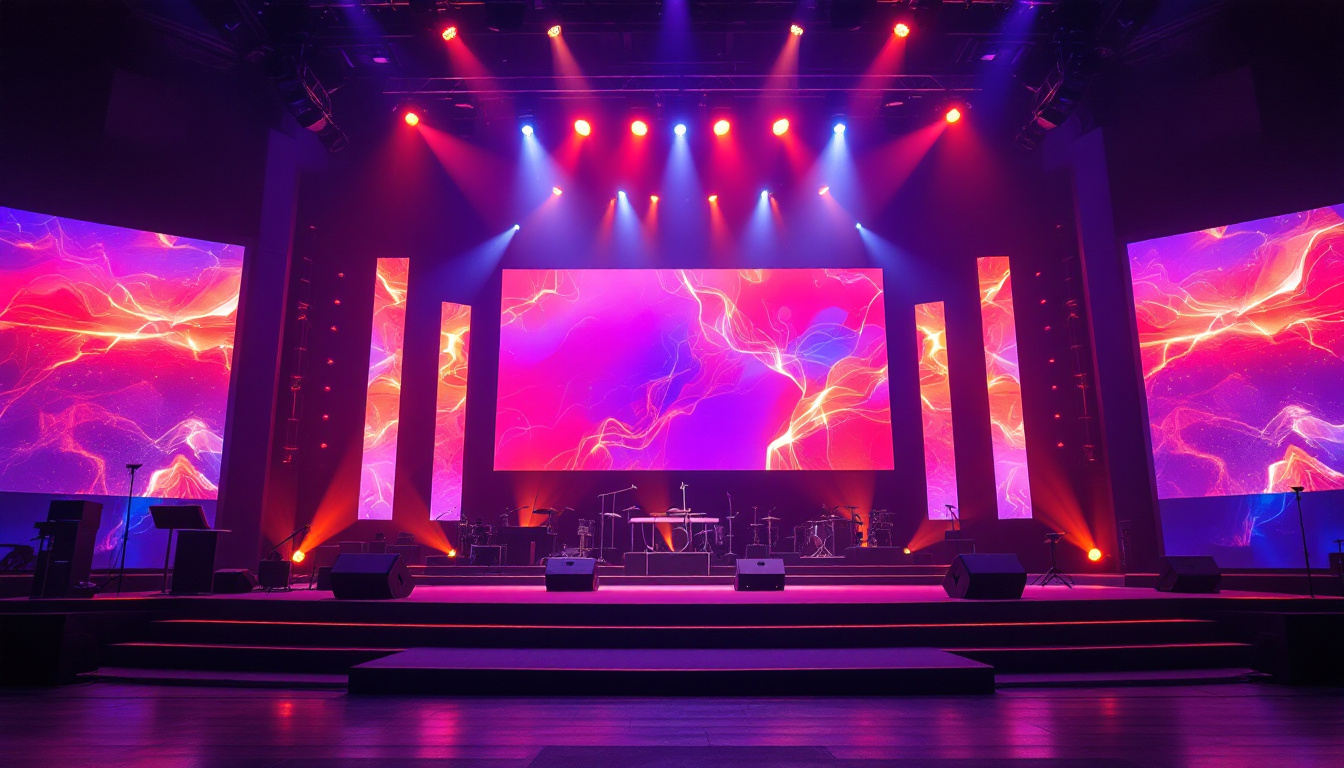
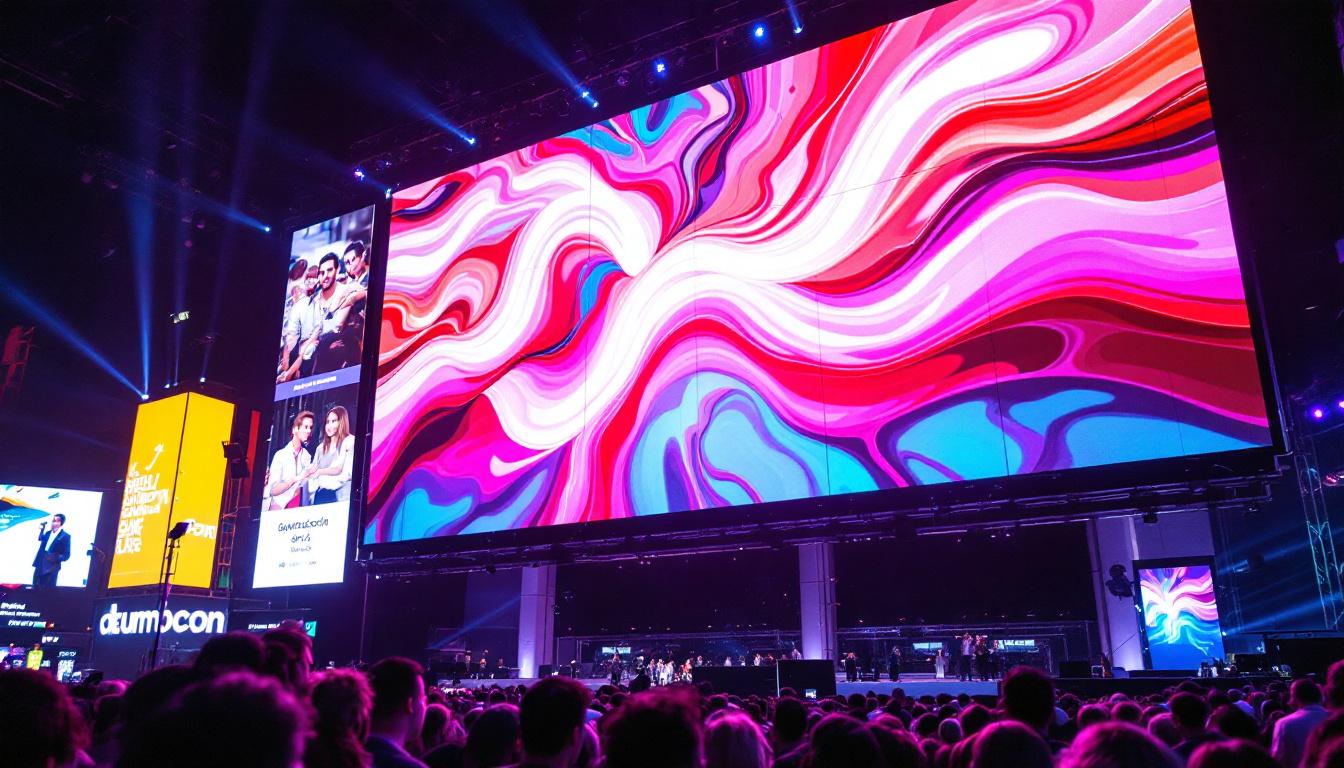
Concerts and festivals also benefit from large LED displays, which allow performers to connect with massive crowds. Visual effects synchronized with music create immersive atmospheres that elevate live performances.
Revolutionizing Advertising and Branding
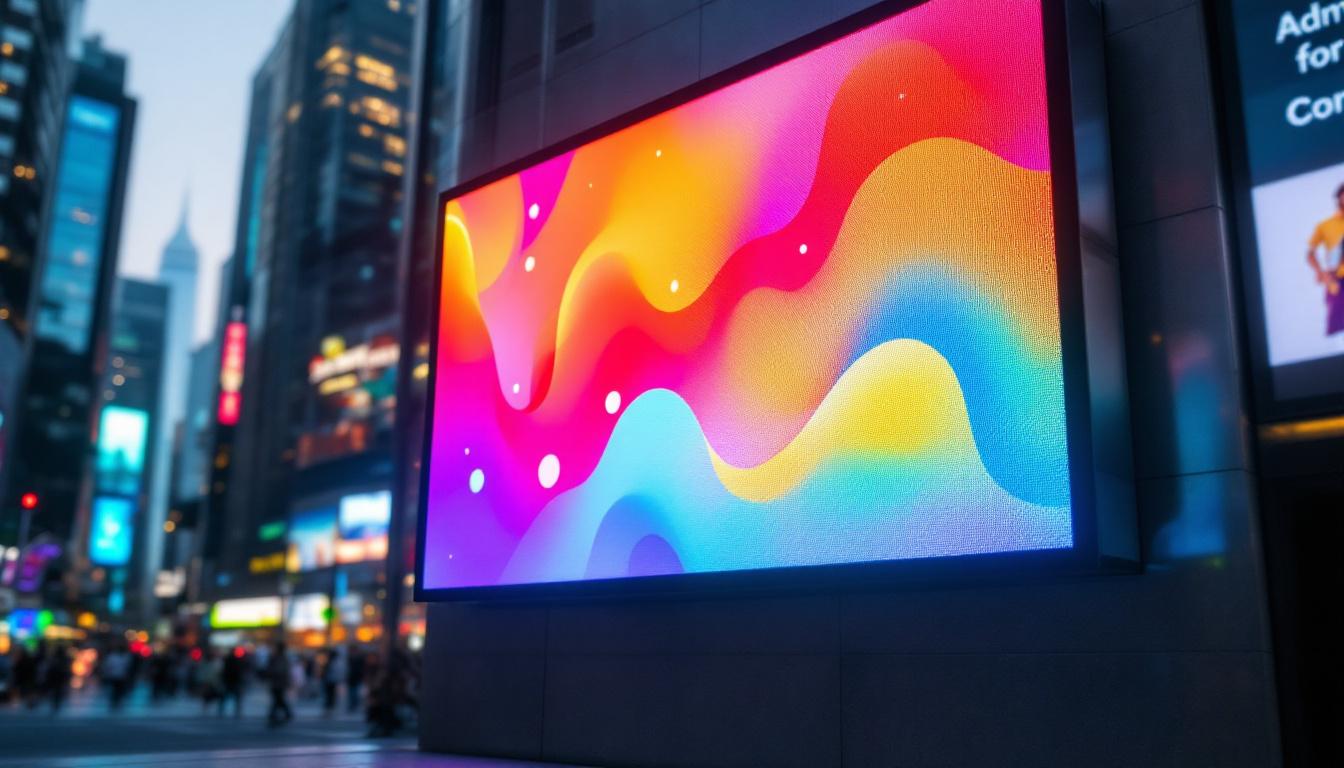
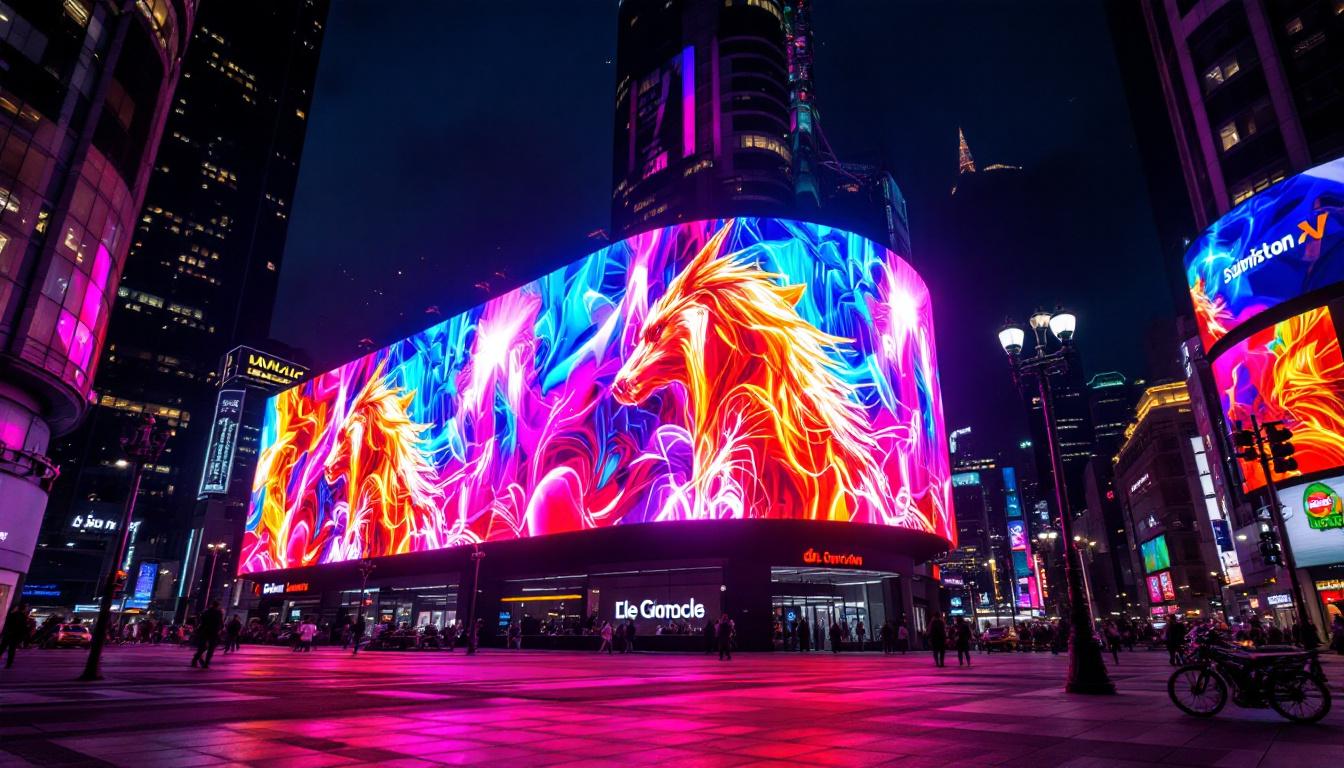
For advertisers, the largest jumbotrons offer unparalleled visibility. Positioned in high-traffic locations, these screens can reach tens of thousands of viewers simultaneously. Dynamic digital content can be updated in real-time, allowing brands to deliver targeted messages and promotions effectively.
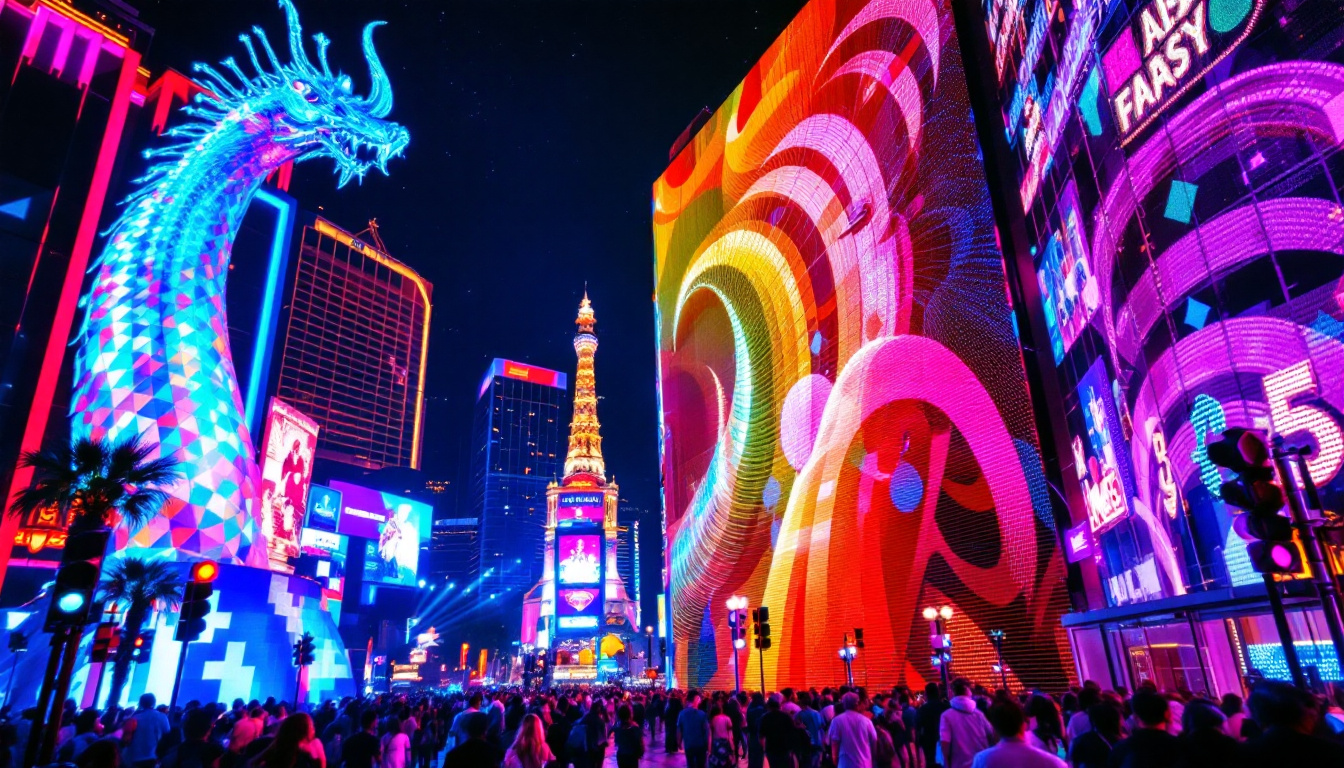
The Times Square LED screens in New York City, while not the largest, exemplify the power of digital billboards in urban advertising. The Suzhou jumbotron and others like it represent the next generation, combining size with cutting-edge technology to maximize impact.
Urban Development and Public Information
City planners and governments utilize large LED displays for public information dissemination, emergency alerts, and cultural promotion. These screens can display news, weather updates, traffic information, and community messages, contributing to smarter, more connected cities.
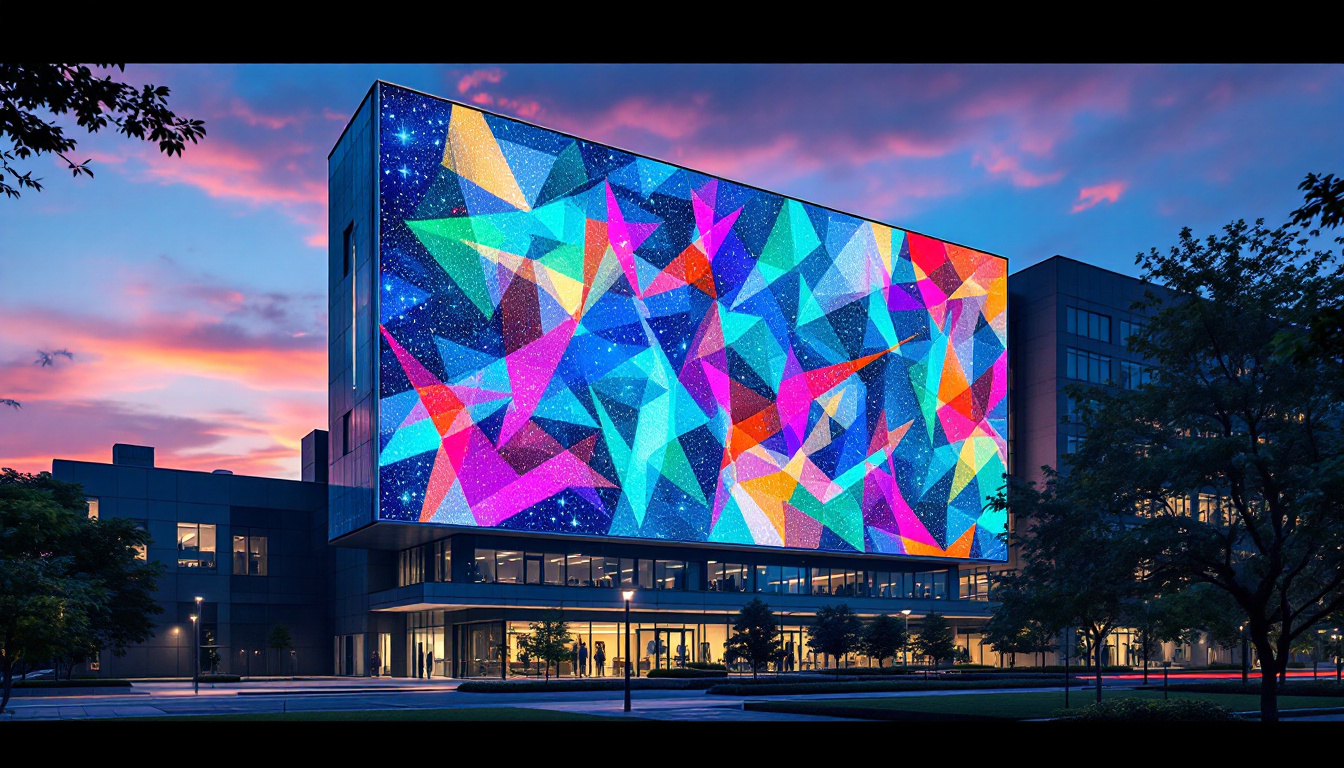
In some cases, jumbotrons become iconic landmarks themselves, attracting tourists and boosting local economies. Their presence can signal a city’s commitment to innovation and modernity.
The Future of Jumbotron and LED Display Technology
As technology continues to advance, the future of jumbotrons looks promising. Innovations in LED materials, control systems, and integration with other technologies will drive new possibilities.
MicroLED and Beyond
MicroLED technology, which uses microscopic LEDs smaller than traditional ones, promises even higher resolution and better energy efficiency. MicroLED displays can achieve pixel pitches below 1mm, enabling ultra-high-definition images at large scales.
While still emerging, MicroLED could revolutionize jumbotron design, offering brighter, more durable, and more flexible screens. This technology may also reduce costs over time, making massive displays more accessible.
Interactive and Immersive Displays
Future jumbotrons may incorporate interactive features, such as touch sensitivity and augmented reality (AR) integration. Audiences could engage directly with content, creating personalized experiences in public spaces.
Immersive technologies, including 3D displays and holography, are also on the horizon. These advancements could transform jumbotrons from passive screens into dynamic environments that captivate and engage like never before.
Sustainability and Energy Efficiency
As environmental concerns grow, the sustainability of large LED displays becomes increasingly important. Manufacturers are focusing on reducing energy consumption, using recyclable materials, and designing systems that minimize light pollution.
Innovations in power management and solar integration could make future jumbotrons more eco-friendly, aligning with global efforts toward sustainable urban development.
Conclusion
The largest jumbotron in the world is more than just a massive screen; it is a marvel of modern engineering and LED technology. From the Suzhou Olympic Sports Centre’s record-breaking display to the evolving landscape of digital signage, these colossal LED screens redefine how audiences experience visual content on a grand scale.
Understanding the technology behind jumbotrons—from pixel pitch to modular design—reveals the complexity and innovation that make these displays possible. Their applications across sports, entertainment, advertising, and urban development demonstrate their versatility and impact.
Looking ahead, emerging technologies like MicroLED and interactive displays promise to push the boundaries even further, creating more immersive and sustainable visual environments. As jumbotrons continue to grow in size and capability, they will remain at the forefront of visual communication, captivating audiences worldwide with their brilliance and scale.
Discover the Future of Visual Experience with LumenMatrix
Ready to elevate your space with the most advanced LED display technology? LumenMatrix is at the forefront of creating the vibrant, high-resolution displays that power the world’s largest jumbotrons and beyond. Whether you’re looking to enhance a sports arena, captivate passersby with outdoor advertising, or innovate with custom LED solutions, LumenMatrix offers a wide range of products designed to transform any environment. Check out LumenMatrix LED Display Solutions today and join the revolution in visual communication.